分类: education

  • Experts advocate smart tech to advance inclusive education

    Experts advocate smart tech to advance inclusive education

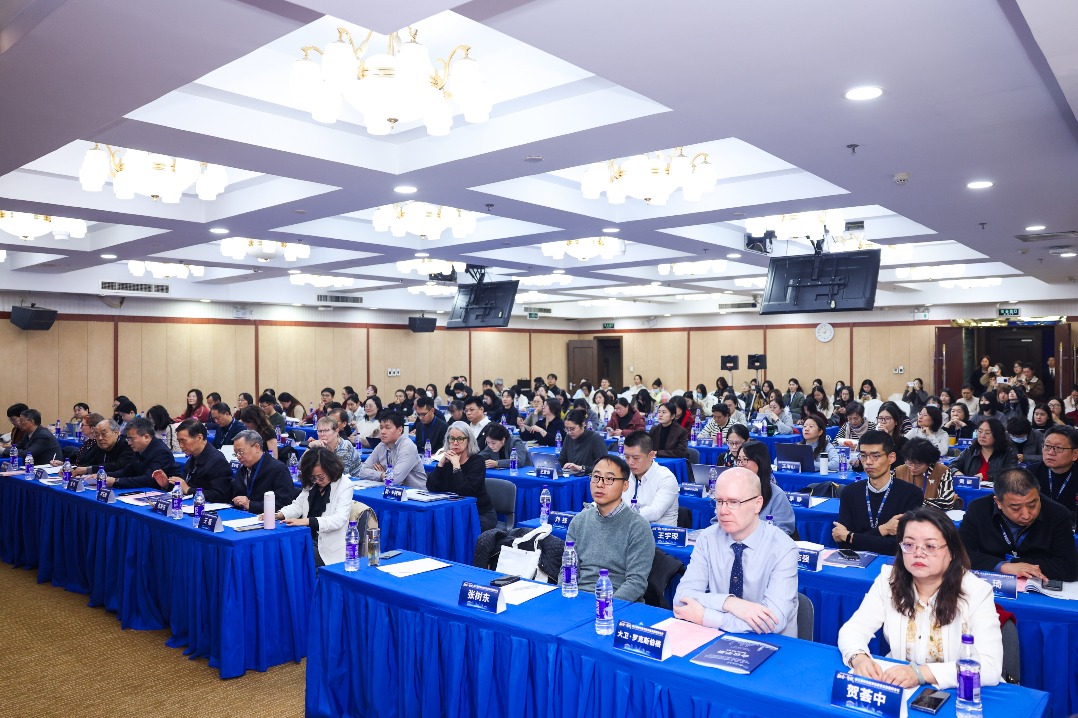
    At the Third International Conference on High-Quality Development in Special Education, held in Beijing on November 13, 2025, a distinguished panel of special education experts from China, the United Kingdom, the United States, and Singapore underscored the pivotal role of smart technologies in fostering inclusive classrooms. The conference, themed ‘Inclusion and Intelligence,’ was co-hosted by the special education branches of Beijing Normal University and the University of Strathclyde.

    Zhu Xudong, Dean of BNU’s Faculty of Education, highlighted the shifting dynamics in special education, noting the increasing prevalence of autism and the corresponding decline in physical disabilities. He called for enhanced cross-sector collaboration, particularly in the era of AI, to develop innovative inclusive classroom practices.

    Deborah Robinson, Head of the University of Strathclyde’s Institute of Education, echoed this sentiment, emphasizing the potential of AI and advocating for deeper international partnerships. Li Tianshun, Vice-President of the Chinese Society of Education, identified intelligent technology as a crucial support for inclusive education, which is now a global mainstream trend. He urged the establishment of a comprehensive, all-age education system built on shared research and international cooperation to drive systemic change.

    Huang Wei, Head of Special Education at the Ministry of Education’s Department of Basic Education, pointed out that digital transformation has significantly driven the high-quality development of special education over the past five years. Moving forward, efforts will be intensified to enhance digital infrastructure, develop specialized large-language models tailored for special education, and deepen international collaboration. These measures aim to propel special education into a new phase characterized by precise and personalized services.

    Piao Yongxin, a founding figure of modern special education in China, emphasized that while the field must embrace digital transformation, technology should be viewed as a tool rather than an end. He stressed that the essence of special education remains committed to serving the holistic development of individuals and the strategic needs of the nation.

    The conference featured in-depth discussions on the training of special educators and the application of AI, with participants from various countries sharing insights and best practices.
  • World University Presidents Forum in Hangzhou discusses AI in education

    World University Presidents Forum in Hangzhou discusses AI in education

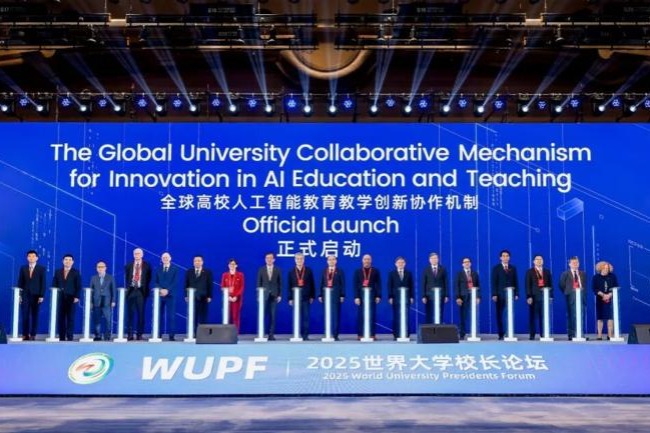
    The 2025 World University Presidents Forum, held in Hangzhou, Zhejiang province, brought together over 170 leaders from academia, government, and industry across 40 countries to explore the transformative role of artificial intelligence (AI) in higher education. Co-hosted by the China Association of Higher Education and Zhejiang University (ZJU), the forum emphasized the need for innovation, ethical considerations, and global collaboration in integrating AI into teaching, learning, and university governance. Vice-Minister of Education Ren Youqun highlighted the importance of risk prevention, expanded data access, and ethical rationality as AI continues to evolve. A key outcome of the forum was the launch of the Global University Collaborative Mechanism for Innovation in AI Education and Teaching, which includes 78 founding member universities from China and abroad. This initiative will publish a white paper on AI literacy, develop global open courses, and introduce ‘AI+X’ micro-programs under the STEP (Start, Train, Explore, Progress) framework. ZJU President Ma Yanming shared insights into the university’s AI STEP Initiative, which aims to foster AI-empowered education and cultivate students as innovators. Concurrently, the 2025 International Forum on Higher Education released the Hangzhou Initiative, advocating for human–machine collaboration in talent cultivation, intelligent research paradigms, AI-enhanced governance, and global innovation in education. Ren Shaobo, Chairman of the ZJU Council, reiterated the university’s commitment to nurturing innovative talent and exploring AI-driven governance models. UNESCO’s Shahbaz Khan underscored the broader societal impact of AI, emphasizing its potential to support equity, sustainability, and peace. The forum marked a significant step toward reshaping global higher education in the AI era.

  • New guideline strengthens tech education

    New guideline strengthens tech education

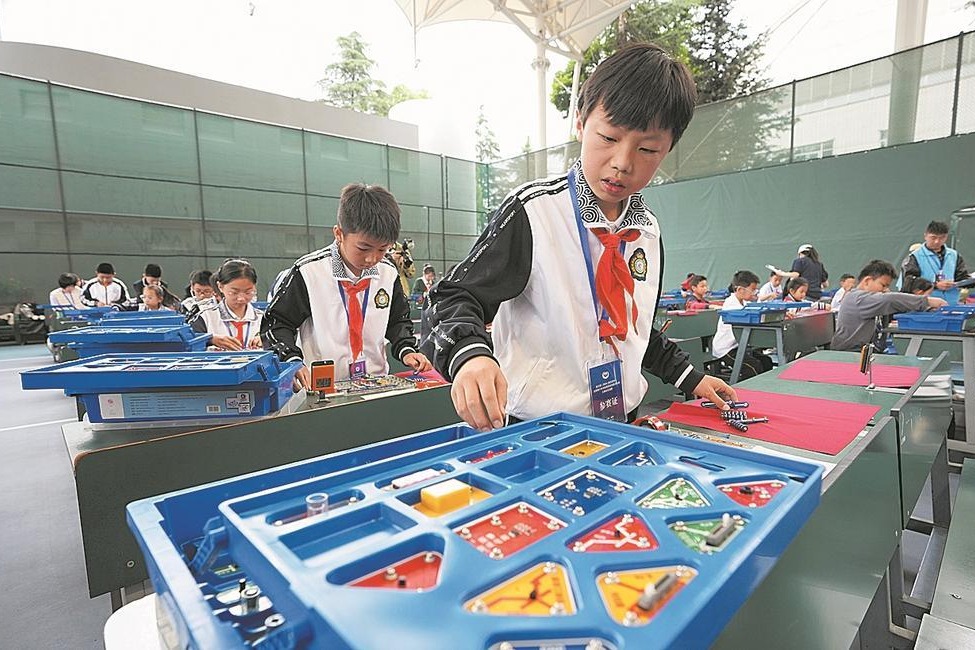
    China has introduced a groundbreaking guideline aimed at bolstering science and technology education in primary and secondary schools. The initiative seeks to foster curiosity, creativity, and hands-on learning among students, laying the foundation for a self-reliant nation with a robust talent pool. By 2030, the plan envisions a well-structured system featuring an enhanced curriculum, superior teaching quality, and advanced evaluation methods. The Ministry of Education, along with six other departments, unveiled the guideline during a recent press conference. Tian Zuyin, Director of the Department of Basic Education, emphasized that this move aligns with the principles set forth at the fourth plenary session of the 20th Central Committee of the Communist Party of China, which stressed the importance of a coordinated education and science system. The guideline outlines specific objectives for different educational stages. Lower primary students will engage in playful, life-oriented activities to spark curiosity, while senior primary students will undertake hands-on experiments and project-based tasks. Middle school students will tackle cross-disciplinary projects addressing real-world issues, and high school students will explore cutting-edge scientific advancements and conduct experimental research. The plan also advocates for the integration of scientific and humanistic education, encouraging students to consider the societal, environmental, and ethical implications of technological progress. Assessment methods will be diversified to reduce reliance on examinations, thereby alleviating the burden on teachers and students. The establishment of the UNESCO International Institute for STEM Education in Shanghai underscores international recognition of China’s efforts in this domain. Provinces like Zhejiang, Jiangsu, and Chongqing have already taken proactive steps, incorporating technology into curricula and investing in science labs. With over 1,150 science museums and numerous national science education bases, China is well-positioned to cultivate the next generation of innovators. Xu Xuejun, Vice-President of Tongji University, highlighted the importance of early education in building a strong foundation for long-term scientific and technological advancement.

  • HSK 3.0 to be launched as test’s global reach expands

    HSK 3.0 to be launched as test’s global reach expands

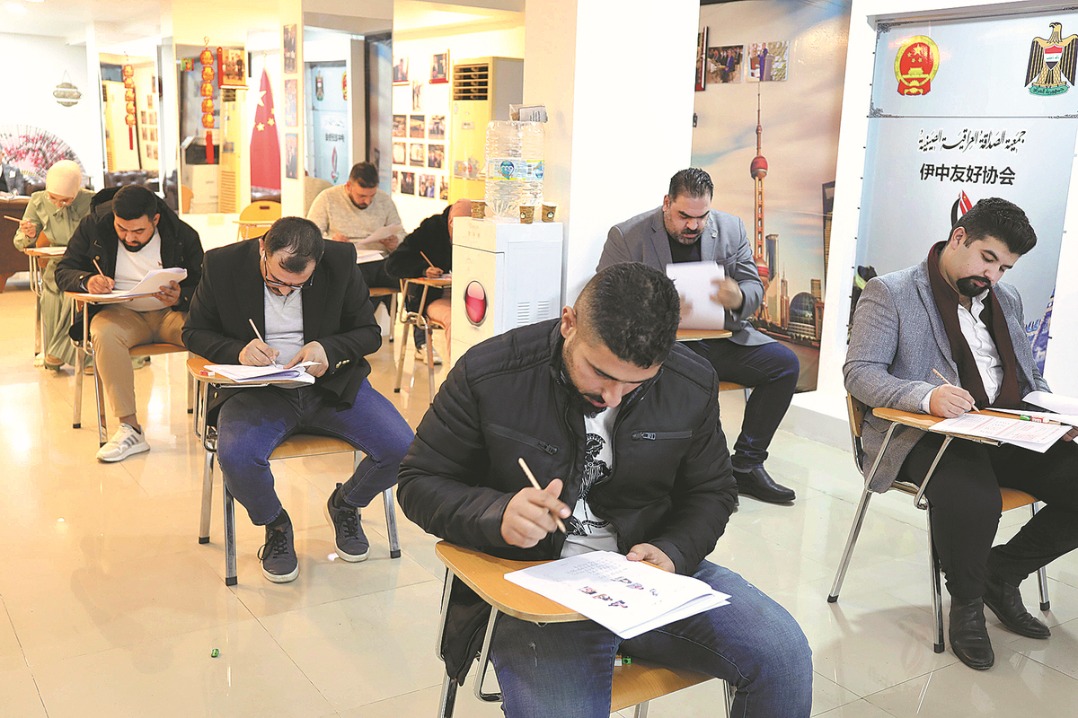
    The Chinese Proficiency Test (HSK), a globally recognized assessment of Chinese language skills, is poised for a significant upgrade with the launch of HSK 3.0. This enhanced version, designed to be more scientific and efficient, will debut at the upcoming World Chinese Language Conference in Beijing. The test, which has seen exponential growth over the past two decades, is expected to attract 750,000 candidates this year, marking a 19.6% increase from the previous year. Since 2004, the number of test-takers has surged from 32,000 to 719,000 annually, with the exam now available in 1,477 centers across 168 countries. The new version will feature updated content reflecting contemporary China, including social, technological, and ecological advancements. Additionally, the test will integrate AI and large language models to improve design, proctoring, and scoring. Test duration has been shortened across all levels, and advanced levels now include translation tasks in seven languages. Huang Lei, deputy general manager of Chinese Testing International Co., expressed confidence in the test’s continued growth, citing its high international recognition and the recovery of the study-in-China market. Test-takers like Juniarti from Indonesia and Yu Suzuki from Japan have shared their experiences, highlighting the test’s role in enhancing their language skills and providing clear learning goals. The HSK 3.0 aims to offer a more authentic and multidimensional understanding of China, solidifying its position as a gateway to opportunities in the country.

  • Want to be future-ready? Dubai’s new ‘micro-master’ degree to train you for tomorrow

    Want to be future-ready? Dubai’s new ‘micro-master’ degree to train you for tomorrow

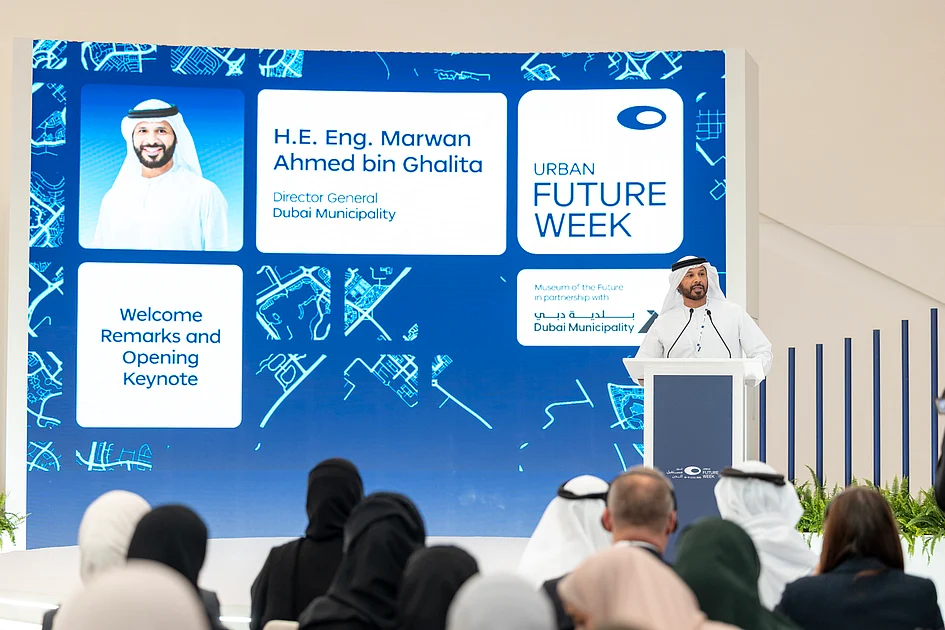
    Dubai is pioneering a groundbreaking educational initiative with the launch of a ‘micro-master’ degree in planning and future foresight for municipal work. This six-month hybrid program, developed in collaboration between Dubai Municipality and the Rochester Institute of Technology (RIT) Dubai, aims to equip participants with the skills to address real-world workplace challenges and implement practical solutions immediately. The course is being hailed as a transformative step in higher education, offering a flexible and efficient pathway to professional development. Participants who complete the program will receive an accredited, internationally recognized academic certificate. Those who wish to further their education can use the credits earned toward a full master’s degree. Dr. Yousef Al Assaf, President of RIT Dubai, emphasized that this program reflects the future of education, where learners can acquire essential skills in a shorter timeframe and apply them directly to their careers. The curriculum covers qualitative and quantitative foresight methodologies, including scenario planning, strategic road mapping, and environmental scanning. Participants will engage in hands-on capstone projects, supported by global experts, to tackle pressing issues such as achieving net zero by 2050, ensuring food security, and designing sustainable urban environments. The initiative is designed to institutionalize future foresight capabilities within Dubai Municipality’s leadership, enabling participants to anticipate trends, manage uncertainty, and develop adaptive strategies that align with Dubai’s long-term urban, environmental, and economic goals. Marwan Ahmed bin Ghalita, Director General of Dubai Municipality, highlighted the importance of anticipating change as a collective responsibility to ensure readiness for the future. This program not only strengthens municipal leadership but also fosters agility and informed decision-making grounded in emerging trends.

  • Global education excellence: SMUS launchpad to top universities

    Global education excellence: SMUS launchpad to top universities

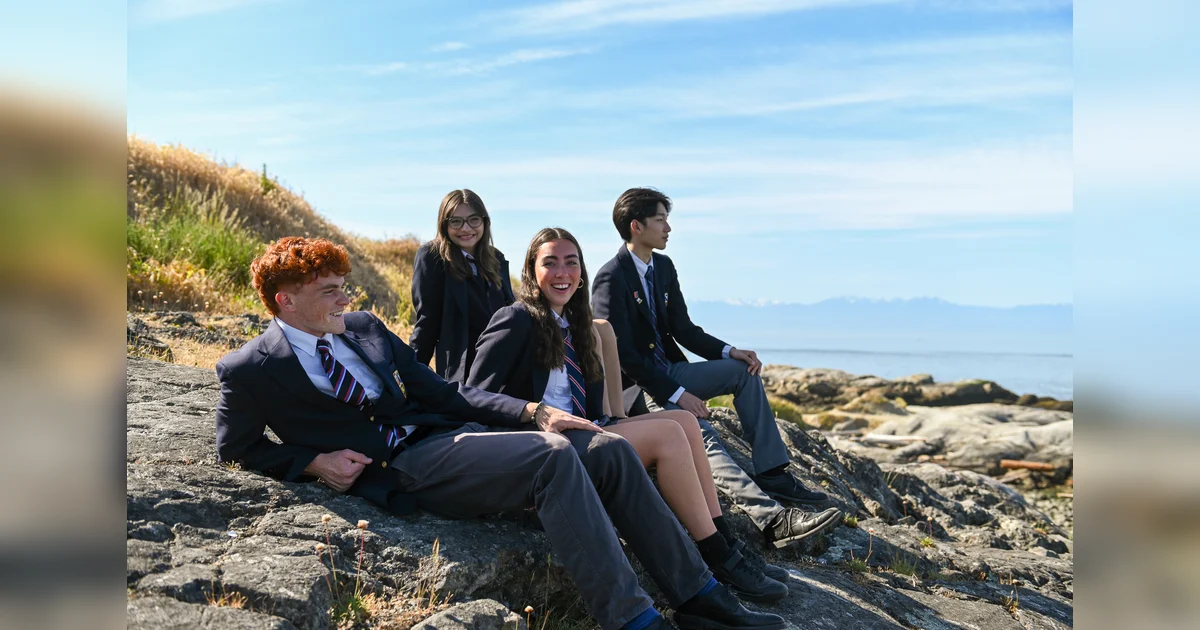
    In the competitive realm of global education, selecting the right boarding school is a pivotal decision for families, encompassing not just academic rigor but also safety, opportunities, and pathways to prestigious universities. St. Michaels University School (SMUS), a premier independent institution in Canada, stands out for its commitment to academic excellence, personal development, and international exposure, preparing students for success beyond the classroom. With a diverse community of over 1,000 students, including boarders from more than 30 countries, SMUS offers a robust Advanced Placement (AP) programme, one of the largest and longest-running in Canada, alongside a comprehensive curriculum that includes English, social studies, mathematics, science, modern languages, and the arts. Specialized programs in engineering, robotics, and design further enhance the academic experience. Beyond academics, SMUS provides extensive co-curricular, service, and outdoor education opportunities, fostering leadership, creativity, and resilience. The school’s dedicated counselling team ensures that each student is supported to reach their full potential in a secure and nurturing environment. Nestled in Victoria, British Columbia, SMUS’s picturesque West Coast campus offers a safe and inspiring setting where urban vibrancy meets natural beauty. From rainforest explorations to marine life studies, students engage in experiential learning that deepens their connection to the world. Discover how SMUS can open doors to top universities and lifelong success by visiting smus.ca to apply or inquire today.

  • Appleby College: Shaping tomorrow’s global leaders through modern boarding

    Appleby College: Shaping tomorrow’s global leaders through modern boarding

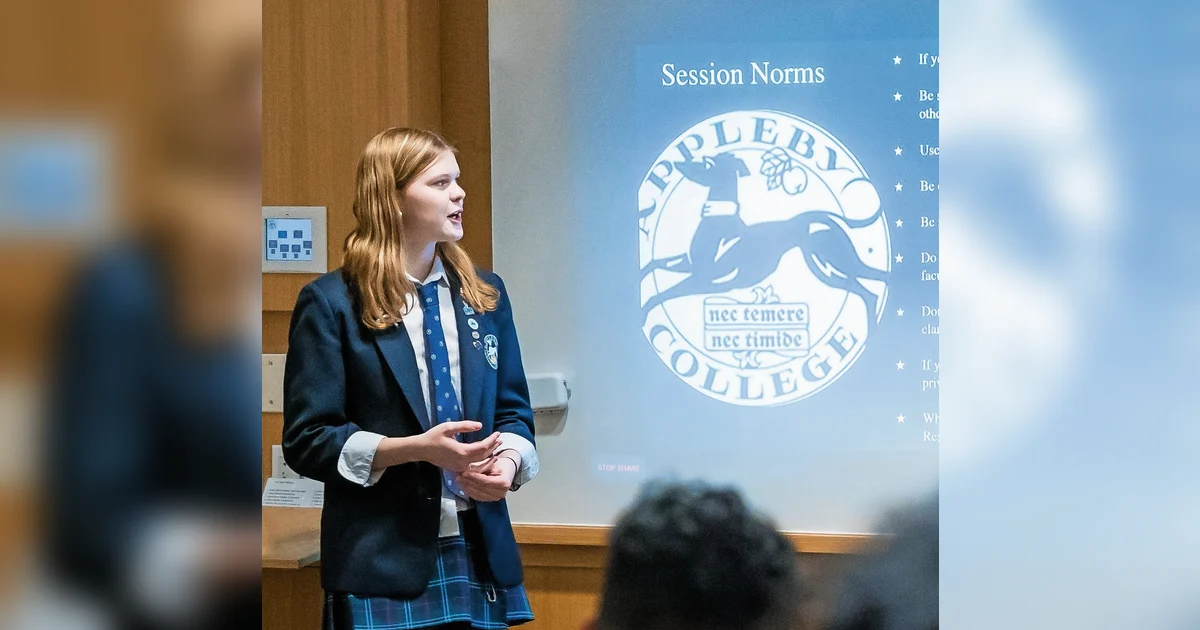
    For over a century, Appleby College in Oakville, Ontario, has been a beacon of excellence in Canadian education. Established in 1911, this co-educational independent school has consistently redefined the boarding experience, emphasizing global citizenship and personal development alongside academic achievement for its 800+ students in grades 7 through 12. ‘At Appleby, boarding is more than just accommodation; it’s a vibrant community where empathy, independence, and leadership are nurtured daily,’ says Tracey Pearce-Dawson, the school’s Executive Director of Marketing & Communications. Boarding is optional from grades 9 to 11 and mandatory in grade 12, ensuring every student gains invaluable life skills before transitioning to university. The school’s leadership philosophy is deeply integrated into its curriculum, offering over 125 formal leadership roles and incorporating leadership theory into courses like Business Leadership and Healthy Active Living Leadership. ‘Every student receives regular leadership training and skill-building, using tools like the Student Leadership Challenge and VIA Institute on Character to foster self-awareness and strengthen relationships,’ Pearce-Dawson explains. Beyond academics, Appleby’s co-curricular and club programs, including student ambassadors and peer counselors, provide practical leadership opportunities. ‘We aim for our students to leave Appleby not just with knowledge, but with confidence and compassion,’ she adds. With a student body representing 40 nationalities, Appleby’s campus is a microcosm of global diversity, fostering tolerance and curiosity. ‘Living and learning alongside peers from diverse backgrounds helps our students become leaders who value global perspectives,’ Pearce-Dawson notes. This global ethos resonates particularly with families in the Middle East, where interest in Canadian boarding schools has surged. Appleby’s appeal lies in its rigorous academics and inclusive community life, offering Advanced Placement (AP) and AP Capstone programs, as well as diploma specializations in Business, STEM, Creative Arts, and Global Leadership. ‘We honor diverse traditions and provide accommodations that respect religious and cultural practices,’ Pearce-Dawson emphasizes. Student well-being is central to Appleby’s approach, with services ranging from strength and fitness training to nutrition and lifestyle guidance. ‘Our advisor groups ensure every student is seen, heard, and supported,’ she explains. Before joining boarding, students complete a Foundations of Community course to ease the transition. Experiential learning is another cornerstone, with each student participating in a global learning experience before graduation. Many pursue the Diploma with Distinction in Global Leadership, and membership in Round Square, a global network of schools, further broadens horizons. ‘We’re expanding immersive programming to let students explore topics that inspire them,’ Pearce-Dawson shares. The upcoming Cockwell Hall, a state-of-the-art facility, will support this vision with new academic, co-curricular, and boarding spaces. While technology enhances learning, Appleby remains committed to personal connection. ‘Technology supports but never replaces the value of shared meals, house competitions, and outdoor expeditions,’ says Pearce-Dawson. From canoe trips to winter camping, Appleby’s outdoor education program builds resilience and teamwork, essential qualities for future leaders. Ultimately, Appleby’s mission is to develop leaders of strong character who will positively impact their communities. ‘Breadth, excellence, innovation, and caring define Appleby. We prepare graduates to be thoughtful, capable contributors in a fast-changing, globally connected world,’ Pearce-Dawson concludes.

  • Empowering girls: Havergal College’s innovative leadership education

    Empowering girls: Havergal College’s innovative leadership education

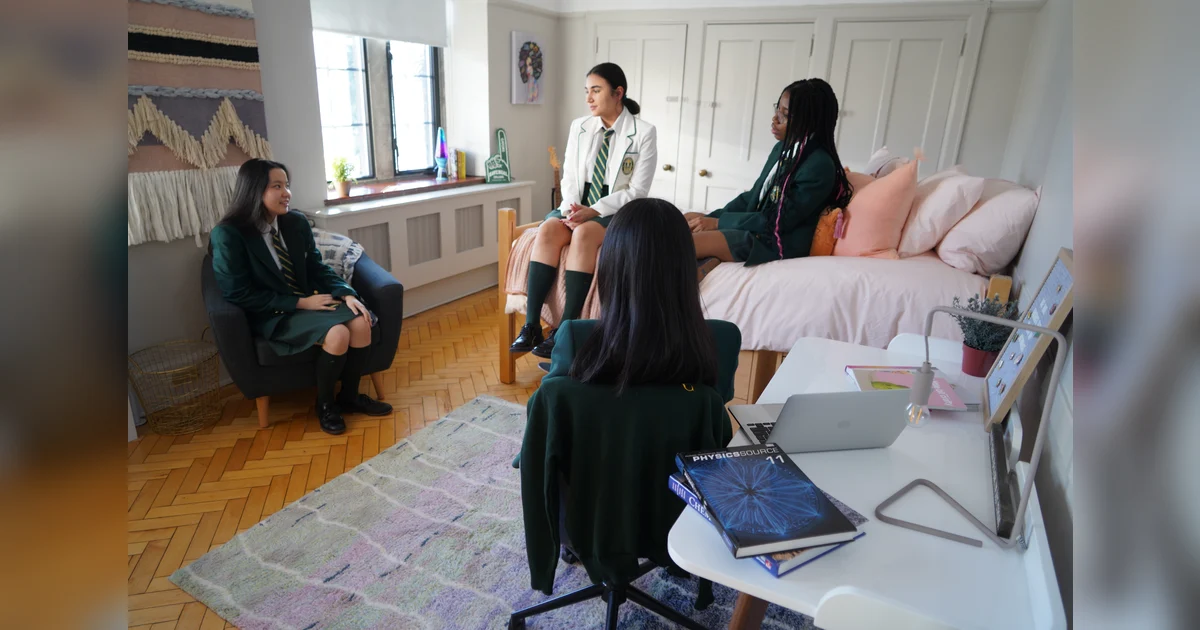
    Havergal College, a premier independent girls’ school located in Toronto, Canada, is redefining leadership education for young women. Catering to students from Junior Kindergarten to Grade 12, the institution welcomes both day and boarding pupils from over 20 countries, fostering a diverse and inclusive learning environment. Renowned for its commitment to academic excellence, character development, and community engagement, Havergal College equips its students with the skills and values needed to lead purposeful lives in an ever-evolving world. Nestled on a picturesque 22-acre campus, the school offers a unique educational experience that blends tradition with innovation. Its enriched Liberal Arts curriculum is meticulously designed to ignite curiosity and instill a lifelong passion for learning. Students are encouraged to explore their interests and take initiative in a supportive and stimulating environment. The boarding school experience at Havergal is particularly transformative, providing girls with opportunities to learn, grow, and forge lasting friendships. Boarding students are fully immersed in school life through classroom learning, co-curricular programs, athletics, performing arts, and leadership activities. These experiences nurture confident, compassionate individuals who embody the school’s core values of integrity, inquiry, compassion, and courage. Post-secondary planning is a cornerstone of Havergal’s Senior School program, ensuring graduates are well-prepared to become informed and responsive global citizens. Whether pursuing higher education in Canada or abroad, Havergal alumni are poised to make a meaningful impact. For admission inquiries, contact admissions@havergal.on.ca, call +1 (416) 483-3519, or visit www.havergal.on.ca.

  • Vancouver boarding: St. George’s unique urban experience for boys

    Vancouver boarding: St. George’s unique urban experience for boys

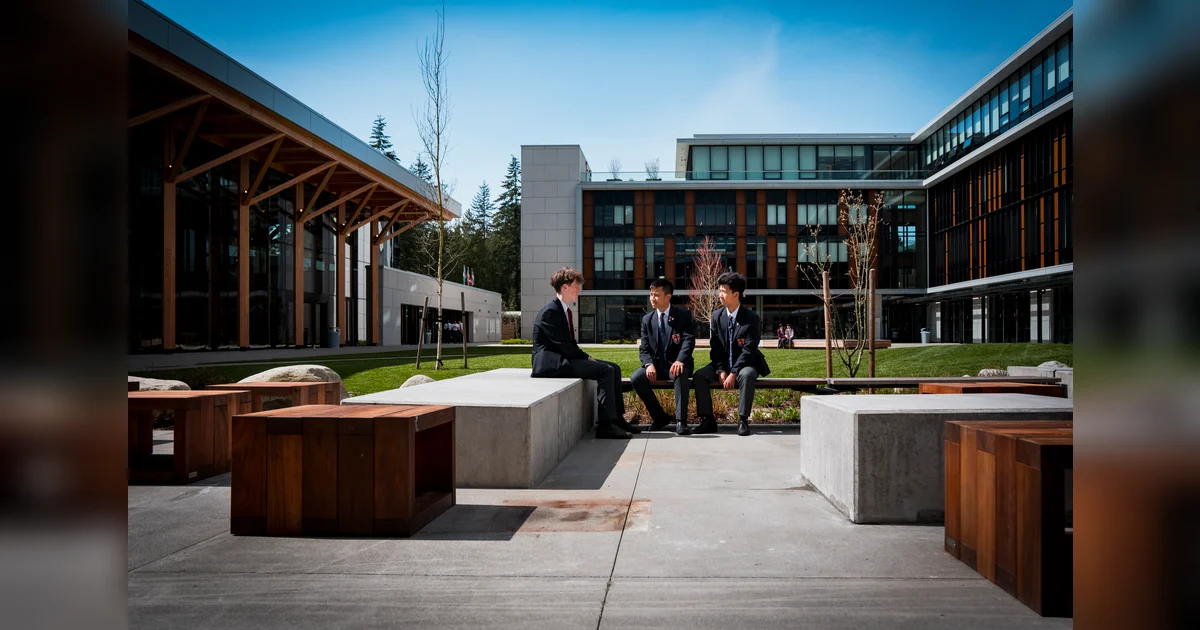
    St. George’s School in Vancouver, Canada, offers a distinctive urban boarding experience exclusively for boys in Grades 8-12. As the nation’s only program of its kind, it combines academic rigor with character development, fostering a vibrant community where students thrive. The school’s philosophy extends beyond traditional education, emphasizing the cultivation of empathetic, curious, and courageous young men prepared to make a meaningful impact on the world. Through innovative teaching methods such as small-group Harkness discussions, a comprehensive advisor program, and inquiry-based learning, students gain confidence in their voices and take ownership of their ideas. The curriculum is enriched with nearly 30 Advanced Placement (AP) courses, over 40 athletic options, and 50 special-interest clubs, ensuring every student discovers and pursues their passions. The boarding experience is uniquely metropolitan, offering weekend activities like skiing on Vancouver’s North Shore mountains, kayaking along the Pacific coast, or attending cultural events downtown—all within minutes of campus. This environment nurtures independence, balance, and global citizenship among a diverse student body representing more than 15 countries. For over nine decades, St. George’s alumni have excelled as CEOs, Olympians, artists, and civic leaders, embodying the school’s mission to prepare students not just for success, but for significance. Head of School David Young emphasizes, ‘There are many ways to be a man and many ways to make an impact.’ At St. George’s, this transformative journey begins in the heart of Vancouver, where bold ideas, lasting friendships, and purpose-driven lives take root.

  • Upper Canada College: Redefining the modern boarding experience for global learners

    Upper Canada College: Redefining the modern boarding experience for global learners

    As Upper Canada College (UCC) approaches its bicentennial in 2029, this historic institution continues to innovate, blending its rich heritage with a forward-thinking approach to boarding education. Founded in 1829, UCC has long been a beacon of academic excellence in Canada, and today, it is redefining the boarding experience for globally minded students.

    At the core of UCC’s philosophy is a commitment to holistic education, which integrates academic rigor with personal growth, intercultural understanding, and wellbeing. Alexandra Zourntos, Director of Admission, Upper School and Boarding, emphasizes that boarding at UCC is more than just accommodation—it’s a vibrant, inclusive environment where students thrive intellectually, emotionally, and socially. This approach is anchored in the school’s five core values: learning, pluralism, service, community, and wellbeing.

    UCC’s diverse student body is one of its greatest assets. With 88 boarding students from 25 countries speaking 24 languages, the school fosters a multicultural community that enriches classroom discussions and builds lifelong connections. International-themed dinners, cultural showcases, and inclusive programming ensure that every student feels valued and at home. The admission team actively engages with families across Europe, Asia, and the Middle East, further solidifying UCC’s global reputation.

    The Middle East, in particular, has shown growing interest in UCC. Families from the Gulf Cooperation Council (GCC) and beyond are drawn to the school’s alignment with shared values such as community, tradition, and academic ambition. UCC’s International Baccalaureate (IB) curriculum, combined with culturally aware programming and familiar culinary options, makes it an ideal choice for students from the region.

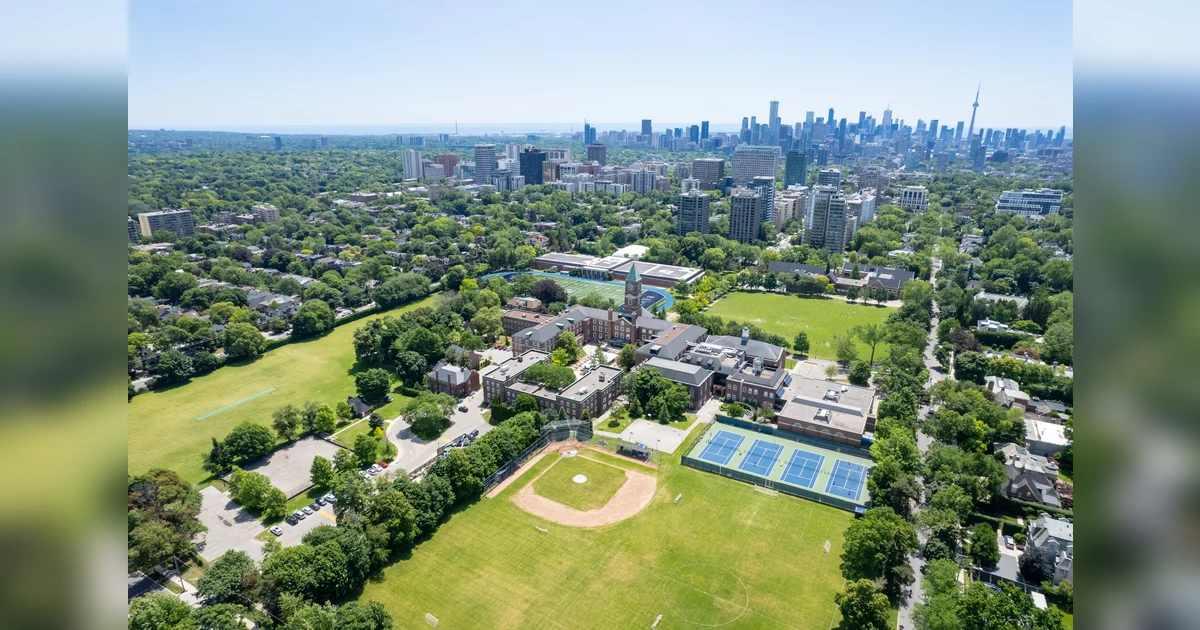
    Located in Toronto, UCC benefits from the city’s multicultural vibrancy, providing an ideal setting for global learning. The school’s 35-acre urban campus offers access to over 80 sports teams, 90 clubs, and 14 music ensembles, ensuring a well-rounded education. Beyond academics, students engage in arts, athletics, outdoor education, and community service. The Norval Outdoor School, a 450-acre second campus, offers leadership retreats, sustainability studies, and team-building activities that promote resilience and environmental stewardship.

    While technology is integral to modern education, UCC strikes a balance between digital tools and personal interaction. Students in Years 8 to 11 surrender devices at curfew, and dedicated “Boarding Weekends” encourage disconnection from screens to focus on building friendships and shared experiences. This blend of cutting-edge education and genuine human connection defines UCC’s enduring legacy.

    For more information about Upper Canada College and its boarding admission, visit www.ucc.on.ca/admission.