A Harvard Business School alumnus has been charged with defrauding fellow graduates out of millions of dollars by falsely claiming he could predict Warren Buffett’s Berkshire Hathaway’s next investments. Vladimir Artamonov, 46, was arrested in Elkridge, Maryland, and faces charges of securities fraud, wire fraud, and investment adviser fraud, according to federal prosecutors in Manhattan. Artamonov allegedly told investors that his ‘airtight’ strategy, dubbed Project Information Arbitrage, could generate returns of 500% or more by identifying stocks Berkshire would buy before the conglomerate disclosed its investments. Instead, he reportedly invested in high-risk short-term options unrelated to Berkshire and used a Ponzi-like scheme to repay earlier investors with funds from new ones. Authorities claim Artamonov misappropriated over $4 million, using some for personal expenses and repaying less than $400,000. New York Attorney General Letitia James had previously secured a court order in February 2024 to halt his alleged fraudulent activities. Artamonov’s lawyer, Philip Cohen, declined to comment on the indictment, citing his client’s claims of ongoing mental health issues, including psychosis. The case, U.S. v. Artamonov, is being heard in the U.S. District Court for the Southern District of New York. Berkshire Hathaway and Warren Buffett have not been implicated in any wrongdoing.
分类: business
-
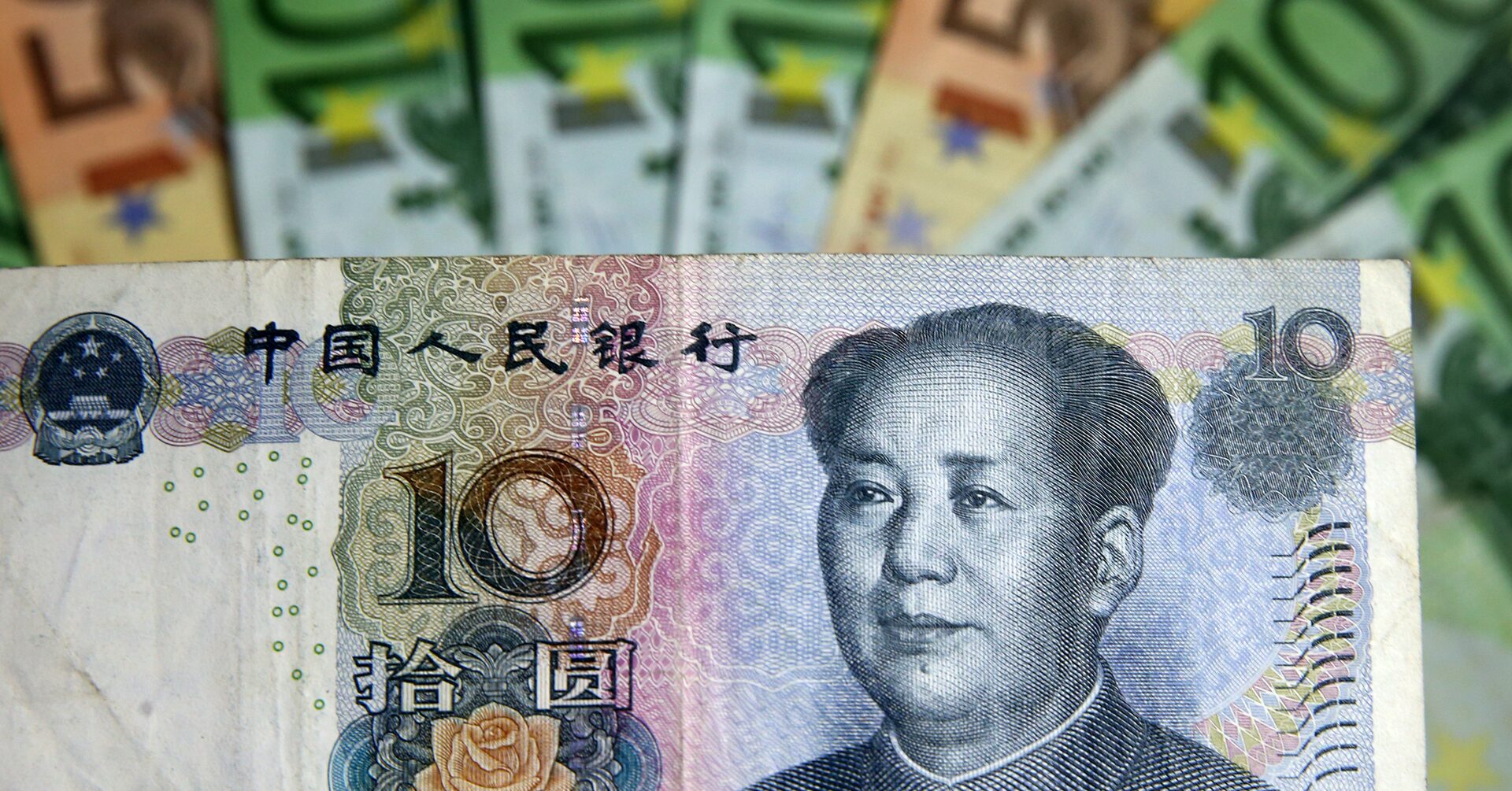
Bessent says China’s yuan rate is bigger problem for Europe than US
In a recent interview in Madrid, U.S. Treasury Secretary Scott Bessent emphasized that China’s yuan valuation poses a more significant challenge for Europe than for the United States. Bessent noted that while the yuan has strengthened against the U.S. dollar this year, it has reached record lows against the euro, exacerbating trade imbalances between China and the European Union. Speaking to Reuters and Bloomberg following U.S.-China trade discussions, Bessent highlighted that U.S. tariffs on Chinese imports have effectively reduced the U.S. trade deficit, with U.S.-China trade declining by 14% this year. In contrast, Chinese trade with Europe has surged by 6.9%. The yuan, also referred to as the renminbi (RMB), has weakened to over 8.4 against the euro, compared to 7.5 at the start of 2025. This depreciation has facilitated a surge in Chinese exports to Europe, intensifying the EU’s trade deficit with China and escalating trade tensions between Brussels and Beijing. Meanwhile, the yuan has appreciated slightly against the dollar, moving from 7.3 in January to 7.1 currently. When questioned about potential currency manipulation, Bessent remarked that the yuan is a ‘closed currency,’ implying that its value is managed by Chinese authorities. The ongoing dynamics underscore the complex interplay between global currencies and trade relationships, with Europe bearing the brunt of the yuan’s recent fluctuations.
-

India’s net direct tax collections rise over 9% y/y in April-Sep
India’s direct tax collections have shown a robust growth trajectory in the first half of the fiscal year, according to a government statement released on Thursday. From April 1 to September 17, net direct tax revenues surged by over 9% year-on-year, reaching 10.8 trillion rupees. On a gross basis, which includes both corporate and personal taxes, collections climbed by more than 3% to 12.4 trillion rupees during the same period. The income tax department highlighted that this growth reflects the country’s economic resilience and improved tax compliance. Additionally, the government issued tax refunds amounting to 1.6 trillion rupees, marking a 24% decline compared to the previous year. This reduction in refunds suggests a more efficient tax administration and tighter fiscal management. The data underscores India’s ongoing economic recovery and its ability to sustain revenue growth despite global uncertainties.
-
India’s federal investigator charges Anil Ambani, former Yes Bank CEO in alleged loan fraud
India’s Central Bureau of Investigation (CBI) has formally filed chargesheets in a high-profile case involving alleged fraudulent transactions between Yes Bank, companies owned by billionaire Anil Ambani, and entities linked to the bank’s former CEO, Rana Kapoor. The investigation reveals that in 2017, Yes Bank invested over 50 billion rupees ($567.21 million) in two Ambani-controlled firms, despite warnings from rating agencies about financial risks. The funds were reportedly siphoned off, leading to a systematic diversion of public money. CBI alleges that Kapoor misused his position to channel bank funds into financially troubled Ambani group companies, which in turn provided concessional loans to businesses associated with Kapoor’s family. This arrangement allegedly caused a loss of 27.97 billion rupees ($317.29 million) to Yes Bank while benefiting Ambani’s firms and Kapoor’s family-linked companies. Neither Anil Ambani’s spokesperson nor Rana Kapoor has responded to requests for comment. The case highlights significant governance lapses and financial misconduct in India’s banking sector.
-

Nigeria leads continent-wide push for unified oil regulations
In a landmark move to revitalize Africa’s energy sector, petroleum regulators from across the continent, spearheaded by Nigeria, have established the African Petroleum Regulators Forum (AFRIPERF). The initiative, unveiled during Africa Oil Week in Accra, Ghana, aims to create a unified regulatory framework to attract much-needed investment and foster sustainable growth in the region’s oil and gas industry. Sixteen nations participated in the signing ceremony, with eight countries—Nigeria, Ghana, Somalia, Gambia, Madagascar, Sudan, Guinea, and Togo—formally endorsing the charter. Seven others have pledged support pending domestic consultations. AFRIPERF’s mission is to standardize regulations, enhance transparency, and address cross-border challenges such as gas trade, emissions, and digitalization. Gbenga Komolafe, head of Nigeria’s upstream regulator and interim chairman of AFRIPERF, emphasized the forum’s role in ensuring Africa’s hydrocarbon resources are managed with “innovation, responsibility, and foresight.” The forum will be governed by an executive committee of regulatory heads, supported by a technical committee of experts and a rotating secretariat. Elections for the chairperson and headquarters location are expected in the coming months. This initiative underscores Africa’s commitment to aligning its energy governance with global standards while asserting a stronger voice in international energy policy.
-
S.Africa’s Transnet agrees port equipment deal with Liebherr
In a landmark move to revitalize its port infrastructure, South Africa’s state-owned logistics giant Transnet has inked a 10-year partnership with German industrial equipment manufacturer Liebherr. The agreement, announced on Thursday, focuses on the supply of advanced cranes and includes a comprehensive 20-year asset management program to ensure maintenance, repairs, and spare parts availability. This collaboration aims to address chronic equipment shortages and operational inefficiencies that have plagued Transnet’s port operations, often causing significant delays for retailers and exporters. Transnet Port Terminals CEO Jabu Mdaki emphasized that the partnership will enhance operational efficiency, streamline logistics, and reduce long-term costs. The company has already placed substantial orders, including four ship-to-shore cranes for Durban port and 48 rubber-tyred gantry cranes for terminals in Durban and Cape Town. This initiative marks a critical step in modernizing South Africa’s port infrastructure, which has suffered from years of under-investment.
-
Trump says US may extend deadline on TikTok sale
In a significant development regarding the future of TikTok, U.S. President Donald Trump announced on Thursday that the United States is nearing an agreement with China to transfer ownership of the popular social media platform to U.S. companies. Speaking at a joint press conference with British Prime Minister Keir Starmer in London, Trump hinted at a possible extension of the deadline for the divestiture of Chinese ownership, emphasizing that the terms of the deal remain favorable. ‘We’re pretty close to a deal. We may do an extension with China, but it’s an extension based on the same terms that we have right now, which are pretty good terms,’ Trump stated. The President also revealed plans to discuss the matter further with Chinese President Xi Jinping on Friday. This announcement follows Trump’s executive order issued on Tuesday, which delayed the enforcement of a 2024 law mandating the divestiture of Chinese ownership of TikTok until December 16. The ongoing negotiations underscore the complex geopolitical and economic dynamics surrounding TikTok, which has been at the center of debates over data privacy and national security. The potential deal could reshape the global social media landscape and set a precedent for future cross-border tech acquisitions.
-
India’s SEBI dismisses Hindenburg allegations against Adani group
The Securities and Exchange Board of India (SEBI) has officially dismissed allegations of stock manipulation against billionaire Gautam Adani and his conglomerate, the Adani Group. The claims were initially made by U.S.-based short-seller Hindenburg Research in January 2023, accusing the group of using tax havens and failing to disclose related-party transactions. These allegations triggered a massive $150 billion sell-off of Adani Group stocks, though the shares have since rebounded. SEBI conducted an extensive investigation into the group, including Adani Ports, Adani Power, and Adani Enterprises, examining 24 separate sets of violations such as insider trading and stock price manipulation. The regulator concluded that the transactions flagged by Hindenburg did not qualify as related-party transactions under SEBI rules and thus did not violate disclosure norms or constitute market manipulation. Gautam Adani, Chairman of the Adani Group, welcomed the decision, stating on X that it reaffirms the group’s commitment to transparency and integrity. Hindenburg Research founder Nathan Anderson announced earlier this year that he would disband the firm, citing the immense toll of his work. SEBI also noted that its expanded disclosure rules, introduced in 2022, cannot be applied retroactively to transactions occurring between 2012 and 2021.
-

Diamond selling processes are outdated and hurting producers, trader says
The diamond industry is facing a significant crisis, with experts calling for a complete overhaul of its sales practices to address inefficiencies and help producers survive the ongoing price slump. Oded Mansori, co-founder and managing partner of Belgian gem trader HB Antwerp, emphasized the need for reform during a recent statement. He criticized the current tender and auction systems, describing them as opaque and inefficient, likening them to a ‘casino’ where the true value of rough diamonds is often uncertain. Mansori argued that these systems leave producers vulnerable, especially during periods of declining global demand, ultimately resulting in job losses and reduced revenues. The diamond market has been severely impacted by global economic uncertainty and the growing popularity of lab-grown stones, leading to significant challenges for producer countries like Botswana and major mining operations such as Burgundy and Letseng. Mansori advocates for a profit-sharing model, similar to the one HB Antwerp has with Lucara Diamond Corp, where producers’ revenues are tied to the polished value of their stones rather than speculative rough sales. This approach has already shown promise, with HB Antwerp accounting for 72% of Lucara’s $74 million diamond revenue in the first half of the year. Mansori estimates that producers could earn up to 40% more revenue by adopting such models, offering a potential lifeline to an industry grappling with its deepest crisis in history.
-
Trump’s TikTok deal may be close. But what’s in it for China?
A landmark agreement over TikTok’s US operations is on the horizon, with US President Donald Trump and Chinese President Xi Jinping poised to discuss final terms this Friday. This follows a framework agreement reached by top officials from both nations earlier this week, which could see TikTok’s US operations acquired by a consortium of American firms, including tech giant Oracle and investment firms Andreessen Horowitz and Silver Lake. The deal, described by experts as a “rare breakthrough” in US-China trade relations, aims to resolve a long-standing issue that has dominated headlines for years. Chinese state media has hailed the potential agreement as a “win-win” for both countries, while Trump has emphasized its importance for younger users. However, critical details remain unclear, particularly regarding TikTok’s algorithm—the core technology driving its success. ByteDance, TikTok’s Chinese parent company, has been reluctant to part with its prized algorithm, but Beijing has signaled a willingness to allow licensing rather than outright transfer. This marks a significant shift from China’s previous hardline stance. Experts warn that a “stripped-down” version of the app in the US could impact user experience, though it would allow ByteDance to retain its competitive edge. The deal must still navigate political hurdles in the US, with lawmakers expressing concerns over Chinese influence. Despite these challenges, the agreement could set a precedent for other Chinese tech companies seeking to enter the US market, potentially easing broader trade tensions between the two nations.