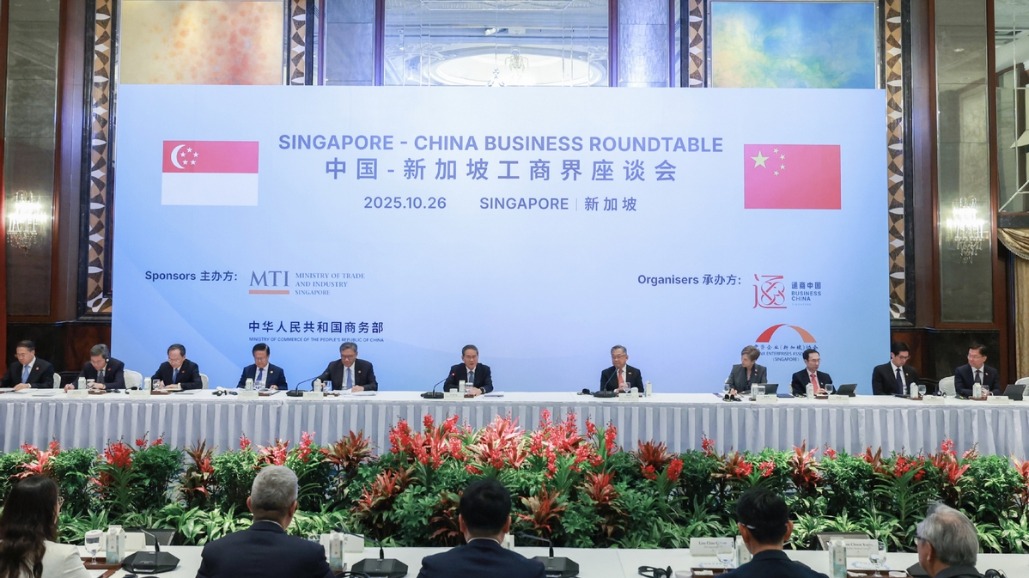
During his official visit to Singapore on October 26, Chinese Premier Li Qiang emphasized China’s commitment to advancing high-level opening-up, easing market access, and continuously optimizing the business environment. Speaking at a China-Singapore business roundtable, Li highlighted the importance of addressing enterprises’ concerns to foster mutual growth and prosperity. The event, attended by Singapore’s Deputy Prime Minister Gan Kim Yong, underscored the deepening economic ties between the two nations. Li reflected on the 35 years of fruitful cooperation between China and Singapore, noting that their development presents significant opportunities for each other. He stressed that mutual respect, trust, and open cooperation are key to shared prosperity. Li also pointed to recent milestones, such as the mutual visa exemption agreement and the upgraded free trade agreement, as catalysts for future collaboration. Looking ahead, Li outlined three strategic areas for enhanced cooperation: transitioning from complementary elements to collaborative innovation, expanding bilateral efforts to tripartite cooperation with regions like ASEAN and Africa, and jointly leading the formulation of global rules in emerging sectors like digital and green industries. Li also highlighted China’s robust economic foundation and its commitment to treating domestic and foreign enterprises equally. Gan Kim Yong echoed these sentiments, reaffirming Singapore’s dedication to advancing a high-quality partnership with China. Business representatives from both countries expressed optimism about China’s development prospects and pledged to deepen cooperation in finance, digital economy, green development, and more.
分类: business
-
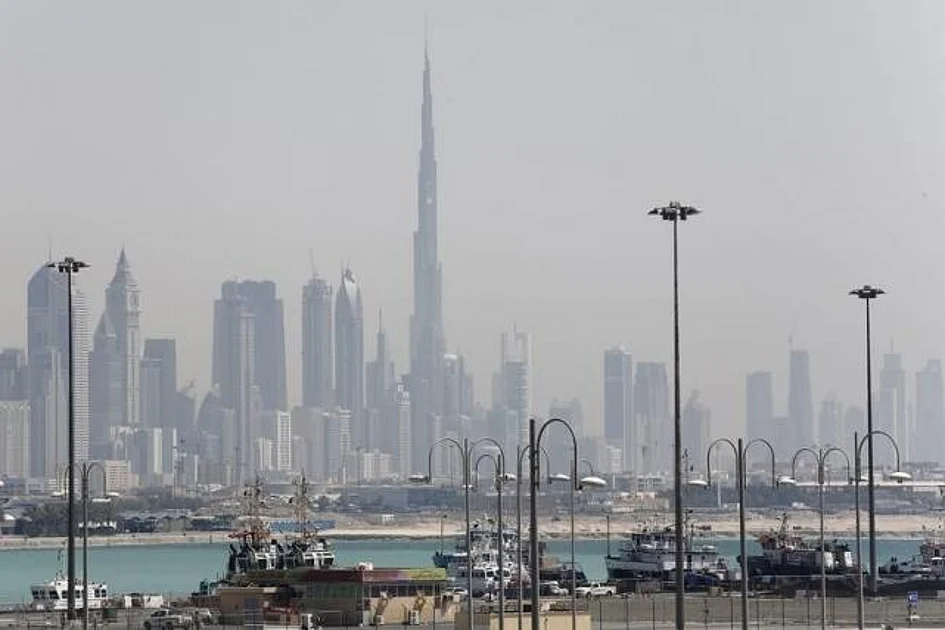
GCC-Stat: Gulf economy records positive growth in Q1 2025
The Gulf Cooperation Council (GCC) economies demonstrated a strong performance in the first quarter of 2025, according to the latest data released by the Statistical Centre for the Cooperation Council for the Arab Countries of the Gulf (GCC-Stat). The region’s nominal GDP surged to $588.1 billion, marking a 5.7% increase compared to the same period in 2024. Real GDP also saw a notable rise, reaching $466.2 billion, with an annual growth rate of 3.0%. This upward trend underscores the region’s ongoing economic stability and commitment to sustainable development. The oil sector remained the largest contributor to GDP at 22.9%, followed by manufacturing (12.7%) and wholesale and retail trade (9.6%). Other activities accounted for 26.7% of the total GDP, highlighting the success of economic diversification initiatives. The report emphasized that these positive results reflect the GCC countries’ continued efforts to enhance non-oil sectors, ensuring long-term economic stability and growth.
-
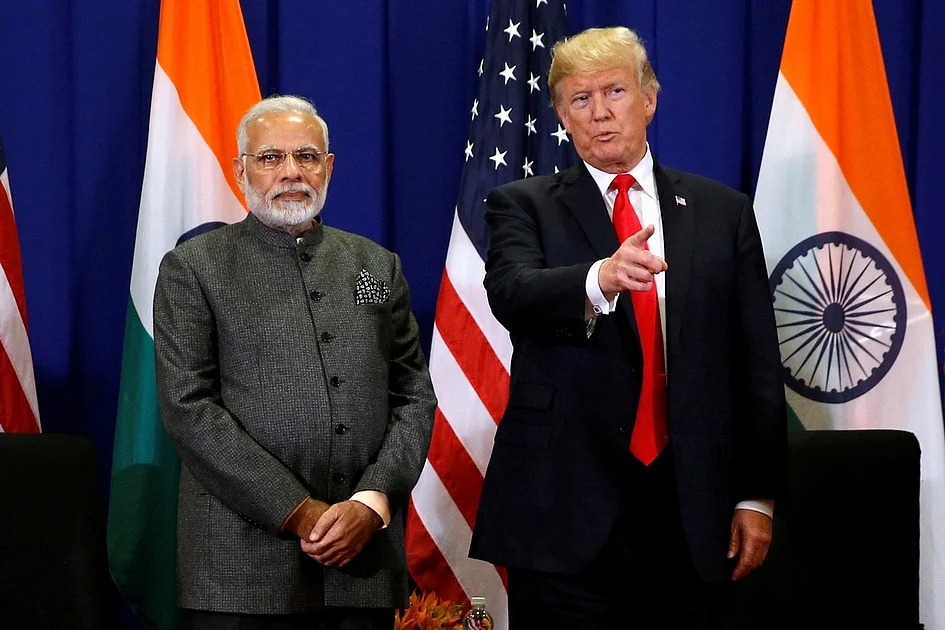
Is India-US tariff pact targeting $500b trade closer?
India and the United States are on the brink of finalizing a groundbreaking trade agreement that could elevate bilateral commerce to $500 billion by 2030, more than doubling the current trade value of $191 billion. This long-awaited deal, which has been in negotiation since February 2025, aims to address trade imbalances, reduce punitive tariffs, and expand market access across goods, services, digital trade, and clean-energy technology.
-

India defies tariff turbulence, set to outpace major economies with 6.6pc growth: IMF
India is poised to maintain its status as the world’s fastest-growing major economy, with the International Monetary Fund (IMF) projecting a robust growth rate of 6.6% for the fiscal year 2025–26. This upward revision, from the previous forecast of 6.5%, highlights India’s economic resilience in the face of global trade uncertainties and rising protectionism. The IMF’s latest Regional Economic Outlook for Asia attributes this momentum to strong second-quarter performance and the successful implementation of GST 2.0 reforms, which have enhanced tax compliance, formalisation, and fiscal efficiency. Despite challenges posed by higher US tariffs, India’s diversified growth base—driven by services exports, infrastructure investment, digital transformation, and domestic consumption—is expected to cushion the impact. In contrast, China’s GDP growth is projected to moderate to 4.8% in 2025, weighed down by structural property-sector issues and weak domestic demand. The broader Asia-Pacific region is forecast to expand by 4.5%, contributing nearly 60% of global output growth. The IMF cautioned that Asia’s economic momentum could soften due to the ripple effects of US tariff hikes, which are already prompting exporters to front-load shipments. However, India’s reforms, including GST 2.0, improved logistics, and fiscal prudence, are expected to sustain medium-term expansion. The IMF also emphasised the need for Asian policymakers to deepen regional integration, reduce trade barriers, and improve productivity through better capital allocation. By 2026, India is projected to account for over 18% of Asia’s GDP expansion and nearly a fifth of global incremental growth, solidifying its role as a key pillar of stability and optimism in the region.
-

Founder Connects to host ‘Spotlight’ networking event at Paramount Hotel Midtown
Dubai’s dynamic innovation landscape will take center stage on October 30 as Founder Connects hosts its premier networking event, ‘Spotlight,’ at the Paramount Hotel Midtown. Known for its cinematic elegance and creative atmosphere, the hotel’s Melrose Bar & Lounge will be transformed into a vibrant hub where innovation and conversation converge. The event will bring together founders, investors, and creative minds in a Hollywood-inspired setting, fostering meaningful connections and collaboration. Pascal Eggerstedt, Director of Paramount Hotel Midtown, emphasized the event’s alignment with the hotel’s vision to create immersive spaces where creativity thrives and genuine connections flourish. ‘Spotlight’ aims to redefine professional networking by blending storytelling, innovation, and authentic engagement. Strategically located in Business Bay, near key commercial hubs like the Dubai International Financial Centre (DIFC), the hotel provides an ideal backdrop for the region’s boldest entrepreneurial voices. Dubai’s growing reputation as a global events hub further amplifies the significance of the occasion. The city has hosted major international gatherings, including GITEX Global 2025, which attracted over 6,800 exhibitors, 2,000 startups, and 1,200 investors from 180 countries. ‘Spotlight’ will offer a hybrid experience, starting with curated virtual one-on-one sessions in the morning and transitioning to in-person networking at the Melrose Bar & Lounge in the evening. The event’s cinematic ambiance is designed to encourage deeper dialogue and lasting partnerships, moving beyond traditional networking to foster authentic conversations and collaborative energy. As Dubai solidifies its position as a global capital for entrepreneurship and innovation, events like ‘Spotlight’ underscore the city’s commitment to nurturing talent and bridging ideas with capital. With its unique blend of glamour, strategy, and purpose, ‘Spotlight’ is set to become a standout fixture in the region’s business calendar.
-
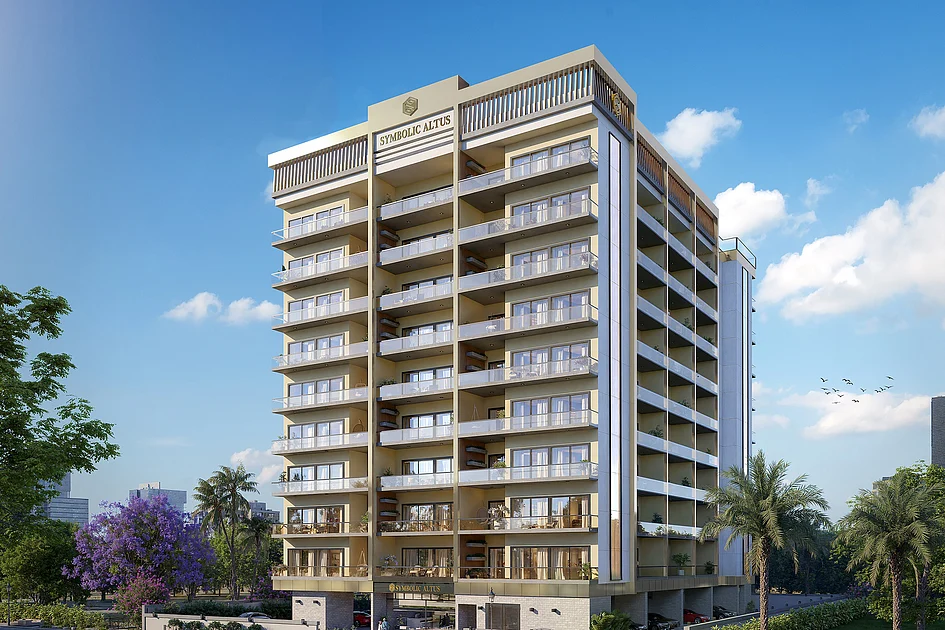
Dubai tenants turn to ownership, boosting demand for affordable luxury homes
Dubai’s real estate market is witnessing a significant transformation as rising rental costs drive long-term tenants toward homeownership, particularly in the mid-market, affordable luxury segment. Developers are capitalizing on this trend by launching projects that combine design, functionality, and value, especially in emerging communities like Liwan, Arjan, and Dubai South. Symbolic Developments, the real estate arm of Speedex Group, recently unveiled its fourth residential project, Symbolic Altus, in Liwan. Valued at Dh150 million, the development features 108 fully furnished apartments, including 1 BHK Elite and 2.5 BHK Panorama units, starting at Dh999,000. Scheduled for handover in Q3 2027, the project emphasizes ‘elevated living’ with all amenities located on the rooftop. This launch follows the success of Symbolic Alpha, the developer’s first project in Liwan, which saw over 30 per cent appreciation and higher-than-average rental yields. Murtaza Moiz, Vice Chairman of Symbolic Developments, highlighted the potential of emerging micro-markets like Liwan, which are attracting both end-users and investors. Dubai’s residential market has experienced a notable shift, with apartment prices rising 20.5 per cent year-on-year and average rents increasing 22.1 per cent as of mid-2025, according to CBRE. This has prompted residents to view affordable luxury developments—those priced under Dh2 million—as smart investments. Symbolic Altus aims to meet this demand with a low-density, design-led approach, strategically located just 500 meters from the upcoming Dubai Metro Blue Line. The developer’s focus on community-building is evident in its integration of amenities like rooftop communal spaces and proximity to Liwan Park, which features facilities for all age groups. With more projects planned for early next year, Symbolic Developments is committed to filling the gap in the mid-market segment, offering luxury at an affordable price.
-
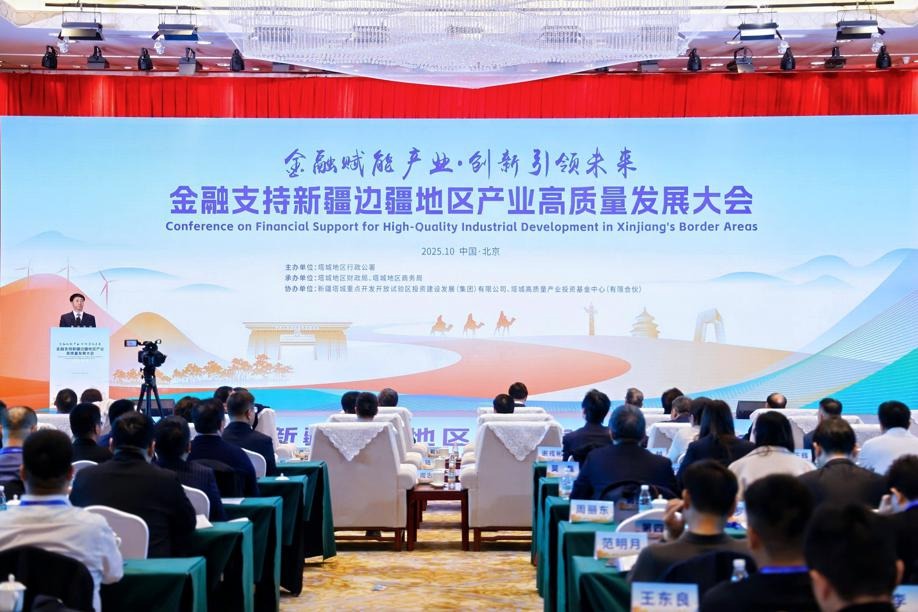
Xinjiang’s Tacheng secures 10bn yuan boost for modern industrial projects
In a significant move to bolster industrial development in Xinjiang’s border regions, a 10-billion-yuan ($1.4 billion) industrial fund was officially launched in Beijing on Sunday. The initiative, unveiled during the Conference on Financial Support for High-Quality Industrial Development in Xinjiang’s Border Areas, aims to accelerate the modernization of industries in Tacheng prefecture, a strategically important area in northwest China. The Tacheng High-Quality Industrial Investment Fund, with an initial commitment of one billion yuan, is a collaborative effort between Beijing Hangke Junfu Private Fund Management Center (LLP) and New China Asset Management Co., Ltd. The fund will operate under a parent-subsidiary structure, with seven sub-funds designed to support enterprises at various stages of growth, from startups to established companies. This financial injection is expected to enhance Tacheng’s economic resilience, attract investment, and foster innovation in key sectors such as manufacturing, technology, and agriculture. The initiative underscores China’s broader strategy to promote balanced regional development and strengthen the economic foundations of its border areas.
-
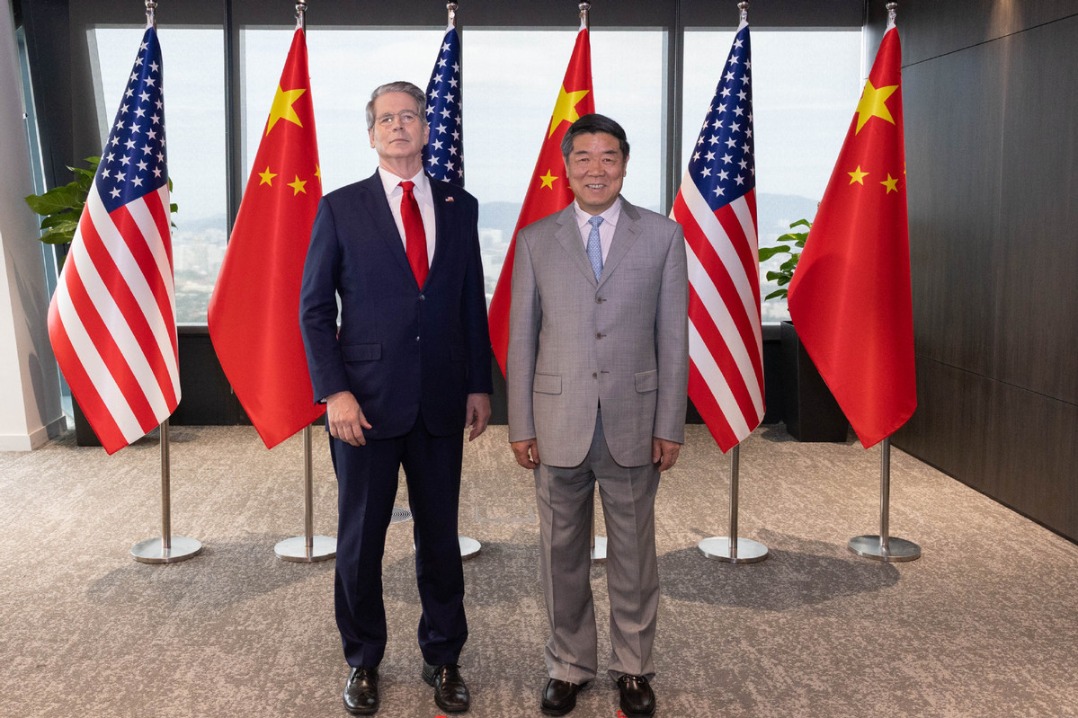
Chinese vice-premier urges trust and cooperation as trade talks conclude
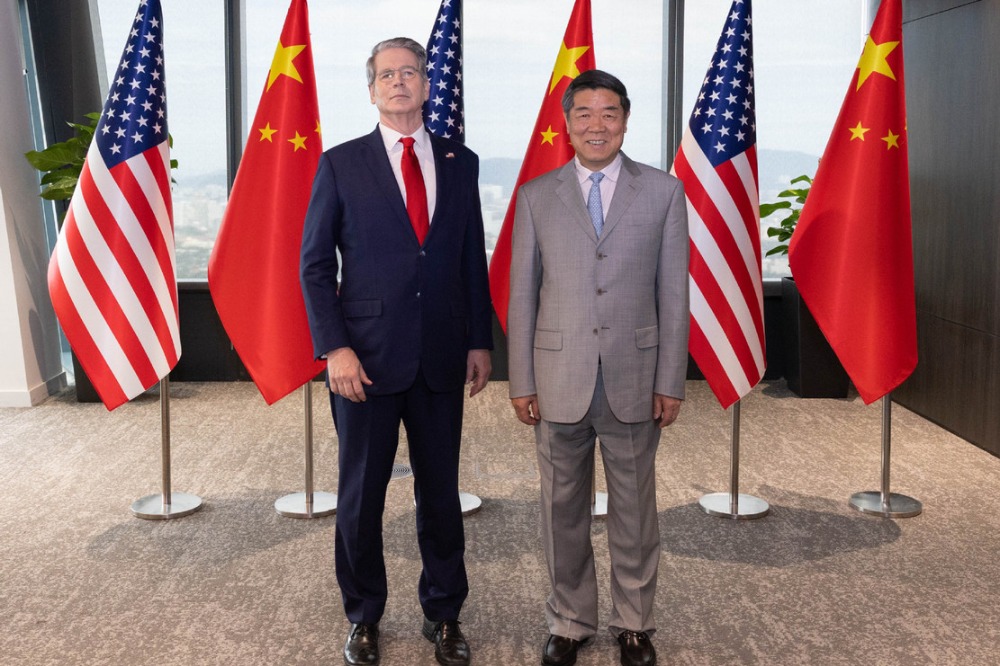
Chinese Vice-Premier He Lifeng, a key member of the Political Bureau of the Communist Party of China Central Committee, concluded the fifth round of China-US trade talks in Kuala Lumpur on October 26, 2025, by emphasizing the importance of mutual trust, managing differences, and expanding mutually beneficial cooperation. The two-day discussions, attended by US Treasury Secretary Scott Bessent, aimed to elevate bilateral economic and trade relations to new heights. He Lifeng highlighted that the essence of China-US economic and trade relations lies in mutual benefit and win-win cooperation, stressing that confrontation harms both nations. He urged both sides to safeguard the ‘hard-won outcomes’ achieved through months of consultations, noting that stable development of these relations serves the fundamental interests of both countries and aligns with international expectations. Key issues discussed included the US Section 301 probe into Chinese shipping and shipbuilding industries, the extension of the tariff truce set to expire on November 10, fentanyl-related tariffs, counternarcotics law enforcement cooperation, agricultural trade, and export controls. The talks were described as ‘candid, in-depth, and constructive,’ with both sides reaching a basic consensus on addressing each other’s concerns and agreeing to finalize specific details and complete domestic approval procedures.
-
China, US reach basic consensuses on arrangements to address respective trade concerns
In a significant development for global trade relations, China and the United States have reached foundational agreements to address mutual trade concerns following intensive discussions in Kuala Lumpur, Malaysia. The talks, held over two days, were led by Chinese Vice-Premier He Lifeng and US Treasury Secretary Scott Bessent, alongside US Trade Representative Jamieson Greer. The negotiations were guided by the strategic consensus established by the leaders of both nations during their recent communications. The discussions covered a range of critical issues, including the US Section 301 measures targeting China’s maritime, logistics, and shipbuilding sectors, the extension of tariff suspensions, fentanyl-related tariffs, agricultural trade, and export controls. Both parties have committed to detailing these agreements and navigating their respective domestic approval processes. Vice-Premier He emphasized the mutual benefits of stable Sino-American trade relations, advocating for dialogue based on mutual respect and win-win cooperation. He also highlighted the importance of implementing the agreements reached during the leaders’ discussions and the outcomes of this year’s trade talks to foster trust and expand cooperation. The US delegation acknowledged the pivotal nature of the US-China economic relationship and expressed a readiness to collaborate with China to resolve differences and enhance mutual development. Both sides agreed to utilize the established economic and trade consultation mechanisms to ensure the sustainable and beneficial growth of their economic relations, aiming to contribute positively to global prosperity.
-
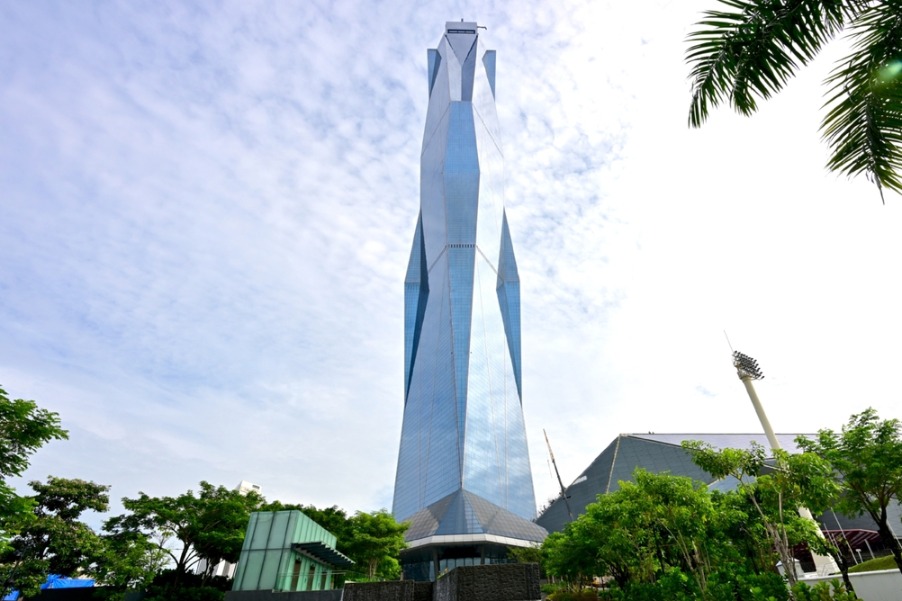
Stable China-US relations paramount to global economy, Chinese official says
A high-ranking Chinese official has underscored the critical importance of maintaining stable economic and trade relations between China and the United States, asserting that such stability is vital not only for the two nations but also for the global economy. Li Chenggang, China’s international trade representative at the Ministry of Commerce, made these remarks following the conclusion of the latest round of China-US economic and trade talks held in Kuala Lumpur, Malaysia, on October 25, 2025. Li emphasized that the recent turbulence in bilateral relations is not in line with Beijing’s objectives, and both countries are committed to fostering a constructive and stable partnership. He highlighted that China has diligently adhered to the consensus reached in numerous high-level discussions between the two nations’ leaders, working to implement the outcomes of economic and trade consultations and preserving the ‘hard-won relative stability’ in their relationship. The Kuala Lumpur talks were described as in-depth, candid, and constructive, with the outcomes awaiting domestic approval from both sides. Moving forward, Li stated that China and the US will enhance communication and collaboration to ensure the steady and healthy development of their economic and trade ties.