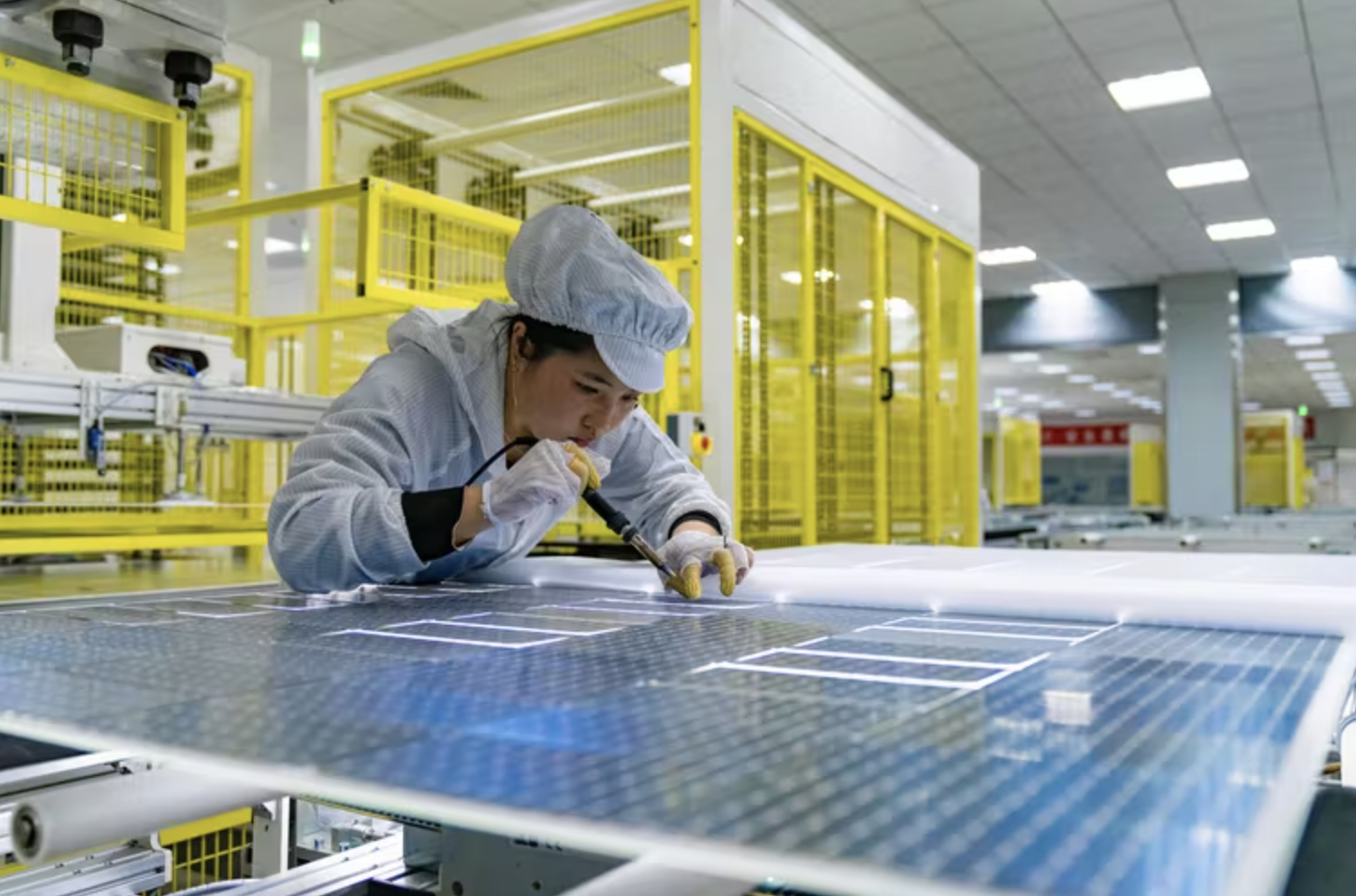
As COP30 commences in Belem, Brazil, the global climate discourse remains centered on pledges and targets. However, the tangible shift in the clean energy transition is already evident in global markets, with China emerging as the epicenter of this transformation. China has seamlessly integrated its climate ambitions into a robust industrial strategy, leading the charge in solar, wind, battery, electric vehicle, and grid technology sectors. Its influence now extends to global cost structures, supply chains, and market expectations. By the end of 2024, China had exceeded its 2030 target for installed wind and solar capacity, reaching approximately 1,400 gigawatts, according to the National Energy Administration. This year marked a historic milestone as renewable capacity surpassed fossil fuel power for the first time. The International Energy Agency projects that China will account for nearly 60% of all new global renewable power capacity installed through 2030. This expansion has fundamentally altered energy economics, with industrial scale driving down the costs of solar modules, wind turbines, and batteries to levels that make clean power competitive without subsidies in most regions. China now controls over 80% of the global solar manufacturing supply chain and dominates electric vehicle and storage battery production. These developments are reshaping the global cost base, influencing corporate margins, trade balances, and valuations across continents. Equity markets are adjusting to this new energy reality, with overcapacity in solar manufacturing leading to fierce price competition within China. The ripple effect outside China is supporting suppliers of critical materials like copper, lithium, nickel, and rare earths, as well as grid operators and logistics companies serving new energy infrastructure. Credit markets are evolving in parallel, with green and transition bonds linked to Chinese exports multiplying. Emerging market issuers are financing renewable projects built with Chinese technology, creating a new layer of investable debt and strengthening balance sheets tied to the energy transition. Private equity and infrastructure funds are positioning accordingly, with Belt and Road energy projects shifting focus from coal to solar and wind. Regional developers are securing Chinese components to meet domestic decarbonization targets, transforming clean power from a cost to a growth engine across multiple regions. Despite these advancements, challenges remain. China’s grid struggles to absorb the rapid expansion in renewable generation, some provinces face curtailment, and local debt constraints slow new approvals. Coal remains an important stabilizer of power sources, yet the percentage of clean power generation continues to rise, with policy direction remaining consistent and focused. The investment implications are clear: China’s dominance has made clean energy the world’s most powerful source of cost deflation in real assets, driving new cycles of industrial demand, commodity use, and infrastructure spending. Exposure to this transformation can take many forms, including listed renewables, metals critical to electrification, utilities integrating advanced storage, and the financing structures that link these sectors. While many governments view China’s rise through a political lens, markets perceive it through a structural one. Industrial ecosystems of this scale cannot be duplicated quickly, representing decades of accumulated capital and experience. Energy security, competitiveness, and productivity will increasingly depend on access to China’s clean energy ecosystem. Economies that hesitate to match this approach risk losing growth and influence in the decades ahead. The clean energy transition is no longer an aspiration but a functioning global market with China at its core. The combination of technology, capital, and industrial discipline emerging from Beijing, Shanghai, and Shenzhen is setting the direction of economic opportunity across Asia, the Middle East, and Africa. Ignoring this shift won’t shield capital from its consequences but would mean missing one of the defining sources of sustainable return in the contemporary global economy.
分类: business
-

China’s car sales slow in October as some trade-in subsidies, tax breaks are phased out
China’s passenger car market experienced a notable slowdown in October, with even industry giants like BYD and Tesla reporting declines in sales. According to the China Association of Automobile Manufacturers (CAAM), year-on-year sales growth dropped to 4.4%, a significant decrease from September’s 11.2% and August’s 15.1%. This slowdown comes amid intense price competition in an already saturated market. However, the export of electric vehicles (EVs) and plug-in hybrids saw a remarkable surge, doubling from the previous year to approximately 250,000 units, as automakers increasingly target overseas markets.
-

Anshan banks on pet industry to drive growth
Anshan’s Tiexi district in Liaoning province is leveraging its burgeoning pet industry to drive economic growth and urban transformation. With an annual revenue of 4 to 5 billion yuan ($562 million to $702 million), the district has become a hub for pet-related activities, accounting for two-thirds of the city’s pet industry earnings. This strategic shift marks a significant departure from Tiexi’s historical reliance on heavy industry, particularly its association with Ansteel Group, a state-owned steel manufacturer. The district’s focus on the pet industry exemplifies the broader industrial transformation underway in Northeast China, as it seeks to diversify its economy and cultivate emerging sectors. Ding Kunbin, head of Tiexi district, highlighted the region’s natural advantages for pet breeding, including a climate conducive to fur growth and a rich canine gene pool with around 200 breeds, many of which are rare. The pet industry’s roots trace back to the 1990s when laid-off steelworkers began home-based breeding operations, which later evolved into large-scale enterprises. Today, the sector is driven by a new generation of professionals and e-commerce platforms. With China’s aging population and declining marriage rates, the pet industry is poised for significant growth. The 2025 China Pet Industry White Paper reveals that China’s urban pet population reached 120 million in 2024, with a corresponding consumption market valued at 300 billion yuan. To support this growth, Tiexi is developing a pet theme park, a pet-friendly hotel, and an indoor pet transportation facility in collaboration with airlines. These initiatives aim to enhance animal welfare, improve urban pet-friendliness, and provide recreational spaces for pet owners. The district is also implementing a clear industrial spatial layout to minimize environmental impact and neighborhood disruption, with plans for centralized pet breeding bases to standardize practices and control disease outbreaks. Through spatial and industrial planning, detailed policies, and regulatory oversight, Tiexi is guiding its pet industry toward high-quality and high-value development.
-

China’s ‘Singles’ Day’ shopping festival a gauge of Beijing’s effort to get consumers to spend more
The annual Singles’ Day shopping festival, China’s equivalent to Black Friday, has seen a noticeable shift in consumer behavior this year, reflecting broader economic challenges. Alice Zhang, a 29-year-old marketer from Guangzhou, exemplifies this trend, having halved her spending compared to last year. Facing a 20% pay cut, Zhang opted for more affordable choices and skipped purchasing new shoes altogether. Her cautious approach mirrors a nationwide pattern as Chinese consumers prioritize necessities over discretionary spending.
-
US manufacturers face higher Chinese hurdles than soybean farmers
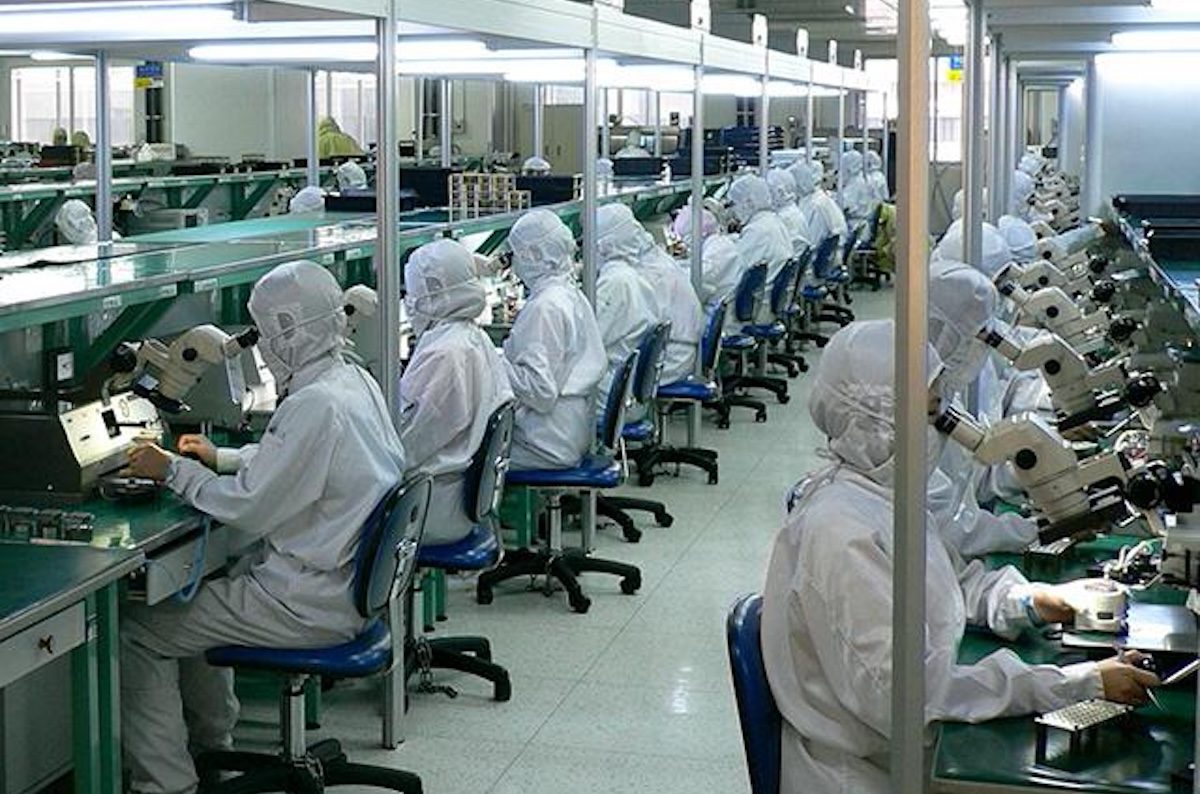
The United States finds itself in a precarious position due to its excessive reliance on China, a dependency that spans both agriculture and manufacturing sectors. American soybean farmers, for instance, have long depended on Chinese purchases, which account for nearly half of U.S. soybean exports. This reliance gives China significant leverage, as demonstrated earlier this year when it curtailed imports in response to trade tensions. However, the issue extends far beyond agriculture. U.S. manufacturers are equally vulnerable, as China dominates the global supply of critical materials and components essential for producing high-tech goods. Rare-earth minerals, which are indispensable for manufacturing cellphones, computer hard drives, and advanced defense systems, are a prime example. China controls 97% of global rare-earth production, and recent export restrictions highlighted the risks of this monopoly. While a temporary truce in the U.S.-China trade war has suspended these restrictions, the broader problem remains unresolved. China’s dominance extends to other critical materials like graphite, gallium, germanium, and tungsten, which are vital for industries ranging from electronics to pharmaceuticals. Even the active ingredients in many common medications, such as ibuprofen and antibiotics, are sourced from China. This overdependence is not accidental but the result of China’s deliberate industrial policies, which include subsidies, tax breaks, and protectionist measures to dominate global supply chains. The U.S. has attempted to counter this through initiatives like the Chips Act and tariffs, but China’s economies of scale pose a formidable challenge. Experts argue that international cooperation among like-minded nations is essential to mitigate this dependency. However, current U.S. trade policies, which impose tariffs on allies, complicate such efforts. While soybean farmers can seek alternative markets, manufacturers face a far more complex dilemma. The path forward requires strategic diversification and coordinated industrial policies to reduce reliance on China and safeguard America’s economic security.
-
Wall Street gains on hopes of government reopening
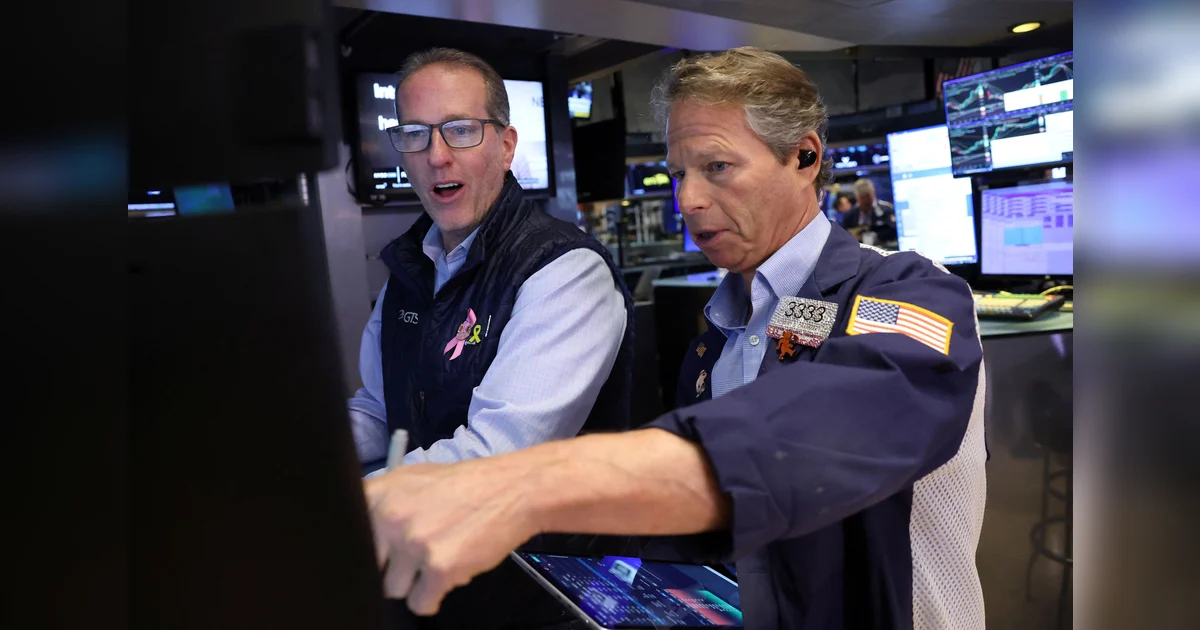
Wall Street’s major indices experienced gains on Monday, driven by optimism surrounding the potential end of the U.S. government shutdown. The shutdown, now the longest in history, has disrupted economic data releases and heightened concerns about the economy’s health. On Sunday, senators advanced a House-passed bill in a procedural vote, aiming to fund the government until January 30. If approved by the Senate and signed by President Donald Trump, the bill could mark a significant step toward resolving the impasse.
Chris Zaccarelli, Chief Information Officer at Northlight Asset Management, noted, ‘The prolonged shutdown exceeded expectations, raising fears about economic stability and potential flight cancellations, which could have broader economic repercussions.’ This sentiment contributed to last week’s bearish outlook on the tech sector, though most tech stocks rebounded on Monday. Nvidia surged 3.4%, while Alphabet and Meta Platforms rose 2.5% and 1.5%, respectively. Information technology and consumer discretionary sectors were the primary drivers of the S&P 500’s 0.71% gain.
However, Home Depot’s nearly 2% decline weighed on the Dow Jones Industrial Average, which edged up just 0.02%. The Nasdaq Composite outperformed, climbing 1.35%, buoyed by a 2.1% rise in the semiconductor index. Meanwhile, airlines faced pressure due to government-directed flight cuts and staffing shortages, with United Airlines and American Airlines both dropping over 1%.
The CBOE volatility index retreated from a three-week high, easing 0.8 points to 18.26. On betting platform Polymarket, the likelihood of the shutdown ending this week stood at 85%. The prolonged shutdown has left the Federal Reserve and markets reliant on private data, which has painted a mixed picture of the economy. Some Fed officials reiterated caution ahead of the central bank’s next meeting, while Fed Governor Stephen Miran advocated for a significant rate cut.
Despite optimism around artificial intelligence fueling a bull run in U.S. stocks this year, concerns about monetization and circular spending led to a tech selloff last week, marking the Nasdaq’s worst performance in over seven months. The third-quarter earnings season neared its conclusion, with 83% of the 446 S&P 500 companies reporting better-than-expected results, according to LSEG data.
Health insurers faced declines after the Senate’s deal to end the shutdown excluded an extension of Affordable Care Act subsidies, deferring the issue to a December vote. Centene led the losses, plummeting 8.5%, while Humana and Elevance Health each fell about 4%. In contrast, Eli Lilly shares hit an intraday record high, rising 4.9% following an upgrade by Leerink Partners.
Advancing issues outnumbered decliners on both the NYSE and Nasdaq, with the S&P 500 recording 20 new 52-week highs and seven new lows, and the Nasdaq Composite posting 75 new highs and 92 new lows.
-

Mena Biofuels advances UAE’s first commercial sustainable aviation fuel plant in Fujairah
Mena Biofuels, a subsidiary of the Mercantile & Maritime Group, has officially initiated the construction of the UAE’s first commercial Sustainable Aviation Fuel (SAF) production facility in the Fujairah Oil Industry Zone (FOIZ). This groundbreaking project, unveiled at Adipec 2024, aims to convert used cooking oil and waste-based feedstocks into certified SAF, meeting stringent international standards. The facility’s Phase I, with a $200 million investment, will produce 125 million litres annually, accounting for approximately 18% of the UAE’s 2030 SAF target. Phase II, with an additional $100 million investment, will double the capacity to 250 million litres, contributing up to 36% of the nation’s SAF goal and supporting regional exports. The project aligns with the UAE’s Sustainable Aviation Fuel Roadmap 2030 and Net Zero 2050 Agenda, marking a significant milestone in the country’s clean energy transition. Over the past year, Mena Biofuels has completed a comprehensive feasibility study, secured land leases, appointed key project managers, and selected an internationally recognized technology provider. The company has also signed strategic offtake agreements with Emirates Petroleum Company PJSC (Emarat) and plans to finalize additional agreements at the upcoming Dubai Air Show. The first Engineering, Procurement, and Construction (EPC) tender has been launched, covering feedstock storage and distribution facilities, with the second tender for refinery process units set for Q1 2026. This project positions Fujairah as a regional hub for sustainable aviation fuel production, driving economic and environmental resilience while fostering innovation and industrial capacity.
-
$6 bn in Chad investment deals inked at UAE forum: Minister
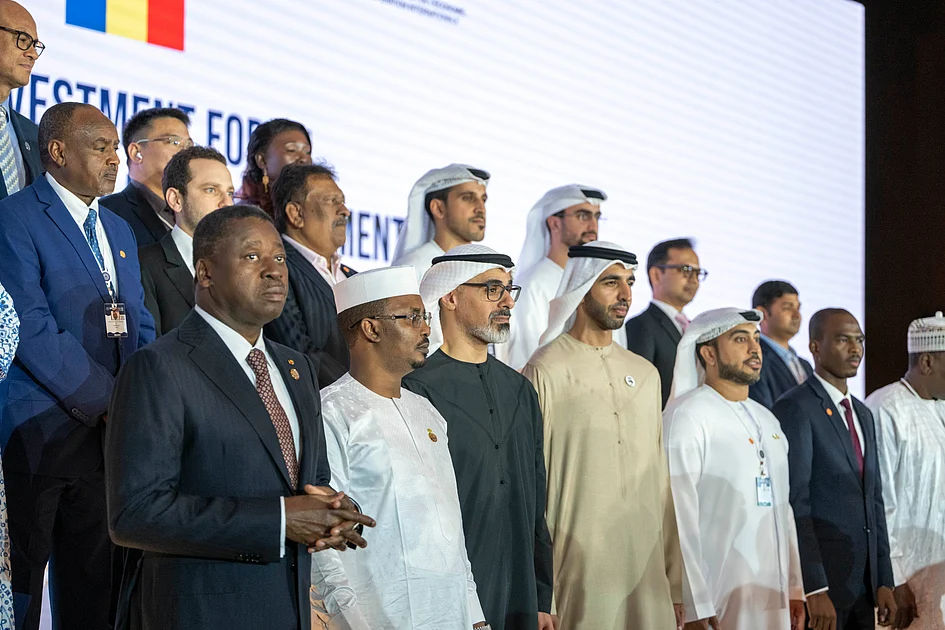
The United Arab Emirates (UAE) has successfully concluded a series of investment agreements with Chad, potentially exceeding $6.2 billion, as announced by UAE Foreign Trade Minister Thani bin Ahmed Al Zeyoudi during the two-day UAE-Chad Trade and Investment Forum in Abu Dhabi. The event, which saw the participation of numerous entities and companies from Chad, resulted in approximately 40 deals aimed at fostering economic growth and stability in the central African nation. Chad officials also utilized the forum to unveil a national development plan targeting $30 billion in investments. The UAE has been a significant investor in Africa, with over $110 billion committed between 2019 and 2023, making it the largest backer of new projects on the continent. Additionally, a Comprehensive Economic Partnership Agreement (CEPA) between the UAE and Chad is expected to be finalized by the end of the year, following a 32 percent increase in non-oil trade to $1.9 billion in the previous year. The forum comes amid concerns over an influx of Sudanese refugees into Chad due to ongoing conflict in the region.
-
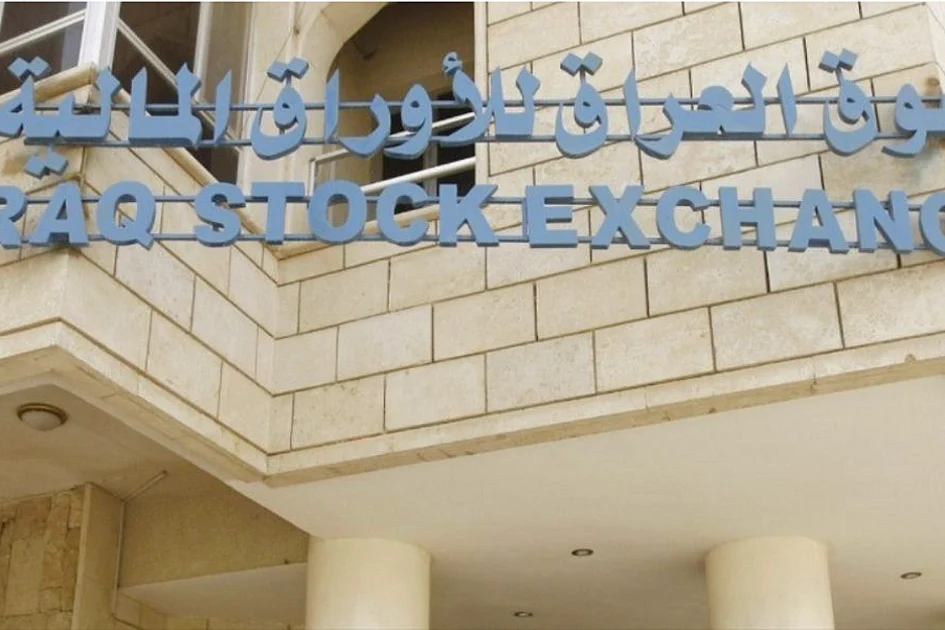
RSISX index posts modest 0.6 per cent growth ahead of Iraq’s parliamentary elections
The Rabee Securities Iraq Stock Exchange Index (RSISX Index) experienced a modest 0.6 per cent growth in October 2025, reflecting cautious investor sentiment ahead of Iraq’s parliamentary elections on November 11. Key contributors to this performance included National Bank of Iraq, Baghdad Soft Drinks, Asiacell, and Al-Mansour Hotel. The total trading volume on the Iraq Stock Exchange (ISX) surged by 87 per cent to $40.2 million, driven by cross transactions. Excluding these, trading still grew by 28 per cent to $19.1 million. The banking sector dominated trading activity with a 61.6 per cent share, followed by industry (28.5 per cent), telecom (4.8 per cent), and other sectors. Meanwhile, the over-the-counter (OTC) market saw a 15 per cent decline in trading volume to $177,700. Among the 27 companies that saw share price increases, Modern Construction Materials led with a 61.4 per cent rise, followed by Electronic Industries at 23.9 per cent. Tugba Tan Karakaya, Equity Analyst at Rabee Securities, noted that the rise in trading volume indicates improved market activity and stronger local investor participation. Significant developments in October included the Iraqi Securities Commission’s approval of membership requirements for brokerage firms to trade on the Tabadul platform of the Abu Dhabi Securities Exchange (ADX) and the launch of a €40 million Credit Guarantee Fund by the International Labour Organization (ILO) to support small and medium enterprises (SMEs). According to the World Bank’s MENAAP Economic Update, Iraq’s real GDP is projected to grow by 6.7 per cent in 2026, the highest among Arab countries, driven by energy sector recovery, rising oil exports, and government efforts to diversify income sources.
-
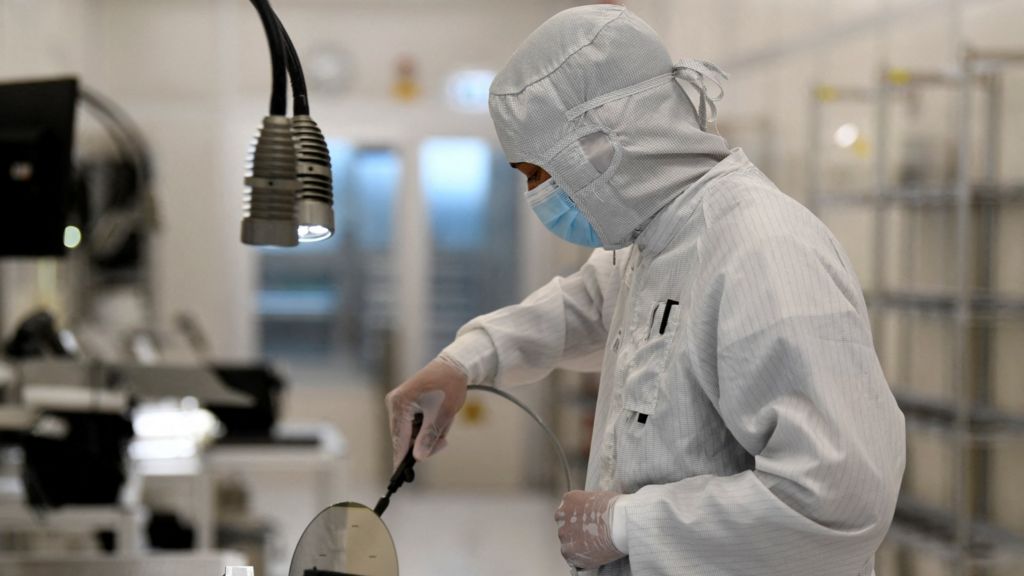
A battle over a Chinese chip maker that rocked the global car industry
In a dramatic escalation of geopolitical tensions, the Dutch government invoked a Cold War-era emergency law in late September to seize control of Nexperia, a Chinese-owned semiconductor company operating in the Netherlands. This unprecedented move, justified by alleged ‘serious governance shortcomings’ and threats to critical technologies, has sent shockwaves through the global automotive industry, already reeling from US tariffs and China’s restrictions on rare earth exports. The Dutch Minister of Economic Affairs emphasized the necessity of this action to safeguard supply continuity and protect vital technologies for the Dutch and European economies. Beijing responded with fury, accusing the Netherlands of political interference and imposing export controls on Nexperia’s chips from its Chinese facilities to Europe. The Dutch government, in turn, froze shipments of essential supplies needed for chip production in China. This disruption has exposed vulnerabilities in the global chip supply chain, particularly for automotive manufacturers, who rely heavily on Nexperia’s ‘legacy’ semiconductors for critical components like power-steering and airbags. Despite China’s recent exemptions for civilian chip exports, tensions remain high, with Beijing demanding the Dutch government reverse its takeover of Nexperia. The incident underscores the broader struggle for digital sovereignty and the risks of over-reliance on Chinese supply chains. Analysts warn that this episode exemplifies the growing decoupling between Western and Chinese economies, with significant implications for global trade and geopolitical stability. As negotiations between China and the EU continue, the Nexperia dispute highlights the fragility of international supply chains and the complex interplay of politics, technology, and commerce in an increasingly polarized world.