Nissan Motor Co Ltd is intensifying its efforts to enhance cost efficiency by studying the practices of Chinese suppliers and integrating their methods into its global operations. The Japanese automaker aims to reduce variable costs by 250 billion yen ($1.71 billion) as part of a broader efficiency initiative, according to Tatsuzo Tomita, Nissan’s chief of total delivered cost transformation. Tomita highlighted the effectiveness of Chinese suppliers in utilizing standardized parts and fostering close collaboration with designers, practices that Nissan is now exploring for its current and future vehicle parts. This strategic move is part of Nissan’s ongoing turnaround plan, which includes cutting approximately 20,000 jobs and consolidating seven plants. The company has set an ambitious target of achieving 500 billion yen in cost reductions by March 2027, with half expected to come from fixed costs and the remainder from variable costs. The initiative aims to secure operating profit and positive free cash flow in Nissan’s automotive business by the same deadline. Following the announcement, Nissan’s shares rose by 1.6%, reaching their highest level since late May. Tomita emphasized that the company is not reducing its supplier base but rather strengthening collaboration. He noted that Chinese suppliers are expanding globally, with operations in Hungary, Morocco, and Turkey, and are being considered as potential partners in Nissan’s international strategy. While acknowledging the significant challenge of the 250 billion yen variable cost reduction target, Tomita expressed confidence in achieving it by maintaining the current momentum and sourcing innovative ideas from employees. The impact of these cost-saving measures is expected to become more apparent by the end of this year or next year, varying across different vehicle models.
分类: business
-
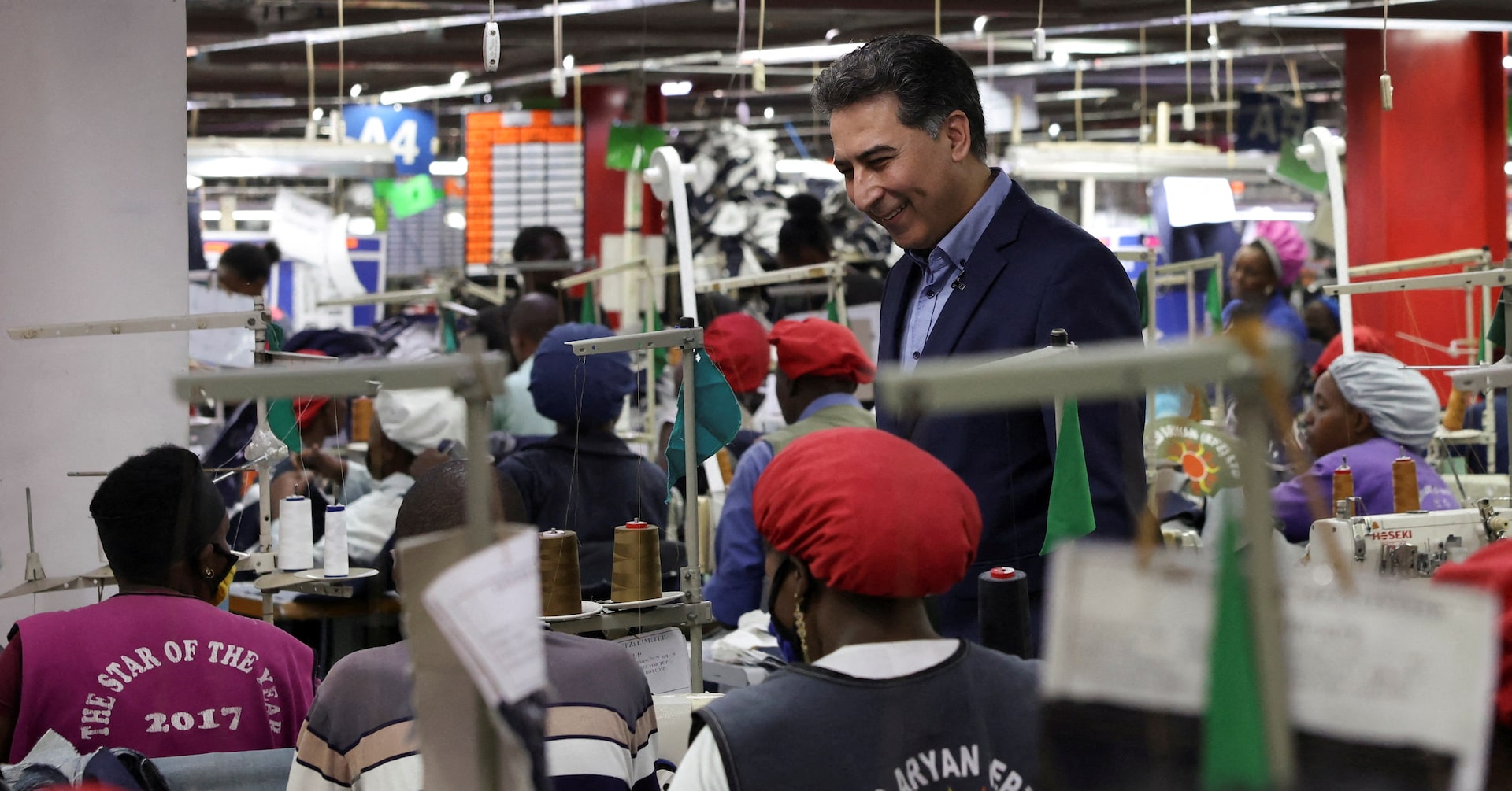
African manufacturers in last-ditch bid to extend US trade programme
African manufacturers are intensifying efforts to secure a temporary extension of the African Growth and Opportunity Act (AGOA), a pivotal trade initiative set to expire at the end of September. Pankaj Bedi, chairman of United Aryan, a Kenyan apparel company supplying major U.S. retailers like Target and Walmart, revealed that delegations from Kenya and four other AGOA beneficiary nations recently visited Washington to lobby for a one- to two-year extension. The program, established in 2000 under President Bill Clinton, grants duty-free access to the U.S. market for thousands of African products, fostering economic development and job creation across sectors such as textiles, automotive, and mining. However, the aggressive tariff policies of former President Donald Trump have cast uncertainty over its renewal. Despite bipartisan support, last year’s attempt to extend AGOA for 16 years failed to reach a Congressional vote. Bedi emphasized that without an extension, manufacturers face steep tariff hikes, potentially leading to mass layoffs and a shift in U.S. reliance back to Asian manufacturers, particularly China. The White House has yet to publicly endorse an extension, leaving the future of AGOA in limbo.
-

India’s Urban Company soars 74% in trading debut, hits about $3 billion valuation
Urban Company Limited, a leading player in India’s home-services sector, made a spectacular debut on the National Stock Exchange (NSE) on September 17, 2025. The company’s shares surged by 74%, catapulting its valuation to nearly $3 billion. This marked one of the most successful initial public offerings (IPOs) of 2025, with the issue being oversubscribed by a staggering 103.65 times, attracting bids worth approximately $13 billion. Urban Company’s stock opened at a 57.5% premium to its issue price, far exceeding analysts’ predictions of a 40%-51% upside. The shares hit a high of 179 rupees during the trading session and closed at 166.8 rupees, up 62% from the issue price. The IPO’s success underscores investor confidence in Urban Company’s dominance of India’s largely unorganized home-services market, which is projected to grow at a compound annual growth rate of 22.4% from 2023 to 2030, according to Grand View Research. Aishvarya Dadheech, founder of Fident Asset Management, noted that the enthusiasm reflects Urban Company’s position as a long-term play on digital adoption and rising demand for home services. The listing also coincided with a broader uptick in Indian equities, buoyed by optimism surrounding U.S.-India trade talks. The blue-chip Nifty 50 index has risen 7% in 2025 but remains 4% below its record levels from a year ago. Urban Company’s debut is a testament to the resilience and growth potential of India’s IPO market, which has rebounded after a slow start to the year and is on track to set new fundraising records.
-
Exclusive: Japan’s JERA in advanced talks to buy $1.7 billion of US shale gas assets, sources say
Japan’s leading power generator, JERA Co., Inc., is in advanced negotiations to acquire natural gas production assets in the United States for approximately $1.7 billion, according to sources familiar with the matter. This move underscores Japan’s strategic efforts to secure energy resources amid global market volatility and rising demand. The assets in question are owned by GEP Haynesville II, a joint venture between Blackstone-backed GeoSouthern Energy and pipeline operator Williams Companies. JERA has emerged as the top bidder, outpacing several U.S.-based energy firms, though the deal remains subject to finalization. This acquisition would mark JERA’s first venture into shale gas production, granting the world’s largest liquefied natural gas (LNG) buyer greater control over its supply chain. The deal aligns with Japan’s broader strategy to diversify energy sources, particularly in light of Russia’s invasion of Ukraine, which disrupted global energy markets. Additionally, the U.S.-Japan trade agreement, finalized earlier this month, commits Japan to $7 billion in annual energy purchases from the U.S., further bolstering bilateral energy ties. GEP Haynesville II, a major producer in the Haynesville shale basin spanning Texas and Louisiana, is expected to nearly double its output by 2028, according to Rystad Energy. The Haynesville basin’s proximity to LNG export facilities on the U.S. Gulf Coast has made it a highly sought-after asset. While JERA declined to comment, the potential acquisition highlights Japan’s growing reliance on U.S. energy resources to meet its domestic needs and support its technological advancements, including the AI-driven surge in data center power demand.
-
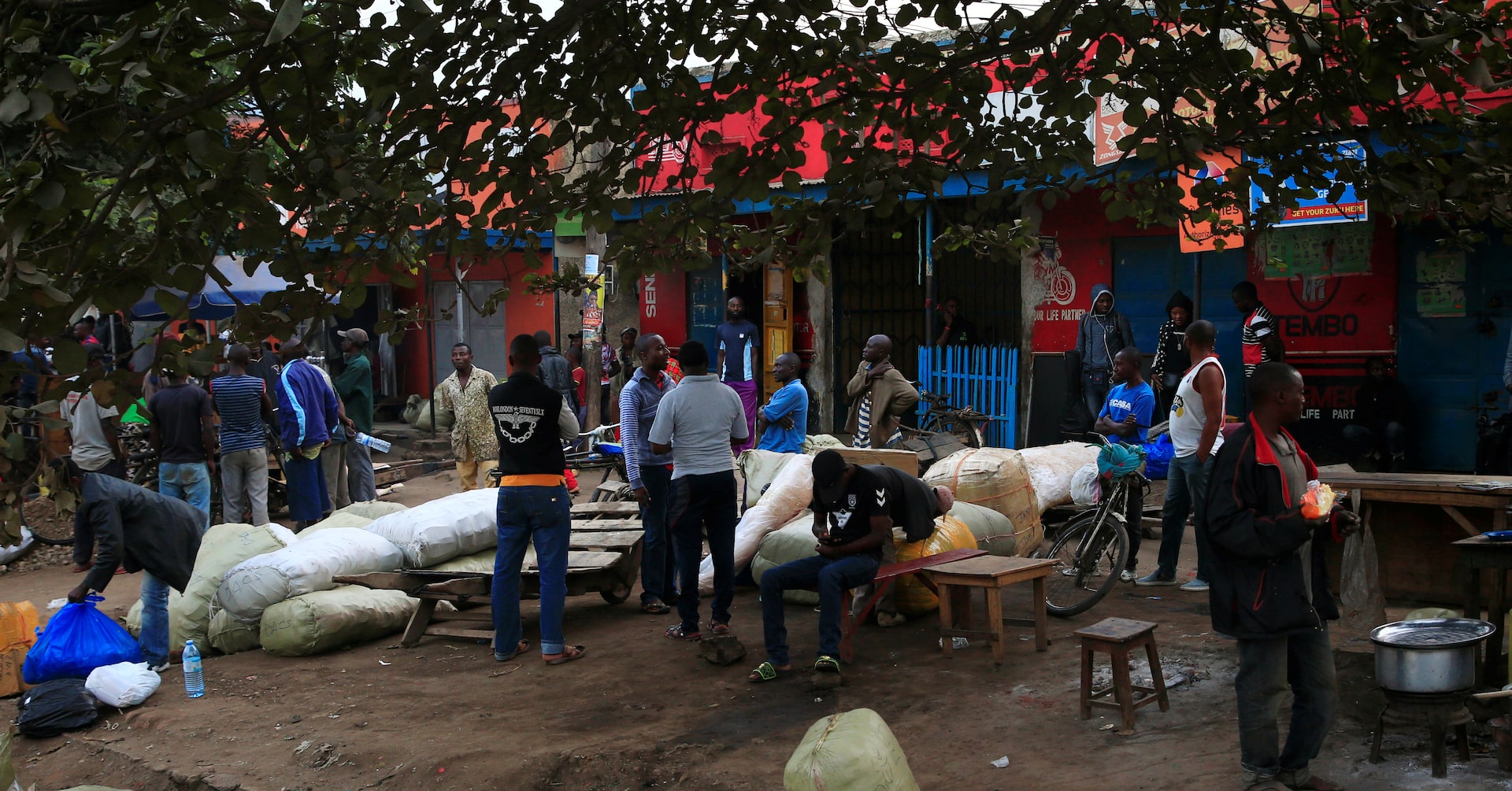
Uganda to cut public spending, domestic borrowing in 2026/27 FY
Uganda has unveiled plans to reduce its overall spending by 4.1% in the 2026/27 financial year, according to a Ministry of Finance document released on Wednesday. The East African nation projects its public expenditure for the 12 months starting July 2026 at 69.4 trillion Ugandan shillings ($19.9 billion), a decrease from 72.4 trillion shillings in the previous fiscal year. The government also aims to cut domestic debt issuance by 21.1%, lowering it to 9 trillion shillings, to manage interest payments and maintain sustainable debt levels. Key priorities for the upcoming fiscal year include completing the East African Crude Oil Pipeline (EACOP) to initiate crude oil production, advancing mineral quantification for iron ore, gold, and copper deposits, and continuing the development of a refinery and the standard gauge railway project. These measures reflect Uganda’s strategic focus on infrastructure development while ensuring fiscal discipline.
-
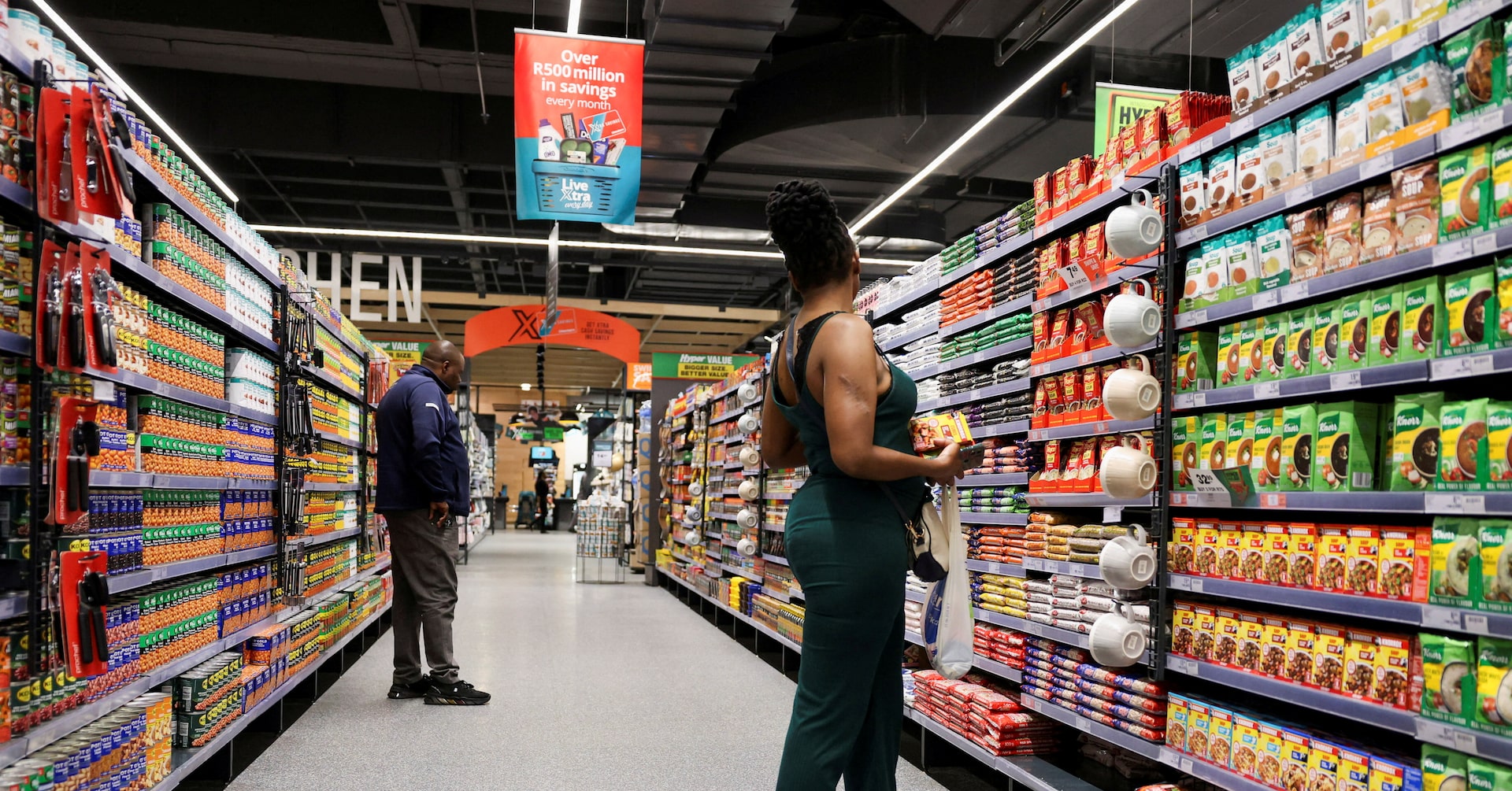
South African inflation surprise makes Thursday’s rate decision a close call
In a surprising turn of events, South Africa’s inflation rate for August 2024 fell to 3.3%, undershooting the 3.6% forecast by economists. This decline, attributed to softer fuel and food prices, has sparked speculation that the South African Reserve Bank (SARB) might implement another interest rate cut during its upcoming policy meeting on Thursday. The SARB has already reduced rates three times this year, with the latest cut in July, when it set a new inflation target of 3%. Prior to the release of the inflation data, the consensus was that the central bank would maintain the repo rate at 7%. However, the unexpected drop in inflation, coupled with falling bond yields and a stronger rand, has led some analysts to predict a 25 basis point cut. Razia Khan, chief economist for Africa and the Middle East at Standard Chartered, described the inflation release as a ‘game changer,’ suggesting that the September meeting could be pivotal. While some analysts remain cautious, citing potential price shocks from recent tariffs imposed by the U.S. on South African exports, others argue that a flagging economy provides additional justification for easing monetary policy. The SARB has acknowledged that the impact of these tariffs on growth and inflation could be modest, but this has yet to be reflected in official data. The central bank’s decision will be closely watched as it seeks to balance inflation control with economic stimulation.
-
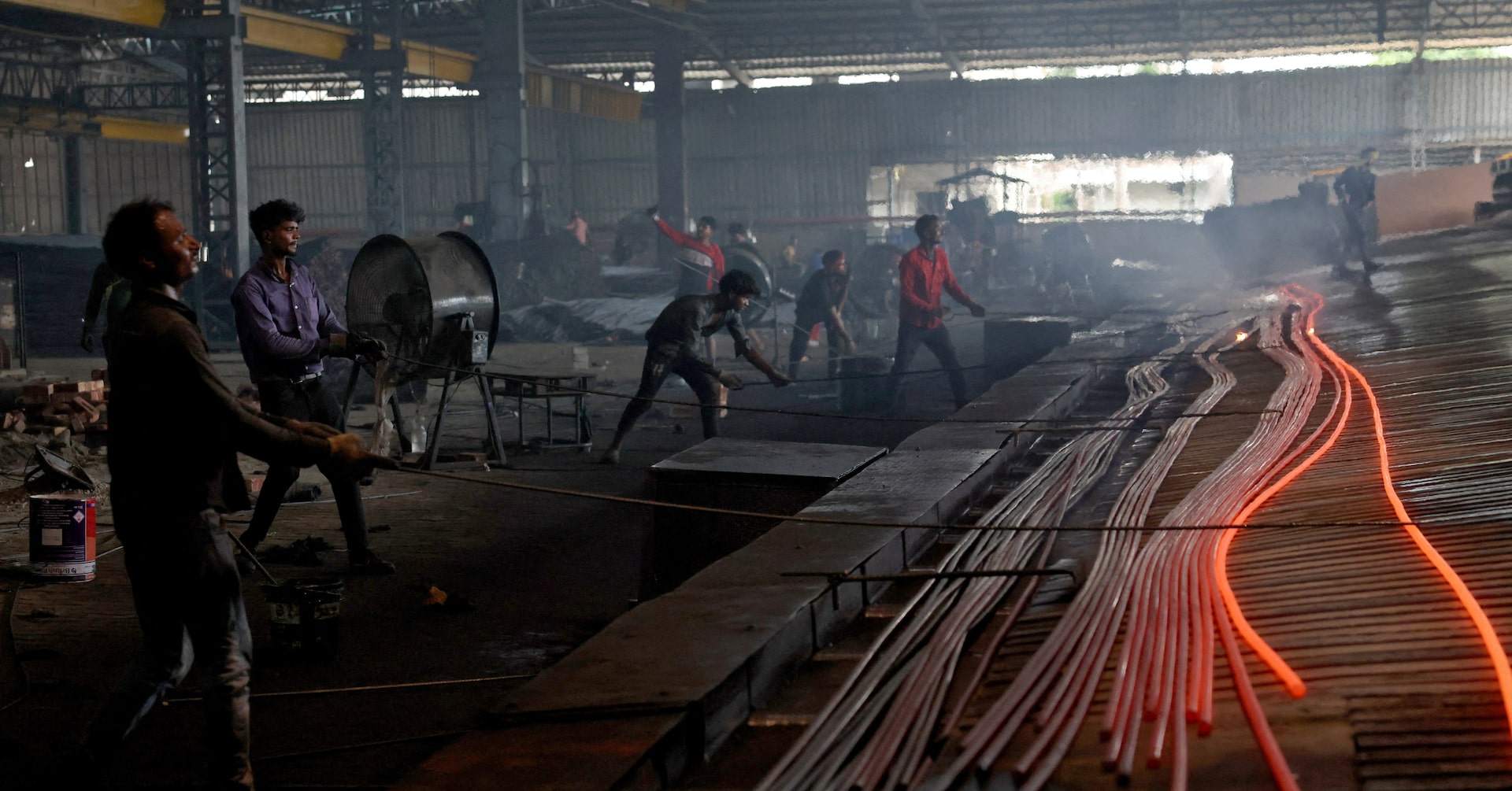
India steel exports face EU carbon tax hit, US tariffs impact minimal, official says
India’s steel sector is bracing for significant challenges from the European Union’s carbon border adjustment mechanism (CBAM), even as it remains largely unaffected by U.S. tariffs, according to Sandeep Poundrik, India’s steel secretary. Speaking at the FT Live Energy Transition Summit India on Wednesday, Poundrik highlighted that approximately two-thirds of India’s steel exports are destined for Europe, making the EU’s carbon tax a critical concern. The CBAM, which imposes higher taxes on high-carbon goods like steel, aluminum, and cement, could severely impact India’s export competitiveness. Poundrik emphasized that Indian steel production, predominantly reliant on blast furnaces with high emissions, faces additional scrutiny as the industry expands its capacity. He also expressed concerns about cheap imports and anticipated government action on import tariffs, known locally as safeguard duty, to protect domestic producers. Last month, India proposed an 11%-12% import tariff on certain steel products to curb shipments from China, the world’s top steel producer. While the U.S. tariffs pose minimal direct impact due to negligible exports, the EU’s carbon tax underscores the urgent need for India to address its carbon-intensive production methods and align with global sustainability standards.
-
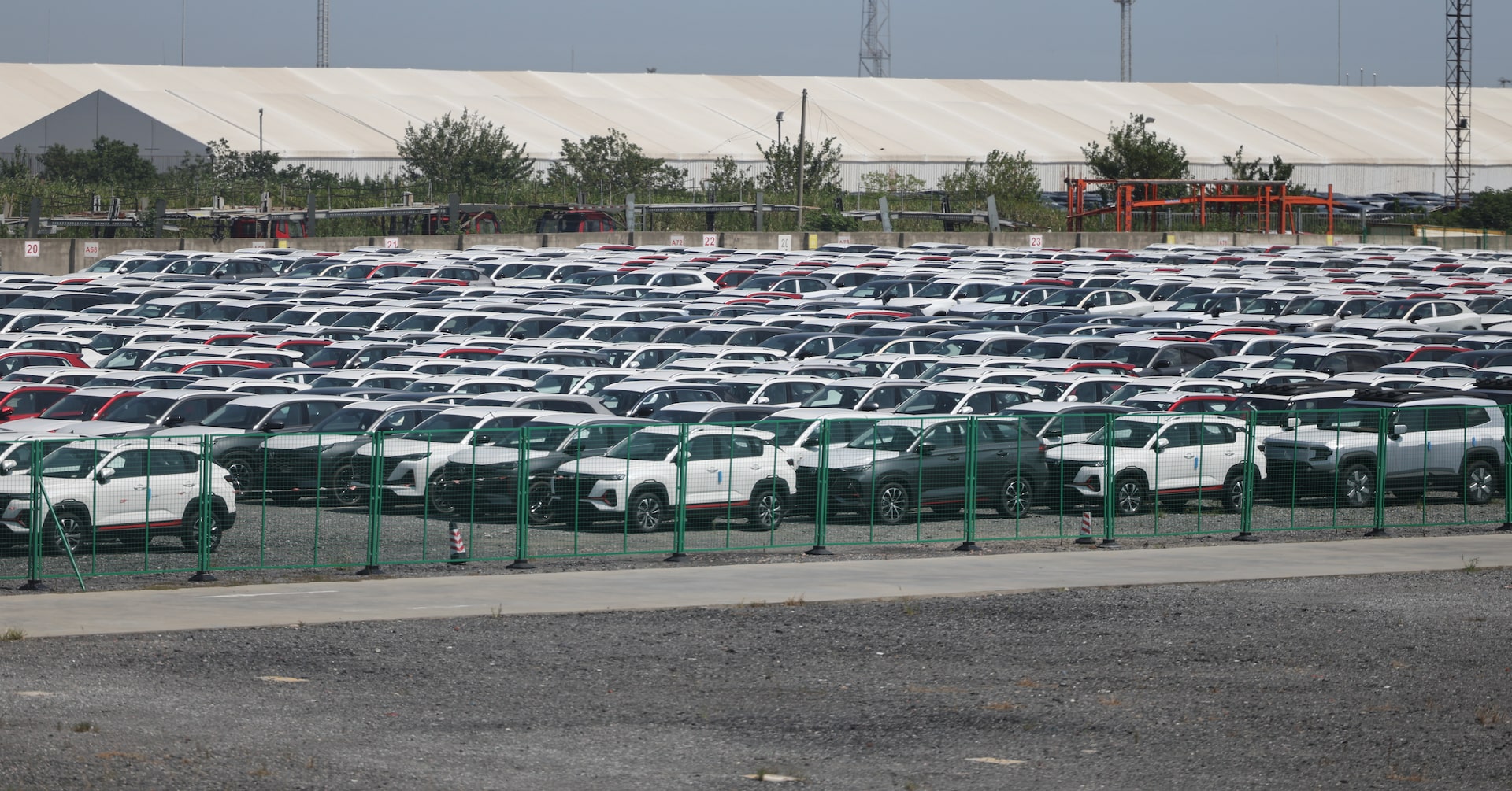
China is sending its world-beating auto industry into a tailspin
In Chengdu, a city of 21 million, a shopping mall showroom offers unprecedented deals on new cars, with discounts as steep as 50%. This is made possible by Zcar, a company that buys vehicles in bulk from automakers and dealerships, capitalizing on China’s oversupplied auto market. The root of this issue lies in years of government subsidies and policies aimed at establishing China as a global automotive leader, particularly in electric vehicles (EVs). While these policies have succeeded in boosting production, they have also led to a glut of vehicles that far exceeds consumer demand.
-

Japan’s SBI Shinsei Bank looking at tokenised deposits for cross-border transactions
TOKYO, Sept 17 (Reuters) – SBI Shinsei Bank, a subsidiary of SBI Holdings, announced on Wednesday its plans to explore the introduction of tokenised deposit payment services tailored for corporate clients. This initiative aims to facilitate faster and more cost-effective cross-border transactions. The bank has entered into a strategic agreement with DeCurret DCP, the provider of Japan’s DCJPY tokenised deposit platform, to evaluate the establishment of this service using Partior’s multicurrency settlement platform for digital money, based in Singapore.
-

Discounts for Iranian oil widen in China on record stocks, even as sanctions curb shipments
In a significant development impacting the global oil market, Iranian oil discounts in China have expanded due to record-high stock levels and a shortage of import quotas as the year-end approaches. This situation has been exacerbated by US sanctions targeting Qingdao Port, a key hub for Iranian oil imports. The sanctions, imposed on August 21, specifically target Qingdao Port Haiye Dongjiakou Oil Products, a terminal previously handling 130,000-200,000 barrels per day of Iranian crude. Following the sanctions, the terminal suspended operations, leading to a 65% decline in crude imports at Dongjiakou port this month, according to data analytics firm Kpler. Despite the sanctions, Iranian oil shipments have been diverted to nearby terminals, such as Huangdao, where imports are expected to double in September compared to August. The widening discounts, now over $6 a barrel for Iranian Light crude versus benchmark ICE Brent, reflect both the oversupply in Shandong province and the additional costs borne by customers due to sanctions. China, which has purchased over 90% of Iranian oil exports in recent years, continues to defend its trade with Iran as compliant with international law, dismissing US sanctions as unilateral and illegitimate. The situation underscores the complex interplay between geopolitical tensions, market dynamics, and energy trade.