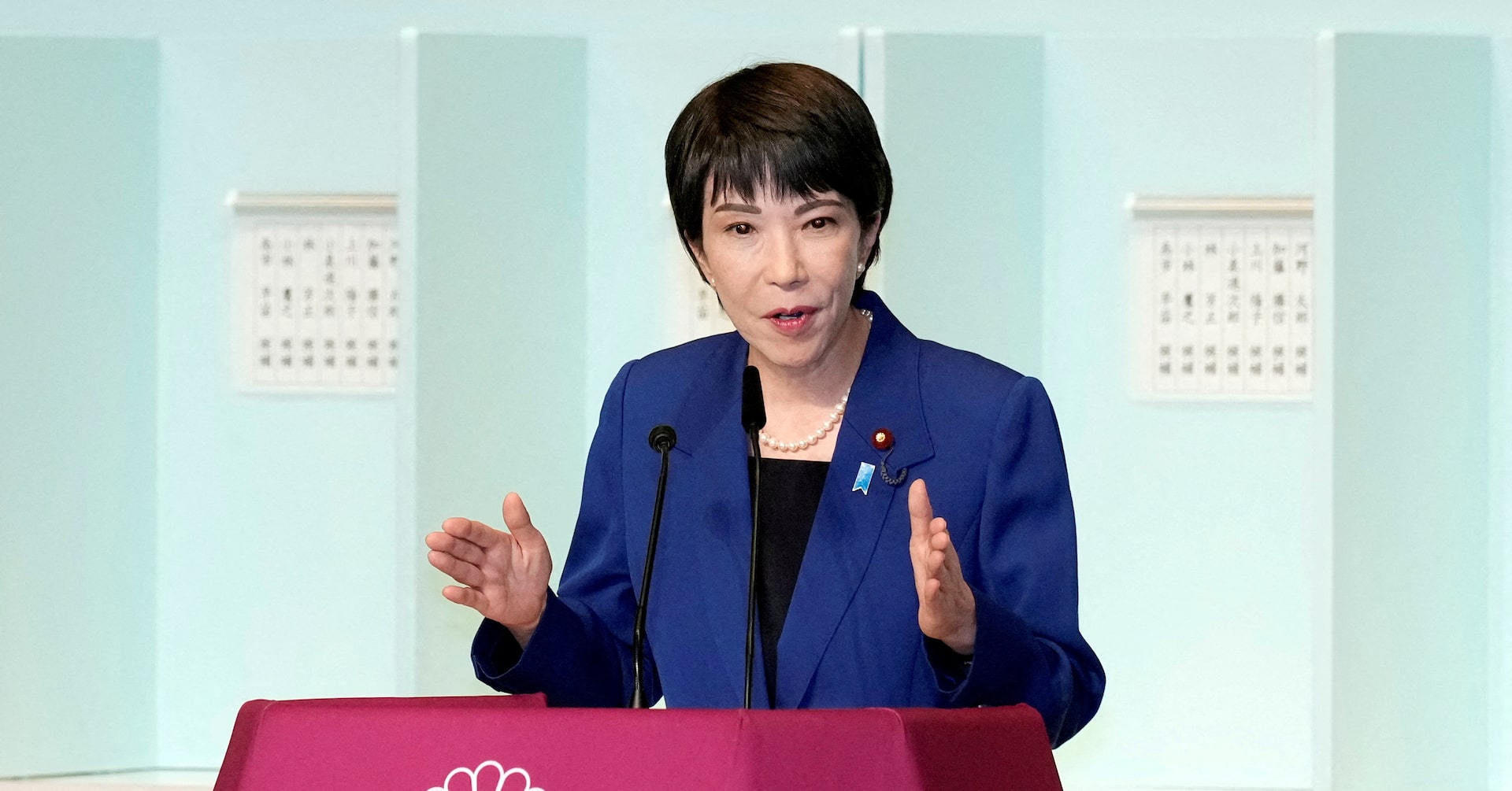
The Bank of Japan (BOJ) could proceed with an interest rate hike in October, even if Sanae Takaichi, a prominent advocate of aggressive monetary easing, wins the Liberal Democratic Party’s (LDP) leadership race and becomes Japan’s next prime minister, according to former BOJ executive Tomoyuki Shimoda. Takaichi, a leading candidate in the October 4 leadership race, has been vocal in her opposition to the BOJ’s rate hikes and has called for increased fiscal spending to stimulate the economy. However, Shimoda, who previously served in the BOJ’s monetary affairs department, believes that Takaichi’s potential victory would have a limited impact on monetary policy. He expressed skepticism about her ability to implement policies that could weaken the yen, which has been a concern for policymakers due to its inflationary effects. A weak yen boosts exports but raises import costs, contributing to inflation that has remained above the BOJ’s 2% target. Shimoda noted that a yen fall below 150 to the dollar could also draw complaints from the U.S. administration, which is pursuing a weak-dollar policy to support U.S. exports. The BOJ is likely to raise rates at its October 29-30 meeting if stock prices remain stable and the upcoming ‘tankan’ business sentiment survey, due on October 1, does not show significant deterioration. Shimoda highlighted that solid corporate profits, wage hikes, and persistent rises in food costs are creating a favorable environment for a rate increase. The BOJ is widely expected to maintain its current interest rate of 0.5% at its upcoming meeting, but a Reuters poll indicates that a majority of economists anticipate another 25-basis-point hike by year-end, with bets centered on October and January. Takaichi is known for her support of an ‘Abenomics’-style mix of fiscal and monetary stimulus, while her main rival, Shinjiro Koizumi, has less clear views on BOJ policy. The BOJ exited its decade-long ultra-loose monetary policy last year and raised short-term rates to 0.5% in January, signaling its readiness to continue hiking rates as inflation remains above 2%. The yen’s movements have historically influenced BOJ decisions, and its recent stabilization around 146 per dollar follows a plunge to near two-decade lows last year.
分类: business
-
Trump tariffs could fund bailout for US farmers, agriculture secretary tells FT
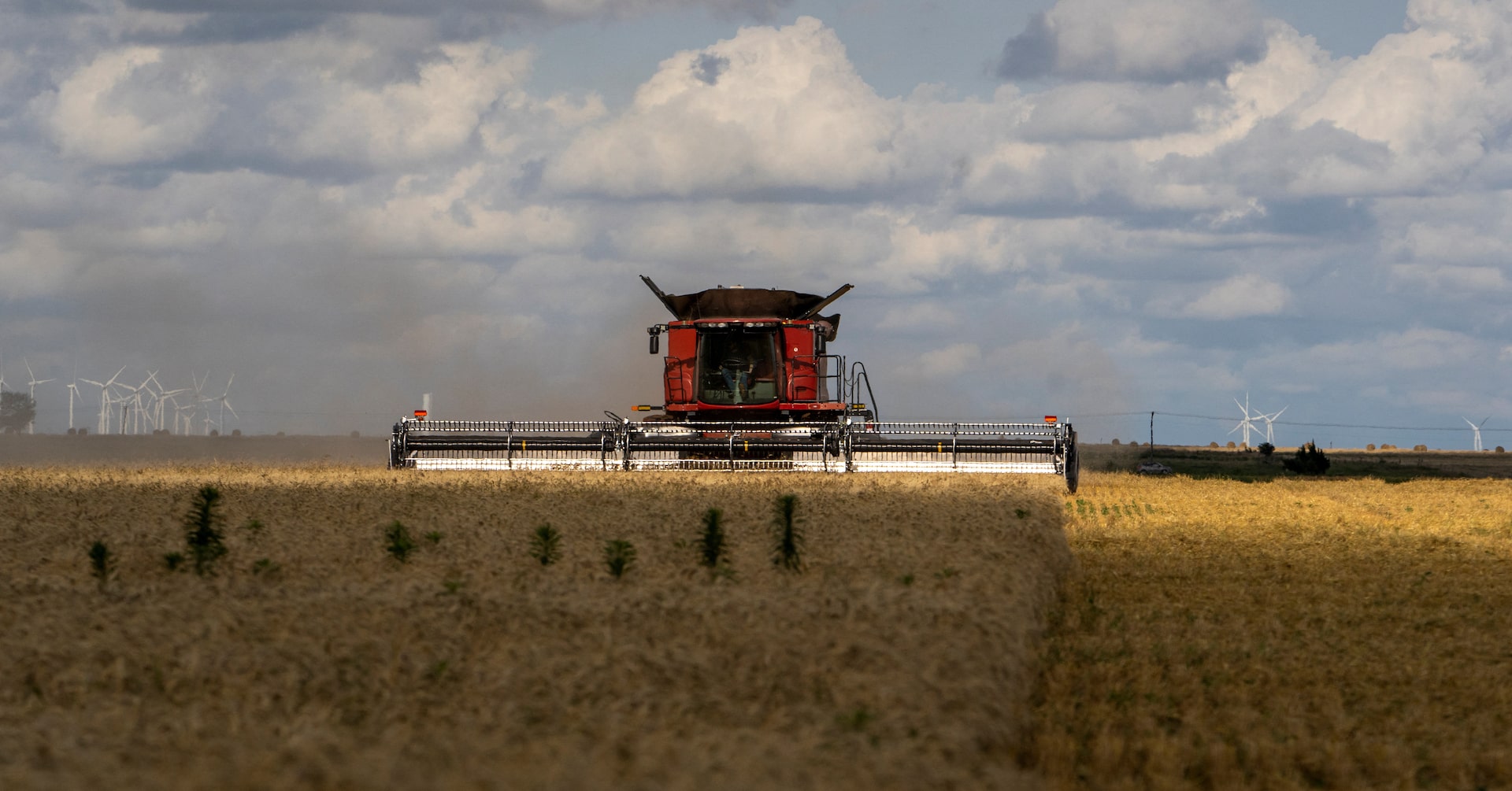
The Trump administration is reportedly formulating a plan to utilize tariff revenue to finance a support program for U.S. farmers, according to a Financial Times report published on Thursday. Agriculture Secretary Brooke Rollins revealed in an interview that the administration is actively considering this approach, stating, ‘There may be circumstances under which we will be very seriously looking to and announcing a package soon.’ Rollins emphasized that using ‘tariff income that is now coming into America’ is ‘absolutely a potential’ funding source. The White House has yet to comment on the matter. This development comes amid mounting pressure from agricultural groups, exacerbated by China’s halt in soybean purchases from the U.S. due to the ongoing trade dispute. Additionally, tariffs have increased costs for essential farming inputs such as fertilizer and machinery. Agriculture has become a focal point in the escalating trade tensions between the two superpowers, initiated by President Donald Trump’s tariff policies. The situation underscores the broader economic challenges faced by U.S. farmers in the current geopolitical climate.
-

Markets sleeping on US-China trade breakthrough
Despite the optimistic developments in US-China trade negotiations, global investors have largely failed to recognize the potential upside. The world’s two largest economies are steadily moving toward a trade settlement that could yield significant benefits for both nations. Treasury Secretary Scott Bessent and Trade Representative Jamieson Greer have been engaged in ongoing discussions with Beijing, with the latest round of talks set to take place in Spain. A reciprocal-tariff truce has been extended to November, and sensitive issues such as technology transfers, industrial overcapacity, and data rules are now being addressed in detail. The US trade deficit with China, which stood at $300 billion last year, has narrowed to $128 billion through July, with officials forecasting a 30% decline by 2025. However, investors remain cautious, holding cash and safe-haven assets as if confrontation is inevitable. This overlooks the mutual incentives driving Washington and Beijing toward accommodation. For the US, easing tariff threats helps contain inflation and provides clarity for American companies. For China, securing reliable access to the US market stabilizes employment and supports tax revenues. A credible trade agreement would offer tangible economic wins for both nations, yet markets have yet to price in the potential benefits. Reduced tariff risks could lower global shipping costs, ease inflationary pressures, and encourage capital spending. Industries such as advanced manufacturing, semiconductors, and rare-earth mining could see positive re-ratings, while Asian economies integrated into China-plus-one supply chains would benefit from increased investment. The cautious response from investors reflects years of confrontation rather than current realities. Evidence on the ground suggests a shift, with rising US core capital goods orders and multinationals planning for a more stable trade environment. ASEAN nations are attracting record foreign investment as production diversifies but remains linked to China. The political symbolism of a deal is also significant, demonstrating pragmatic leadership and competence for both governments. While verification and enforcement of any agreement will be critical, waiting for perfection before reallocating capital is a speculative bet. The next phase of global growth could be built on a pragmatic bargain between Washington and Beijing, offering mutual gains for the world’s two largest economies.
-
China leaves policy rate unchanged after Fed rate reduction
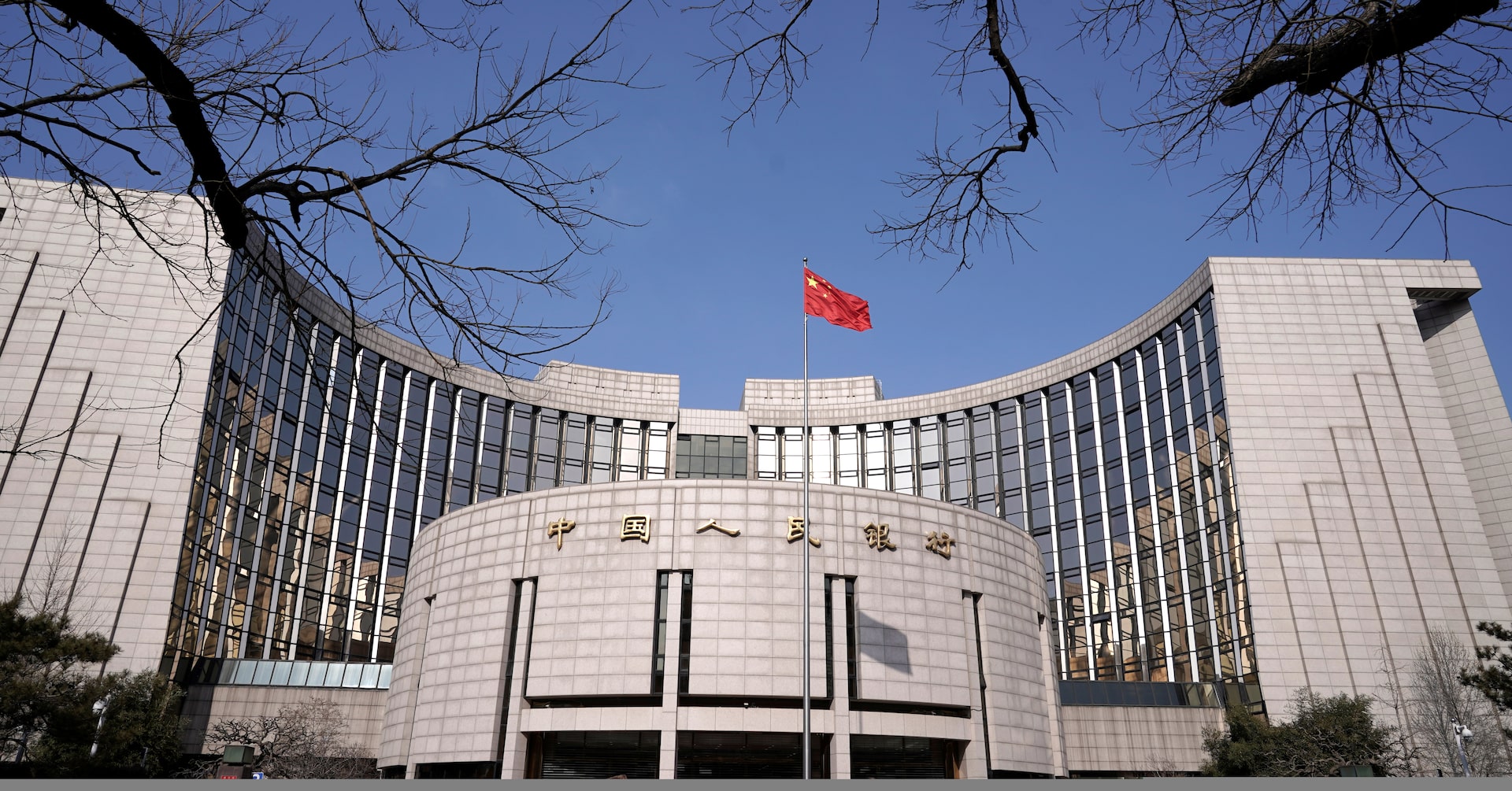
In a move signaling cautious monetary policy, the People’s Bank of China (PBOC) opted to maintain its key interest rate unchanged on Thursday, despite the U.S. Federal Reserve’s decision to cut rates earlier the same day. The PBOC injected 487 billion yuan ($68.56 billion) through seven-day reverse repos, keeping the rate steady at 1.40%. This decision comes amid resilient export performance and a significant stock market rally, which have provided policymakers with the flexibility to withhold additional stimulus measures. Analysts suggest that while China’s economy is experiencing a slowdown, the deceleration is less severe than anticipated. Goldman Sachs’ chief China economist, Hui Shan, noted that the resilience in exports is likely to persist, and the government may be deferring some planned policy support to next year. Despite recent economic data indicating challenges, experts like Nomura’s Ting Lu believe that major stimulus could risk inflating a stock bubble. However, a modest rate cut of 10 basis points may be considered in the coming weeks if market conditions warrant. China’s stock market has been performing strongly, with the Shanghai Composite Index nearing its 10-year highs. Some analysts anticipate potential monetary easing measures later this year to ensure the economy remains on track to meet its annual growth target of ‘around 5%.’ ANZ’s senior China strategist, Xing Zhaopeng, highlighted that while growth is slowing, it is not yet sufficient to undermine the annual target. The focus remains on long-term structural reforms and the upcoming Fourth Plenum in October, where policy priorities may shift back to short-term growth.
-
Australia employment unexpectedly falls in August, jobless rate steady
Australia’s labor market displayed unexpected weakness in August, with employment declining by 5,400 jobs, starkly contrasting the anticipated gain of 21,500. The jobless rate remained steady at 4.2%, a figure still considered low by historical standards, while annual jobs growth slowed to 1.5% from 3.5% at the start of 2025. The Australian dollar dipped slightly by 0.2% to $0.6637, and three-year bond futures rose by 3 ticks to 96.6, reflecting market reactions to the mixed economic signals. The Reserve Bank of Australia (RBA) is expected to maintain its current interest rate stance this month, with a potential rate cut in November being 75% priced in by investors. The RBA has adopted a cautious approach to policy easing, having already implemented cuts in February, May, and August, as inflation returned to the target band of 2-3%. Despite the recent dip, leading indicators of labor demand remain robust, with job ads stabilizing above pre-pandemic levels and business surveys reflecting optimism. However, major banks like ANZ and National Australia Bank have announced significant job cuts, signaling potential challenges ahead for the labor market.
-
Policy easing fuels optimism in Asian EM equities despite political headwinds
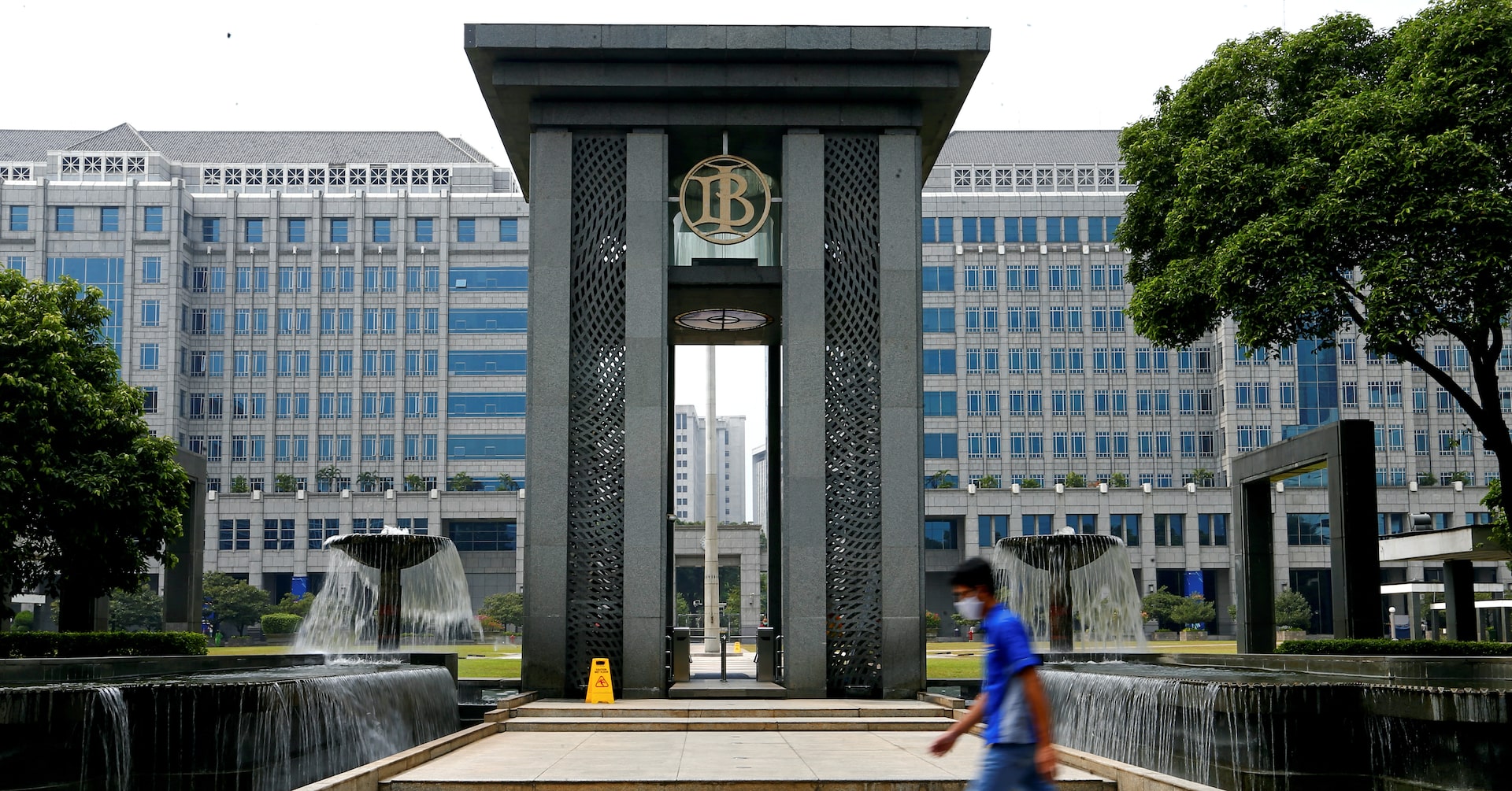
Investors are increasingly optimistic about Asia’s emerging equities as the prospect of further monetary easing overshadows domestic risks, according to fund managers. The dovish stance of the U.S. Federal Reserve has provided Asian central banks with greater flexibility to cut rates without triggering significant currency pressures. Gary Tan, portfolio manager at Allspring Global Investments, highlighted this dynamic during the Reuters Global Markets Forum. Markets anticipate approximately 67 basis points of Fed rate cuts by year-end, including a 25-basis-point reduction recently. This has created a favorable environment for equity markets, particularly in Southeast Asia. Central banks in Indonesia, Thailand, and the Philippines have already implemented rate cuts in response to softening growth, despite ongoing political instability. South Korea has also signaled further easing to mitigate tariff-related economic impacts, while India retains some room for additional cuts. China, however, may hold off on further easing after earlier reductions. Naomi Fink, chief global strategist at Amova Asset Management, noted that these developments are supportive of equity markets. Tan emphasized the positive fundamentals in Southeast Asian companies, particularly in Indonesia and Thailand, reinforcing his bullish outlook on the region. Most Asian emerging market indexes, including South Korea and Taiwan, have reached record highs, with the MSCI Asia ex-Japan index closing at an all-time high. Investors remain particularly optimistic about India’s growth narrative and South Korea’s ‘Value-Up’ program, which aims to unlock shareholder value. Stephen Parker, co-head of global investment strategy at J.P. Morgan Private Bank, reiterated India’s appeal due to its robust growth and earnings potential. Tan also expressed confidence in South Korean shares, citing corporate governance reforms and structural growth drivers.
-

Bananas? Taiwan entrepreneur wants to make clothes out of plant material
In a groundbreaking move towards sustainability, entrepreneur Nelson Yang is transforming banana plants into eco-friendly textiles in Taiwan. Based in Changhua, Yang’s company, Farm to Material, is utilizing the pseudostem of banana plants—typically discarded after harvest—to create fibres for clothing and vegan leather. This innovative approach not only repurposes agricultural waste but also aligns with global demands for sustainable sourcing. Historically, Taiwan was known as the ‘banana kingdom’ during the 1960s, a title that has since been overshadowed by its dominance in the semiconductor industry. Yang’s initiative revives this legacy by turning banana fibre into a viable textile material. According to Charlotte Chiang of the Taiwan Textile Federation, banana fibre outperforms cotton in water consumption, absorbency, and supply stability, making it a promising candidate for future applications in the textile industry. While the business is still in its early stages, it holds significant potential to position Taiwan as a leader in biomass fibre innovation.
-

New Zealand economy contracts sharply, fuelling bets of steeper rate cuts
New Zealand’s economy experienced a more severe contraction than anticipated in the second quarter of 2023, driven by declining construction activity and global economic uncertainties. Official data released on Thursday revealed a 0.9% quarterly drop in gross domestic product (GDP), significantly worse than the 0.3% decline forecasted by analysts and the Reserve Bank of New Zealand (RBNZ). This marks the third contraction in the past five quarters, with annual GDP falling by 0.6%, contrary to market expectations of stability. Following the disappointing data, the New Zealand dollar fell 0.5% to $0.5932, while two-year swap rates hit their lowest level since early 2022, sliding to 2.7290%. The market now anticipates a 58 basis point reduction in the official cash rate (OCR), with a 20% probability of a 50 basis point cut in October. The RBNZ had previously signaled two additional rate cuts this year, citing constrained household and business spending due to economic uncertainty, declining employment, rising essential prices, and falling house prices. Westpac senior economist Michael Gordon noted that the weaker-than-expected GDP outcome reinforces the RBNZ’s inclination to lower rates further. The economic downturn was widespread, with construction, manufacturing, and services sectors all underperforming. The situation was exacerbated by U.S. import tariffs imposed in April, set at 15% for New Zealand products, higher than the 10% rate for Australian goods. Despite the challenges, there are signs of a modest recovery in the third quarter, with improvements in manufacturing, services, employment, and consumer spending. ANZ Senior Economist Matthew Galt suggested that while the economy may avoid another technical recession, a 50 basis point rate cut remains a possibility if data continues to underwhelm.
-
Fed lowers interest rates, signals more cuts ahead; Miran dissents
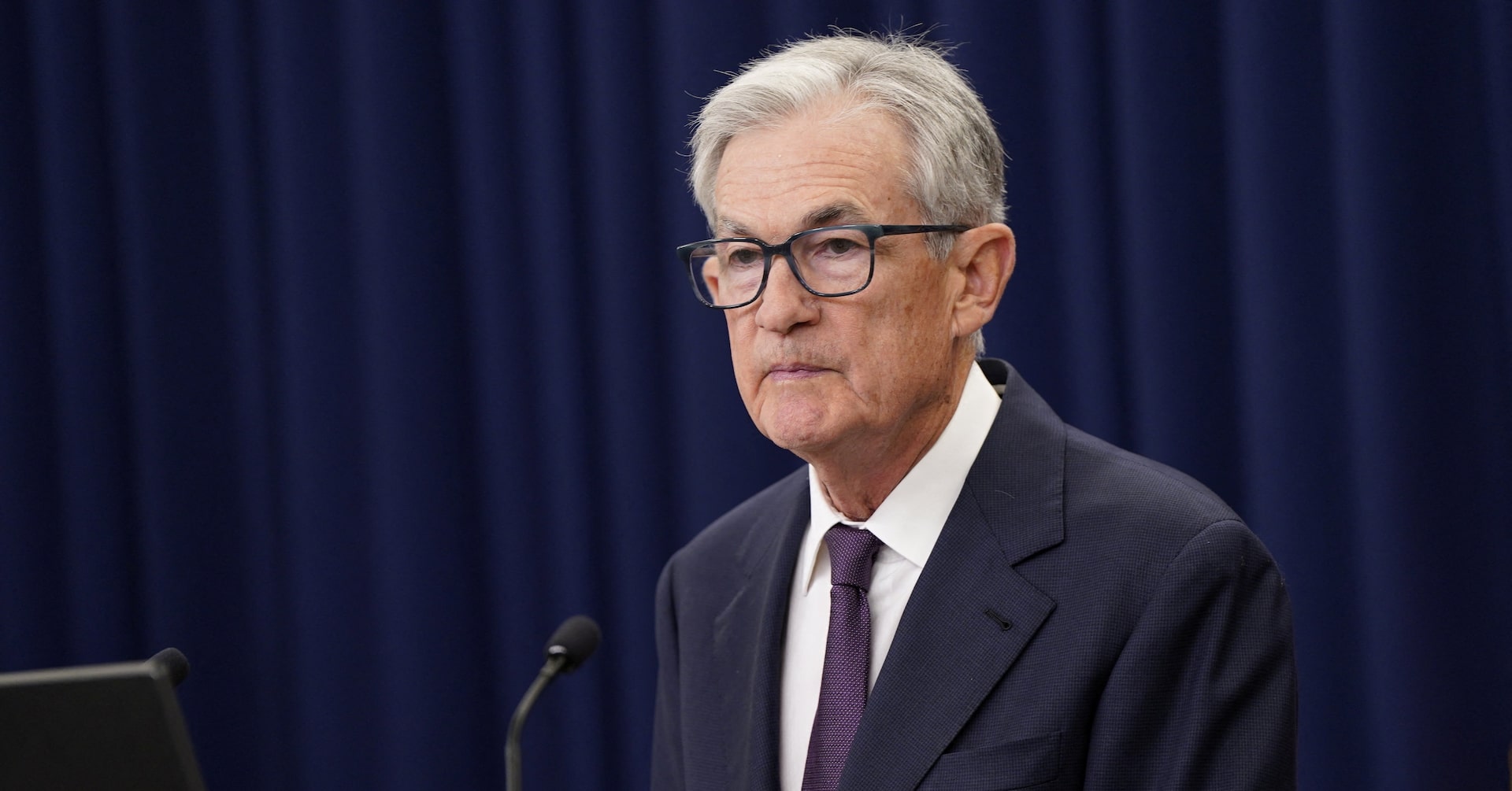
In a significant move to address growing labor market vulnerabilities, the Federal Reserve announced a quarter-percentage-point reduction in its benchmark interest rate on September 17, 2025. This marks the first rate cut since December and signals potential further reductions in the coming months. The decision, which lowers the rate to a range of 4.00%-4.25%, reflects heightened concerns over rising unemployment, particularly among minority groups and younger workers, as well as a declining average workweek and sluggish payroll growth. Fed Chair Jerome Powell emphasized that the softening job market has become a top priority for policymakers, stating, ‘We don’t need it to soften anymore.’ The Fed’s projections indicate two additional rate cuts before the end of the year, though the decision fell short of the more aggressive half-percentage-point cut advocated by newly appointed Fed Governor Stephen Miran, who cast the sole dissenting vote. Miran’s year-end rate projection suggests he supports further significant reductions, potentially bringing the policy rate below 3%. The decision comes amid political tensions, with President Donald Trump’s attempts to influence the Fed through criticism and personnel changes, including an unsuccessful effort to remove Governor Lisa Cook. Despite these pressures, the Fed maintained its independence, with Powell asserting that decisions are driven by data rather than external influences. While inflation remains above the Fed’s 2% target, policymakers prioritized employment risks, reflecting a shift in focus from price stability to labor market health. The announcement briefly buoyed stock markets, though they later closed mixed, while the dollar strengthened modestly. Treasury yields remained stable, and rate futures markets indicated a high probability of another cut at the Fed’s October meeting.
-

Peru president signs contract allowing Chevron, Westlawn entry
In a significant move for Peru’s energy sector, President Dina Boluarte announced the formalization of a modified hydrocarbon exploration and exploitation contract on Wednesday, September 17, 2025. The agreement paves the way for U.S. energy giants Chevron and Westlawn to enter the Peruvian market through a consortium operated by Anadarko, a subsidiary of Occidental Petroleum. The consortium will focus on three offshore blocks—Z-61, Z-62, and Z-63—located in Peru’s northern La Libertad region. President Boluarte emphasized that Chevron’s involvement, as the world’s third-largest oil company, underscores Peru’s reputation as a reliable and stable destination for large-scale investments. She expressed optimism that successful exploration could lead to an energy renaissance, fueling decades of economic growth. The consortium’s ownership structure allocates 35% stakes to Chevron and Anadarko, with Westlawn holding the remaining 30%. The initial phase of exploration is backed by a $100 million investment, as previously announced by the government. The contract amendment was signed by executives from the three companies and Perupetro, Peru’s state regulator. Pedro Romero, Occidental Petroleum’s vice president of international exploration, hailed the project as the culmination of years of preparation and the start of a promising new chapter in Peru’s energy landscape.