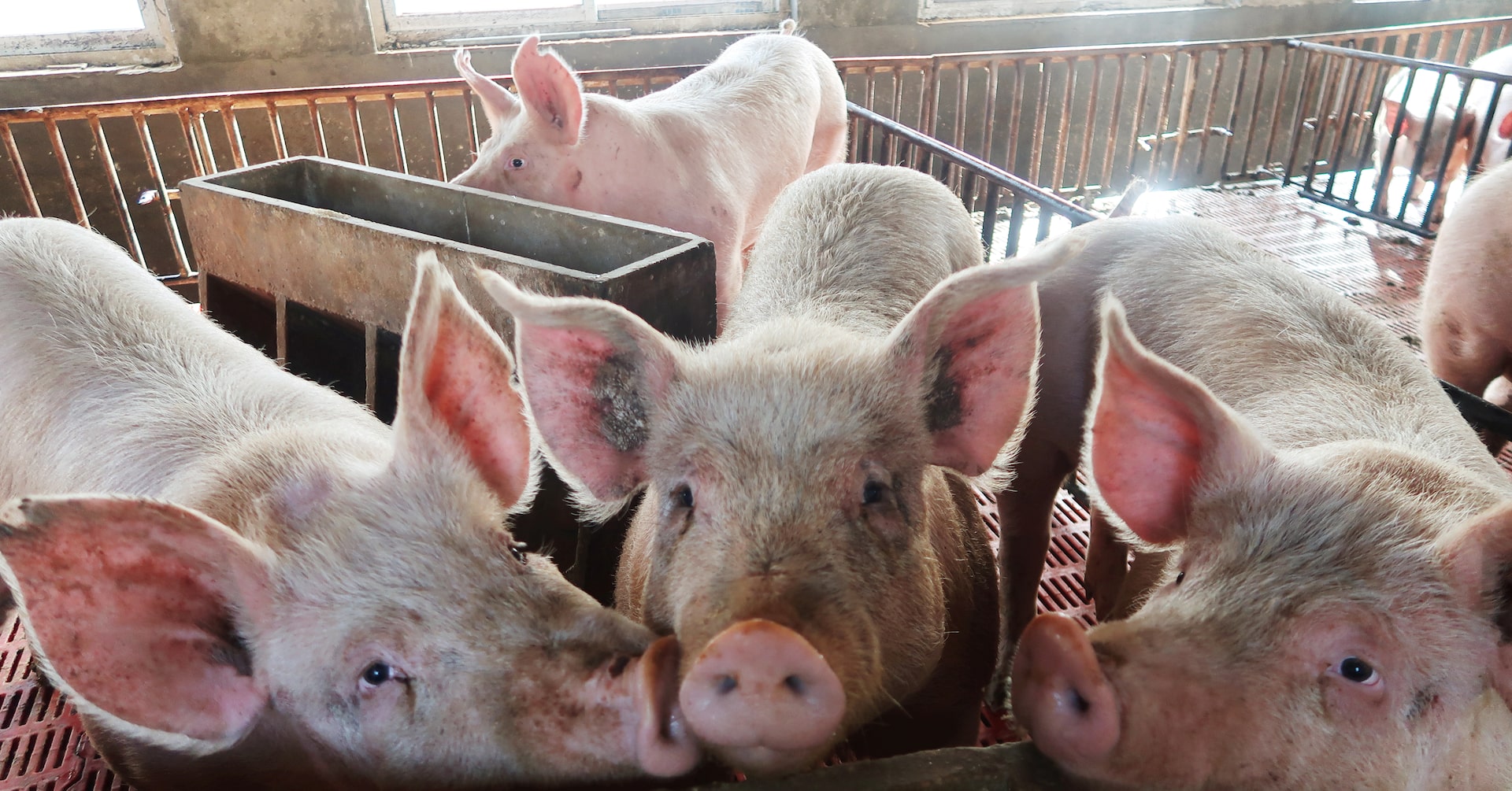
In a bid to address a significant oversupply and tepid consumer demand in its pork industry, China has called on its leading hog producers to reduce output. The directive was issued during a high-level meeting on Tuesday, as reported by the state-run Shanghai Securities News. Key players such as Muyuan Foods and Wens Foodstuff were urged to decrease the number of breeding sows, lower slaughter volumes, and maintain hog weights at approximately 120 kg. The meeting, organized by the National Development and Reform Commission and the Ministry of Agriculture and Rural Affairs’ animal husbandry bureau, underscores Beijing’s intensified efforts to curb overcapacity and stabilize market prices. Authorities also announced plans to tighten credit for expanding hog production capacity and reduce subsidies that have previously fueled growth in pig output. This move comes as hog prices have plummeted to around 13 yuan ($1.83) per kg, a sharp decline from 18.8 yuan a year ago, according to consultancy MySteel. The price drop has severely impacted industry margins, with shares of Muyuan and Wens falling by 2% and 3%, respectively, as of 0607 GMT.
分类: business
-
Australia’s biggest takeover deals that fell apart
A consortium led by Abu Dhabi National Oil Company (ADNOC) has withdrawn its $18.7 billion offer to acquire Australian gas producer Santos Ltd (STO.AX), marking the third failed bid for Santos in seven years. The decision, announced on September 18, 2025, follows months of negotiations that ultimately collapsed due to disagreements over valuation, risk-sharing, and regulatory approvals. The consortium, which included ADNOC’s overseas unit XRG, cited a combination of factors that impacted its assessment of the deal. Santos, in response, stated that the consortium refused to agree to a fair distribution of risks, including securing regulatory approvals and committing to domestic gas development. The proposed offer of $5.76 per share, equivalent to A$8.89 at the time, was significantly higher than Santos’ last traded price of A$6.74. This withdrawal highlights the challenges of completing large-scale transactions in Australia, where valuation disputes, shareholder approval thresholds, and regulatory risks have repeatedly derailed major deals. Other notable failed mergers and acquisitions in Australia include BHP Group’s $49 billion bid for Anglo American, Woodside Energy’s talks with Santos, and Brookfield’s $10.6 billion bid for Origin Energy, all of which collapsed due to similar issues.
-
Rand slips before South African Reserve Bank’s rate decision
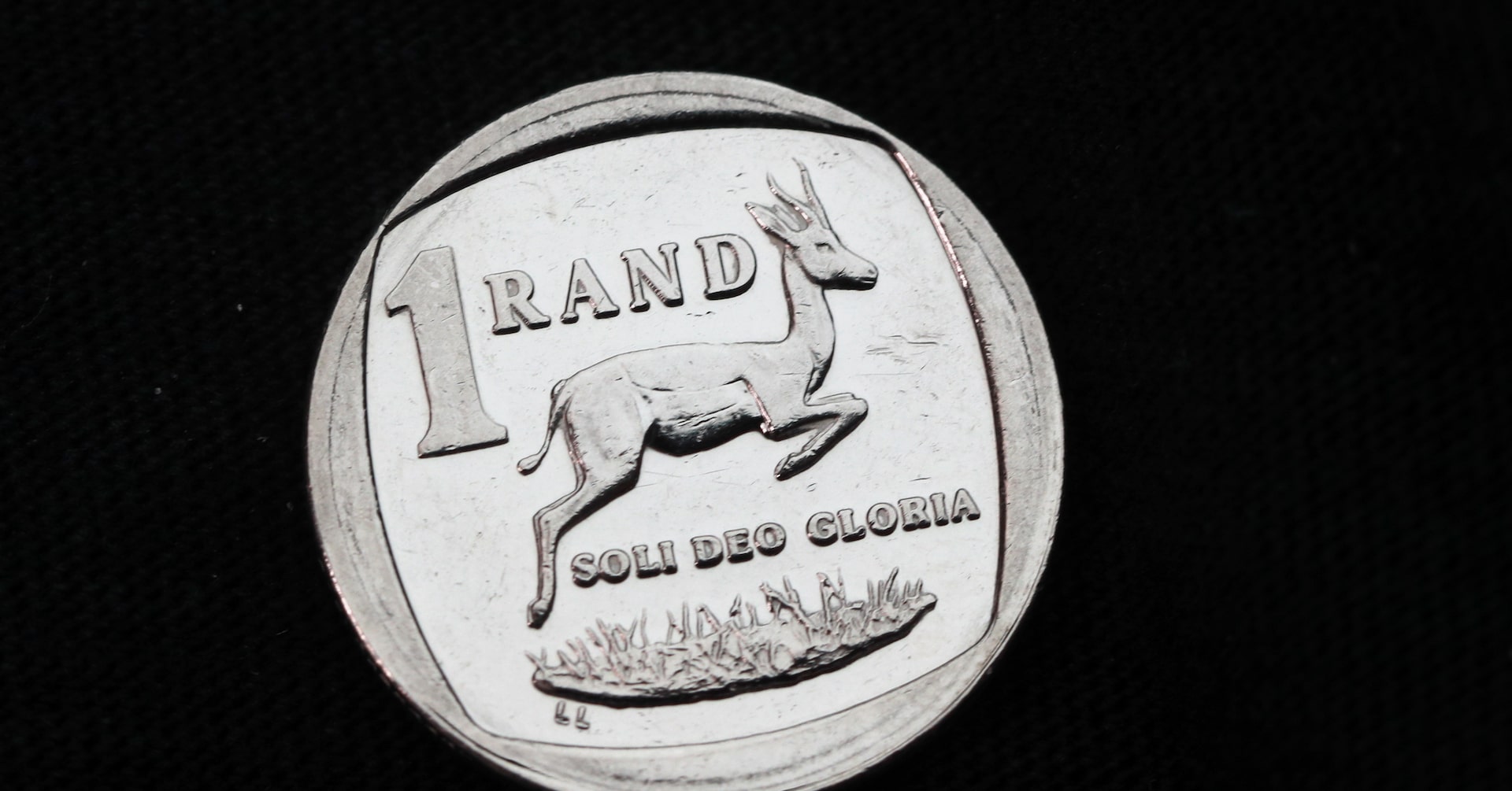
The South African rand experienced a slight decline on Thursday as investors awaited the South African Reserve Bank’s (SARB) interest rate decision. By 0622 GMT, the rand was trading at 17.45 against the US dollar, marking a 0.3% drop from its previous close. Economists surveyed by Reuters anticipate that the central bank will maintain its benchmark lending rate at 7.00%, despite a surprising slowdown in headline inflation for August, driven by lower fuel and food prices. Independent economist Elize Kruger noted that while the August inflation data aligns with the SARB’s target of 3%, elevated inflation expectations and a projected rise to 4.2% by December 2025 are likely to deter any rate cuts. However, some analysts suggest that the softer inflation figures could prompt a closely contested decision. Meanwhile, South Africa’s benchmark 2035 government bond remained stable in early trading, with yields edging up by half a basis point to 9.175%. The market remains watchful as the SARB’s announcement could influence future economic trajectories.
-
Investors in Vietnam to face strict police screening under planned reform
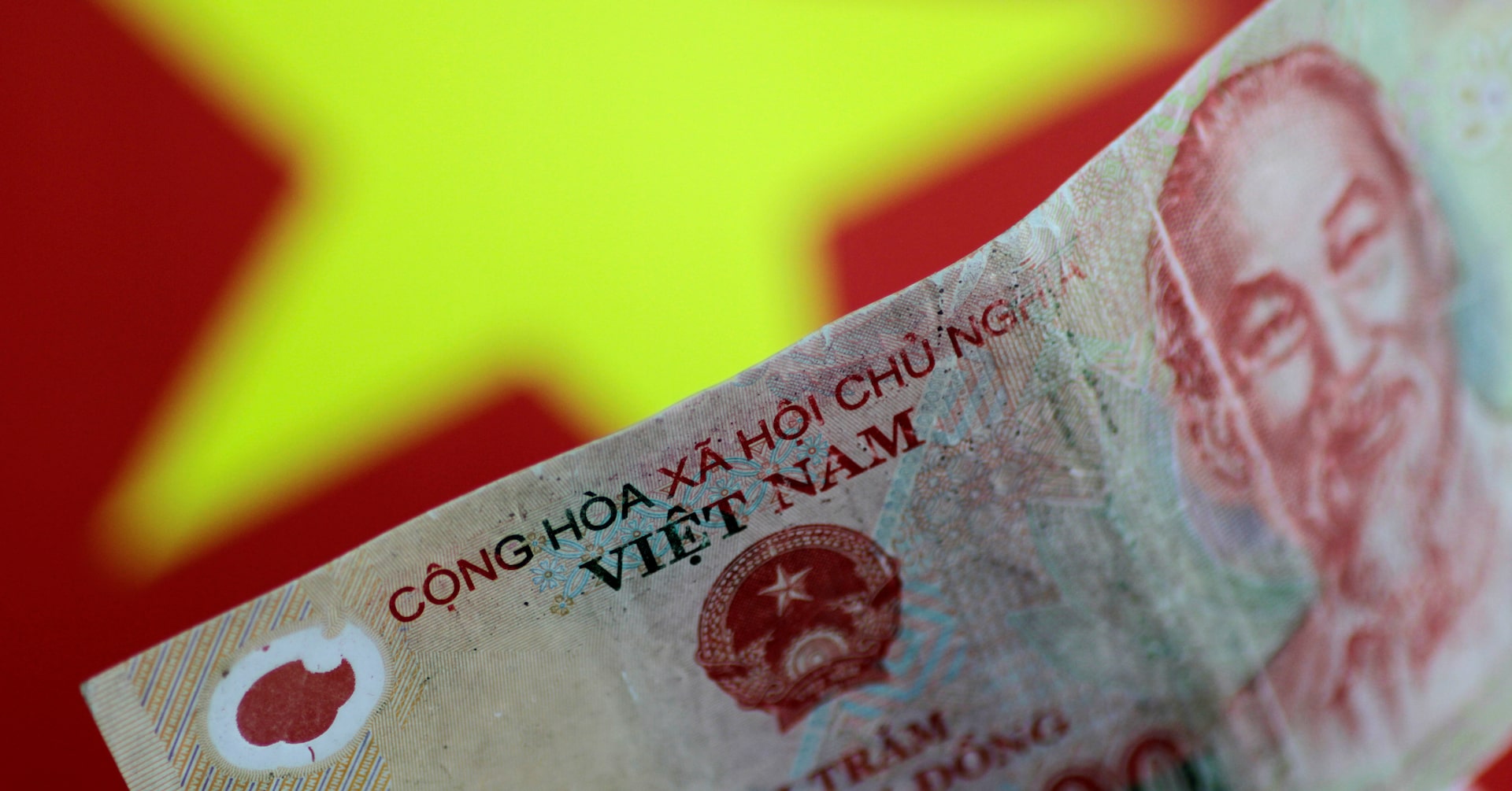
Vietnam is set to introduce sweeping reforms that would require police approval for investment projects across key sectors such as energy, telecommunications, and construction. The draft decree, proposed by the Ministry of Public Security, aims to bolster national security and reinforce the ‘absolute leadership’ of the ruling Communist Party. However, the move has sparked concerns among foreign investors, who fear increased compliance costs and project delays. The proposal, which is open for public comment until September 22, could significantly expand the powers of Vietnam’s security apparatus. If enacted, the decree would mandate security vetting for a wide range of critical infrastructure projects, including nuclear power plants, telecommunications, and oilfields, as well as seemingly less critical ventures like industrial parks and golf courses. Vietnam, a nation heavily reliant on foreign investment, currently conducts limited security checks on most development projects, with the police playing a largely advisory role. The proposed reforms would grant the Ministry of Public Security the authority to determine whether projects meet undefined security conditions, effectively giving it veto power. The draft document also outlines plans for the ministry to supervise and inspect foreign aid projects, assessing their impact on security and social order. While the government argues that the reforms are necessary to address a complex international landscape dominated by strategic competition, critics warn that the changes could deter investment and slow economic growth. Vietnam is home to major multinational corporations, including Samsung, Honda, and Intel, which have previously expressed concerns over bureaucratic delays. The proposed decree follows a similar 2019 regulation that prioritized defense considerations in economic projects but was more limited in scope. As the draft moves closer to becoming law, its potential implications for Vietnam’s investment climate remain a subject of intense debate.
-
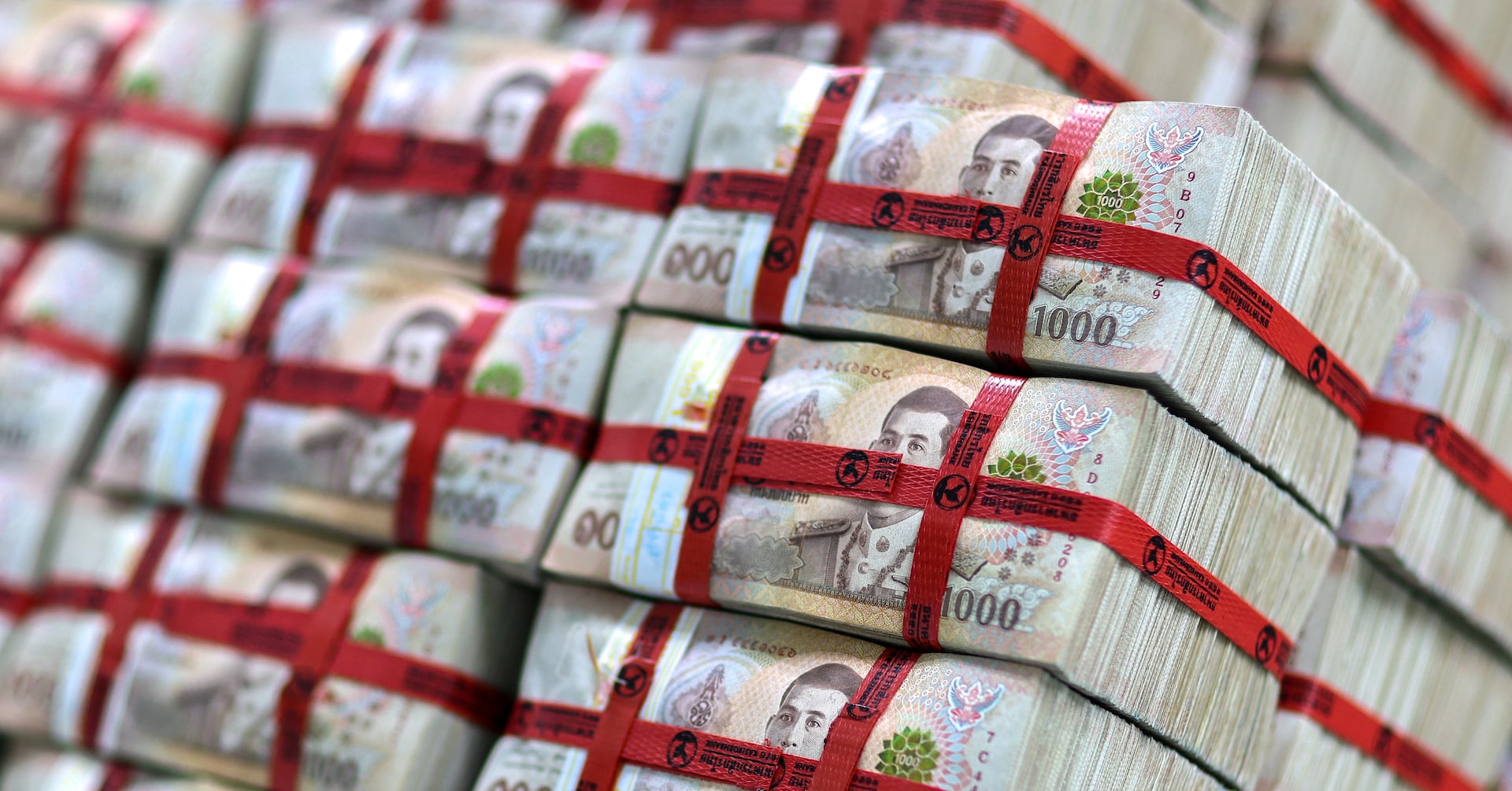
Thai government says will work with central bank to tackle baht’s strength
The Thai government, in collaboration with the central bank, is taking decisive steps to manage the surging value of the baht, which has reached its highest level in four years. Incoming Finance Minister Ekniti Nitithanprapas emphasized the need for currency stabilization during discussions with Vitai Ratanakorn, the incoming Bank of Thailand Governor, set to assume office on October 1. The baht’s strength, driven by foreign investments in bonds and stocks, poses a significant risk to Thailand’s export and tourism sectors, both critical pillars of the nation’s economy. To address this, authorities are closely monitoring capital inflows and gold trading for irregularities. Earlier this week, the central bank proposed a tax on gold trading as part of broader measures to curb the currency’s appreciation. Between January and July, Thailand’s gold exports surged by 82% year-on-year, reaching $7.6 billion, with $2.1 billion worth of gold shipped to Cambodia alone. Despite these efforts, the baht remains one of Asia’s top-performing currencies, second only to the Taiwan dollar, with an 8% gain this year. The government’s proactive approach aims to mitigate economic vulnerabilities while ensuring sustainable growth.
-

Beijing drops Google probe, shifting focus to Nvidia in US trade talks, FT reports
In a significant development, China has decided to terminate its antitrust investigation into Google, signaling a strategic shift in its regulatory approach amid ongoing trade negotiations with the United States. The Financial Times reported on Thursday that this move reflects Beijing’s tactical redirection of focus towards Nvidia, leveraging regulatory scrutiny as a bargaining chip in bilateral talks. The decision to drop the probe into Google also conveys a message of flexibility to Washington, as tensions between the two nations continue to escalate. The investigation, initiated by China’s State Administration for Market Regulation in February, alleged that Google had violated the country’s anti-monopoly law, though specific details of the allegations were not disclosed. Google has not yet been formally notified of the decision to end the probe, and the company declined to comment on the matter. This development comes shortly after China accused Nvidia of similar antitrust violations, intensifying regulatory pressure on U.S. firms. The U.S.-China trade relationship has been strained over the past six months, with both sides imposing tariffs and engaging in disputes over platforms like TikTok. China’s recent actions, including the antitrust probes, underscore its increasing regulatory scrutiny of American companies operating within its borders.
-
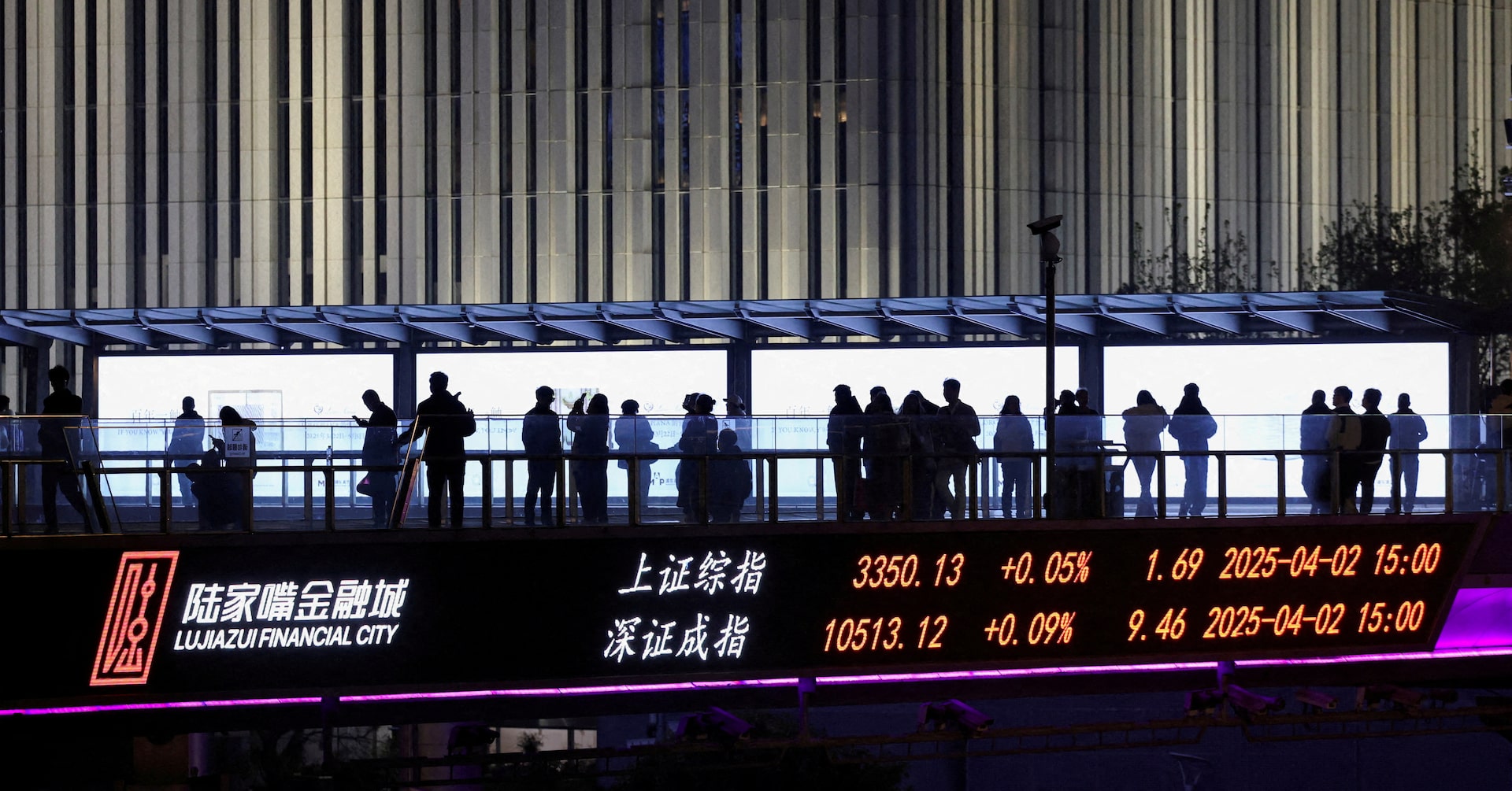
Foreigners snap up Asian bonds in August after two-month hiatus
In August, Asian bonds experienced their first monthly foreign inflow in three months, driven by expectations of U.S. Federal Reserve rate cuts aimed at supporting a cooling labor market. This development has heightened demand for higher-yielding emerging markets. According to data from regulatory authorities and bond market associations in India, Indonesia, Thailand, Malaysia, and South Korea, non-native investors purchased Asian bonds worth a net $311 million last month, marking the first monthly net purchase since May. The Fed reduced interest rates for the first time since December, citing increasing risks to the labor market and signaling further rate reductions as unemployment rises, work hours shrink, and other signs of economic weakness emerge. Khoon Goh, head of Asia research at ANZ, anticipates a cumulative rate cut of 125 basis points, bringing the Fed funds rate to 3.25% by March 2026. Goh also noted that a more accommodative U.S. monetary policy stance should bolster currencies and asset markets in Asia, excluding China. Last month, investors bought Indian bonds worth $773 million and Malaysian debt instruments worth $721 million, ending a two-month selling trend in both markets. However, South Korean, Indonesian, and Thai bonds saw foreign outflows of $447 million, $400 million, and $337 million, respectively.
-
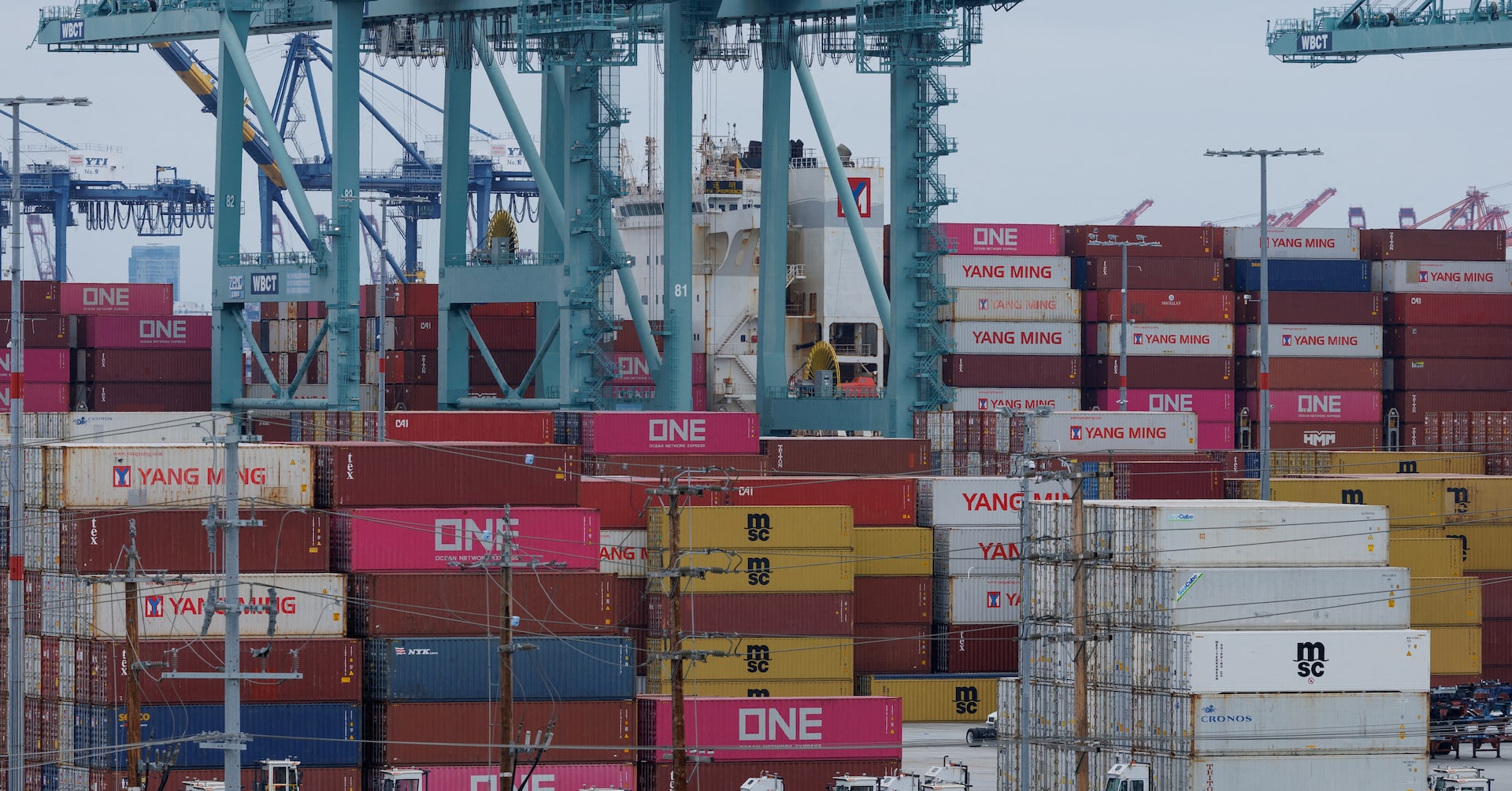
US import dependence on EU on the rise, outpacing China, study finds
A recent study by Germany’s IW economic institute reveals a significant shift in the United States’ import dependency, with the European Union now surpassing China in both the total value and variety of goods imported. Over the past 15 years, the U.S. reliance on EU imports has grown substantially, with the number of product categories where at least 50% of imports originate from the EU increasing from over 2,600 in 2010 to more than 3,100 in 2023. The total import value of these goods, including chemical products, electrical machinery, and equipment, reached $287 billion last year, nearly 2.5 times higher than in 2010. In contrast, China accounted for 2,925 product categories with a total value of $247 billion in the same period. The study suggests that this growing dependence could provide the EU with strategic leverage in future tariff negotiations. EU Commission President Ursula von der Leyen may have had a stronger position in recent talks, which resulted in a baseline tariff rate of 15% on most EU goods. The report also highlights that many EU products are difficult to replace in the short term, a factor that could be pivotal if trade tensions escalate. As a last resort, the EU could consider export restrictions on goods critical to the U.S. economy. Co-author Samina Sultan emphasized that while trade data alone cannot fully capture the importance of these goods, the study underscores the potential risks for the U.S. if it continues to raise tariffs, effectively ‘shooting itself in the foot.’
-

Hong Kong central bank cuts interest rate, tracking Fed; banks follow
On September 18, 2023, the Hong Kong Monetary Authority (HKMA) announced a reduction in its base interest rate by 25 basis points to 4.50%, aligning with the U.S. Federal Reserve’s recent decision. This marks the first rate cut by the HKMA since December 2022, when it last lowered rates by a similar margin. The adjustment, implemented through the overnight discount window, aims to maintain economic stability in Hong Kong, whose currency is pegged to the U.S. dollar within a narrow range of 7.75-7.85 per dollar. Major banks in Hong Kong, including HSBC and Bank of China (Hong Kong), partially followed suit, reducing their prime lending rates to 5.125% effective September 19. HSBC’s Hong Kong CEO, Luanne Lim, emphasized that the decision reflects both the U.S. rate cut and local market conditions, while HKMA Chief Executive Eddie Yue highlighted the potential positive impact on the city’s property market and broader economy. The Federal Reserve’s recent quarter-point rate cut and its indication of further reductions this year have influenced Hong Kong’s monetary policy, though Yue cautioned that the pace and extent of future U.S. rate cuts remain uncertain.
-
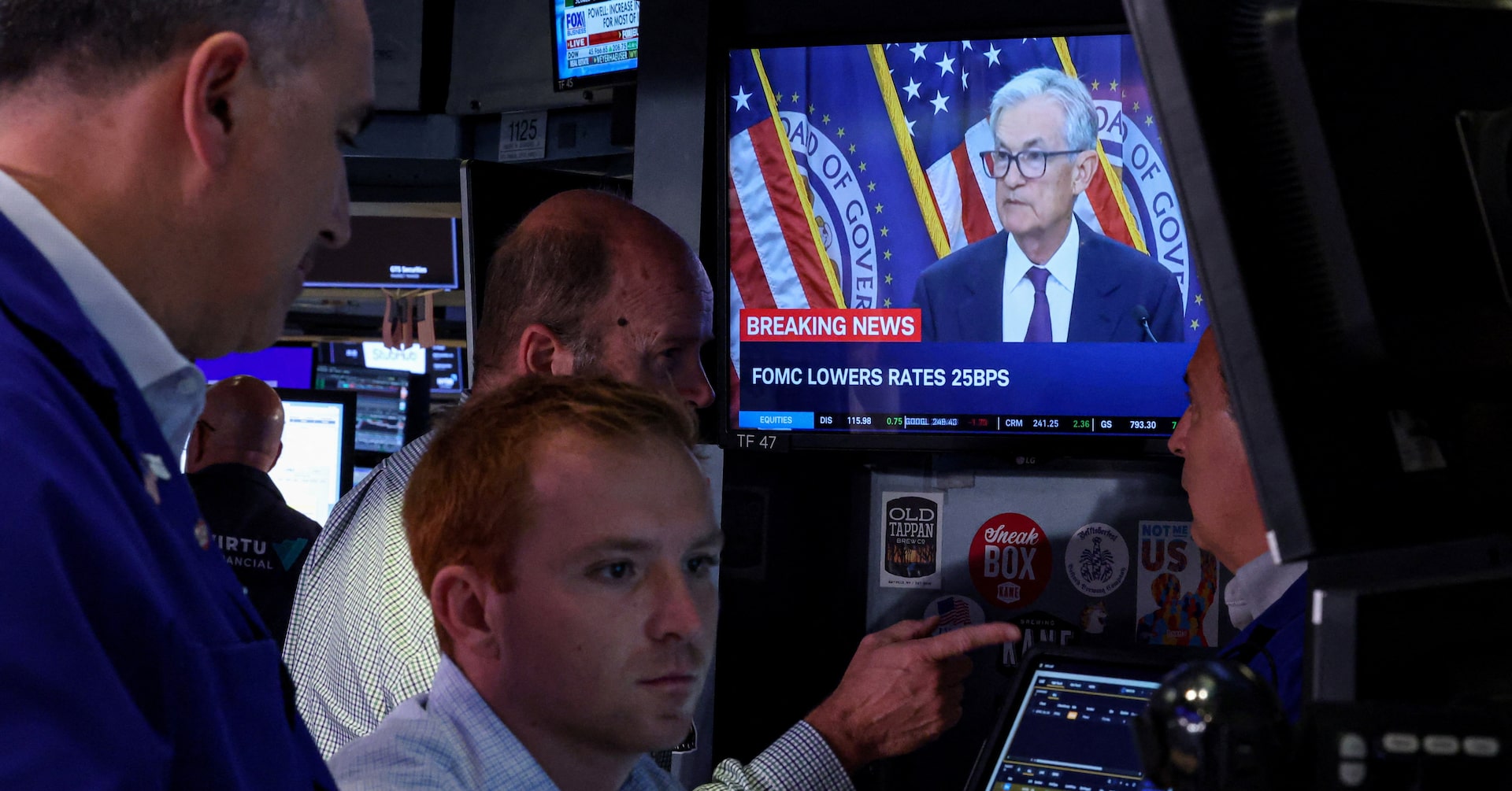
Fed’s rate cut comes with caveats, leaving investors lukewarm
The Federal Reserve’s recent decision to cut interest rates by 25 basis points has left investors navigating a complex landscape of economic uncertainty. On September 17, 2025, Fed Chair Jerome Powell announced the first rate cut since December, lowering the policy rate to a range of 4%-4.25%. While the move signaled a dovish shift, Powell tempered expectations by highlighting persistent inflation risks and a weakening labor market, leaving markets cautious about the pace of future easing. The Fed’s updated economic projections, including its ‘dot plot,’ indicated a potential 50 basis points in cuts by year-end, but inflation is still forecasted to remain above the 2% target at 3%. This nuanced messaging has dampened optimism, with the Nasdaq and S&P 500 closing lower in choppy trading. Treasury yields rose, reflecting market unease. Analysts warn of stagflation risks, a mix of sluggish growth and high inflation, complicating the Fed’s ability to support the economy. Internal disagreements within the Fed, including a lone dissent advocating for a larger rate cut, have added to the volatility. Investors now face a challenging environment as they digest conflicting signals and brace for heightened market fluctuations.