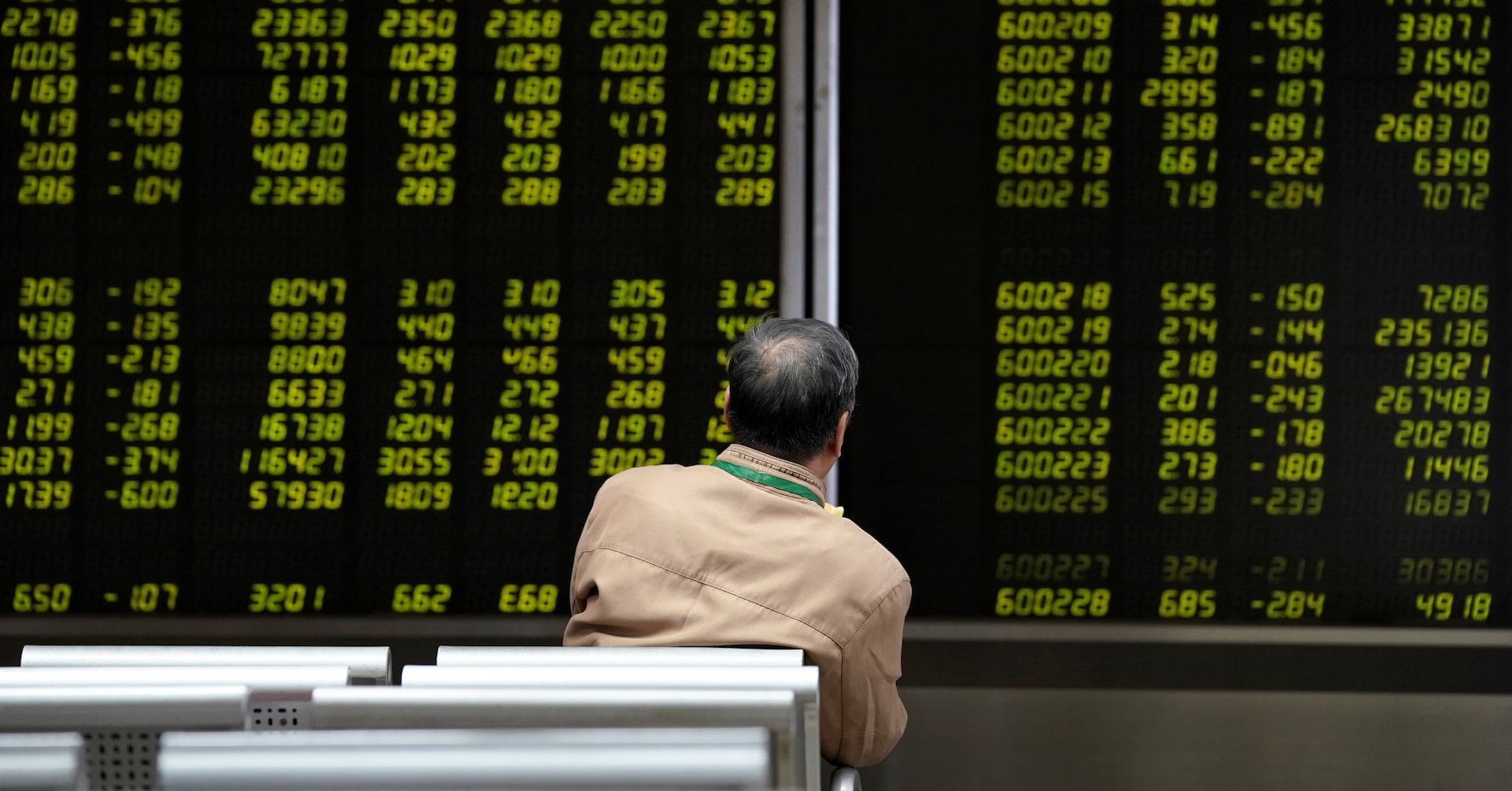
Global financial markets experienced a mixed yet cautiously optimistic response on Thursday following the U.S. Federal Reserve’s first interest rate cut of the year. The pan-European STOXX 600 index and Wall Street futures both rose by 0.5%, reflecting a steady sentiment despite initial volatility. Meanwhile, Asian markets, particularly in China, South Korea, Taiwan, and Japan, rallied overnight, with Chinese stocks reaching a 10-year high amid reports of U.S. chipmaker Nvidia being banned in China. The dollar edged 0.2% higher after hitting a 3.5-year low earlier in the week, providing some relief to non-U.S. exporters. Fed Chair Jerome Powell tempered expectations by emphasizing a measured approach to future rate cuts, with the ‘dot plot’ signaling two more reductions in 2025 and one in 2026. In Europe, the euro remained stable at $1.1825, while the pound held steady at $1.36 ahead of the Bank of England’s rate decision. Analysts anticipate the BoE may slow its bond reduction pace due to recent market volatility. French bond yields surpassed Italy’s, highlighting ongoing political uncertainties. Commodity markets saw Brent crude dip 0.2% to $67.87 per barrel, while gold rose 0.2% to $3,665 per ounce. The Norwegian crown softened slightly after a 25 basis point rate cut, and the Australian dollar slipped 0.4% following weaker-than-expected labor market data. Bond markets rallied, with U.S. 10-year Treasury yields dropping to 4.06%.
分类: business
-
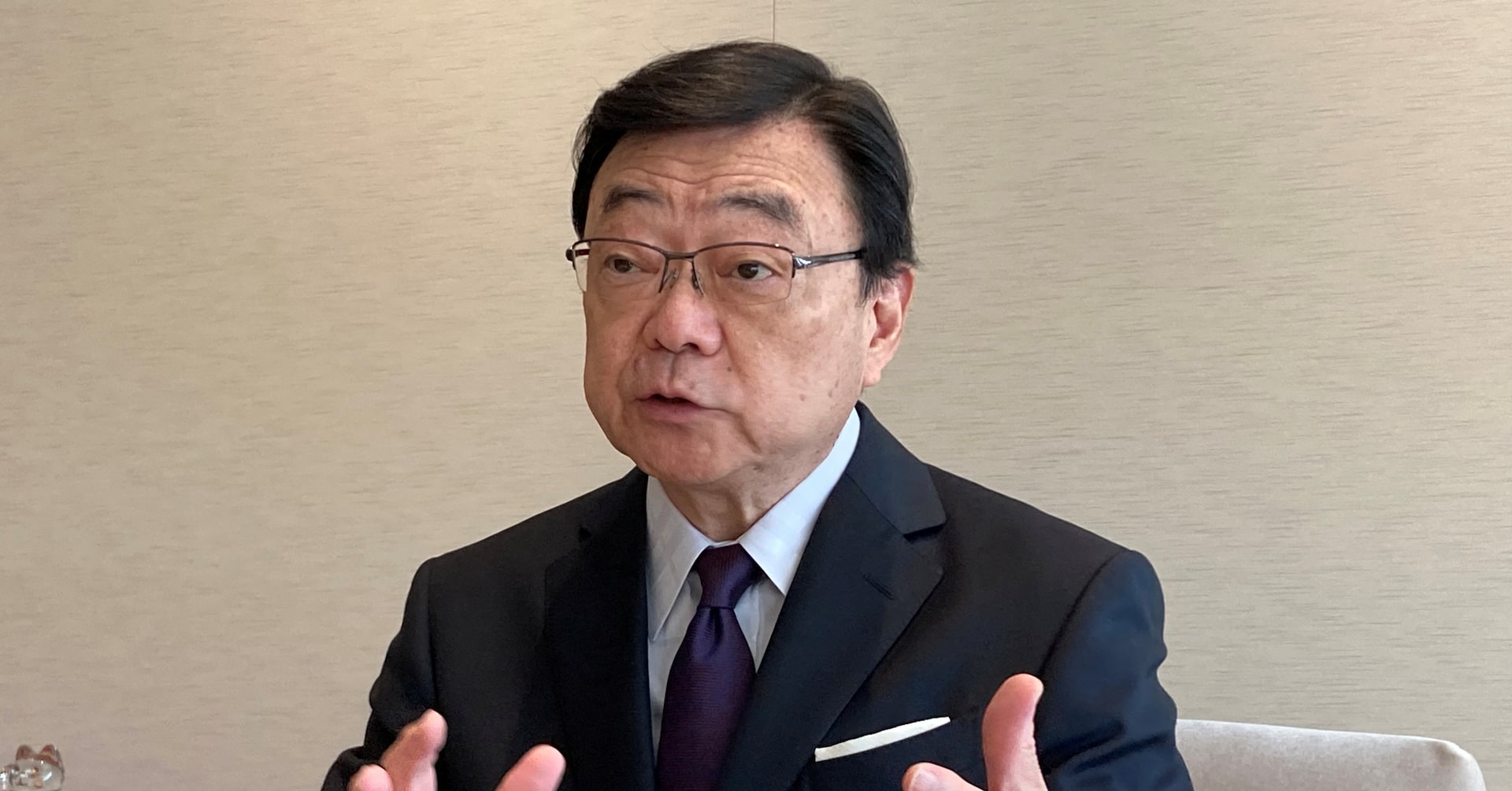
Japan should diversify oil sources but Canadian supply seen tough, industry association head says
In a recent development, Japanese oil refiners are being urged to diversify their crude oil supply sources, as 95% of Japan’s imports currently originate from the Middle East. Shunichi Kito, president of the Petroleum Association of Japan (PAJ) and head of Idemitsu Kosan, Japan’s second-largest refinery, highlighted the challenges of importing heavy Canadian crude during a press conference in Tokyo. Kito emphasized the difficulty of investing in new refining facilities due to a steady 2% annual decline in domestic oil demand, leaving the decision to individual companies. Meanwhile, Alberta, Canada’s primary oil-producing province, is exploring financial investments in Japan’s refining sector. Sources indicate that Alberta is in preliminary discussions with several Japanese refiners to potentially fund the construction of coker units, which would enable the processing of heavy crude from Alberta’s oil sands. This move aims to reduce Alberta’s heavy reliance on the United States for oil exports. While Kito acknowledged the need for diversification, he noted that no specific requests have been made to Japanese refiners yet. The initiative reflects broader global efforts to balance energy security and sustainability amidst shifting market dynamics.
-
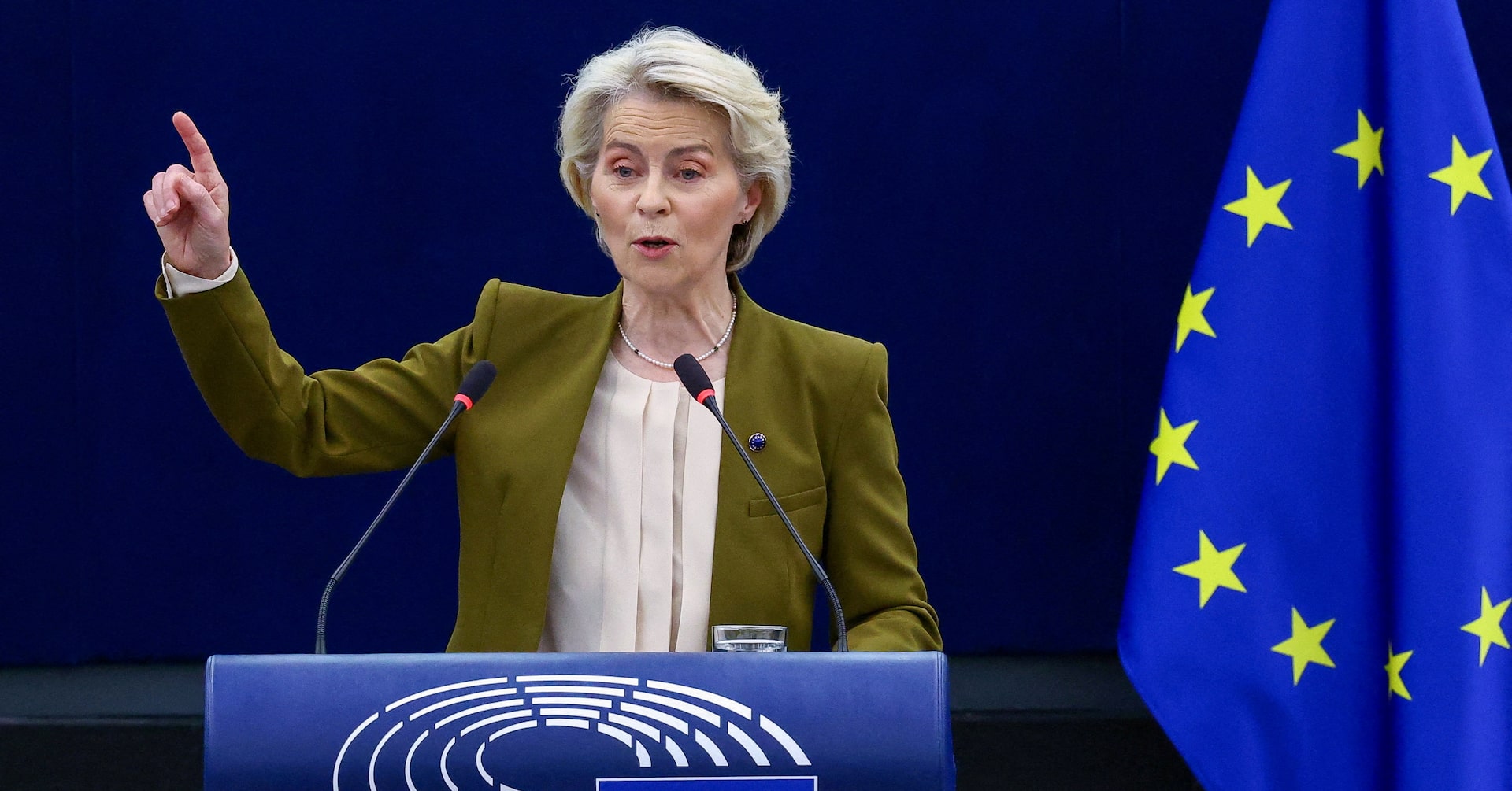
EU needs deals with India, others to reduce US dependency, von der Leyen says
European Commission President Ursula von der Leyen emphasized the European Union’s urgent need to diversify its trade partnerships to reduce economic dependencies, particularly in light of rising U.S. import tariffs. Speaking at a conference with German business leaders on September 18, 2025, von der Leyen highlighted India as a key partner, expressing optimism about finalizing a trade deal with the country by the end of the year. She revealed that Indian Prime Minister Narendra Modi had reaffirmed his commitment to this objective during a recent phone conversation. Beyond India, the EU is also engaging in negotiations with South Africa, Malaysia, the United Arab Emirates, and other nations to broaden its trade network. This strategic shift aims to bolster the bloc’s economic resilience and mitigate risks associated with over-reliance on specific markets. Von der Leyen’s remarks underscore the EU’s proactive approach to navigating global trade challenges and fostering stronger international ties.
-
Hyundai Motor to ramp up US output, trims profit margin goal on tariff hit
Hyundai Motor Group, a leading South Korean automaker, announced on Thursday its ambitious plan to produce over 80% of the vehicles it sells in the U.S. domestically by 2030. This strategic move comes in response to evolving U.S. tariff policies and aims to mitigate the financial impact of import duties. The company revealed this during its CEO Investor Day in New York, alongside revising its 2025 operating profit margin target downward to 6-7%, citing tariff-related challenges. However, Hyundai remains optimistic, projecting margins to rebound to 7-8% by 2027 and 8-9% by 2030.
-
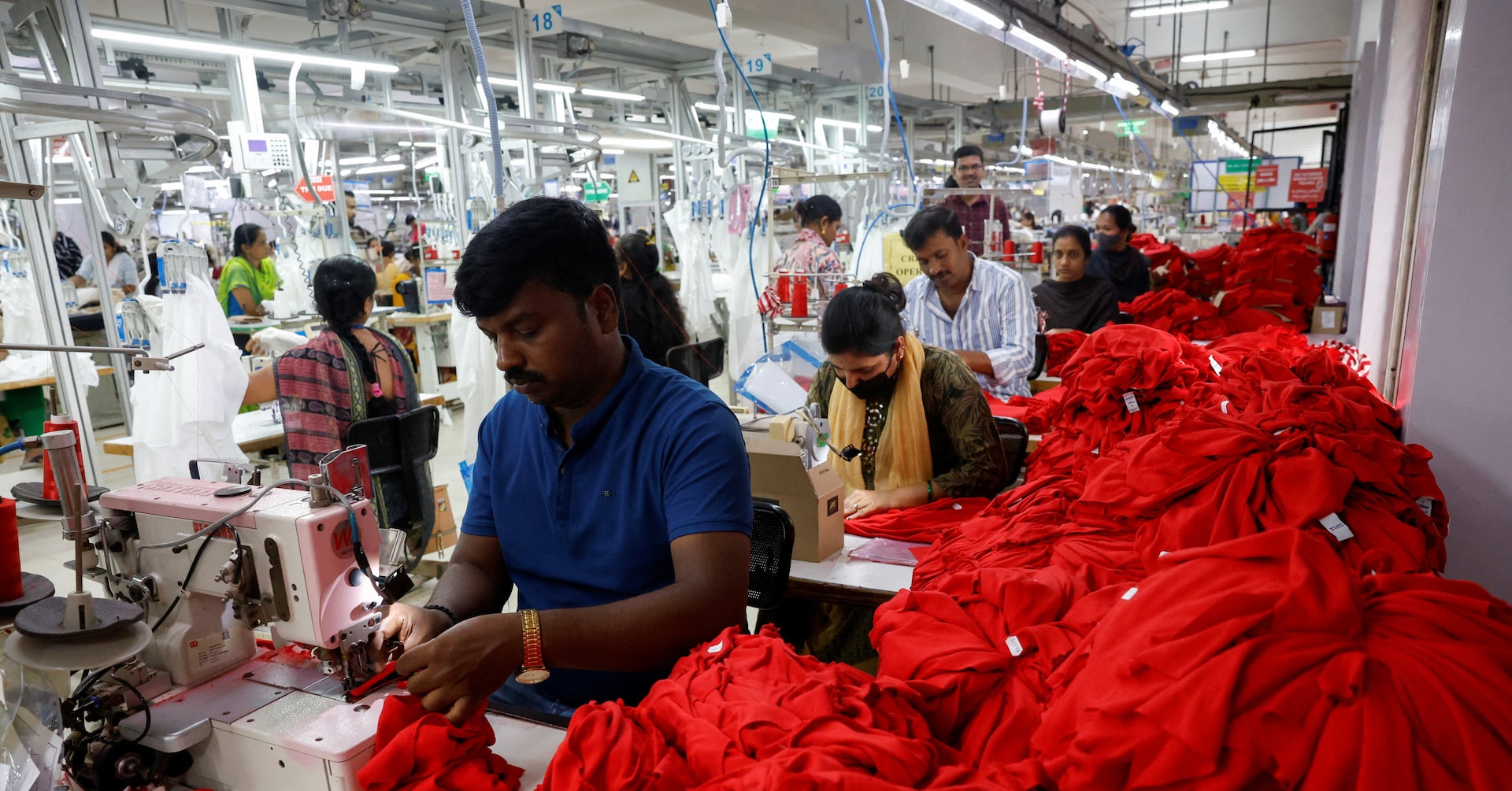
India’s Gokaldas eyes EU growth, Africa expansion to counter Trump’s tariffs
Indian textile giant Gokaldas Exports is strategically pivoting its operations to mitigate the impact of punitive U.S. tariffs, which threaten to erode its profit margins. The company, which generates approximately 75% of its standalone sales in the United States and serves major clients like Walmart, Gap, and JCPenney, anticipates a significant drop in its core profit margin to single digits in the first quarter of fiscal 2026, down from around 12%.
-
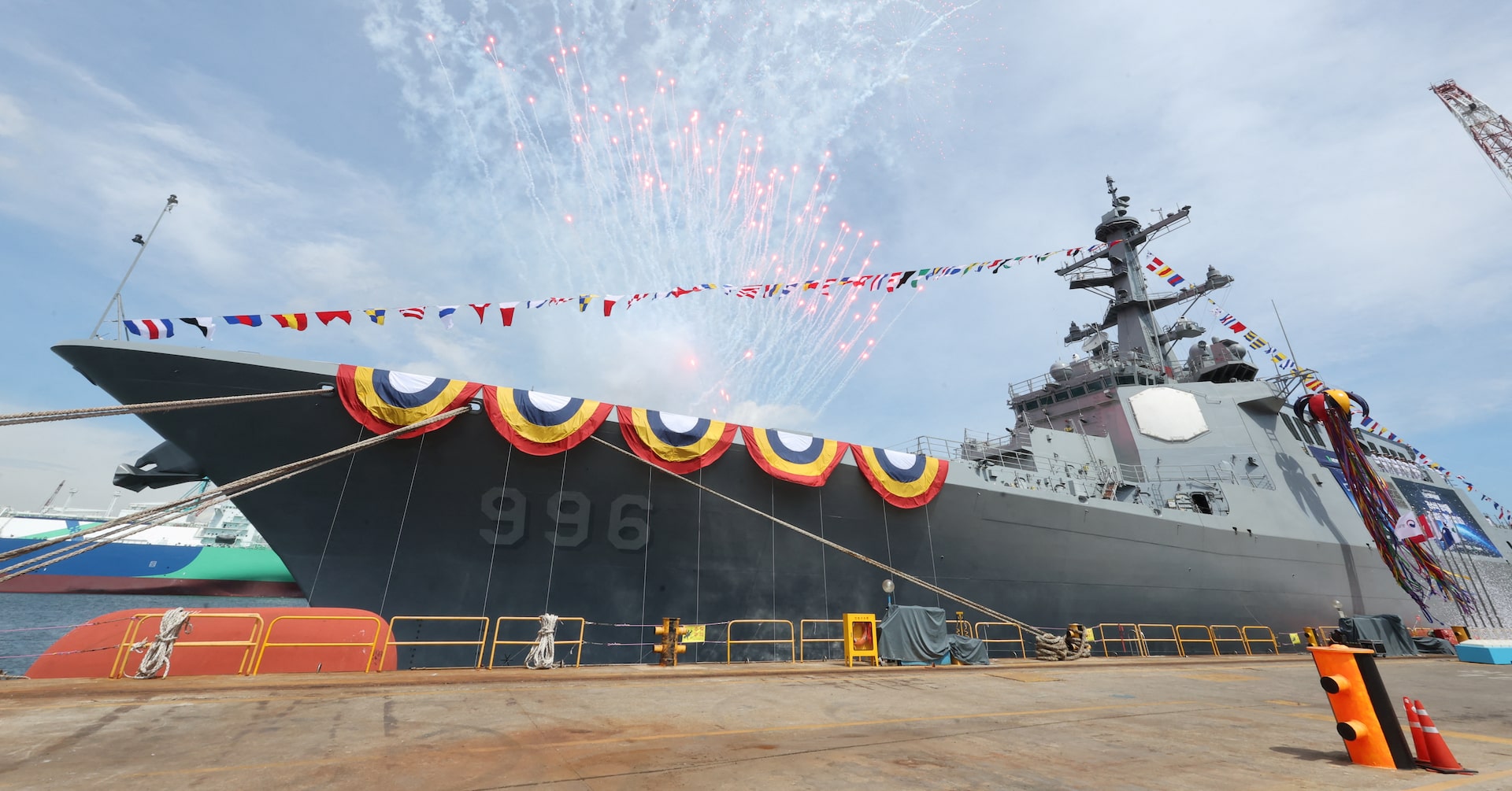
South Korea’s HD Hyundai Heavy in talks to buy US shipyard
South Korea’s HD Hyundai Heavy Industries, the world’s largest shipbuilder by orders, is actively negotiating the acquisition of a U.S. shipyard, according to a senior executive. The move aligns with the company’s ambitious goal to generate $2.2 billion in annual revenue from warship sales to the U.S. Navy by 2035. Woo-maan Jeong, head of planning and management for HD Hyundai’s naval and special ship unit, revealed the strategy during an interview at the company’s Ulsan headquarters. He emphasized the necessity of establishing a U.S. manufacturing base to capitalize on President Donald Trump’s efforts to revitalize the American shipbuilding industry. Jeong noted the widening naval capability gap between the U.S. and China, coupled with insufficient U.S. warship production capacity, as key drivers for this initiative. Despite challenges such as a skilled labor shortage and restrictive U.S. immigration policies, HD Hyundai remains optimistic about its prospects. The company recently launched an 8,200-metric-ton Aegis-equipped destroyer in Ulsan, showcasing its advanced shipbuilding capabilities. The vessel, delivered in just 18 months, symbolizes U.S.-Korea cooperation, utilizing combat systems from American firms like Lockheed Martin. HD Hyundai’s merger with affiliate HD Hyundai Mipo further strengthens its position in the warship market. While U.S. laws like the Jones Act and Byrnes-Tollefson Amendment pose hurdles, Jeong expressed confidence in potential legislative amendments to facilitate foreign participation in U.S. shipbuilding. The U.S. remains an unparalleled market for warships, and HD Hyundai is determined to navigate these challenges to secure its foothold.
-
Anglo American cuts ‘small number’ of jobs in Australia’s Brisbane
Anglo American PLC (AAL.L) announced on Thursday a reduction in workforce at its Brisbane office and nearby coal mines in Queensland, Australia, as part of its strategy to streamline operations and address the dual pressures of declining coal prices and escalating costs. The exact number of job cuts remains undisclosed, but the move follows a similar decision by BHP Group Ltd (BHP.AX), which recently eliminated 750 positions at a coking coal mine in the same region due to unfavorable market conditions and increased state royalties. Ben Mansour, Vice President for People and Corporate Relations at Anglo American Australia, emphasized that these adjustments are crucial for the sustainability of the company’s steelmaking coal operations in Central Queensland. He noted that the majority of the reductions were achieved through voluntary redundancies. According to Australia’s ABC News, citing the Isaac Regional Council, approximately 200 positions at Anglo American were impacted. The company operates five coal mines in Queensland’s Bowen Basin, which specialize in steelmaking coal. Last year, Anglo American divested a 33% stake in one of its Australian steelmaking coal mines for $1.1 billion to concentrate on its core copper assets. This announcement comes on the heels of a proposed merger with Canada’s Teck Resources Ltd (TECKb.TO), potentially marking the second-largest mining deal in history. The developments underscore the ongoing challenges faced by the coal industry amidst shifting market dynamics and regulatory pressures.
-
Toyota to recall over 591,000 US vehicles over instrument panel issue, NHTSA says
Toyota Motor Corp has announced a major recall of 591,377 vehicles in the United States following concerns raised by the National Highway Traffic Safety Administration (NHTSA). The recall, issued on September 18, 2024, addresses a critical software flaw in the instrument panel display that fails to show essential information such as vehicle speed, brake system status, and tire pressure warnings. This malfunction, which occurs during vehicle startup, significantly increases the risk of accidents or injuries. Affected models include the Venza, Highlander, Lexus, Tacoma, and GR Corolla. The NHTSA emphasized the urgency of the recall, urging owners to address the issue promptly. Toyota has yet to release specific details on the repair process but assured customers that solutions will be provided through authorized dealerships. This recall underscores the growing importance of software reliability in modern automotive systems and highlights the challenges automakers face in ensuring vehicle safety amidst increasing technological complexity.
-

MBK-controlled Lotte Card says personal data of nearly 3 million customers leaked
SEOUL, Sept 18 (Reuters) – In a significant cybersecurity incident, South Korean credit card firm Lotte Card, majority-owned by private equity fund MBK Partners, revealed on Thursday that a hacking attack had compromised the personal data of approximately 2.97 million customers. CEO Cho Jwa-jin disclosed during a press conference that among the affected individuals, around 280,000 had sensitive information exposed, raising concerns about potential card fraud.
-
China’s SAIC to cut stake in India car venture amid investment curbs, sources say
China’s SAIC Motor, one of the nation’s largest state-owned automotive companies, is set to significantly reduce its 49% stake in its Indian joint venture with JSW Group, according to sources familiar with the matter. The decision comes as the venture, JSW MG Motor, continues to face financial losses and regulatory challenges exacerbated by political tensions between China and India. SAIC will cease further investment in the venture but will continue to supply technology and products. The move underscores the broader impact of geopolitical friction on business operations, particularly after India imposed restrictions on Chinese investments in 2020 following a border standoff. Despite recent diplomatic efforts to ease tensions, progress in business relations remains stagnant. JSW Group has proposed acquiring most of SAIC’s stake to become the majority shareholder, but disagreements over valuation have stalled negotiations. Additionally, JSW’s pursuit of a partnership with Chinese automaker Chery to develop its own-brand vehicles has further strained relations with SAIC. The venture, valued at $1.2 billion, has struggled to meet expectations despite its growth in India’s electric vehicle market, where it ranks second behind Tata Motors. The Indian government is currently reviewing a $240 million investment proposal from JSW MG Motor for EV manufacturing, with concerns over the repatriation of profits to China adding complexity. As competition in India’s auto market intensifies, particularly with Tesla’s recent entry, the future of SAIC’s presence in the region remains uncertain.