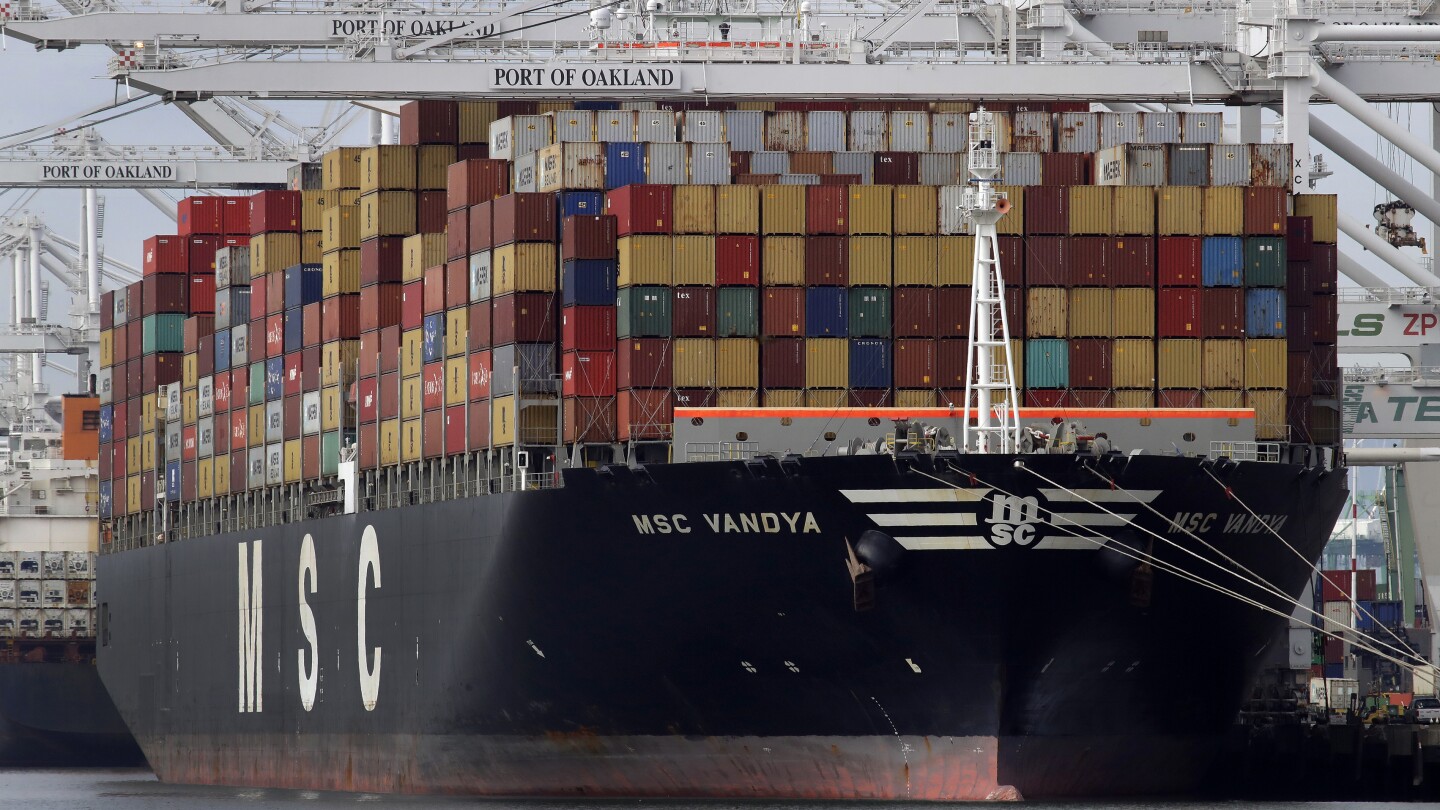
In a surprising turn of events, U.S. wholesale inflation showed signs of cooling in June, despite widespread concerns that President Donald Trump’s tariffs would drive up prices for goods before they reached consumers. The Labor Department reported on Wednesday that the producer price index (PPI) remained unchanged from May, following a 0.3% increase the previous month. Year-over-year, wholesale prices rose by 2.3%, marking the smallest annual gain since September. Both figures fell short of economists’ expectations. Excluding volatile food and energy prices, core producer prices also remained flat compared to May and increased by 2.6% from June 2024. This report came a day after the Labor Department revealed that consumer prices had risen by 2.7% year-over-year in June, the largest increase since February, driven by Trump’s sweeping tariffs on goods ranging from groceries to appliances. However, consumer and producer prices do not always move in sync. Bradley Saunders, North America economist at Capital Economics, noted a 0.3% rise in core wholesale goods prices, attributing it to the impact of Trump’s tariffs. Furniture prices surged by 1% from May, while home electronics rose by 0.8%, both categories heavily reliant on imports. Interestingly, steel mill producer prices dropped by 5.5% despite Trump’s 50% tariff on imported steel. Some companies had stockpiled goods before the tariffs took effect, helping to keep prices stable, but Saunders warned that these inventories are dwindling. With new tariffs on Japanese and South Korean imports set to take effect on August 1, the situation remains precarious. Auto retailers’ profit margins also fell by 5.4%, suggesting that car dealers are absorbing the costs of Trump’s 25% tariff on imported vehicles and parts. Economists are closely monitoring wholesale prices as they provide early insights into potential consumer inflation trends. The Federal Reserve, which has been cautious this year, is also watching the inflationary impact of Trump’s trade policies. Trump’s aggressive push for rate cuts has raised concerns about the central bank’s independence.
分类: business
-

‘Come meet us in Dubai’: the new offshoring of grand corruption
In a revealing 2017 interview, an African high-net-worth individual recounted being advised by a London-based executive to relocate their business dealings to Dubai. This anecdote underscores a significant yet underappreciated global trend: the migration of sensitive financial activities from traditional Western hubs to more lenient jurisdictions. This shift, driven by stricter regulations on dubious foreign funds in established financial centers, has breathed new life into corrupt practices while complicating efforts to combat them.
-

S&P 500 and Nasdaq composite pull back from their all-time highs
Wall Street experienced a modest pullback on Friday, with major U.S. stock indexes closing in the red for the week. The S&P 500 fell 0.3%, retreating from its all-time high set the previous day, while the Dow Jones Industrial Average dropped 0.6% and the Nasdaq Composite slipped 0.2%. This decline followed a week of market volatility, driven by escalating trade tensions and anticipation of the upcoming corporate earnings season. President Donald Trump’s announcement of increased tariffs on Canadian imports to 35% further strained relations with the longstanding North American ally. This move is part of the administration’s broader strategy to leverage tariff threats to secure new trade agreements globally. Despite the initial market turmoil caused by Trump’s tariff policies earlier this year, Wall Street has shown relative stability recently, with stocks reaching record highs. However, some analysts remain cautious, noting that the market’s muted response to the latest tariff escalation may not reflect underlying risks. As earnings season gains momentum, companies like Levi Strauss and PriceSmart reported strong results, boosting their shares. Meanwhile, financial and healthcare stocks weighed heavily on the market, with Visa and Gilead Sciences among the notable decliners. In other developments, T-Mobile’s shares dipped slightly after the Justice Department cleared its $4.4 billion acquisition of U.S. Cellular, and Red Cat Holdings surged following Defense Secretary Pete Hegseth’s orders to accelerate drone production. Bond yields rose, with the 10-year Treasury yield climbing to 4.42%. European and Asian markets also closed lower, while Bitcoin briefly surpassed $118,000, driven by bullish momentum and anticipation of regulatory developments during the U.S. Congress’ Crypto Week.
-

US OKs chip design software for China after a key minerals deal
In a significant development in US-China trade relations, the United States has lifted restrictions on the export of chip-making software to China, following China’s agreement to increase exports of key minerals to America. This decision, reported by Bloomberg, allows major Electronic Design Automation (EDA) software providers—Synopsys, Cadence, and Siemens—to resume operations in China, where they collectively dominate over 90% of the market. The move comes after a trade agreement signed on June 25, which was preceded by high-level meetings between US and Chinese officials in London earlier in June. The Chinese Ministry of Commerce confirmed that China would approve export applications for controlled items, while the US would reciprocate by lifting restrictive measures. US Treasury Secretary Scott Bessent expressed optimism about the increased flow of Chinese mineral and magnet exports, emphasizing the importance of rare earth magnets in the deal. Meanwhile, shares of China’s Empyrean Technology, a key chip-making software supplier for Huawei, fell by 3%, reflecting the competitive pressures in the domestic market. The trade agreement marks a de-escalation in tensions, though observers remain cautious about its long-term sustainability, given the US’s efforts to diversify its key mineral sources. Countries like India, Brazil, and Australia are emerging as alternative suppliers, potentially challenging China’s dominance in the rare earth sector. The deal underscores the complex interdependence between the two nations in critical technology and resource sectors, even as strategic competition persists.
-

Japan records trade deficit as exports suffer from Trump’s tariffs
Japan’s export sector experienced a downturn in May, primarily driven by a significant 25% drop in automobile shipments to the United States. This decline is attributed to the heightened tariffs imposed by President Donald Trump. According to the Finance Ministry, overall exports decreased by 1.7% year-on-year, a figure that, while concerning, was less severe than the anticipated decline forecasted by analysts. Concurrently, imports plummeted by 7.7%, indicative of weakening domestic demand and marking a steeper fall compared to April’s 2% decrease. The trade deficit for May stood at 637.6 billion yen, equivalent to $4.4 billion. Despite ongoing discussions, Japan has yet to secure an agreement with the U.S. to resolve the tariff issue. Prime Minister Shigeru Ishiba, following a meeting with President Trump at the Group of Seven summit in Canada, noted that the two nations remain at odds on several key points. Trump has levied a 25% tariff on Japanese automobiles and a 24% tariff on other goods, with recent statements suggesting potential increases in auto tariffs. Ishiba has underscored Japan’s role as a crucial ally in the bilateral defense alliance with Washington, emphasizing efforts to safeguard national interests. The auto industry, a cornerstone of Japan’s economy, exports over a million vehicles to the U.S. annually. Tokyo has consistently highlighted the contributions of automakers like Toyota and Honda, which manufacture vehicles in North America, bolstering the economy and generating employment.
-

The statistical truth about American stagnation
The narrative that globalization hollowed out the American middle class has been a topic of intense debate. A recent analysis challenges this notion, arguing that the timing of wage stagnation in the U.S. does not align with the era of globalization. John Lettieri of the Economic Innovation Group highlights that wage stagnation occurred primarily between 1973 and 1994, predating the North American Free Trade Agreement (NAFTA) in 1994. In fact, wages began to grow again shortly after NAFTA’s implementation. However, the story is more nuanced. While NAFTA had minimal negative effects on specific industries, the ‘China Shock’ following China’s entry into the World Trade Organization (WTO) in 2001 had a more significant impact on American wages, particularly for the working class. Between 2003 and 2015, median wages flattened, coinciding with increased competition from China. The Great Recession further exacerbated wage stagnation post-2007. Despite these factors, the most prolonged period of wage stagnation occurred before globalization, from 1973 to 1994. This era was marked by multiple economic shocks, including oil crises, inflation, and shifts in global monetary policies. Theories explaining this stagnation include productivity slowdowns, financialization, the decline of unions, and inflation. However, none of these factors alone fully account for the 20-year stagnation. The productivity slowdown, which aligns closely with the stagnation period, remains a leading explanation, though its exact causes are still debated. Other factors, such as de-unionization and financialization, played partial roles but do not fully explain the phenomenon. Ultimately, the wage stagnation of 1973-1994 may have resulted from a combination of these factors, rather than a single cause. This complex interplay underscores the challenges of isolating economic trends and highlights the need for further research to understand this pivotal period in American economic history.
-
World Trade Organization says global trade could slide this year because of Trump’s tariff policies
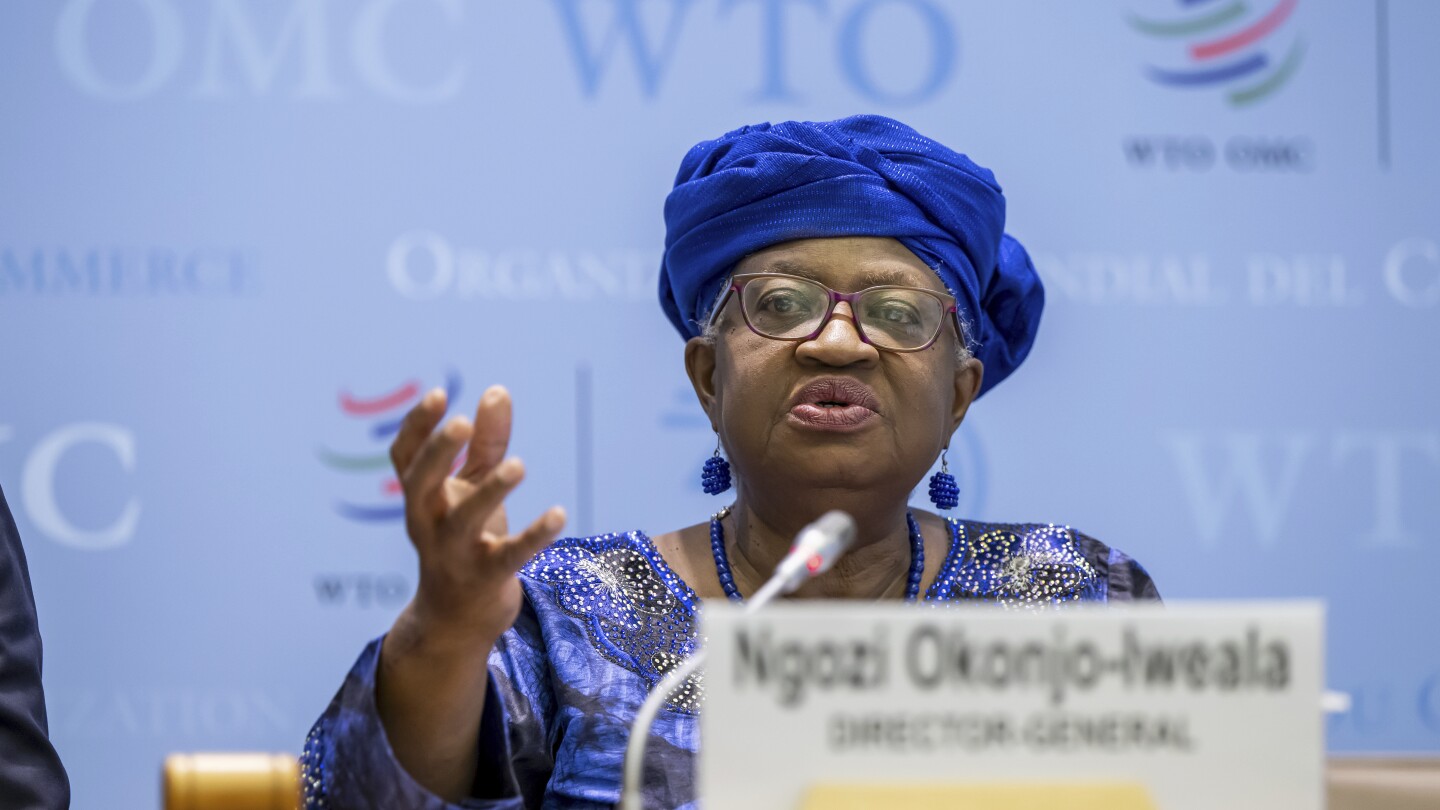
The World Trade Organization (WTO) has projected a 0.2% decline in global goods trade for this year, attributing the downturn to U.S. President Donald Trump’s fluctuating tariff policies and the ongoing trade tensions with China. The WTO cautioned that the situation could worsen significantly if Trump implements his most stringent reciprocal tariffs. The global trade forum highlighted that North America would experience the sharpest decline, with exports expected to plummet by 12.6% and imports by 9.6% this year, even without the harshest tariffs. The WTO’s report, based on the tariff landscape as of Monday, initially anticipated continued trade expansion in 2025 and 2026. However, Trump’s trade war has compelled WTO economists to drastically revise their forecasts. If Trump enacts the toughest tariffs on most nations, global trade in goods could slump by 1.5%, primarily due to the uncertainty unsettling businesses. Earlier this month, Trump temporarily suspended the most severe tariffs for 90 days, allowing over 70 countries to address U.S. trade concerns. Concurrently, he has escalated taxes on Chinese imports to 145% and is embroiled in protracted tariff negotiations with Canada and Mexico. WTO Director-General Ngozi Okonjo-Iweala emphasized that the persistent uncertainty threatens to hinder global growth, with particularly adverse effects on the most vulnerable economies. WTO Chief Economist Ralph Ossa noted that trade policy uncertainty significantly dampens trade flows, reducing exports and weakening economic activity. He stressed the importance of understanding the wide-ranging and often unintended consequences of tariffs in an increasingly tense global trade environment.
-

Trump’s reciprocal tariffs will overturn decades of trade policy
President Donald Trump is poised to upend decades of established global trade norms with his anticipated announcement of reciprocal tariffs on April 2, a date he has dubbed “Liberation Day.” This bold move, aimed at reducing America’s reliance on foreign goods, is expected to create significant disruptions for global businesses and strain relations with both allies and adversaries. Since the 1960s, tariffs have been the product of multilateral negotiations, but Trump’s unilateral approach seeks to redefine this process. Richard Mojica, a trade attorney, warns that this strategy will necessitate widespread adjustments across industries. Trump’s rationale centers on America’s persistent trade deficits, which he attributes to higher tariffs imposed by other countries on U.S. exports. His solution? Raise U.S. tariffs to match those of trading partners. Economists, however, caution that tariffs often burden consumers and may not achieve the desired outcomes. While some, like Christine McDaniel, suggest that reciprocal tariffs could incentivize other nations to lower their tariffs, the broader consensus is that Trump’s approach introduces significant uncertainty into global trade. The White House has yet to clarify key details, such as whether tariffs will be adjusted on a product-by-product basis or averaged across countries. Critics argue that Trump’s grievances overlook the fact that many high foreign tariffs were agreed upon during the Uruguay Round of trade negotiations and are not uniquely targeted at the U.S. Moreover, the U.S. economy has outperformed other advanced economies in recent years, raising questions about the urgency of Trump’s trade policies. Beyond tariffs, Trump is also targeting foreign practices like subsidies and value-added taxes (VATs), further complicating the trade landscape. While VATs are applied equally to domestic and imported goods, Trump views them as a trade barrier, a stance most economists dispute. Ultimately, Trump’s tariffs have not significantly narrowed the U.S. trade deficit, which economists attribute to broader macroeconomic factors like low savings rates and high consumer spending. As the global trade environment grows increasingly chaotic, businesses and governments alike are bracing for the ripple effects of Trump’s protectionist agenda.
-
Asian shares slip in cautious trading, shrug off US rally
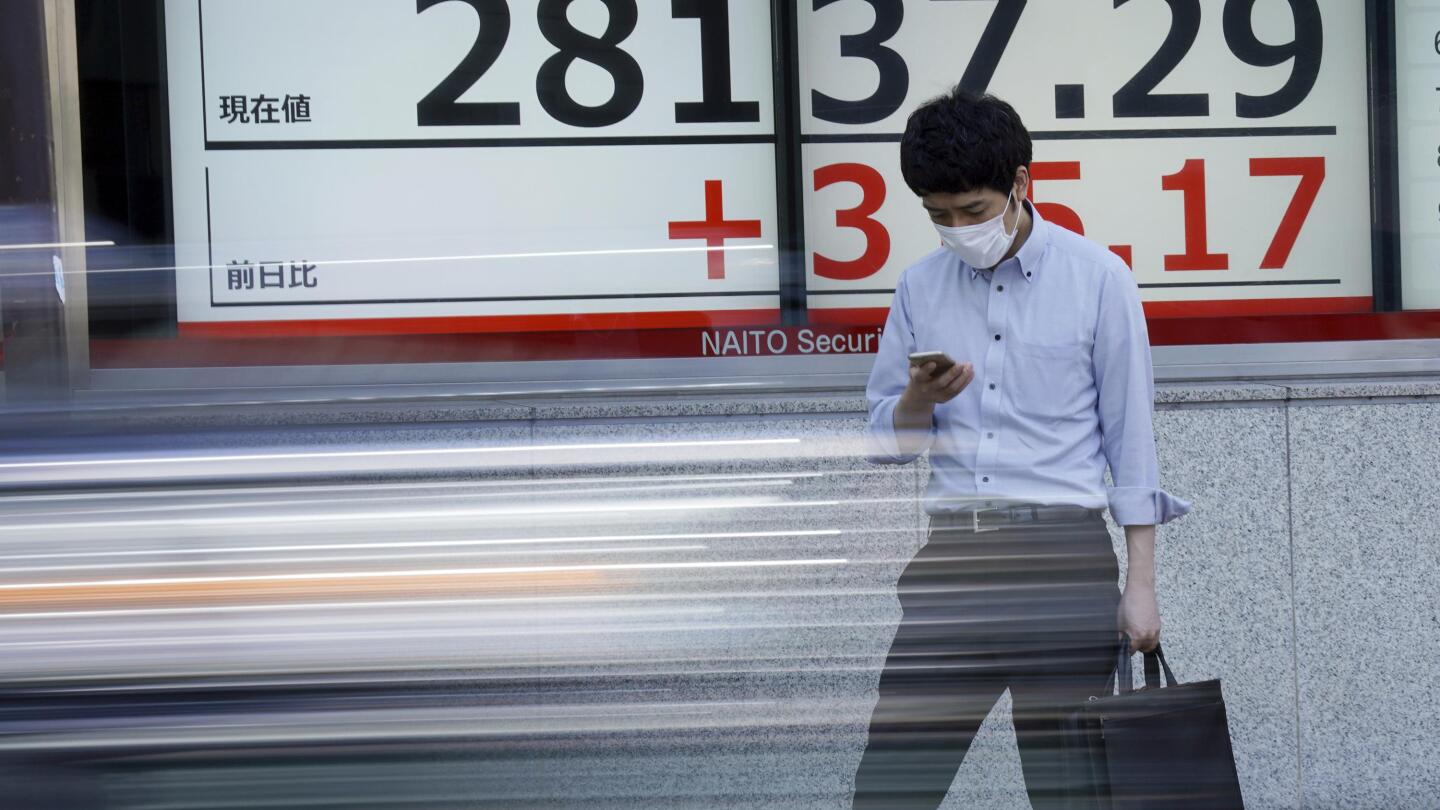
Asian markets experienced a downturn on Wednesday, despite a robust recovery on Wall Street led by technology and banking sectors. Japan’s Nikkei 225 dropped 1% to 27,544.06, while South Korea’s Kospi fell 1.0% to 2,932.15. Australia’s S&P/ASX 200 declined 0.5% to 7,209.40, and Hong Kong’s Hang Seng slid nearly 0.9% to 23,899.34. Trading in Shanghai was suspended due to national holidays. Persistent concerns over COVID-19 infections and China’s economic slowdown, particularly the debt crisis of China Evergrande Group, have kept investors cautious. Tan Boon Heng of Mizuho Bank noted that risks from China’s credit issues and real estate sector remain unresolved. In Japan, the new finance minister’s commitment to traditional economic policies has provided some reassurance, though Fitch Ratings maintains a negative outlook due to pandemic-related macroeconomic risks. Meanwhile, New Zealand’s central bank raised interest rates for the first time in seven years, signaling a shift from pandemic-era support measures. Wall Street saw gains, with the S&P 500 rising 1.1%, the Dow Jones Industrial Average up 0.9%, and the Nasdaq climbing 1.3%. Despite recent volatility, analysts anticipate strong corporate earnings in the upcoming third-quarter reports, which could bolster market confidence. Energy markets saw slight declines, with U.S. crude dropping to $78.81 a barrel and Brent crude falling to $82.48 a barrel. The U.S. dollar strengthened against the Japanese yen and the euro.
-
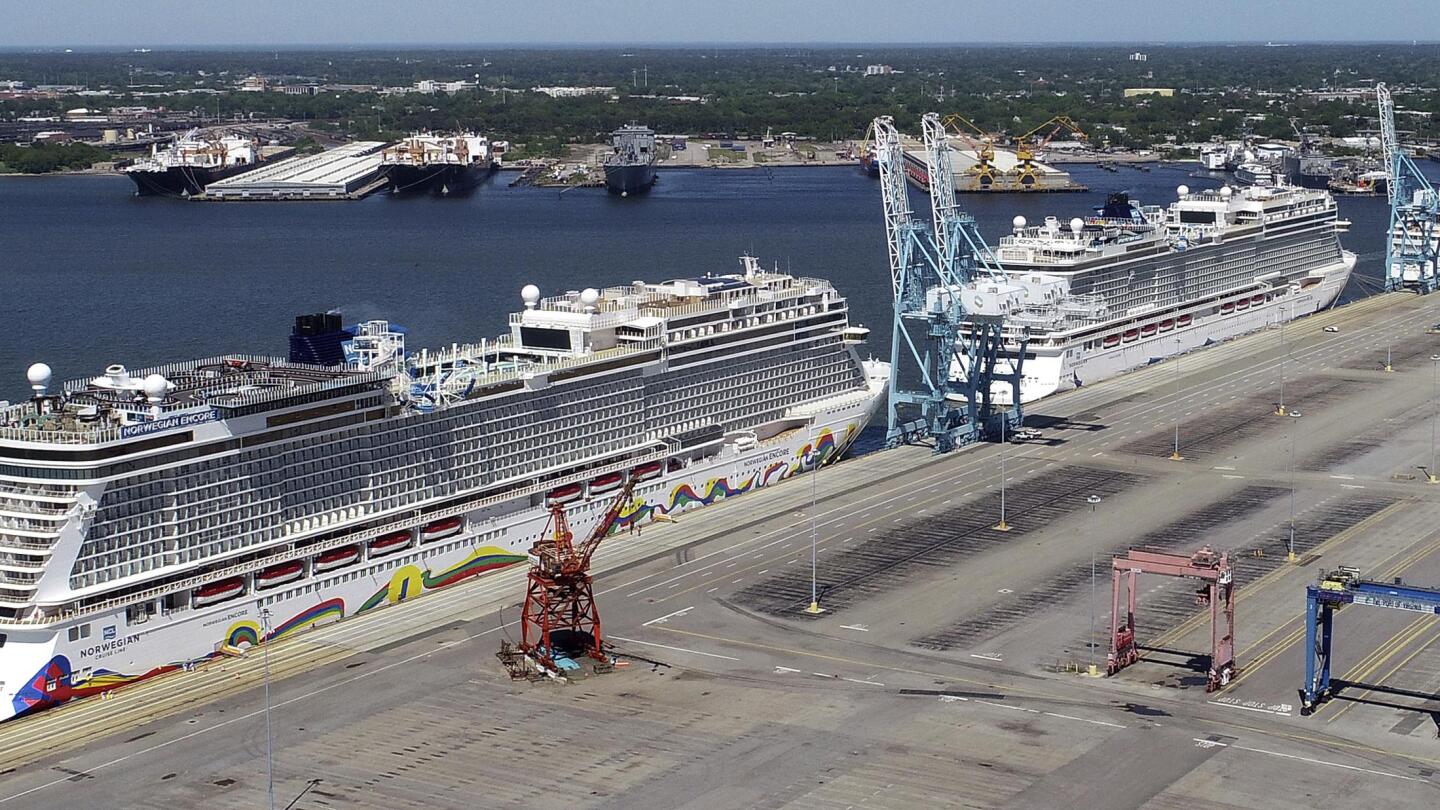
Cruise giant Norwegian threatens to skip Florida’s ports
Norwegian Cruise Line Holdings, headquartered in Miami, has issued a stern warning to Florida, threatening to relocate its ships following Governor Ron DeSantis’s enactment of a law prohibiting businesses from mandating proof of COVID-19 vaccination. The company argues that this state legislation conflicts with federal health guidelines, which permit cruise operations in U.S. waters provided nearly all passengers and crew are vaccinated. CEO Frank Del Rio emphasized the tension between state and federal jurisdictions, stating, “Lawyers believe federal law supersedes state law, but we hope this doesn’t escalate into a legal or political battle.” Norwegian Cruise Line Holdings, which also owns Oceania Cruises and Regent Seven Seas Cruises, is exploring alternative bases in other states or the Caribbean if Florida remains inhospitable. Del Rio revealed these plans during the company’s quarterly earnings call, expressing optimism that a resolution could still be reached through ongoing discussions with DeSantis’s office. The governor’s recent executive order and subsequent legislation, which also grants him authority to override local pandemic-related measures, were framed as efforts to protect individual freedoms and privacy. However, the cruise industry, which has been grounded in U.S. waters since March 2020, is eager to resume operations. Federal guidelines from the CDC allow vaccinated cruises to bypass trial voyages and commence regular trips, provided 98% of crew and 95% of passengers are vaccinated. Despite these challenges, Norwegian reported a surge in bookings, signaling potential recovery by early 2022, even as the company posted a $1.37 billion loss in the first quarter of 2021.