
In a significant development impacting the global oil market, Iranian oil discounts in China have expanded due to record-high stock levels and a shortage of import quotas as the year-end approaches. This situation has been exacerbated by US sanctions targeting Qingdao Port, a key hub for Iranian oil imports. The sanctions, imposed on August 21, specifically target Qingdao Port Haiye Dongjiakou Oil Products, a terminal previously handling 130,000-200,000 barrels per day of Iranian crude. Following the sanctions, the terminal suspended operations, leading to a 65% decline in crude imports at Dongjiakou port this month, according to data analytics firm Kpler. Despite the sanctions, Iranian oil shipments have been diverted to nearby terminals, such as Huangdao, where imports are expected to double in September compared to August. The widening discounts, now over $6 a barrel for Iranian Light crude versus benchmark ICE Brent, reflect both the oversupply in Shandong province and the additional costs borne by customers due to sanctions. China, which has purchased over 90% of Iranian oil exports in recent years, continues to defend its trade with Iran as compliant with international law, dismissing US sanctions as unilateral and illegitimate. The situation underscores the complex interplay between geopolitical tensions, market dynamics, and energy trade.
分类: business
-

Japan’s exports down in August as automakers grapple with US tariffs
Japan’s export sector faced another challenging month in August 2025, marking the fourth consecutive decline, as elevated U.S. tariffs continued to weigh heavily on key industries such as automotive and manufacturing. According to government data released on September 17, total exports by value fell by 0.1% year-on-year, a smaller drop than the 1.9% decrease forecasted by economists. However, exports to the United States plummeted by 13.8%, the steepest decline since February 2021, driven by significant drops in automobile and chipmaking equipment shipments. The volume of U.S.-bound exports also decreased by 12.0%, exacerbating the trade surplus reduction with the U.S. to 324 billion yen ($2.21 billion), the smallest since January 2023. While exports to China dipped slightly by 0.5%, shipments to Asia and the European Union saw modest gains, partially offsetting the U.S. downturn. On the import side, total imports fell by 5.2% year-on-year, largely due to lower oil prices, resulting in a trade deficit of 242.5 billion yen ($1.66 billion), significantly less than the forecasted 513.6 billion yen. Despite some relief from a reduced baseline tariff rate of 15% on Japanese imports, down from the initial 27.5%, the impact remains severe for Japanese automakers and auto parts suppliers, who previously enjoyed a 2.5% rate. Economists predict a contraction in Japan’s economy by an annualized 1.1% in the current quarter, reflecting weak overseas demand. Bank of Japan Governor Kazuo Ueda has pledged to proceed cautiously with rate hikes, given the uncertainty surrounding the U.S. tariff impact. Meanwhile, corporate spending on plant and equipment surged by 7.6% in the April-June quarter, with the automotive sector leading the charge with a 43.4% increase, driven by investments in electric vehicle production, despite a 30.7% plunge in operating profits.
-

Ben & Jerry’s co-founder quits over social activism row
Jerry Greenfield, co-founder of the iconic ice cream brand Ben & Jerry’s, has stepped down from the company after nearly 50 years, intensifying a conflict with its parent company, Unilever. In a heartfelt letter shared by fellow co-founder Ben Cohen on social media, Greenfield expressed his dismay over the brand’s loss of independence, citing Unilever’s restrictions on its long-standing social activism as the primary reason for his departure. This move marks the latest development in a dispute that began in 2021 when Ben & Jerry’s announced it would cease sales in Israeli settlements in the occupied West Bank and East Jerusalem, a decision that sparked significant controversy. A spokesperson for The Magnum Ice Cream Company, a Unilever spin-off, acknowledged Greenfield’s contributions but disagreed with his stance, emphasizing efforts to engage both founders in constructive dialogue. Ben & Jerry’s, established in 1978, has been renowned for its advocacy on social and political issues, including LGBTQ+ rights and climate change. Greenfield described his decision to leave as one of the most difficult of his life, stating he could no longer align with a company he felt had been ‘silenced’ by Unilever. Cohen, in an interview with Radio 4, expressed his commitment to preserving the brand’s independence and social mission, accusing Unilever of undermining the authority of the company’s independent board. The Magnum spokesperson reiterated their dedication to strengthening Ben & Jerry’s values-based position globally. Industry experts, including Anna Macdonald of Aubrey Investments, noted that Unilever may have sought to curtail the brand’s activism, particularly regarding Israel and Gaza. Earlier this year, Ben & Jerry’s accused Unilever of attempting to silence its criticism of former US President Donald Trump. Greenfield’s exit follows the removal of CEO David Stever by Unilever in March, which was part of a legal case alleging Unilever violated the terms of their merger agreement. In May, Cohen was arrested during a protest in the US Senate over military aid to Israel and humanitarian conditions in Gaza, further highlighting the founders’ unwavering commitment to their principles.
-
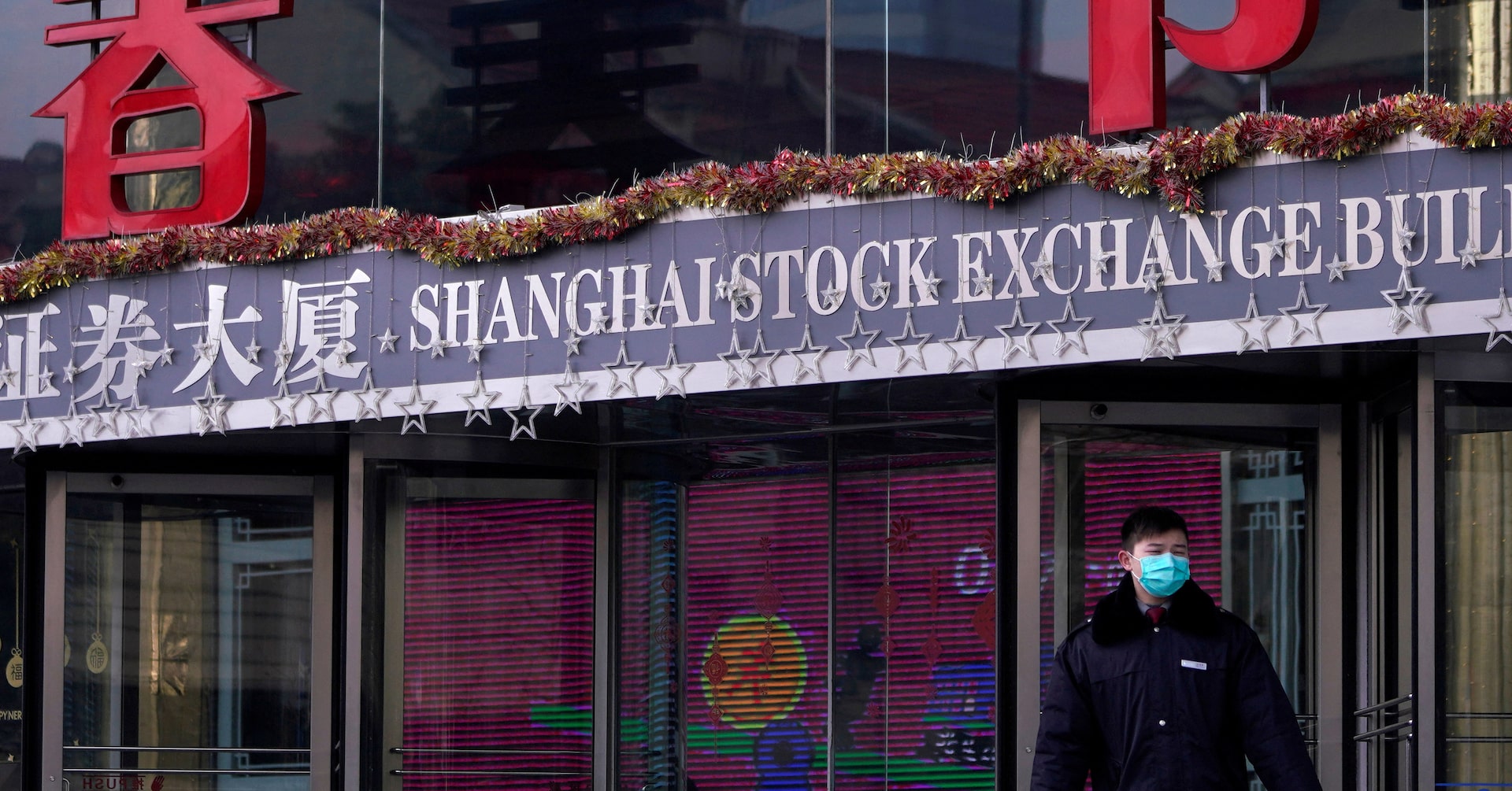
China’s $19 trillion stock market, once called uninvestable, lures foreigners again
Foreign investors are increasingly turning their attention back to China’s stock markets, marking a significant shift from their previous stance of labeling them as uninvestable. This renewed interest is driven by the burgeoning opportunities in technology, particularly in artificial intelligence (AI), semiconductors, and innovative pharmaceuticals. The U.S.-China tariff truce and a domestic monetary easing environment have further bolstered investor sentiment, leading to notable market rallies. Last week, the Shanghai Composite index reached a decade high, while Hong Kong stocks hit a four-year high.
-

TikTok lives: US, China in deal for app to keep operating in US
In a landmark agreement, TikTok will continue its operations in the United States under U.S.-controlled ownership, resolving a prolonged dispute between the U.S. and China. The deal, announced by President Donald Trump on Tuesday, mandates the transfer of TikTok’s American assets from its Chinese parent company, ByteDance, to a consortium of U.S. investors. ByteDance will retain a 19.9% stake, just below the 20% threshold, while the remaining 80% will be held by a group including existing shareholders like Susquehanna International Group, General Atlantic, and KKR, alongside new investors such as Andreessen Horowitz and Oracle. The U.S. entity will feature an American-dominated board, with one member designated by the U.S. government, ensuring national security safeguards. The deal, expected to close within 30 to 45 days, marks a significant step in easing tensions between the two economic giants. The White House extended the divestiture deadline to December 16, allowing ByteDance additional time to finalize the complex transaction. The agreement reflects a compromise that addresses both U.S. national security concerns and Chinese interests, potentially paving the way for smoother bilateral relations.
-

Singapore’s Carro raises $60 million to promote Japanese cars in Asia
Southeast Asia’s leading online used-car marketplace, Carro, has successfully raised $60 million in a recent funding round spearheaded by Japan’s sovereign wealth fund, Cool Japan Fund. Announced on Wednesday, the investment is earmarked for promoting Japanese vehicles, particularly plug-in hybrid electric models, across the Asia-Pacific region. Carro expressed confidence in its ability to significantly enhance the market presence of these vehicles in the area.
Carro, which operates in multiple markets including Singapore, Malaysia, Indonesia, Thailand, Japan, Taiwan, and Hong Kong, is also eyeing expansion into Australia. CEO Aaron Tan recently hinted at the company’s plans for a dual listing, with sources indicating a potential U.S. initial public offering (IPO) that could value the company at over $3 billion. This would mark the largest Southeast Asian listing in the U.S. since SEA’s $989.3 million debut in 2017 and the first major automotive tech and commerce startup from Singapore to go public in the United States.
Backed by prominent investors such as Temasek and SoftBank Group, Carro’s digital platform facilitates vehicle transactions between consumers and dealers, while also offering insurance, financing, and after-sales services. Cool Japan Fund, a government-backed private fund, aims to bolster Japan’s economy by increasing international demand for its products and services.
This strategic investment underscores Carro’s ambitious growth trajectory and its commitment to transforming the automotive market in the Asia-Pacific region.
-
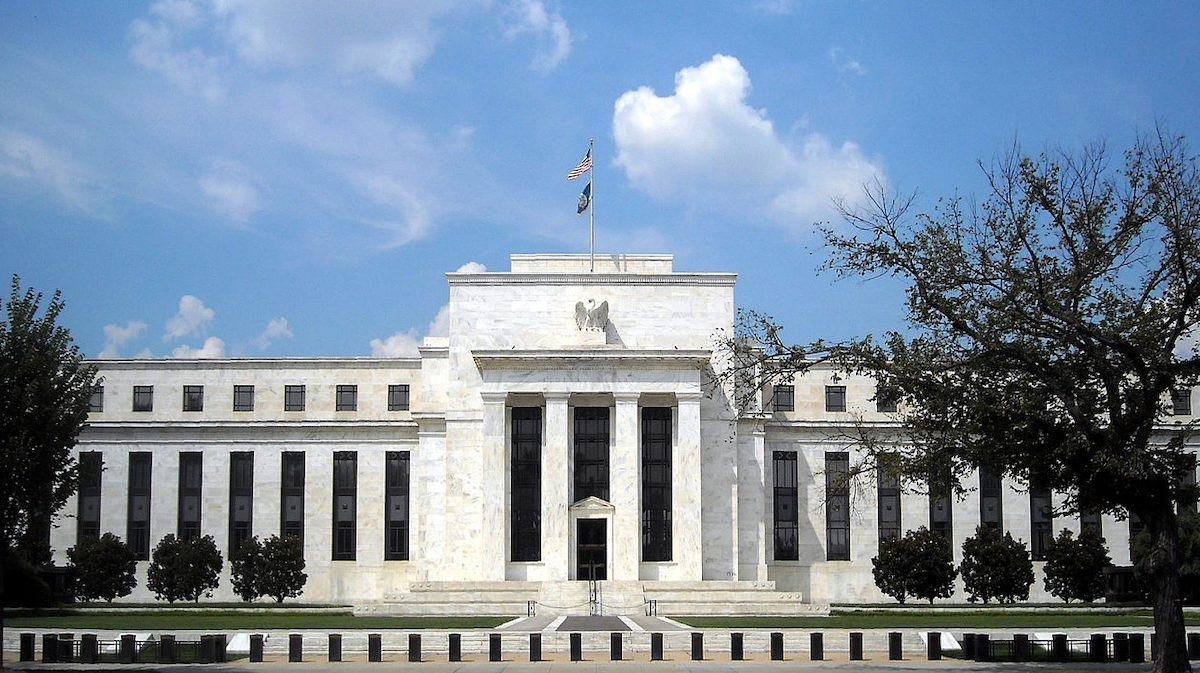
Fed’s expected rates cut could reshape global markets
The US labor market’s recent data reveals a structural weakening, compelling the Federal Reserve to consider initiating a cycle of interest rate cuts. This pivotal decision marks the end of the post-pandemic tightening era and holds significant implications for global markets, influencing gold prices, equity valuations, and global capital flows. The August 2025 employment report highlighted a mere 22,000 jobs added, with the unemployment rate rising to 4.3%, the highest in nearly four years. Wage growth has also declined, reflecting the lagged effects of the Fed’s tightening policies and ongoing trade tensions. Businesses, particularly in manufacturing and logistics, are scaling back hiring and investments, forcing the Fed to address the labor market’s weakness. The Fed, operating under a dual mandate of controlling inflation and maximizing employment, now faces a dilemma: prioritize economic growth despite inflation slightly above the 2% target. The decision to cut rates is a preemptive measure to avert a full-blown recession, drawing lessons from past crises like 2008. This shift from ‘fighting inflation’ to ‘preventing recession’ will reshape the investment landscape. Gold is expected to benefit significantly from lower interest rates, as reduced opportunity costs and a weaker US dollar enhance its appeal. Conversely, global equities face a complex scenario: while lower rates may boost stock prices in the short term, medium-term risks of declining corporate earnings could lead to a ‘bull trap.’ Emerging markets are likely to attract capital flows as US bond yields lose their appeal, potentially leading to currency appreciation and stock market booms. Three scenarios emerge for the Fed’s actions: a gradual cut leading to a soft landing, an emergency cut signaling panic, or a hawkish pause causing market shocks. This new era for investors emphasizes the need to reallocate portfolios towards assets benefiting from a weaker dollar and lower interest rates, such as gold, commodities, and select emerging markets. Complacency remains the greatest risk in this evolving economic landscape.
-
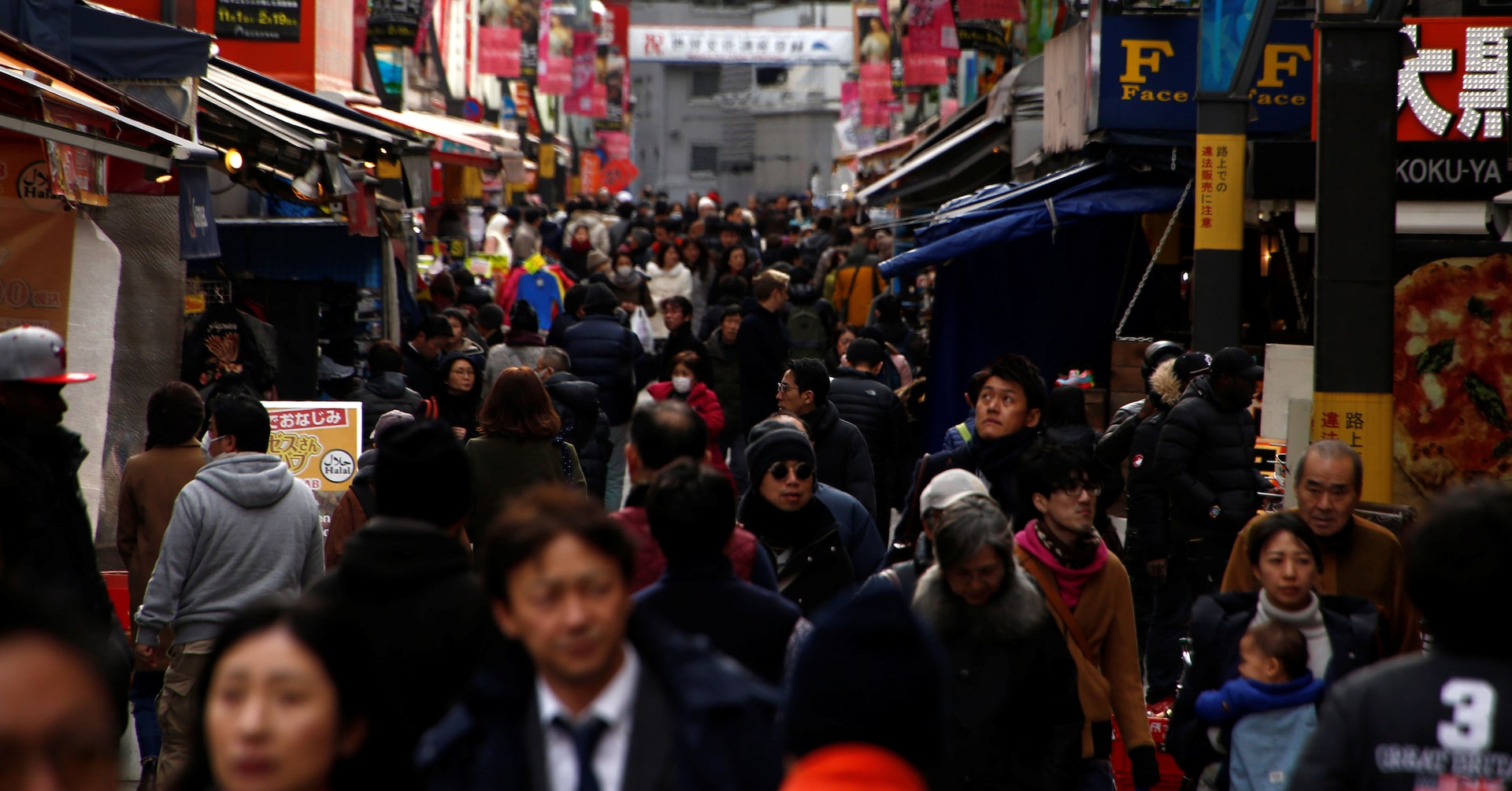
Japan Q2 output gap biggest since 2019 after GDP revision, Cabinet Office says
TOKYO, Sept 16 (Reuters) – Japan’s output gap for the April-June quarter of 2024 has been revised upward to 0.3%, the highest level since the July-September period of 2019, according to the Cabinet Office. This adjustment follows the release of updated gross domestic product (GDP) data, which provided a more accurate reflection of the nation’s economic performance. Previously, the output gap was estimated at 0.1% based on preliminary GDP figures released last month. This marks the first positive output gap reading since the April-June quarter of 2023, signaling a potential recovery in Japan’s economic activity. The output gap, which measures the difference between actual and potential economic output, is a key indicator of economic health and inflationary pressures. A positive gap suggests that demand is outpacing supply, which could lead to increased inflationary pressures. The revision underscores the resilience of Japan’s economy amid global uncertainties and highlights the importance of accurate data in shaping economic policy. Analysts are closely monitoring the trend to assess its implications for future monetary and fiscal decisions.
-
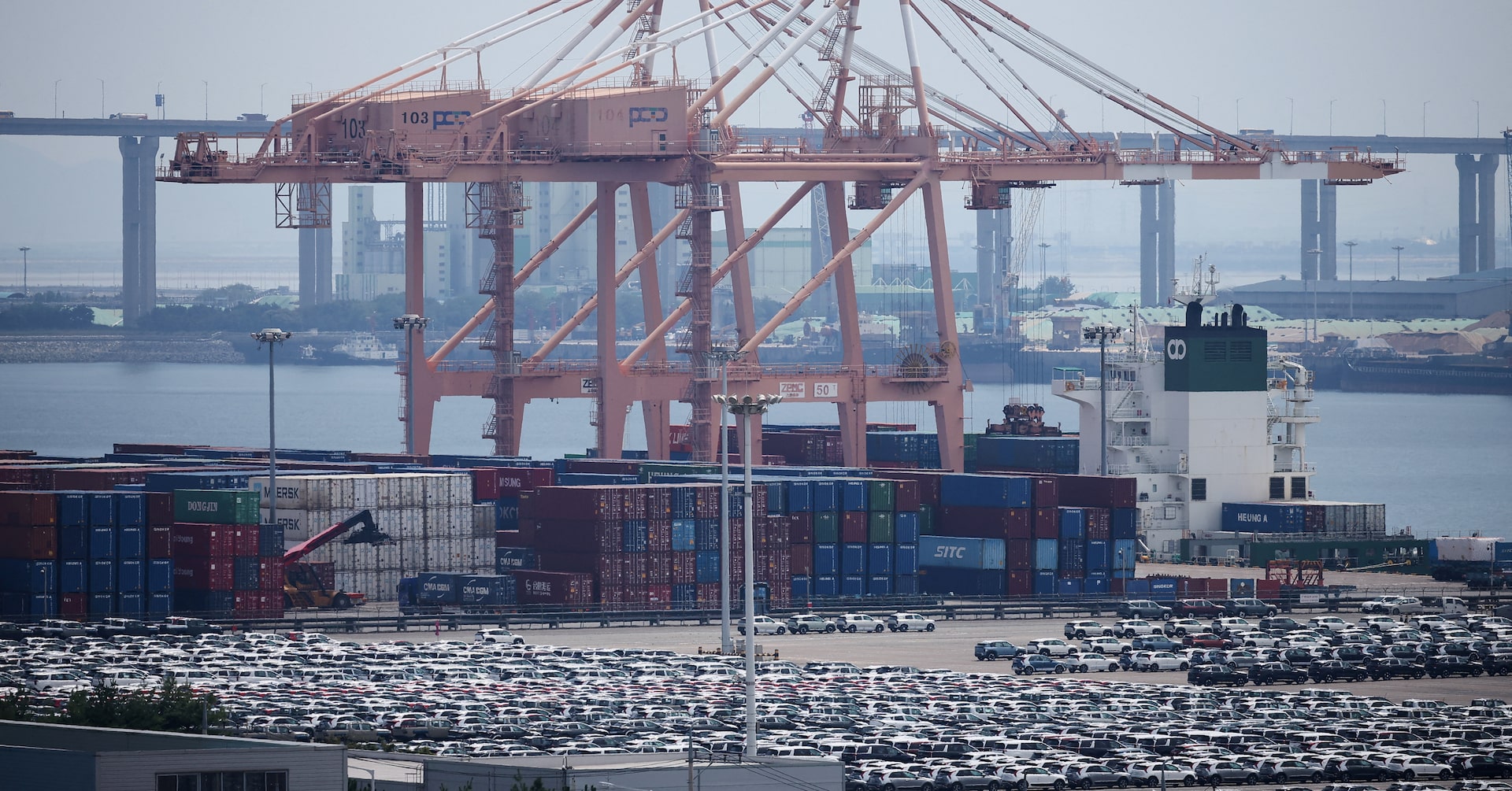
Explainer: Why South Korea cannot make the same US trade deal as Japan
Trade negotiations between South Korea and the United States have hit a roadblock due to concerns surrounding the foreign exchange implications of a $350 billion investment fund. The fund, part of an agreement reached with U.S. President Donald Trump in July, has sparked fears that the resulting dollar demand could overwhelm South Korea’s relatively small currency market, potentially destabilizing the won. South Korean officials have expressed reluctance to accept terms similar to those agreed upon by Japan, which finalized a $550 billion investment package earlier this month. Tokyo’s deal requires transferring funds within 45 days of project selection and evenly splitting free cash flows until an allocated amount is reached, after which 90% of proceeds go to the U.S. U.S. Commerce Secretary Howard Lutnick emphasized that Seoul must either accept the same terms or face tariffs, leaving no room for negotiation. South Korea’s currency market, which remains tightly controlled since the 1997 financial crisis, is significantly smaller than Japan’s, with the won accounting for just 2% of global currency trade compared to the yen’s 17%. Market participants warn that the $40 billion annual demand from the state pension fund for overseas investments already strains the won, and the new package could add $100 billion annually from 2026 to 2028. Amid these challenges, South Korea is exploring the possibility of a bilateral currency swap line with the U.S. to mitigate potential foreign exchange pressures. Finance Minister Koo Yoon-cheol hinted at an upcoming announcement on foreign currency measures, while Presidential Policy Secretary Kim Yong-beom highlighted the yen’s international status and Japan’s unlimited swap line as advantages Seoul lacks. The U.S. Federal Reserve has previously established temporary swap lines with South Korea, including a $60 billion arrangement during the COVID-19 pandemic, which expired in December 2021. A renewed swap line could provide South Korea with much-needed stability as it navigates these complex trade negotiations.
-
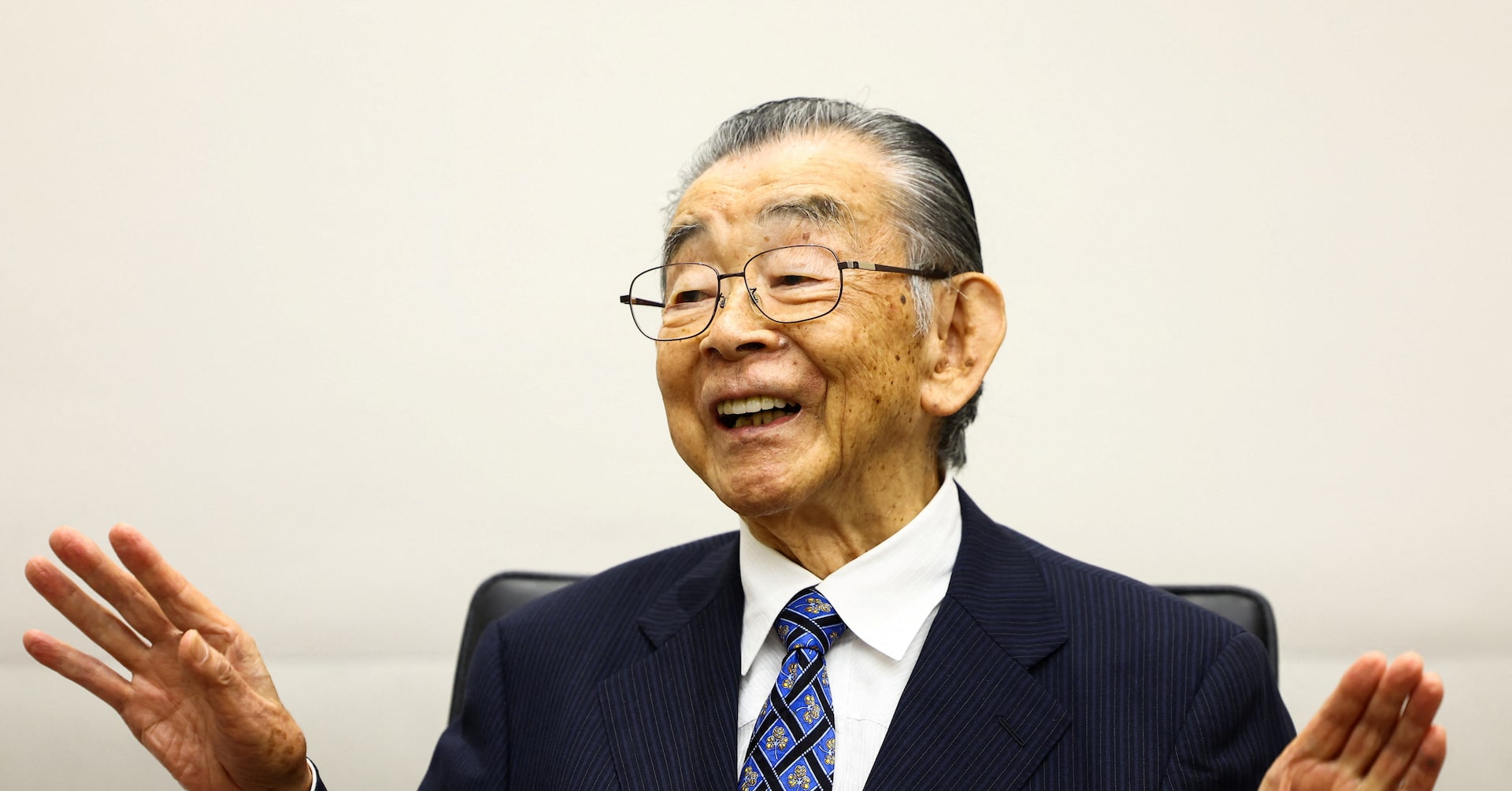
BOJ should watch out inflation risks from weak yen, ex-Japan FX diplomat says
In a recent interview with Reuters in Tokyo, Toyoo Gyoten, Japan’s former vice minister of finance for international affairs, highlighted the risks posed by Japan’s ultra-low interest rates and the prolonged weakness of the yen. At 94, Gyoten, who played a pivotal role in the 1985 Plaza Accord, emphasized that the Bank of Japan (BOJ) must remain vigilant about the potential acceleration of inflation driven by higher import costs due to the yen’s depreciation. ‘Japan’s interest rates have been excessively low, and this is undeniably contributing to the yen’s weakness,’ Gyoten stated. He urged the BOJ to consider the broader economic implications of this situation. The BOJ ended its decade-long stimulus program last year and raised short-term rates to 0.5% in January, aiming to sustainably achieve its 2% inflation target. However, consumer inflation has consistently exceeded this target for over three years. BOJ Governor Kazuo Ueda has adopted a cautious approach to rate hikes, citing uncertainties surrounding U.S. tariffs on Japan’s economy. The yen hit a 38-year low of 161 per dollar last year and has remained weak, currently trading around 147 per dollar. Gyoten, now an honorary advisor to Mitsubishi UFJ Financial Group, suggested that Japan could correct the yen’s weakness by gradually tightening monetary policy, thereby narrowing the interest rate gap with the United States. Reflecting on the 1985 Plaza Accord, Gyoten noted that Japan’s response to the yen’s appreciation at the time—massive monetary easing—fueled asset bubbles that later burst, leaving lasting economic scars. He argued that Japan should have embraced a stronger yen as an opportunity to reduce its reliance on exports and transition to a new growth model. Gyoten also observed a shift in sentiment among export-oriented industries, which now recognize the importance of considering the impact of a weak yen on ordinary consumers facing rising living costs.