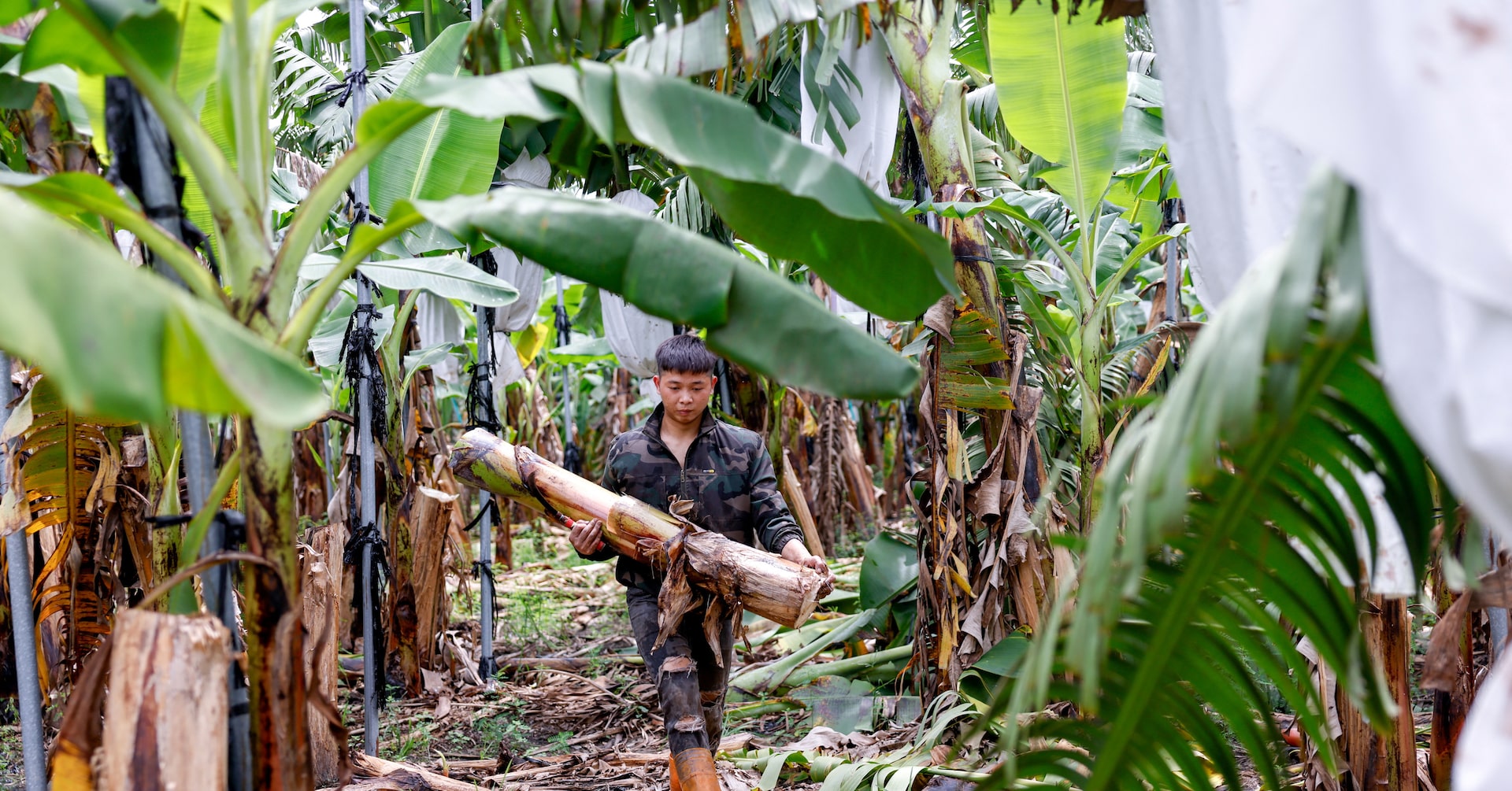
In a groundbreaking move towards sustainability, entrepreneur Nelson Yang is transforming banana plants into eco-friendly textiles in Taiwan. Based in Changhua, Yang’s company, Farm to Material, is utilizing the pseudostem of banana plants—typically discarded after harvest—to create fibres for clothing and vegan leather. This innovative approach not only repurposes agricultural waste but also aligns with global demands for sustainable sourcing. Historically, Taiwan was known as the ‘banana kingdom’ during the 1960s, a title that has since been overshadowed by its dominance in the semiconductor industry. Yang’s initiative revives this legacy by turning banana fibre into a viable textile material. According to Charlotte Chiang of the Taiwan Textile Federation, banana fibre outperforms cotton in water consumption, absorbency, and supply stability, making it a promising candidate for future applications in the textile industry. While the business is still in its early stages, it holds significant potential to position Taiwan as a leader in biomass fibre innovation.
分类: business
-
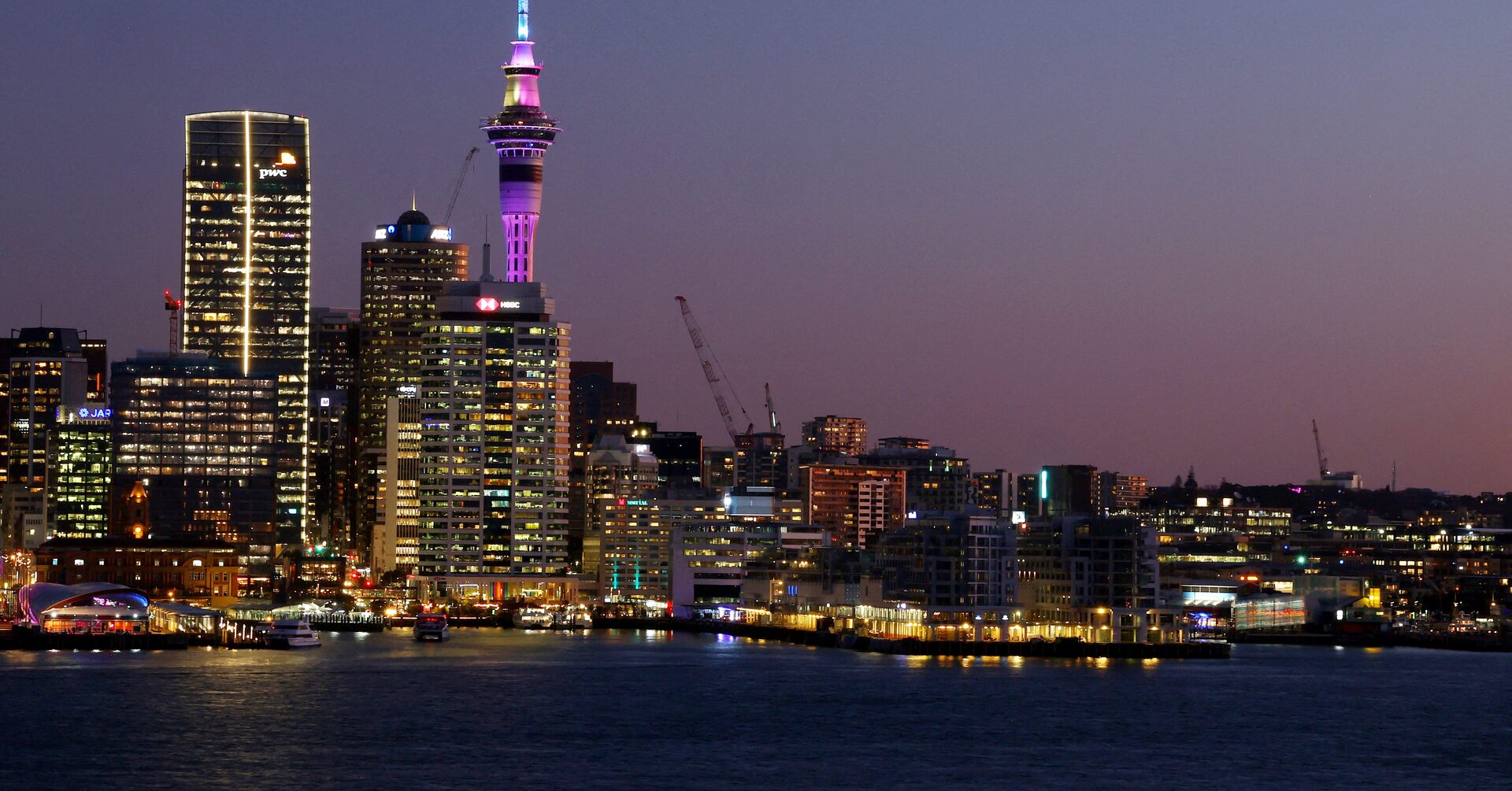
New Zealand economy contracts sharply, fuelling bets of steeper rate cuts
New Zealand’s economy experienced a more severe contraction than anticipated in the second quarter of 2023, driven by declining construction activity and global economic uncertainties. Official data released on Thursday revealed a 0.9% quarterly drop in gross domestic product (GDP), significantly worse than the 0.3% decline forecasted by analysts and the Reserve Bank of New Zealand (RBNZ). This marks the third contraction in the past five quarters, with annual GDP falling by 0.6%, contrary to market expectations of stability. Following the disappointing data, the New Zealand dollar fell 0.5% to $0.5932, while two-year swap rates hit their lowest level since early 2022, sliding to 2.7290%. The market now anticipates a 58 basis point reduction in the official cash rate (OCR), with a 20% probability of a 50 basis point cut in October. The RBNZ had previously signaled two additional rate cuts this year, citing constrained household and business spending due to economic uncertainty, declining employment, rising essential prices, and falling house prices. Westpac senior economist Michael Gordon noted that the weaker-than-expected GDP outcome reinforces the RBNZ’s inclination to lower rates further. The economic downturn was widespread, with construction, manufacturing, and services sectors all underperforming. The situation was exacerbated by U.S. import tariffs imposed in April, set at 15% for New Zealand products, higher than the 10% rate for Australian goods. Despite the challenges, there are signs of a modest recovery in the third quarter, with improvements in manufacturing, services, employment, and consumer spending. ANZ Senior Economist Matthew Galt suggested that while the economy may avoid another technical recession, a 50 basis point rate cut remains a possibility if data continues to underwhelm.
-
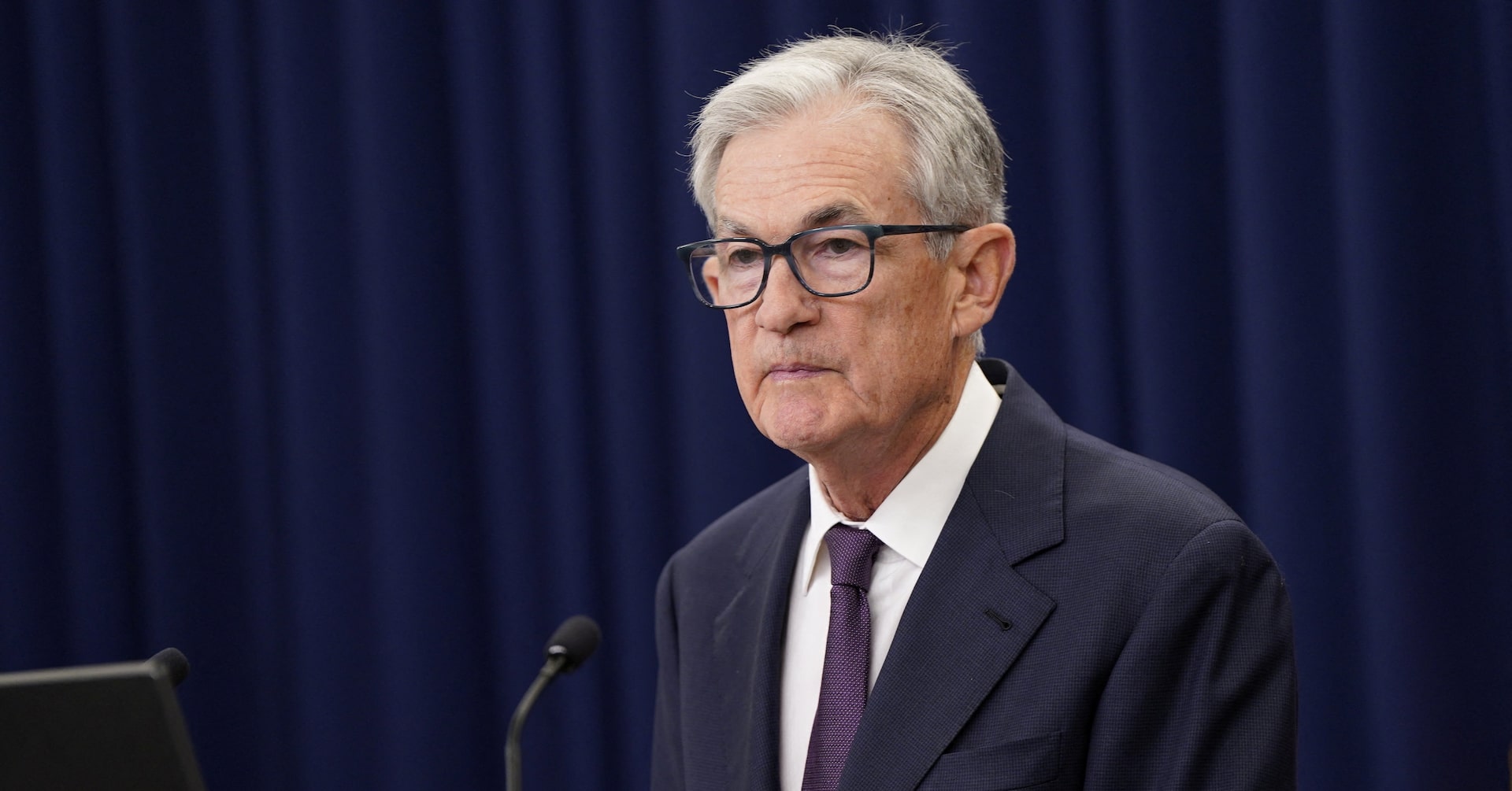
Fed lowers interest rates, signals more cuts ahead; Miran dissents
In a significant move to address growing labor market vulnerabilities, the Federal Reserve announced a quarter-percentage-point reduction in its benchmark interest rate on September 17, 2025. This marks the first rate cut since December and signals potential further reductions in the coming months. The decision, which lowers the rate to a range of 4.00%-4.25%, reflects heightened concerns over rising unemployment, particularly among minority groups and younger workers, as well as a declining average workweek and sluggish payroll growth. Fed Chair Jerome Powell emphasized that the softening job market has become a top priority for policymakers, stating, ‘We don’t need it to soften anymore.’ The Fed’s projections indicate two additional rate cuts before the end of the year, though the decision fell short of the more aggressive half-percentage-point cut advocated by newly appointed Fed Governor Stephen Miran, who cast the sole dissenting vote. Miran’s year-end rate projection suggests he supports further significant reductions, potentially bringing the policy rate below 3%. The decision comes amid political tensions, with President Donald Trump’s attempts to influence the Fed through criticism and personnel changes, including an unsuccessful effort to remove Governor Lisa Cook. Despite these pressures, the Fed maintained its independence, with Powell asserting that decisions are driven by data rather than external influences. While inflation remains above the Fed’s 2% target, policymakers prioritized employment risks, reflecting a shift in focus from price stability to labor market health. The announcement briefly buoyed stock markets, though they later closed mixed, while the dollar strengthened modestly. Treasury yields remained stable, and rate futures markets indicated a high probability of another cut at the Fed’s October meeting.
-
Peru president signs contract allowing Chevron, Westlawn entry
In a significant move for Peru’s energy sector, President Dina Boluarte announced the formalization of a modified hydrocarbon exploration and exploitation contract on Wednesday, September 17, 2025. The agreement paves the way for U.S. energy giants Chevron and Westlawn to enter the Peruvian market through a consortium operated by Anadarko, a subsidiary of Occidental Petroleum. The consortium will focus on three offshore blocks—Z-61, Z-62, and Z-63—located in Peru’s northern La Libertad region. President Boluarte emphasized that Chevron’s involvement, as the world’s third-largest oil company, underscores Peru’s reputation as a reliable and stable destination for large-scale investments. She expressed optimism that successful exploration could lead to an energy renaissance, fueling decades of economic growth. The consortium’s ownership structure allocates 35% stakes to Chevron and Anadarko, with Westlawn holding the remaining 30%. The initial phase of exploration is backed by a $100 million investment, as previously announced by the government. The contract amendment was signed by executives from the three companies and Perupetro, Peru’s state regulator. Pedro Romero, Occidental Petroleum’s vice president of international exploration, hailed the project as the culmination of years of preparation and the start of a promising new chapter in Peru’s energy landscape.
-
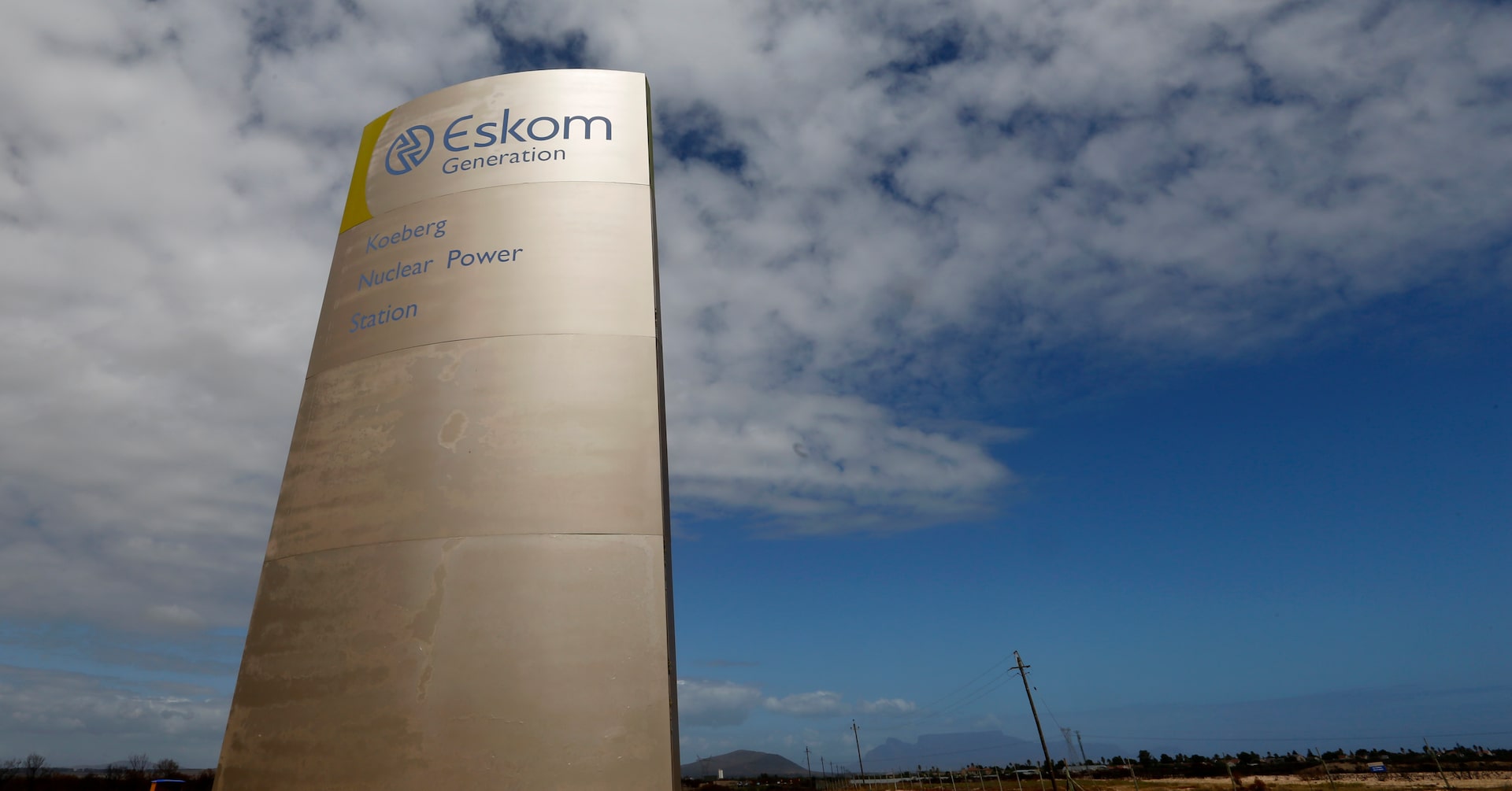
South African court annuls permit for Eskom to build new gas power plant
In a landmark decision, South Africa’s Supreme Court of Appeal has nullified a government permit granted to state utility Eskom for the construction of a 3,000-megawatt natural gas power plant in Richards Bay. The court ruled that the project lacked proper public consultation, rendering the authorization invalid. This ruling mandates Eskom to reapply for the permit after conducting the necessary public participation processes. The proposed plant, part of the government’s strategy to address chronic electricity shortages and reduce reliance on coal, has faced significant opposition from environmental groups. These groups argue that Eskom’s operations have historically caused environmental injustices and pollution in nearby communities. The judgment aligns with previous rulings against energy companies that failed to engage affected communities adequately. Richards Bay, the site of the planned plant, is also set to host South Africa’s first liquefied natural gas import terminal. Environmental advocates have welcomed the court’s decision, emphasizing the need for accountability and sustainable development. Eskom and the Department of Forestry, Fisheries, and the Environment have yet to comment on the ruling.
-

Boeing, Honeywell sued by Air India crash victim families
In a tragic incident that shook the aviation world, Air India Flight 171, bound for London’s Gatwick Airport, crashed shortly after takeoff from Ahmedabad, India, on June 12, 2025. The disaster claimed the lives of 260 people, including 229 passengers, 12 crew members, and 19 individuals on the ground. Only one passenger survived. The families of four victims have now filed a lawsuit against Boeing and Honeywell, alleging that faulty fuel cutoff switches were responsible for the crash. The lawsuit, filed in Delaware Superior Court, claims that the switches, manufactured by Honeywell, were defectively designed and positioned in a manner that made them susceptible to accidental activation during normal cockpit operations. The plaintiffs cite a 2018 Federal Aviation Administration (FAA) advisory that recommended inspections of the switches’ locking mechanisms to prevent inadvertent movement. However, Air India reportedly did not conduct these inspections. The preliminary investigation by India’s Aircraft Accident Investigation Bureau (AAIB) found that the throttle control module, which includes the fuel switches, had been replaced in 2019 and 2023 on the ill-fated aircraft. The report also noted that all applicable airworthiness directives and alert service bulletins had been complied with. Despite this, the lawsuit argues that the switches’ design and placement ‘effectively guaranteed that normal cockpit activity could result in inadvertent fuel cutoff.’ Aviation safety experts, however, have expressed skepticism, stating that the switches’ location and design make accidental activation unlikely. Boeing has declined to comment, and Honeywell has not yet responded to requests for comment. The lawsuit seeks unspecified damages for the deaths of Kantaben Dhirubhai Paghadal, Naavya Chirag Paghadal, Kuberbhai Patel, and Babiben Patel. Legal experts suggest that targeting manufacturers like Boeing and Honeywell is a strategic move, as they do not enjoy the same liability limits as airlines. Additionally, U.S. courts are perceived as more favorable to plaintiffs compared to many foreign jurisdictions. This case marks the first lawsuit in the United States related to the Air India Flight 171 crash.
-

Air India crash victims’ families sue aerospace firms Boeing and Honeywell
The families of four victims from the tragic Air India Flight 171 crash in June have initiated legal action in the United States against aerospace giants Boeing and Honeywell. The lawsuit, filed on Tuesday, alleges that negligence on the part of these companies led to the catastrophic incident, which claimed the lives of 260 people. The plaintiffs argue that faulty fuel switches, a critical component of the Boeing 787 Dreamliner, were the primary cause of the crash. According to the lawsuit, both Boeing and Honeywell were aware of the design risks but failed to take corrective measures. The preliminary investigation by India’s Aircraft Accident Investigation Bureau (AAIB) revealed that the fuel switch was inadvertently moved from the ‘run’ to the ‘cut-off’ position, resulting in a sudden loss of thrust. The families claim that this design flaw allowed for the accidental cutoff of fuel supply, leading to the disaster. The lawsuit also accuses the companies of not issuing adequate warnings or providing replacement parts to address the issue. Represented by the Texas-based Lanier Law Firm, the families are seeking accountability for what they describe as a preventable tragedy. A more comprehensive report on the crash is expected in 2026.
-
Groups that have bid for TikTok or expressed interest
In a significant development amidst ongoing U.S.-China trade tensions, President Donald Trump announced a landmark agreement on Tuesday that allows TikTok to continue its operations in the United States. This breakthrough comes after months of negotiations aimed at de-escalating a trade war that has rattled global markets. The deal, reminiscent of earlier discussions this year, mandates the transfer of TikTok’s American assets from China’s ByteDance to U.S. owners, potentially concluding a year-long saga.
President Trump highlighted the interest of several major companies in acquiring TikTok, extending the deadline for the sale or shutdown of the app to December 16. TikTok, boasting approximately 170 million American users, has drawn attention from various potential buyers. The new agreement stipulates that ByteDance will retain a 19.9% stake, just below the 20% threshold, while a consortium including current shareholders Susquehanna International Group, General Atlantic, and KKR will hold the remaining 80%. New investors such as Andreessen Horowitz and Oracle are also expected to participate.
Oracle, with a market value exceeding $871 billion, plays a pivotal role in TikTok’s U.S. operations, providing essential cloud computing services and managing servers hosting American user data. Additionally, investment firm Silver Lake is set to invest under the new deal. Meanwhile, tech giant Amazon, valued at over $2.5 trillion, made a last-minute offer to acquire TikTok’s assets outside of China.
Other notable bids include a late-stage proposal from Tim Stokely, founder of OnlyFans, in partnership with the Hbar Foundation, and a $30 billion all-cash offer from a group led by tech entrepreneur Jesse Tinsley, featuring YouTube personality MrBeast. AI-powered search engine startup Perplexity AI has also proposed acquiring TikTok’s U.S. operations, with plans for the U.S. government to own up to 50% of the new entity upon a future IPO.
Entrepreneur Frank McCourt, with the support of Reddit co-founder Alexis Ohanian, has launched ‘The People’s Bid,’ aiming to acquire TikTok’s U.S. operations and run the app on technology that empowers users to control their data. Microsoft, previously a top bidder in 2020, remains a potential contender, with President Trump expressing a desire for a competitive bidding process.
This agreement marks a critical juncture in the U.S.-China trade relationship, addressing national security concerns while ensuring the continuity of a widely-used social media platform in America.
-
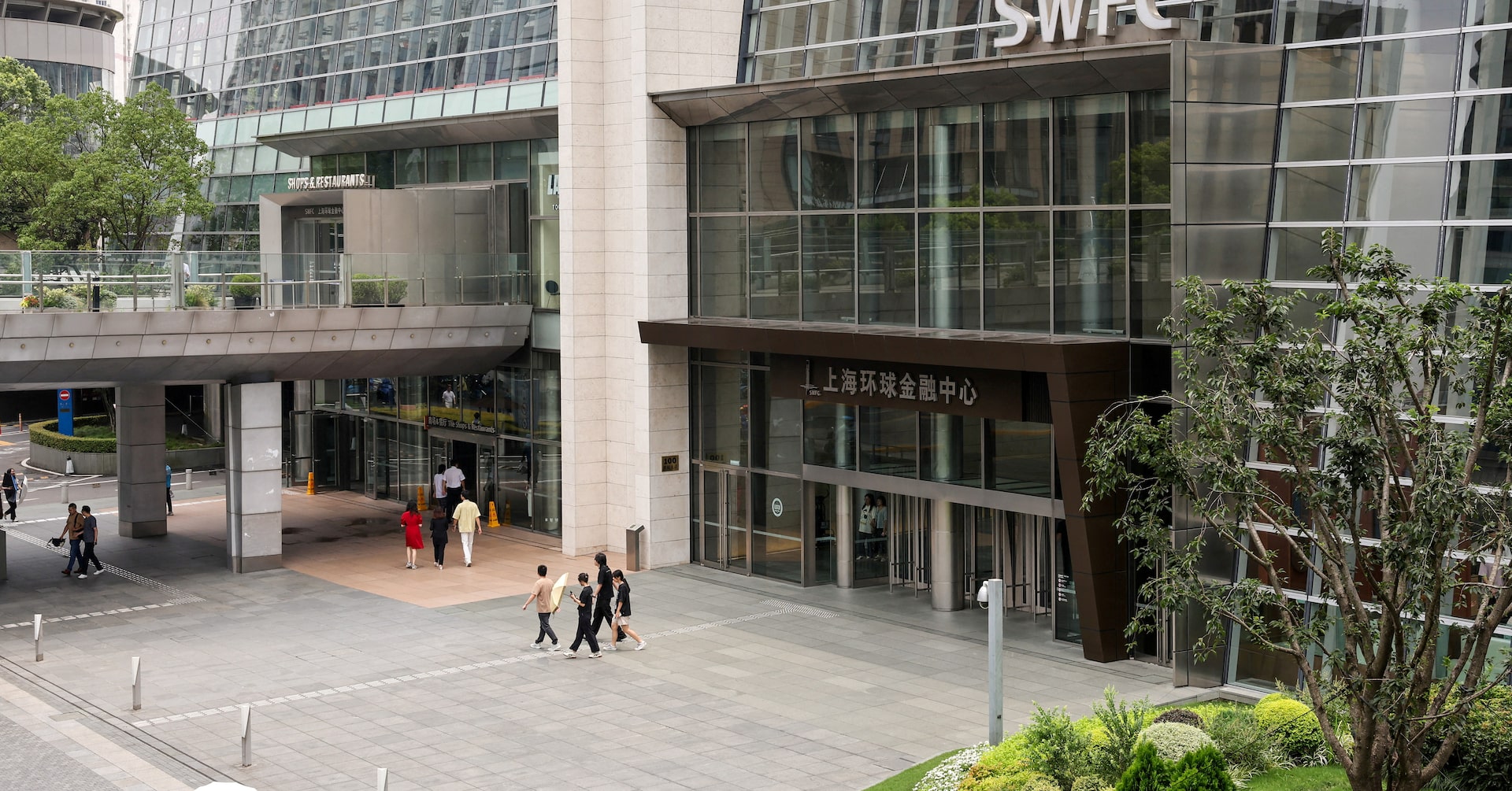
US wins release of Wells Fargo banker barred from leaving China, sources say
Chenyue Mao, a senior executive at Wells Fargo, has been permitted to leave China after months of being barred from exiting the country. The lifting of the exit ban follows high-level negotiations between U.S. and Chinese officials, marking a significant development in the ongoing efforts to ease tensions between the two economic powerhouses. Mao, who leads Wells Fargo’s international factoring and cross-border strategies, has already returned to the United States, according to sources familiar with the matter. The resolution of Mao’s case coincides with a broader agreement reached in Madrid, where the U.S. and China agreed to transfer ownership of TikTok to U.S.-controlled entities, a move aimed at de-escalating the trade war that has rattled global markets. The Chinese Foreign Ministry had previously cited Mao’s involvement in a criminal investigation as the reason for the exit ban, emphasizing that the decision was made in accordance with Chinese law. Wells Fargo, the White House, and the U.S. Embassy in Beijing have not commented on the matter. The U.S. State Department reiterated its commitment to the safety and security of American citizens but provided no further details. Mao’s case has reignited concerns among foreign businesses about the risks of operating in China, where several executives have faced similar restrictions in recent years. Wells Fargo’s presence in China is notably smaller than that of its Wall Street peers, with its Shanghai and Beijing branches employing around 63 staff as of 2024. The bank had suspended all travel to China following Mao’s exit ban, a policy that remains in effect. Other major banks, however, have continued their operations in the country without interruption. The U.S.-China Business Council, representing 270 American companies, recently concluded a visit to Beijing to strengthen bilateral commercial ties, underscoring the complex dynamics of U.S.-China relations.
-
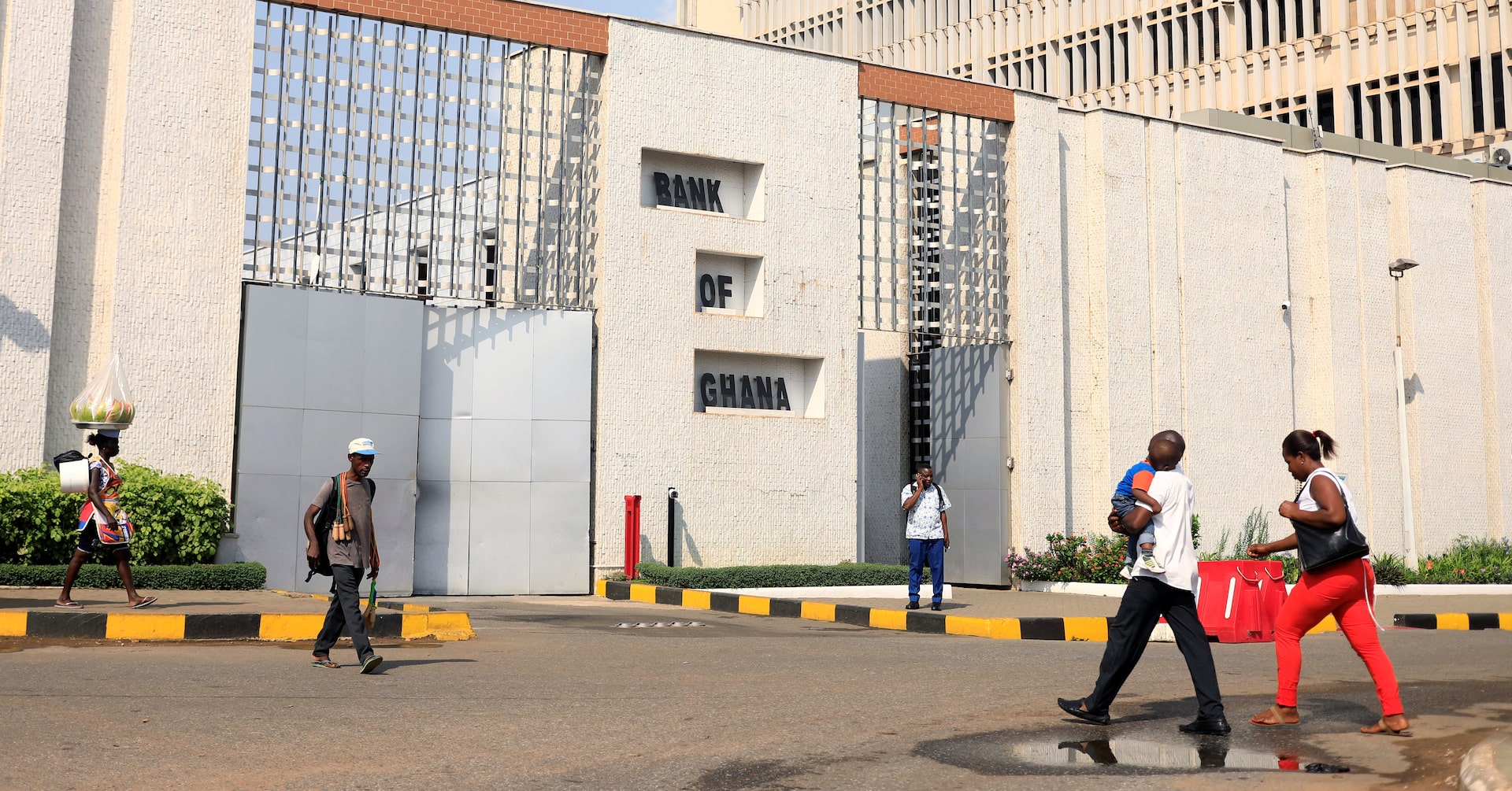
Ghana central bank delivers another larger-than-expected rate cut
In a bold move signaling confidence in Ghana’s economic recovery, the Bank of Ghana announced a record-breaking interest rate cut of 350 basis points on Wednesday, reducing its main rate to 21.5%. This decision marks the second consecutive aggressive rate reduction, following a 300 basis point cut in July, bringing the cumulative reduction to 650 basis points over two meetings. The central bank’s decision reflects a sustained decline in inflation and an improving macroeconomic outlook in the West African nation, renowned for its gold and cocoa production. Economists had anticipated a more modest cut of 200 basis points, but the Monetary Policy Committee (MPC) opted for a more substantial reduction, citing favorable economic conditions. Leslie Dwight Mensah, an economist at the Institute for Fiscal Studies, praised the move, stating, ‘The MPC has been emboldened by the expectation that inflation will soon reach the target range of 8-10%. This is a positive development for the economy, particularly the real economy sector.’ Bank of Ghana Governor Johnson Asiama highlighted the nation’s robust economic growth, with GDP expanding by 6.3% year-on-year in the second quarter of 2025, up from a revised 5.7% in the same period last year. The services sector showed particularly strong improvement. Inflation has also been on a steady decline, dropping for the eighth consecutive month to 11.5% in August, the lowest since October 2021. Asiama expressed optimism that inflation would continue to ease, projecting it to fall within the bank’s target range of 8% (±2%) by the end of the fourth quarter. This rate cut is expected to stimulate economic activity, particularly in sectors sensitive to borrowing costs, further solidifying Ghana’s recovery trajectory.