
In a significant development, China has decided to terminate its antitrust investigation into Google, signaling a strategic shift in its regulatory approach amid ongoing trade negotiations with the United States. The Financial Times reported on Thursday that this move reflects Beijing’s tactical redirection of focus towards Nvidia, leveraging regulatory scrutiny as a bargaining chip in bilateral talks. The decision to drop the probe into Google also conveys a message of flexibility to Washington, as tensions between the two nations continue to escalate. The investigation, initiated by China’s State Administration for Market Regulation in February, alleged that Google had violated the country’s anti-monopoly law, though specific details of the allegations were not disclosed. Google has not yet been formally notified of the decision to end the probe, and the company declined to comment on the matter. This development comes shortly after China accused Nvidia of similar antitrust violations, intensifying regulatory pressure on U.S. firms. The U.S.-China trade relationship has been strained over the past six months, with both sides imposing tariffs and engaging in disputes over platforms like TikTok. China’s recent actions, including the antitrust probes, underscore its increasing regulatory scrutiny of American companies operating within its borders.
分类: business
-
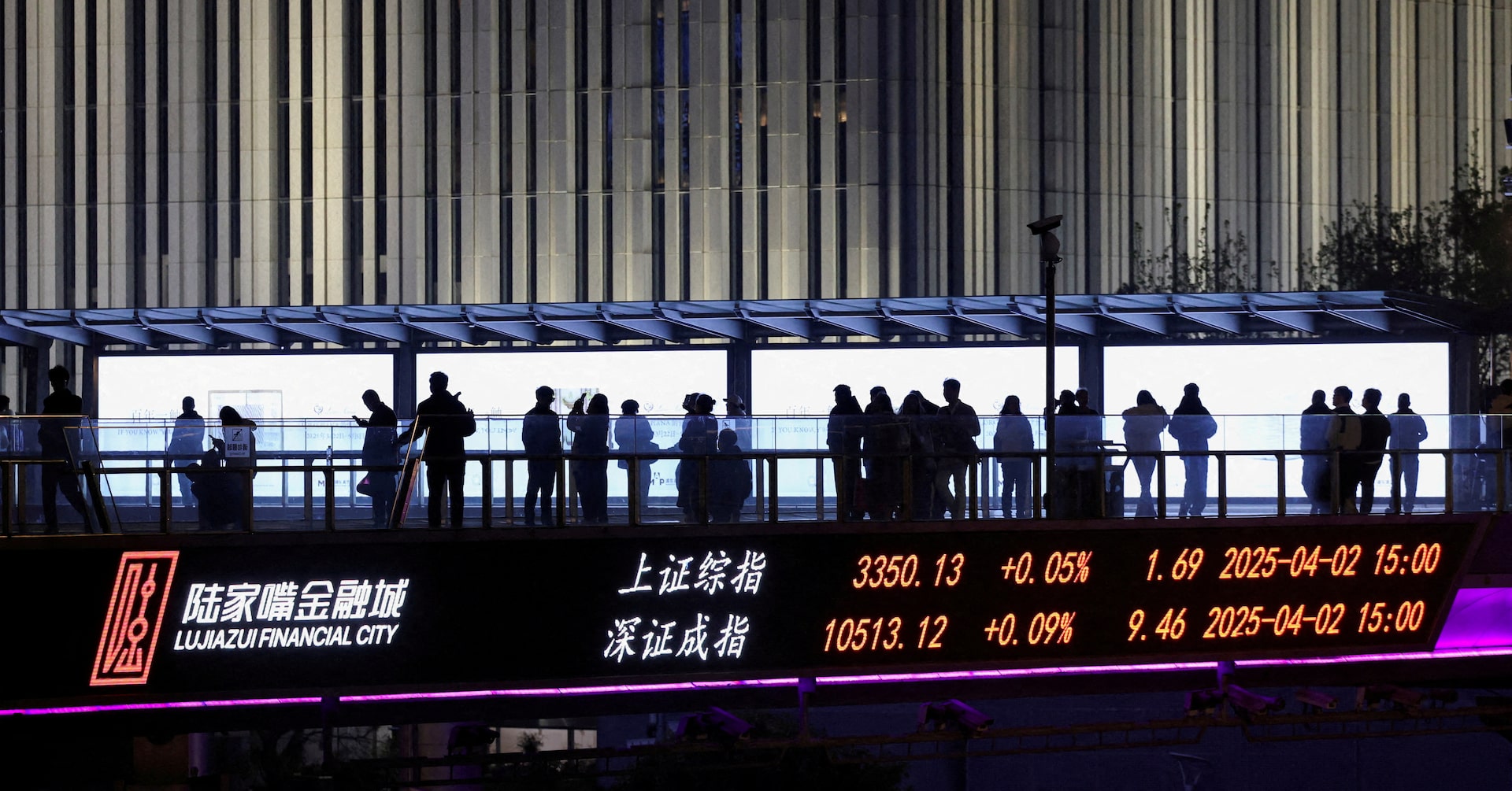
Foreigners snap up Asian bonds in August after two-month hiatus
In August, Asian bonds experienced their first monthly foreign inflow in three months, driven by expectations of U.S. Federal Reserve rate cuts aimed at supporting a cooling labor market. This development has heightened demand for higher-yielding emerging markets. According to data from regulatory authorities and bond market associations in India, Indonesia, Thailand, Malaysia, and South Korea, non-native investors purchased Asian bonds worth a net $311 million last month, marking the first monthly net purchase since May. The Fed reduced interest rates for the first time since December, citing increasing risks to the labor market and signaling further rate reductions as unemployment rises, work hours shrink, and other signs of economic weakness emerge. Khoon Goh, head of Asia research at ANZ, anticipates a cumulative rate cut of 125 basis points, bringing the Fed funds rate to 3.25% by March 2026. Goh also noted that a more accommodative U.S. monetary policy stance should bolster currencies and asset markets in Asia, excluding China. Last month, investors bought Indian bonds worth $773 million and Malaysian debt instruments worth $721 million, ending a two-month selling trend in both markets. However, South Korean, Indonesian, and Thai bonds saw foreign outflows of $447 million, $400 million, and $337 million, respectively.
-
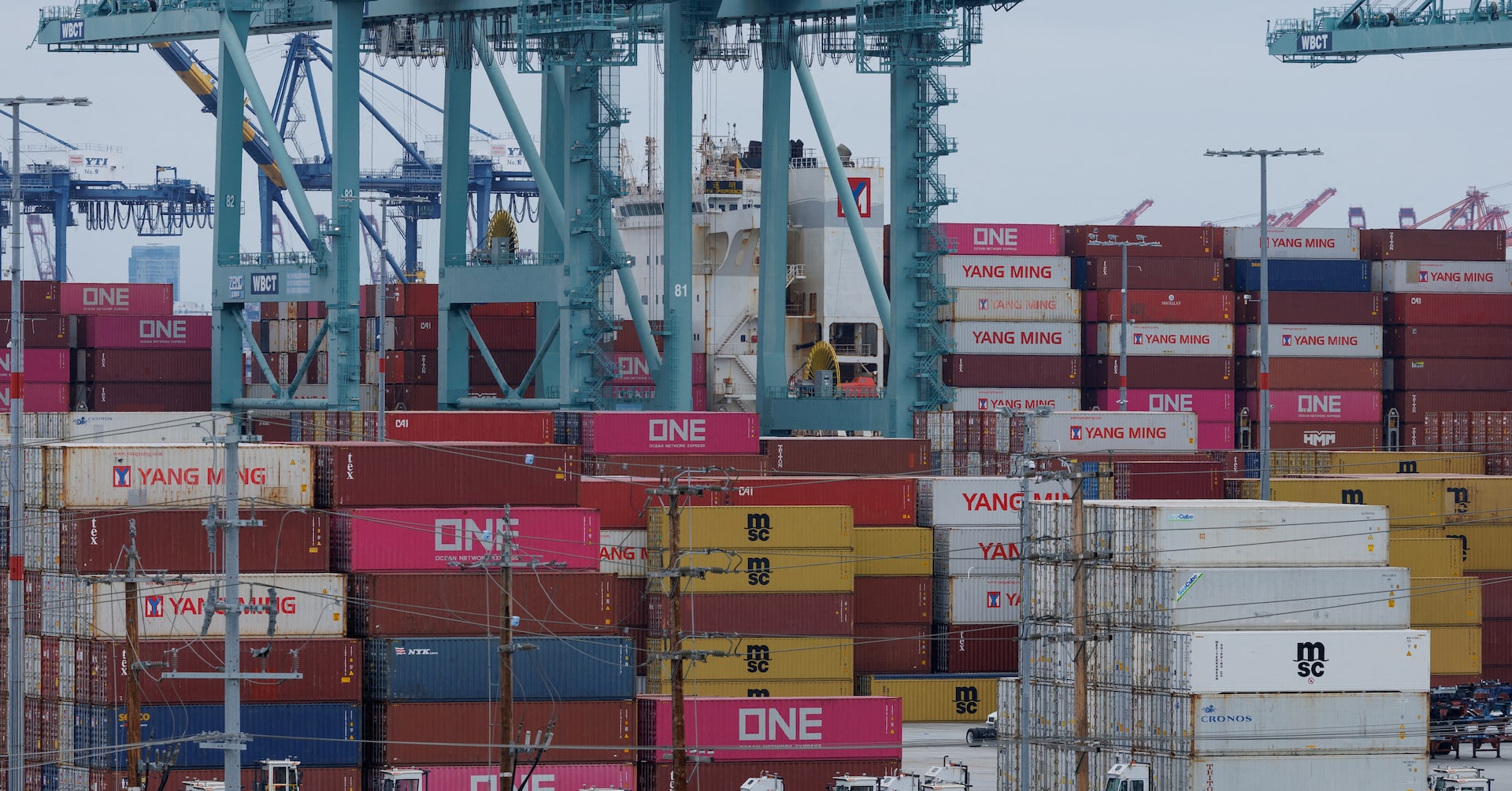
US import dependence on EU on the rise, outpacing China, study finds
A recent study by Germany’s IW economic institute reveals a significant shift in the United States’ import dependency, with the European Union now surpassing China in both the total value and variety of goods imported. Over the past 15 years, the U.S. reliance on EU imports has grown substantially, with the number of product categories where at least 50% of imports originate from the EU increasing from over 2,600 in 2010 to more than 3,100 in 2023. The total import value of these goods, including chemical products, electrical machinery, and equipment, reached $287 billion last year, nearly 2.5 times higher than in 2010. In contrast, China accounted for 2,925 product categories with a total value of $247 billion in the same period. The study suggests that this growing dependence could provide the EU with strategic leverage in future tariff negotiations. EU Commission President Ursula von der Leyen may have had a stronger position in recent talks, which resulted in a baseline tariff rate of 15% on most EU goods. The report also highlights that many EU products are difficult to replace in the short term, a factor that could be pivotal if trade tensions escalate. As a last resort, the EU could consider export restrictions on goods critical to the U.S. economy. Co-author Samina Sultan emphasized that while trade data alone cannot fully capture the importance of these goods, the study underscores the potential risks for the U.S. if it continues to raise tariffs, effectively ‘shooting itself in the foot.’
-

Hong Kong central bank cuts interest rate, tracking Fed; banks follow
On September 18, 2023, the Hong Kong Monetary Authority (HKMA) announced a reduction in its base interest rate by 25 basis points to 4.50%, aligning with the U.S. Federal Reserve’s recent decision. This marks the first rate cut by the HKMA since December 2022, when it last lowered rates by a similar margin. The adjustment, implemented through the overnight discount window, aims to maintain economic stability in Hong Kong, whose currency is pegged to the U.S. dollar within a narrow range of 7.75-7.85 per dollar. Major banks in Hong Kong, including HSBC and Bank of China (Hong Kong), partially followed suit, reducing their prime lending rates to 5.125% effective September 19. HSBC’s Hong Kong CEO, Luanne Lim, emphasized that the decision reflects both the U.S. rate cut and local market conditions, while HKMA Chief Executive Eddie Yue highlighted the potential positive impact on the city’s property market and broader economy. The Federal Reserve’s recent quarter-point rate cut and its indication of further reductions this year have influenced Hong Kong’s monetary policy, though Yue cautioned that the pace and extent of future U.S. rate cuts remain uncertain.
-
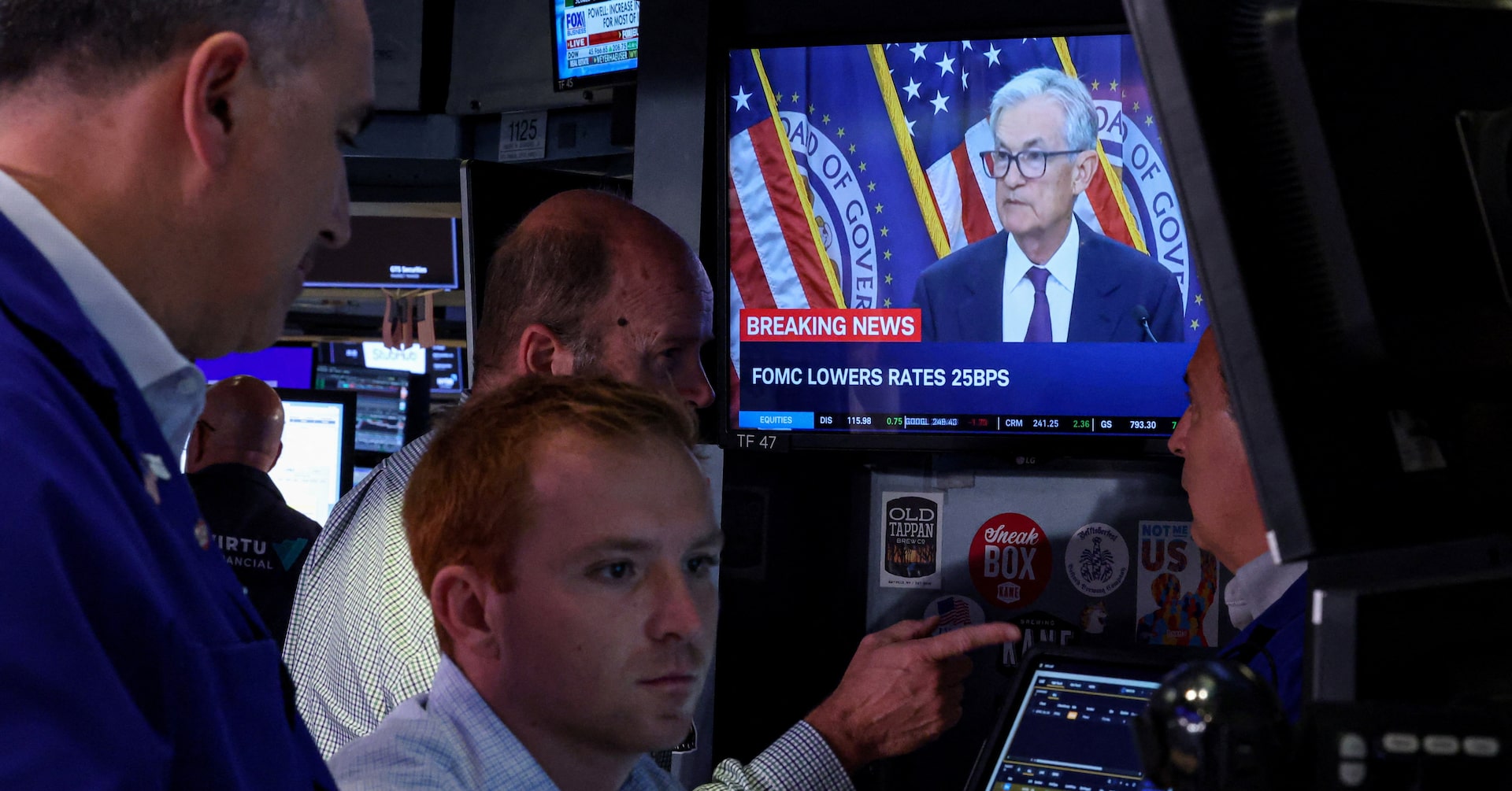
Fed’s rate cut comes with caveats, leaving investors lukewarm
The Federal Reserve’s recent decision to cut interest rates by 25 basis points has left investors navigating a complex landscape of economic uncertainty. On September 17, 2025, Fed Chair Jerome Powell announced the first rate cut since December, lowering the policy rate to a range of 4%-4.25%. While the move signaled a dovish shift, Powell tempered expectations by highlighting persistent inflation risks and a weakening labor market, leaving markets cautious about the pace of future easing. The Fed’s updated economic projections, including its ‘dot plot,’ indicated a potential 50 basis points in cuts by year-end, but inflation is still forecasted to remain above the 2% target at 3%. This nuanced messaging has dampened optimism, with the Nasdaq and S&P 500 closing lower in choppy trading. Treasury yields rose, reflecting market unease. Analysts warn of stagflation risks, a mix of sluggish growth and high inflation, complicating the Fed’s ability to support the economy. Internal disagreements within the Fed, including a lone dissent advocating for a larger rate cut, have added to the volatility. Investors now face a challenging environment as they digest conflicting signals and brace for heightened market fluctuations.
-
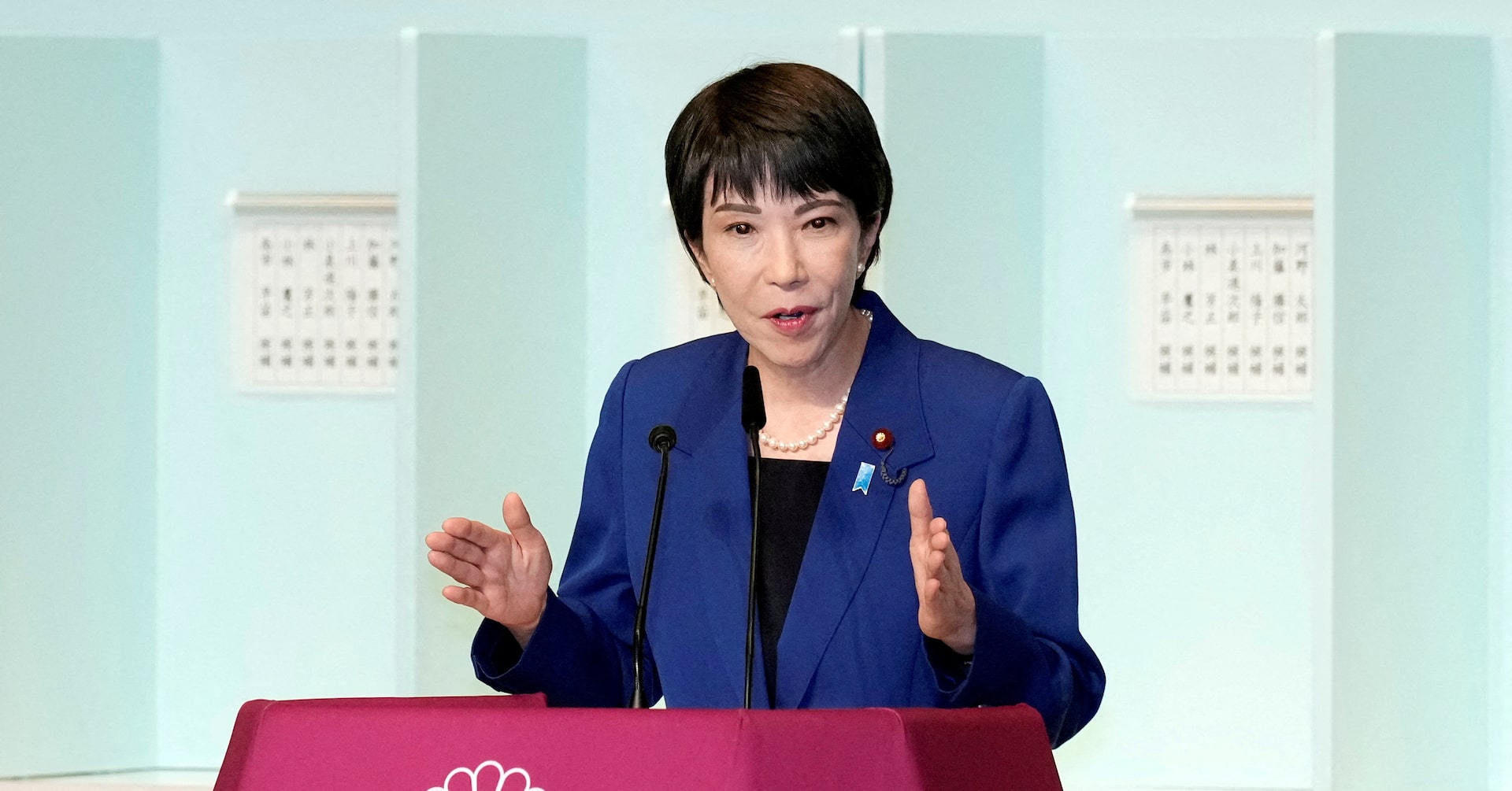
BOJ may raise rates in October even if Takaichi wins leadership race, says ex-c.bank official
The Bank of Japan (BOJ) could proceed with an interest rate hike in October, even if Sanae Takaichi, a prominent advocate of aggressive monetary easing, wins the Liberal Democratic Party’s (LDP) leadership race and becomes Japan’s next prime minister, according to former BOJ executive Tomoyuki Shimoda. Takaichi, a leading candidate in the October 4 leadership race, has been vocal in her opposition to the BOJ’s rate hikes and has called for increased fiscal spending to stimulate the economy. However, Shimoda, who previously served in the BOJ’s monetary affairs department, believes that Takaichi’s potential victory would have a limited impact on monetary policy. He expressed skepticism about her ability to implement policies that could weaken the yen, which has been a concern for policymakers due to its inflationary effects. A weak yen boosts exports but raises import costs, contributing to inflation that has remained above the BOJ’s 2% target. Shimoda noted that a yen fall below 150 to the dollar could also draw complaints from the U.S. administration, which is pursuing a weak-dollar policy to support U.S. exports. The BOJ is likely to raise rates at its October 29-30 meeting if stock prices remain stable and the upcoming ‘tankan’ business sentiment survey, due on October 1, does not show significant deterioration. Shimoda highlighted that solid corporate profits, wage hikes, and persistent rises in food costs are creating a favorable environment for a rate increase. The BOJ is widely expected to maintain its current interest rate of 0.5% at its upcoming meeting, but a Reuters poll indicates that a majority of economists anticipate another 25-basis-point hike by year-end, with bets centered on October and January. Takaichi is known for her support of an ‘Abenomics’-style mix of fiscal and monetary stimulus, while her main rival, Shinjiro Koizumi, has less clear views on BOJ policy. The BOJ exited its decade-long ultra-loose monetary policy last year and raised short-term rates to 0.5% in January, signaling its readiness to continue hiking rates as inflation remains above 2%. The yen’s movements have historically influenced BOJ decisions, and its recent stabilization around 146 per dollar follows a plunge to near two-decade lows last year.
-
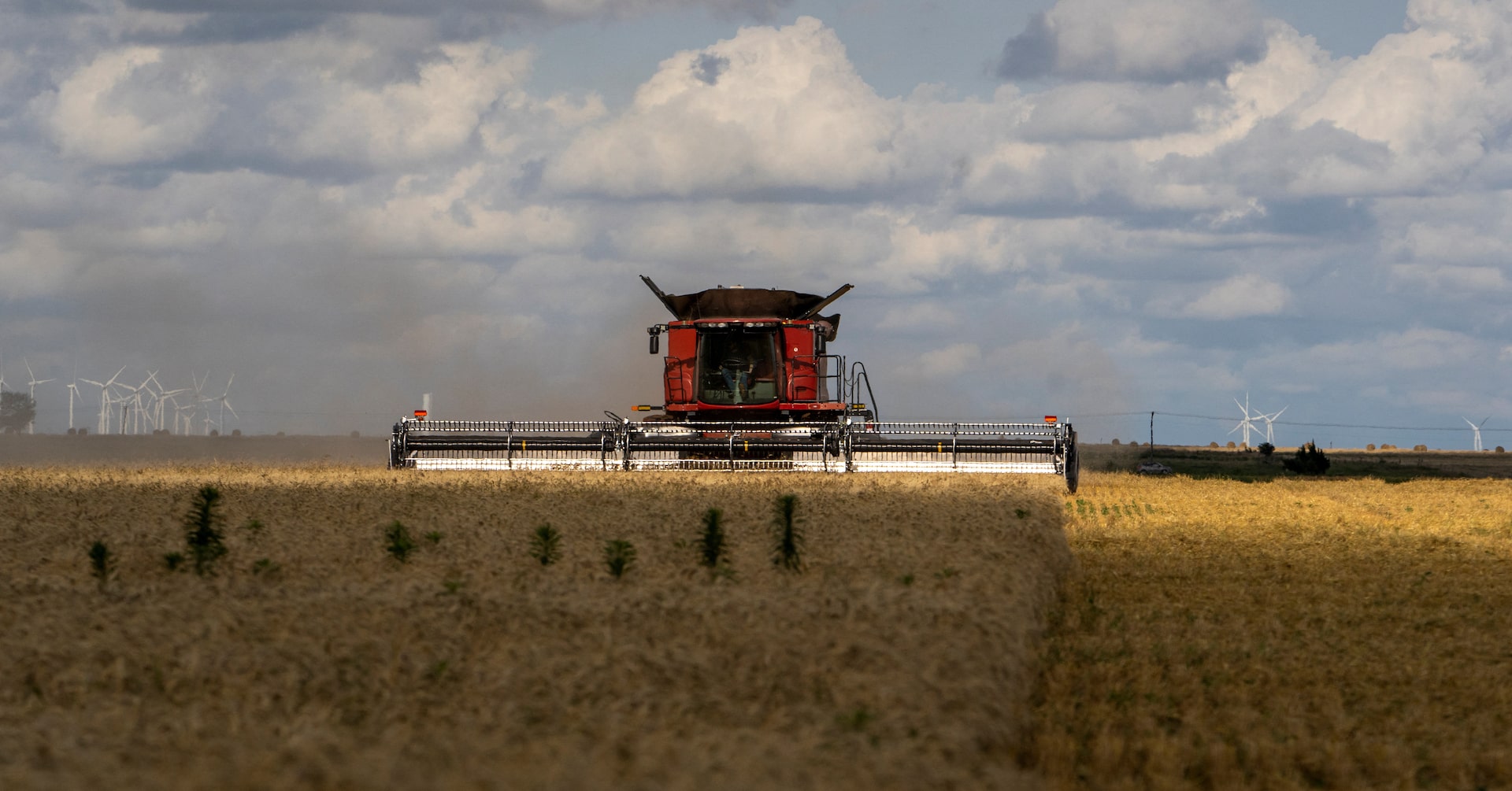
Trump tariffs could fund bailout for US farmers, agriculture secretary tells FT
The Trump administration is reportedly formulating a plan to utilize tariff revenue to finance a support program for U.S. farmers, according to a Financial Times report published on Thursday. Agriculture Secretary Brooke Rollins revealed in an interview that the administration is actively considering this approach, stating, ‘There may be circumstances under which we will be very seriously looking to and announcing a package soon.’ Rollins emphasized that using ‘tariff income that is now coming into America’ is ‘absolutely a potential’ funding source. The White House has yet to comment on the matter. This development comes amid mounting pressure from agricultural groups, exacerbated by China’s halt in soybean purchases from the U.S. due to the ongoing trade dispute. Additionally, tariffs have increased costs for essential farming inputs such as fertilizer and machinery. Agriculture has become a focal point in the escalating trade tensions between the two superpowers, initiated by President Donald Trump’s tariff policies. The situation underscores the broader economic challenges faced by U.S. farmers in the current geopolitical climate.
-
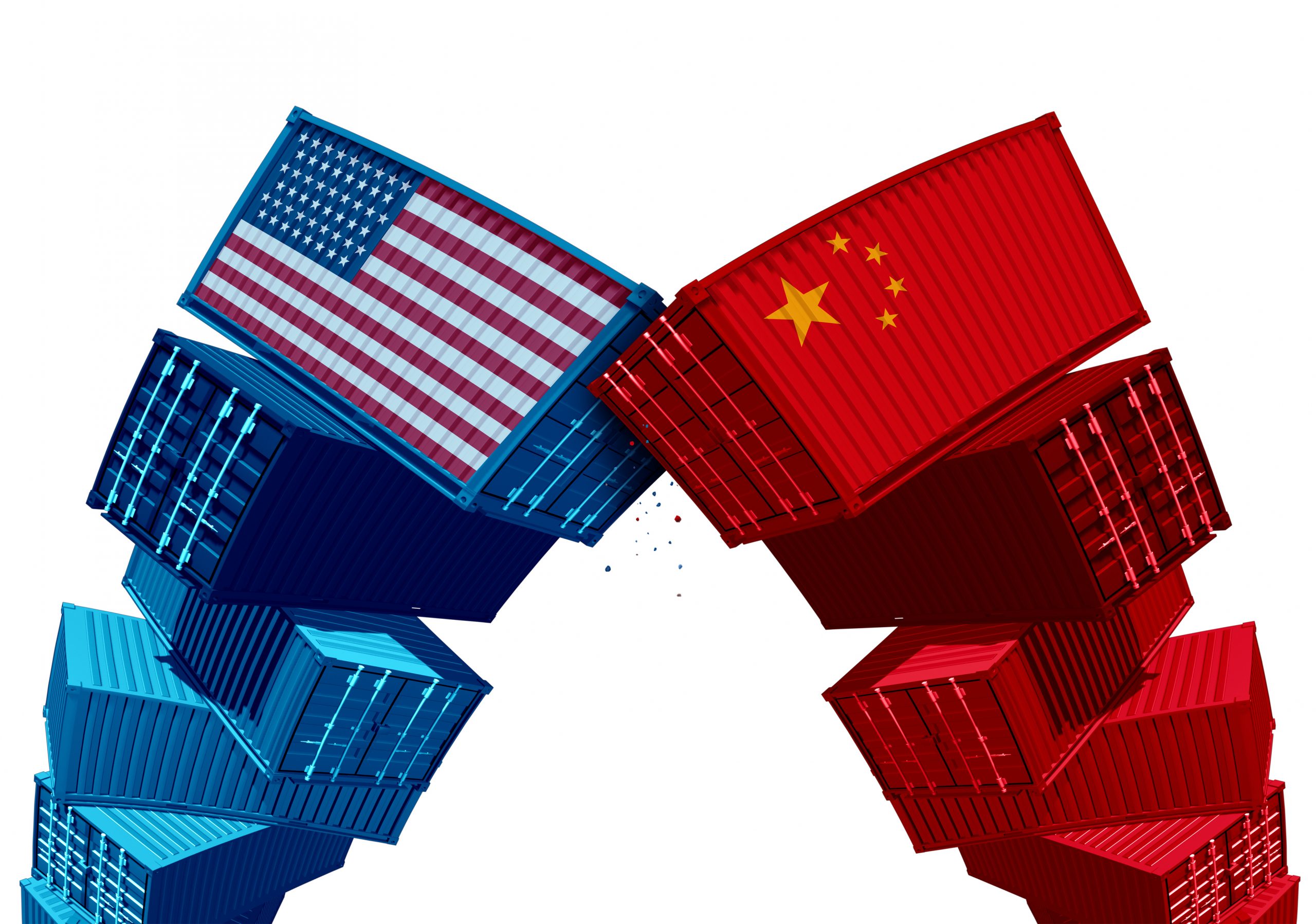
Markets sleeping on US-China trade breakthrough
Despite the optimistic developments in US-China trade negotiations, global investors have largely failed to recognize the potential upside. The world’s two largest economies are steadily moving toward a trade settlement that could yield significant benefits for both nations. Treasury Secretary Scott Bessent and Trade Representative Jamieson Greer have been engaged in ongoing discussions with Beijing, with the latest round of talks set to take place in Spain. A reciprocal-tariff truce has been extended to November, and sensitive issues such as technology transfers, industrial overcapacity, and data rules are now being addressed in detail. The US trade deficit with China, which stood at $300 billion last year, has narrowed to $128 billion through July, with officials forecasting a 30% decline by 2025. However, investors remain cautious, holding cash and safe-haven assets as if confrontation is inevitable. This overlooks the mutual incentives driving Washington and Beijing toward accommodation. For the US, easing tariff threats helps contain inflation and provides clarity for American companies. For China, securing reliable access to the US market stabilizes employment and supports tax revenues. A credible trade agreement would offer tangible economic wins for both nations, yet markets have yet to price in the potential benefits. Reduced tariff risks could lower global shipping costs, ease inflationary pressures, and encourage capital spending. Industries such as advanced manufacturing, semiconductors, and rare-earth mining could see positive re-ratings, while Asian economies integrated into China-plus-one supply chains would benefit from increased investment. The cautious response from investors reflects years of confrontation rather than current realities. Evidence on the ground suggests a shift, with rising US core capital goods orders and multinationals planning for a more stable trade environment. ASEAN nations are attracting record foreign investment as production diversifies but remains linked to China. The political symbolism of a deal is also significant, demonstrating pragmatic leadership and competence for both governments. While verification and enforcement of any agreement will be critical, waiting for perfection before reallocating capital is a speculative bet. The next phase of global growth could be built on a pragmatic bargain between Washington and Beijing, offering mutual gains for the world’s two largest economies.
-
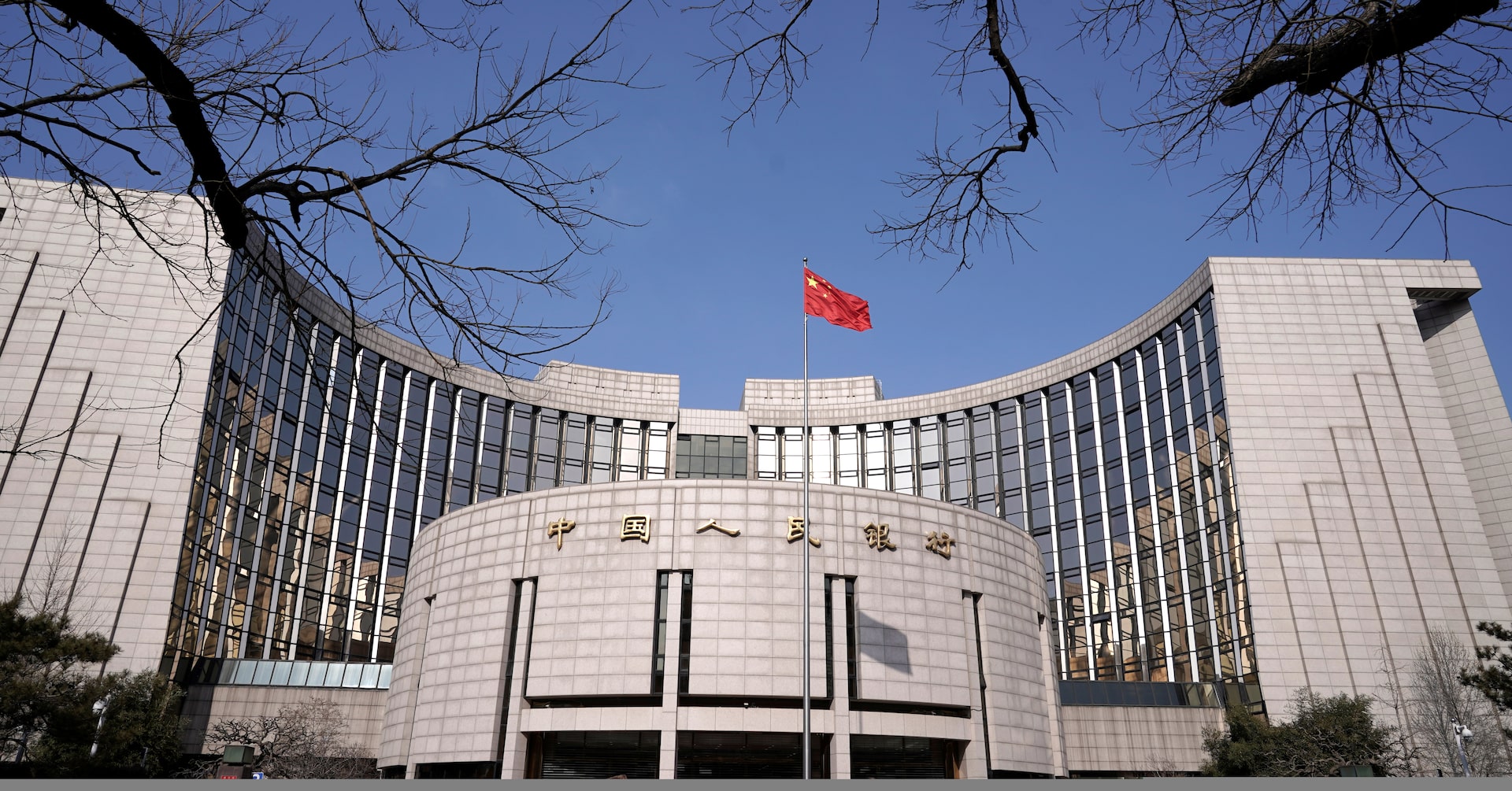
China leaves policy rate unchanged after Fed rate reduction
In a move signaling cautious monetary policy, the People’s Bank of China (PBOC) opted to maintain its key interest rate unchanged on Thursday, despite the U.S. Federal Reserve’s decision to cut rates earlier the same day. The PBOC injected 487 billion yuan ($68.56 billion) through seven-day reverse repos, keeping the rate steady at 1.40%. This decision comes amid resilient export performance and a significant stock market rally, which have provided policymakers with the flexibility to withhold additional stimulus measures. Analysts suggest that while China’s economy is experiencing a slowdown, the deceleration is less severe than anticipated. Goldman Sachs’ chief China economist, Hui Shan, noted that the resilience in exports is likely to persist, and the government may be deferring some planned policy support to next year. Despite recent economic data indicating challenges, experts like Nomura’s Ting Lu believe that major stimulus could risk inflating a stock bubble. However, a modest rate cut of 10 basis points may be considered in the coming weeks if market conditions warrant. China’s stock market has been performing strongly, with the Shanghai Composite Index nearing its 10-year highs. Some analysts anticipate potential monetary easing measures later this year to ensure the economy remains on track to meet its annual growth target of ‘around 5%.’ ANZ’s senior China strategist, Xing Zhaopeng, highlighted that while growth is slowing, it is not yet sufficient to undermine the annual target. The focus remains on long-term structural reforms and the upcoming Fourth Plenum in October, where policy priorities may shift back to short-term growth.
-
Australia employment unexpectedly falls in August, jobless rate steady
Australia’s labor market displayed unexpected weakness in August, with employment declining by 5,400 jobs, starkly contrasting the anticipated gain of 21,500. The jobless rate remained steady at 4.2%, a figure still considered low by historical standards, while annual jobs growth slowed to 1.5% from 3.5% at the start of 2025. The Australian dollar dipped slightly by 0.2% to $0.6637, and three-year bond futures rose by 3 ticks to 96.6, reflecting market reactions to the mixed economic signals. The Reserve Bank of Australia (RBA) is expected to maintain its current interest rate stance this month, with a potential rate cut in November being 75% priced in by investors. The RBA has adopted a cautious approach to policy easing, having already implemented cuts in February, May, and August, as inflation returned to the target band of 2-3%. Despite the recent dip, leading indicators of labor demand remain robust, with job ads stabilizing above pre-pandemic levels and business surveys reflecting optimism. However, major banks like ANZ and National Australia Bank have announced significant job cuts, signaling potential challenges ahead for the labor market.