分类: business

  • Greek sheep and goat cull raises fears of feta cheese shortage

    Greek sheep and goat cull raises fears of feta cheese shortage

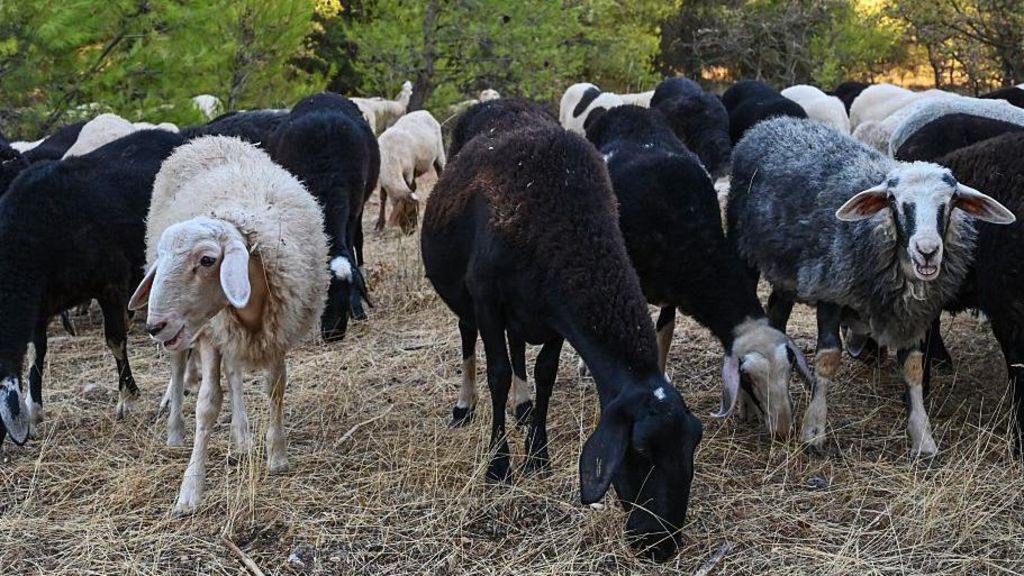
    Greece’s prestigious feta cheese industry is confronting a severe crisis as a devastating sheep and goat pox outbreak forces the mass culling of hundreds of thousands of animals across the country. The viral disease, first detected in northern Greece in August 2024, has rapidly spread through multiple regions, resulting in the preventive slaughter of approximately 417,000 sheep and goats—representing 4-5% of the nation’s total flock.

    The economic impact extends far beyond livestock losses, threatening the core of Greece’s iconic dairy export. With 80% of Greek sheep and goat milk dedicated to feta production—a Protected Designation of Origin product within the EU—the shortage is already affecting small dairies’ ability to source milk. While consumer prices remain stable for now, experts warn that market shortages and increased production costs are imminent if the outbreak persists.

    Farmers like Anastasia Siourtou of Karditsa describe both financial devastation and emotional trauma after veterinary officials culled her entire flock of 650 sheep. ‘I felt that I failed to protect them,’ she recounts, highlighting the personal toll beyond economic ruin. Similarly, Tassos Manakas, who lost 873 animals, describes the profound emptiness of his now-silent farm.

    The government response has faced significant criticism for delayed action and inadequate compensation. A National Scientific Committee for disease management wasn’t established until October 2025—fourteen months after the initial detection—while the state veterinary service remains severely understaffed. Affected farmers receive between €132-220 per animal, amounts they claim fall far short of actual losses.

    The crisis has sparked debate about vaccination strategies, with farmers demanding mass immunization similar to approaches in Bulgaria and Turkey. However, Greek authorities resist this solution, fearing that vaccination could lead to Greece being classified as endemic for the disease, potentially triggering export restrictions on dairy products. Complicating matters, officials suspect up to one million illegal vaccinations may have been administered, distorting the epidemiological picture.

    With feta exports valued at €785 million annually—including €520 million to EU nations and €90 million to the UK—the stakes for Greece’s agricultural economy couldn’t be higher. As the industry grapples with this unprecedented challenge, farmers face the difficult choice between implementing emergency measures or risking permanent damage to Greece’s culinary heritage.
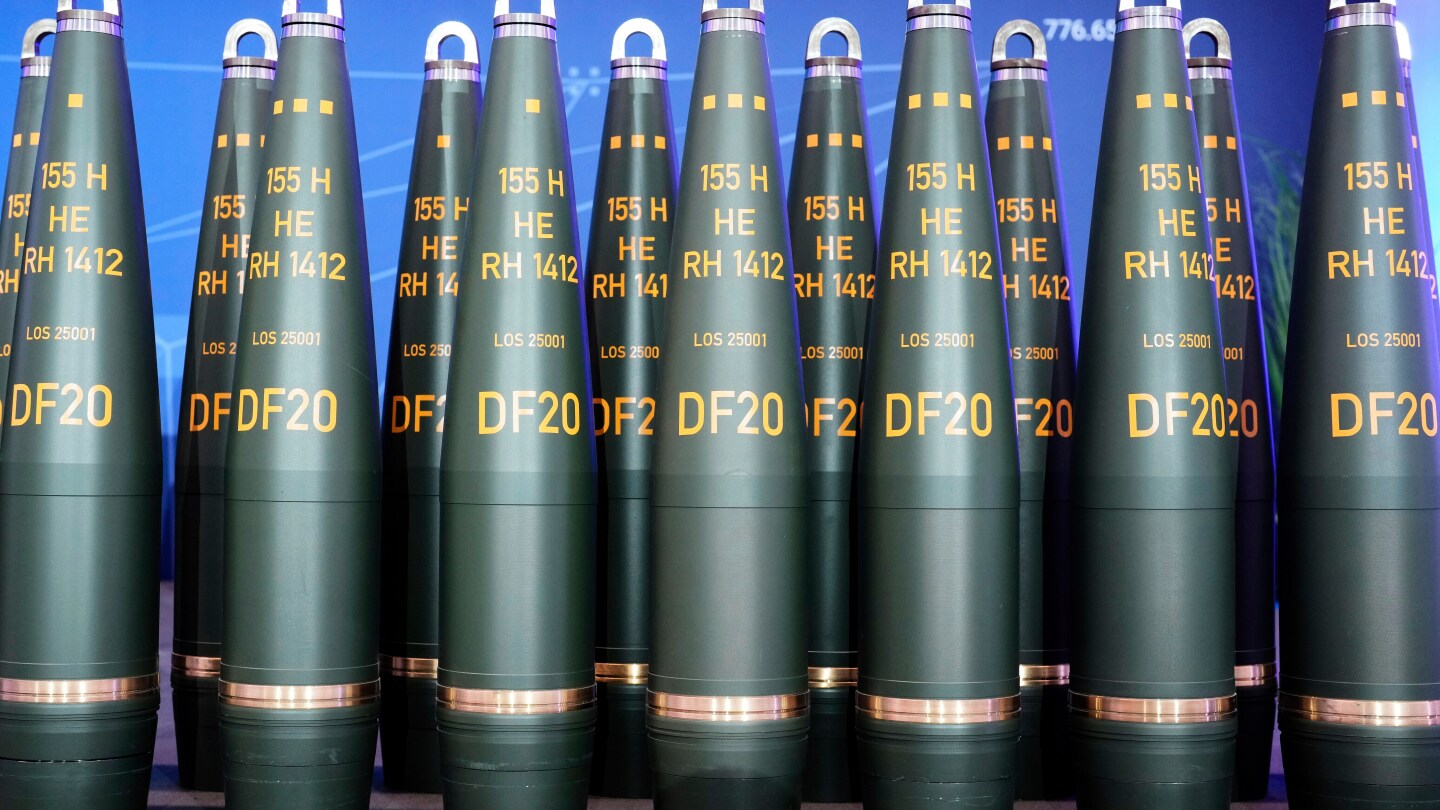

  • Report says world’s biggest arms producers increased revenue by 5.9% last year to record level

    Report says world’s biggest arms producers increased revenue by 5.9% last year to record level

    The global arms industry has reached unprecedented financial heights, with the world’s top 100 weapons manufacturers achieving a record $679 billion in revenue during 2024. According to the Stockholm International Peace Research Institute (SIPRI), this represents a significant 5.9% year-over-year increase, driven primarily by escalating military expenditures and ongoing conflicts in Ukraine and Gaza.

    European and American defense contractors dominated this growth trajectory. Thirty of the thirty-nine U.S. companies listed in SIPRI’s top 100, including industry giants Lockheed Martin, Northrop Grumman, and General Dynamics, reported substantial revenue increases. Combined, American firms generated $334 billion—a 3.8% rise from the previous year. However, SIPRI highlighted persistent challenges within major U.S. defense programs, including the F-35 fighter jet, which continues to experience significant delays and budget overruns.

    European arms producers demonstrated even more dramatic growth, with twenty-three of the region’s twenty-six leading firms posting higher revenues. Aggregate income for European companies surged by 13% to $151 billion, fueled by increased defense spending in response to the Ukraine conflict and perceived threats from Russia. Notably, Czechoslovakia’s Czechoslovak Group saw revenue skyrocket by 193%, largely due to government-led artillery shell procurement initiatives for Ukraine. Similarly, Ukraine’s JSC Ukrainian Defense Industry recorded a 41% revenue increase.

    Despite Western sanctions, Russia’s two major arms manufacturers—Rostec and United Shipbuilding Corporation—achieved a combined 23% revenue growth to $31.2 billion. Domestic demand effectively compensated for declining exports, though both companies face challenges related to component shortages and skilled labor deficits.

    The Middle Eastern arms sector also expanded, with three Israeli companies collectively increasing revenue by 16% to $16.2 billion. SIPRI researchers noted that international criticism of Israel’s actions in Gaza had minimal impact on global demand for Israeli weapon systems, with many countries continuing to place new orders.

    Asia and Oceania represented the only declining market, with overall revenue dropping 1.2% to $130 billion. This decrease was largely attributable to a 10% revenue decline among Chinese arms manufacturers, resulting from corruption allegations that disrupted procurement processes and led to canceled or delayed major contracts.

    SIPRI researchers caution that while European firms are investing in expanded production capacity, future growth may be constrained by supply chain complexities, particularly regarding critical minerals affected by Chinese export restrictions.

  • OPEC+ likely to maintain production at current levels

    OPEC+ likely to maintain production at current levels

    OPEC+ ministers are anticipated to maintain existing oil production levels during their virtual meeting on Sunday, according to analyst consensus. This decision comes amidst significant market volatility and geopolitical tensions that continue to influence global oil prices.

    The biannual ministerial conference occurs during a period of exceptional uncertainty regarding future oil price trajectories. Market participants are closely monitoring developments in Ukraine conflict negotiations, which could potentially facilitate Russia’s full return to international crude markets. Since April, eight core OPEC+ nations—spearheaded by Saudi Arabia and Russia—have incrementally increased production to reclaim market share amid intensifying competition from non-OPEC producers including the United States, Canada, and Guyana.

    However, in early November, the V8 consortium announced a strategic pause on output increases scheduled for the first quarter of 2026, citing anticipated seasonal demand reduction. This follows a minor production elevation implemented in December.

    Commerzbank analyst Barbara Lambrecht noted the meeting is ‘unlikely to deliver any major new drivers for the market,’ emphasizing that potential ceasefire agreements could reduce the current risk premium baked into oil prices. Conversely, Arne Lohmann Rasmussen of Global Risk Management suggested that negotiation deadlocks might compel the Trump administration to reinforce sanctions against Russia’s energy sector, potentially driving prices upward.

    The collective uncertainty has solidified analyst expectations that OPEC+ will maintain status quo production levels across the alliance. While discussions regarding maximum sustainable production capacities for member nations were initiated at previous meetings—establishing benchmarks for 2027 quotas—HSBC analyst Kim Fustier indicated these deliberations remain premature for immediate implementation.

  • AI boom and population growth drive UAE’s electricity demand surge

    AI boom and population growth drive UAE’s electricity demand surge

    The United Arab Emirates is confronting an unprecedented energy challenge as explosive growth in artificial intelligence infrastructure and rapid population expansion threaten to overwhelm the nation’s power grid. Industry experts project that regional data center power consumption—currently at approximately one gigawatt—will quadruple within the next five years, creating an urgent need for massive energy infrastructure investment.

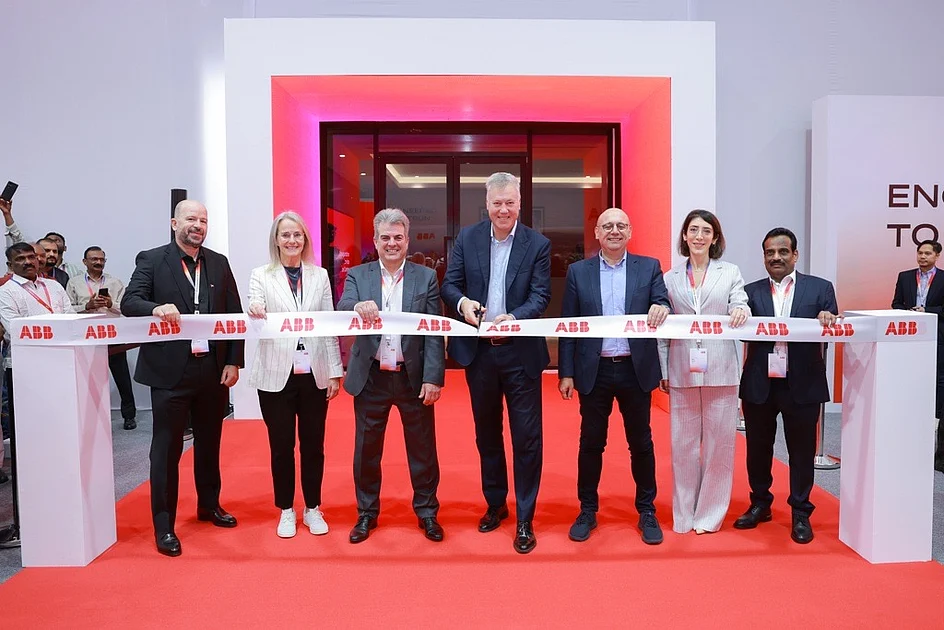
    This looming energy crisis was highlighted during the inauguration of ABB’s new $2 million Customer Experience and Training Centre in Dubai’s Al Quoz Industrial Area. Giampiero Frisio, President of ABB’s Electrification Business Area, warned that meeting this skyrocketing demand would be equivalent to constructing three nuclear reactors, emphasizing that renewable energy expansion alone cannot address the challenge.

    The UAE’s electricity consumption is forecast to grow by up to 4% annually through 2035, driven by multiple factors including urbanization, industrial growth, transportation electrification, and cooling demands. This surge is further accelerated by demographic changes, with nearly 100,000 new residents arriving quarterly, and government initiatives positioning the country as a global AI and digital infrastructure hub.

    ABB’s new 2,500-square-meter facility aims to address the dual challenge of an aging workforce and critical digital skills shortage by training approximately 2,000 engineers and technicians annually from across the Middle East. The center will provide advanced training in AI-enabled asset management, predictive maintenance, and grid automation—essential capabilities as decades-old utility infrastructure must adapt to intermittent renewable sources and sudden power peaks from AI workloads.

    This investment aligns with the UAE’s Net Zero 2050 strategy, which targets 32% renewable energy in the national mix by 2030. While massive solar projects like the nearly 5 GW Al Dhafra facility—the world’s largest—are reshaping energy supply, experts emphasize that advanced energy management, battery storage, and AI-driven optimization will be crucial for balancing sustainability, affordability, and reliability.

    Beyond technical training, ABB is fostering innovation through partnerships with global technology leaders like Nvidia and local startups via innovation contests. These collaborations aim to develop predictive algorithms and energy-as-a-service models that promise both efficiency gains and reduced upfront costs for customers.

    With electricity projected to become the world’s primary energy source—rising from 22% today to nearly 45% by 2050—the UAE’s proactive approach to grid modernization and digitalization could establish a regional benchmark for managing the AI-driven energy revolution.

  • UAE National Day – Celebrating vision, unity and the spirit of possibility

    UAE National Day – Celebrating vision, unity and the spirit of possibility

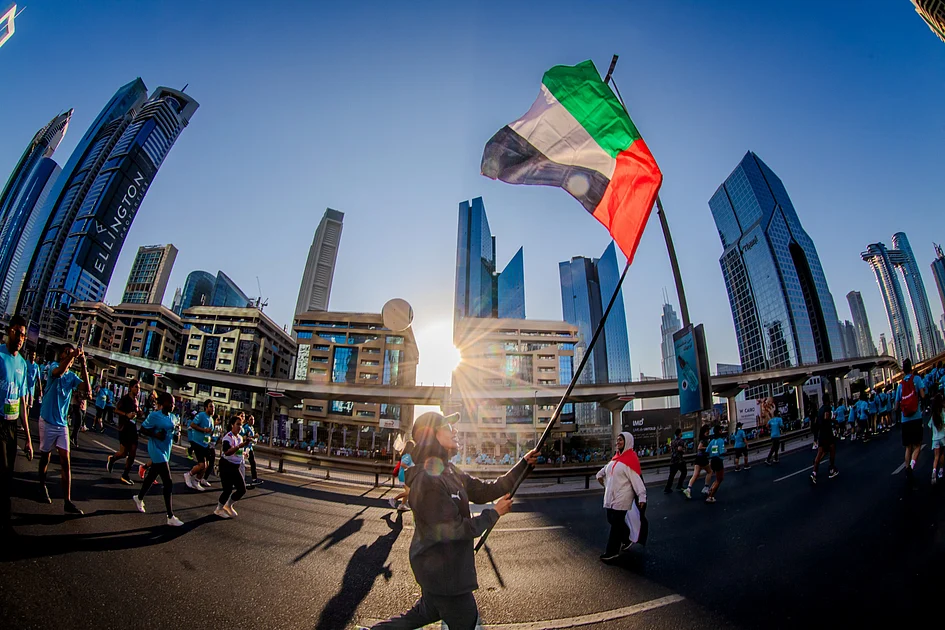
    As the United Arab Emirates commemorates its 54th National Day, the nation’s transformative journey stands as a powerful model of strategic development and economic vision. Business executives across multiple sectors are highlighting how the country’s commitment to long-term growth has fundamentally shaped their organizational success and personal trajectories.

    Isabel Afonso, CEO of Arcera Life Sciences, emphasizes that the UAE’s progress represents “more than five decades of advancement driven by strategic foresight, substantial investments in human capital, and dedicated development of industrial capabilities.” She notes that Arcera itself emerged from the nation’s confident ambition, established by sovereign investor ADQ to position Abu Dhabi as a global leader in innovative and sustainable life sciences. The company’s recent transformation into a unified entity, One Arcera, has strengthened its capacity to drive meaningful health outcomes with greater cohesion and determination.

    For Symbolic Developments, the UAE represents both home and business foundation for over three decades. Managing Director Mustafa Moiz reflects on the profound gratitude his family holds for a country that has consistently inspired innovation and unity. “Our journey in the UAE is integral to our identity,” Moiz states, noting how his company’s mission to build homes that enrich residents’ lives aligns perfectly with the nation’s community-first philosophy.

    The entrepreneurial landscape continues to thrive under the UAE’s supportive ecosystem. Amreen Iqbal, Founder of Piece of You Jewellery, credits the country’s unique balance of honoring heritage while empowering individual legacy-building as critical to her creative enterprise. “The UAE’s spirit of innovation, unity, and limitless possibility has shaped my journey and inspired my business to flourish,” she acknowledges.

    These executive perspectives collectively reveal a fundamental truth: the UAE has evolved beyond mere geography to become a dynamic catalyst for growth, an enduring source of inspiration, and a environment where ambition systematically converges with opportunity. As the nation progresses along its remarkable trajectory, business leaders and residents alike stand prepared to contribute to the next chapter of its extraordinary story.

  • Dubai’s real estate market has extended its record-breaking streak

    Dubai’s real estate market has extended its record-breaking streak

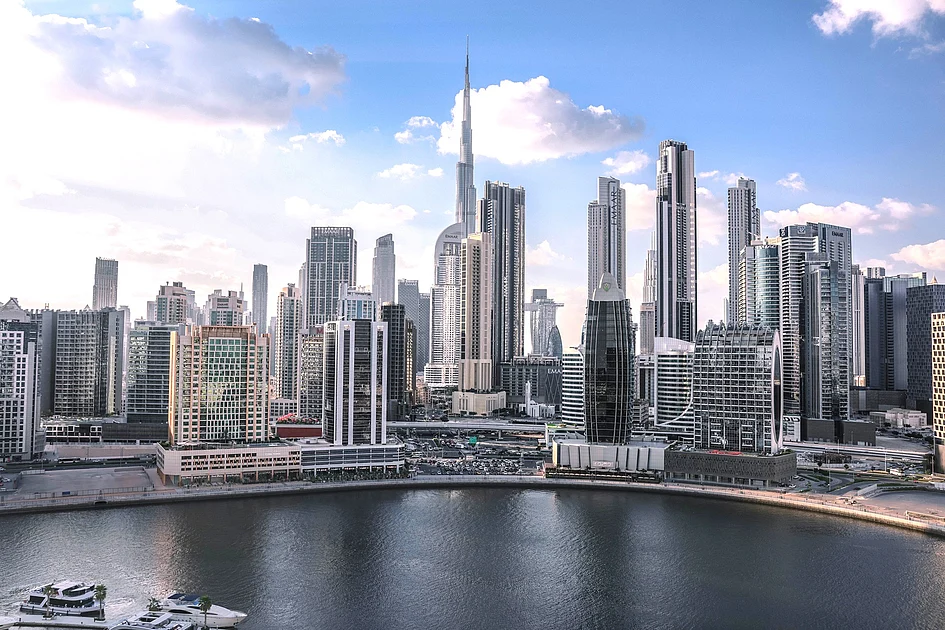
    Dubai’s property market continues its unprecedented growth trajectory in 2025, establishing new benchmarks for global real estate performance. Transaction volumes have soared beyond 158,000 deals year-to-date, representing a staggering Dh498.8 billion ($136 billion) in total value. This constitutes a remarkable 32% increase in monetary value and 20% growth in transaction volume compared to the previous year.

    The third quarter alone witnessed exceptional performance with 59,000 sales totaling Dh170.7 billion, marking the highest quarterly achievement in the market’s history. Property values maintain their upward momentum with a 10% year-on-year increase across residential segments. Villas continue to outperform apartments due to sustained supply limitations and robust end-user demand, particularly in premium communities where values have appreciated between 15-30%.

    Simultaneously, Dubai’s rental market shows signs of stabilization following two years of substantial increases. With average annual rents approaching Dh99,000, affordability concerns are driving more tenants toward property ownership. Recent surveys indicate 55% of current renters plan to purchase properties within three years, a significant increase from 25% last year.

    The market expansion has prompted major development initiatives, including the recent launch of Arthouse Hills Arjan. This represents the second Arthouse-branded residential project in Dubai, bringing New York-inspired design aesthetics to one of the city’s fastest-growing communities. The development positions itself as one of Arjan’s tallest and most amenity-rich towers, emphasizing wellness-oriented and culturally inspired living experiences.

    Industry leaders emphasize the project’s significance in elevating community standards. Omar Gull, Founder & Chairman of Cledor, stated: “Arthouse Hills Arjan establishes new benchmarks for design-led, amenity-rich living in emerging Dubai communities.”

    Concurrently, Abu Dhabi’s real estate sector demonstrates parallel progress. Burtvile Developments’ Bab Al Qasr Canal View Residence 22 project at Al Raha Beach has reached 7% completion, exceeding scheduled progress by 6.21%. The development featuring 242 residential units across three towers continues to attract both residents and investors seeking premium living options in the capital’s desirable communities.

  • UAE flights: Air Arabia starts daily flights between Sharjah, Krabi

    UAE flights: Air Arabia starts daily flights between Sharjah, Krabi

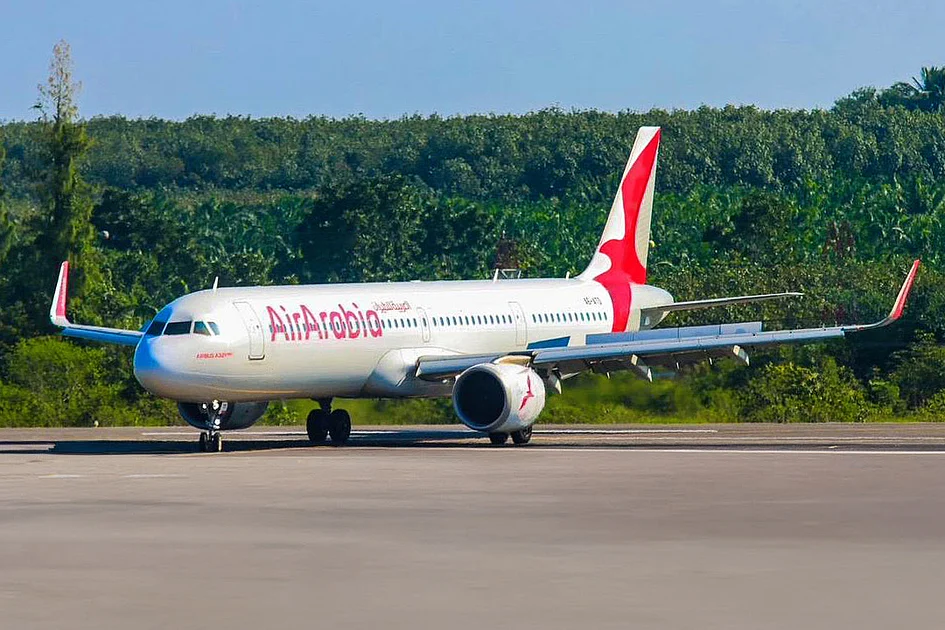
    Sharjah-based carrier Air Arabia has officially launched daily nonstop flights between Sharjah International Airport and Krabi, Thailand, marking a significant expansion of its Southeast Asian network. The inaugural flight departed on November 28, 2025, receiving an official welcome in Krabi attended by Thai Deputy Prime Minister and Minister of Transport Phipat Ratchakitprakarn alongside senior aviation officials.

    This new route establishes the third Thai destination in Air Arabia’s expanding network from Sharjah, complementing existing services to Bangkok and Phuket. The daily direct connection enhances travel convenience while strengthening economic and tourism ties between the United Arab Emirates and Thailand’s southern coastal region.

    Adel Al Ali, Group Chief Executive Officer of Air Arabia, characterized the Krabi launch as a strategic milestone that provides customers with increased accessibility to Thailand’s most popular destinations. “This new daily service offers our customers greater convenience and strengthens the growing travel and trade links between the UAE and Thailand,” Al Ali stated.

    The Krabi initiative coincides with Air Arabia’s broader network expansion strategy, which recently included the announcement of new twice-daily services connecting Sharjah to London Gatwick commencing March 29, 2026. These developments collectively represent the airline’s concerted effort to enhance its global footprint while reinforcing Sharjah International Airport’s position as a growing aviation hub.

  • New gas pipeline to benefit southern Xinjiang

    New gas pipeline to benefit southern Xinjiang

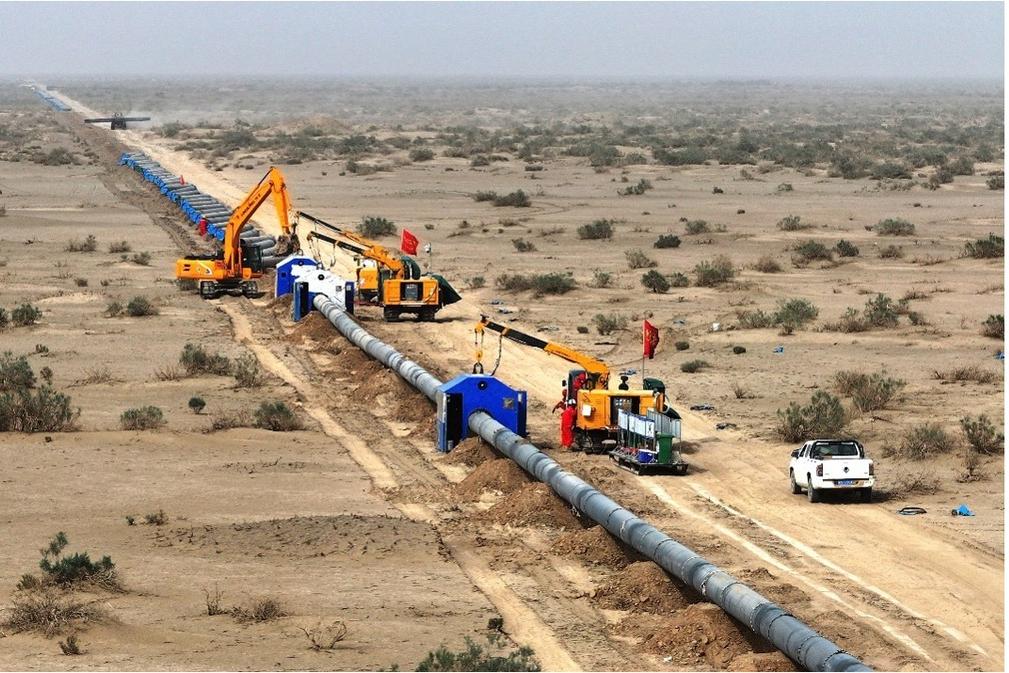
    China National Petroleum Corporation (CNPC) has inaugurated a major natural gas infrastructure project in Xinjiang, marking a significant advancement in regional energy security. The newly commissioned 378-kilometer pipeline, constructed by CNPC’s Tarim Oilfield division, commenced operations on Sunday following an eight-month construction period that began on March 10.

    The pipeline establishes a critical energy corridor stretching from the Yingmaili oil and gas field transmission station in Aksu prefecture to the Sancha distribution station in Kashgar prefecture. This strategic route along the southern foothills of the Tianshan Mountains incorporates substantial infrastructure development, including 11 newly constructed valve chambers and distribution stations, complemented by the expansion of three existing natural gas facilities.

    With an impressive maximum daily supply capacity of 7.2 million cubic meters, the pipeline creates a secondary supply route specifically designed to alleviate chronic gas shortages throughout the region. The project represents a substantial upgrade to the area’s energy infrastructure, addressing long-standing limitations in transmission capacity and pipeline coverage.

    Kang Chun, Chief Expert at Tarim Oilfield, emphasized the project’s transformative potential: “This infrastructure will directly enhance living standards for over two million residents across multiple ethnic groups. The pipeline services five counties and cities, including Aksu city and Bachu county, plus two agricultural and pastoral regiments, ensuring reliable access to clean energy for diverse communities.”

    The project demonstrates China’s continuing investment in western regional development while supporting the country’s broader transition toward cleaner energy sources. The enhanced natural gas distribution network is expected to reduce dependence on traditional solid fuels, contributing to improved air quality and environmental outcomes across southern Xinjiang.

  • SW China’s Chongqing launches fixed-schedule freight train service to Budapest

    SW China’s Chongqing launches fixed-schedule freight train service to Budapest

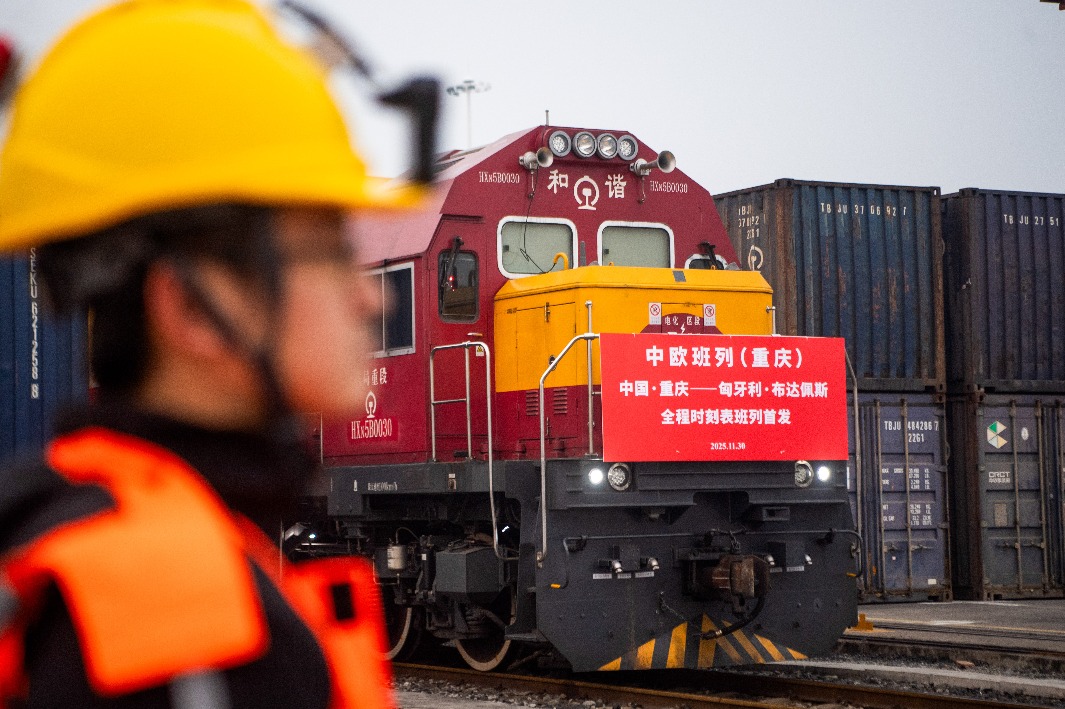
    Southwest China’s Chongqing municipality has inaugurated a new fixed-schedule China-Europe freight train service to Budapest, Hungary, strengthening trade connectivity between China and Central Europe. The inaugural departure occurred on Sunday, carrying automotive and motorcycle components, electronic products, and various consumer goods.

    This strategic logistics corridor will traverse approximately 11 days through multiple nations, exiting China via the Alataw Pass in Xinjiang Uygur Autonomous Region before progressing through Kazakhstan, Poland, the Czech Republic, and Slovakia, ultimately reaching Budapest—a crucial transportation hub for Central and Eastern European markets.

    The Chongqing-Budapest route represents the municipality’s second fixed-schedule China-Europe freight service, complementing its existing connection to Duisburg, Germany. Unlike conventional freight trains, these scheduled services operate on predetermined timetables and routes, substantially enhancing delivery reliability and efficiency.

    According to China Railway Chengdu Group Co., Ltd., this new logistics option reduces transit duration by approximately 30 percent compared to traditional freight services. Yang Lianchen, a representative from the Chongqing railway logistics center, emphasized that “the fixed-schedule service offers greater predictability for production planning, logistics and capital turnover,” particularly benefiting Chongqing’s electronics, automotive, motorcycle, and equipment manufacturing sectors.

    Recent data from China State Railway Group Co., Ltd. reveals the expanding scale of this transnational network, with China-Europe freight trains having completed 120,000 journeys while transporting merchandise valued at over $490 billion. As a flagship initiative of China’s Belt and Road Initiative, the China Railway Express has established an extensive logistics network spanning Eurasia, currently reaching 232 cities across 26 European nations and over 100 cities in 11 Asian countries.

  • US retailers, customers face off in Black Friday stalemate amid sinking confidence

    US retailers, customers face off in Black Friday stalemate amid sinking confidence

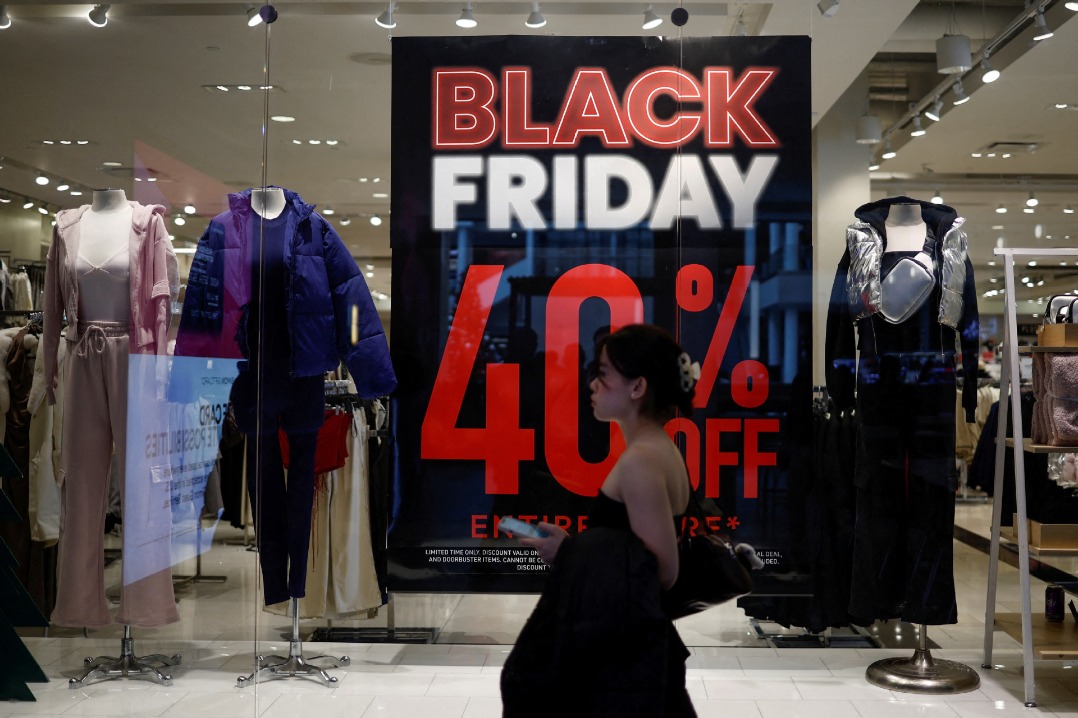
    The traditional Black Friday shopping frenzy has transformed into a tense standoff between retailers and consumers, marked by eroding trust and economic uncertainty. According to retail analysts, both parties are engaged in a strategic game of ‘discount chicken’—retailers hesitate to offer substantial price reductions while consumers withhold spending in anticipation of deeper cuts.

    This retail impasse coincides with a significant deterioration in consumer confidence. The Conference Board’s November index plummeted to 88.7 from October’s 95.5, reaching its lowest point since April and falling well below economist projections. Growing concerns about job security and economic stability have contributed to this pessimistic outlook.

    The very foundation of Black Friday is undergoing fundamental changes. Cordial’s research reveals that only 20% of American consumers now consider Black Friday their primary holiday shopping starting point, with 59% beginning earlier and 22% planning to shop later or at the last minute. This shift reflects growing consumer skepticism about the shopping event’s authenticity.

    Widespread mistrust appears justified. A Lightspeed Commerce survey found that 84% of consumers believe retailers artificially inflate pre-Black Friday prices to exaggerate discount margins. WalletHub’s analysis of 3,100 items confirmed these suspicions, showing 36% of Black Friday offers provided no actual savings, while nearly 10% were more expensive than pre-season pricing.

    The retail landscape has further complicated with the emergence of AI-powered pricing systems that display different base prices to different customers based on their spending patterns and price sensitivity. These systems, now controlling 30-40% of digital revenue during peak periods, have made genuine discount identification increasingly challenging.

    In response, consumers are deploying their own AI tools for deal verification. Deloitte’s 2025 holiday retail survey indicates 33% of shoppers plan to use generative AI for purchases—double last year’s figure—with the number rising to 43% among Gen Z consumers. More than half of AI users rely on these tools specifically to evaluate discounts and compare prices.

    OpenAI recently entered this space with a November 24 shopping research feature designed to identify genuine promotions. However, the technology creates a paradoxical situation where two shoppers searching for identical items may receive completely different pricing information.

    Economic pressures further complicate the retail landscape. Yale’s Budget Lab reports tariffs on imported goods surged from 2.4% at the start of 2025 to 17.9% by late October, forcing retailers like Upstream Brands—which typically earns 35% of its annual revenue during the holiday season—to reduce discounts to protect profit margins.

    Deloitte’s spending projections reflect this constrained environment, with shoppers planning to spend an average of $622 during the Black Friday-Cyber Monday period—a 4% decrease from last year marking the first decline in four years. Meanwhile, AI-generated scams have proliferated, with NordVPN reporting a 620% surge in phishing emails and a 250% increase in fraudulent e-commerce sites using AI to mimic major retailers and generate convincing fake reviews.

    As retail analyst Marshal Cohen noted, ‘Santa Claus is going to show up, kids are not going to be too disappointed. But don’t look for the tree to be overflowing with boxes underneath.’ This sentiment captures the cautious, restrained nature of the 2025 holiday shopping season, where technological advancement and economic pressure have created an unprecedented retail stalemate.