分类: business

  • Dubai court freezes $456 million linked to alleged cryptocurrency reserve theft

    Dubai court freezes $456 million linked to alleged cryptocurrency reserve theft

    In a groundbreaking legal development, Dubai’s Digital Economy Court within the DIFC has implemented an unprecedented worldwide freezing order targeting approximately $456 million in assets. This landmark ruling represents the court’s first global freeze concerning cryptocurrency matters, establishing stringent penalties including substantial fines and potential imprisonment for any violations.

    The case centers on allegations that funds designated to back the TrueUSD (TUSD) stablecoin were systematically diverted through sophisticated financial manipulation. Court documents reveal that between 2021 and 2022, nearly half a billion dollars was allegedly removed from TUSD’s dollar reserves and redirected into private commodity investments and mining ventures using falsified documentation and forged authorization instructions.

    Techteryx Ltd, the entity controlling TrueUSD under Chinese cryptocurrency magnate Justin Sun’s leadership, discovered the substantial reserve shortfall during comprehensive audit procedures earlier this year. The company responded by injecting hundreds of millions in fresh capital to ensure all TUSD tokens remained fully redeemable at their intended one-dollar valuation, maintaining that no public holders experienced financial losses.

    Justice Michael Black’s October 17 ruling prohibits the movement or concealment of the contested funds and any derivative assets worldwide. The indefinite freeze remains effective until judicial proceedings determine final disposition, with the order applying extraterritorially to all financial institutions and entities holding relevant assets.

    Justin Sun characterized the decision as a decisive step toward recovering the missing reserves, advocating for enhanced international audit standards across the stablecoin sector. Legal experts note the ruling demonstrates Dubai’s evolving jurisdictional capability in addressing complex digital asset disputes through its specialized Digital Economy Court framework.

    The full judgment remains accessible through the DIFC Courts’ official portal, signaling the emirate’s commitment to establishing robust legal safeguards for the rapidly expanding cryptocurrency industry.

  • Xinjiang sees 26-fold surge in tourist tax refunds in first 10 months

    Xinjiang sees 26-fold surge in tourist tax refunds in first 10 months

    Northwest China’s Xinjiang Uygur Autonomous Region has witnessed an extraordinary surge in tourism-related financial activity, with tax refunds for international visitors skyrocketing by 2,600% during the first ten months of 2025. According to customs data from Urumqi, the region’s primary international gateway, refunds processed at the aviation port exceeded 8 million yuan (approximately $1.13 million), signaling a dramatic revitalization of cross-border tourism.

    The remarkable growth follows China’s strategic policy enhancements implemented in April 2025, which significantly optimized the nation’s departure tax refund system. These measures included reducing minimum purchase thresholds, simplifying refund procedures, and expanding service channels to create a more visitor-friendly experience.

    Xinjiang’s diverse natural landscapes and rich cultural heritage have long attracted global travelers, with the region welcoming 2.12 million inbound visitors during the reporting period—a 6.06% increase year-on-year. The expanded tax-refund program now covers twelve distinct product categories, including luxury goods, cultural artifacts, textiles, and local specialty foods.

    At Urumqi Tianshan International Airport, multilingual signage and information screens in six languages guide international travelers through the streamlined refund process. Azamat Yernar, a tourist from Kazakhstan, reported completing his refund within two minutes after purchasing Atlas silk garments and Xinjiang handicrafts. ‘These products are incredibly unique, and the prices become even more attractive after the tax refund,’ Yernar noted. ‘The entire process was remarkably convenient.’

    Customs officials have committed to further enhancing the visitor experience. ‘We will continue to enrich tax-refund product varieties with distinctive Xinjiang characteristics and improve service convenience for travelers,’ stated Zhang Weijie, deputy director of the airport’s customs office, highlighting ongoing efforts to position Xinjiang as a premier global tourism destination.

  • Saying ‘yes’ to destiny: The emergence of a new-era enterprise luminary

    Saying ‘yes’ to destiny: The emergence of a new-era enterprise luminary

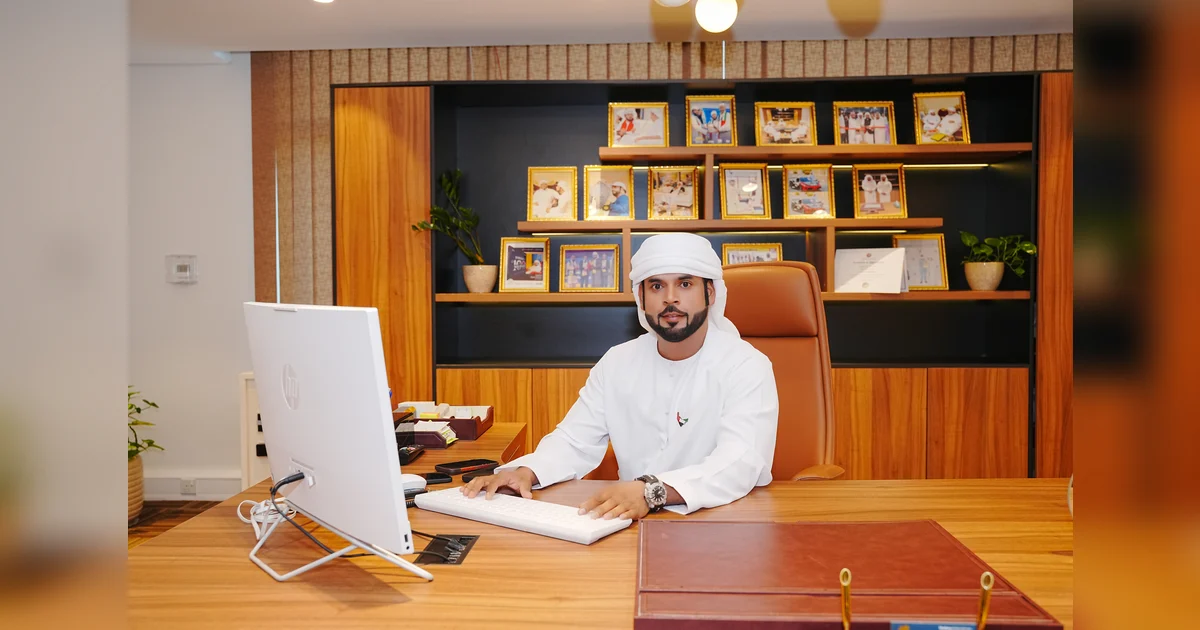
    A remarkable entrepreneurial journey exemplifies how vision and determination can transform modest beginnings into multi-sector industrial leadership. Shafeeq Abdurahiman, who grew up in a humble Kozhikode household guided by strong moral principles, has emerged as a defining business figure shaping growth across property, hospitality, and precision engineering sectors in the UAE.

    His trajectory began with a fateful encounter with UAE businessman Ibrahim Abdullah Al Harmoudi, who recognized Shafeeq’s potential and encouraged him to pursue opportunities in the Emirates. Arriving in Sharjah in 2005 while still in his late teens, Shafeeq immersed himself in real estate operations, gaining invaluable exposure to negotiation strategies and client management.

    The turning point came in 2011 when Ibrahim offered him first rights to acquire the company. Shafeeq honored this trust through a purchase that marked his entrepreneurial ascent, rebranding the operation as Al Maniya—inspired by his admiration for Argentine football—before evolving it into AMR Group. The enterprise now delivers comprehensive property services including management, freehold advisory, development consultancy, and strategic marketing across multiple emirates.

    A landmark development occurred with A1 Holding’s acquisition of Cleveland Bridges & Engineering Middle East LLC, a legacy pillar of Dubai’s steel sector established in 1977. The acquisition, announced in the presence of Sheikh Suhail bin Ali Al Maktoum and Dr. Hamad Saeed Al Shamsi (Partner and Chairman of A1 Group), represents a decisive industrial leap. The facility is being transformed into an advanced steel-engineering hub featuring upgraded systems and AI-driven precision, positioning A1 Holding at the forefront of regional infrastructure development.

    Today, A1 Holding unifies multiple high-impact verticals including real estate development, hospitality, security services, facilities management, and large-scale workforce accommodation. The group stewards approximately 120 accommodation assets for major organizations across Dubai, while expanding its hospitality footprint with the upcoming ‘Acacia’ 4-star hotel in Ras Al Khaimah and two additional Dubai properties scheduled for 2026.

    Shafeeq’s resilience was particularly demonstrated during the COVID-19 pandemic when he offered his accommodation facilities to the Dubai Government and provided free housing to quarantined expatriates—transforming a global crisis into an act of national service.

    The entrepreneur consistently credits the UAE’s clarity, stability, and visionary leadership as the foundation of his success. For twelve consecutive years, he has commemorated UAE National Day by unveiling luxury cars exquisitely decorated in national themes as a moving tribute to the nation and its rulers.

    Guided by family values and the enduring principles of his late father Abdurahiman, Shafeeq maintains that success carries inherent responsibility. His vision now focuses on scaling A1 Holding as a major Middle Eastern force while empowering teams, honoring partner trust, and contributing meaningfully to the UAE’s long-term economic vision.

  • China’s grand plan to dominate global publishing

    China’s grand plan to dominate global publishing

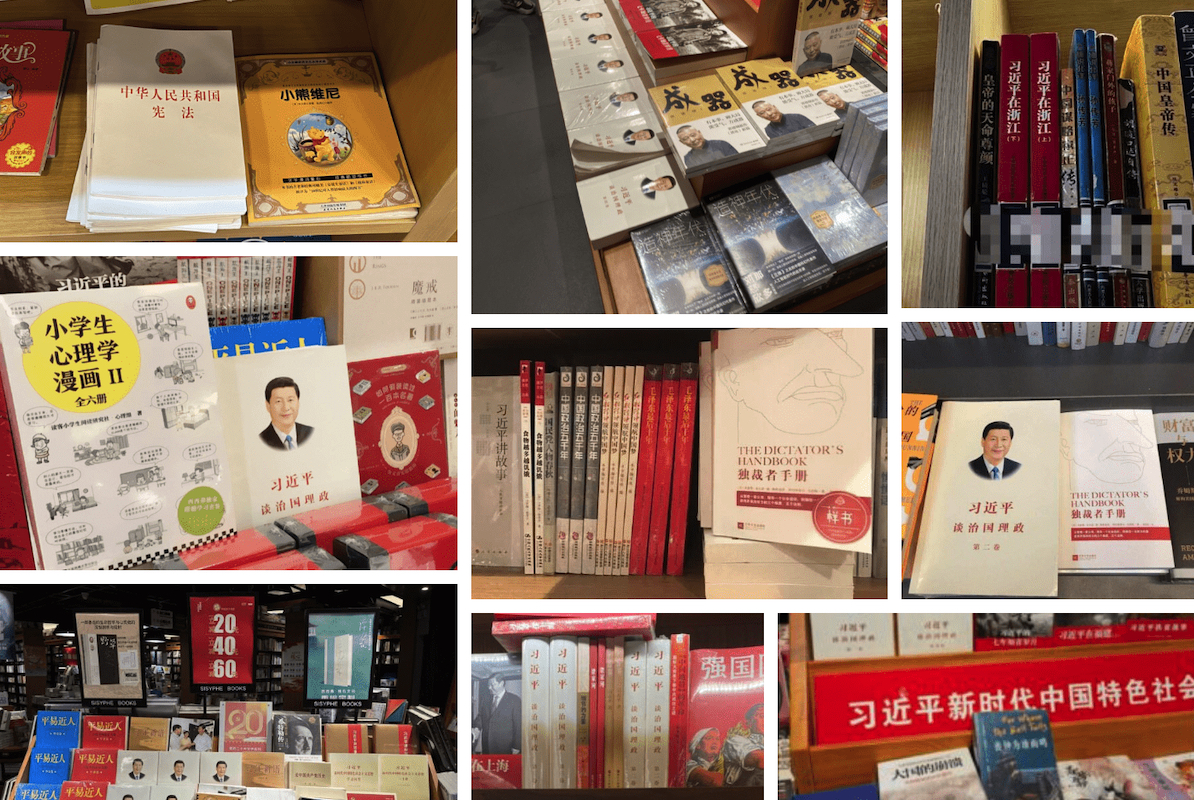
    China is rapidly emerging as the future dominant force in global publishing, with projections indicating it will become the world’s most influential publishing market within the coming decade. This remarkable ascent is fueled by multiple strategic advantages including substantial domestic market growth, targeted expansion policies, significant advancements in scholarly publishing, and pioneering adoption of digital technologies that are reshaping how content is created, distributed, and consumed worldwide.

    The Chinese publishing market already ranks among the world’s largest, supported by hundreds of millions of active readers with increasing disposable income driving demand across both print and digital formats. Major platforms including Dangdang and JD Books continue expanding their catalogues while audiobook and mobile reading applications gain substantial traction. Notably, physical bookstores continue to thrive alongside digital platforms, demonstrating the market’s remarkable diversity and breadth.

    This robust consumer activity provides Chinese publishers with unprecedented financial flexibility to experiment with innovative formats, marketing approaches, and distribution channels. This experimentation allows them to develop and refine business models that other markets struggle to implement effectively. Despite challenges including intense price competition and demographic shifts affecting children’s book segments, China’s publishing industry maintains strong innovative capacity.

    Chinese publishers are demonstrating exceptional agility in adapting to the digital landscape, with short-video e-commerce platforms like Douyin becoming significant sales channels. This rapid adoption of new retail models gives Chinese publishers distinct advantages over Western counterparts in reaching digitally-native audiences. Additionally, growing cultural pride is driving demand for high-quality original content that blends traditional Chinese narratives with contemporary themes, resulting in increased success for home-grown intellectual property and international copyright exports.

    The internationalization of Chinese trade publishing forms a crucial component of government-backed soft power strategy, aligned with China’s national goal of becoming a ‘cultural powerhouse’ by 2035. Major state-owned conglomerates including China Publishing Group Corporation and China International Publishing Group are executing this strategic vision through substantial resource allocation. Organizations such as Foreign Languages Press and New World Press publish works in multiple languages covering contemporary Chinese society, literature, and cultural classics, distributed across over 180 countries through exports, co-publishing arrangements, and partnership initiatives.

    Concurrently, China’s academic publishing sector is undergoing transformative growth. Massive investment in research and development has established China as a scientific and technological leader, evidenced by surpassing the United States in highly-cited academic papers. Policy shifts encouraging open access, data sharing, and transparent research practices complement substantial STEM investments. By 2030, Chinese academic publishers are projected to hold significantly increased global influence, particularly in engineering, medicine, and environmental science.

    The Chinese government actively promotes creation of world-class domestic academic journals to reduce foreign dependency, accelerated by massive digital publishing investments. Initiatives like the Belt and Road Initiative include cultural components such as translation projects, reading festivals, and academic exchanges that build relationships with emerging markets. These partnerships frequently result in co-published titles and distribution agreements that position Chinese content in new markets while encouraging international collaboration.

    China’s publishing sector has reached a critical juncture where ambition and capability converge, combining vast market scale, technological investment, and long-term cultural strategy to create momentum unmatched by global competitors. Within the next decade, this powerful combination will fundamentally reshape how stories are produced, research is shared, and cultural influence transcends borders. The question for global publishers is no longer whether this transformation will occur, but how rapidly they can adapt to the new publishing landscape China is creating.


  • China hits record 180 billion parcel deliveries

    China hits record 180 billion parcel deliveries

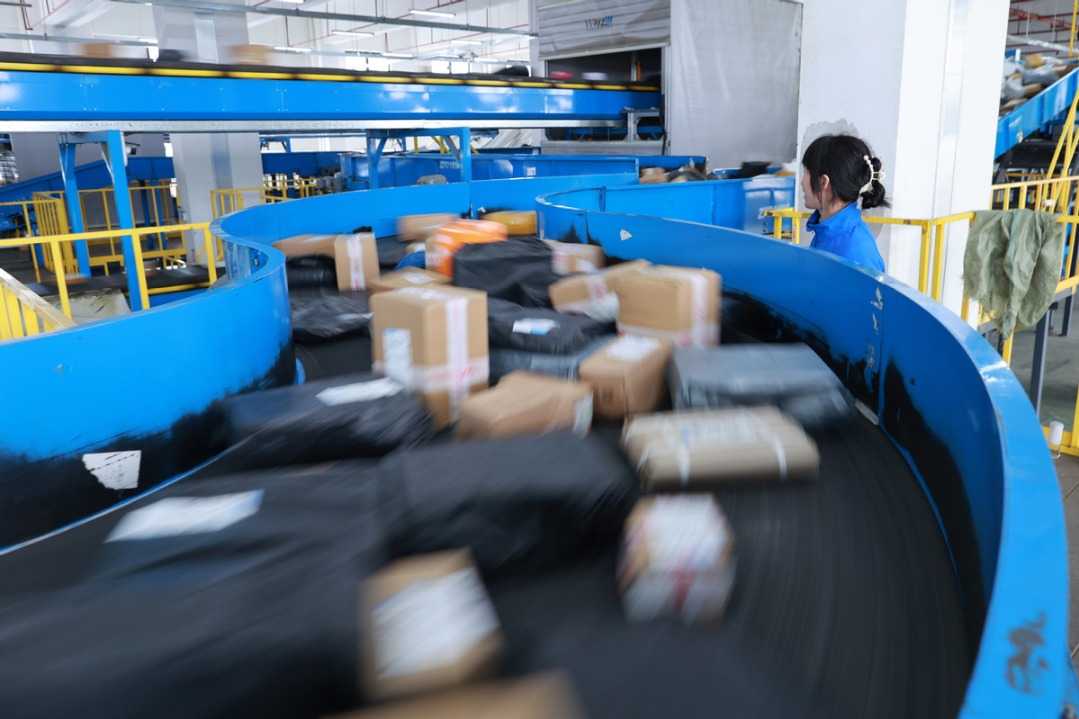
    China’s logistics industry has reached an unprecedented milestone, processing a staggering 180 billion parcel deliveries as of late November 2025. This remarkable achievement underscores the massive scale and efficiency of the country’s delivery infrastructure, which has become the backbone of the world’s largest e-commerce market.

    The record-breaking figure demonstrates the continued expansion of China’s digital economy despite global economic headwinds. The parcel volume represents a significant increase from previous years, reflecting sustained consumer demand and the deepening penetration of e-commerce services across urban and rural areas alike.

    Industry analysts attribute this growth to several key factors: the maturation of last-mile delivery networks, technological innovations in logistics management, and the proliferation of live-stream commerce platforms that have transformed shopping behaviors. The development of specialized delivery services for agricultural products has particularly contributed to rural economic vitality, enabling farmers to access nationwide markets directly.

    This logistical achievement occurs alongside other technological advancements highlighted in recent reports, including Beijing’s artificial intelligence sector projecting over $63 billion in output and the deployment of China’s first sea-based rocket recovery platform. The parallel development of these sectors demonstrates the interconnected nature of China’s technological and logistics ecosystems.

    The record parcel volume also reflects the successful implementation of China’s dual circulation strategy, which emphasizes both domestic consumption and international trade. As the holiday season approaches, industry observers anticipate further growth in parcel volumes, testing the resilience and capacity of delivery networks.

  • US and UK set to agree zero tariffs deal on pharmaceuticals

    US and UK set to agree zero tariffs deal on pharmaceuticals

    The United Kingdom and United States are poised to announce a landmark trade agreement eliminating proposed pharmaceutical tariffs, following months of tense negotiations and investment diversions by major drug manufacturers. Industry sources indicate the deal could be finalized imminently, potentially as early as today.

    This breakthrough comes after several pharmaceutical giants scaled back UK operations or redirected investments stateside in response to threatened tariff increases of up to 100% on branded medications. The UK’s Department for Business and Trade reports £11.1 billion in medicine exports to the US during the twelve months ending September, representing 17.4% of all UK goods exports during that period.

    Under the anticipated agreement, UK medicine exports will receive three-year protection from tariff escalations while Britain commits to raising its price threshold for expensive new treatments by 25%. Additionally, the National Health Service will increase overall pharmaceutical expenditures, addressing industry concerns about stagnant spending.

    The tariff dispute intensified amid longstanding tensions between pharmaceutical companies and the UK government regarding drug pricing and approval rates. Former Trump administration officials highlighted that American consumers pay significantly more for medications than their UK and European counterparts.

    Recent investment patterns underscore the agreement’s urgency: GSK pledged $30 billion toward US research and manufacturing over five years, while Merck abandoned a planned £1 billion expansion in UK operations. AstraZeneca similarly paused a £200 million Cambridge research facility investment while committing $50 billion to US manufacturing and R&D.

    The agreement represents a delicate balancing act between Health Secretary Wes Streeting’s commitment to preventing drug companies from ‘ripping off’ the UK and Science Minister Sir Patrick Vallance’s acknowledgment that NHS medicine spending must increase after a decade of budgetary decline.

  • One of the world’s most important energy analysts shares his 2026 oil forecast

    One of the world’s most important energy analysts shares his 2026 oil forecast

    In an exclusive interview with Khaleej Times, Dr. Daniel Yergin, vice chairman of S&P Global and Pulitzer Prize-winning energy authority, presented a comprehensive outlook for global energy markets heading into 2026. The renowned analyst predicts Brent crude will average approximately $60 per barrel in 2026 before recovering to $65 in 2027, reflecting fundamental shifts in the global energy landscape.

    Yergin identifies several critical factors influencing oil markets, noting that supply currently exceeds demand despite vigorous debate about the exact degree of oversupply. He emphasizes that economic fundamentals, political developments, and unexpected events will collectively shape price trajectories. Two particular uncertainties dominate the outlook: the market status of Russian oil amid ongoing sanctions and the trajectory of Chinese demand, which remains obscured by strategic stockpiling activities.

    According to Yergin, the globalization paradigm that characterized oil markets for decades has fundamentally fractured following Russia’s invasion of Ukraine, creating a partitioned market structure. This new era of sanctions, tariffs, and protectionism introduces non-economic variables that complicate traditional forecasting models.

    Beyond oil, Yergin highlights significant transformations in natural gas markets, where the United States has emerged as the world’s leading LNG exporter within just a decade. He anticipates abundant LNG supplies will pressure prices downward, particularly as Europe permanently reduces dependence on Russian gas. The analyst also notes Gulf countries’ strategic evaluations of their roles as global gas producers.

    A central theme in Yergin’s analysis is the escalating electricity demand driven by artificial intelligence infrastructure. He identifies electricity availability as the critical constraint on AI development, noting that natural gas is experiencing a resurgence in power generation despite previous transition expectations. This electricity demand has also renewed interest in nuclear power, with Yergin specifically praising the UAE’s decision to build four nuclear reactors as “a brilliant strategic decision.”

    Regarding investment strategies, energy sector experts suggest a cautious approach to oil-related equities given anticipated price weakness, while highlighting stronger fundamentals for natural gas and power infrastructure. They recommend patience with oil stocks and consideration of LNG companies, nuclear utilities, and power producers as alternative energy investments.

    Yergin’s upcoming CERAWeek conference in March will focus extensively on AI-energy intersections, LNG market dynamics, oil market developments, and technological innovations across energy industries.

  • Airbus narrows software crisis as airlines ride out A320 recall

    Airbus narrows software crisis as airlines ride out A320 recall

    Airbus SE is rapidly containing a global software crisis affecting its A320-family aircraft, with airlines reporting faster-than-expected implementation of emergency fixes mandated after a vulnerability to solar flare interference was identified. The issue emerged following a mid-air incident involving a JetBlue Airways aircraft that experienced an altitude drop, prompting what industry sources describe as the most extensive emergency recall in Airbus history.

    Regulators worldwide issued a sweeping directive requiring software updates before further flight operations, initially affecting approximately 6,000 aircraft—roughly half the global A320-family fleet. The emergency measure raised concerns about potential travel disruption during the busy US Thanksgiving weekend, but carriers from Asia to the Americas executed retrofits with surprising speed.

    The technical solution involves reverting to a previous software version that controls the aircraft’s nose angle, requiring engineers to upload the update via physical data loaders directly connected to cockpit systems—a security measure designed to prevent cyber intrusion. While most aircraft required approximately three hours for the software reset, a subset of older jets will need complete computer replacements, though the number affected has been revised downward from initial estimates of 1,000 aircraft.

    Industry executives note the crisis represents Airbus’s first encounter with global safety scrutiny on this scale since rival Boeing’s 737 MAX troubles. In a notable departure from traditional aviation industry communication practices, CEO Guillaume Faury issued a public apology—a response strategy observers attribute to lessons learned from Boeing’s reputational damage following perceived hesitation and lack of transparency during its crisis.

    The episode revealed operational challenges within Airbus’s monitoring capabilities, as the manufacturer lacks real-time awareness of which software versions operate across its global fleet due to reporting delays. Several airlines initially struggled to identify affected aircraft because the blanket alert didn’t include specific serial numbers, though carriers subsequently refined their assessments downward as implementation progressed.

  • Dubai: New toll gates, variable pricing, strong profit boost Salik’s rating

    Dubai: New toll gates, variable pricing, strong profit boost Salik’s rating

    Dubai’s exclusive toll gate operator Salik Company PJSC has achieved a significant credit rating enhancement from Fitch Ratings, moving from A- to A with a stable outlook. This upgrade reflects the company’s robust financial health and strategic operational expansions throughout 2024-2025.

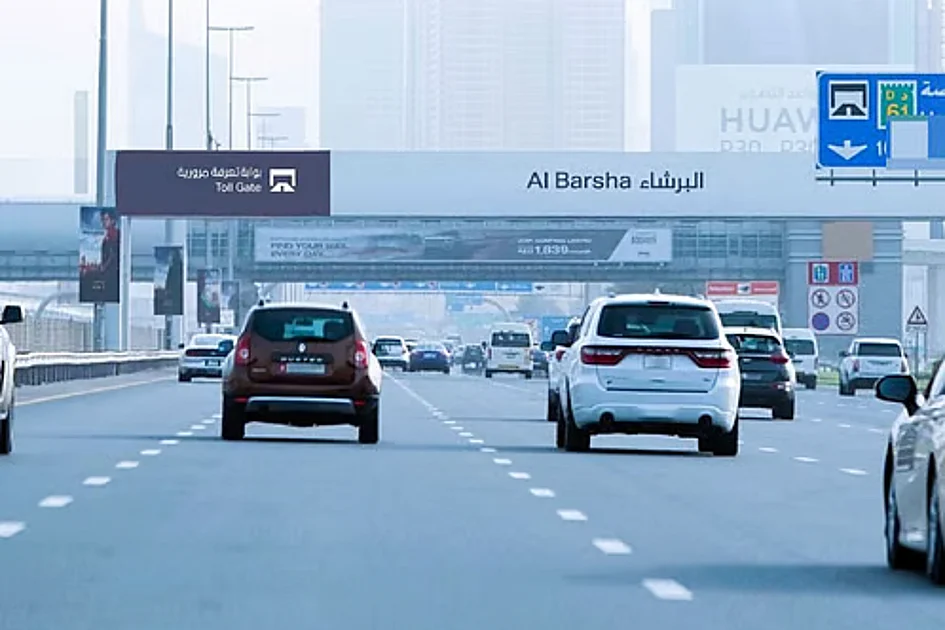
    The rating improvement follows Salik’s implementation of two major initiatives: the introduction of variable toll pricing effective January 31, 2025, and the activation of two additional toll gates in November 2024. These new collection points, positioned at Business Bay Crossing on Al Khail Road and Al Safa South on Sheikh Zayed Road, bring the total number of operational toll gates across Dubai to ten.

    Financial metrics demonstrate exceptional performance, with Salik reporting a net profit of Dh1.14 billion for the first nine months of 2025—a substantial 39.1% increase compared to the same period last year. The company maintained a trailing twelve-month net debt/EBITDA ratio of 2.61x as of September 30, 2025, well below its debt covenant threshold of 5.0x.

    Cash flow generation remained robust, with free cash flow reaching Dh1.47 billion during the nine-month period, representing a 39.5% year-on-year increase and a remarkable free cash flow margin of 64.7%. The company attributes its financial strength to its exclusive position in Dubai’s toll road system, conservative leverage approach, and long-term concession agreement with the Roads and Transport Authority (RTA) that ensures stable cash flow generation.

    Company leadership emphasized that despite the upgraded credit profile, Salik has no immediate plans for public debt issuance. Chairman Mattar Al Tayer stated that the rating improvement reflects international confidence in Salik’s business model and Dubai’s smart transportation infrastructure. CEO Ibrahim Sultan Al Haddad added that maintaining investment-grade status positions the company favorably for future capital market access when required.

  • New logistics network transforms fortunes of remote Metog county

    New logistics network transforms fortunes of remote Metog county

    The remote county of Metog in Tibet Autonomous Region has undergone a remarkable economic transformation, evolving from one of China’s most isolated regions into a vibrant commercial hub through revolutionary logistics improvements and e-commerce integration.

    Historically known as the ‘isolated island’ of the Qinghai-Tibet Plateau due to its formidable terrain, Metog represented China’s last county without road access until 2013. The completion of a national highway ended decades of geographical isolation, creating fundamental infrastructure for economic development.

    The breakthrough accelerated dramatically when major e-commerce platforms eliminated logistics transfer fees for remote regions starting in late 2024. This policy shift proved instrumental in connecting Metog’s unique products with national markets. The county’s renowned stone pots, traditionally used for cooking, have emerged as particularly sought-after items among consumers across China.

    Local entrepreneur Wangmo exemplifies this transformation. Since establishing her online stone pot business in 2017, she has witnessed extraordinary growth following the improved shipping policies. ‘My orders now span the entire country, with the farthest destinations reaching Taiwan and Hong Kong,’ Wangmo reported. Her store on Pinduoduo platform now achieves monthly sales exceeding 100 stone pots.

    The logistics revolution has created a dual benefit system: while enabling local products to reach national markets, it simultaneously allows residents to access goods previously unavailable. Wangmo’s newly built home showcases various appliances purchased online, demonstrating how improved delivery systems have enhanced living standards.

    JD Logistics has been at the forefront of this transformation. According to their Lhasa representative, deliveries that previously required over a week now frequently arrive within 24 hours. This dramatic improvement stems from JD’s expanded self-operated warehousing network, with Metog orders now shipping from their smart warehouse in Lhasa.

    The economic impact appears substantial. During the recent Singles’ Day shopping festival, Tibet led the nation in per capita spending, indicating robust consumer engagement. Official statistics reveal Metog’s GDP reached 1.01 billion yuan ($142 million) with a 6.95% growth rate, while urban and rural disposable incomes grew by 7% and 8.3% respectively.

    This comprehensive logistics network has effectively bridged the gap between agricultural producers and national markets, creating seamless distribution channels for Tibet’s unique products while significantly reducing transportation costs for local farmers.