分类: business

  • Tariffs add strain to US holiday season

    Tariffs add strain to US holiday season

    The traditional period from Thanksgiving through Christmas and New Year’s celebrations, typically marked by robust consumer spending in the United States, is experiencing unprecedented pressure due to ongoing tariff implementations. Recent policy measures have begun translating into tangible economic effects, with American shoppers confronting higher prices across numerous product categories during what is historically the nation’s most significant retail period.

    Market analysts observe that the cumulative impact of tariff structures is now permeating consumer markets, creating financial strain for households attempting to maintain their holiday shopping traditions. The increased costs, originating from international trade policy decisions, are affecting a wide spectrum of goods including electronics, clothing, and household items that typically see heightened demand during seasonal celebrations.

    Economic observers note that this development introduces additional complexity to consumer decision-making processes, potentially altering spending patterns and budget allocations for festive purchases. Retail sector representatives have expressed concern regarding the potential long-term implications for consumer confidence and spending behavior, particularly during this critical revenue generation window for many businesses.

    The situation presents a challenging environment for both retailers and consumers, as adaptation strategies are being implemented across the market ecosystem. Some retailers are absorbing portions of the cost increases while others are passing them along to consumers, creating a varied landscape of pricing approaches throughout the industry.
  • India orders IndiGo to slash flights as airline says operations ‘normalised’

    India orders IndiGo to slash flights as airline says operations ‘normalised’

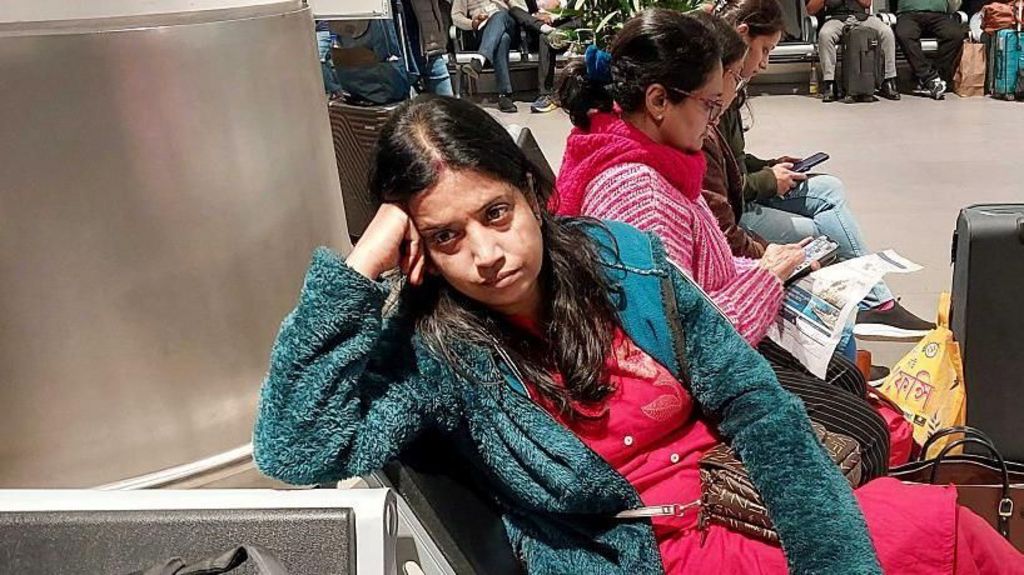
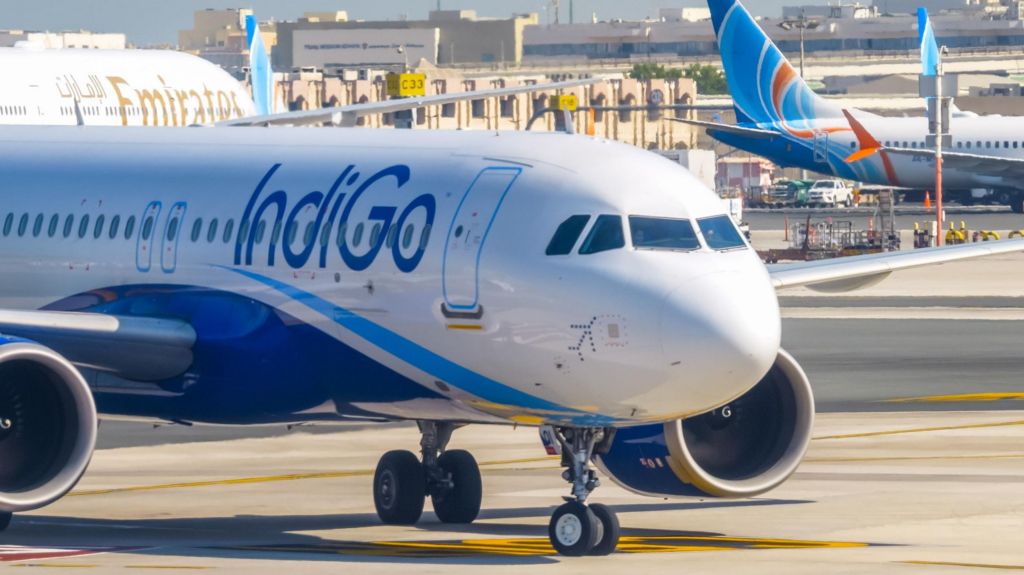
    India’s dominant carrier IndiGo has announced the stabilization of its operations following a severe disruption that resulted in over 3,000 flight cancellations last week. The crisis, attributed by company officials to inadequate pilot roster planning, stranded thousands of passengers nationwide.

    In response to the operational breakdown, Indian aviation authorities have mandated a 10% reduction in IndiGo’s winter flight schedule—doubling the initially proposed cuts. This directive could lead to the cancellation of more than 200 daily flights. Federal Aviation Minister Ram Mohan Naidu stated that the ministry ‘deems it necessary to curtail the overall IndiGo routes’ to restore operational stability, while assuring that the airline ‘will continue to cover all its destinations as before.’

    The airline, which commands over 60% of India’s domestic market with approximately 2,200 daily flights, has been ordered to submit its revised schedule to regulators by Wednesday. Additionally, the carrier must implement fare caps, expedite refund processes, and accelerate baggage handling for affected customers.

    Aviation analysts warn that reducing IndiGo’s daily capacity by 10% could exacerbate India’s ongoing aviation crisis. Sanat Kaul, an industry analyst, noted that while the government’s intervention might benefit passengers long-term, immediate consequences could include heightened fares due to constrained capacity across competitors like Air India and SpiceJet, which lack surplus capacity.

    The operational turmoil has triggered financial repercussions, with IndiGo’s shares declining 15% since December 1st. Investors express concerns over rising costs stemming from operational disruptions and increased crew expenses under new regulatory frameworks. Aviation expert Mark Martin anticipates further penalties for the carrier in coming days.

    IndiGo CEO Peter Elbers, summoned by India’s aviation ministry on Tuesday to address crisis management and passenger complaint handling, asserted in a video message on social media platform X that operations had ‘fully stabilized.’

  • Canadian airline Air Transat and pilot union reach tentative agreement

    Canadian airline Air Transat and pilot union reach tentative agreement

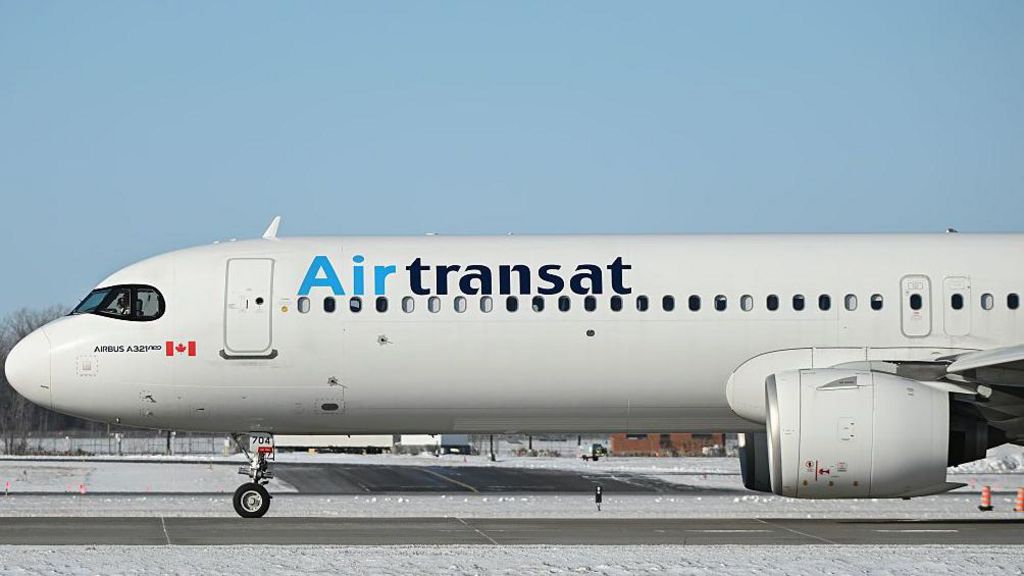
    Canadian leisure carrier Air Transat has reached a pivotal tentative agreement with its pilot union, successfully avoiding an imminent strike that threatened to paralyze the airline’s operations. The breakthrough came after eleven months of contentious negotiations between the airline and the Air Transat ALPA Master Executive Council, representing over 750 pilots.

    The agreement follows a dramatic 99% strike authorization vote by union members on Sunday, which prompted Air Transat to begin preemptively scaling back flights in anticipation of a work stoppage scheduled to commence Wednesday. Captain Bradley Small, chair of the ALPA Master Executive Council, credited pilot solidarity for compelling management to engage in substantive negotiations.

    According to union statements, the new framework addresses critical concerns regarding compensation disparities, job security provisions, and scheduling flexibility that had fallen behind industry standards. The airline acknowledged the disruption caused by the negotiation uncertainty, extending apologies to customers affected by recent operational adjustments.

    “Our operations are returning to normal,” Air Transat confirmed in a Tuesday announcement, emphasizing their commitment to restoring service quality. The tentative agreement now proceeds to union membership for ratification in the coming days.

    This development marks the second major labor confrontation in Canada’s aviation sector this year, following an August strike by Air Canada flight attendants that required government mediation and resulted in widespread cancellations. The resolution underscores the ongoing tension between labor demands and operational sustainability in the post-pandemic aviation industry.

  • Oreo is bringing zero-sugar cookies to the US

    Oreo is bringing zero-sugar cookies to the US

    Mondelez International has announced the January launch of Oreo Zero Sugar and Oreo Double Stuf Zero Sugar cookies in the United States, marking the brand’s first permanent sugar-free offering in the American market. The move represents a strategic response to growing consumer demand for healthier snack alternatives while maintaining the iconic Oreo taste experience.

    The new product line, already available in European and Chinese markets, addresses what Mondelez identifies as ‘mindful indulgence’ – the increasing consumer preference for treats that align with wellness goals. This development comes amid broader industry recognition of shifting snacking patterns. Market research firm Circana recently reported that a majority of American consumers actively seek snacks they perceive as ‘good for them,’ while Conagra Brands noted particular interest in portion-controlled and wellness-focused options among Millennial and Gen Z demographics.

    Mondelez faces competitive pressure in the sugar-free segment from established players including Hershey’s zero-sugar confectionery lines and Voortman’s sugar-free wafer cookies. The market potential is demonstrated by Coca-Cola Zero Sugar’s performance, which saw 9% sales growth in 2023 compared to just 2% for the original formula.

    Developing the sugar-free alternative required four years of research to maintain the classic Oreo flavor profile. The reformulated cookies utilize a combination of maltitol (a sugar alcohol naturally present in fruits and vegetables), polydextrose soluble fiber, sucralose, and acesulfame potassium as sweetening agents.

    Nutritional analysis reveals significant differences between product lines. A 22.6-gram serving of Zero Sugar Oreos contains 90 calories, 4.5 grams of fat, and 16 grams of carbohydrates with zero added sugars. By comparison, a 34-gram serving of traditional Oreos (approximately three cookies) contains 160 calories, 7 grams of fat, 25 grams of carbohydrates, and 13 grams of added sugars representing 26% of recommended daily intake.

  • US unveils aid package to farmers affected by tariff policies

    US unveils aid package to farmers affected by tariff policies

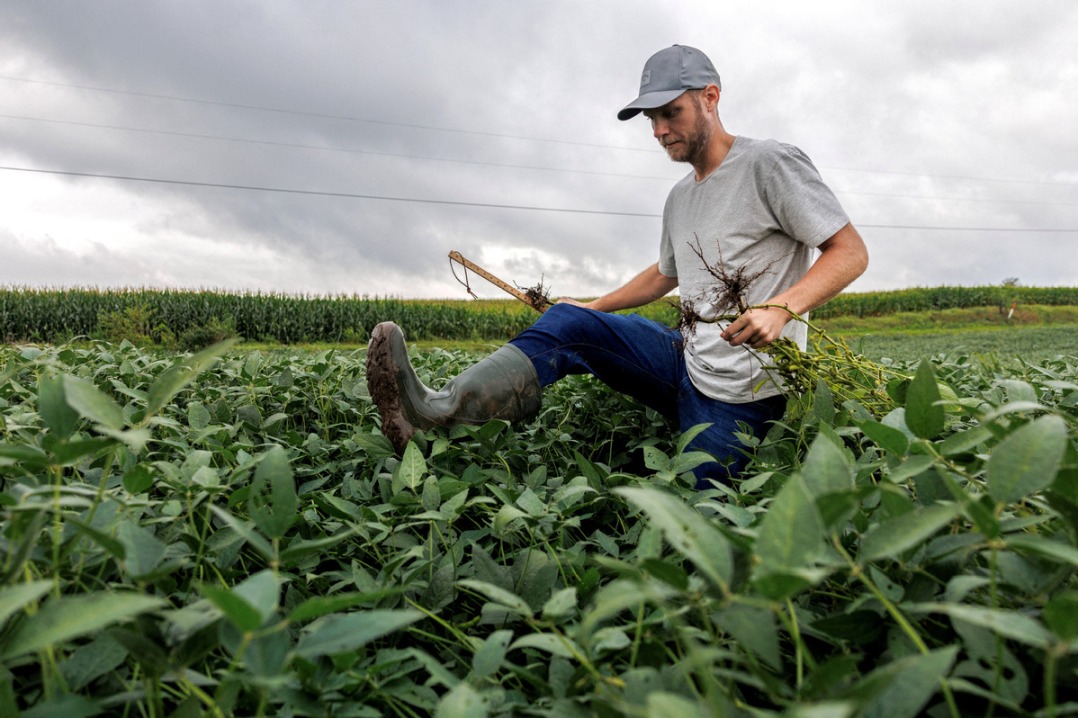
    The United States administration has formally introduced a substantial $12 billion financial assistance program aimed at mitigating the adverse effects of tariff policies on the domestic agricultural sector. This comprehensive relief initiative, unveiled on Monday, arrives as American farmers confront mounting challenges stemming from international trade disputes.

    Central to this agricultural support package is the allocation of up to $11 billion in direct one-time payments to crop producers through the USDA’s Farmer Bridge Assistance (FBA) program. The remaining funds will address the needs of agricultural operators falling outside the FBA’s coverage parameters.

    During a White House roundtable discussion, President Donald Trump emphasized the severe economic pressures facing rural America, citing concerning trends including inflationary pressures, increased bankruptcy filings, and rising suicide rates among farming communities. The administration attributed these difficulties to preceding governmental policies rather than current trade strategies.

    Agriculture Secretary Brooke Rollins indicated that payment distribution rates will be finalized by December’s end, with actual fund disbursement scheduled for completion before February 2026. This agricultural relief proposal experienced significant delays due to the 43-day federal government shutdown that commenced in October.

    In parallel measures, the administration announced plans to eliminate certain environmental protection requirements for agricultural equipment manufacturers, a move intended to reduce production costs within the farming industry.

    The policy announcement drew immediate criticism from Senate Minority Leader Chuck Schumer, who characterized the assistance package as inadequate compensation for self-inflicted damage. Through social media platform X, Schumer asserted that farmers require sustainable export markets rather than financial consolation prizes for markets disrupted by tariff policies.

    American agricultural producers currently face a complex combination of challenges including diminished international demand, escalating operational expenses, increased fertilizer costs, and declining commodity prices—all exacerbated by ongoing international trade tensions.

  • Guangdong blueprint aims to drive GBA’s integrated growth

    Guangdong blueprint aims to drive GBA’s integrated growth

    Guangdong Province has unveiled a comprehensive strategy to propel the integrated development of the Guangdong-Hong Kong-Macao Greater Bay Area (GBA), positioning itself as the primary engine for regional advancement. The blueprint, released as part of the province’s recommendations for the 15th Five-Year Plan (2026-2030), outlines ambitious plans to transform the 11-city cluster into a global innovation and industrial hub through enhanced collaboration with Hong Kong and Macao.

    The strategic framework emphasizes three core pillars for achieving deeper integration: strengthening infrastructure connectivity, aligning regulatory mechanisms, and fostering people-to-people exchanges. Guangdong will work closely with the two special administrative regions to establish multilayered consultation channels and develop a comprehensive cooperation architecture that facilitates seamless regional coordination.

    Key cooperation platforms in Qianhai, Hengqin, and Nansha will receive heightened focus as testing grounds for policy innovation and regional integration. The Hengqin cooperation zone will accelerate integration with Macao through an optimized ‘separate line management’ system and accelerated development of four target industries: sci-tech research and high-end manufacturing, traditional Chinese medicine, cultural tourism and conventions, and modern finance. This initiative directly supports Macao’s strategic objective of economic diversification.

    Nansha will evolve into a hub for high-tech and port-adjacent industries, while Guangzhou’s free trade zone transforms into a comprehensive service center for Chinese enterprises expanding overseas.

    Academic experts highlight the GBA’s potential to emerge as the world’s largest economic hub and a global leader in technological innovation by 2035. Professor Zheng Yongnian of the Chinese University of Hong Kong (Shenzhen) notes that while Guangdong still faces technological gaps, the province should focus on building large-scale scientific systems to nurture productive forces and accelerate applied technology commercialization.

    However, challenges remain in cross-boundary factor flows, including professional qualification recognition, cross-boundary financing, and data transfer mechanisms. As Assistant Professor Dai Zhipeng of Shenzhen MSU-BIT University observes, ‘Cross-boundary integration not only involves regulatory frameworks but also social and administrative systems. The fundamental breakthrough lies in system and rule alignment.’

  • US isn’t winning trade war despite drop in its imports from China

    US isn’t winning trade war despite drop in its imports from China

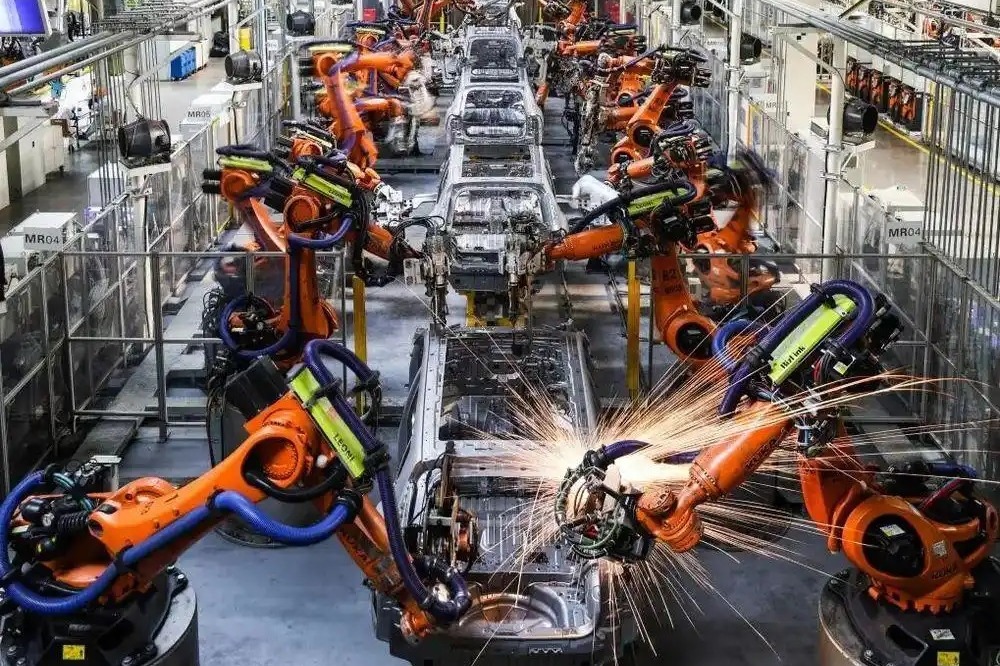
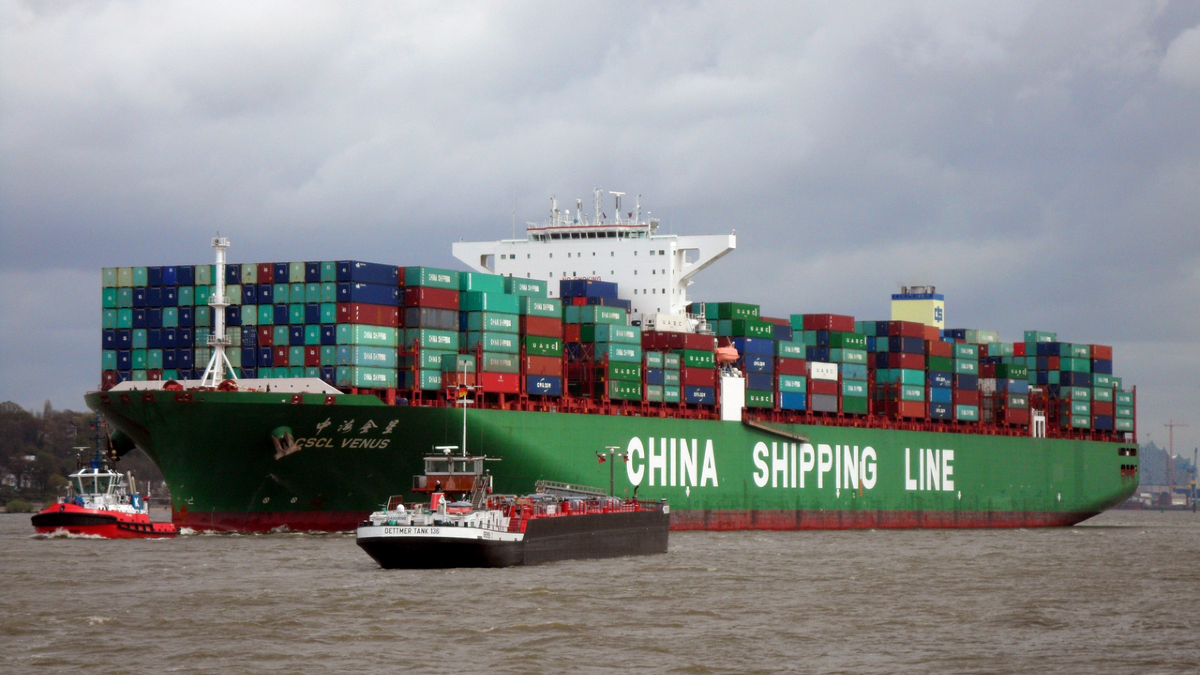
    Despite imposing aggressive tariffs on Chinese imports since April, the United States finds itself confronting an unexpected outcome: China’s global trade surplus has surged to unprecedented levels rather than diminishing. Over the eight-month period following President Trump’s tariff implementation, Chinese exports to the US witnessed a dramatic 26% year-on-year decline. However, this apparent victory for American trade policy has been overshadowed by China’s remarkable adaptability in global markets.

    Analysis of the recently released US National Security Strategy reveals a notable moderation in tone toward China, suggesting administration officials may be acknowledging the complex realities of the trade conflict. The document, while critical of previous administrations’ China policies, emphasizes aspirations for ‘balance’ and ‘reciprocity’ rather than confrontational rhetoric. This represents a significant departure from earlier hardline positions.

    The strategic report acknowledges China’s recycling of approximately $1.3 trillion in trade surpluses into loans across developing nations, creating new economic and security challenges for the US and its allies. It calls for coordinated efforts with European and Asian partners to address China’s economic practices while advocating for reforms in multilateral development institutions to better serve American interests.

    Chinese analysts have detected this subtle shift in Washington’s approach, interpreting the moderated language as recognition of China’s growing economic resilience. Despite the substantial decline in direct US-China trade, Chinese manufacturers have successfully diversified export routes through ASEAN nations, the European Union, and other markets. This strategic pivot has enabled China to achieve a 5.4% increase in overall exports, reaching $3.41 trillion in the first eleven months of the year, with a record trade surplus of $1.08 trillion.

    The complex trade dynamics continue to evolve as both nations reassess their positions. While the US maintains its focus on protecting economic interests, China’s demonstrated capacity to navigate trade barriers suggests the conflict may be entering a new phase of strategic recalibration rather than resolution.

  • Ben & Jerry’s brand could be destroyed, says co-founder

    Ben & Jerry’s brand could be destroyed, says co-founder

    Ben & Jerry’s co-founder Ben Cohen has issued a stark warning that the iconic ice cream brand risks complete destruction if it remains under the ownership of newly-independent parent company Magnum. In an exclusive interview with the BBC, Cohen articulated profound concerns regarding corporate governance conflicts and the erosion of the company’s foundational social justice values.

    The controversy represents the latest escalation in a protracted dispute between the Vermont-based ice cream maker and its corporate ownership over operational autonomy and activist expression. This conflict has intensified since Magnum Ice Cream Company (TMICC) commenced independent trading on European markets Monday following its spinoff from consumer goods conglomerate Unilever.

    Central to the dispute is the recent removal of Ben & Jerry’s board chair Anuradha Mittal, who has led the independent board since 2018. Magnum executives cited an internal audit revealing “material deficiencies in financial controls, governance and compliance policies” as justification for her dismissal. Mittal has vehemently disputed these claims, characterizing the audit as a “manufactured inquiry engineered to attempt to discredit me” in statements to Reuters.

    Cohen maintains that Magnum possesses “no standing to determine who the chair of the independent board should be,” asserting that such authority violates the original acquisition agreement. The 2000 sale to Unilever specifically guaranteed Ben & Jerry’s would retain an independent board and decision-making authority regarding its social mission—protections Cohen believes are now being systematically undermined.

    The governance conflict follows several high-profile clashes between the ice cream company and its corporate parent. In 2021, Unilever sold Ben & Jerry’s Israeli operations to a local licensee after the company refused to sell products in occupied territories. More recently, Cohen claims the company was prevented from launching a flavor expressing “solidarity with Palestine.”

    Cohen proposes two potential resolutions: either transfer ownership to investor groups committed to preserving the brand’s values, or for Magnum to execute a “180 degree turnaround” in supporting the independent board’s authority. He warns that continued current ownership would transform Ben & Jerry’s into “just another piece of frozen mush” that would inevitably lose market share and consumer loyalty.

    Magnum executives have pushed back against these characterizations. A company spokesperson stated they aim to strengthen Ben & Jerry’s “powerful, non-partisan values-based position in the world” and confirmed the brand is “not for sale.” Magnum CEO Peter ter Kulve previously suggested to the Financial Times that the company’s septuagenarian founders should eventually “hand over to a new generation.”

    The market debut saw Magnum’s primary shares open at €12.20, below the expected €12.80 reference price, though they recovered to close 1.3% higher. The spinoff establishes Magnum as the world’s largest standalone ice cream business, though its relationship with its most socially-conscious asset remains deeply fractured.

  • How India’s largest airline lost control and threw air travel into chaos

    How India’s largest airline lost control and threw air travel into chaos

    India’s aviation sector is reeling from one of its most severe operational crises in years, triggered by massive flight cancellations from the country’s largest carrier, IndiGo. The airline canceled over 1,600 flights on December 5th alone, stranding hundreds of thousands of passengers and disrupting critical life events including weddings, funerals, and examinations.

    The crisis stems from IndiGo’s failure to adequately prepare for new crew rest regulations implemented by India’s Directorate General of Civil Aviation (DGCA). These regulations, introduced nearly two years ago to align with global safety standards, mandate longer weekly rest periods for pilots (increased from 36 to 48 hours) and stricter limits on nighttime landings (reduced from six to two). While competitors like Air India successfully implemented these changes, IndiGo admitted it couldn’t fully comply by the November deadline.

    Aviation experts point to deeper systemic issues within the airline. Mark Martin, an industry analyst, questioned whether cost considerations prevented necessary hiring: ‘Did they do this because adopting the new rules would have required them to hire hundreds of new pilots and raised costs?’ The airline’s aggressive expansion into international routes may have further diverted management attention from compliance requirements.

    The human impact has been devastating. Passengers like Manjuri, who was transporting her husband’s coffin for final rites, faced unimaginable hardships. The widespread disruptions forced some travelers to camp at airports for days while others missed crucial family events and professional commitments.

    Financial repercussions are mounting. Moody’s ratings agency warned of significant revenue loss from cancellations, refunds, customer compensation, and potential regulatory penalties. IndiGo’s stock price has tumbled in Mumbai trading as investors anticipate increased operational costs under the new rules.

    Despite securing a temporary exemption until February, the airline faces mounting criticism. The Airline Pilots Association of India condemned the exemption as undermining safety standards. Competitors including Air India and SpiceJet have capitalized on the situation by adding hundreds of flights to accommodate stranded passengers.

    Industry veterans like GR Gopinath, founder of Air Deccan, attribute the crisis to monopolistic indifference stemming from IndiGo’s 60% market dominance. The carrier transports over 100 million passengers annually through its 2,000 daily flights.

    With parliamentary discussions underway and the aviation minister threatening ‘very strict action,’ IndiGo’s reputation as India’s reliable low-cost carrier hangs in the balance. The DGCA has issued a show-cause notice citing ‘significant lapses in planning and oversight’ and reportedly demanded a 5% reduction in flight schedules.

    Experts warn that recovery may take years, with lasting damage to the airline’s financial stability, safety reputation, and passenger trust. The crisis represents a pivotal moment for India’s aviation regulator to demonstrate enforcement authority while ensuring passenger safety remains paramount.

  • Why has Paramount launched a hostile bid for Warner Bros Discovery?

    Why has Paramount launched a hostile bid for Warner Bros Discovery?

    The media industry is witnessing an unprecedented corporate showdown as streaming giant Netflix and entertainment conglomerate Paramount engage in a high-stakes bidding war for Warner Bros Discovery. This potential acquisition, valued at over $100 billion, represents one of the largest media mergers in history and could fundamentally reshape the entertainment landscape.

    Paramount Skydance, backed by the billionaire Ellison family, has pursued Warner Bros for months seeking a strategic partnership to compete against industry leaders Netflix and Disney. After facing rejection, Paramount CEO David Ellison launched a hostile takeover bid directly to shareholders, offering $30 per share in an all-cash deal that values the entire company at $108.4 billion.

    Meanwhile, Netflix has secured a tentative agreement to acquire Warner Bros’ most valuable assets—its legendary studio and streaming divisions—for $82.7 billion including debt. Netflix’s proposal involves spinning off Warner Bros’ traditional pay-TV networks as a separate entity while offering shareholders a combination of cash and equity worth approximately $27.75 per share.

    The acquisition target represents a media crown jewel with nearly a century of entertainment history. Warner Bros’ vast content library spans from classic franchises like Looney Tunes, Superman, and Harry Potter to premium HBO productions including The Sopranos, Succession, and The White Lotus. The company’s streaming service, HBO Max, boasts approximately 120 million subscribers worldwide.

    For Netflix, with its 300 million subscribers, acquiring Warner Bros’ content would significantly enhance its film offerings and eliminate a potential competitor from accessing this valuable library. Paramount, conversely, seeks the merger to achieve necessary scale against industry giants, potentially combining HBO Max’s 120 million subscribers with Paramount’s 79 million customer base.

    Both proposals face significant regulatory scrutiny from US and European authorities. Netflix’s acquisition would consolidate the streaming market leader’s dominance, raising concerns about its influence over content creators and theatrical distributors. A Paramount-Warner merger would create a media behemoth controlling substantial sports broadcasting, children’s entertainment (through Nickelodeon and Cartoon Network), and news networks including CNN and CBS News.

    The Ellison family’s political connections add another dimension to the takeover battle. Their relationships with former President Trump and Republican circles, including tech billionaire Larry Ellison’s status as a major GOP donor, could influence regulatory outcomes. However, Trump’s recent criticism of Paramount over its editorial decisions demonstrates the unpredictability of political support.

    Industry analysts note that regulatory approval will likely depend on how broadly authorities define market competition, potentially considering platforms like YouTube as competitors in the streaming landscape. The completion of either transaction remains months away, with both deals requiring extensive regulatory review and shareholder approval.