分类: business

  • Xi Focus: Navigating headwinds and charting new blueprint

    Xi Focus: Navigating headwinds and charting new blueprint

    Beijing has concluded its high-level Central Economic Work Conference, establishing a comprehensive roadmap for China’s economic strategy as the nation prepares to launch its 15th Five-Year Plan period (2026-2030). Chaired by President Xi Jinping, the conference outlined key priorities including implementing proactive macroeconomic policies, expanding domestic demand, optimizing supply chains, and developing a unified national market.

    The meeting occurred against a backdrop of global trade tensions and domestic challenges, yet China’s economy has demonstrated remarkable resilience. Daily economic indicators reveal substantial vitality: approximately 24,000 new businesses emerge nationwide each day, while over 120 billion yuan worth of goods cross borders daily. Cloud data transmission exceeds 1.43 million gigabytes per second, with approximately 6,000 parcels entering logistics networks every second.

    International financial institutions have responded positively to China’s economic performance. The International Monetary Fund recently raised its 2025 growth forecast for China to 5%, with the World Bank, Asian Development Bank, and OECD subsequently increasing their projections. “China’s economy has shown notable resilience despite facing multiple shocks in recent years,” noted IMF representative Sonali Jain-Chandra.

    Throughout the year, President Xi conducted extensive inspections across China’s economic landscape, from northeastern industrial bases to eastern innovation hubs. These visits emphasized the critical importance of maintaining the real economy as the nation’s backbone while advancing manufacturing through high-end, intelligent, and green development pathways.

    Private sector development received particular attention, with enacted legislation promoting private economy growth, targeted measures stimulating private investment, and accelerated clearance of overdue payments to companies. Technological innovation emerged as a central focus, exemplified by companies like Infinigence AI, which has rapidly expanded its cloud capacity to over 25,000 petaflops across 53 data centers in 26 cities.

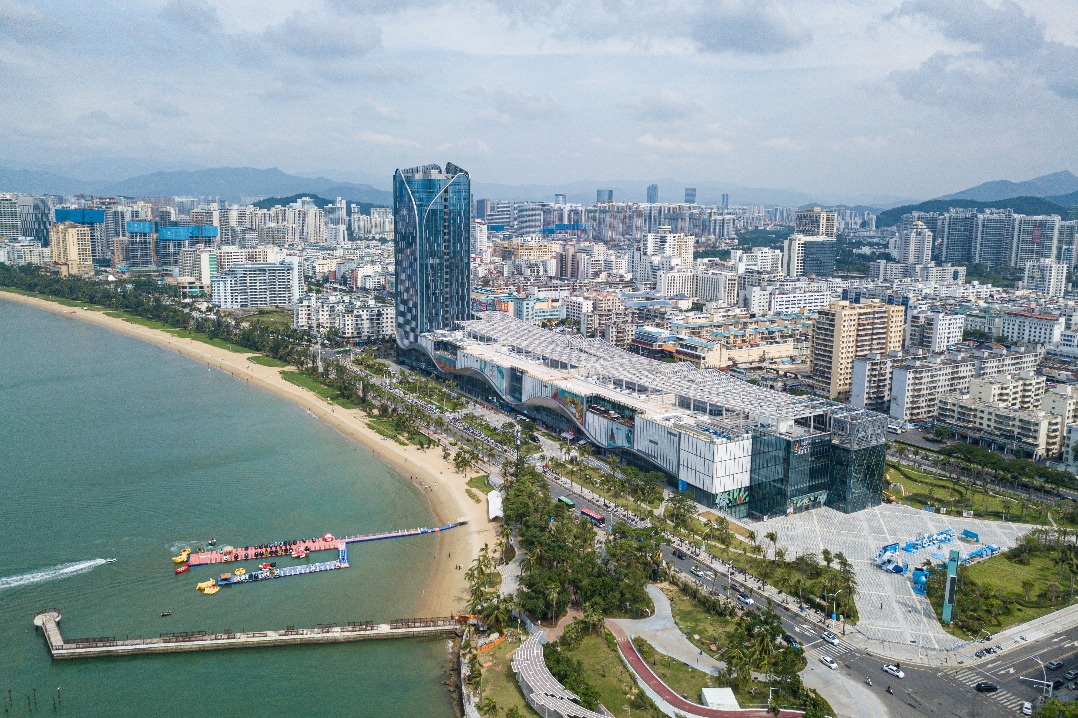
    The strategy emphasizes that reform and opening-up remain China’s primary tools for navigating challenges and unlocking growth potential. Recent symbolic inspections of Hainan Free Trade Port and Guangdong province highlighted China’s commitment to high-standard opening-up and comprehensive reform. In 2025, key measures included accelerating unified market development, enforcing anti-unfair competition laws, and further trimming negative lists for foreign investment.

    Multinational corporations have demonstrated continued confidence in China’s market. FAW-Volkswagen produced its 30 millionth vehicle in October, while Tesla launched its first overseas Megafactory in Shanghai. Siemens Healthineers is constructing new facilities in Shenzhen, and Airbus inaugurated its second Final Assembly Line in Tianjin.

    President Xi has personally reassured international business representatives of China’s commitment to widening market access, ensuring equal treatment for foreign businesses, and maintaining fair competition. The forthcoming five-year plan emphasizes opening wider to the outside world, promoting innovative trade development, expanding two-way investment cooperation, and pursuing high-quality Belt and Road collaboration.

    Spanish economist Pedro Barragán characterized China’s five-year plan as “an anchor of stability” in an unsettled global environment, noting that “as China manages to maintain orderly economic growth and advance reforms, its role as an engine of the global economy will be strengthened.”
  • Dubai prime real estate: Ultra-luxury villas drive global elite investment wave

    Dubai prime real estate: Ultra-luxury villas drive global elite investment wave

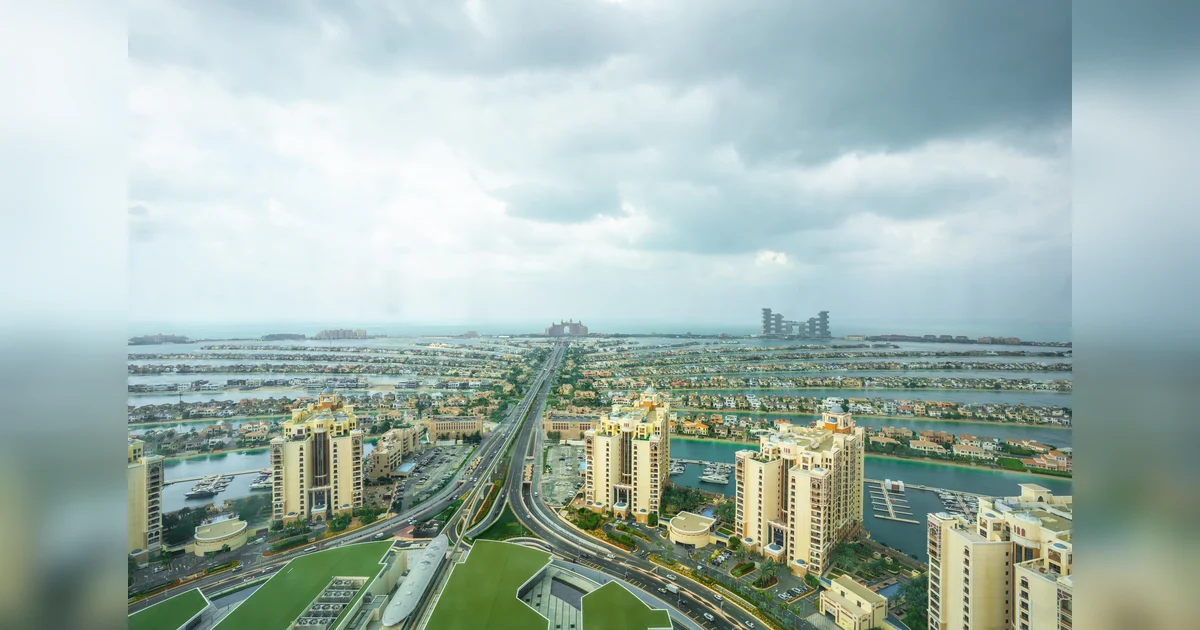
    Amid a cooling global luxury property market, Dubai emerges as a spectacular exception, establishing itself as the world’s premier destination for ultra-high-net-worth individuals. The emirate has witnessed an unprecedented influx of wealth, attracting approximately 10,000 millionaires in 2025 alone while achieving nearly 200% prime property price appreciation over a five-year period.

    This remarkable growth stems from a fundamental structural shift rather than temporary market conditions. According to the Henley & Partners Private Wealth Migration Report, the UAE is projected to absorb $63 billion in private wealth through migrant millionaires in 2025, building upon the 7,200 wealthy individuals who relocated in 2024. These migrants are increasingly becoming permanent residents, drawn by Dubai’s unique combination of tax-free living, investor-friendly regulations, geopolitical stability, and world-class luxury amenities.

    The ultra-luxury villa segment dominates market activity, representing nearly 70% of sales exceeding $10 million. Prestigious communities including Palm Jumeirah, Dubai Hills, and Downtown Dubai have become epicenters of luxury living, with annual appreciation rates reaching 15-30% for prime properties. The market demonstrated extraordinary momentum in Q3 2025, recording 59,044 sales transactions valued at Dh169 billion—the highest quarterly total in Dubai’s history.

    Several structural advantages underpin Dubai’s sustained appeal. Over half of prime transactions are cash-based, insulating the market from interest rate fluctuations. The regulatory framework offers 100% foreign ownership, zero property taxes, and the security of the Golden Visa program. Additionally, rental yields between 4-7% significantly outperform global hubs like London and New York.

    Demand continues to outstrip supply, particularly in the ultra-prime segment, as Dubai’s population surpasses 4 million. Developers are responding with ambitious projects, such as Sunteck Realty’s Dh15 billion pipeline including a flagship Dh5 billion development near Burj Khalifa. While analysts forecast moderated price growth of approximately 3% in 2026, Dubai’s fundamental advantages—steady wealthy immigration, constrained luxury supply, and strong yields—position it as a enduring global wealth magnet where luxury living and investment convergence redefine modern elite lifestyle.

  • High-end car sales sink in China as its economy slows, taking a toll on European automakers

    High-end car sales sink in China as its economy slows, taking a toll on European automakers

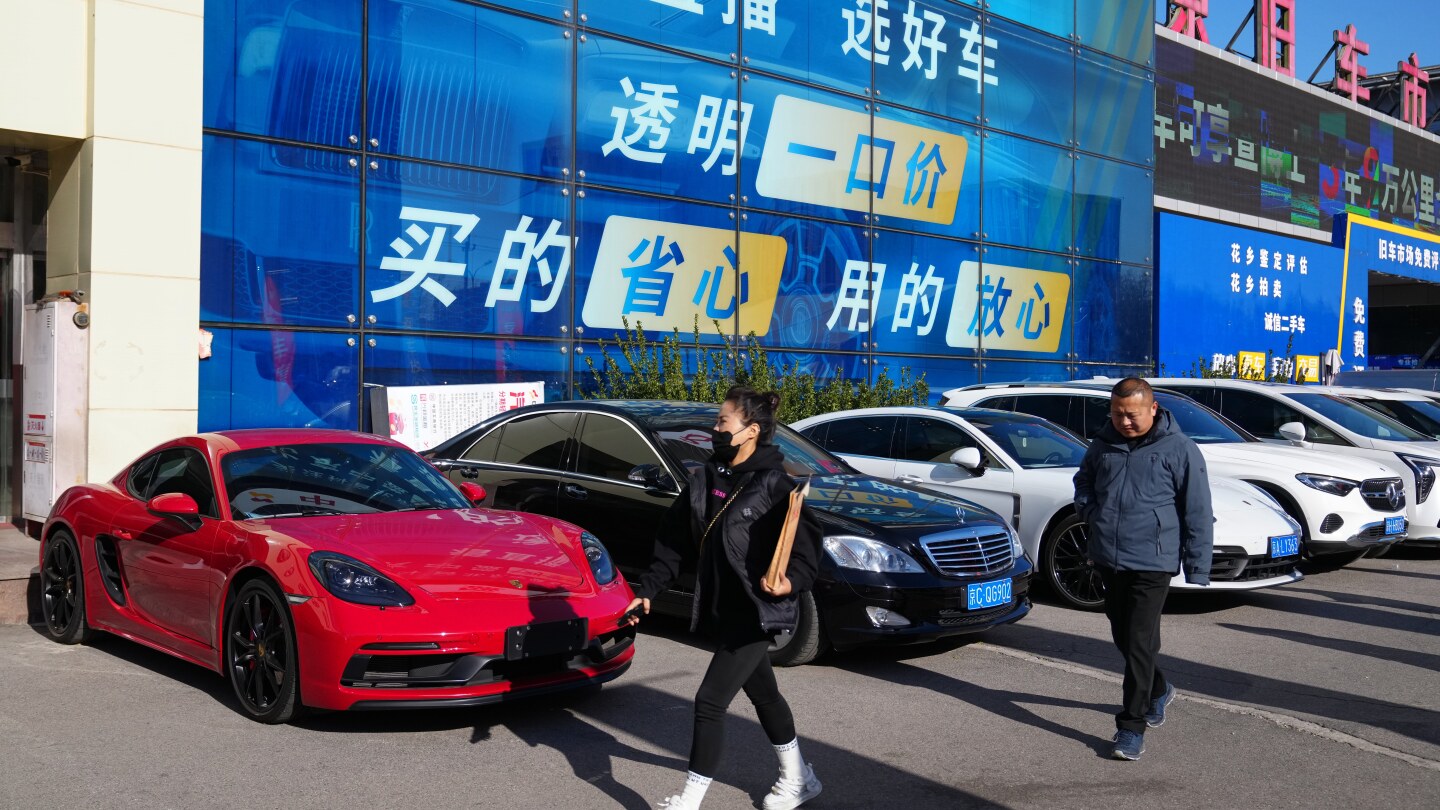
    A significant transformation is underway in China’s automotive sector as consumer preferences increasingly favor affordable domestic vehicles over premium European imports. This shift presents substantial challenges for established luxury automakers including Porsche, Aston Martin, Mercedes-Benz, and BMW that have traditionally dominated the high-end segment of the world’s largest car market.

    Multiple economic factors are driving this market realignment. China’s prolonged property downturn has diminished consumer appetite for major discretionary purchases, while cultural shifts have made affluent buyers more discreet about displaying wealth. According to Paul Gong, Head of China Automotive Industry Research at UBS, these trends have created a more price-sensitive consumer base.

    The Chinese government’s trade-in subsidy program, offering approximately 20,000 yuan ($2,830) for electric and plug-in hybrid vehicle purchases, has further accelerated this transition. Consumers are increasingly selecting entry-level vehicles where this discount represents a more significant percentage of the total price—a category predominantly filled by Chinese manufacturers.

    S&P Global Ratings’ China Autos Director Claire Yuan confirms that slowing economic growth has directly impacted premium vehicle demand. Market data reveals that premium car sales (typically priced above 300,000 yuan or $42,400) have declined from 15% market share in 2023 to 13% through the first three quarters of 2025, reversing years of expansion.

    Chinese manufacturers, particularly electric vehicle leader BYD, have capitalized on this shift through aggressive technological innovation and competitive pricing strategies. These domestic brands have demonstrated remarkable competitiveness even in premium segments, with their overall market share reaching nearly 70% of passenger car sales in the first eleven months of this year.

    The impact on European manufacturers has been substantial: Mercedes-Benz reported a 27% year-on-year sales decline in China during the July-September quarter, while BMW and Mini sales dropped 11.2% through September 2025. Ferrari experienced a 13% shipment decrease to Greater China, its only declining market globally.

    The secondary market reflects similar pressures, with luxury vehicles experiencing significant depreciation. A Beijing Porsche dealership reported a 2024 Panamera model with minimal mileage selling for approximately 950,000 yuan ($134,300)—a substantial discount from its original 1.4 million yuan ($198,454) price tag. Dealers across premium brands report similar valuation declines amid what Mercedes-Benz CEO Ola Källenius describes as ‘hyper-competition’ in the Chinese market.

    Despite record monthly production exceeding 3.5 million units in November, domestic auto sales have contracted by 4% year-on-year as regional subsidy programs expire. This combination of economic pressure, competitive domestic alternatives, and changing consumer behavior has fundamentally altered China’s automotive landscape, creating an increasingly challenging environment for foreign luxury brands.

  • ‘A nightmare’ – The battle over Warner Bros is turning Hollywood upside down

    ‘A nightmare’ – The battle over Warner Bros is turning Hollywood upside down

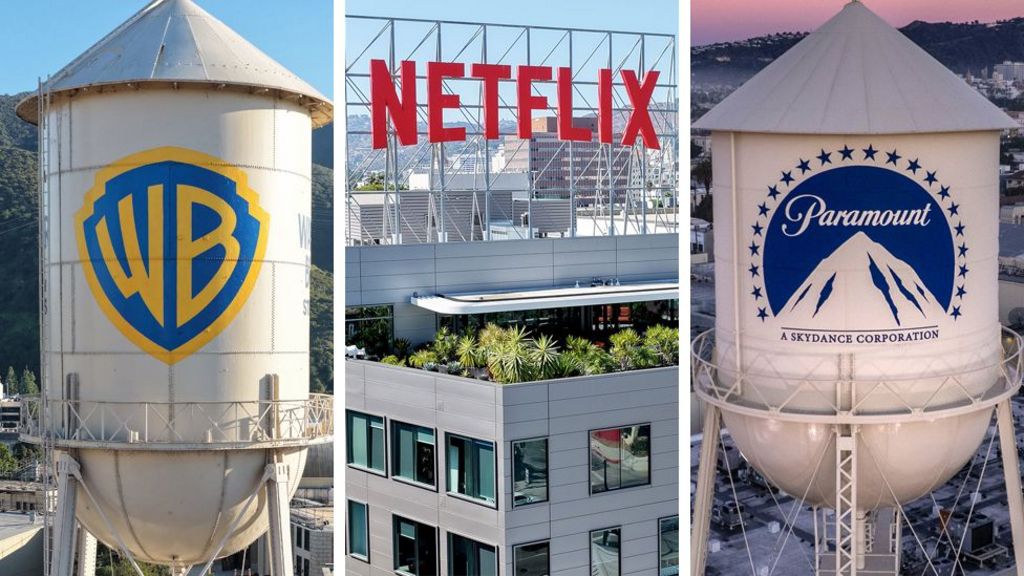
    Hollywood’s creative community characterizes the impending sale of Warner Bros as nothing short of catastrophic, with industry professionals bracing for substantial job losses and fundamental structural changes. The historic studio, responsible for cinematic landmarks from Casablanca to the Harry Potter franchise, now finds itself at the center of a fierce bidding war between streaming giant Netflix and Paramount Skydance.

    The potential acquisition represents the latest seismic shift in an industry still reeling from pandemic-era disruptions and the 2023 labor strikes. Warner’s decline has triggered widespread concern throughout Hollywood, where many view the situation as choosing between two problematic outcomes: domination by a tech company accused of undermining theatrical exhibition (Netflix) or control by billionaires with perceived political affiliations (Paramount).

    Financial dimensions of the competing offers reveal the stakes involved. Netflix seeks to acquire Warner’s most valuable assets—the 102-year-old studio, HBO, and its extensive content library—while leaving legacy television networks like CNN and TNT Sports for separate acquisition. Conversely, Paramount Skydance’s $108 billion hostile takeover bid includes backing from Saudi Arabia, Abu Dhabi, Qatar, and a fund established by Jared Kushner, raising concerns about potential censorship and government influence.

    Industry criticism has increasingly focused on Warner Bros Discovery CEO David Zaslav, who received $51.9 million in compensation last year while the company lost over $11 billion and its stock value declined nearly 7%. Multiple industry professionals compared his leadership style to the fictional Gordon Gekko character from Wall Street, accusing him of prioritizing shareholder returns over institutional legacy.

    The company defended Zaslav’s tenure, noting through communications head Robert Gibbs that under his leadership, Warner has “regained its leadership position with a unique slate of films,” relaunched the DC Universe with a coherent ten-year plan, and achieved global profitability for its streaming service.

    Beyond the corporate maneuvering, the human impact continues to mount. Interviews with dozens of industry professionals reveal an workforce grappling with existential uncertainty. One actor, now homeless with his family, described waking up daily “feeling like I’ve failed in every direction,” while still expressing preference for Netflix ownership over foreign investment.

    The industry’s fundamental contradictions remain unresolved. Netflix has attempted to calm concerns by pledging to maintain theatrical releases, yet many exhibitors remain skeptical given the company’s streaming-first history. As one producer noted, “At least with Paramount, we know movies will make it to the big screen. They didn’t kill movie theatres.”

    Amid the uncertainty, some find hope in Netflix’s restoration of Hollywood’s historic Egyptian Theatre, viewing it as a gesture of commitment to cinematic tradition. Meanwhile, on Warner’s backlot, tourism continues unabated, and those still employed maintain business-as-usual attitudes, with one veteran producer noting they’ve “gone through seven mergers” and believe quality content will ultimately find its market regardless of corporate ownership.

  • Iran raises fuel prices for heavy users to curb consumption, smuggling

    Iran raises fuel prices for heavy users to curb consumption, smuggling

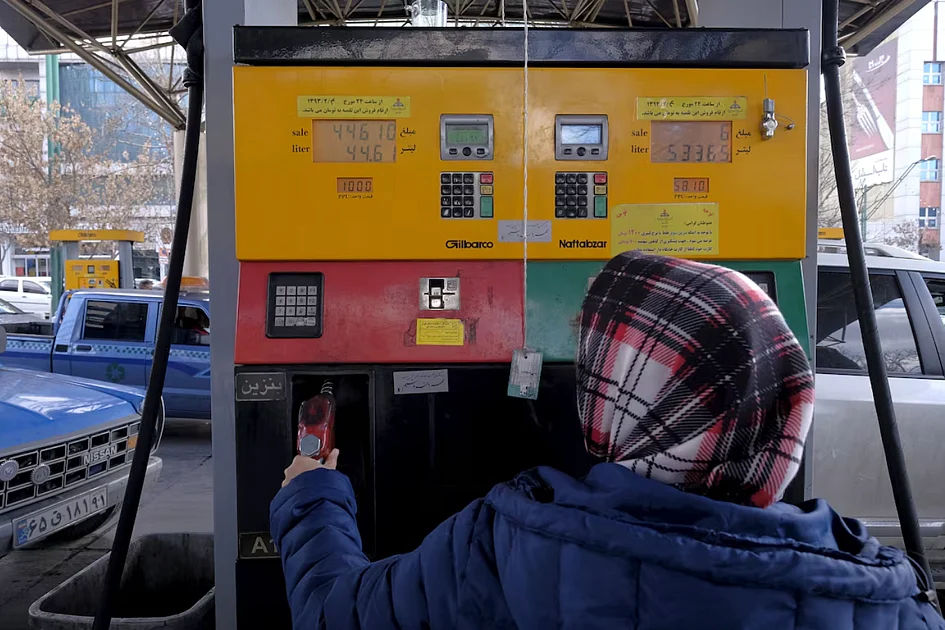
    In a significant economic policy shift, the Iranian government has introduced a revised fuel pricing structure effective Saturday, December 13, 2025. The new system imposes substantially higher rates for heavy consumers while maintaining subsidized prices for moderate users, according to government spokesperson Fatemeh Mohajerani’s announcement on state television.

    The revised pricing mechanism establishes a three-tier system: Regular vehicles can purchase up to 60 liters monthly at the subsidized rate of 15,000 rials per liter, with an additional 100 liters available at 30,000 rials. Consumers exceeding the 160-liter monthly threshold will now pay 50,000 rials per liter – representing a 233% increase from the previous highest tier. Emergency vehicles including ambulances remain exempt from these changes.

    This strategic move addresses Iran’s dual challenges of soaring domestic fuel consumption and widespread gasoline smuggling to neighboring countries, where prices are significantly higher. As an OPEC member with some of the world’s lowest fuel prices, Iran has long struggled with inefficient energy usage patterns that strain government resources.

    The policy adjustment follows careful consideration of potential social implications, particularly memories of the 2019 protests that erupted after previous fuel price hikes. Government officials have emphasized that the graduated approach specifically targets heavy users while protecting essential services and average citizens. Taxi operators, crucial to public transportation, will maintain their existing fuel quotas unchanged.

    Market analysts suggest this measured approach reflects Tehran’s attempt to balance fiscal responsibility with social stability, using economic incentives rather than rationing to modify consumption behavior. The success of this policy may determine future energy sector reforms in Iran’s sanctioned economy.

  • Why a misunderstood wolf from a French supermarket ad is moving viewers worldwide

    Why a misunderstood wolf from a French supermarket ad is moving viewers worldwide

    In an era dominated by algorithm-generated content, a French supermarket’s Christmas advertisement has achieved what most global brands aspire to: genuine emotional connection without employing artificial intelligence. Intermarché’s “Unloved” (Le mal aimé) campaign has resonated across international borders, accumulating hundreds of millions of views since its December release and sparking widespread emotional engagement.

    The two-and-a-half-minute animated film presents the transformative journey of a solitary wolf, traditionally feared by forest creatures, who consciously alters his identity by mastering vegetable cuisine and contributing to a communal Christmas feast. This narrative of self-reinvention and acceptance, framed within painterly animation and live-action sequences, has transcended its commercial origins to become a cultural phenomenon.

    Creative agency Romance, responsible for the campaign, emphasized the deliberate traditional craftsmanship behind the project. “We took time,” stated Victor Chevalier, senior copywriter at Romance, highlighting the months of meticulous work by artists and animators who hand-shaped each expression and movement. This approach stands in stark contrast to the increasing reliance on AI-generated holiday campaigns that many major brands have adopted, often criticized for their emotional emptiness.

    The advertisement’s emotional impact is heightened by its soundtrack featuring Claude François’ classic French pop song “Le mal aimé,” which has experienced renewed popularity since the campaign’s launch. While Intermarché’s primary objective remains grocery sales, the campaign’s architects indicate a broader purpose: addressing contemporary social fragmentation through a universal story of empathy and belonging.

    Social media platforms across Europe and the United States have become arenas for fan engagement, with viewers creating subtitled versions, producing reaction videos, and expressing desire for a feature-length adaptation. The campaign demonstrates that in an age of digital saturation, audiences increasingly value human-crafted narratives over technologically generated spectacle.

  • Drop in Dubai crime rates boosts local economy by up to Dh102.3 billion, study finds

    Drop in Dubai crime rates boosts local economy by up to Dh102.3 billion, study finds

    A groundbreaking economic impact study conducted by global consultancy EY in collaboration with Dubai Police has revealed the profound economic benefits generated by the emirate’s exceptional security environment. The research demonstrates that Dubai’s declining crime rates have contributed between Dh63.9 billion and Dh102.3 billion to the local economy, representing a substantial 14-23% of Dubai’s 2024 economic output.

    The comprehensive analysis, which utilized econometric modeling drawing from 50 countries’ data spanning 1995-2021, establishes security as a fundamental economic catalyst rather than merely a social benefit. Dubai Police’s institutional effectiveness was directly linked to an economic contribution ranging from Dh31.8 billion to Dh50.9 billion annually, equivalent to 7-11% of Dubai’s GDP.

    Beyond the impressive financial metrics, the study highlights how security excellence has become a powerful driver of tourism and foreign investment. Dubai’s safe environment attracts between 7-12 million tourists annually, with Dubai Police credited with contributing 4-6 million of these visitors. The enhanced security reputation also generated additional foreign direct investment ranging from Dh3.6 billion to Dh5.8 billion in 2024.

    The research positions Dubai Police, established in 1956 nearly 15 years before the UAE’s formation, as a pioneering regional law enforcement institution that has implemented advanced techniques to build community trust and quality of life. The study concludes that security represents both a social pillar and a key economic lever that strengthens Dubai’s global position as a premier destination for living, working, and investment within its sustainable growth ecosystem.

  • Region explores innovative tools in green efforts

    Region explores innovative tools in green efforts

    Southeast Asian nations are spearheading an innovative financial mechanism known as transition credits to fast-track their transition from coal dependency to renewable energy sources. This specialized form of carbon credit is gaining traction as a viable solution to address the financial challenges associated with retiring coal plants ahead of schedule.

    Financial experts and energy analysts confirm that these innovative climate financing tools can effectively attract private capital to support the region’s ambitious decarbonization goals. According to Rajiv Behari Lall, professorial research fellow at the Singapore Green Finance Center, carbon credits serve as crucial instruments in unlocking finance for “sustainable decarbonization, which lies at the heart of transition strategies.”

    The mechanism operates by placing a monetary value on emissions avoided through the premature closure of coal facilities. These avoided emissions are converted into tradable assets, creating additional revenue streams that help compensate plant owners, investors, and financial institutions for stranded assets. Mutya Yustika of the Institute for Energy Economics and Financial Analysis emphasizes that transition credits effectively address the financing gap created by retiring coal assets before their planned operational lifespan concludes.

    Singapore has emerged as a regional leader in this initiative, establishing the Transition Credits Coalition (TRACTION) in 2023. This coalition brings together multiple stakeholders, including the governments of Singapore and the Philippines, private banking institutions, and Temasek Holdings. A significant development occurred in August when Temasek-backed GenZero, Keppel, and ACEN signed an agreement to explore the Philippines’ inaugural transition credit project, targeting the early retirement of a Batangas coal plant by 2030—a full decade ahead of schedule.

    TRACTION’s recent report reveals that over 30% of coal plants across 15 Asian markets could qualify for transition credit generation, representing approximately 1 gigaton of carbon dioxide equivalent in annual emissions reductions. However, experts caution that scaling these projects requires predictable carbon revenues and robust risk-mitigation frameworks.

    Despite the promising framework, challenges remain regarding credit valuation standardization and transaction replication complexities. The region’s continuing reliance on coal—with consumption projected to increase by 5% in 2026 according to International Energy Agency data—underscores the urgency of implementing effective transition mechanisms.

    Dinita Setyawati, senior energy analyst at Ember, stresses that establishing “a significant price” on carbon remains more critical than technological breakthroughs or emission-reduction targets for achieving meaningful climate progress. She notes that carbon pricing not only increases operational costs for coal plants but also discourages future investments in the sector.

    The successful implementation of transition credits ultimately depends on market demand and governmental commitment to reassess long-term energy strategies, particularly as declining coal exports signal shifting global energy dynamics.

  • Billionaire offers ‘common-sense’ advice

    Billionaire offers ‘common-sense’ advice

    John Catsimatidis, the 77-year-old billionaire chairman and CEO of Red Apple Group, has built a formidable business empire over five decades through his distinctive ‘common-sense’ philosophy. Beginning with grocery stores, his ventures now span aviation, oil and gas, real estate, and media, amassing a net worth exceeding $4.8 billion. Despite his monumental success, Catsimatidis remains deeply committed to philanthropic initiatives and fostering international cooperation, particularly between the United States and China.

    Born on the Greek island of Nisyros in 1948, Catsimatidis immigrated to the U.S. as an infant. His childhood in West Harlem exposed him to diverse cultures and instilled a strong work ethic. After studying electrical engineering at New York University, he left just eight credits short of his degree to focus full-time on the grocery business. His innovative approach—extending operating hours, accepting food stamps, and cashing checks—set his stores apart from competitors.

    Today, Catsimatidis oversees more than 40 supermarkets in Manhattan and maintains a significant presence in media through his ownership of radio station 77WABC. He hosts programs like The Cats Roundtable, where he emphasizes truthful reporting in an era of declining public trust in media.

    A key focus for Catsimatidis is strengthening U.S.-China relations. He recently attended a cultural concert at Carnegie Hall featuring Chinese musicians and presented a cultural excellence award. ‘The Chinese people are one of the wisest cultures we have,’ he remarked. ‘We should work together for what’s good for the world.’ He also expressed interest in bringing Chinese pandas to New York City as a symbol of cross-cultural friendship.

    Catsimatidis has maintained relationships with prominent political figures, including former President Donald Trump, to whom he reportedly donated $2.4 million last year. Though he ran for New York mayor in 2013 and may consider a gubernatorial bid in 2027, his primary dedication remains to business and philanthropy.

    His book, How Far Do You Want To Go? Lessons from a Common-Sense Billionaire, was published in 2023, with another in progress. He attributes his success to integrity, hard work, and the influence of mentors—values he hopes to pass on to future generations.

  • European Chamber Shanghai Chapter calls for stronger EU-China sustainability ties

    European Chamber Shanghai Chapter calls for stronger EU-China sustainability ties

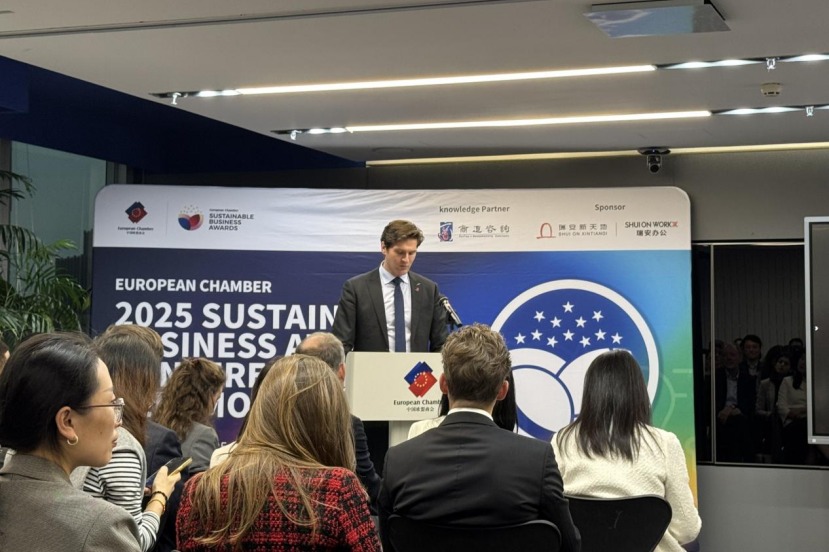
    SHANGHAI – The European Union Chamber of Commerce in China’s Shanghai Chapter reinforced its call for strengthened sustainability collaboration between the EU and China during its 9th Annual Sustainable Business Awards ceremony held on December 11, 2025.

    The event, which attracted record participation with 78 applications from 45 companies, highlighted environmental, social, and governance (ESG) principles as essential long-term business strategies rather than mere compliance exercises. Chamber leadership emphasized the strategic alignment between European technological expertise and China’s ambitious carbon neutrality targets.

    Carlo D’Andrea, European Chamber Vice-President and Shanghai Chapter Chair, articulated the mutual benefits of this partnership: ‘EU-China collaboration on sustainability creates genuine opportunities for both sides, with European companies’ decarbonization objectives aligning closely with China’s national ambitions.’

    The awards program, inspired by both UN Sustainable Development Goals and China’s domestic policies on rural revitalization and environmental protection, has evolved significantly from its origins. Steven Basart, General Manager of the Shanghai Chapter, noted the program’s transformation ‘from a simple awards initiative into a comprehensive platform for dialogue, learning, and collaboration.’

    This year’s recognition spanned 11 categories including biodiversity conservation, circular innovation, climate action, decarbonization efforts, and Sino-European sustainability collaboration. The rigorous evaluation process, praised by judges including Stina Hinderson of the Swedish Embassy’s CSR Center in Beijing, revealed innovative solutions across companies of all sizes.

    Hinderson observed: ‘Across these areas, we have witnessed numerous impressive solutions from both multinational enterprises and small and medium enterprises, demonstrating that all companies have a role to play in the sustainability transition.’

    The ceremony underscored the growing business commitment to environmental stewardship while facilitating crucial dialogue between European and Chinese stakeholders on shared ecological challenges.