PARIS — A wave of public anger and blame has swept across France this week, following the suspected killing of 11-year-old Lyhanna, a missing schoolgirl whose disappearance after classes on May 29 has riveted national attention and ignited fierce scrutiny of systemic failures within the country’s judicial system.
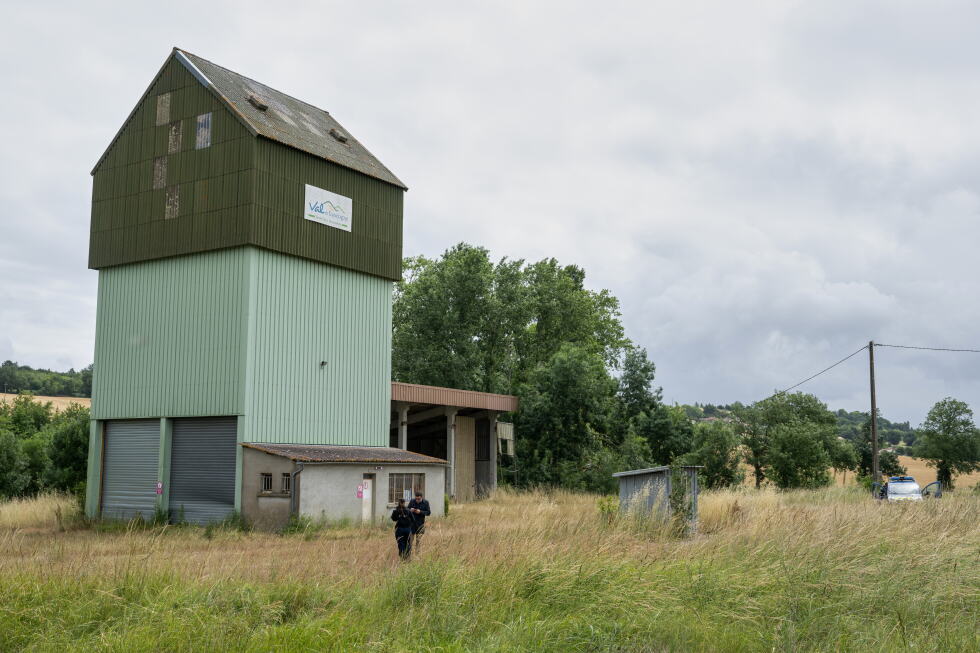
The outcry comes after six days of intensive searches carried out by law enforcement officers and civilian volunteers across southwestern France, where Lyhanna was last seen. Authorities confirmed Thursday that the body of a child, dressed in clothing matching what Lyhanna wore the day she vanished — a black-and-white striped top, black shorts, and yellow socks emblazoned with artwork from the popular Japanese manga *One Piece* — was discovered in an isolated, rural section of a farm in the Gers region. An official autopsy has been ordered to confirm the identity and cause of death.
The main suspect in the case, a 41-year-old man who is already in police custody, was identified via security camera footage: he was recorded near Lyhanna’s school in the small town of Fleurance, and later seen driving with the child in his vehicle, according to local French media reports. The suspect has told investigators he dropped Lyhanna off near the local municipal swimming pool, a claim that has not been independently verified.
Most disturbing to the public is the revelation that multiple prior complaints of sexual violence, including allegations of rape against the suspect, were filed by underage girls and their families years before Lyhanna’s disappearance. Clémence Meyer, chief prosecutor for the Gers region, confirmed this week that a 2020 allegation that the man raped a minor at his home was investigated, with medical examinations and witness interviews completed, but the case was ultimately dismissed in 2024 due to what officials called insufficient evidence.
When Lyhanna vanished, the suspect was already the subject of an open, active rape investigation stemming from allegations by another minor, who claims he repeatedly assaulted her at his home between 2024 and 2025. That case has been delayed for months as it bounced back and forth between different regional legal jurisdictions. A third allegation of child rape against the suspect was filed just this week, Meyer added.
French President Emmanuel Macron broke with long-standing protocol to comment on the domestic tragedy during an official visit to Montenegro on Friday, joining the widespread national dismay over the case. “Things didn’t happen as they should have done. That is clear. And so it is unacceptable,” the president stated. “We cannot look her family in the face and say everything went well.” Macron acknowledged that the tragedy has exposed dangerous, systemic cracks in France’s child protection and judicial frameworks, saying he was “shocked” by the series of missed warnings.
In response to the public outcry, the French government has launched a full internal investigation into the mishandling of prior complaints against the suspect. Justice Minister Gerald Darmanin outlined the scope of the probe Thursday, saying officials will examine multiple critical failures: the prolonged delays in transferring casework between jurisdictions, the continued reliance on paper rather than digital information sharing that slowed communications, apparent failures by law enforcement to follow up on existing orders, and the core question of why multiple red flags over the course of months did not trigger intervention.
“It’s completely unacceptable,” Darmanin said. “We are all terrified by this malfunction.” He added that the case lays bare deep institutional flaws: “it reveals our poor organization and without doubt, the fact that at the Justice Ministry and elsewhere, we don’t take the words of children seriously.”