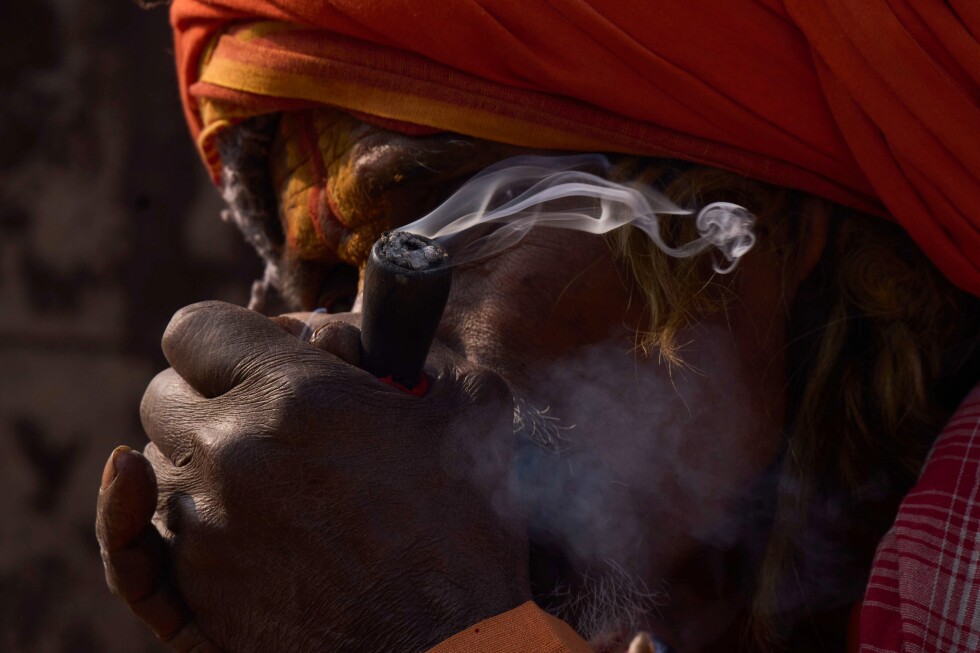
KATHMANDU, Nepal — In a remarkable annual display of religious exception, tens of thousands of Hindu devotees participated in traditional cannabis consumption during the Shivaratri festival at Kathmandu’s sacred Pashupatinath Temple on Sunday. The event represents one of Nepal’s most significant religious gatherings, drawing both local worshippers and pilgrims from neighboring India.
Against the backdrop of normally strict anti-drug laws, participants openly engaged in cannabis smoking as part of their devotional practices honoring Lord Shiva, the Hindu deity strongly associated with the plant’s ritual use. Holy men adorned with sacred ashes joined predominantly young devotees along the forested Bankali hills overlooking the Bagmati River, creating a vivid scene of religious celebration that contrasts sharply with Nepal’s typical drug enforcement policies.
This ceremonial exception occurs despite Nepal’s general prohibition on marijuana, which carries penalties of up to one month imprisonment for personal use and decade-long sentences for trafficking offenses. The country’s relationship with cannabis has evolved significantly since the 1960s, when Nepal gained international recognition as a destination for psychoactive substances during the hippie movement era. Legal sales ended abruptly with the 1976 nationwide ban.
Contemporary efforts to decriminalize marijuana have emerged from both activist campaigns and parliamentary initiatives seeking to legalize cultivation and consumption. However, these legislative movements have encountered substantial political obstacles, leaving the Shivaratri festival as one of the few legally sanctioned contexts for cannabis use in the predominantly Hindu nation, where approximately 81% of the population practices Hinduism.