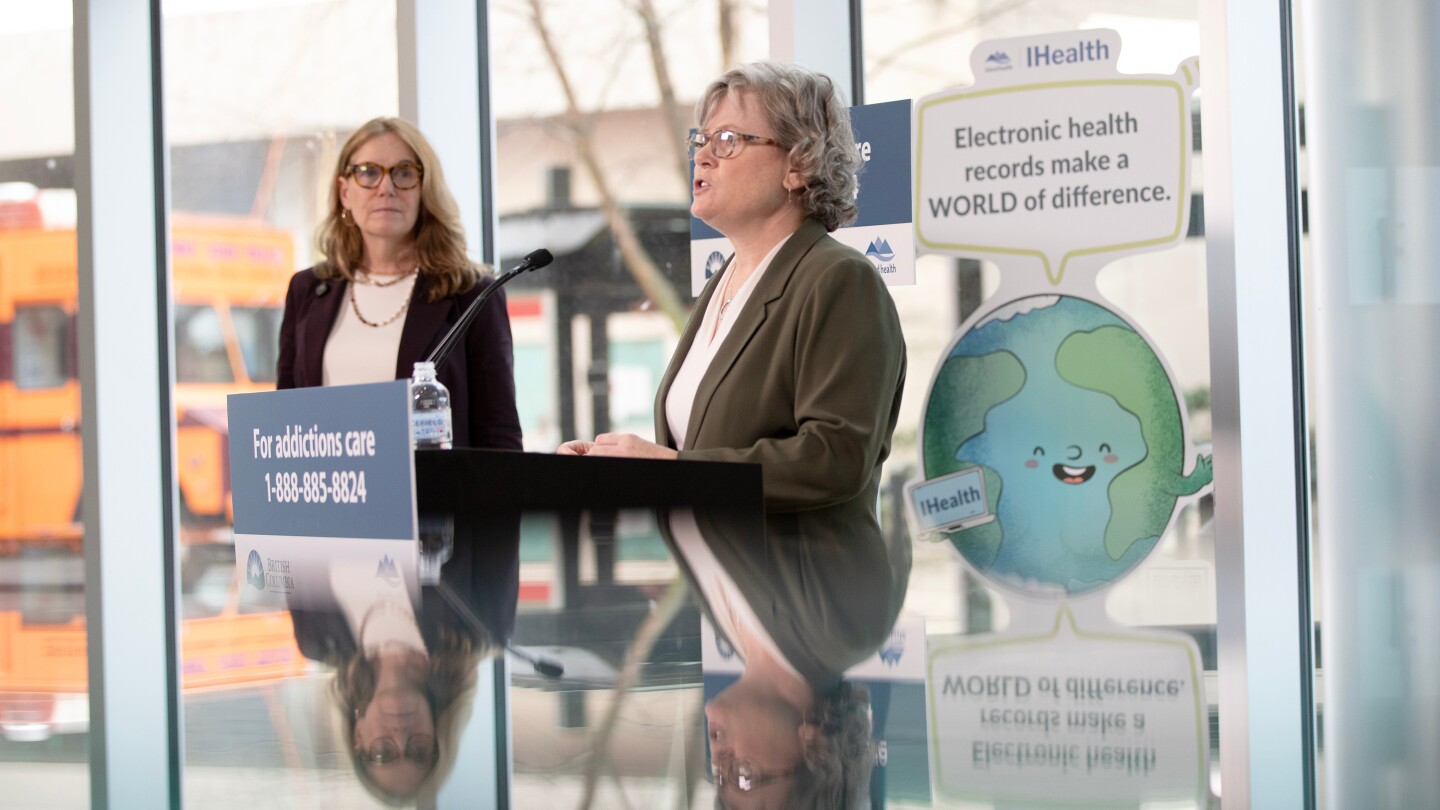
VICTORIA, British Columbia — In a significant policy reversal, British Columbia has terminated its groundbreaking three-year experiment with drug decriminalization. Provincial Health Minister Josie Osborne confirmed Wednesday that the government will not seek an extension to its agreement with Health Canada, effectively ending the controversial program on January 31.
The pilot project, initiated in January 2023 under a federal exemption from the Controlled Drugs and Substances Act, permitted adults to carry up to 2.5 grams cumulative of opioids, cocaine, methamphetamine, and MDMA without criminal penalties. The initiative represented Canada’s most progressive approach to substance use regulation.
Minister Osborne acknowledged the program’s failure to achieve its primary objective: encouraging more individuals to seek treatment services. “While designed to reduce stigma and facilitate access to support, the decriminalization framework hasn’t delivered the outcomes we anticipated,” Osborne stated.
The termination follows recent restrictions implemented in 2024 that limited drug possession to private residences, homeless shelters, and designated healthcare facilities—a response to growing public concerns about open drug use in community spaces.
This development mirrors Oregon’s similar reversal of drug decriminalization policies in 2004, though contrasts with Portugal’s sustained approach since 2001 as the first nation to decriminalize all drug consumption.
Officials now indicate a strategic pivot toward enhancing mental health and addiction care systems. “Our focus is strengthening pathways to timely, appropriate care through a comprehensive system encompassing prevention, treatment, recovery, harm reduction, and aftercare,” Osborne emphasized.