Across China’s diverse landscapes, ambitious ecological restoration projects are transforming degraded water bodies into thriving ecosystems while generating substantial socioeconomic benefits. In Yunnan and Hubei provinces, multi-year conservation initiatives demonstrate how coordinated environmental policies can reverse ecological damage while supporting sustainable development.
At Erhai Lake in Yunnan, the transformation has been particularly remarkable. Yan Bingqi, a 59-year-old environmental worker, has witnessed firsthand the lake’s dramatic recovery since 2015. Previously required to remove approximately one metric ton of debris daily from the polluted waters, Yan and his team now collect merely 50 kilograms—a 95% reduction in waste extraction that signals profound ecological improvement.
The restoration breakthrough followed President Xi Jinping’s 2015 visit and subsequent policy changes that addressed pollution sources from agriculture, urbanization, and tourism. The comprehensive program implemented centralized sewage treatment for all households near the lake and established strict ecological fishing schedules. These measures aligned with Xi’s ‘lucid waters and lush mountains are invaluable assets’ concept, which celebrates its 20th anniversary this year.
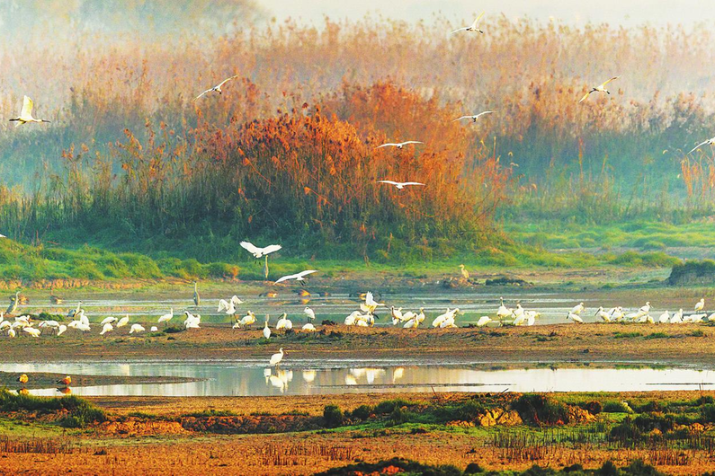
Parallel successes emerged at Wuhan’s Chenhu Wetland Nature Reserve in Hubei province, where morning mists now reveal gathering birds in revitalized habitats. These conservation achievements represent broader national efforts to transform ecological resources into sustainable assets through scientific management and community engagement.
The restoration initiatives have generated multiple benefits beyond environmental improvement, including enhanced tourism potential, protected drinking water sources, and increased biodiversity. These projects demonstrate China’s growing expertise in balancing economic development with ecological preservation, offering valuable models for other regions facing similar environmental challenges.