Urban centers worldwide are pioneering groundbreaking approaches to enhance civic services through the 2024 Bloomberg Philanthropies Mayors Challenge, which recognized twenty-four innovative municipal projects. These initiatives strategically combine artificial intelligence with community engagement to address pressing urban challenges.
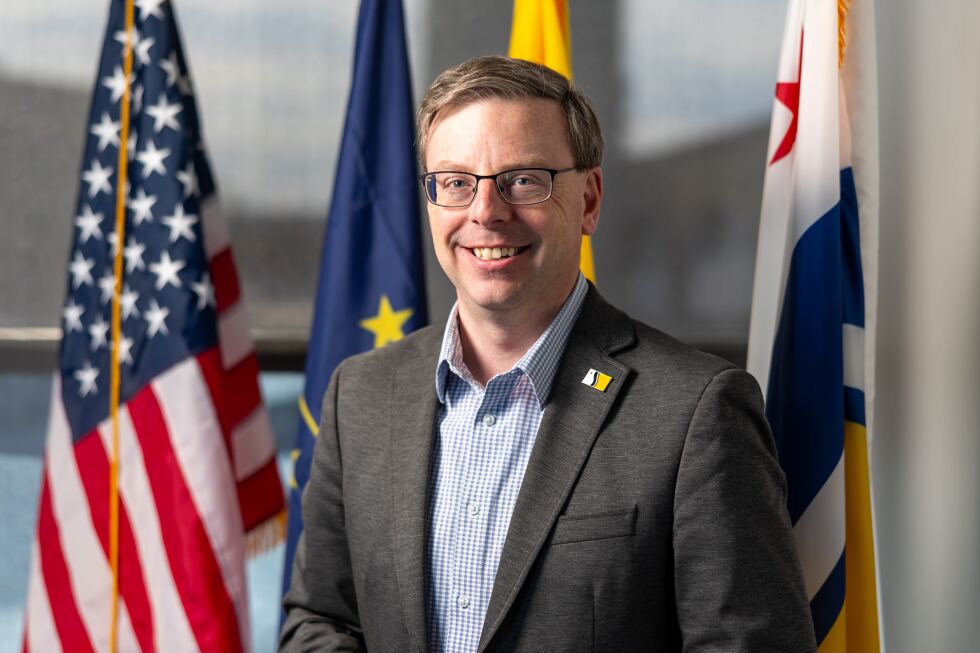
South Bend, Indiana exemplifies this trend with its proactive AI-driven system that identifies residents facing financial hardship—such as water bill delinquency—and connects them with support services before crises escalate. Mayor James Mueller emphasized the ethical implementation of technology: “We’re leveraging cutting-edge tools to deliver city services proactively while establishing safeguards against potential misuse.”
The winning projects demonstrate remarkable geographical and thematic diversity. Boise, Idaho will utilize geothermal energy to reduce heating costs for residents, while Beira, Mozambique is relocating fishing communities from flood-prone coastal areas to safer inland housing. Each recipient city receives $1 million in implementation funding plus expert support from Bloomberg Philanthropies.
According to Michael R. Bloomberg, founder of Bloomberg Philanthropies, the initiative aims to identify replicable solutions that can be adopted globally. “The most effective city halls demonstrate bold, creative problem-solving—we launched the Mayors Challenge to amplify such successes,” Bloomberg stated.
James Anderson, head of government innovation programs at Bloomberg Philanthropies, noted the sophisticated integration of AI technology in this year’s winning proposals. “Philanthropy must fund the experimentation that public dollars typically won’t support,” Anderson explained, highlighting how these innovations bridge gaps between municipal governments and their constituents.
The impact extends across continents: Pasig City, Philippines will accelerate construction of floating parks that simultaneously create community spaces and mitigate flooding risks. Mayor Vico Sotto emphasized community involvement in maintenance through local governance councils. Conversely, Lafayette, Louisiana developed an innovative solution to update sewer systems located on private property—a previously insurmountable regulatory challenge.
Mayor-President Monique Blanco Boulet of Lafayette credited the program with providing “the creative space to develop life-changing solutions.” The timing is particularly crucial, as South Bend’s Mueller observed: “With trust in government at historic lows, local governments must continually innovate to maintain and build upon the relatively higher trust residents place in municipal leadership.”
The 2026 Mayors Challenge winners span 24 cities across six continents, representing both Global North and South communities committed to transformative urban innovation.