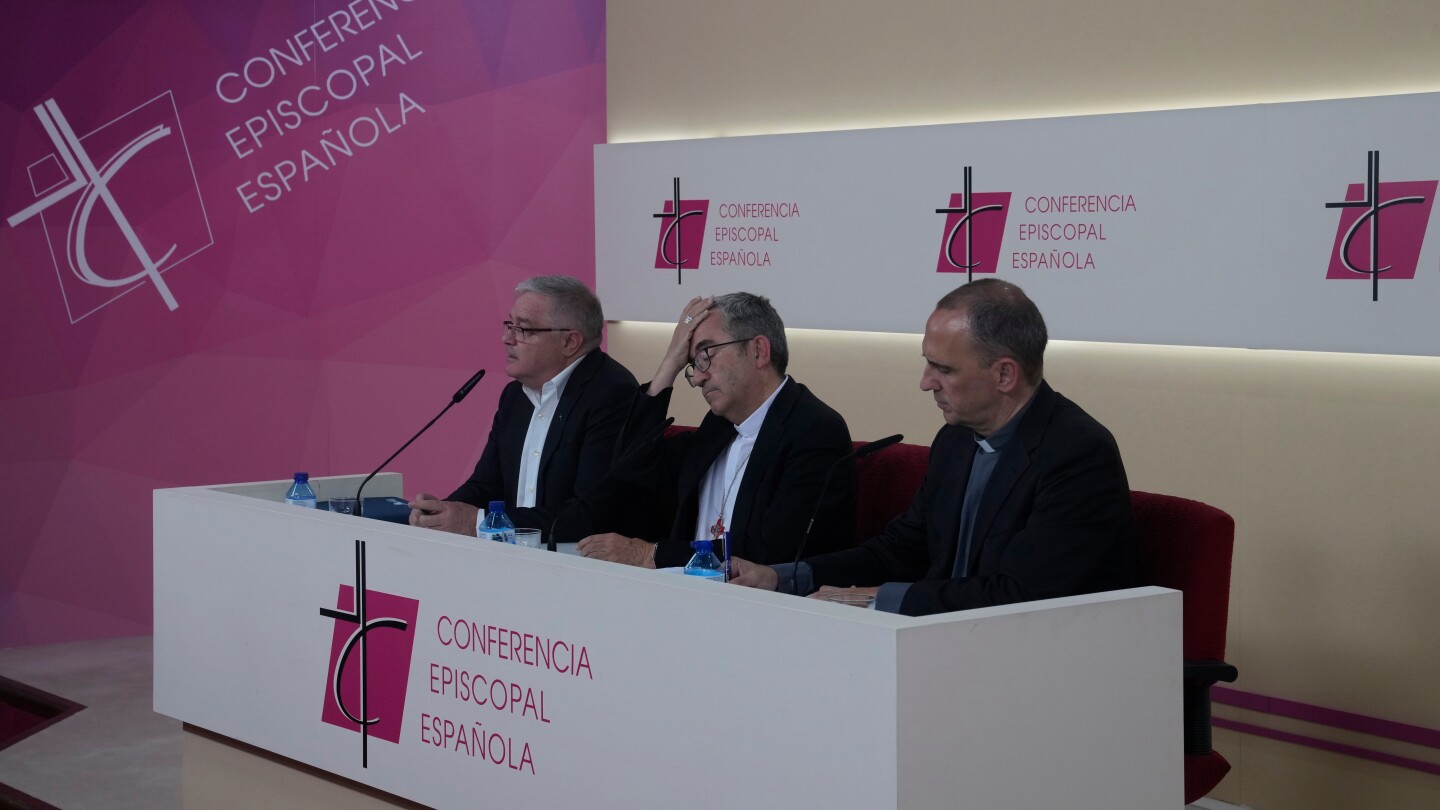
In a historic reconciliation between state and religious authorities, Spain’s government and Catholic bishops have established a groundbreaking compensation framework for victims of clergy sexual abuse. The agreement, announced Thursday, creates an independent pathway for survivors to seek reparations through government channels rather than confronting church institutions directly.
The collaborative plan addresses long-standing disputes between Spain’s left-wing administration and ecclesiastical leadership regarding appropriate victim compensation in a nation that has undergone significant secularization. Under the new system, survivors may submit petitions to Spain’s Justice Ministry, which will forward cases to the national ombudsman for evaluation and compensation recommendations. The church’s specially formed committee will subsequently review these proposals.
Justice Minister Félix Bolaños emphasized that this mechanism finally acknowledges hundreds of cases where abusers have died or become elderly, making criminal prosecution impossible due to statute of limitations. “Today, we have paid a debt to the victims,” Bolaños stated. “While the State has acted late, we are acting now.”
The agreement establishes a tiered dispute resolution process. If the church’s committee and victims cannot reach consensus, cases progress to a joint committee comprising church representatives, ombudsman officials, and victim advocacy groups. The ombudsman retains ultimate decision-making authority when deadlocks occur.
This development follows Spain’s delayed confrontation with clerical abuse, initially exposed through investigative journalism by El País newspaper. The 2023 ombudsman’s report documented 487 confirmed cases and suggested potential victims might number in the hundreds of thousands—a estimate the bishops contested, citing their internal investigation identifying 728 abusers since 1945.
The compensation window will remain open for one year, extendable for an additional year if necessary. Archbishop Luis Argüello acknowledged that many survivors feel uncomfortable approaching church authorities directly, making this state-facilitated process essential. The church has already distributed €2 million in compensation to over 100 victims through its earlier initiative, with new payments being tax-exempt under the current agreement.
This Spanish model emerges amidst global variations in abuse compensation approaches. While the U.S. church has paid billions through litigation and bankruptcy proceedings, European programs often combine financial reparations with therapeutic and spiritual support services. The Vatican’s child protection board has emphasized financial compensation and stronger abuser sanctions as essential components of institutional accountability.