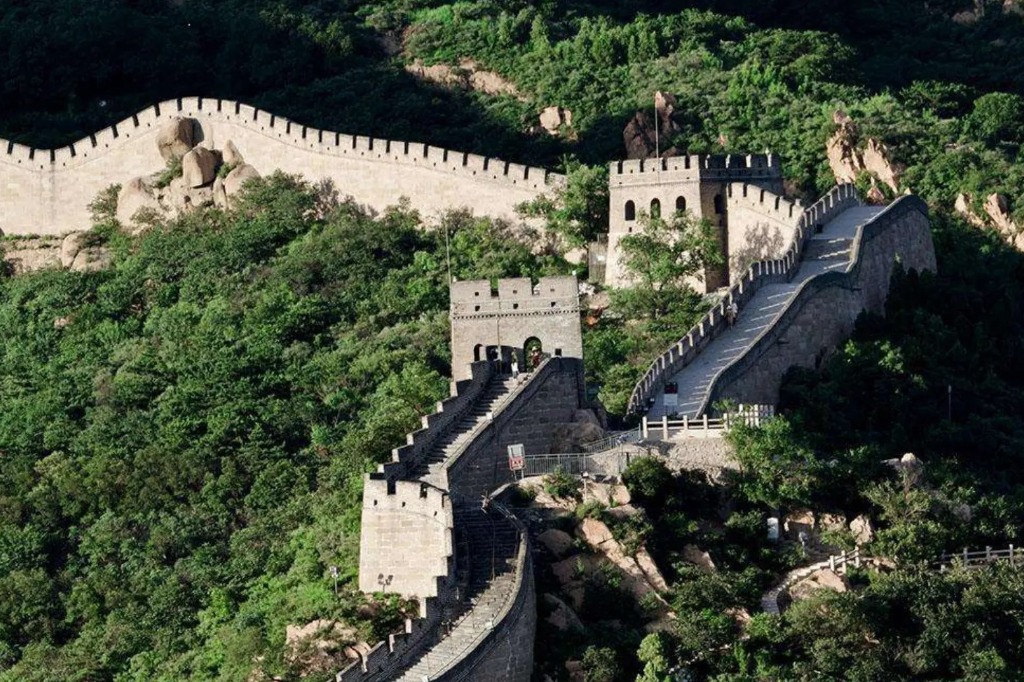
The Beijing Municipal Government has enacted groundbreaking legislation specifically designed to safeguard one of humanity’s most iconic historical monuments. On November 28, 2025, the Standing Committee of the Beijing Municipal People’s Congress approved comprehensive new regulations that establish robust legal frameworks for the protection, management, and cultural preservation of the Great Wall segments within China’s capital territory.
This pioneering legislation, scheduled to take effect on March 1, 2026, represents China’s first specialized regulatory framework for Great Wall conservation since the comprehensive revision of the national Law on the Protection of Cultural Relics earlier in 2025. The regulations establish precise jurisdictional boundaries encompassing not only the physical structure of the Wall itself but also extend protection to associated cultural artifacts and the surrounding environmental landscape.
A significant aspect of the new legislation mandates enhanced collaborative preservation efforts across the Beijing-Tianjin-Hebei regional corridor and calls for coordinated conservation strategies among all provincial-level administrations along the Great Wall’s extensive route. This regional cooperation mechanism aims to address conservation challenges through a unified approach rather than fragmented local initiatives.
The Beijing section of this UNESCO World Heritage Site presents particular conservation challenges, spanning six administrative districts—Pinggu, Miyun, Huairou, Changping, Yanqing, and Mentougou—with a combined length exceeding 520 kilometers. This portion comprises 461 distinct segments whose construction dates range from the Northern Qi Dynasty (550-557 AD) through the Ming Dynasty (1368-1644 AD). The Badaling segment, among the most visited sections, received UNESCO World Heritage designation in 1987, underscoring the global significance of these preservation efforts.