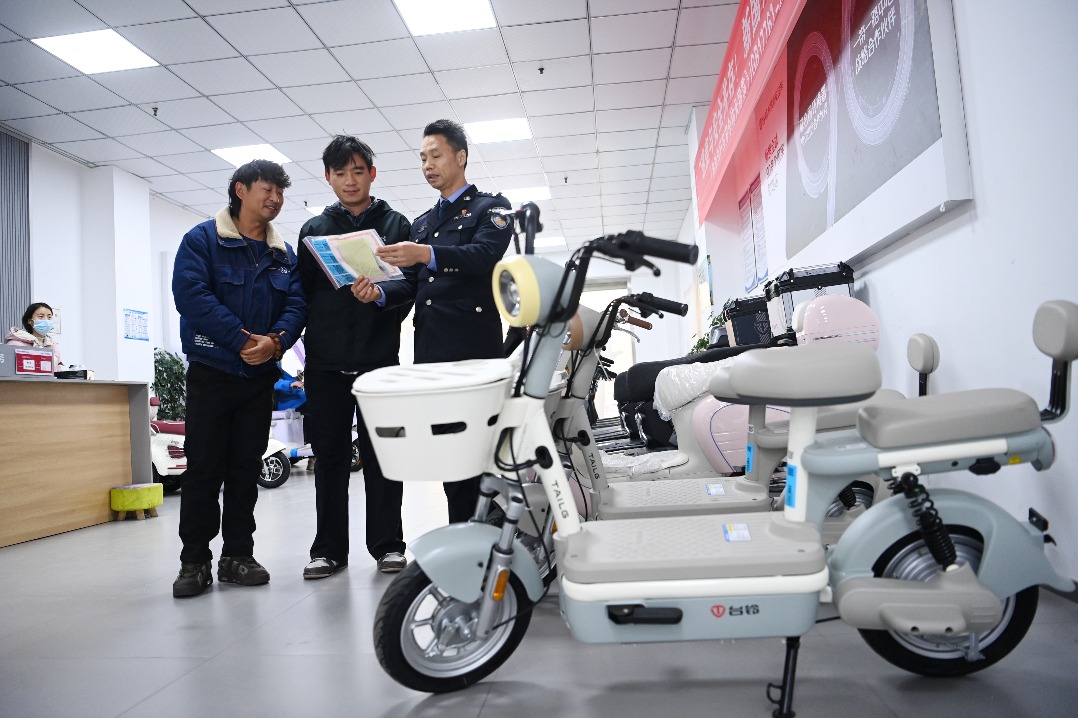
Beijing has ushered in a new regulatory framework for non-motorized vehicles, introducing mandatory helmet usage for electric bicycle riders and passengers alongside a prohibition of scooters on public roads. The comprehensive revisions to the city’s transportation regulations, representing the first major update since 2018, will take effect on May 1st, establishing stricter safety protocols and management systems.
The expanded regulatory framework now encompasses eight chapters with 55 articles, significantly broadening its scope from the previous seven chapters and 35 articles. The updated legislation introduces enhanced registration requirements including a decade-long validity period for electric bicycle licenses and plates, with provisions for renewal upon expiration.
Road safety measures have been substantially strengthened with explicit bans on certain personal transportation devices. The regulations now formally prohibit scooters, balance boards, and similar devices from roadways, redirecting them to appropriate usage areas.
Parking management receives significant attention in the updated regulations. Property developers and management entities are now required to provide adequate parking facilities for non-motorized vehicles in public buildings, spaces, and residential areas, with existing facilities mandated to undergo upgrades to meet growing public demand. These entities also bear responsibility for maintaining parking order and removing abandoned bicycles from premises.
The regulatory changes introduce quantity control mechanisms for internet rental bicycles, including electric variants. This measure follows successful pilot programs in several Beijing districts where approximately 15,000 shared electric bicycles have been deployed with positive operational results. The legislation further stipulates that paid parking facilities must clearly display pricing information while maintaining service standards.
Government and enterprise entities are assigned specific responsibilities under the new framework, requiring them to maintain parking order within their jurisdictions and address illegal parking occurrences. The comprehensive approach demonstrates Beijing’s commitment to creating a safer, more organized urban transportation environment through legislative refinement and enforcement mechanisms.