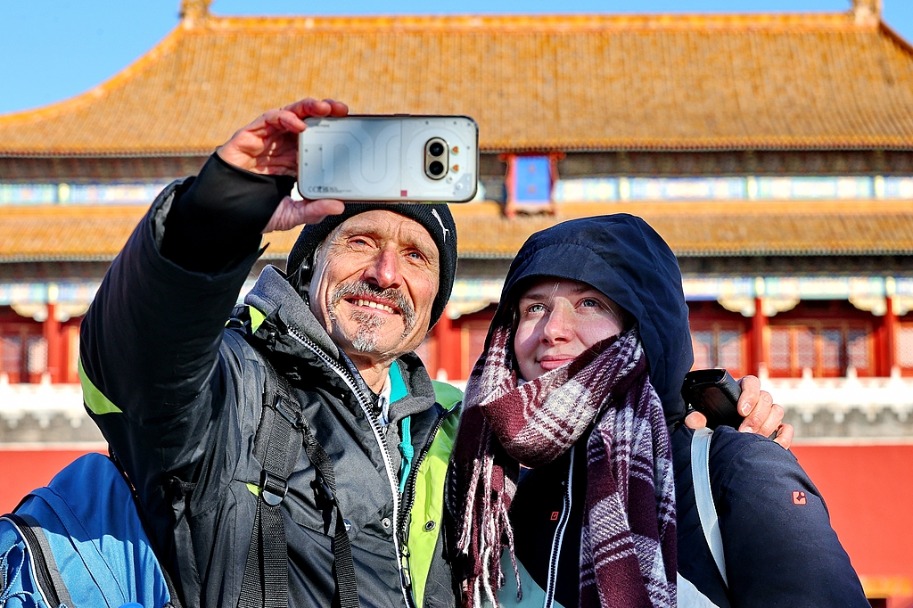
The Beijing municipal government has launched a comprehensive initiative to reimagine the city’s extensive park network through 15 strategic measures designed to integrate green spaces more seamlessly into urban life. This groundbreaking policy shift aims to transform the capital’s 1,136 existing parks—which collectively attract over 500 million annual visits—into more accessible, functional, and commercially vibrant community hubs.
The multifaceted approach addresses five critical areas of development, beginning with the elimination of physical and functional barriers to create borderless park environments. The plan mandates enhanced visitor facilities during peak periods, including temporary parking solutions and additional restroom facilities. Commercial enhancements will introduce cafes and cultural markets to improve the visitor experience while maintaining the parks’ fundamental recreational purpose.
A significant operational reform introduces corporate management structures to park administration. While preserving public welfare values, parks may now be entrusted to professional enterprises through contracts extending up to five years, enabling scaled operations and branded management approaches. A business whitelist system will standardize commercial activities while encouraging integrated cultural, tourism, sports, and educational programming.
The strategy differentiates approaches based on park typology: historical parks will prioritize cultural preservation, comprehensive parks will diversify their offerings, community parks will enhance neighborhood services, specialized parks will develop unique identities, and ecological parks will expand outdoor experiences including fitness programming and nature education.
Additional innovations include relaxed restrictions on park infrastructure, permitting the rental of eligible buildings and development of non-paved activity areas. The city will also trial a ‘citizen park manager’ program, inviting resident participation in park oversight and management decisions. This initiative aligns with Beijing’s broader plan to develop 200 additional parks over the next decade, substantially expanding the city’s green infrastructure.