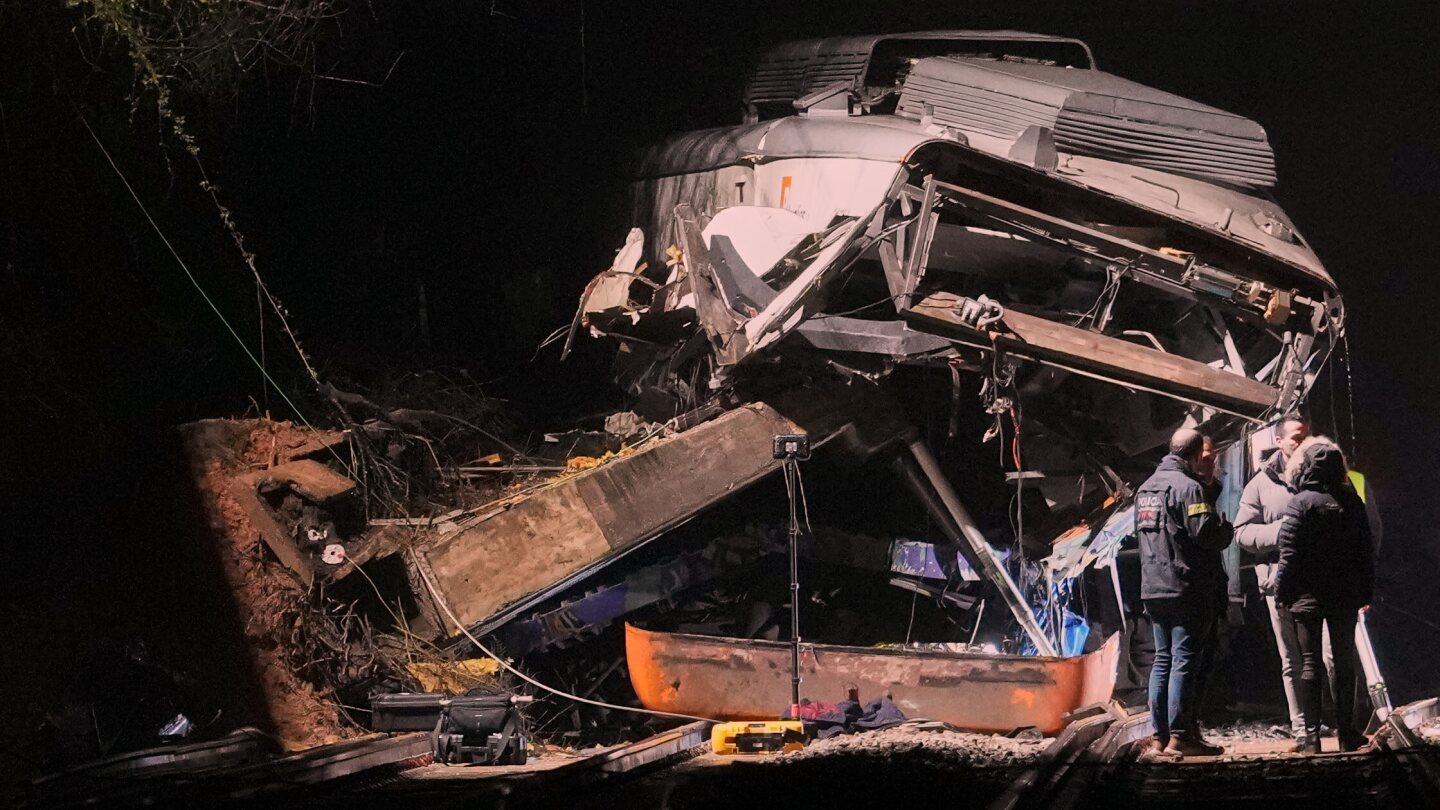
Spain’s transportation infrastructure faces unprecedented scrutiny following two separate rail incidents that have resulted in significant casualties and nationwide disruption. In the latest development, Catalonia’s commuter rail services experienced a complete suspension on Wednesday after a Barcelona-area train collided with a collapsed retaining wall on Tuesday evening.
The northeastern incident near Gelida, approximately 37 kilometers from Barcelona, resulted in one confirmed fatality and 37 injuries according to emergency services. Five victims sustained serious injuries while six others received treatment for less severe conditions. Regional firefighters confirmed that the majority of casualties occurred in the train’s foremost carriage, with all passengers successfully evacuated from the wreckage.
This tragedy occurs simultaneously with ongoing recovery operations from Sunday’s devastating high-speed rail accident in southern Spain, approximately 800 kilometers from the Barcelona incident. That collision has claimed at least 42 lives, with emergency crews continuing search operations for potential additional victims. The Spanish government has declared three days of national mourning in response to the dual tragedies.
Prime Minister Pedro Sánchez addressed the recent accident via social media, expressing “all my affection and solidarity with the victims and their families” in the wake of the Barcelona-area crash.
Initial investigations by Spain’s railway operator ADIF suggest that heavy rainfall across northeastern Spain likely caused the structural failure of the containment wall that ultimately fell onto the tracks. While Spain’s high-speed rail network has historically maintained an excellent safety record, these incidents have raised questions about the reliability of commuter rail infrastructure and the impact of extreme weather events on transportation systems.