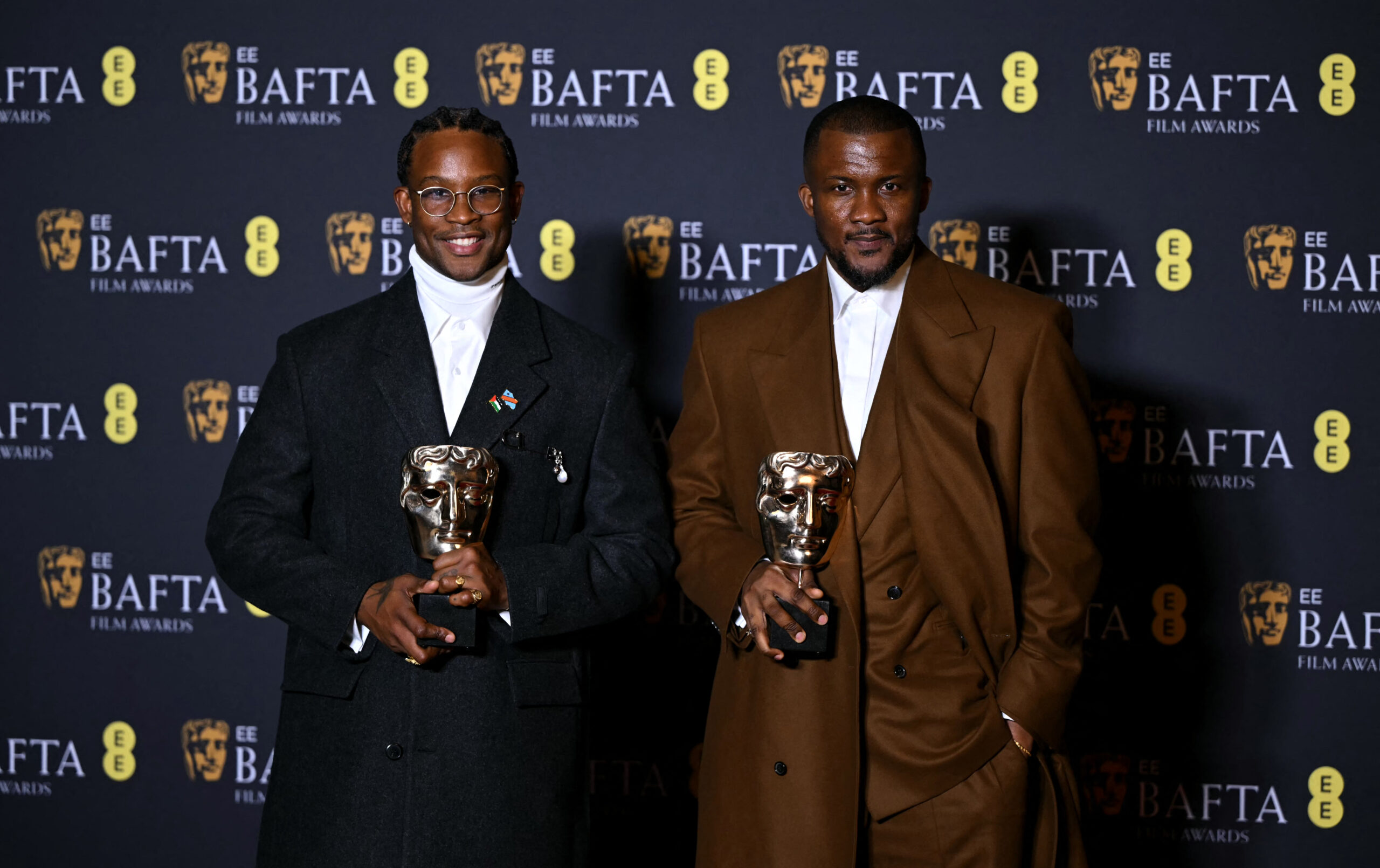
The British Broadcasting Corporation (BBC) has ignited a firestorm of criticism following its handling of the 79th British Academy Film Awards (BAFTAs) broadcast, facing accusations of racial insensitivity and political censorship.
The controversy stems from two distinct editorial decisions during the ceremony. First, the broadcast included an unedited racial slur shouted by an audience member with Tourette syndrome—a neurological condition causing involuntary vocalizations—during a presentation by actors Michael B Jordan and Delroy Lindo. Although host Alan Cumming addressed the incident live with an apology to those offended, this clarification was omitted from the televised version.
Simultaneously, the corporation deliberately edited out a portion of award winner Akinola Davies Jr’s acceptance speech. The British-Nigerian filmmaker’s truncated remarks included a message of solidarity with migrants and those experiencing persecution, specifically concluding with the phrase ‘free Palestine.’
The BBC’s dual approach—airing potentially harmful language while censoring political speech—prompted immediate backlash across social media platforms. Many commentators expressed particular bewilderment at the editorial choice to leave the racial slur unedited while cutting the pro-Palestinian message, given that the awards ceremony was broadcast on a two-hour delay specifically to allow for content review.
In response to mounting pressure, the BBC issued an apology specifically for broadcasting the racial slur, attributing it to involuntary verbal tics associated with Tourette syndrome and confirming its removal from the BBC iPlayer version. However, the corporation remained silent regarding its decision to censor Davies Jr’s speech, directing inquiries instead to its statement about the racial incident.
This selective editing has drawn condemnation from human rights organizations and media critics alike. Amnesty UK described the censorship as ‘shameful,’ while media analysts suggested the decisions revealed institutional priorities influenced more by political pressures than journalistic integrity. The incident has sparked broader conversations about media responsibility, racial justice, and the silencing of Palestinian solidarity in mainstream broadcasting.