作者: admin

  • China’s Xi Jinping and Canada’s Mark Carney seek new chapter in relations

    China’s Xi Jinping and Canada’s Mark Carney seek new chapter in relations

    In a significant diplomatic development, Chinese President Xi Jinping and Canadian Prime Minister Mark Carney committed to revitalizing bilateral relations during their Friday meeting in Beijing, signaling a potential end to years of diplomatic friction between the two nations.

    The landmark discussion, marking the first Canadian prime ministerial visit to China in eight years, centered on rebuilding cooperative frameworks across multiple sectors including agriculture, energy, and financial services. President Xi characterized their previous October encounter during a regional economic conference in South Korea as having “opened a new chapter in turning China-Canada relations toward improvement.”

    Prime Minister Carney emphasized the critical timing of this diplomatic reset, noting that the global governance system faces “great strain” requiring renewed international partnerships. The Canadian leader advocated for a relationship “adapted to new global realities” that acknowledges shifting geopolitical dynamics.

    This diplomatic thaw occurs against the backdrop of significant trade disruptions stemming from former U.S. President Donald Trump’s protectionist policies. Both nations have suffered economic consequences from Trump’s tariff impositions, prompting Canada to pursue reduced economic dependence on the United States.

    Notably absent from the discussions were resolutions regarding existing tariff disputes. Canada maintains substantial tariffs on Chinese electric vehicles (100%) and steel/aluminum (25%), implemented under previous leadership, while China retaliated with equivalent tariffs on Canadian canola products and additional duties on agricultural exports including pork and seafood.

    Analysts suggest China perceives current U.S. pressure on allies as an opportunity to encourage nations like Canada to pursue foreign policies less aligned with American interests, particularly following Trump’s controversial suggestion that Canada could become “America’s 51st state.”
  • Venezuelans in Spain are caught between hope and fear after Maduro’s capture

    Venezuelans in Spain are caught between hope and fear after Maduro’s capture

    MADRID — The dramatic capture of Venezuelan leader Nicolás Maduro by U.S. forces has triggered powerful emotional responses among the 600,000 Venezuelan expatriates residing in Spain—the largest diaspora community outside the Americas. Many originally fled political persecution, violence, and economic collapse under Maduro’s regime, establishing new lives in Madrid’s healthcare, hospitality, and service industries.

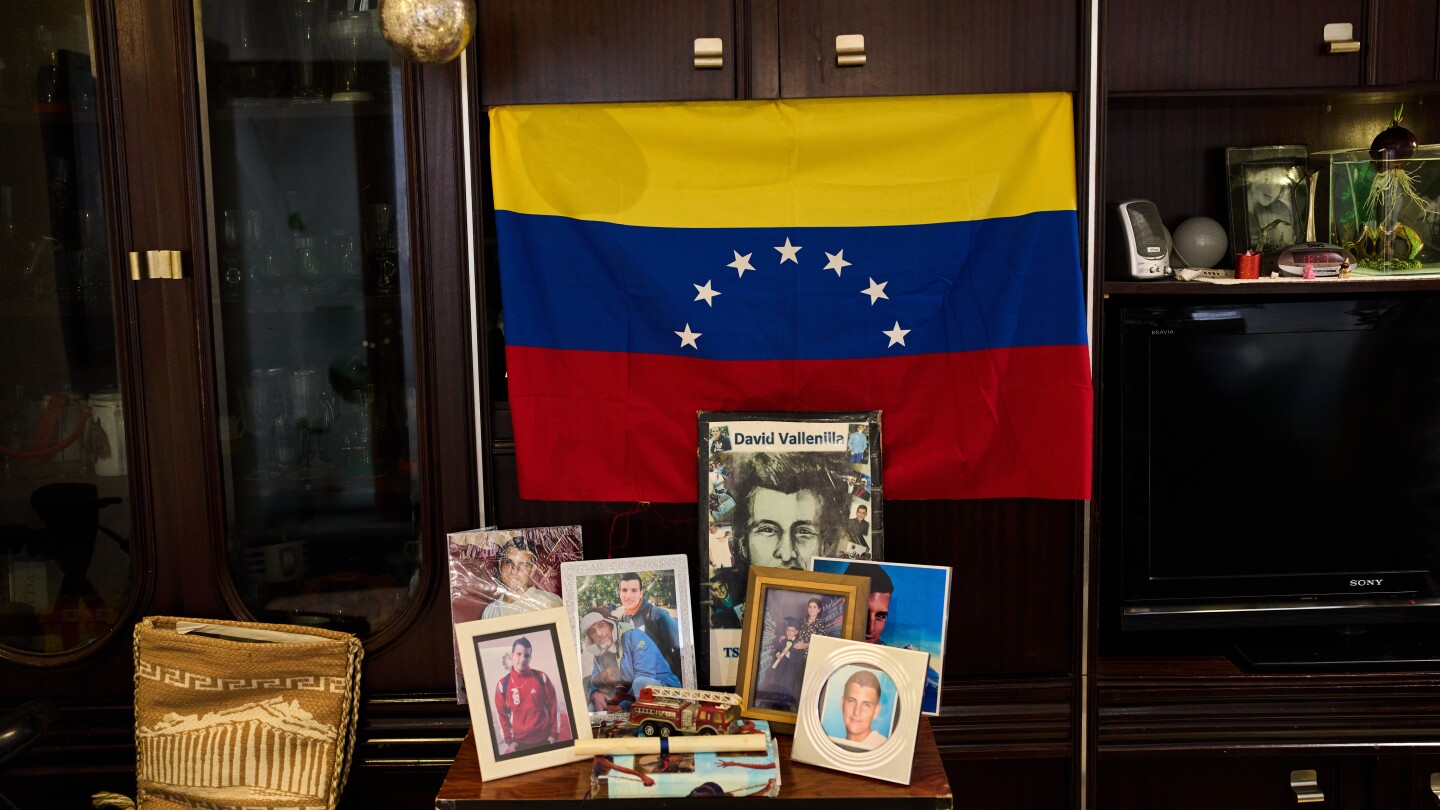
    David Vallenilla, a 65-year-old Caracas native living in Madrid, received the news through frantic messages from relatives. His personal tragedy epitomizes the regime’s brutality: In 2017, his 22-year-old nursing student son was fatally shot point-blank by a Venezuelan soldier during protests. The widely circulated video of the incident became symbolic of state violence. After demanding justice, Vallenilla faced threats and relocated to Spain with NGO assistance. While acknowledging that nothing can restore his son, he views recent developments as potential light after years of darkness.

    Journalist Carleth Morales, who arrived in Madrid twenty-five years ago anticipating temporary studies, never envisioned Venezuela’s prolonged deterioration. She founded the Venezuelan Journalists Association in Spain, connecting hundreds of exiled professionals. Though skeptical about returning personally after decades abroad, she dreams of her daughters someday considering Venezuela a land of opportunity rather than trauma.

    Verónica Noya embodies the anguish of families with imprisoned relatives. Her husband, army Captain Antonio Sequea, remains in solitary confinement since 2020 for participating in a military operation against Maduro. With four relatives still detained, she awaits news of their promised release while struggling to explain her husband’s absence to their children. Despite obtaining Spanish citizenship through family roots, she maintains her Venezuelan identity and hopes for a democratic homeland.

  • ‘Propaganda’: ASIO chief Mike Burgess’ targeted in Hizb ut-Tahrir letter over comparisons to neo-Nazi group

    ‘Propaganda’: ASIO chief Mike Burgess’ targeted in Hizb ut-Tahrir letter over comparisons to neo-Nazi group

    A globally prohibited radical Islamic organization has launched a formal accusation against Australia’s top intelligence official, alleging he has engaged in ‘propaganda pandering’ as the government advances sweeping reforms targeting hate groups. Hizb ut-Tahrir—already banned across the UK, Europe, and multiple Middle Eastern and Asian nations—faces potential proscription in Australia following recent national security developments.

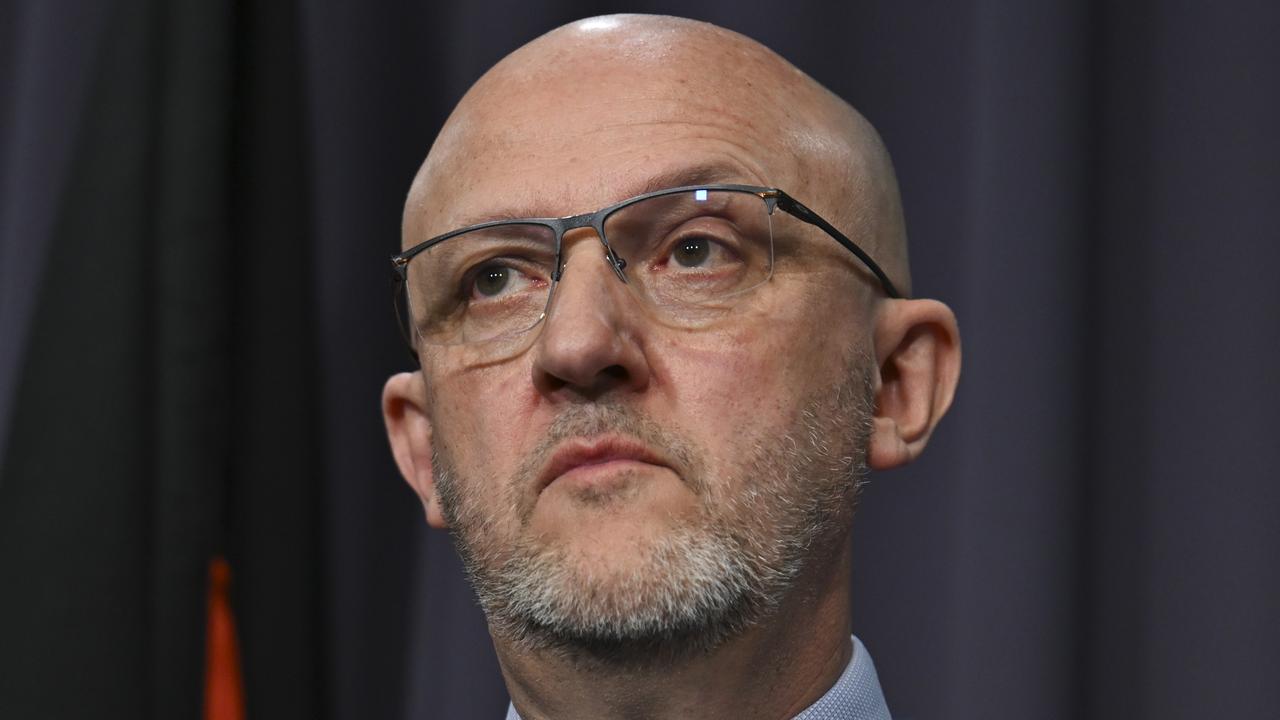
    In a sharply worded letter addressed to ASIO Director-General Mike Burgess, the organization criticized his public statements during a recent Lowy Institute lecture where he compared Hizb ut-Tahrir’s rhetoric and strategies to those of the recently disbanded neo-Nazi group Nationalist Socialist Network (NSN). The letter asserts that Burgess ‘eviscerated any claim to impartiality’ by drawing such parallels and accused him of deliberately muddying complex public conversations.

    The group specifically challenged Burgess’s characterization of their criticism of Israel as disguised anti-Semitism, arguing this conflation discredits legitimate pro-Palestinian advocacy. ‘This argument cannot be sustained unless you are suggesting all pro-Palestinian activism equates to anti-Semitism,’ the letter stated.

    Hizb ut-Tahrir also defended its lawful operations, rejecting suggestions that operating within legal boundaries indicates nefarious intent. ‘Staying within the law is not circumventing the law, it is the law,’ the organization emphasized, adding that such implications could potentially criminalize any law-abiding citizen.

    The controversy emerges as the Australian government, prompted by the recent Bondi Beach terror attack, moves to implement reforms that would streamline the process of designating organizations as prohibited hate groups. Under the proposed measures, membership in or support of banned groups would carry severe penalties, including potential 15-year prison sentences.

    Despite its global reputation, Hizb ut-Tahrir’s Australian spokesperson Wassim Doureihi recently characterized the organization as ‘neither hateful nor violent’ in media interviews, denying any intentions to establish a caliphate in Australia through force.

  • How the White House and governors want to fix AI-driven power shortages and price spikes

    How the White House and governors want to fix AI-driven power shortages and price spikes

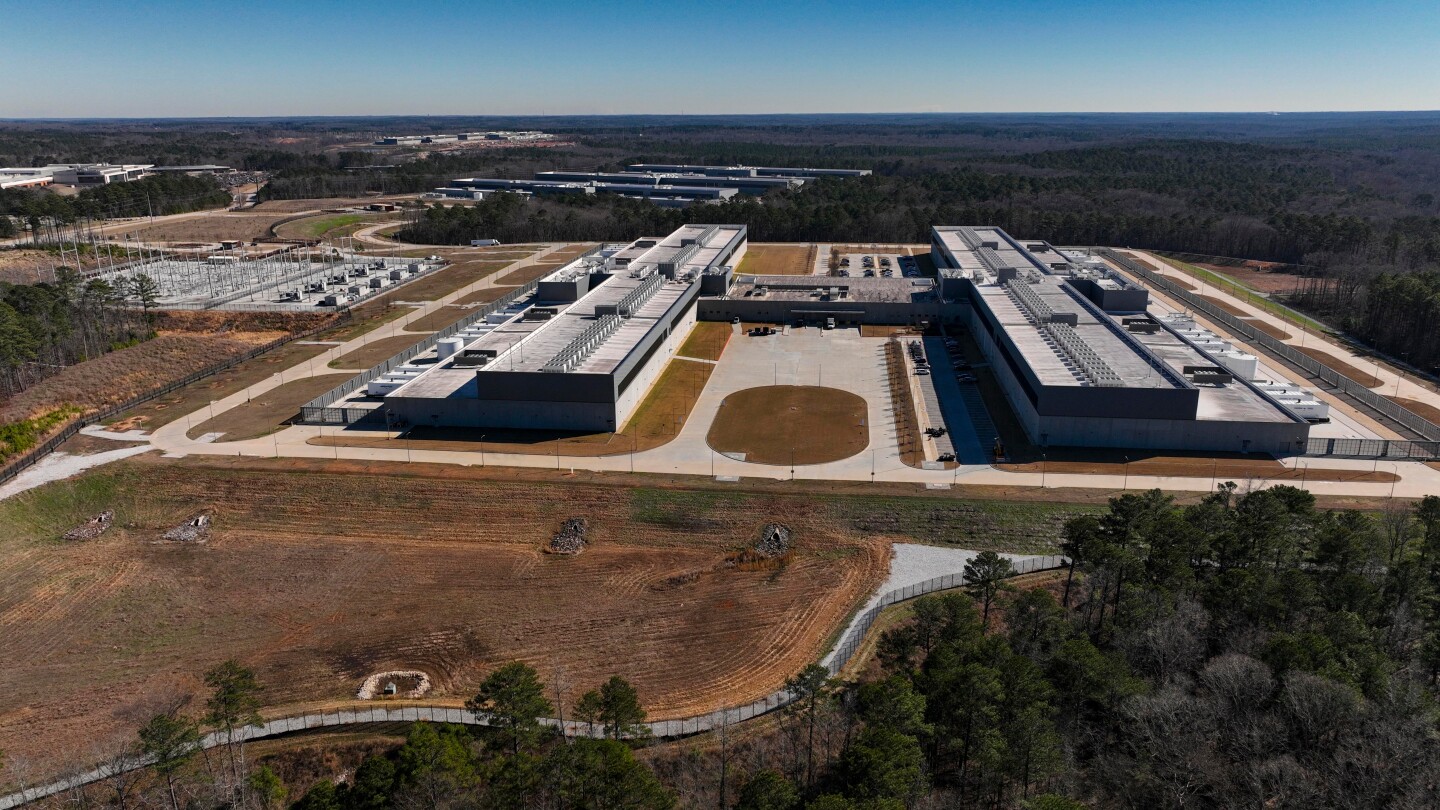
    A bipartisan coalition of state governors joined Trump administration officials in a unified push on Friday, demanding urgent action from the nation’s largest grid operator to expand electricity generation capacity. The extraordinary pressure campaign targets PJM Interconnection, which manages the mid-Atlantic power network serving 13 states and Washington D.C., amid growing concerns that artificial intelligence development could trigger widespread blackouts while dramatically increasing consumer electricity costs.

    Interior Secretary Doug Burgum framed the situation as a national security imperative, stating that winning the AI race against China requires massive power infrastructure investments. “We know that with the demands of AI and the productivity that comes with that, it’s going to transform every job and every company,” Burgum told reporters at the Eisenhower Executive Office Building. “But we need to be able to power that in the race we are in against China.”

    The proposed solution involves creating a specialized power auction allowing technology companies to directly bid on contracts for new power plant construction. This market-based approach would shift the financial burden of data center energy needs from residential consumers to the tech corporations driving demand. Additionally, officials want PJM to extend wholesale electricity price caps implemented last year that limit consumer cost increases through mid-2028.

    Governors Glenn Youngkin (Virginia), Wes Moore (Maryland), and Josh Shapiro (Pennsylvania) expressed mounting frustration with PJM’s response to the crisis. Moore emphasized that “we need for PJM to take action, we need for PJM to take it seriously,” while Youngkin characterized the situation as a “massive, massive crisis.”

    The urgency stems from alarming trends: analysts warn that data centers are consuming increasingly enormous power resources, with mid-Atlantic ratepayers already covering billions in infrastructure costs for facilities that haven’t been built. Meanwhile, electricity bills are rising faster than inflation nationwide, with many Americans falling behind on payments.

    Industry representatives from the Edison Electric Institute support the innovative bidding concept, though energy market experts question its feasibility within existing regulatory frameworks. Rob Gramlich of Grid Strategies LLC noted that PJM faces unique challenges, including longer permitting processes than states like Texas and complications from energy deregulation that left utilities without long-term power contracts.

    The standoff highlights the complex balance between technological advancement, consumer protection, and infrastructure development as America’s power grid faces unprecedented demands from the digital economy.

  • Canada’s Carney hails ‘strategic partnership’ in talks with Xi

    Canada’s Carney hails ‘strategic partnership’ in talks with Xi

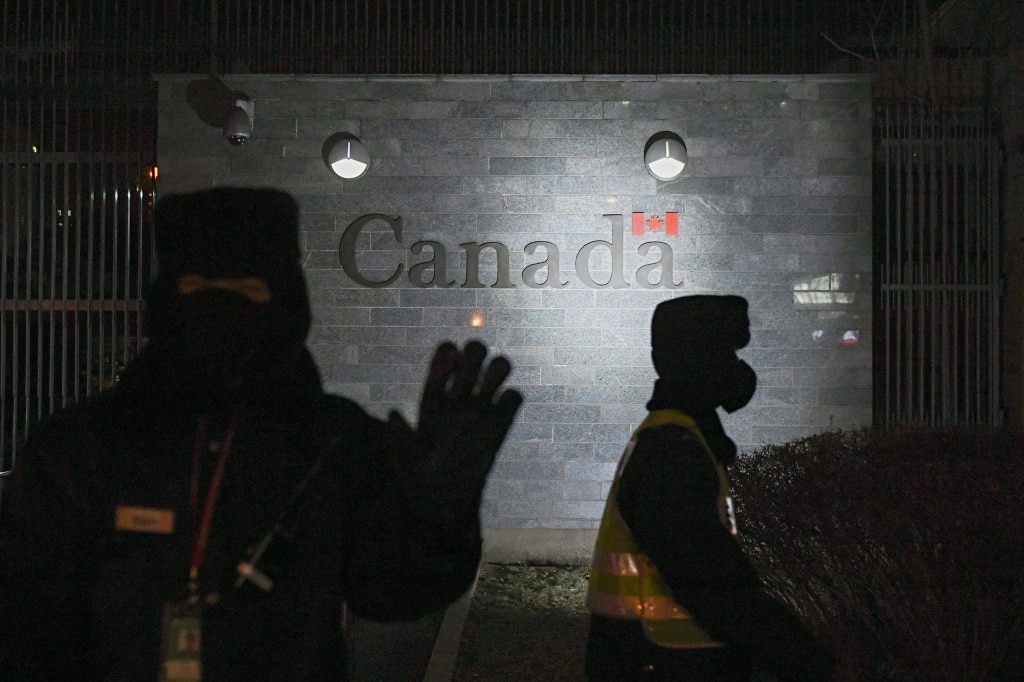
    Canadian Prime Minister Mark Carney and Chinese President Xi Jinping have initiated a significant diplomatic reset during their meeting at Beijing’s Great Hall of the People, marking the first Canadian leadership visit to China in eight years. The high-level discussions focused on establishing what both leaders termed a “new strategic partnership” aimed at overcoming years of strained relations.

    The bilateral relationship had deteriorated significantly since 2018, triggered by Canada’s arrest of Huawei executive Meng Wanzhou on a U.S. warrant and China’s subsequent detention of two Canadian citizens on espionage charges. This diplomatic crisis was further exacerbated by reciprocal trade tariffs and allegations of Chinese election interference.

    Prime Minister Carney emphasized the urgent need to diversify Canada’s economic partnerships, particularly in light of recent aggressive tariff impositions by the Trump administration on Canadian steel, aluminum, vehicles, and lumber. “Together we can build on the best of what this relationship has been in the past to create a new one adapted to new global realities,” Carney stated during the meeting.

    President Xi Jinping acknowledged the positive momentum since the leaders’ previous encounter at the October APEC summit, noting that their discussions had “opened a new chapter in turning China-Canada relations toward improvement.” Xi emphasized that “the healthy and stable development of China-Canada relations serves the common interests of our two countries.”

    The renewed partnership identifies agriculture, energy, and finance as priority sectors for immediate cooperation. Both nations are engaged in ongoing negotiations to reduce trade barriers and enhance bilateral commerce, though no formal agreement has been finalized. While China represents Canada’s second-largest export market, it currently accounts for less than 4% of Canadian exports, significantly trailing the United States’ 75% share.

  • ‘The weave’: Trump believes time is on his side to attack Iran, sources say

    ‘The weave’: Trump believes time is on his side to attack Iran, sources say

    The Trump administration is strategically evaluating the optimal timing for potential military action against Iran, according to current and former U.S. officials familiar with internal discussions. Administration analysts believe time favors American interests as widespread protests against Iran’s Islamic Republic show no signs of diminishing.

    The protests, initially sparked by economic discontent in January, have expanded to traditionally supportive rural areas and merchant communities. Iran’s response has reportedly turned exceptionally violent, with Reuters estimating over 2,600 fatalities—potentially making this crackdown the most severe in recent history.

    A U.S. official, speaking anonymously, highlighted upcoming symbolic dates—martyrs’ commemorations, Ramadan, the revolution anniversary, and Nowruz (Iranian New Year)—as potential flashpoints. Historical tensions during such periods have previously fueled revolutionary movements, including the 1979 overthrow of the U.S.-backed Shah.

    Randa Slim of the Stimson Center’s Middle East Program noted: “This deescalation appears temporary, very much awaiting developments in Iran. I think Trump is betting this regime can’t sustain itself long-term.”

    The administration’s deliberative approach reflects Trump’s documented preference for strategic unpredictability. A former official described this as “the weave”—methodically increasing and decreasing pressure while assessing the optimal moment for action.

    Military analysts identify Revolutionary Guard Corps bases and Basij militia facilities as likely targets should strikes occur. However, a former senior defense official cautioned against premature action: “If we allow this to play out naturally, we will be able to see who is remaining and what the public wants. Military action now may merely disrupt ongoing clandestine operations.”

    Logistical considerations also factor into the timing calculus. The USS Abraham Lincoln carrier group requires approximately one week to transit from the South China Sea to the Middle East. Additionally, the U.S. must prepare for potential Iranian retaliation against regional bases and ally Israel, whose Prime Minister Netanyahu reportedly requested a postponement of any attack.

    Regional diplomacy significantly influences Washington’s calculations. Gulf partners—particularly Saudi Arabia, Qatar, and Turkey—have intensified lobbying against military action. Since Trump’s June strikes on Iranian nuclear facilities, regional powers have taken the threat of American intervention more seriously.

    David Schenker of the Washington Institute for Near East Policy concluded: “Everything that has been done is positioning the US to do this. He is signalling that this is coming.” The administration appears to be balancing military preparedness with diplomatic pressures while monitoring Iran’s internal stability.

  • Social media platforms removed 4.7 million accounts after Australia banned them for children

    Social media platforms removed 4.7 million accounts after Australia banned them for children

    WELLINGTON, New Zealand (AP) — Australian officials announced Friday that social media platforms have deactivated or restricted approximately 4.7 million accounts belonging to minors since the implementation of the nation’s groundbreaking under-16 social media prohibition in December. The sweeping ban represents one of the world’s most aggressive regulatory actions against technology companies concerning child protection.

    Communications Minister Anika Wells declared the measure a victory for Australian families, stating: “We confronted some of the world’s most powerful corporations and their supporters who claimed this was impossible. Australian parents can now feel assured that their children can reclaim their childhoods.”

    The comprehensive data, submitted to Australia’s government by ten major social media platforms, provides the first quantitative assessment of the policy’s impact. The legislation emerged from mounting concerns about harmful digital environments affecting youth development, triggering intense national debates about technology usage, privacy rights, child safety protocols, and mental health implications.

    Under Australia’s regulatory framework, prominent platforms including Facebook, Instagram, Kick, Reddit, Snapchat, Threads, TikTok, X, YouTube, and Twitch face potential penalties exceeding AU$49.5 million (US$33.2 million) for non-compliance with age verification requirements. Messaging services such as WhatsApp and Facebook Messenger remain exempt from these restrictions.

    Platforms employ triple-verification methodologies: requesting official identification documents, utilizing third-party facial age estimation technology, or making inferences from existing account metadata including account longevity.

    According to eSafety Commissioner Julie Inman Grant, Australia’s 2.5 million children aged 8-15 previously demonstrated an 84% social media penetration rate among 8-12 year-olds. The commissioner characterized the 4.7 million account removals as “encouraging” progress in protecting minors from predatory digital practices.

    Meta, parent company to Facebook, Instagram, and Threads, reported eliminating approximately 550,000 accounts belonging to suspected underage users within the policy’s first operational day. Despite compliance, Meta criticized the regulatory approach in an official blog post, warning that smaller exempt platforms might not prioritize safety measures and that algorithmic content delivery remains unaddressed.

    The policy garnered substantial support from parents and child safety advocates while drawing opposition from digital privacy organizations and youth representatives who highlighted the importance of online communities for vulnerable and geographically isolated adolescents.

    Prime Minister Anthony Albanese celebrated the policy’s international influence, noting: “Despite initial skepticism, Australia’s framework is now inspiring global replication—a source of national pride.” Denmark has already announced plans to implement similar restrictions for children under 15.

    Opposition lawmakers raised concerns about easy circumvention through age verification deception or adult assistance, coupled with migration to less-scrutinized applications. Commissioner Inman Grant acknowledged initial spikes in alternative app downloads but noted no sustained usage increases.

    The eSafety Commission plans to introduce pioneering restrictions on AI companions and chatbots in March, further expanding Australia’s digital child protection framework.

  • Survey says slowing economy is the No. 1 worry for US businesses in China, not trade friction

    Survey says slowing economy is the No. 1 worry for US businesses in China, not trade friction

    A comprehensive survey conducted by the American Chamber of Commerce in China indicates that U.S. corporations operating in China now perceive the nation’s economic deceleration as a more pressing concern than bilateral trade disputes. The report, published Friday, reveals that 64% of the 368 responding companies identify China’s slowing growth as their primary challenge, while 58% cite ongoing U.S.-China trade tensions as a significant obstacle.

    This shifting priority reflects the substantial footprint of American businesses within China’s domestic market, which serves approximately 1.4 billion consumers. Many of these enterprises maintain operations focused exclusively on Chinese market consumption rather than export-oriented models.

    Economic projections suggest China’s expansion will continue moderating this year following an approximate 5% growth rate in 2025. Last year’s export performance exceeded import growth, resulting in a record trade surplus nearing $1.2 trillion.

    Despite these challenges, business sentiment has demonstrated improvement compared to previous years. Over half of surveyed companies reported profitability in 2025, marking a significant increase from the previous year’s figures. This optimism persists even as overall foreign direct investment in China declined by 7.5% year-over-year during the first eleven months of 2025, totaling 693 billion yuan ($99 billion).

    The current trade truce between Washington and Beijing, established after President Trump’s reinstatement of tariffs reaching 145% on Chinese imports, has provided some operational stability. Anticipated diplomatic exchanges, including Trump’s potential April visit to Beijing and reciprocal travel by Chinese leader Xi Jinping to the United States, may further influence commercial relations.

    AmCham China President Michael Hart emphasized during a media briefing that while companies acknowledge political realities, their focus remains on capitalizing on business opportunities. He noted perceived Chinese government interest in maintaining foreign investment channels, particularly from American enterprises.

    The survey conducted between October 22 and November 20, 2023, coincided with the extension of the U.S.-China trade truce agreement during the leaders’ meeting in South Korea.

  • Fire breaks out in Seoul’s last-remaining shanty town

    Fire breaks out in Seoul’s last-remaining shanty town

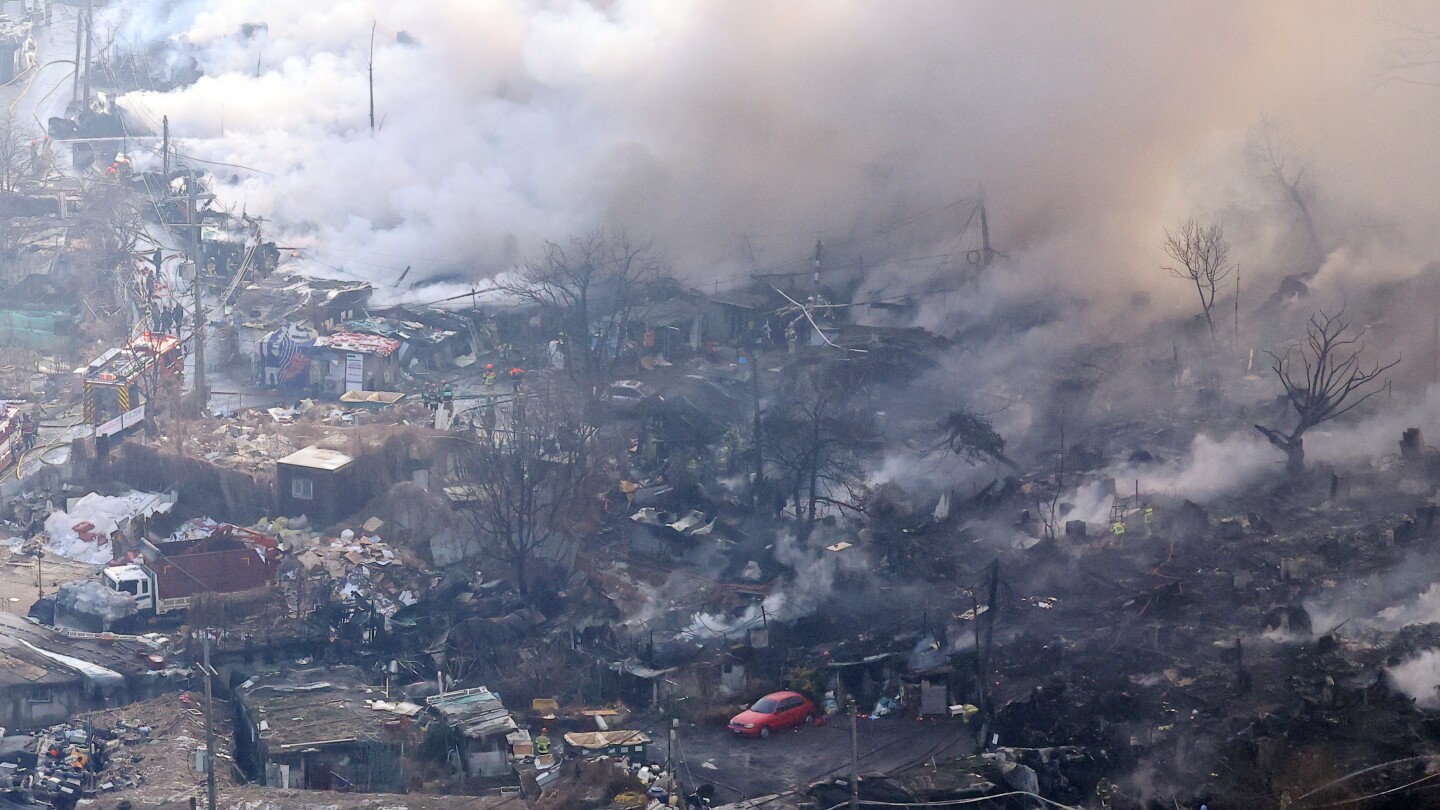
    A significant fire broke out on Friday in Guryong village, one of Seoul’s last remaining informal settlements, destroying numerous makeshift homes and prompting the evacuation of dozens of residents. Authorities confirmed no immediate casualties from the incident.

    Fire officials reported bringing the majority of the blaze under control approximately 6.5 hours after it ignited in this hillside community located in southern Seoul. During a televised briefing, local fire officer Jeong Gwang-hun stated that emergency crews were conducting thorough searches of the affected area to ensure no victims remained trapped in the damaged structures.

    The fire response mobilized an extensive emergency deployment with over 1,200 personnel from fire and police services working at the scene. Investigation into the cause of the fire is currently underway, with officials examining all potential factors that might have contributed to the outbreak.

    Guryong village’s structural vulnerabilities have been noted by urban observers, who point to the community’s tightly packed dwellings constructed from highly flammable materials as creating persistent fire hazards. This incident represents the latest in a series of fires that have affected the settlement over several years.

    The village’s location adjacent to some of Seoul’s most affluent districts—characterized by luxury high-rise apartments and upscale shopping areas—has made it a visible symbol of South Korea’s economic disparities. The community originally formed during the 1980s as a refuge for residents displaced by massive urban redevelopment projects and neighborhood clearances.

    Historical context reveals that hundreds of thousands of low-income residents were removed from their homes during extensive slum clearance operations in the decades preceding the 1988 Seoul Olympic Games. Military-backed leadership at the time considered these urban beautification projects essential for presenting a modernized image to international visitors during the global event.

  • Surveillance, harassment and bribes: everyday life for migrants in Russia

    Surveillance, harassment and bribes: everyday life for migrants in Russia

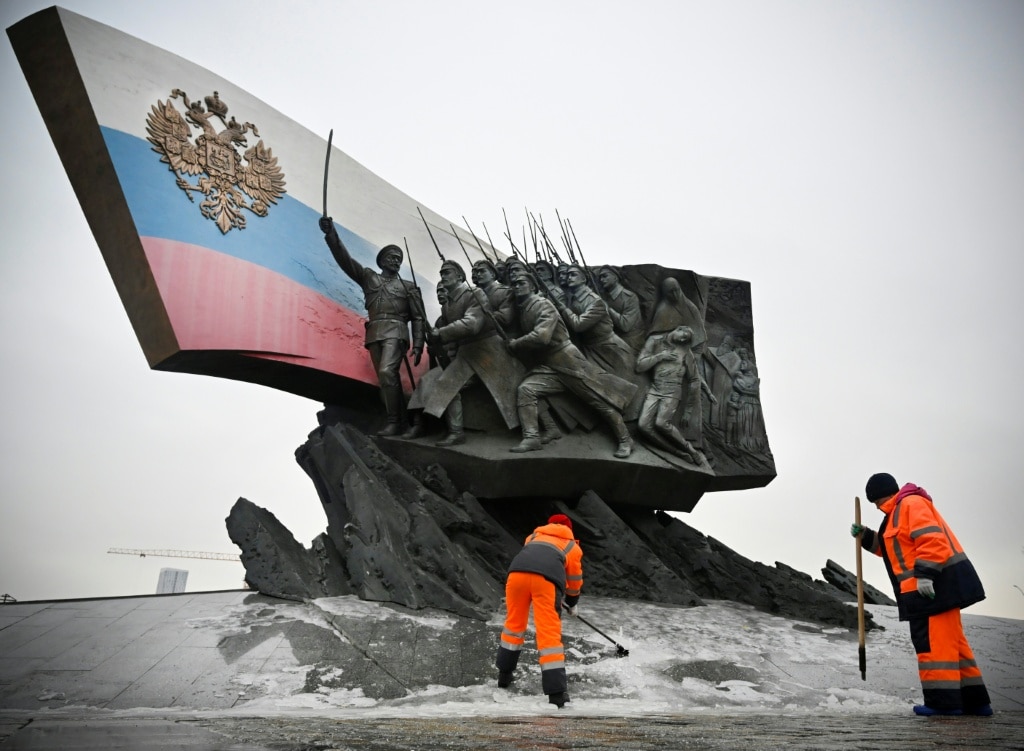
    For Alym, a 38-year-old Kyrgyz taxi driver and father of two residing near Moscow, daily existence in Russia is characterized by an oppressive cycle of digital monitoring, institutional corruption, and social hostility. His experience reflects the grim reality facing an estimated 6.5 million foreign nationals, predominantly low-wage workers from Central Asia who form a critical pillar of Russia’s economy amid severe labor shortages exacerbated by its military operations in Ukraine.

    Migrants navigate a labyrinth of bureaucratic exploitation, with law enforcement routinely demanding off-the-books payments—often reaching $300—for essential documentation including registrations, work permits, and patents. Compounding this financial burden is the state-mandated Amina surveillance application, which requires daily location sharing. Failure to comply for just 72 hours results in placement on an official ‘register of monitored persons,’ triggering frozen bank accounts, employment termination, academic expulsion, or even deportation.

    This climate of institutionalized pressure intensified following President Vladimir Putin’s 2023 policy enactment designed to ‘limit the presence of migrants’ family members,’ ostensibly to reduce strain on social services. Among its most controversial measures are excessively stringent language proficiency tests for migrant children seeking school admission—a requirement that federal data indicates could block 87% of such students from education by 2025.

    Anna Orlova, a Russian language instructor with the Migratory Children project, condemns the policy as counterproductive, stating, ‘We should, on the contrary, be glad that migrants come to us. It means the Russian economy is growing.’

    Xenophobic sentiment, historically pervasive in Russian society, has escalated further since the March 2024 concert hall massacre near Moscow, for which four Tajik nationals stand accused. This incident catalyzed political rhetoric against immigration, with ultra-nationalist parties like the Kremlin-allied LDPR capitalizing on public anxiety. Party leader Leonid Slutsky declared, ‘We’re fed up with this situation,’ accusing migrants of ‘undermining the principles and traditions’ of Russian society.

    Tragically, this hostility permeates everyday life. Alym’s son was recently assaulted by Russian classmates, echoing December’s fatal stabbing of a 10-year-old Tajik boy by a teenager espousing neo-Nazi ideologies.

    Svetlana Gannushkina of the ‘foreign agent’-designated Civic Assistance group observes, ‘A migrant’s life in Russia is difficult. The migrant becomes an enemy on whom the discontent in society is funneled.’ With inflation surging and military taxes increasing, anti-immigrant narratives falsely blame migrants for wage suppression and job theft.

    For many like Alym, who once aspired to Russian citizenship, the ongoing Ukraine offensive has transformed that dream into a fear of conscription. He now plans to return to Kyrgyzstan by 2030, joining a growing exodus of families whose children face educational exclusion.