作者: admin

  • China warns of ‘catastrophic disasters’ from unchecked Japanese militarist ambitions

    China warns of ‘catastrophic disasters’ from unchecked Japanese militarist ambitions

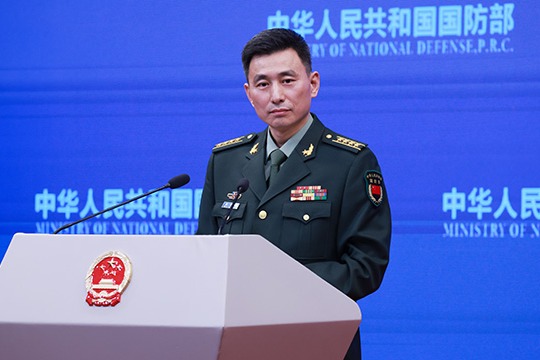
    Beijing has delivered a stern caution regarding Japan’s accelerating military expansion, characterizing it as a dangerous trajectory threatening regional stability. Chinese defense spokesperson Zhang Xiaogang articulated these concerns during a Friday press briefing, asserting that unchecked militarist ambitions would inflict “catastrophic disasters” upon the Japanese populace and constitute a severe threat to neighboring Asian nations.

    The remarks came in response to inquiries about internal Japanese political criticisms directed at Prime Minister Sanae Takaichi. Zhang noted that discerning observers within Japan are increasingly recognizing the perils associated with their government’s contentious policies.

    According to the defense official, Japan’s right-wing conservative factions have demonstrated escalating assertiveness in recent years, aggressively pursuing military enhancement and national remilitarization. This strategic shift, China contends, represents a hazardous deviation from post-war pacifist principles.

    Zhang reaffirmed China’s commitment to collaborative international efforts aimed at countering militarist resurgence. The nation stands prepared to partner with peace-oriented countries to preserve the historical achievements of World War II’s Allied victory and ensure continued regional and global security. This multilateral approach, Beijing maintains, serves as a critical bulwark against destabilizing nationalist agendas in East Asia.
  • ‘Utensils for olive oil’: Inside the West Bank’s deepening economic collapse

    ‘Utensils for olive oil’: Inside the West Bank’s deepening economic collapse

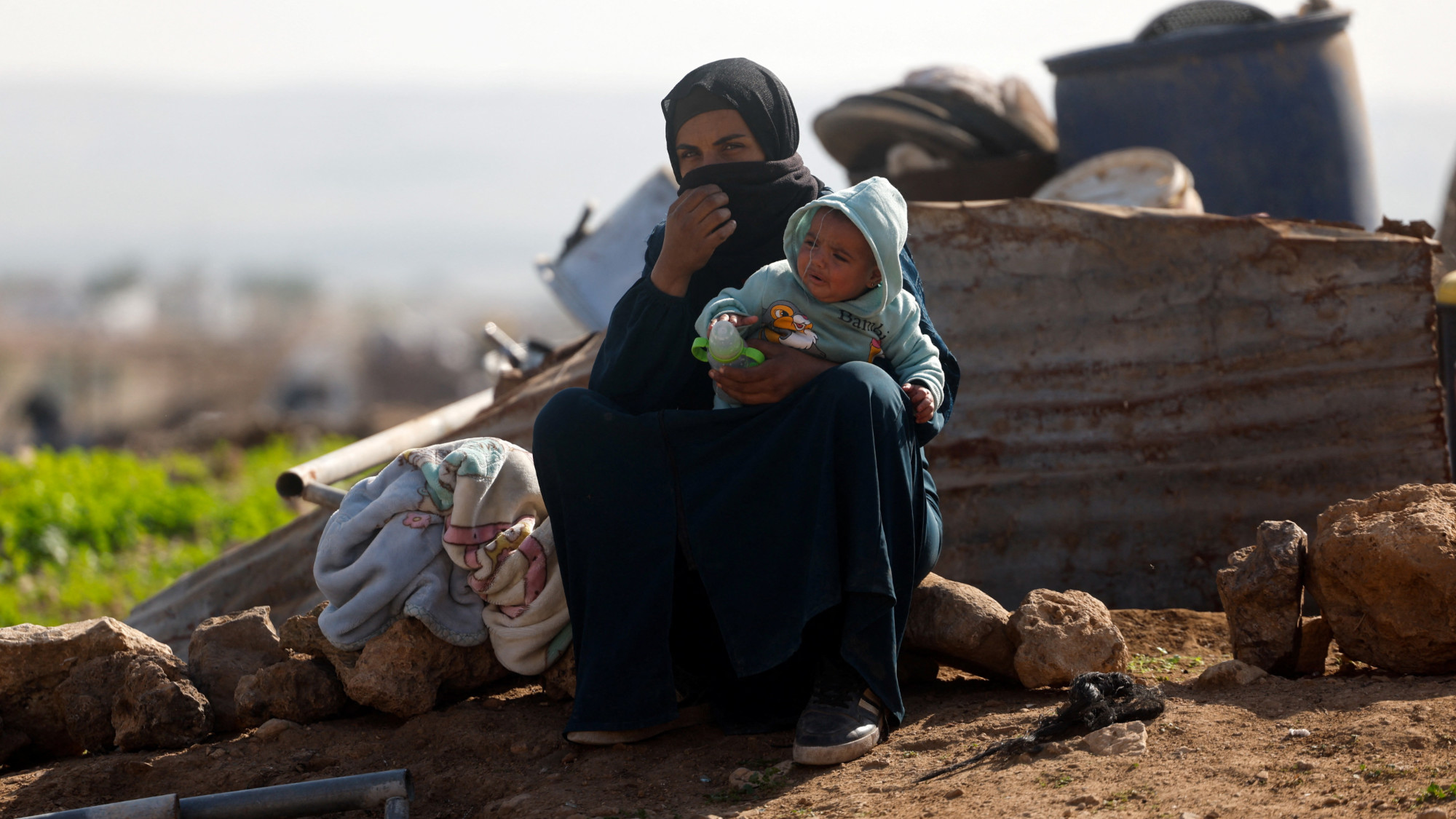
    In the occupied West Bank, a disturbing new economic reality has emerged as Palestinian families resort to trading household possessions for basic sustenance. What began as community Facebook groups for exchanging surplus items has transformed into a digital marketplace of desperation, where mothers now offer furniture, children’s clothing, and kitchenware in exchange for olive oil and za’atar—staples that have become symbols of deepening poverty.

    The economic collapse, accelerating since October 2023, represents what economist Dr. Haitham Oweida describes as “voluntary economic displacement” affecting all societal layers. With unemployment reaching 28% and GDP contracting by 13%, the territory faces a hunger crisis defined by consistent inability to secure nutritious food rather than total deprivation.

    Three primary economic pillars have crumbled simultaneously: the loss of 200,000 Palestinian workers from Israeli employment (eliminating $460 million monthly income), the collapse of domestic tourism from Palestinian citizens of Israel (another $460 million monthly loss), and the instability of clearance revenues from Israel to the Palestinian Authority ($260-310 million monthly). International aid has simultaneously declined to approximately $740 million annually.

    The consequences are starkly visible in both macroeconomic indicators and human tragedy. Palestinian workers now risk their lives daily attempting to cross separation barriers, with 38 confirmed deaths and over 1,500 injuries reported since October 2023—though actual numbers are believed higher due to underreporting.

    One such casualty was Jihad Qazmar, 58, who told his brother before his fatal attempt: “I have no choice left but to beg for my family’s food outside mosques.” Similarly, Salim Rajab al-Far perished after being detained and beaten by Israeli soldiers during a crossing attempt, leaving behind a wife and seven children who had exhausted all savings and sold jewelry before his final journey.

    As military checkpoints increased to 898 alongside 300 military gates according to UN OCHA, internal movement and trade remain largely paralyzed. The Palestinian Authority struggles to pay full public-sector salaries while approximately 50% of private-sector institutions report significant operational impacts. With no effective government intervention in sight, families continue trading their last possessions simply to survive another day.

  • South African national park closed due to floods

    South African national park closed due to floods

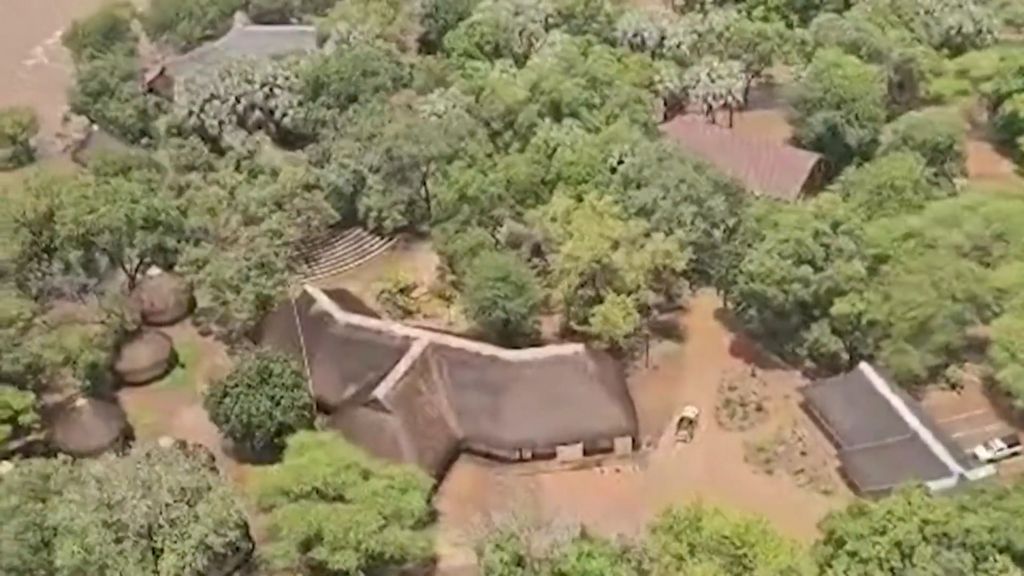
    South African authorities have taken the unprecedented step of closing Kruger National Park, one of Africa’s premier wildlife reserves, in response to catastrophic flooding conditions sweeping across the country’s northeastern regions. The park administration announced the complete suspension of all tourist activities and access routes as emergency teams assess extensive damage to infrastructure and potential threats to wildlife.

    The closure comes as meteorological services report continuous heavy rainfall across Mpumalanga and Limpopo provinces, where rising water levels have transformed normal riverbeds into dangerous torrents. Park officials confirmed that several critical access roads and bridges have been either submerged or structurally compromised, creating potentially life-threatening conditions for visitors and staff alike.

    Environmental specialists express particular concern for animal populations within the 7,500-square-mile reserve, noting that sudden flooding can displace species from their natural habitats and disrupt delicate ecological balances. Conservation teams are monitoring the situation closely, though current conditions have hampered ground-based assessment efforts.

    The tourism industry anticipates significant economic repercussions from the closure, as Kruger typically attracts over 1.5 million visitors annually. Local safari operators and hospitality businesses have begun implementing emergency contingency plans while awaiting further updates from park management. Government disaster response units have been deployed to affected regions, prioritizing human safety while developing strategies for eventual recovery operations.

    Climate scientists note this event continues a pattern of increasingly extreme weather phenomena affecting Southern Africa, with current flooding representing some of the most severe hydrological conditions recorded in the past decade. Park authorities have established emergency communication channels and pledged daily updates as the situation evolves.

  • Chinese vice-premier to attend World Economic Forum Annual Meeting, visit Switzerland

    Chinese vice-premier to attend World Economic Forum Annual Meeting, visit Switzerland

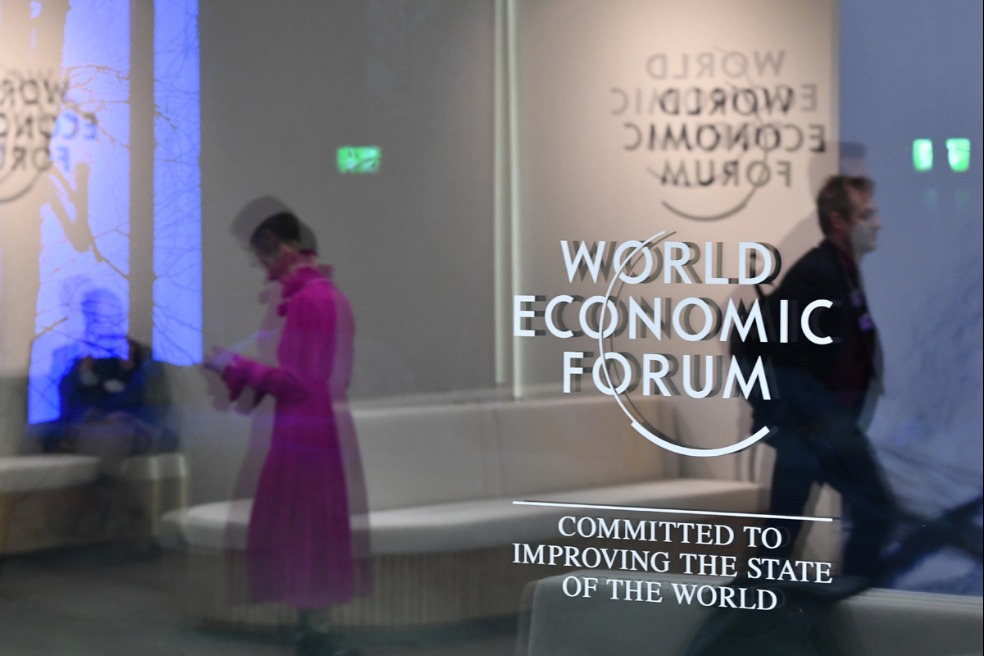
    BEIJING – China’s Vice-Premier He Lifeng will represent the nation at the prestigious World Economic Forum Annual Meeting 2026 in Davos, Switzerland, followed by an official state visit to the Swiss Confederation from January 19-22. The diplomatic mission was formally announced on Friday by China’s Ministry of Foreign Affairs.

    Vice-Premier He, who simultaneously serves on the Political Bureau of the Communist Party of China Central Committee, is undertaking the visit following joint invitations extended by both the World Economic Forum organization and the Swiss federal government. The high-level participation underscores China’s continued engagement with global economic governance platforms and its commitment to multilateral dialogue.

    The Davos gathering, scheduled for January 20-23, will convene world leaders, corporate executives, and influential thinkers to address critical global challenges under the theme ‘Collaborative Innovation in a Fragmented World.’ Vice-Premier He’s attendance marks China’s continued high-level participation in the forum following the country’s post-pandemic reopening and economic recalibration.

    His Swiss itinerary is expected to include bilateral meetings with Swiss government officials and business leaders, potentially covering topics ranging from financial cooperation to technological innovation. Switzerland was among the first European nations to establish diplomatic relations with China and remains a significant economic partner within continental Europe.

    The vice-premier’s delegation is anticipated to present China’s economic outlook and policy directions while engaging in discussions about global economic stability, climate finance, and artificial intelligence governance. This diplomatic mission occurs amid evolving global economic dynamics and China’s ongoing efforts to strengthen international partnerships despite geopolitical tensions.

  • All options against Taiwan separatists remain on the table, ministry says

    All options against Taiwan separatists remain on the table, ministry says

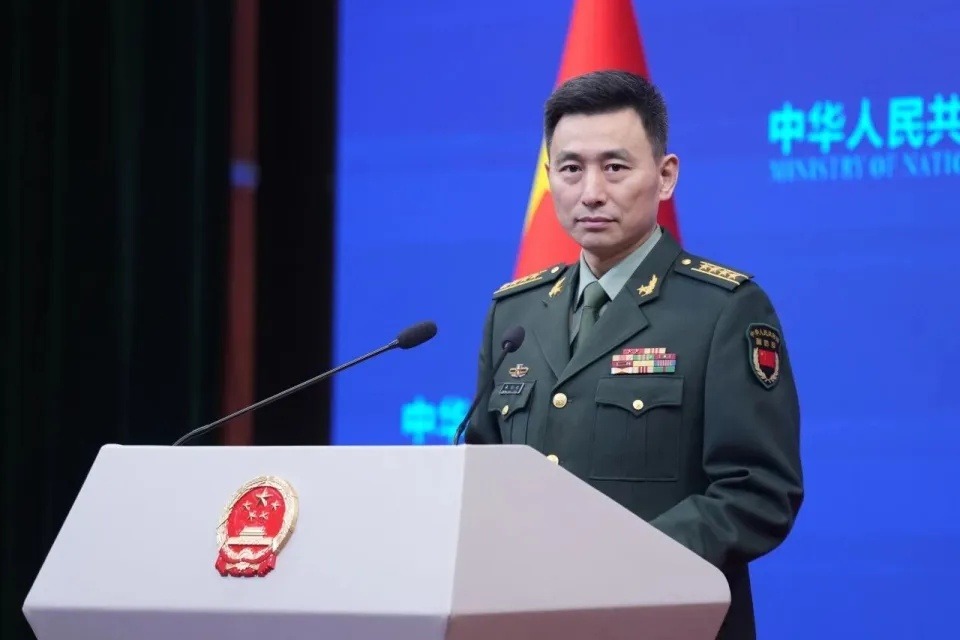
    China’s Ministry of National Defense has emphatically reaffirmed its position regarding Taiwan, declaring that all necessary measures remain available to address separatist activities. The statement came during a Friday press briefing where ministry spokesman Zhang Xiaogang addressed international media speculation about potential Chinese actions toward Taiwan.

    Zhang specifically countered recent comparisons between China’s Taiwan policy and the United States’ approach toward Venezuela, dismissing such analogies as fundamentally flawed. He emphasized that the Taiwan question represents an exclusively internal matter for China, not subject to external interference or comparison with other nations’ foreign policies.

    ‘The Taiwan question is purely China’s internal affair. How to resolve it is a matter for the Chinese people, which brooks no interference from external forces,’ Zhang stated unequivocally during the digital press conference.

    The defense spokesman employed vivid terminology to characterize potential actions against separatist forces, suggesting that dealing with ‘Taiwan independence’ armed elements would be comparable to ‘catching turtles in a jar’ – indicating the certainty of success should such measures become necessary.

    This latest statement reinforces China’s consistent position that maintains all options, including punitive measures, remain available to preserve national sovereignty and territorial integrity. The ministry’s comments come amid ongoing discussions in international media about cross-strait relations and China’s policy approaches.

  • Why Thailand’s deadly construction accidents are sparking outrage and scrutiny

    Why Thailand’s deadly construction accidents are sparking outrage and scrutiny

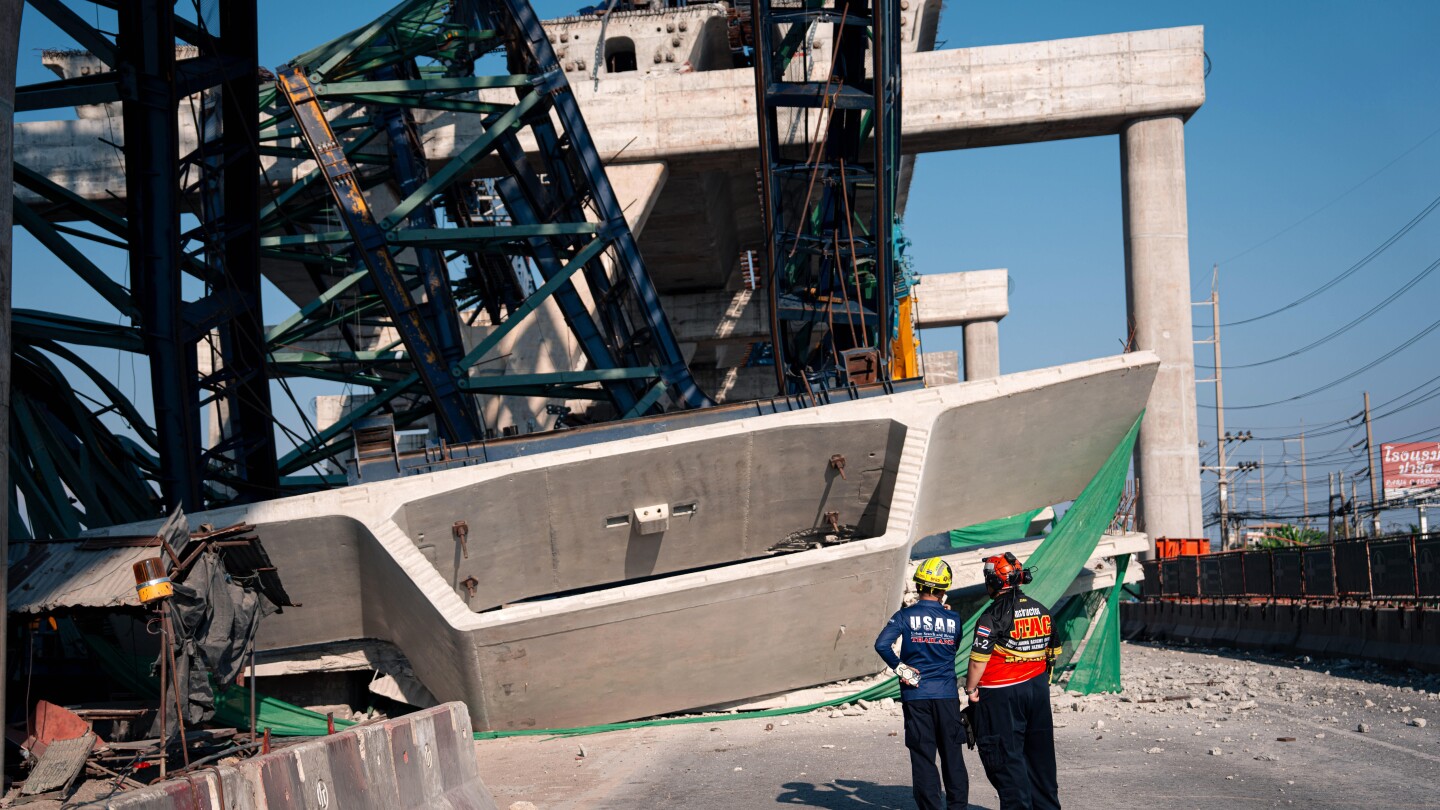
    Thailand’s construction sector is confronting a severe safety crisis following multiple catastrophic incidents that have claimed numerous lives and triggered widespread public outrage. The most recent tragedies include a crane collapse onto a moving passenger train that killed 32 people, followed just one day later by another crane accident claiming two additional lives. These events come nearly a year after the devastating collapse of a 33-story office tower that resulted in approximately 100 fatalities.

    Public scrutiny has intensified toward Italian-Thai Development (Italthai), the contractor responsible for both recent accident sites. The company, a major recipient of government projects, also served as joint lead contractor for the State Audit Office building that collapsed in March. Remarkably, this structure was the only major building in Thailand to fail during an earthquake whose epicenter was located over 1,300 kilometers away in Myanmar. In that case, 23 individuals and companies—including Italthai’s President Premchai Karnasuta—face indictments for professional negligence causing death and document forgery, though the company denies all wrongdoing.

    Prime Minister Anutin Charnvirakul has responded decisively, ordering the Transport Ministry to terminate contracts, blacklist, and prosecute companies involved in recent accidents. The government will seize performance bonds and bank guarantees to fund unfinished projects while reserving the right to pursue additional costs through litigation. A contractor performance ‘scorecard’ system is mandated for implementation by early February.

    Engineering experts identify systemic failures rather than technical knowledge gaps as the root cause. Panudech Chumyen, a civil engineering lecturer at Bangkok’s Thammasat University, notes critical challenges including lax law enforcement, bureaucratic red tape, insufficient policy integration among stakeholders, and a shortage of independent assessors without conflicts of interest.

    The involvement of Chinese companies in troubled projects has drawn particular attention. Last week’s train accident occurred on a line associated with the Thai-Chinese high-speed railway project, part of China’s Belt and Road Initiative. China Railway No. 10, co-lead contractor with Italthai on the collapsed State Audit Office project, faces charges of violating Thailand’s Foreign Business Act through nominee shareholders hiding Chinese control of its local affiliate.

    The term ‘tofu-dreg projects’—referencing shoddy construction that evades regulatory standards—has resurfaced in Thai social media discourse, originally popularized after China’s 2008 Sichuan earthquake. China’s Ambassador to Thailand Zhang Jianwei stated that Beijing requires companies to follow local rules and will guide them to cooperate with Thai investigations.

  • US completes first Venezuelan oil sales valued at $500 million, US official says

    US completes first Venezuelan oil sales valued at $500 million, US official says

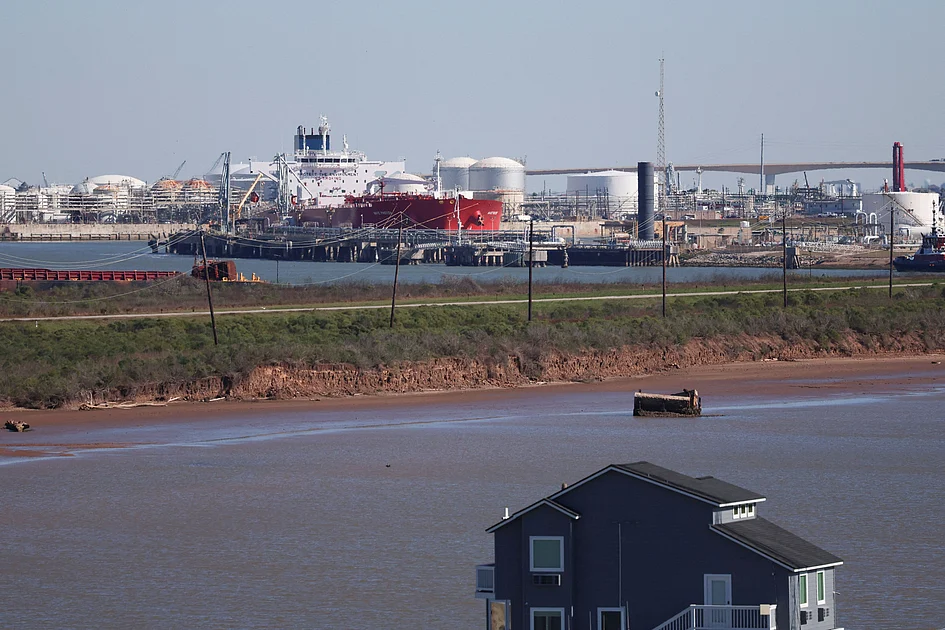
    The United States has successfully concluded its inaugural petroleum transaction with Venezuela, marking a significant milestone in the recently established $2 billion energy agreement between the two nations. According to a senior U.S. administration official who spoke with Reuters on Wednesday, this initial sale represents approximately $500 million in value, with subsequent transactions anticipated throughout the coming weeks.

    The revenue generated from these oil sales is being securely held within U.S. government-controlled banking institutions, as mandated by an official order issued on Friday. Financial industry sources reveal that the primary escrow account has been established in Qatar, strategically selected as a neutral financial jurisdiction that facilitates secure fund transfers with American oversight while minimizing risks of asset seizure.

    This development follows the broader bilateral arrangement reached earlier this month between the administrations in Caracas and Washington, representing a notable shift in energy diplomacy between the historically opposed nations. The selection of Qatar as the financial intermediary highlights the complex international dimensions of this economic relationship, with the Gulf nation providing a mutually acceptable banking solution that satisfies both parties’ security requirements.

    The completion of this transaction was initially reported by Semafor, with subsequent confirmation from U.S. officials indicating that the framework for additional petroleum sales under the $2 billion agreement is now operational.

  • Astronauts of China’s Shenzhou XX mission meet press after return from space

    Astronauts of China’s Shenzhou XX mission meet press after return from space

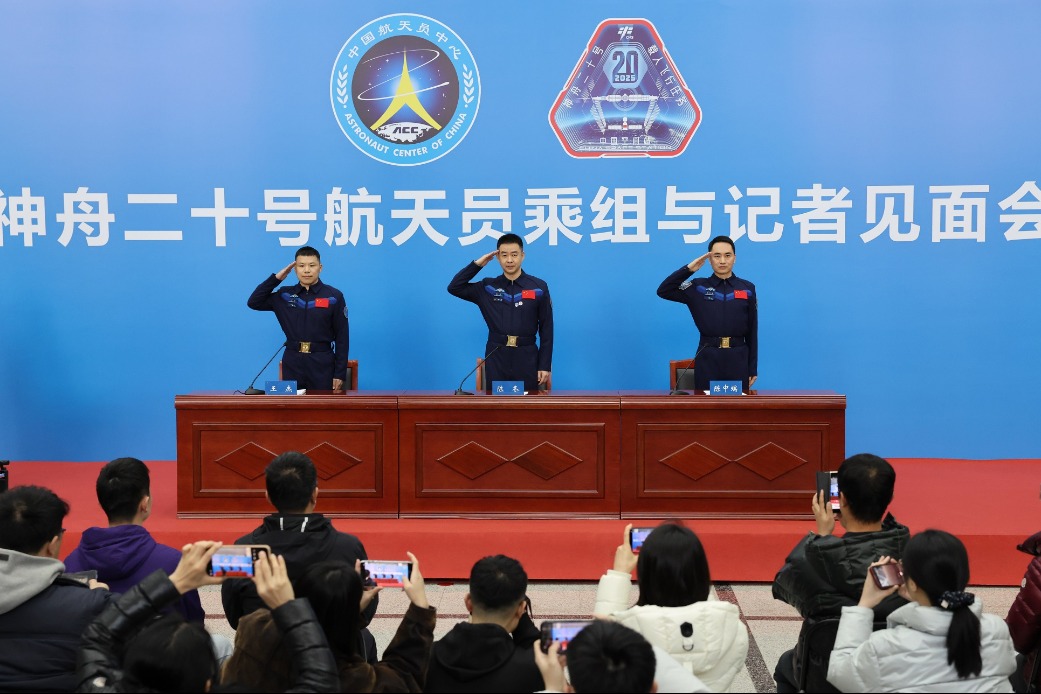
    The three astronauts of China’s landmark Shenzhou XX mission made their first official public appearance on January 16, 2026, following their successful return from space. The press conference, held at the Beijing Aerospace City, featured crew members Chen Dong, Chen Zhongrui, and Wang Jie, who addressed media representatives and shared insights from their historic mission.

    The event marked a significant milestone in China’s ambitious space program, showcasing the nation’s growing capabilities in human spaceflight. The astronauts, appearing in good health and high spirits, detailed their experiences aboard the spacecraft and their contributions to China’s expanding space research initiatives.

    Photographic documentation of the event, captured by Wang Jing of China Daily, depicted the crew assembled before journalists in a ceremonious setting that underscored the achievement’s national importance. The press conference served as both a debriefing of the completed mission and a demonstration of China’s commitment to transparency in its space exploration endeavors.

    This public appearance followed extensive post-mission medical evaluations and recovery procedures standard for returning astronauts. The successful completion of the Shenzhou XX mission represents another strategic advancement in China’s methodical approach to establishing a permanent presence in space, with future lunar and orbital station objectives clearly in view.

  • Iran protest movement subsides in face of ‘brutal’ crackdown

    Iran protest movement subsides in face of ‘brutal’ crackdown

    Iran’s most significant protest movement in years has been forcibly subdued following a severe government crackdown characterized by internet blackouts and lethal force, according to international monitors. The demonstrations, which originated from economic discontent in late December, rapidly evolved into a widespread challenge against the nation’s theocratic establishment.

    The Institute for the Study of War confirmed that the regime’s ‘brutal’ repression tactics have temporarily quelled public dissent. However, analysts note that the extensive mobilization of security forces represents an unsustainable strategy that may lead to renewed protests in the future.

    Human rights organizations report alarming casualty figures, with Iran Human Rights documenting 3,428 verified deaths while acknowledging the actual toll could reach 20,000 due to verification challenges during the internet shutdown that has exceeded 180 hours. Opposition channels outside Iran have cited even higher estimates from government sources.

    Reza Pahlavi, son of Iran’s late Shah, declared during a Washington press conference that the Islamic Republic’s fall is inevitable, stating: ‘I will return to Iran.’ Meanwhile, international responses have varied, with the U.S. implementing new sanctions targeting Iranian officials while apparently stepping back from immediate military action following diplomatic efforts by Middle Eastern nations.

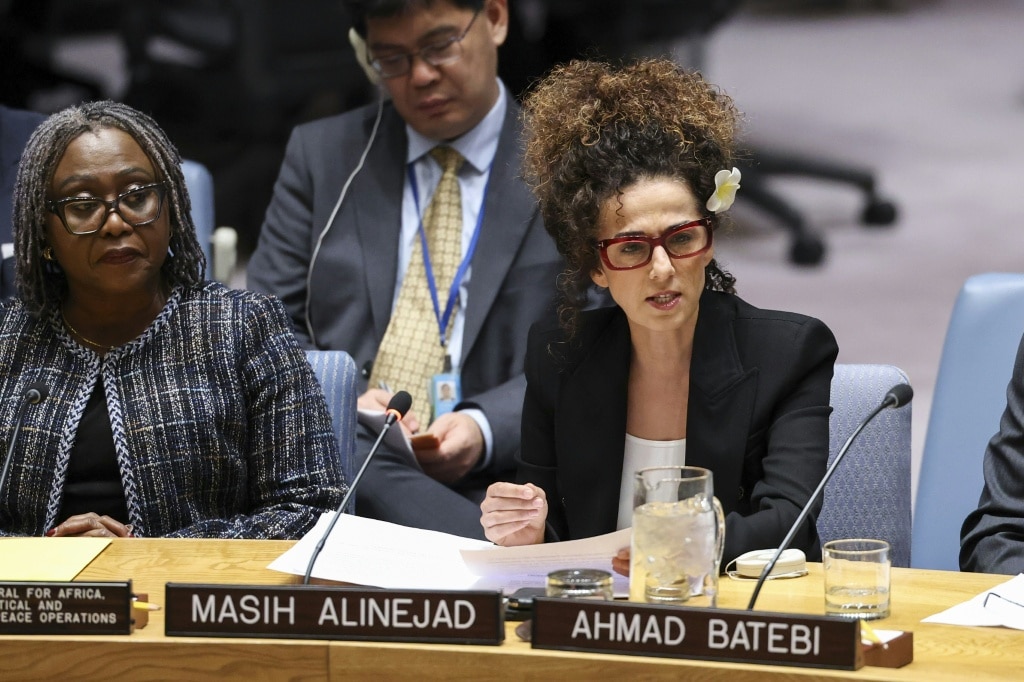
    The United Nations Security Council addressed the situation, where Iranian-American journalist Masih Alinejad testified about nationwide unity against the clerical system, while Iranian representatives accused Washington of exploiting protests for geopolitical purposes. Russian President Vladimir Putin engaged in telephone diplomacy with Iranian leadership, seeking de-escalation measures amid the ongoing crisis.

  • Myanmar begins defence in landmark genocide case at UN court

    Myanmar begins defence in landmark genocide case at UN court

    In a landmark legal confrontation at the International Court of Justice (ICJ), Myanmar has vigorously refuted accusations of genocide against the Rohingya minority, asserting that The Gambia’s case lacks substantiating evidence. Government representative Ko Ko Hlaing defended Myanmar’s military operations in Rakhine State as necessary counter-insurgency measures against terrorist threats, rejecting characterization as ethnic cleansing.

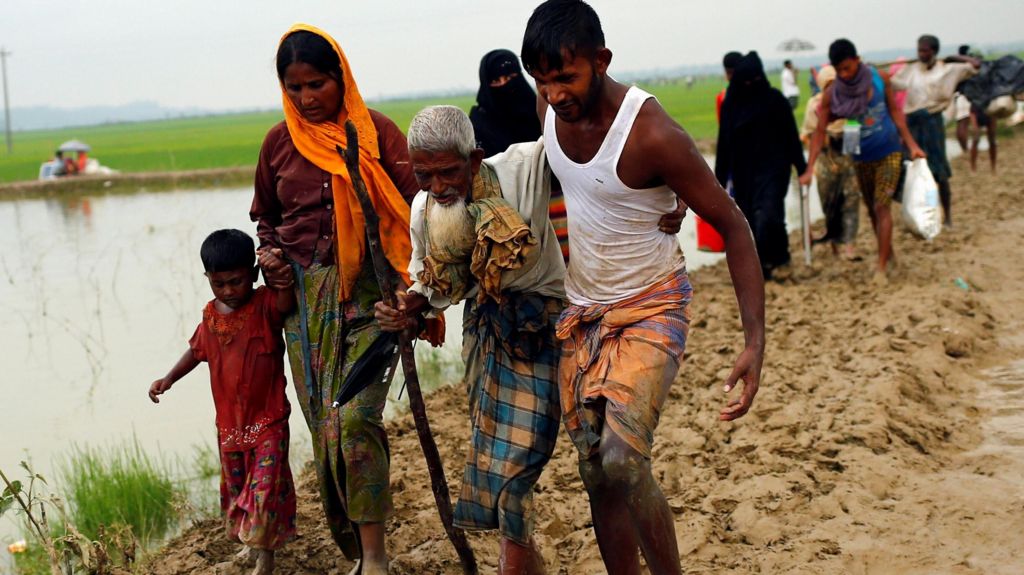
    The legal proceedings, initiated by The Gambia in 2019 with backing from the 57-nation Organisation of Islamic Cooperation, center on alleged violations of the 1948 UN Genocide Convention. Gambian Foreign Minister Dawda Jallow previously argued that Myanmar implemented ‘genocidal policies’ intended to erase the Muslim minority, citing systematic persecution, village destruction, and mass casualties during the 2017 military crackdown that forced over 700,000 refugees into Bangladesh.

    Myanmar’s defense acknowledged the humanitarian consequences but maintained that operational necessities justified the clearance campaigns. Hlaing emphasized Myanmar’s commitment to repatriating Rohingya from overcrowded Bangladeshi camps while blaming external factors like COVID-19 for delayed progress. He warned that a genocide ruling would inflict permanent damage to Myanmar’s international standing.

    The case represents the first major genocide hearing at the ICJ in over a decade and is anticipated to establish precedent for ongoing cases, including South Africa’s proceedings against Israel regarding Gaza. Closed sessions featuring testimony from Rohingya survivors will precede a final ruling expected in late 2026. The outcome will refine legal interpretations of genocidal intent under international law.