作者: admin

  • Ralph Lauren front row draws celebrities to Milan show

    Ralph Lauren front row draws celebrities to Milan show

    MILAN — The Ralph Lauren showcase became the epicenter of celebrity attention during Milan Fashion Week’s opening day, drawing A-list attendees for a presentation that blended classic American aesthetics with Olympic aspirations. The event marked the commencement of a Milan-focused fashion season while simultaneously highlighting the brand’s role as official outfitter for Team USA at the upcoming Winter Games.

    Front row attendees represented a cross-section of entertainment excellence, including recent Golden Globe attendee Colman Domingo, actor Liam Hemsworth (who interrupted an Alpine skiing excursion), and Noah Schnapp, fresh from completing the final season of Stranger Things. Hemsworth arrived accompanied by partner Gabriella Brooks, having temporarily abandoned mountain slopes for fashion’s equivalent.

    The collection itself presented a sophisticated interpretation of American heritage, featuring layered outerwear, precisely tailored Texan suits, and intricate intarsia knitwear. Outside the historic Milan palazzo, hundreds of enthusiastic fans created a fervent atmosphere awaiting K-pop sensation Mark Lee, who responded to admirers with generous heart gestures upon arrival.

    Lee, the Canadian-born K-pop artist, expressed continued astonishment at the genre’s global reach. ‘The massive appeal still surprises me daily,’ he reflected from his prime seating. ‘Having been born in North America when K-pop wasn’t this significant, I feel both honored and responsible to share its positive influences worldwide.’

    The prestigious gathering included singer Nick Jonas and actor Tom Hiddleston positioned alongside David Lauren, the fashion house’s branding and innovation director who will return to Milan for final fittings of Team USA’s opening and closing ceremony attire before the February 6th Games commencement.

    Noah Schnapp, sporting a sharp double-breasted navy jacket with distinctive brass buttons, discussed his post-Stranger Things career trajectory. ‘I take immense pride in our accomplishments but believe it’s time to explore new creative dimensions,’ the 21-year-old University of Pennsylvania senior revealed, confirming plans to return for Olympic ice hockey events with his Canadian parents who ensured his ‘education in hockey culture.’

    Colman Domingo, fashion industry darling and Emmy winner for Euphoria, made a striking impression with Boucheron stud earrings complementing his tweed three-piece suit and casually draped matching overcoat. He praised the collection’s modern sensibility, noting: ‘We witnessed Texas tuxedos, cowboy accessories, Navajo prints, and mountaineer boots blended with effortless luxury. Ralph Lauren embodies that perfect duality where you can scale Aspen slopes then immediately attend an elegant cocktail gathering—this represents the most beautiful expression of aspirational American values through clothing.’
  • Zelensky says Ukraine’s air defence supplies ‘insufficient’

    Zelensky says Ukraine’s air defence supplies ‘insufficient’

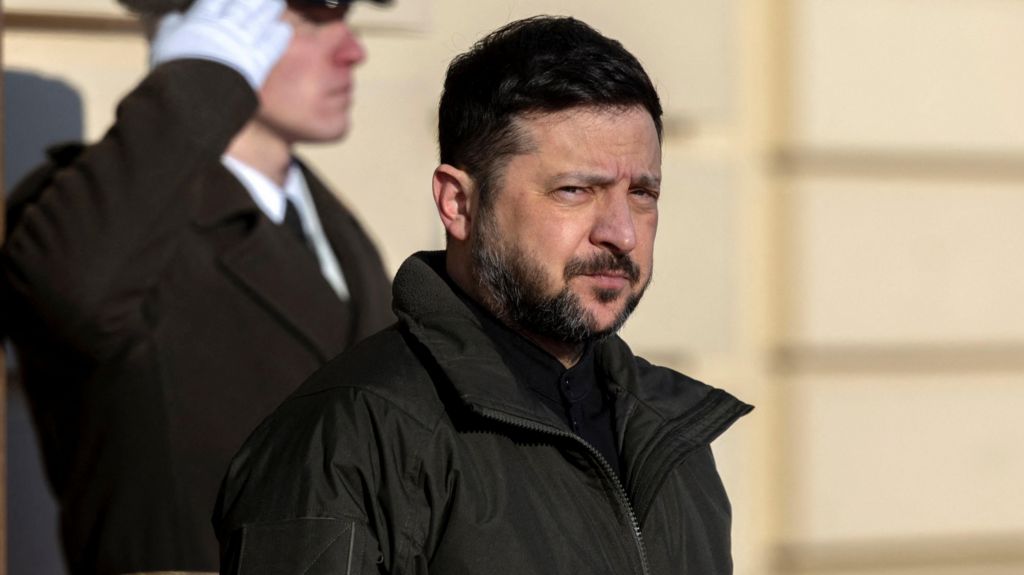
    Ukrainian President Volodymyr Zelensky has issued an urgent appeal to Western allies for accelerated deliveries of air defense missiles, revealing that several critical defense systems had been completely depleted until a recent shipment arrived on Friday. Speaking against a backdrop of relentless Russian bombardment targeting energy infrastructure, Zelensky characterized current Western supplies as “insufficient” despite the day’s “substantial package” of missiles.

    The president’s stark warning comes as Ukraine endures one of its most severe humanitarian crises since the invasion began. With temperatures plunging to -19°C (-2°F), thousands of civilians across multiple regions face life-threatening conditions without heating or electricity. Kyiv’s mayor announced extended school closures through February while implementing emergency measures to address what he described as the capital’s first complete heating collapse and “huge electricity shortage” of the war.

    Zelensky emphasized that missile deliveries don’t guarantee immediate relief: “It doesn’t mean that winter will end for us tomorrow. And it doesn’t mean that tomorrow the enemy will stop bombing us.” He criticized nations stockpiling ammunition while Ukraine fights for survival, stating pointedly: “If we are at war, we really need it. And in some countries, there is no war.”

    The energy crisis has prompted drastic government actions, including a declared state of emergency in the energy sector and the appointment of former Prime Minister Denys Shmyhal as energy minister. Officials accuse Moscow of deliberately exploiting extreme winter conditions as a weapon, with Shmyhal telling parliament Russia was “betting it can break us through energy terror.”

    Amid the devastation, thousands of energy workers race against time to repair bombarded plants and substations. Kyiv has eased curfews to allow residents access to emergency heating hubs, while officials previously suggested civilians consider temporarily relocating to conserve resources.

    In a parallel development, Zelensky revealed Ukrainian negotiators were en route to the United States for ceasefire discussions, potentially culminating in agreements during next week’s World Economic Forum in Davos if American counterparts agree to finalized terms.

    Meanwhile, Russian strikes continued through Friday, killing two people in the central city of Nikopol as intelligence warnings indicated preparations for larger-scale attacks loom.

  • UAE’s mobility planning needs to keep up with urban growth, Al-Futtaim study shows

    UAE’s mobility planning needs to keep up with urban growth, Al-Futtaim study shows

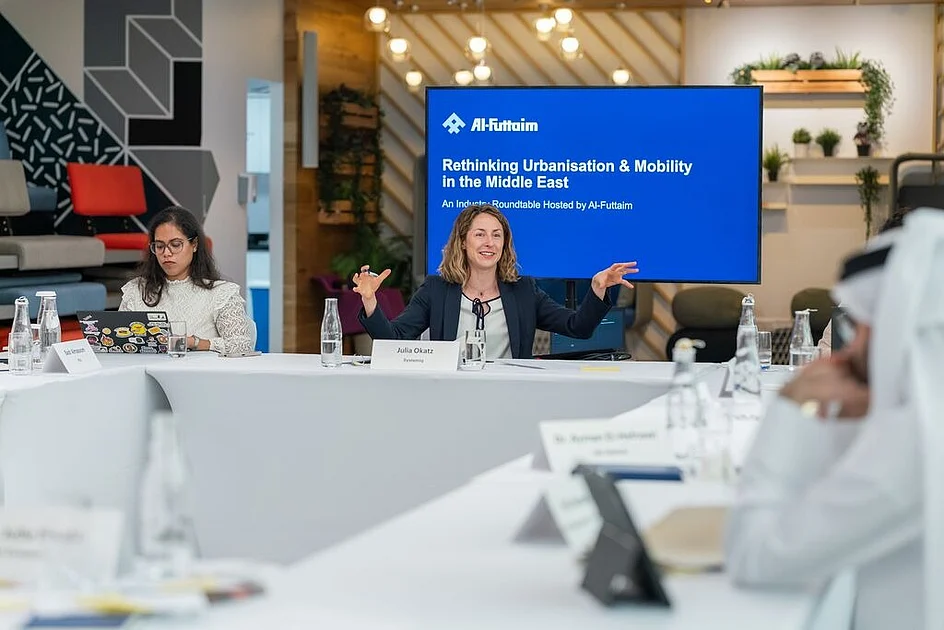
    A comprehensive analysis by Al-Futtaim reveals a critical disconnect between urban development and transportation systems across rapidly growing UAE communities. The white paper ‘Rethinking Urbanisation and Mobility in the GCC’ demonstrates how accelerated urban densification is creating accessibility challenges even in otherwise sustainable neighborhoods.

    According to Ellora-Julie Parekh, Chief Sustainability Officer at Al-Futtaim, current planning approaches remain fragmented. “Decision-making occurs in community-level silos with mobility considerations treated as an afterthought,” Parekh explained. This methodology has resulted in practical difficulties with ingress and egress from otherwise well-designed communities.

    The research incorporated survey data from 2,000 UAE residents which revealed unanimous concern about traffic congestion as the primary urban challenge. While preferences for liveability factors varied by nationality—ranging from affordability to safety and green spaces—congestion emerged as the universal priority. Despite these concerns, only 33% of respondents currently utilize public transportation, with 30% citing lack of availability in their areas.

    The study identifies significant momentum toward green mobility transitions, with 24% of car buyers intending to purchase new energy vehicles within two years. However, charging infrastructure remains the principal barrier to electric vehicle adoption, surpassing range anxiety concerns. Parekh compared the current charging situation to early broadband development, emphasizing that “ubiquitous charging requires collaboration between private sector and government.

    Looking forward, the report advocates for integrated planning utilizing digital modeling and AI technologies. “Cities can now create digital twins of future spaces to test scenarios before construction,” Parekh noted, highlighting how predictive analytics could prevent costly retrofits and improve coordination between urban development and transportation systems.

  • Venezuelan opposition leader is confident about return of democracy but says little of her plans

    Venezuelan opposition leader is confident about return of democracy but says little of her plans

    WASHINGTON — Venezuelan opposition figure María Corina Machado expressed profound confidence in her nation’s democratic future following the U.S. military’s removal of former President Nicolás Maduro, though she notably avoided providing specific timelines for elections or her own return to Venezuela.

    Her carefully measured statements reveal the complex political reality emerging after President Trump’s endorsement of Maduro loyalist Delcy Rodríguez as interim leader. This development has effectively sidelined Machado, the Nobel Peace Prize recipient recognized for her democratic advocacy.

    In a strategic diplomatic gesture, Machado presented her Nobel medal to President Trump during White House talks, simultaneously as CIA Director John Ratcliffe conducted meetings with Acting President Rodríguez in Caracas. This coordinated activity signals the administration’s current preference for working with established government structures rather than opposition movements.

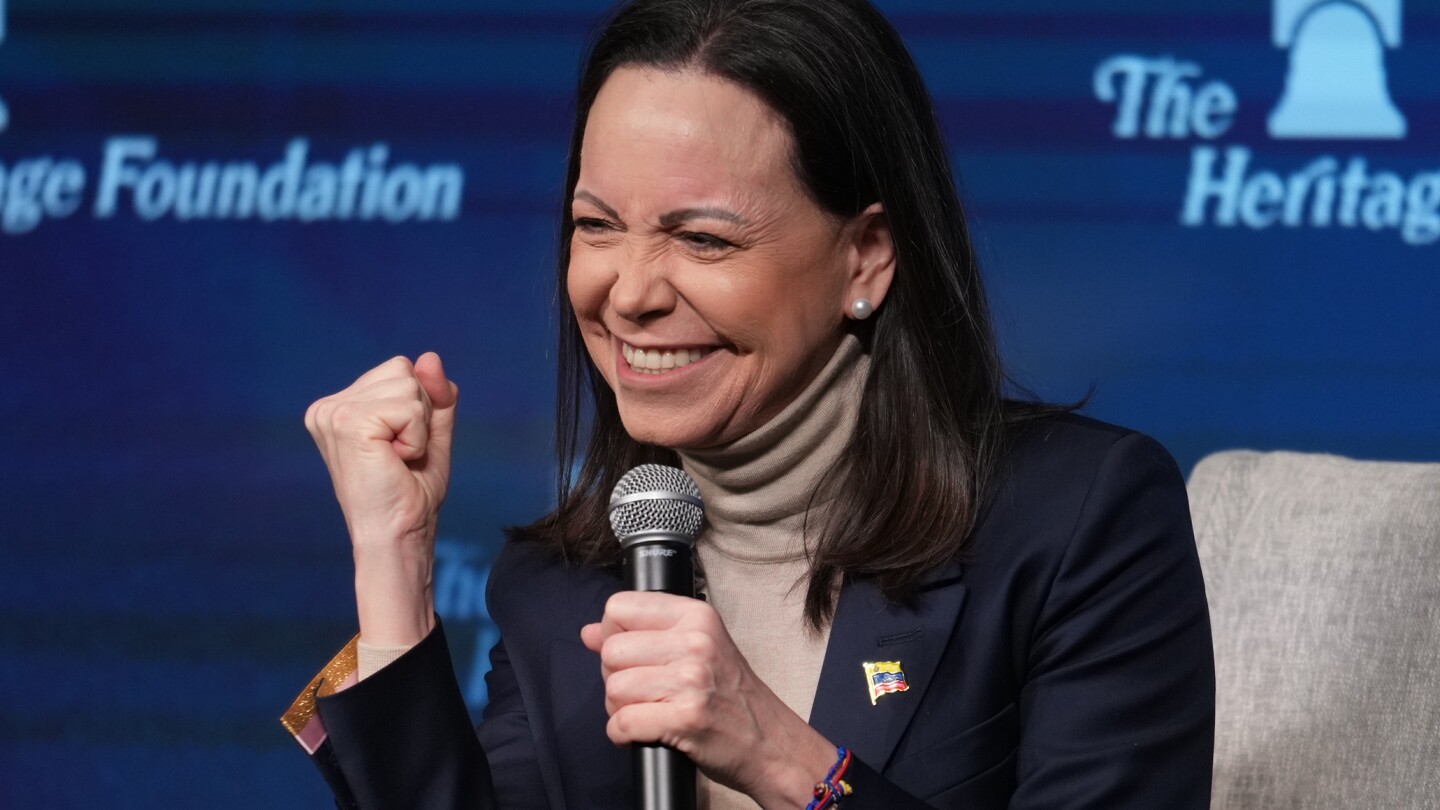
    Addressing attendees at the Heritage Foundation, Machado articulated her vision for Venezuela’s transformation from a socialist government historically antagonistic toward the U.S. into a potential strategic ally. She dismissed suggestions of tension between Rodríguez’s interim government and her opposition movement, instead emphasizing her movement’s popular mandate and documenting the previous administration’s human rights violations.

    Notably, Machado declined to elaborate on her discussions with Trump or specify policy recommendations for U.S. engagement, stating she felt no need to ‘urge the president on specific things.’ Her visit aimed to rebuild support for Venezuelan democracy that characterized Trump’s first term, though the Nobel Institute has clarified that the peace prize cannot be transferred or shared.

    Despite Machado’s diplomatic efforts, the administration continues viewing Rodríguez as the most capable leader to stabilize the nation. Current initiatives include plans for U.S. energy companies to rehabilitate Venezuela’s deteriorated oil infrastructure and potential reopening of the U.S. Embassy in Caracas, which Trump had shuttered during his previous administration.

    The political context remains complex: Machado, who mobilized millions during the 2024 election campaign, was ultimately barred from running. Though her substitute candidate was widely believed to have won, election authorities declared Maduro victorious. Following the disputed election, Machado entered hiding before resurfacing to accept her Nobel Prize in Norway—her first international travel in over a decade.

  • Flights diverted, embassies closed: How mass Iran protests impacted rest of world

    Flights diverted, embassies closed: How mass Iran protests impacted rest of world

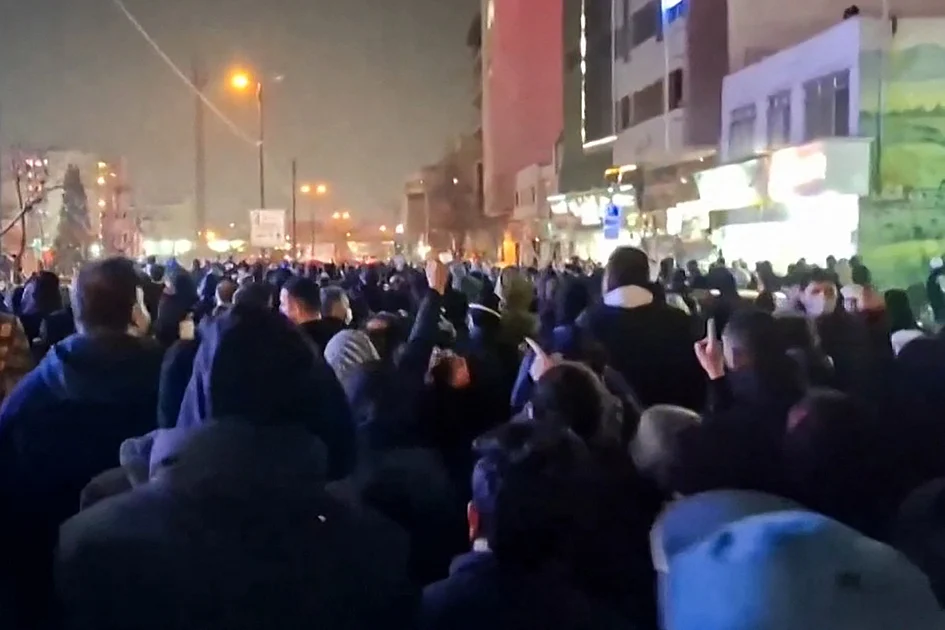
    The widespread anti-government protests engulfing Iran have generated significant international repercussions, extending far beyond the nation’s borders and impacting global diplomatic operations, aviation routes, and economic policies. As demonstrations intensified—marking the largest display of civil unrest since 2022—foreign governments swiftly implemented protective measures for their citizens and diplomatic personnel.

    Numerous nations, including New Zealand, Britain, and Portugal, initiated emergency embassy closures and evacuations citing deteriorating security conditions. New Zealand relocated its diplomatic operations to Turkey on January 16, while British and Portuguese embassies suspended physical operations entirely, transitioning to remote consular services based on urgent security assessments.

    Aviation networks experienced immediate disruption when Iranian authorities implemented an approximate five-hour airspace closure during the night of January 14. This unprecedented measure forced multiple international carriers—including UAE’s flydubai and Indian airlines IndiGo and Air India—to cancel, divert, or reroute flights, creating cascading delays across global air travel networks. Although normal operations resumed relatively quickly, the incident highlighted vulnerabilities in international flight routing dependencies.

    Simultaneously, governments worldwide issued urgent travel advisories warning against all non-essential travel to Iran. India specifically cautioned its citizens to avoid protest areas, while the United States emphasized the elevated risk of arbitrary detention for American passport holders. Portugal conducted direct outreach to its nationals residing in Iran, confirming that several had already departed while others chose to remain despite safety concerns.

    The economic dimension emerged through former US President Donald Trump’s announcement of impending 25% tariffs on nations conducting business with Iran, though specific implementation mechanisms remained unclear. This declaration particularly concerned trading partners like the UAE, which exports significant quantities of aluminum and gold to American markets.

    Oil markets responded with cautious volatility, as Brent crude gained 0.78% to $64.26 per barrel despite receding probabilities of direct military confrontation. Analysts noted that while immediate supply risks had somewhat diminished, underlying tensions continued supporting a geopolitical risk premium on prices, with particular attention to potential disruptions in the Strait of Hormuz—a critical maritime chokepoint for global oil transportation.

  • Israeli troops steal 250 goats from Syria and smuggle them to occupied West Bank

    Israeli troops steal 250 goats from Syria and smuggle them to occupied West Bank

    In a bizarre military incident, Israeli troops operating in Syria were implicated in the theft and smuggling of approximately 250 goats belonging to Syrian farmers, according to reports from Israel’s Channel 12. The network, citing police authorities, revealed that the operation occurred two weeks ago when a battalion from the Golan Brigade identified the herd during operations in Syrian territory.

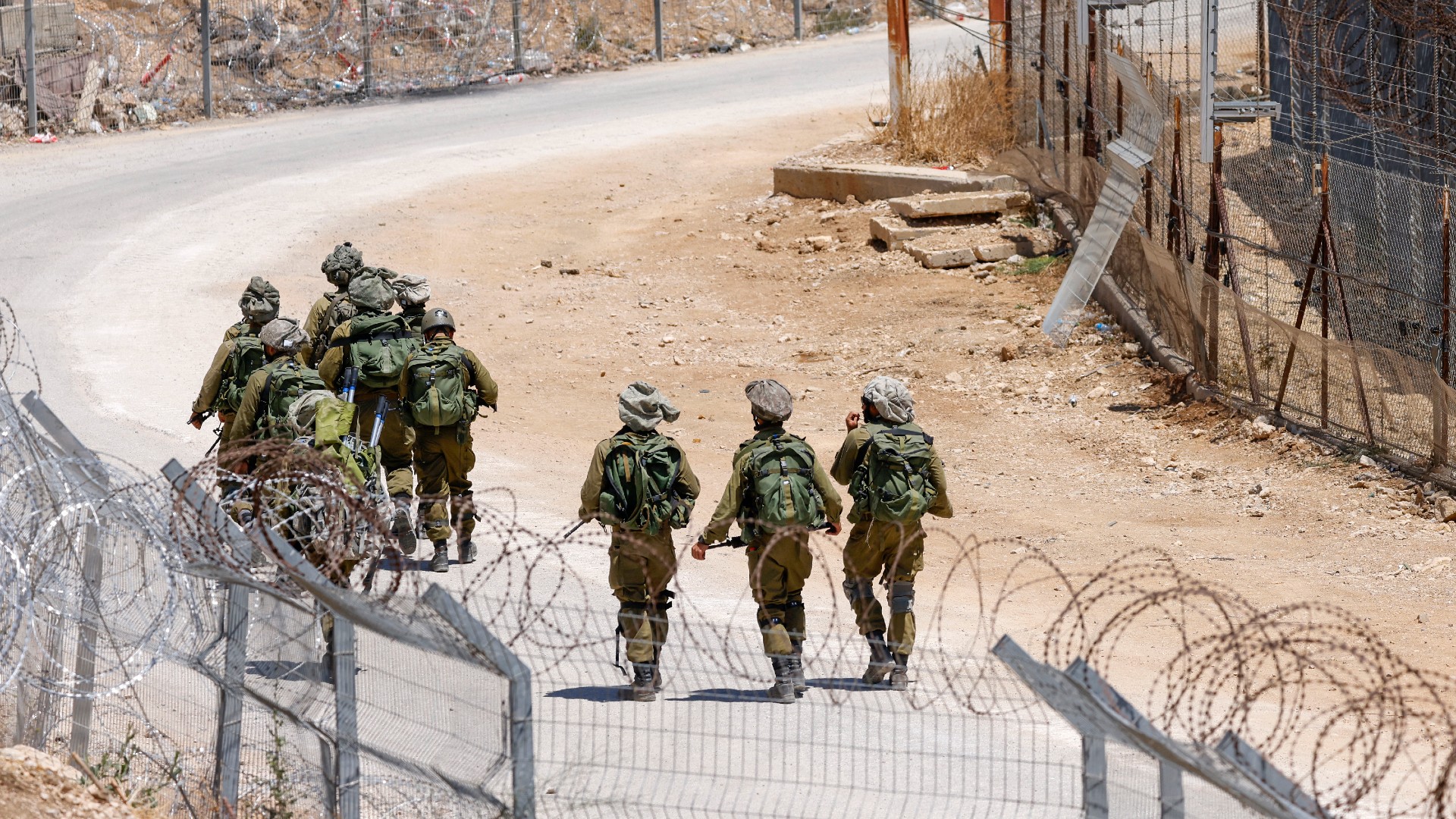
    The soldiers reportedly utilized pre-arranged trucks to transport the stolen livestock across the border into Israeli territory before ultimately distributing them to various farms within illegal outposts in the occupied West Bank. The unusual military operation came to light when residents of the occupied Golan Heights discovered dozens of unidentified goats wandering through local streets the following morning.

    Following an internal investigation prompted by these discoveries, the Israeli military implemented disciplinary measures including the dismissal of the team commander, formal reprimand of the company commander, and temporary suspension of the entire involved team. Current reports indicate approximately 200 of the stolen goats remain unaccounted for, roaming without identification or vaccination in Israel and the West Bank, while the remainder are believed to be scattered within Syrian territory.

    This incident occurs against the backdrop of Israel’s ongoing occupation of Syria’s Golan Heights since 1967, a status repeatedly condemned under international law. The situation further escalated in December 2024 when Israel expanded its territorial control following the collapse of Bashar al-Assad’s government, seizing the entire UN-patrolled buffer zone that previously separated Israeli and Syrian forces.

    According to Syrian authorities, Israel has conducted over 1,000 airstrikes and more than 400 ground incursions into Syrian territory since these developments, significantly heightening regional tensions.

  • Wuhan scientist honored for turning lab science into real-world farming solutions

    Wuhan scientist honored for turning lab science into real-world farming solutions

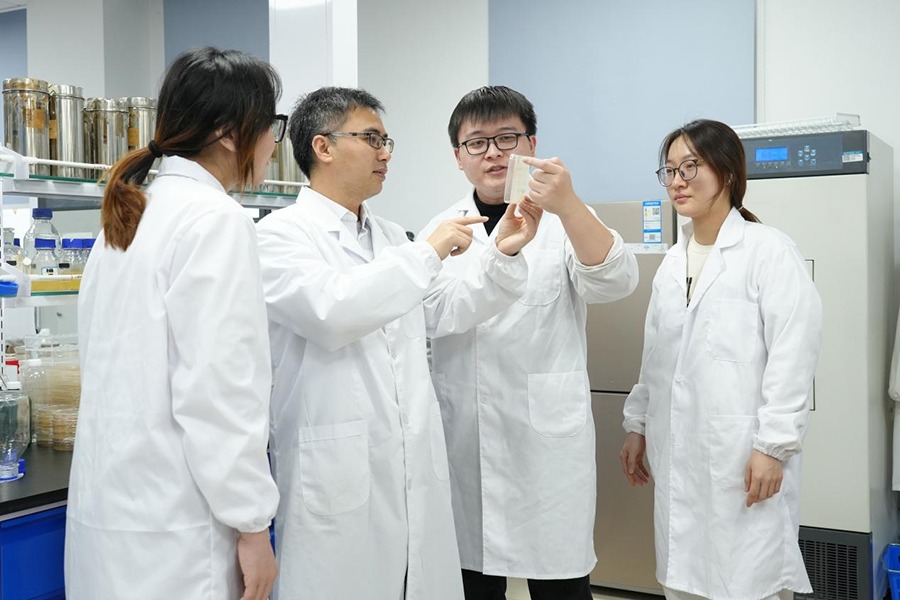
    Professor Peng Donghai from Huazhong Agricultural University has received prestigious recognition for his groundbreaking work in transforming laboratory discoveries into practical agricultural solutions. With over two decades dedicated to agricultural microorganism research, Professor Peng’s innovative approach to biological pest control has revolutionized traditional farming practices.

    The scientific breakthrough emerged when Professor Peng abandoned conventional screening methods that focused exclusively on the most potent pest-killing microbes. Instead, his research team pioneered an unconventional strategy examining previously overlooked, weaker microbial strains. This methodological shift led to the successful cloning of cry7Ba1, a revolutionary pest-fighting protein that became the first Chinese insecticidal protein to secure a US patent.

    To support this research, Professor Peng initiated an unprecedented nationwide sampling project in 2011. The ambitious endeavor mobilized tens of thousands of teachers and students across China, resulting in the collection of over 21,000 soil samples from more than 2,680 towns. This massive effort yielded the preservation of approximately 53,000 Bacillus thuringiensis (Bt) strains, creating one of the world’s most comprehensive microbial databases.

    The research team developed a specialized platform that enabled faster and more cost-effective identification of beneficial genes, assembling one of the planet’s largest collections of natural insecticide genes. Their most significant recent achievement involves combating plant-parasitic nematodes – microscopic worms that attack plant roots. The team has identified 102 effective Bt strains against these destructive pests and discovered several novel pest-fighting proteins, with findings published in leading scientific journals including Science Advances and Nature Communications.

    Beyond academic circles, Professor Peng’s team has successfully commercialized their research through collaboration with Wuhan Kernel Bio-tech. In 2021, they launched a commercial nematode-fighting agent demonstrating remarkable efficacy rates between 81.6% and 91.1% against root-destroying pests. This biological solution has already been applied to nearly 4 million mu (approximately 267,000 hectares) of farmland across China.

    The research has earned Hubei province’s 2024 Technical Invention Award (first prize) and generated nearly 100 million yuan ($14.4 million) in technology transfer income. The work has sparked increased interest from domestic pesticide companies seeking biological alternatives to chemical treatments. Looking forward, Professor Peng plans to expand international collaborations, aiming to apply microbial and genetic research to global food security and ecological protection challenges.

  • Watch: Reckless driver caught live streaming while speeding on Abu Dhabi road

    Watch: Reckless driver caught live streaming while speeding on Abu Dhabi road

    Abu Dhabi Police have intercepted and detained a motorist who engaged in dangerously reckless driving while simultaneously broadcasting the incident live on social media. The alarming footage, originally shared on platform X this Friday, captured the individual operating a black vehicle at excessive speeds, weaving unpredictably between lanes and performing unsafe overtaking maneuvers—all while recording himself from behind the wheel.

    Official road surveillance cameras corroborated the violation, providing clear evidence of the driver’s hazardous conduct. The Traffic Directorate and Security Patrols have classified this incident as a severe breach of traffic regulations, emphasizing the dual dangers of distracted driving and the inappropriate use of social media platforms while operating a vehicle.

    Authorities have reiterated urgent appeals for all drivers to maintain full attention on road conditions and prioritize safety above all else. This case highlights a growing concern regarding irresponsible social media usage that compromises public safety.

    The United Arab Emirates maintains a stringent penalty system to deter such life-threatening behavior. Abu Dhabi and Dubai impose fines reaching AED 50,000 for reckless driving offenses. Meanwhile, Ras Al Khaimah enforces penalties up to AED 20,000 accompanied by mandatory three-month vehicle impoundments. Unclaimed vehicles auctioned after three months represent further financial deterrents.

    These robust legal measures, including Sharjah’s recently implemented vehicle release fees ranging from AED 20,000 to AED 30,000 for various violations, form part of a comprehensive strategy to enhance road safety standards nationwide. The consistent enforcement of these regulations underscores the UAE’s commitment to protecting both residents and visitors on its roadways.

  • Nigerian imam honoured for saving Christian lives dies aged 90

    Nigerian imam honoured for saving Christian lives dies aged 90

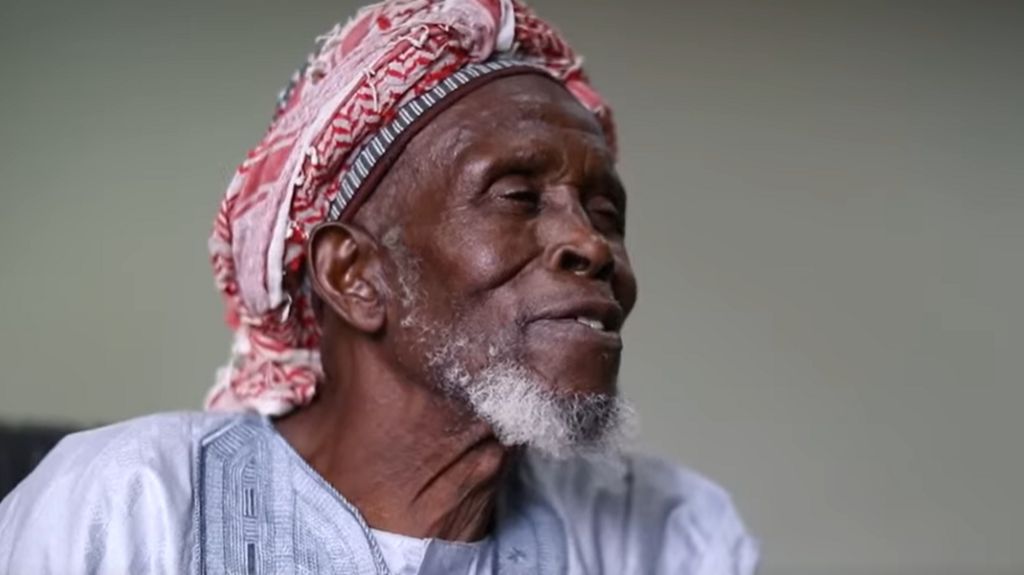
    Imam Abubakar Abdullahi, the Nigerian cleric internationally acclaimed for his heroic actions during sectarian violence, has passed away at age 90. His son confirmed to BBC Hausa that Abdullahi died Thursday night while receiving hospital treatment for a heart condition.

    The imam earned global recognition for his courageous intervention during the 2018 Plateau state violence in central Nigeria. When armed attackers targeted predominantly Christian communities, Abdullahi witnessed terrified families fleeing toward his Muslim-majority village and made the instantaneous decision to provide sanctuary.

    Defying grave personal risk, the religious leader sheltered 262 people across his personal residence and mosque. When the armed assailants—suspected to be Muslim cattle herders—demanded he surrender those seeking refuge, Abdullahi refused without hesitation. Instead, he and other Muslim community members employed emotional appeals, weeping and pleading until the attackers eventually withdrew, though not before burning two nearby churches.

    This act of bravery occurred within the broader context of Nigeria’s persistent farmer-herder conflicts, primarily between Muslim Fulani herders and Christian Berom farmers competing over land and grazing rights. The violence continues to plague the central region, with US officials previously criticizing Nigeria’s protection of religious minorities—a claim Nigerian authorities contest.

    Abdullahi’s moral conviction was summarized in his own words: ‘God created mankind differently, but he wants us to live together in peace and harmony, and not harm each other.’

    His legacy received significant official recognition, including one of Nigeria’s highest national honors from then-President Muhammadu Buhari in 2022 and the International Religious Freedom Award from the US State Department in 2019. Plateau State Governor Caleb Mutfwang described Abdullahi’s passing as a ‘monumental loss,’ praising his ‘unwavering commitment to peace, unity, and the protection of the vulnerable.’

  • Yemen appoints new prime minister amid Saudi-UAE tensions

    Yemen appoints new prime minister amid Saudi-UAE tensions

    In a significant political reshuffle, Yemen’s internationally recognized Presidential Leadership Council (PLC) has accepted the resignation of Prime Minister Salem bin Breik and appointed Foreign Minister Shaya Mohsen Zindani as his successor. The state news agency Saba announced the leadership transition on Thursday, marking a pivotal moment in Yemen’s ongoing governance challenges.

    The council approved Bin Breik’s formally submitted resignation before tasking Zindani with forming the next cabinet. According to official statements, the outgoing prime minister met with PLC chairman Rashad al-Alimi to present the government’s resignation, thereby facilitating the pathway for new executive formation. The current administration will maintain operational continuity—excluding personnel appointments and dismissals—until the new government is established.

    Official communications cited comprehensive institutional restoration, strengthened decision-making unity, and countering what they termed ‘the coup’ as primary motivations for the governmental change. This political reorganization follows recent military developments that saw PLC forces reclaim control over southern regions from separatist factions.

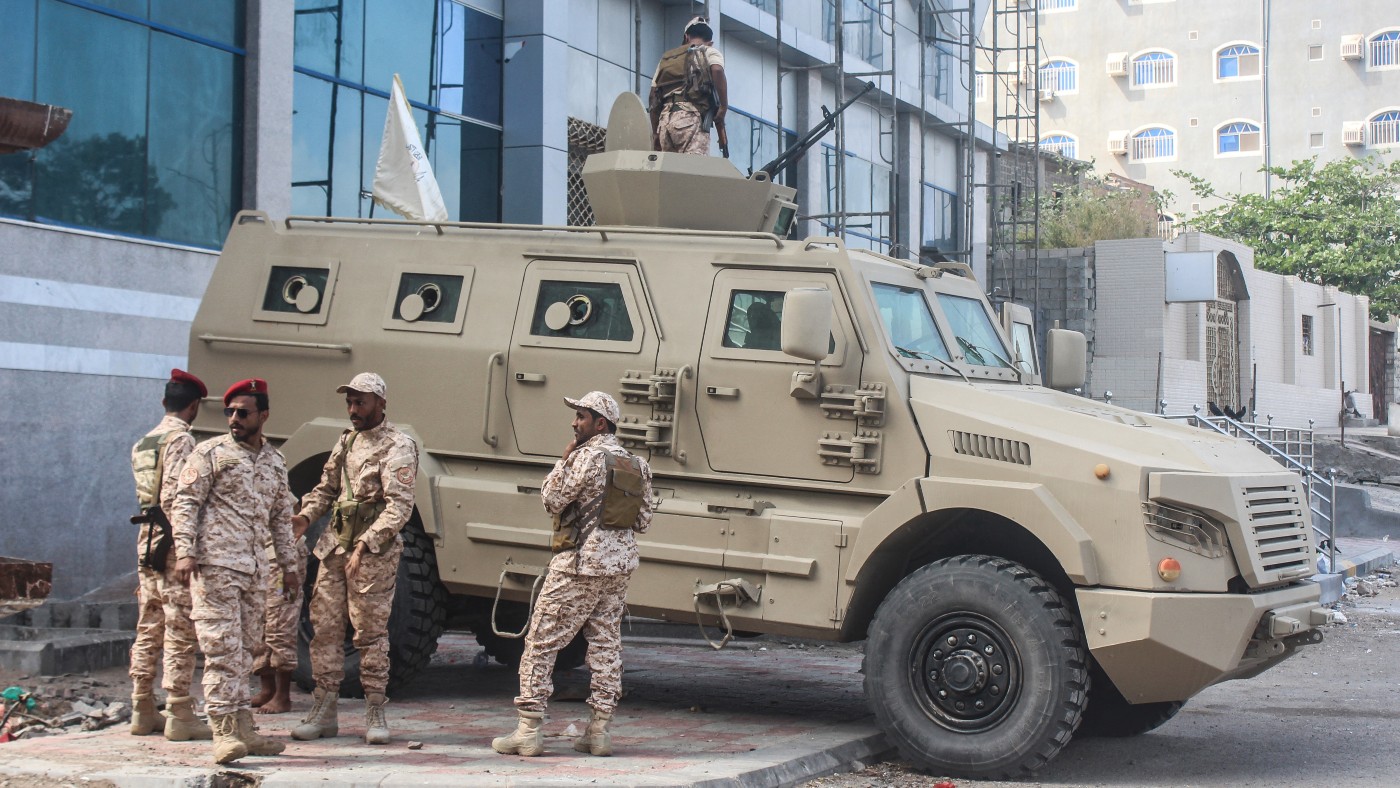
    The backdrop to this political transition involves intense regional tensions between Gulf powers Saudi Arabia and the United Arab Emirates. Last month, Southern Transitional Council (STC) separatists—reportedly backed by the UAE—seized extensive territories, infrastructure, and oil facilities from Saudi-supported tribal forces. Saudi Arabia responded with military strikes against STC positions and Emirati logistical support, accusing Abu Dhabi of facilitating the escape of STC leader Aidarous al-Zubaidi.

    By Monday, PLC forces had successfully regained full control of southern Yemen, including Aden—the city the separatists had envisioned as capital of a future independent state. Notably, many soldiers now patrolling Aden had previously been aligned with the STC before defecting to support the internationally recognized government.