作者: admin

  • Museveni in commanding lead ahead of election announcement

    Museveni in commanding lead ahead of election announcement

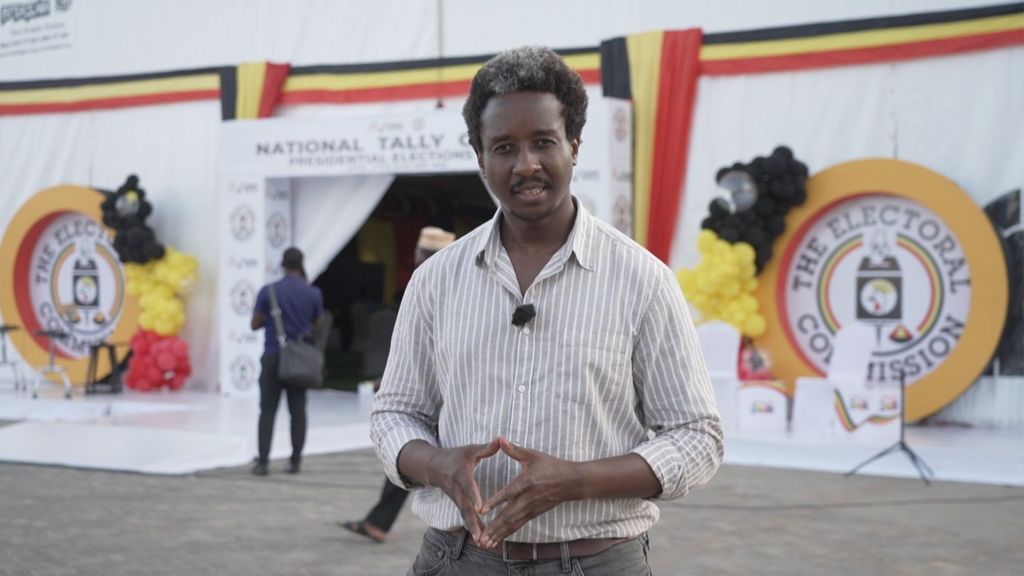
    Early electoral results from Uganda’s presidential race indicate a substantial advantage for long-serving incumbent Yoweri Museveni. The 76-year-old leader, who has held power since 1986, is significantly outpacing his primary opponent, Robert Kyagulanyi, the musician and legislator popularly known as Bobi Wine.

    The electoral commission’s preliminary tallies show Museveni maintaining a dominant position as vote counting progresses across the nation. This development follows an intensely contested campaign period marked by widespread allegations of government suppression, internet restrictions, and violent clashes between security forces and opposition supporters.

    International observers and human rights organizations have raised serious concerns about the electoral process’s fairness, citing the arrest of opposition figures, restrictions on independent media coverage, and the government’s shutdown of internet services during the critical voting period. Despite these challenges, electoral officials maintain that the process has been conducted according to established procedures.

    The outcome of this election carries significant implications for Uganda’s political trajectory and its relations with international partners. Museveni’s potential extended tenure would represent a continuation of policies that have characterized his leadership, while a surprise outcome favoring Kyagulanyi would signal a dramatic political shift for the East African nation.

  • Why’s the US craving Greenland?

    Why’s the US craving Greenland?

    The United States’ persistent interest in acquiring Greenland represents a complex geopolitical calculation rooted in strategic positioning and resource acquisition. This Arctic territory, while under Danish sovereignty, has captured Washington’s attention for its unparalleled military advantages and vast mineral wealth.

    Geopolitical analysts identify Greenland’s northern location as providing critical strategic dominance in the rapidly evolving Arctic theater. As climate change opens new shipping lanes and resource exploration opportunities, control of Greenland would offer the US enhanced surveillance capabilities and military positioning against competing powers, particularly Russia and China.

    The island contains substantial deposits of rare earth minerals and other critical resources essential for modern technology and defense applications. These materials hold significant importance for both economic security and military technological advancement, reducing American dependence on foreign supply chains.

    Despite Denmark’s consistent objections and the European Union’s reservations, US interest has remained undiminished. The tension between American strategic ambitions and European sovereignty concerns continues to shape diplomatic discussions in the Arctic region.

    The phenomenon has even entered popular culture, with an AI-generated rap video titled ‘Why Greenland?’ utilizing striking visuals and infectious rhythms to break down the geopolitical implications for broader public consumption. This cultural manifestation underscores how the Greenland question has captured imagination beyond policy circles.

  • UAE: Friday sermon marks anniversary of January 17 Houthi attack

    UAE: Friday sermon marks anniversary of January 17 Houthi attack

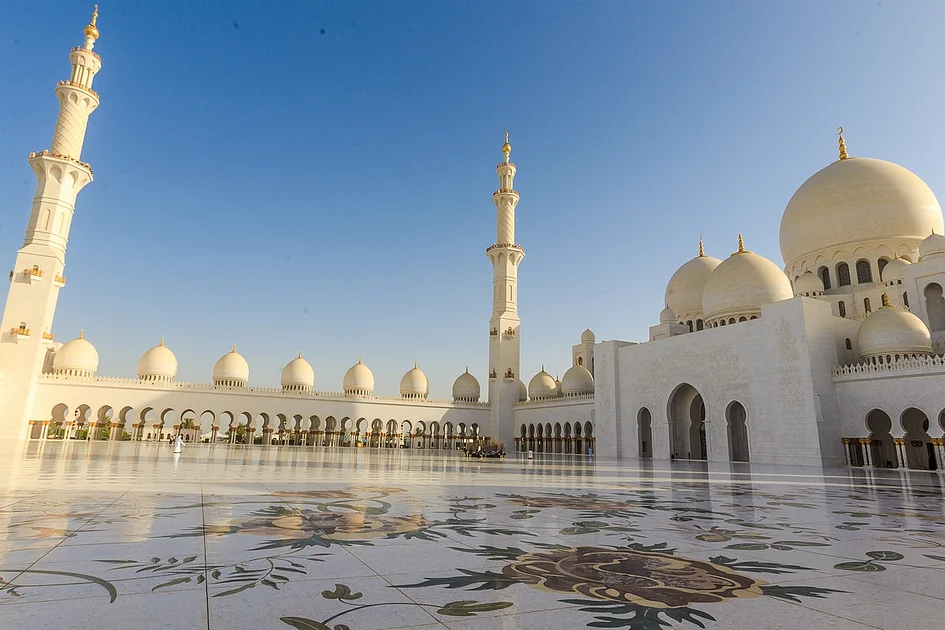
    The United Arab Emirates observed a solemn national commemoration on Friday, marking four years since Houthi rebel forces launched deadly attacks against civilian infrastructure in Abu Dhabi. Special sermons titled ‘Day of Determination’ were delivered across mosques nationwide, honoring the resilience and unity demonstrated by Emirati citizens and armed forces during the January 17, 2022 assault.

    The coordinated attacks targeted Musaffah ICAD 3’s industrial area and a construction zone at Abu Dhabi International Airport, resulting in catastrophic explosions of petroleum tankers that claimed three civilian lives and left six individuals injured. The Iran-backed Houthi militia subsequently acknowledged responsibility for these strikes against non-military targets.

    Official statements read during Friday prayers emphasized national pride in the populace’s steadfast support for leadership and vision. “Our Armed Forces have demonstrated unparalleled bravery and made the greatest sacrifices, proving their deep love for the nation’s soil,” the sermon proclaimed, characterizing the anniversary as a moment to reflect on Emirati determination.

    Dubai Crown Prince Sheikh Hamdan bin Mohammed bin Rashid Al Maktoum reinforced this message, announcing scheduled national media programming for Saturday morning featuring the national anthem as a symbolic renewal of collective pledge toward national progress. Previous commemorations have drawn similar responses from top leadership, with President Sheikh Mohamed previously describing the date as commemorating “the strength, resilience, and solidarity of the people of the UAE.”

    The annual observance serves both as memorial for victims and affirmation of national security resolve amid ongoing regional tensions involving Yemeni rebel factions.

  • Dubai Police issue strong warning against viral skull-breaking, choking challenges

    Dubai Police issue strong warning against viral skull-breaking, choking challenges

    Dubai Police have escalated their public safety campaign with a stark warning regarding dangerous viral trends circulating on social media platforms. Authorities specifically identified life-threatening challenges including skull-breaking maneuvers, choking games, and breath-holding contests that have gained traction among adolescent users seeking online validation.

    In an official video statement released Friday, law enforcement emphasized these reckless practices have resulted in critical injuries and fatalities internationally. The police department highlighted the particular vulnerability of teenagers who may underestimate severe consequences while pursuing excitement or social media recognition.

    This advisory represents the latest in ongoing efforts to combat hazardous online behavior. The initiative follows previous warnings issued by UAE educational authorities in 2020 concerning similarly perilous TikTok trends that caused numerous adolescent injuries worldwide, including detergent consumption dares and coordinated falling pranks.

    Dubai Police have implemented a dual-faceted approach: encouraging familial intervention through open conversations about digital dangers while establishing reporting mechanisms via emergency line 901 and the ‘Police Eye’ smart application service. The comprehensive strategy aims to address both peer pressure dynamics and the pursuit of online popularity that drive participation in these hazardous activities.

    Law enforcement officials reiterated that parental vigilance and proactive communication remain essential safeguards against potentially fatal imitation of social media content.

  • UAE: This new AI system can predict heart disease risks up to 12 years in advance

    UAE: This new AI system can predict heart disease risks up to 12 years in advance

    Researchers at Mohamed bin Zayed University of Artificial Intelligence have developed a groundbreaking artificial intelligence system capable of predicting cardiovascular mortality risks up to twelve years before symptoms manifest. The innovative technology, named GluFormer, leverages continuous glucose monitoring data to identify subtle metabolic patterns that conventional blood tests consistently overlook.

    Published in the prestigious journal Nature, the study co-led by Professor Eran Segal demonstrates how wearable glucose monitors—typically utilized by diabetes patients—can uncover hidden health dangers years before clinical signs emerge. The AI model analyzed over 10 million glucose measurements collected from 10,812 participants, most without diabetes, tracking readings at 15-minute intervals to capture comprehensive metabolic patterns.

    GluFormer achieved remarkable predictive accuracy, identifying 69% of cardiovascular deaths within its highest-risk category while recording zero fatalities in the lowest-risk group during the study period. ‘Traditional blood tests act like a single still frame,’ Professor Segal explained. ‘GluFormer analyzes the entire feature film of your metabolic life.’

    The research holds particular significance for the UAE, where recent reports indicate approximately 40% of both adults and children face obesity-related health challenges, contributing to increased prevalence of diabetes, heart disease, and cancer.

    The AI system functions by detecting ‘risk trajectories’—patterns revealing how the body manages energy during daily activities, including post-meal responses and sleep metabolism. Rather than focusing on isolated readings, GluFormer assesses continuous glucose dynamics to generate personalized risk forecasts. Surprisingly, 40% of participants classified as ‘normal’ through traditional fasting glucose tests exhibited patterns consistent with prediabetes when monitored continuously.

    For predictive purposes, participants only required 10-14 days of continuous glucose monitoring. In comparative assessments, GluFormer outperformed HbA1c—the current clinical standard—by identifying 66% of future diabetes cases among prediabetic individuals. Beyond cardiovascular risk, the model successfully forecasted indicators related to visceral fat accumulation, kidney function, liver health, and lipid profiles years in advance.

    An enhanced version incorporating dietary data alongside glucose readings demonstrated improved prediction accuracy for over 90% of participants regarding eating patterns. The long-term vision involves creating a ‘digital twin’ of individual metabolism—a virtual model simulating how lifestyle modifications might influence future health outcomes.

    While the scientific validation is complete, Professor Segal notes that widespread clinical implementation requires additional trials and healthcare infrastructure upgrades to manage continuous data streams. Given UAE’s direct involvement in this pioneering research, local institutions are optimally positioned to participate in subsequent validation studies as predictive medicine advances toward practical application.

  • China’s light sports aircraft gains core independence with homegrown engine and avionics

    China’s light sports aircraft gains core independence with homegrown engine and avionics

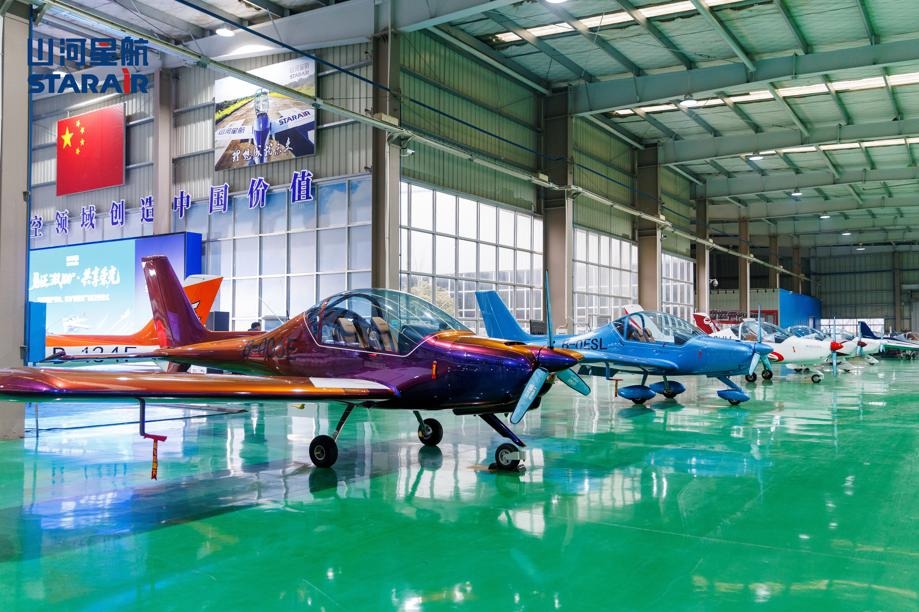
    China’s aviation sector has reached a pivotal milestone with the successful delivery of the first fully domestically-equipped Aurora lightweight sports aircraft. Manufactured by Starair Aircraft, the pioneering aircraft was handed over to its customer in Zhuzhou, Hunan province, featuring China’s first independently developed engine and avionics system.

    The achievement represents a transformative leap toward technological self-reliance in China’s general aviation industry. Previously dependent on imported components, Chinese aircraft manufacturers faced significant challenges including extended lead times, prohibitive costs, and complex international delivery processes. The breakthrough eliminates these constraints while demonstrating China’s growing capability in advanced aviation technology.

    The Aurora aircraft, initially unveiled at the 2008 China International Aviation and Aerospace Exhibition in Zhuhai, has evolved from its original design to incorporate complete domestic propulsion and navigation systems. Industry experts recognize this development as crucial for securing supply chain independence and reducing foreign technological dependencies.

    He Qinghua, founder and president of Starair Aircraft, emphasized the strategic importance of this achievement, noting that domestic production of core components ensures greater control over manufacturing timelines and cost structures. The advancement positions China’s aviation sector for accelerated innovation and potentially increased global market participation in the general aviation segment.

    This technological breakthrough comes amid growing global competition in the aerospace sector and reflects China’s broader ambitions to establish leadership in high-tech manufacturing industries. The successful integration of domestic systems in a certified aircraft demonstrates practical application of China’s aviation research and development capabilities beyond theoretical advancement.

  • Record number of black-necked cranes arrive at Guizhou’s nature reserve

    Record number of black-necked cranes arrive at Guizhou’s nature reserve

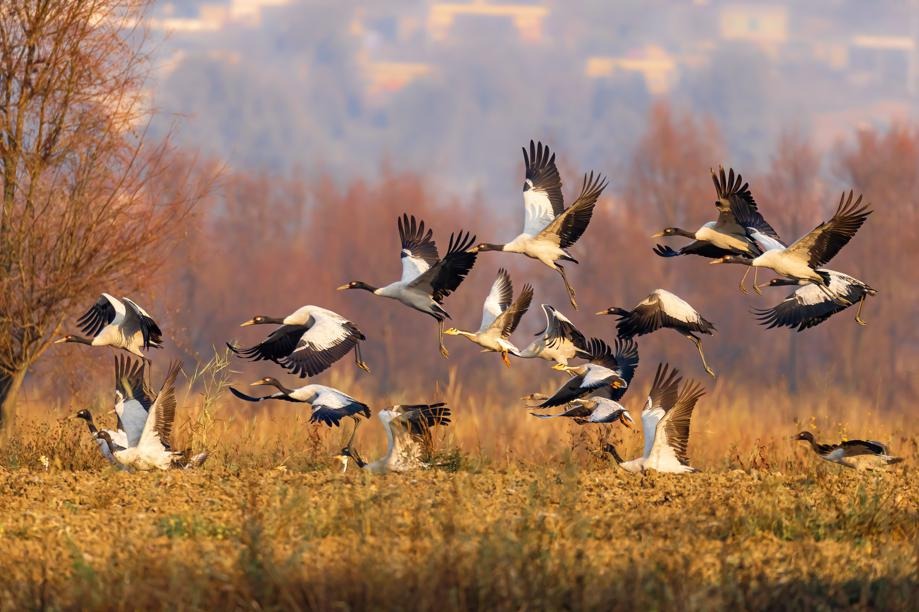
    Guizhou’s Caohai National Nature Reserve has witnessed an extraordinary ecological phenomenon this winter, with monitoring data revealing an unprecedented arrival of 2,898 black-necked cranes—the highest number ever recorded at the sanctuary. The spectacular migration event, documented on January 16, 2026, represents a significant milestone in conservation efforts for this rare highland species.

    The reserve, located in Weining county of Bijie, has become a critical winter haven for these majestic birds, with officials noting a remarkable surge in family groups accompanied by chicks. This demographic shift indicates exceptionally successful breeding seasons and points to improving environmental conditions within their natural habitats.

    Black-necked cranes (Grus nigricollis), distinguished as the only crane species endemic to China’s high-altitude regions, rely exclusively on specific wetland and grassland ecosystems for survival. Their migration patterns serve as a vital indicator of ecological health, making this record-breaking congregation particularly significant for conservation biologists.

    Local authorities have intensified monitoring efforts, implementing advanced tracking technologies to study migration routes and behavioral patterns. The data collected provides invaluable insights into habitat preferences and conservation requirements for this vulnerable species listed as Class I protected under China’s Wildlife Protection Law.

    Environmental specialists attribute this positive trend to enhanced conservation measures, including wetland restoration projects and community-based protection initiatives that have transformed the reserve into an increasingly hospitable environment for wintering species. The growing crane population demonstrates how targeted ecological preservation can yield tangible results for biodiversity.

  • Saudi Arabia finalises new military coalition with Somalia and Egypt

    Saudi Arabia finalises new military coalition with Somalia and Egypt

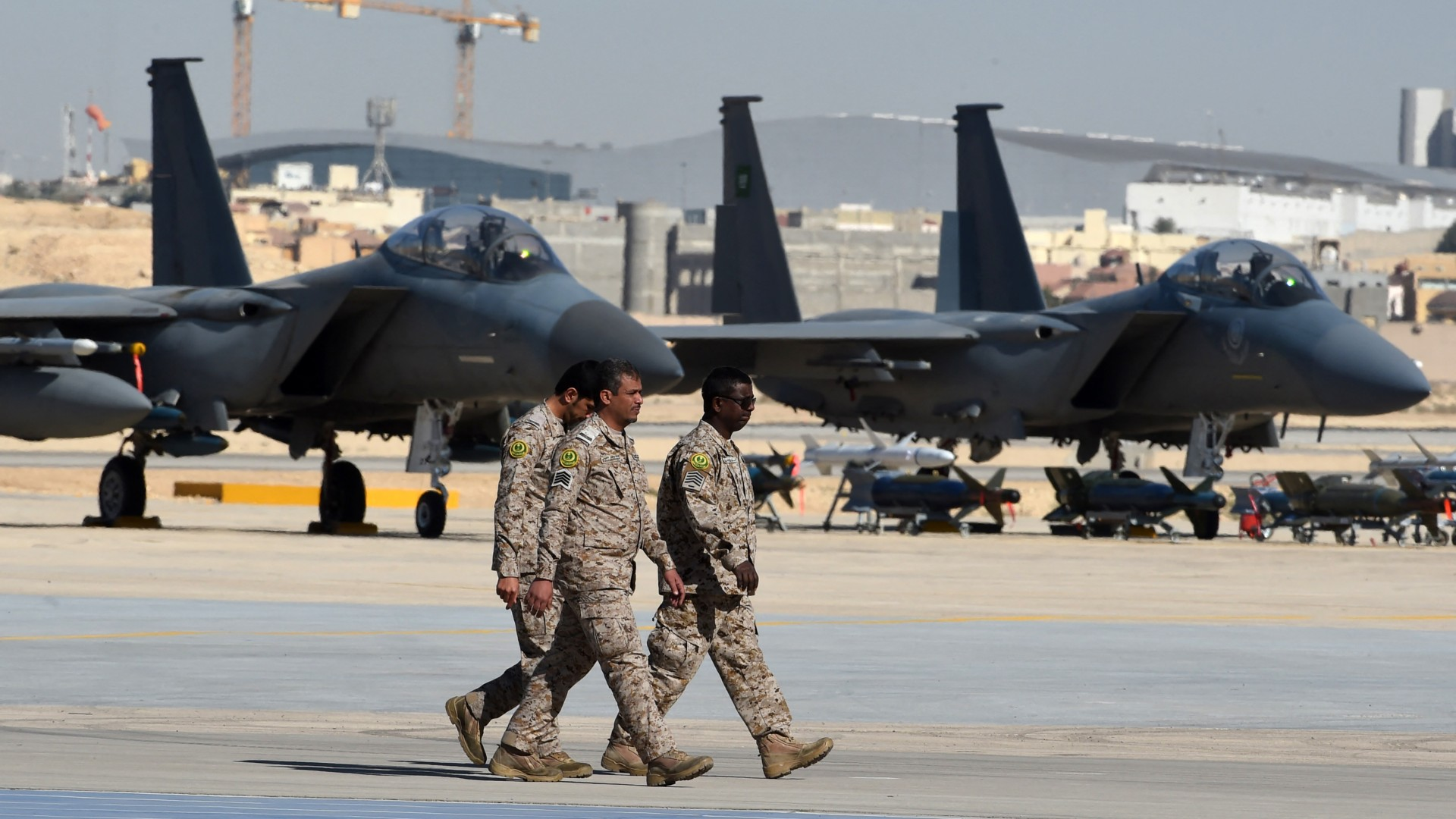
    Saudi Arabia is spearheading the formation of a new tripartite military alliance with Somalia and Egypt, marking a significant strategic realignment in the Horn of Africa and Red Sea region. This development, reported by Bloomberg, represents Riyadh’s deliberate effort to diminish the United Arab Emirates’ expanding influence across these strategic waterways.

    The impending agreement, set to be finalized during Somali President Hassan Sheikh Mohamud’s upcoming visit to Riyadh, aims to enhance regional security coordination and military cooperation. This initiative emerges amid escalating tensions between the Gulf powerhouses, particularly following Saudi Arabia’s directive for Emirati forces to withdraw from Yemen—a move intended to terminate UAE support for Yemeni separatist factions.

    Tensions reached a critical point on December 30th when Saudi airstrikes targeted the Yemeni port city of Mukalla, destroying what was identified as an Emirati weapons shipment destined for the Southern Transitional Council (STC) separatists. This military action ignited a unprecedented public dispute between Saudi and Emirati commentators, disrupting years of carefully maintained Gulf unity rhetoric.

    The Saudi government defended its operations as a “limited” response to protect national security interests, characterizing Emirati activities as “extremely dangerous.” Subsequently, Yemen’s Presidential Leadership Council demanded UAE forces depart Yemen, canceled defense agreements with Abu Dhabi, and implemented emergency port restrictions.

    Simultaneously, Somalia annulled its security and port agreements with the UAE, citing violations of national sovereignty after Emirati authorities facilitated the extraction of STC leader Aidarous al-Zubaidi through Somali territory. Questions of Somali sovereignty have intensified recently as the UAE and Israel strengthened ties with Somaliland, a breakaway region not recognized internationally.

    Saudi Arabia has explicitly endorsed Somalia’s territorial integrity, joining other Muslim-majority nations in condemning Israeli engagement with Somaliland. While the UAE has formally acknowledged Somali sovereignty, it has concurrently developed substantial military and economic relationships with regional administrations in Somaliland and Puntland, including significant investments in the ports of Berbera and Bosaso.

    Egypt emerges as a crucial partner in this realignment, with senior Egyptian sources revealing that Cairo provided Saudi Arabia with intelligence regarding Emirati operations in Yemen—a maneuver described as a “carefully planned” strategic offering. Egyptian diplomats had previously proposed a regional defense force under the 1950 Joint Defence and Economic Cooperation Treaty, though this initiative faced opposition from Qatar and the UAE.

    This security realignment extends beyond immediate regional partners, with Turkey reportedly seeking to join an existing military pact between Saudi Arabia and Pakistan. Turkish officials characterize the proposed cooperation as a defensive mechanism rather than a NATO-style alliance.

    Regional experts interpret these developments as signaling a fundamental transformation in Middle Eastern geopolitics. Dr. Andreas Krieg of King’s College London observes that the UAE is constructing a regional axis that includes Israel while excluding traditional Arab partners, noting that “The Emiratis are building an axis that is trying to exclude Saudi Arabia.

    The proliferation of defense agreements with Saudi Arabia indicates growing interest in establishing a cohesive Arab defense framework to counterbalance the influence of both Israel and the UAE, marking a potentially historic shift in regional power dynamics.

  • New morning and evening peak-hour trains to run between Beijing and Xiong’an

    New morning and evening peak-hour trains to run between Beijing and Xiong’an

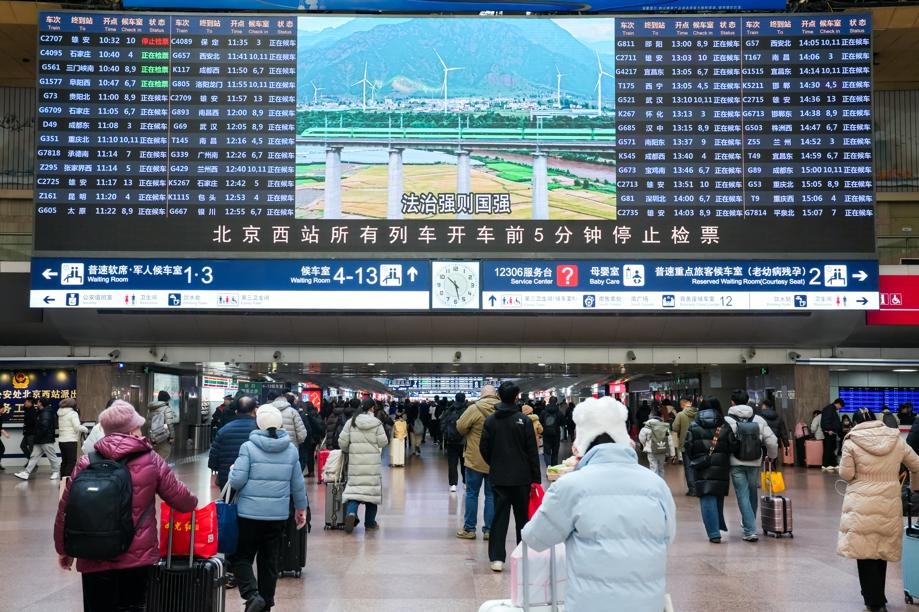
    China’s rail infrastructure advances with significant upgrades to Beijing-Xiong’an connectivity as new morning and evening commuter services launch January 26. The strategic enhancement establishes a pioneering regional high-speed loop connecting major transportation hubs across the Beijing-Tianjin-Hebei triangle.

    The China Railway Beijing Group implemented these schedule modifications specifically to address growing commuter demands while supporting the ongoing development of Xiong’an New Area. This newly emerging city, situated in Hebei Province near the capital, represents a key component of regional integration efforts.

    For the first time, rush-hour operations will feature a comprehensive circular route linking Beijing West Station, Baoding East, Baiyangdian (Xiong’an’s primary station), Tianjin West, and Beijing Daxing International Airport. The morning service G8859/60 departs Beijing West, stopping at Baoding East and Baiyangdian before reaching Tianjin West, completing the journey in 65 minutes. The return evening service G8861/2 reverses this route with a travel time of 76 minutes.

    Supplementing this circular service, the Beijing-Xiong’an intercity railway adds an additional pair of peak-hour trains. Railway authorities emphasize that these improvements will substantially reduce travel durations while strengthening regional rail integration. The enhanced connectivity specifically supports enterprises and personnel relocated from Beijing to Xiong’an, facilitating smoother settlement and development processes in the new urban center.

  • Brazil’s Lula hails historic EU-Mercosur deal ahead of no-show at its signing

    Brazil’s Lula hails historic EU-Mercosur deal ahead of no-show at its signing

    After a quarter-century of complex negotiations, the European Union and the Mercosur bloc have reached a landmark free trade agreement, creating one of the world’s largest trading zones encompassing approximately 720 million people with a combined GDP exceeding $22 trillion. The historic pact was formally signed in Asunción, Paraguay, on Saturday, marking a significant geopolitical shift in global trade dynamics.

    The agreement between the EU and Mercosur (comprising Brazil, Argentina, Paraguay, and Uruguay) represents Mercosur’s first major international trade deal. Bolivia, the newest Mercosur member, was not involved in initial negotiations but retains the option to join the agreement in subsequent years.

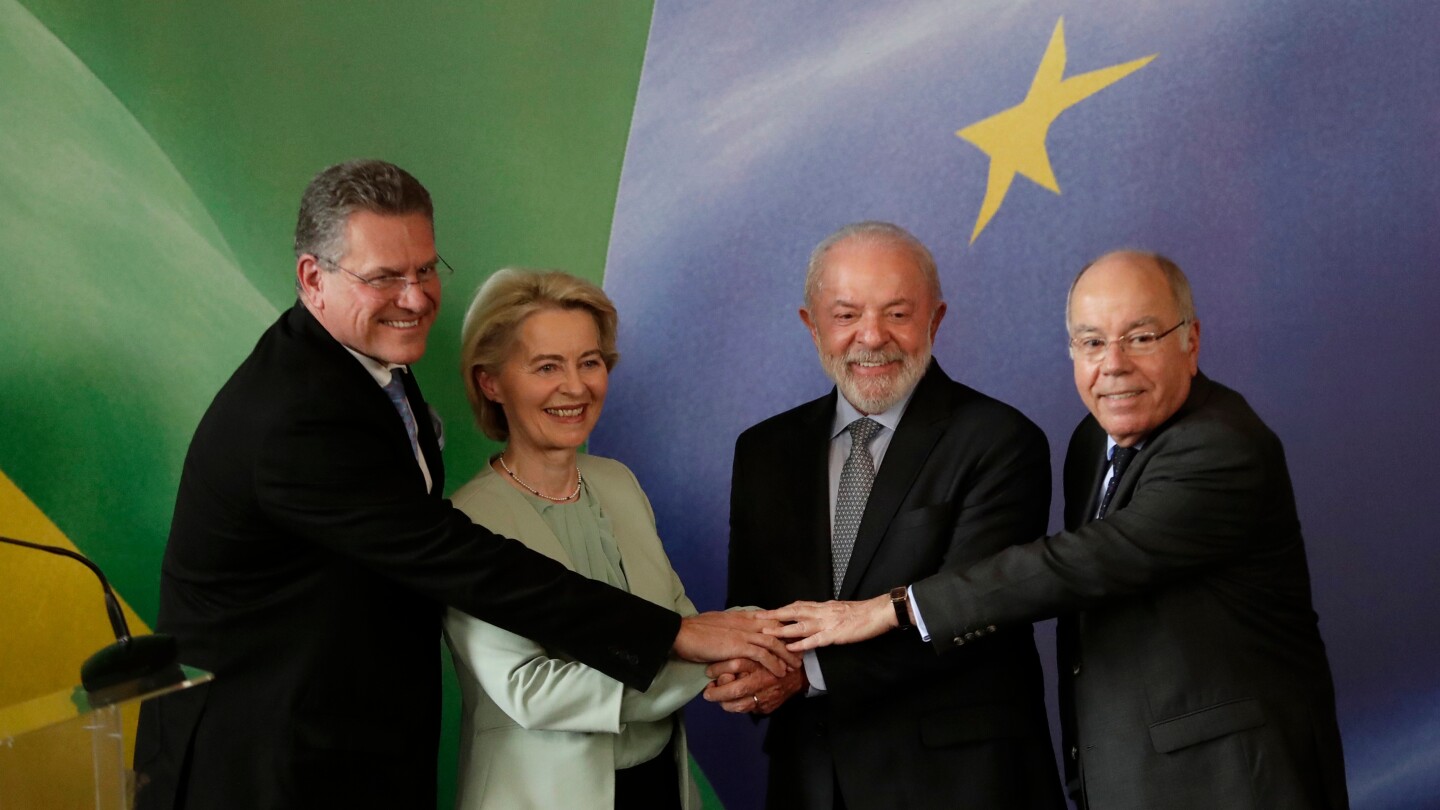
    Despite Brazilian President Luiz Inácio Lula da Silva’s vigorous advocacy for the pact since returning to office in 2023, he notably abstained from attending the signing ceremony. Instead, Brazil was represented by Foreign Minister Mauro Vieira. This absence has been interpreted by political analysts as a strategic signal of Brazil’s dissatisfaction with the delayed signing, which was originally anticipated during Brazil’s rotating Mercosur presidency in December.

    European Commission President Ursula von der Leyen praised Lula’s “political leadership and personal commitment” during the final negotiation phase, acknowledging his crucial role in advancing the agreement. The European Council similarly recognized Brazil’s recent Mercosur presidency as instrumental in finalizing the decades-long negotiation process.

    The comprehensive trade accord grants South American nations preferential access to European markets for agricultural products, with Brazil’s government investment agency Apex projecting approximately $7 billion in additional exports of commodities including instant coffee, poultry, and orange juice. However, President Lula emphasized that Mercosur nations seek to transcend their traditional role as commodity exporters, stating their intention to “produce and sell industrial goods with higher added value.”

    Experts view the agreement as a strategic counterbalance to both United States and Chinese influence in the resource-rich South American region. The pact emerges amid former President Donald Trump’s protectionist trade policies and China’s expanding economic influence through trade and loans throughout Latin America.

    International relations scholars note that while the agreement demonstrates economic advantages for the EU, it carries significant political benefits for both blocs. For Europe, it represents a commitment to multilateral partnership diversification, while for Mercosur, it validates the bloc’s continued relevance in global trade architecture despite previous criticisms regarding its effectiveness and longevity.