作者: admin

  • Why is there so much international interest in Greenland?

    Why is there so much international interest in Greenland?

    The remote, ice-covered territory of Greenland has emerged as an unexpected focal point in international geopolitics, drawing significant attention from global powers. This immense Arctic island, while geographically part of North America, maintains autonomous governance under the Kingdom of Denmark. Its strategic significance stems from a confluence of factors that extend far beyond its stark natural beauty.

    Geopolitical analysts identify several key elements driving international interest. The island’s geographic position offers unparalleled access to the rapidly evolving Arctic region, where melting ice caps are unveiling new shipping routes and resource exploration opportunities. Furthermore, Greenland possesses substantial deposits of rare earth minerals—essential components in modern technology ranging from smartphones to defense systems—making it a critical resource hub in an increasingly resource-conscious world.

    The island also serves as a strategic vantage point for military and satellite installations, providing nations with enhanced Arctic surveillance capabilities. This combination of geographic positioning, untapped natural resources, and strategic military value has transformed Greenland from a peripheral territory into a region of intense global interest, prompting diplomatic engagements and strategic calculations at the highest levels of international relations.

  • Philippines grants Chinese tourists visa-free entry for up to 14 days

    Philippines grants Chinese tourists visa-free entry for up to 14 days

    The Philippine government has initiated a significant policy shift by granting Chinese nationals visa-free entry for stays up to 14 days, effective January 16, 2026. This strategic move aims to revitalize tourism numbers that have dramatically declined since the pandemic era.

    According to the Philippine Department of Foreign Affairs (DFA), the visa exemption applies exclusively to tourism and business purposes. The arrangement permits a non-extendable 14-day stay that cannot be converted to other visa categories. Travelers must present a passport valid for at least six months beyond their intended stay, confirmed accommodation bookings, and return or onward flight tickets.

    The policy comes as response to a staggering decline in Chinese tourism. Pre-pandemic data from 2019 showed over 1.8 million Chinese visitors, while 2024 figures revealed only approximately 312,000 arrivals—the weakest recovery among Southeast Asian nations. Neighboring countries like Vietnam, Malaysia, and Singapore hosted approximately 3.7 million, 3.3 million, and 3 million Chinese tourists respectively during the same period.

    Tourism Secretary Christina Frasco attributed the dramatic drop primarily to visa restrictions, including the suspension of electronic visas for Chinese nationals. The new visa-free arrangement will remain in effect for one year with provisions for security screening of travelers’ derogatory records. Notably, the policy lacks reciprocity as Filipinos still require visas to visit China.

    This initiative follows similar visa facilitation measures extended to Indian nationals in June 2025, indicating the Philippines’ broader strategy to boost its tourism-driven economy through eased entry requirements for key markets.

  • Canada’s deal with China signals it is serious about shift from US

    Canada’s deal with China signals it is serious about shift from US

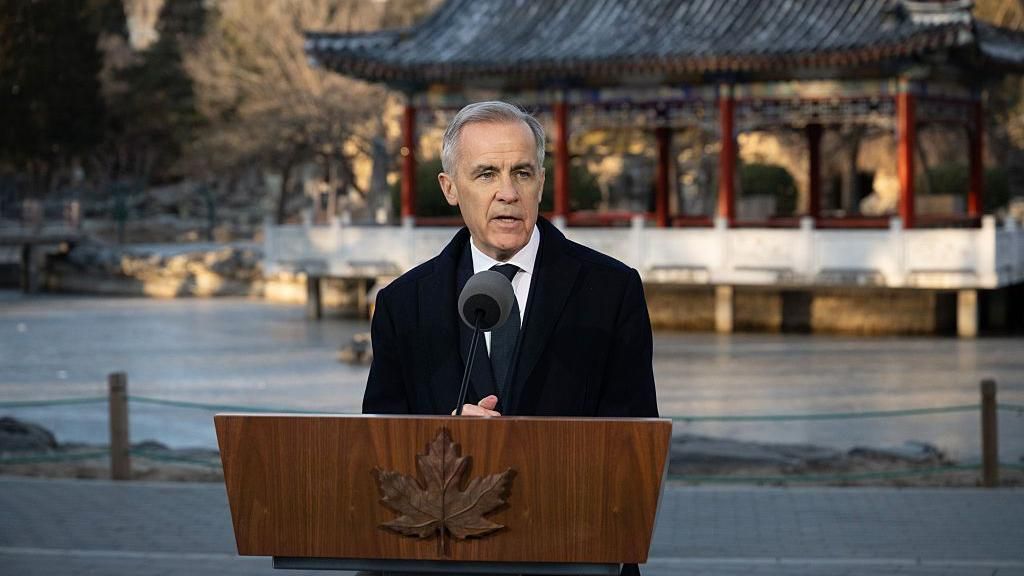
    In a strategic pivot signaling Canada’s evolving foreign policy approach, Prime Minister Mark Carney has secured a significant trade agreement with China that reduces tariffs on electric vehicles and agricultural products. The deal, announced Friday, lowers Canada’s levies on Chinese EVs from 100% to 6.1% for the first 49,000 imported vehicles annually, with quotas potentially expanding to 70,000 within five years. In exchange, China will slash tariffs on Canadian canola seed from 84% to approximately 15% by March 1 and eliminate retaliatory tariffs on Canadian canola meal, lobsters, crabs, and peas until year-end.

    This arrangement marks a notable departure from Carney’s previous characterization of China as “the biggest security threat” to Canada less than a year ago. The Prime Minister defended the policy shift by stating, “We take the world as it is, not as we wish it to be,” emphasizing that global circumstances have fundamentally changed. He described the agreement as positioning Canada advantageously for the “new world order” while making the relationship with Beijing “more predictable” than Canada’s ties with the United States under the Trump administration.

    Domestic reactions revealed sharp regional divisions. Saskatchewan Premier Scott Moe welcomed the agricultural concessions as “very good news” for farmers devastated by Chinese tariffs, while Ontario Premier Doug Ford condemned the EV provisions as economically damaging to Canada’s auto sector. Experts projected Chinese automakers could capture up to 10% of Canada’s EV market, potentially pressuring US manufacturers like Tesla.

    The agreement emerges against a backdrop of deteriorating US-Canada trade relations. Since returning to office, President Trump has imposed tariffs on Canadian metals and automotive sectors while threatening to abandon the USMCA trade agreement currently under mandatory review. Trade analyst Eric Miller noted the China deal reflects Canada’s recognition that North American trade stability remains uncertain, stating: “There’s a reasonable chance we could end up in 2026 without a meaningful, workable trade deal with the United States.”

    The White House response appeared divided, with Trade Representative Jamieson Greer calling the arrangement “problematic” while President Trump endorsed bilateral deals with China. The agreement coincides with preparations for Trump’s April meeting with President Xi Jinping in Beijing, highlighting the complex interplay of global trade relationships. Prime Minister Carney characterized the agreement as the initial phase in a broader “strategic, pragmatic, and decisive” recalibration of Canada’s international trade posture.

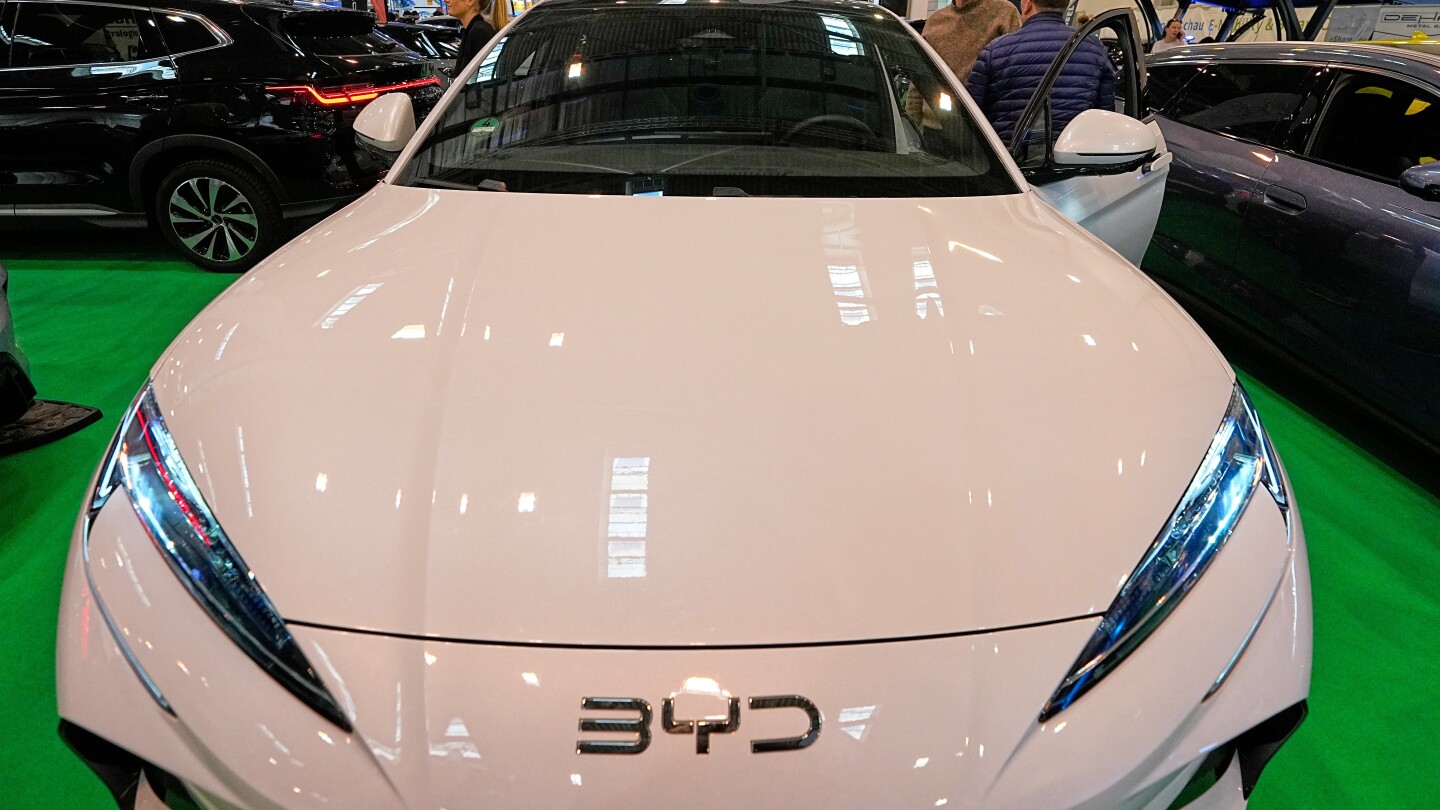
  • Chinese EVs are making inroads in North America. That worries industry experts

    Chinese EVs are making inroads in North America. That worries industry experts

    DETROIT — The global automotive landscape is undergoing a seismic shift as Chinese electric vehicle manufacturers capitalize on Canada’s recent decision to slash EV import tariffs. This strategic trade agreement, which also includes concessions on Canadian agricultural products, creates a formidable gateway for China’s technologically advanced and cost-competitive vehicles into North American markets.

    Industry analysts highlight that Chinese EVs represent a paradigm shift in automotive manufacturing, combining sophisticated connectivity features, lightweight construction techniques, and extended driving ranges at unprecedented price points. With vehicles priced between $10,000-$20,000—compared to America’s $50,000 average for new vehicles—Chinese manufacturers have mastered the production of desirable small and mid-sized cars that major American automakers have largely abandoned in favor of higher-margin trucks and SUVs.

    The timing proves particularly advantageous for Chinese automakers as domestic market conditions weaken while global electrification accelerates. Benchmark Mineral Intelligence data reveals 17% growth in China’s plug-in hybrid and electric vehicle sector alongside Europe’s 33% surge, contrasting sharply with the mere 1% growth in U.S. electrified vehicle sales last year.

    This expansion occurs as American manufacturers scale back ambitious electrification plans, creating a critical competitive vulnerability. The symbolic transfer of Tesla’s EV crown to BYD—which delivered 2.26 million vehicles against Tesla’s 1.64 million in 2025—underscores China’s manufacturing dominance.

    To access Canadian markets, Chinese automakers must meet stringent safety and quality standards comparable to U.S. requirements, potentially incentivizing manufacturing investment in Canada. AlixPartners predicts Chinese brands will capture 30% of the global market by 2030, having already established significant presence in Europe, South America, and Mexico.

    The advancement raises complex questions about data security and market protectionism. Transportation Secretary Sean Duffy recently asserted that China’s automotive investments aim to ‘control the industry,’ reflecting widespread concerns about data collection capabilities in connected vehicles. Despite these concerns, industry experts like AutoForecast Solutions’ Sam Fiorani conclude that ‘the advance of Chinese manufacturers is inevitable,’ noting that Western markets must establish guardrails rather than expect complete market exclusion.

  • Watch: Iranian journalist breaks down at UN while reading names of protesters killed

    Watch: Iranian journalist breaks down at UN while reading names of protesters killed

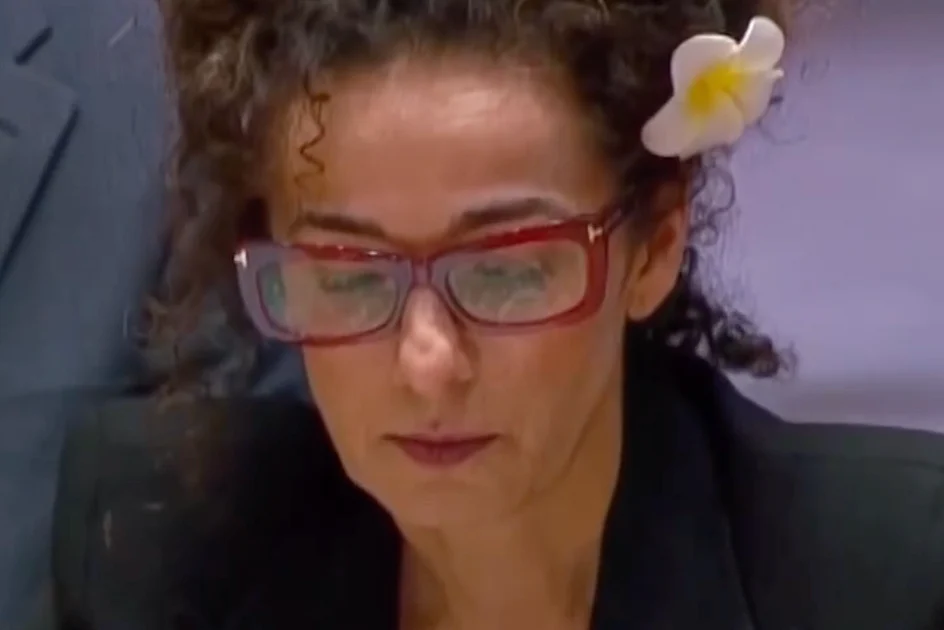
    In a profoundly emotional address at the United Nations, Iranian journalist and activist Masih Alinejad delivered a heartbreaking testimony that laid bare the human cost of Iran’s ongoing civil unrest. Overcome with grief, her voice trembled as she recited the names of protesters killed during recent demonstrations, creating a powerful moment of human connection amid diplomatic formalities.

    The emotional climax occurred when Alinejad recounted the death of 28-year-old Negin Ghadimi, who perished in her father’s arms after being shot by members of Iran’s Revolutionary Guards. ‘I feel guilty that I don’t name the rest,’ Alinejad stated, her composure breaking. ‘The list of names goes on and on. They knew they would face guns and bullets, but they wanted justice.’

    Beyond the emotional appeal, Alinejad delivered a scathing condemnation of Iran’s clerical leadership, drawing direct comparisons to the terrorist organization Daesh (ISIS). She challenged the international community to move beyond symbolic gestures and empty condemnations. ‘The Iranian people are asking the world to help through actions, not back-to-back meetings,’ she asserted. ‘The Islamic Republic behaves like Daesh, and the Islamic Republic must be treated like Daesh. This is how you can save lives.’

    This powerful address comes amid what human rights organizations describe as the deadliest wave of dissent in Iran in years. According to the US-based HRANA rights group, the death toll from recent protests has reached 2,571 individuals, including 2,403 verified protester deaths, 147 government-affiliated casualties, 12 minors, and 9 non-protesting civilians. Iranian authorities have acknowledged approximately 2,000 fatalities—their first official death toll recognition after more than two weeks of nationwide unrest.

    The current protests, initially sparked by dire economic conditions, have evolved into the most significant internal challenge to Iran’s leadership in at least three years. This domestic turmoil coincides with intensified international pressure following Israeli and US military actions against Iranian targets last year, creating a complex geopolitical landscape that amplifies the significance of Alinejad’s emotional appeal for concrete international intervention.

  • Saudi King undergoing medical tests in Riyadh: Royal Court

    Saudi King undergoing medical tests in Riyadh: Royal Court

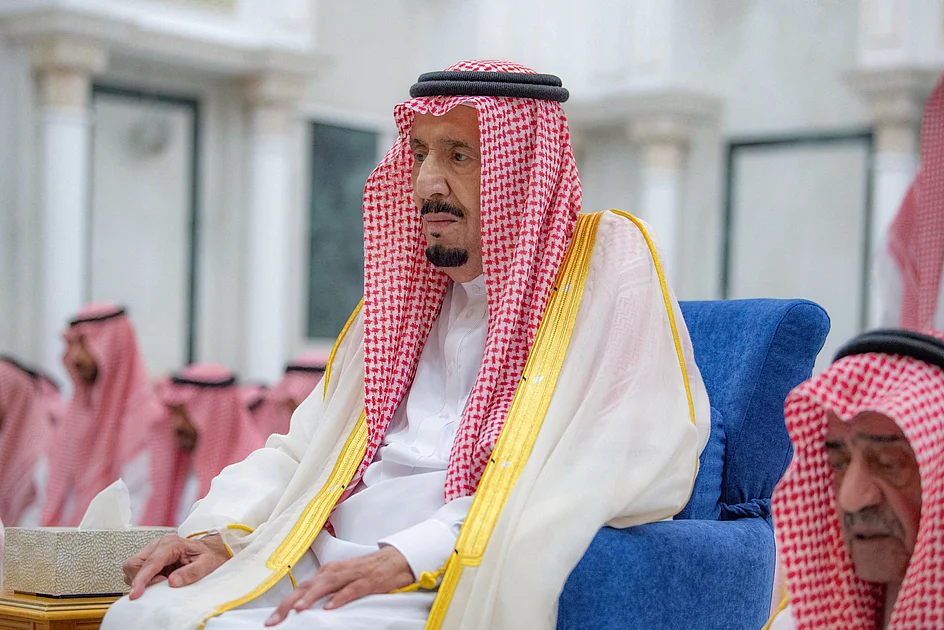
    RIYADH, SAUDI ARABIA – January 16, 2026 – Saudi Arabia’s King Salman bin Abdulaziz Al Saud, the 90-year-old reigning monarch, underwent scheduled medical examinations at King Faisal Specialist Hospital in the capital city on Friday. The Royal Court officially confirmed the routine health assessment through the state news agency, emphasizing the procedural nature of the tests.

    The monarch’s medical history includes a previous episode of lung inflammation in October 2024, from which he successfully recovered following comprehensive treatment. The Royal Court had previously announced his full recovery at that time.

    King Salman remains actively engaged in his royal duties, having most recently presided over a cabinet meeting just three days prior to the medical examination. The timely disclosure of the king’s medical check-up demonstrates the Saudi government’s commitment to transparency regarding the monarch’s wellbeing while maintaining appropriate privacy boundaries.

    The medical facility where the examinations took place, King Faisal Specialist Hospital, represents one of the Kingdom’s premier healthcare institutions, equipped with state-of-the-art medical technology and staffed by internationally trained specialists capable of providing the highest standard of royal medical care.

  • Museveni in commanding lead ahead of election announcement

    Museveni in commanding lead ahead of election announcement

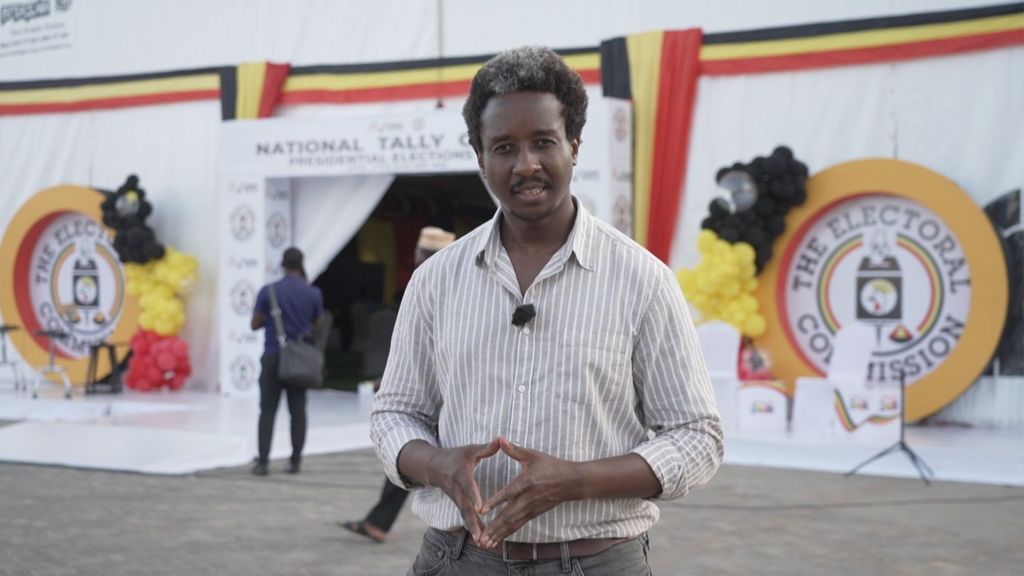
    Early electoral results from Uganda’s presidential race indicate a substantial advantage for long-serving incumbent Yoweri Museveni. The 76-year-old leader, who has held power since 1986, is significantly outpacing his primary opponent, Robert Kyagulanyi, the musician and legislator popularly known as Bobi Wine.

    The electoral commission’s preliminary tallies show Museveni maintaining a dominant position as vote counting progresses across the nation. This development follows an intensely contested campaign period marked by widespread allegations of government suppression, internet restrictions, and violent clashes between security forces and opposition supporters.

    International observers and human rights organizations have raised serious concerns about the electoral process’s fairness, citing the arrest of opposition figures, restrictions on independent media coverage, and the government’s shutdown of internet services during the critical voting period. Despite these challenges, electoral officials maintain that the process has been conducted according to established procedures.

    The outcome of this election carries significant implications for Uganda’s political trajectory and its relations with international partners. Museveni’s potential extended tenure would represent a continuation of policies that have characterized his leadership, while a surprise outcome favoring Kyagulanyi would signal a dramatic political shift for the East African nation.

  • Why’s the US craving Greenland?

    Why’s the US craving Greenland?

    The United States’ persistent interest in acquiring Greenland represents a complex geopolitical calculation rooted in strategic positioning and resource acquisition. This Arctic territory, while under Danish sovereignty, has captured Washington’s attention for its unparalleled military advantages and vast mineral wealth.

    Geopolitical analysts identify Greenland’s northern location as providing critical strategic dominance in the rapidly evolving Arctic theater. As climate change opens new shipping lanes and resource exploration opportunities, control of Greenland would offer the US enhanced surveillance capabilities and military positioning against competing powers, particularly Russia and China.

    The island contains substantial deposits of rare earth minerals and other critical resources essential for modern technology and defense applications. These materials hold significant importance for both economic security and military technological advancement, reducing American dependence on foreign supply chains.

    Despite Denmark’s consistent objections and the European Union’s reservations, US interest has remained undiminished. The tension between American strategic ambitions and European sovereignty concerns continues to shape diplomatic discussions in the Arctic region.

    The phenomenon has even entered popular culture, with an AI-generated rap video titled ‘Why Greenland?’ utilizing striking visuals and infectious rhythms to break down the geopolitical implications for broader public consumption. This cultural manifestation underscores how the Greenland question has captured imagination beyond policy circles.

  • UAE: Friday sermon marks anniversary of January 17 Houthi attack

    UAE: Friday sermon marks anniversary of January 17 Houthi attack

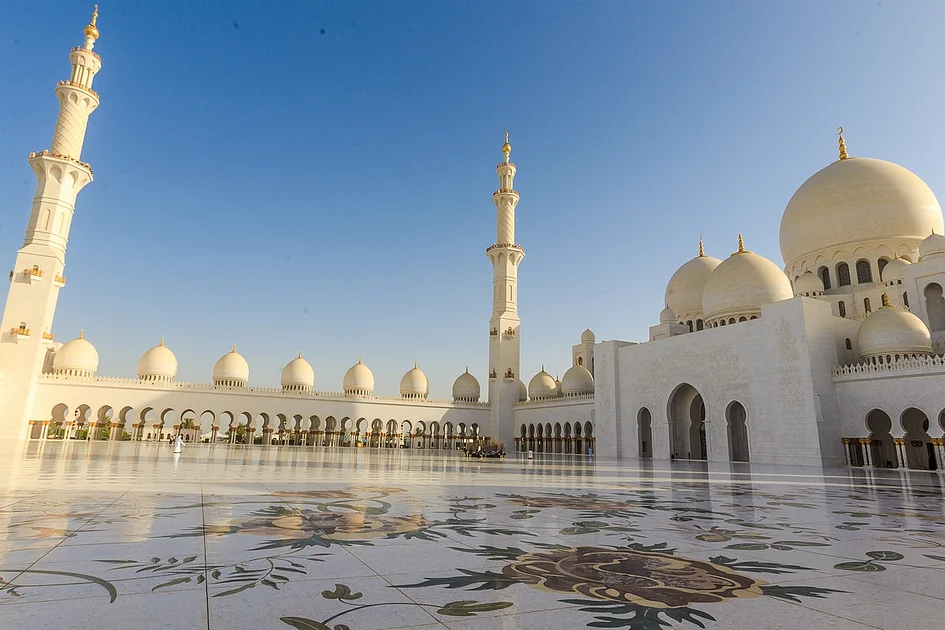
    The United Arab Emirates observed a solemn national commemoration on Friday, marking four years since Houthi rebel forces launched deadly attacks against civilian infrastructure in Abu Dhabi. Special sermons titled ‘Day of Determination’ were delivered across mosques nationwide, honoring the resilience and unity demonstrated by Emirati citizens and armed forces during the January 17, 2022 assault.

    The coordinated attacks targeted Musaffah ICAD 3’s industrial area and a construction zone at Abu Dhabi International Airport, resulting in catastrophic explosions of petroleum tankers that claimed three civilian lives and left six individuals injured. The Iran-backed Houthi militia subsequently acknowledged responsibility for these strikes against non-military targets.

    Official statements read during Friday prayers emphasized national pride in the populace’s steadfast support for leadership and vision. “Our Armed Forces have demonstrated unparalleled bravery and made the greatest sacrifices, proving their deep love for the nation’s soil,” the sermon proclaimed, characterizing the anniversary as a moment to reflect on Emirati determination.

    Dubai Crown Prince Sheikh Hamdan bin Mohammed bin Rashid Al Maktoum reinforced this message, announcing scheduled national media programming for Saturday morning featuring the national anthem as a symbolic renewal of collective pledge toward national progress. Previous commemorations have drawn similar responses from top leadership, with President Sheikh Mohamed previously describing the date as commemorating “the strength, resilience, and solidarity of the people of the UAE.”

    The annual observance serves both as memorial for victims and affirmation of national security resolve amid ongoing regional tensions involving Yemeni rebel factions.

  • Dubai Police issue strong warning against viral skull-breaking, choking challenges

    Dubai Police issue strong warning against viral skull-breaking, choking challenges

    Dubai Police have escalated their public safety campaign with a stark warning regarding dangerous viral trends circulating on social media platforms. Authorities specifically identified life-threatening challenges including skull-breaking maneuvers, choking games, and breath-holding contests that have gained traction among adolescent users seeking online validation.

    In an official video statement released Friday, law enforcement emphasized these reckless practices have resulted in critical injuries and fatalities internationally. The police department highlighted the particular vulnerability of teenagers who may underestimate severe consequences while pursuing excitement or social media recognition.

    This advisory represents the latest in ongoing efforts to combat hazardous online behavior. The initiative follows previous warnings issued by UAE educational authorities in 2020 concerning similarly perilous TikTok trends that caused numerous adolescent injuries worldwide, including detergent consumption dares and coordinated falling pranks.

    Dubai Police have implemented a dual-faceted approach: encouraging familial intervention through open conversations about digital dangers while establishing reporting mechanisms via emergency line 901 and the ‘Police Eye’ smart application service. The comprehensive strategy aims to address both peer pressure dynamics and the pursuit of online popularity that drive participation in these hazardous activities.

    Law enforcement officials reiterated that parental vigilance and proactive communication remain essential safeguards against potentially fatal imitation of social media content.