作者: admin

  • Indian eateries reel under acute cooking gas crunch

    Indian eateries reel under acute cooking gas crunch

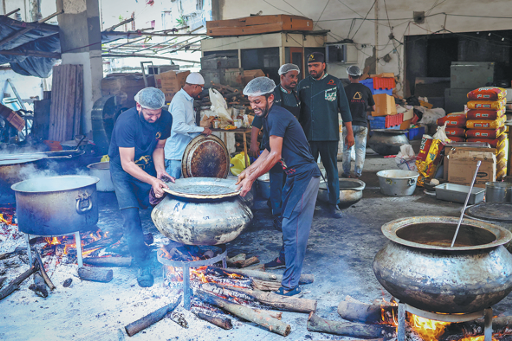
    India’s culinary landscape faces unprecedented challenges as commercial liquefied petroleum gas (LPG) shortages, triggered by escalating Middle East tensions, force widespread operational changes across the hospitality sector. The crisis has particularly impacted urban centers including Kolkata, Mumbai, and Delhi, where restaurateurs are implementing emergency measures to maintain operations.

    In Kolkata, restaurant owner Chhanda Chakraborty has transitioned from traditional LPG stoves to induction cooktops and coal-fired tandoors. “Several establishments have eliminated tea and dosa from their menus, opting instead for rice-lentils, sandwiches, and cold beverages,” Chakraborty noted, highlighting how eateries are streamlining offerings to conserve limited fuel resources.

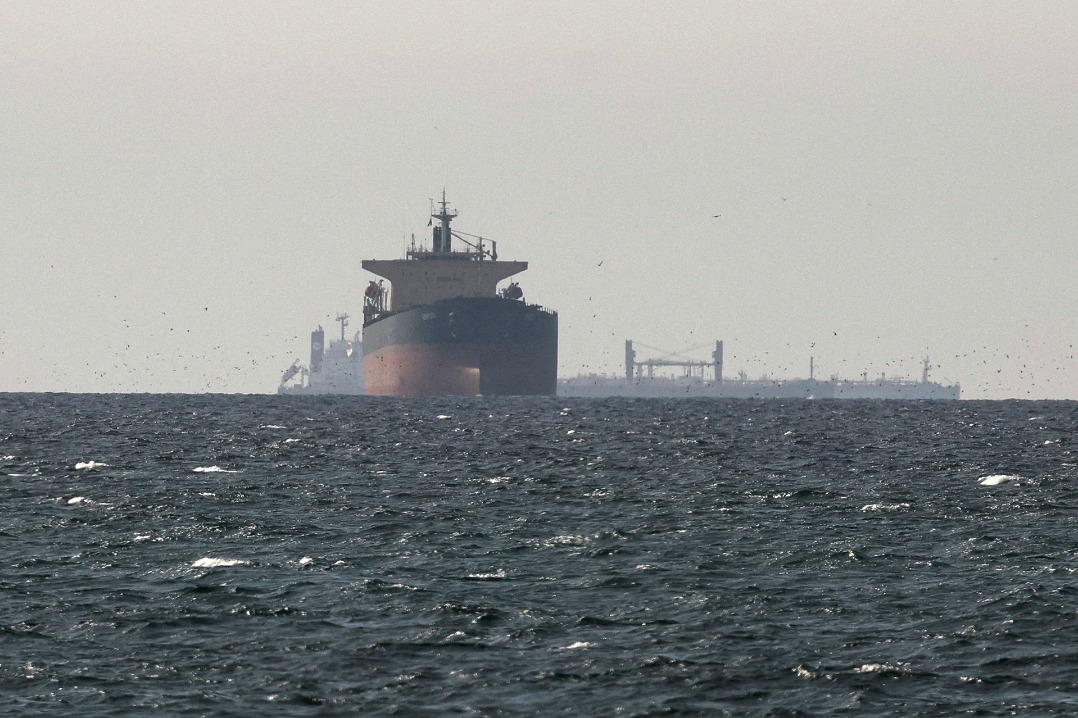
    The supply chain disruption stems from India’s significant dependence on imported LPG, with approximately 62% of the nation’s 31.3 million metric tons annual consumption sourced externally. Critical shipping routes through the Strait of Hormuz, which handles 85-90% of Persian Gulf imports, have experienced severe disruptions due to ongoing US-Israeli conflicts with Iran.

    Professor Swaran Singh of Jawaharlal Nehru University explains: “The hospitality industry’s heavy reliance on LPG coincides with usage by power plants, fertilizer facilities, and urban gas networks. Current tensions have created substantial delays, supply interruptions, and price escalations in LPG imports.”

    Industry associations in major metropolitan areas report suspension rates reaching 20% of food establishments in Mumbai and Kolkata. Many smaller operations, particularly roadside vendors serving millions daily, face imminent closure without immediate supply restoration.

    Government response includes multi-faceted strategies: prioritizing household LPG allocation, negotiating safe passage for Indian-flagged vessels through conflict zones, and directing oil refineries to maximize LPG production. However, economists like Abhirup Sarkar warn that prolonged disruption could establish a “new normal” with significant economic ramifications across multiple sectors.

    While Iran permits limited Indian shipments on case-by-case approvals, industry experts anticipate no rapid resolution until regional conflicts subside, leaving India’s food service industry navigating uncertain operational terrain.
  • Beijing tackles pollen levels as spring blooms

    Beijing tackles pollen levels as spring blooms

    As Beijing enters peak cypress pollen dispersion season in mid-March, municipal authorities have implemented a comprehensive mitigation strategy combining technological interventions and ecological management. The Beijing Municipal Forestry and Parks Bureau has coordinated round-the-clock operations targeting high-risk zones including residential communities, educational institutions, and medical facilities.

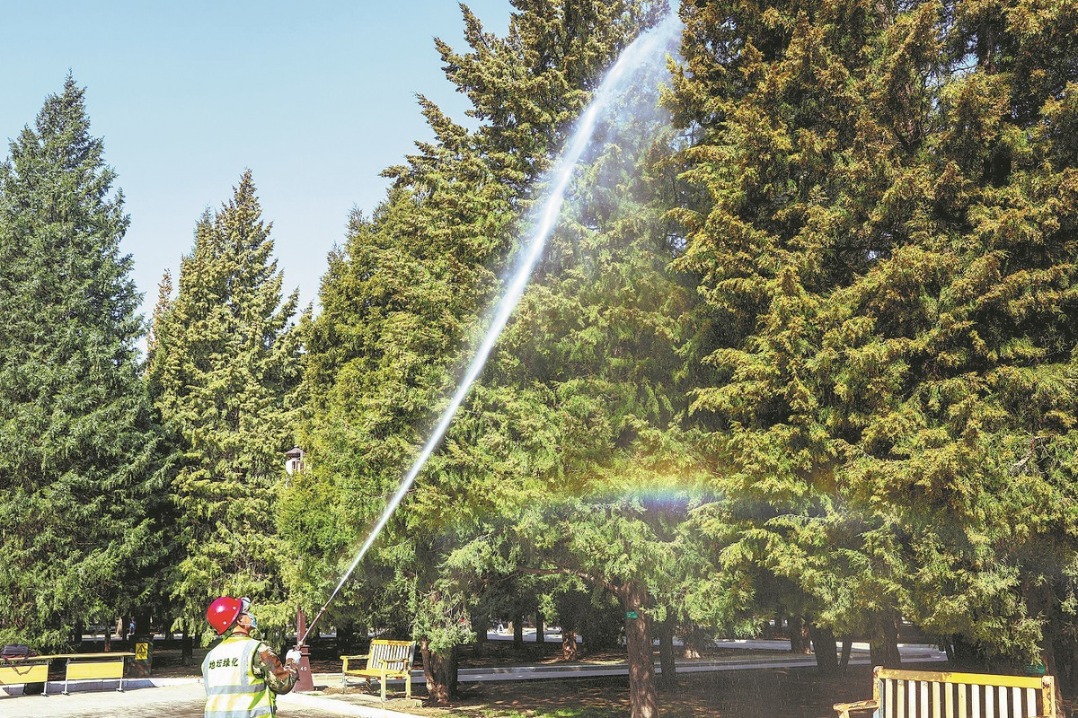
    The current pollen season, which commenced around March 8 according to expert analysis, has prompted deployment of three primary countermeasures: high-frequency water spraying, strategic pruning of male cypress branches, and application of environmentally-friendly biological agents. These pollen fixatives and control agents represent Beijing’s latest innovation in balancing ecological preservation with public health concerns.

    District-level initiatives implemented preventive measures as early as autumn 2025, with Haidian district conducting extensive pruning of pollen-producing cones during dormancy periods. Major green spaces including Temple of Heaven and Ditan Park have intensified suppression efforts following last year’s remarkable phenomenon where billions of pollen particles created visible golden hazes that diffused sunlight into ethereal patterns.

    While visually striking, these pollen clouds created severe health impacts for residents like 27-year-old Jin, who experienced debilitating allergy symptoms including nasal congestion, sneezing, and multi-system itching that diminished her quality of life. This year, she reports noticeable improvement attributable to the enhanced mitigation measures.

    Director Jiang Yingshu of the bureau’s science and technology division emphasized the need for scientific approaches that acknowledge both the ecological value of cold-resistant cypress species and their public health implications. Approximately 168,000 male cypress trees within the Fifth Ring Road area contribute to pollen dispersion patterns influenced by urban heat island effects and prevailing winds, typically creating higher concentrations in southwestern urban zones.

    Medical experts from Beijing Tongren Hospital recommend complementary personal protection strategies during peak dispersion hours (10:00-17:00), including mask usage, protective eyewear, and enhanced indoor air filtration. Chief physician Ouyang Yuhui advises prompt medical consultation for persistent symptoms despite these comprehensive mitigation efforts.

  • War in the Middle East: latest developments

    War in the Middle East: latest developments

    The Middle East conflict has intensified dramatically, with multiple fronts witnessing significant escalation and global repercussions beginning to unfold.

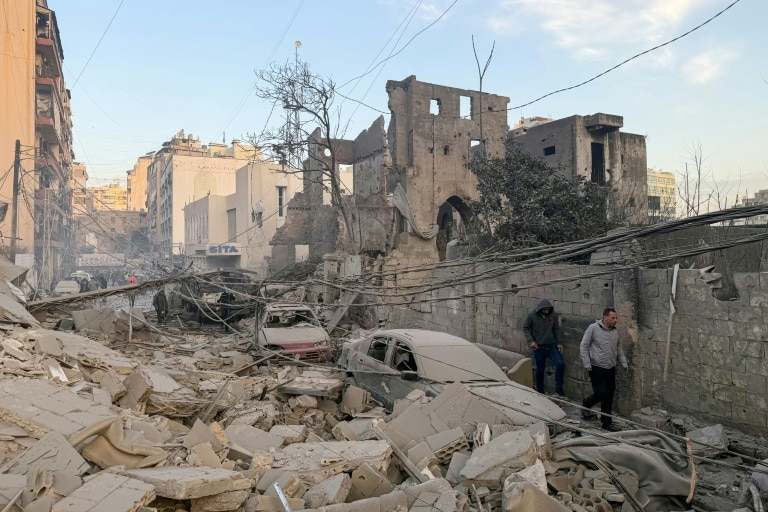
    In Lebanon, Israeli airstrikes targeted central Beirut’s Zuqaq al-Blat neighborhood for the second time without prior warning, resulting in at least 12 casualties according to health ministry reports. Southern Lebanon also saw violence as an Israeli strike hit a vehicle in Sidon, near areas where displaced civilians have sought refuge.

    Iran prepared for funerals of two slain security officials—Ali Larijani and Basij paramilitary force head Gholamreza Soleimani—as Iranian authorities announced the execution of an individual convicted of espionage for Israeli intelligence services. Iranian Foreign Minister Abbas Araghchi warned that the ‘wave of global repercussions has only begun and will hit all—regardless of wealth, faith, or race.’

    Regional tensions expanded as multiple explosions were reported in Erbil, the capital of Iraq’s autonomous Kurdistan region, though specific targets remained unclear. The strategic Strait of Hormuz disruption has forced Iraq to resume limited oil exports of 250,000 barrels daily through Turkey’s Ceyhan port after significant production declines.

    Energy markets responded to the turmoil with benchmark US oil contracts falling over 4% to $92.11 per barrel, while stock markets in Asia and Europe showed gains.

    Gulf nations reported multiple security incidents with projectiles targeting various locations. Saudi defense systems intercepted ballistic missiles near Prince Sultan Air Base (which hosts US personnel) and drones aimed at Riyadh’s diplomatic quarter. Kuwait and Qatar also reported intercepting rocket and missile attacks respectively.

    The human cost continued to mount as Israeli medics confirmed two additional fatalities near Tel Aviv from Iranian missile barrages, bringing the total death toll to 14.

    International diplomatic tensions emerged as US President Donald Trump criticized NATO’s approach to Iran as a ‘foolish mistake’ and expressed disappointment with UK Prime Minister Keir Starmer’s response to the crisis, noting that the British leader ‘hasn’t been supportive.’

  • Senegal turns to CAS to appeal ‘unfair, unprecedented, and unacceptable’ Africa Cup decision

    Senegal turns to CAS to appeal ‘unfair, unprecedented, and unacceptable’ Africa Cup decision

    DAKAR, Senegal — African football has been plunged into a significant governance crisis following a historic decision by the Confederation of African Football (CAF). The sport’s continental governing body has officially stripped Senegal of its 2023 Africa Cup of Nations (AFCON) title and awarded the championship to host nation Morocco, overturning the result of the final contested two months prior.

    The CAF Appeals Board issued its ruling on Tuesday, determining that the Senegalese national team had ‘forfeited the final’ by abandoning the pitch during extra time. The original match outcome—a 1-0 victory for Senegal secured in extra time—has been converted to a 3-0 default victory for Morocco. This extraordinary decision centers on an incident where Senegalese players left the field following a contentious refereeing decision, though they later returned to complete the match.

    The Senegalese Football Federation (FSF) has launched a vehement condemnation of the ruling, labeling it as ‘unfair, unprecedented, and wholly unacceptable.’ In an official statement, the federation declared the move ‘discredits the very institution of African football’ and represents a severe breach of sporting integrity.

    In response, the FSF has announced its immediate intention to escalate the matter to the Court of Arbitration for Sport (CAS) in Lausanne, Switzerland. This external legal challenge is expected to be a protracted process, typically requiring up to a year before a final verdict is delivered. The FSF has pledged its ‘unwavering commitment to the principles of integrity and sporting justice’ and committed to keeping the public informed of all developments in the escalating dispute.

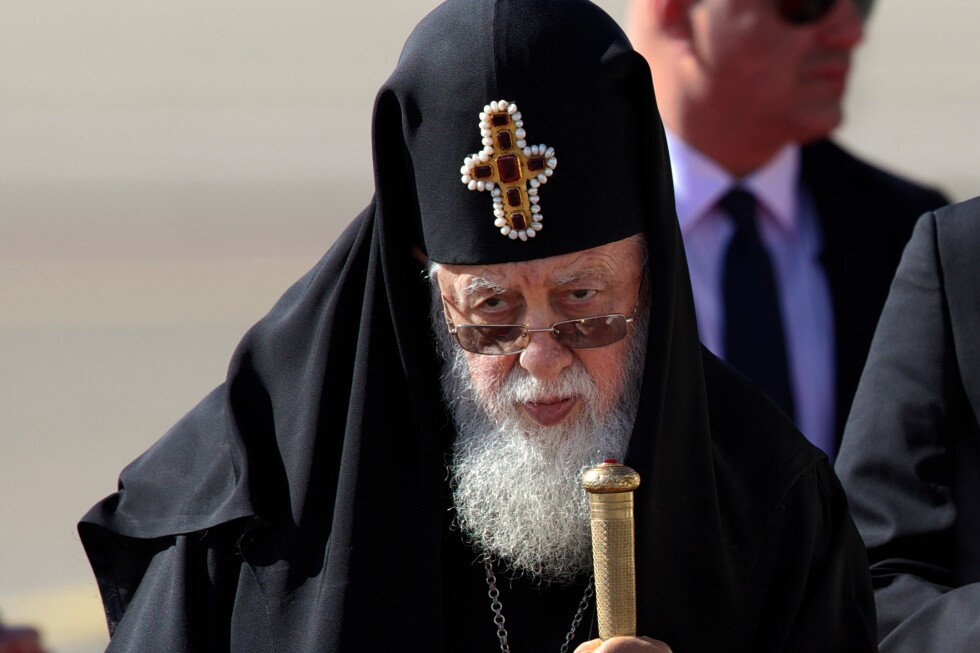
  • Georgian Orthodox Patriarch Ilia II, hailed as an ‘epochal figure,’ dies at 93

    Georgian Orthodox Patriarch Ilia II, hailed as an ‘epochal figure,’ dies at 93

    The nation of Georgia enters a period of profound mourning following the passing of Patriarch Ilia II, the revered head of the Georgian Orthodox Church, who died Tuesday evening at age 93. His death marks the conclusion of a transformative spiritual leadership spanning nearly half a century.

    The Patriarch’s health had deteriorated significantly, leading to his hospitalization in critical condition due to internal bleeding. The medical complications ultimately proved fatal, leaving a spiritual void in one of Eastern Orthodoxy’s most significant sees.

    Shio Mujiri, who has assumed temporary leadership of the church during this transitional period, characterized the loss as monumental. “He was an epochal figure; it is a tremendous loss for the entire Orthodox Church,” Mujiri stated, reflecting the sentiment shared by millions of faithful across Georgia and the Orthodox world.

    Patriarch Ilia II’s tenure represented one of modern Christianity’s most remarkable leadership arcs. Ascending to the patriarchal throne in 1977 during Soviet rule, he guided the church through decades of religious suppression under communist ideology. His steadfast leadership provided spiritual continuity as Georgia transitioned from Soviet republic to independent nation in 1991, maintaining the church’s central role in national identity throughout profound political transformations.

    Church authorities have announced that the process to elect a new patriarch will commence promptly, with a successor to be chosen within the canonical timeframe of two months. This transition occurs amid concerns about potential power struggles within the church hierarchy and questions about whether any successor can match Ilia II’s unique combination of spiritual authority and national influence.

  • US forces strike Iranian missile sites near Strait of Hormuz: command

    US forces strike Iranian missile sites near Strait of Hormuz: command

    In a significant military escalation, United States forces launched precision strikes against hardened Iranian missile installations positioned along Iran’s coastline adjacent to the strategically vital Strait of Hormuz. The operation was confirmed Tuesday by the US Central Command via an official statement on social media platform X.

    The tactical execution involved deploying multiple 5,000-pound deep penetrator munitions specifically designed to destroy fortified underground targets. The strikes targeted Iranian military infrastructure that posed potential threats to one of the world’s most crucial maritime chokepoints for global oil transportation.

    This military action represents a substantial escalation in regional tensions, marking one of the most direct confrontations between US and Iranian forces in recent years. The Strait of Hormuz serves as a critical passageway for approximately 21% of global petroleum consumption, making stability in the region essential to international energy markets.

    The operation follows increasing concerns about Iran’s military positioning along this strategic waterway, though specific provocations leading to this precise military response were not detailed in the initial announcement. The use of specialized bunker-busting munitions indicates the hardened nature of the targeted facilities and the strategic intention to permanently disable these capabilities.

  • China, US stay in touch on date of Trump’s visit, says Chinese Foreign Ministry

    China, US stay in touch on date of Trump’s visit, says Chinese Foreign Ministry

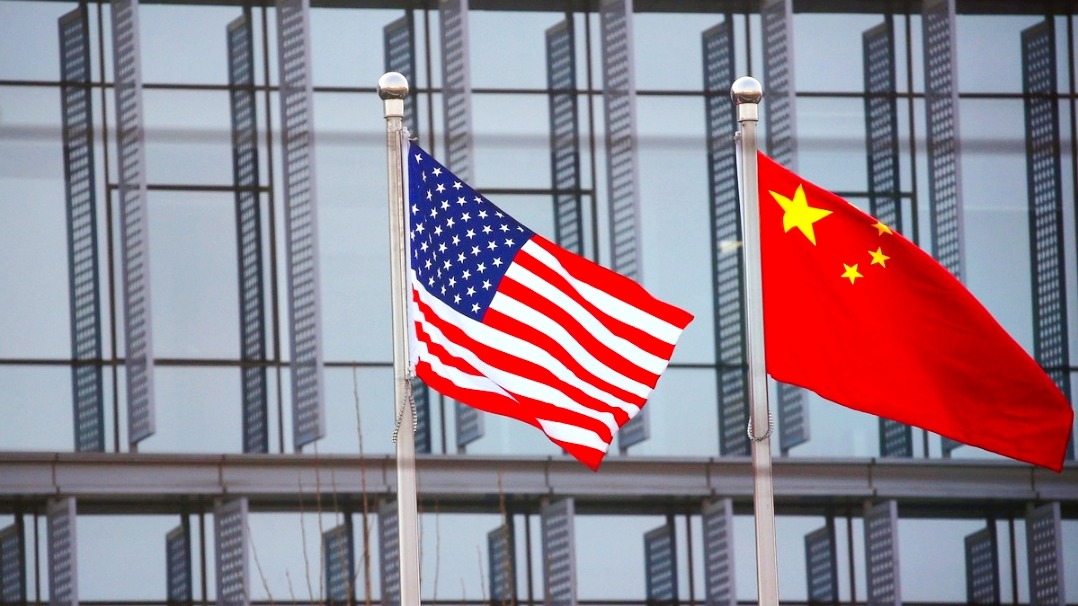
    Beijing has confirmed ongoing diplomatic communications with Washington regarding the scheduling of former President Donald Trump’s potential visit to China. The development follows recent media speculation that had suggested a possible postponement of the visit linked to geopolitical tensions in the Middle East.

    Foreign Ministry spokesman Lin Jian addressed journalists during a regular press briefing, emphasizing that Chinese authorities have taken note of Washington’s official clarification denying any connection between the visit’s timing and the Strait of Hormuz situation. “China has noted that the US described such reports as completely false,” Lin stated, confirming that bilateral discussions about the visit’s arrangements continue through diplomatic channels.

    The original reports prompted a coordinated response from multiple high-ranking US officials on Monday. President Trump himself dismissed the speculation during White House remarks, asserting his anticipation for the visit while acknowledging current military engagements. “There’s no tricks to it,” Trump told reporters. “It’s very simple. We’ve got a war going on (with Iran).”

    US Treasury Secretary Scott Bessent characterized the media narrative as “false,” explicitly denying that the visit would be contingent on China’s involvement in policing the strategic waterway. White House Press Secretary Karoline Leavitt confirmed that the meeting remains secure though acknowledged potential logistical adjustments due to current military coordination requirements.

    The diplomatic exchange highlights the complex interplay between great power diplomacy and ongoing global security challenges, with both nations maintaining communication protocols despite competing priorities and international pressures.

  • Conservation passion for the wild at heart

    Conservation passion for the wild at heart

    Nestled within the mountainous terrain of northern Sichuan province, Tangjiahe National Nature Reserve stands as a testament to China’s commitment to ecological preservation. At dawn, Xiao Mei, head of research and monitoring, ascends the mist-shrouded slopes carrying essential equipment for her fieldwork—a routine she has maintained for twelve years.

    Established in 1978 and granted national status in 1986, this 40,000-hectare sanctuary serves as a vital conservation zone for endangered species including the giant panda, golden snub-nosed monkey, and the dove tree (Davidia involucrata)—a living fossil from the Quaternary glaciation period. The reserve also protects Fritillaria cirrhosa, a prized herb in traditional Chinese medicine.

    Xiao’s journey to becoming a conservation leader was unexpected. Initially employed as a fertilizer salesperson after studying plant protection in Chengdu, she applied to Tangjiahe without fully understanding the reserve’s significance. The primitive conditions—limited infrastructure, electricity shortages, and extreme isolation—nearly drove her away within her first three days.

    However, the forest itself transformed her perspective. Witnessing plants thriving in their natural rhythm and animals moving freely instilled a profound appreciation for ecological balance. This spiritual connection replaced her restlessness with scientific curiosity, leading her to analyze infrared camera footage and patrol data with renewed purpose.

    Tangjiahe’s ecological success is remarkable. As a core area within the Giant Panda National Park, its subtropical forests have avoided large-scale logging and maintained minimal human disturbance. Wildlife encounter rates exceed those of many reserves, with visitors frequently spotting various species.

    The panda population demonstrates exceptional stability—from 39 individuals in earlier surveys to 41 confirmed by 2025 monitoring data. Since 2016, the reserve has maintained a comprehensive DNA archive, collecting genetic samples from over 30 pandas annually to ensure accurate population tracking.

    This conservation model represents more than species protection—it embodies harmonious coexistence between humanity and nature, offering valuable insights for global wildlife preservation efforts.

  • Doughy delicacy: A matter of artistic taste

    Doughy delicacy: A matter of artistic taste

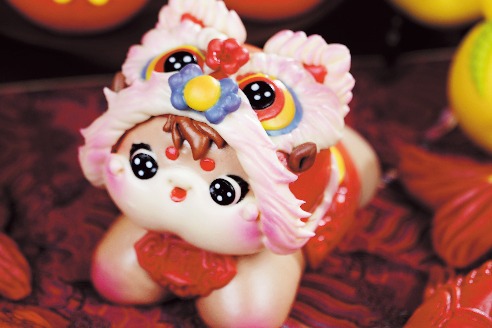
    In the coastal Jiaodong region of Shandong province, an ancient culinary tradition transforms simple dough into intricate edible sculptures that serve as cultural messengers. Each morning, steamers produce not just bread, but vibrant artistic creations: crimson fish with gleaming scales, majestic lions with flowing manes, and blushing peaches resembling those freshly picked from orchards.

    These elaborate creations, known as Jiaodong huabobo (flower-shaped buns), represent far more than sustenance. They embody a rich tradition of symbolic communication that has flourished for centuries. Gai Yaping, a 41-year-old recognized inheritor of this intangible cultural heritage from Yantai, notes that international visitors often express astonishment, questioning whether these exquisite pieces are actually meant for consumption.

    The answer reveals a deep cultural practice where baked artistry replaces conventional greeting cards. These sculpted delicacies mark life’s most significant moments – from month-old infants receiving tiger-shaped buns symbolizing strength and health, to elders celebrating longevity with peach-shaped creations, to weddings featuring peonies, dragons, phoenixes, and mandarin ducks expressing romantic devotion.

    While honoring generations-old customs, the craft has evolved significantly. Contemporary artisans employ natural colorants previously unavailable – spinach extract for verdant green, pumpkin for sunny yellow – creating a more vibrant palette than the traditionally white buns. The creation process remains resolutely hands-on, utilizing simple implements like scissors, chopsticks, and spoons to shape the dough.

    Mastering huabobo requires both artistic aptitude and scientific precision. As Gai explains, while sculpting allows creative freedom, fermentation follows exacting standards: “No matter how beautiful the sculpting is, if the fermentation fails, everything is ruined.” Steaming times vary dramatically based on size, ranging from ten minutes for 50-gram pieces to over an hour for 500-gram creations.

    This fusion of tradition and innovation has propelled huabobo into the digital marketplace. Online shops on platforms like JD.com and Taobao attract nationwide and international customers, with reviews praising their practicality and aesthetic appeal over conventional cakes. Gai’s final advice to consumers encapsulates the dual nature of her craft: “If you take one home, please don’t just leave it on a shelf. Eat it. We want the art to be beautiful to look at, and even better to taste.”

  • China a more dependable partner, Western polls find

    China a more dependable partner, Western polls find

    Recent opinion polls conducted across major Western nations reveal a profound transformation in global perceptions, positioning China as an increasingly reliable international partner and a recognized leader in technological innovation. The surveys indicate a notable decline in confidence toward the United States among its traditional allies, with China’s consistent policy framework and rapid developmental pace reshaping diplomatic perspectives.

    A comprehensive study conducted by U.S. digital media company Politico in collaboration with UK-based research consultancy Public First surveyed respondents across Canada, Germany, France, and the United Kingdom. The findings demonstrate that citizens in these historically US-allied nations now perceive China as a more dependable partner than the United States. The research, published on Sunday, further established China’s dominant position in advanced technological domains including artificial intelligence.

    This assessment aligns with broader global research conducted by the European Council on Foreign Relations in January, which documented growing international anticipation of China’s expanding influence throughout the coming decade. The survey indicated that Western populations increasingly regard China as either an ‘ally’ or ‘necessary partner’ for their respective nations.

    Complementing these findings, the Global Soft Power Index 2026 released by UK consultancy Brand Finance characterized China as progressively predictable, reliable, and capable of delivering concrete benefits through its integration of domestic advancement with structured global engagement.

    International relations experts attribute this perceptual shift to fundamental contrasts in policy consistency between Beijing and Washington. Professor Jian Junbo, Director of the Center for China-Europe Relations at Fudan University’s Institute of International Studies, noted that controversial foreign policies from the current U.S. administration have significantly impacted allied nations, resulting in substantial erosion of trust.

    “China has consistently maintained stable policies and long-term strategic planning, serving as a stabilizing force within international relations. This contrast becomes increasingly apparent and drives evolving perceptions,” Professor Jian stated.

    Anna Malindog-Uy, Vice-President of the Manila-based Asian Century Philippines Strategic Studies Institute, characterized this phenomenon as ‘credibility by contrast,’ noting that “Compared with perceived U.S. unpredictability, China demonstrates greater steadiness and possesses longer strategic horizons.”

    The trend toward favorable perspectives on China proves particularly pronounced among younger demographics. The Politico survey revealed respondents aged 18-24 expressed significantly stronger support for establishing closer ties with China compared to older generations.

    Professor Jian connected this generational divergence to media consumption patterns, explaining that “Younger demographics primarily obtain information through social platforms featuring more objective reporting about China. This facilitates more authentic, comprehensive understanding and consequently higher favorability.”

    Dr. Xiao He, Research Fellow at the Chinese Academy of Social Sciences’ Institute of World Economics and Politics, observed that younger generations perceive China as “an ascending nation unburdened by Cold War ideological baggage, enabling more objective assessment.” While acknowledging social media’s influential role in shaping opinions, Dr. Xiao emphasized that China’s fundamental appeal stems from its remarkable economic and technological advancement.