
In a powerful display of art and activism, performers in Niteroi, Brazil, took to the skies above a bustling beach to address the pervasive issue of violence against women. The aerial circus show, titled ‘Alone we are petals, together we are roses,’ debuted on Saturday with Rio de Janeiro’s iconic Christ the Redeemer statue and Sugarloaf Mountain as its backdrop. The performance, featuring six women and two men, began with a woman in a pink bodysuit strutting confidently on stilts, only to be knocked down by male artists. However, the narrative shifted as she reclaimed her strength through physical exploration and solidarity with other women, culminating in her triumphant return on even higher stilts. Rosa Caitanya Hamilton Azevedo, a 31-year-old artist and survivor of gender-based violence, played the lead role, emphasizing the resilience and empowerment that emerge from such struggles. Juliana Berti Abduch, the creator of the Suspended Circus Acrobatics project, initiated this endeavor in 2020 to combat domestic violence. The latest performance, while not a direct continuation of their 2023 show, continues to spotlight the multifaceted nature of violence against women. Berti Abduch noted that participation in the project offers healing for survivors, helping them overcome trauma and regain confidence. The performance drew approximately 100 spectators, many of whom were captivated by the striking visuals of aerial hoops, trapezes, and silks. Audience member Fabiane Curione de Medeiros described the show as impactful, stressing the importance of unity in exposing and combating violence. Alarming statistics, including the fact that a woman is raped every six minutes in Brazil, were broadcast during the performance, underscoring the urgency of the issue. Despite the heavy subject matter, the artists aimed to inspire hope and empowerment through their art, envisioning a future where women’s rights are upheld and violence is eradicated.
作者: admin
-
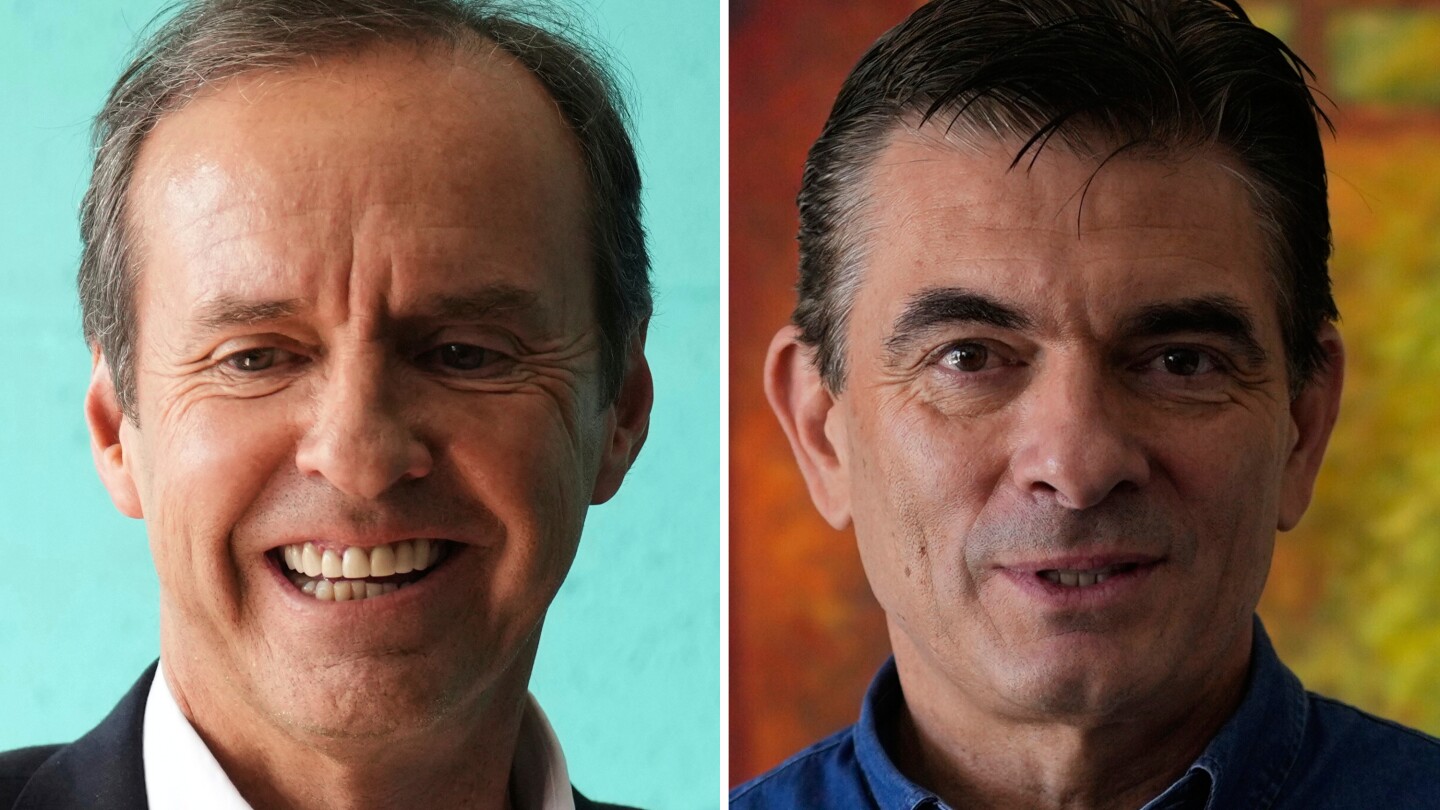
Bolivia heads to the polls in a tight runoff as voters seek a president to lift them from crisis
Bolivia is set to hold a crucial runoff presidential election on Sunday, with voters poised to choose between two conservative candidates who promise to steer the country away from nearly two decades of socialist rule under the Movement Toward Socialism (MAS) party. The election comes at a time when Bolivia is grappling with a severe economic crisis marked by a U.S. dollar shortage, skyrocketing inflation, and fuel shortages. The value of the boliviano has plummeted on the black market, and year-on-year inflation has surged to 23%, the highest since 1991. Both candidates, right-wing former President Jorge ‘Tuto’ Quiroga and centrist senator Rodrigo Paz, have positioned themselves as agents of change, vowing to dismantle the populist policies that have dominated Bolivia since Evo Morales, the country’s first Indigenous president, took office in 2006. Quiroga advocates for immediate economic reforms, including a rescue package from the International Monetary Fund (IMF) and drastic cuts in state spending. Paz, on the other hand, favors a more gradual approach, promising to phase out fuel subsidies while maintaining social protections for the poor. The election is compulsory, with approximately 7.9 million Bolivians eligible to vote. The outcome will not only determine Bolivia’s economic future but also signal a significant geopolitical shift, potentially moving the country closer to the United States and away from its current allies, China and Russia.
-
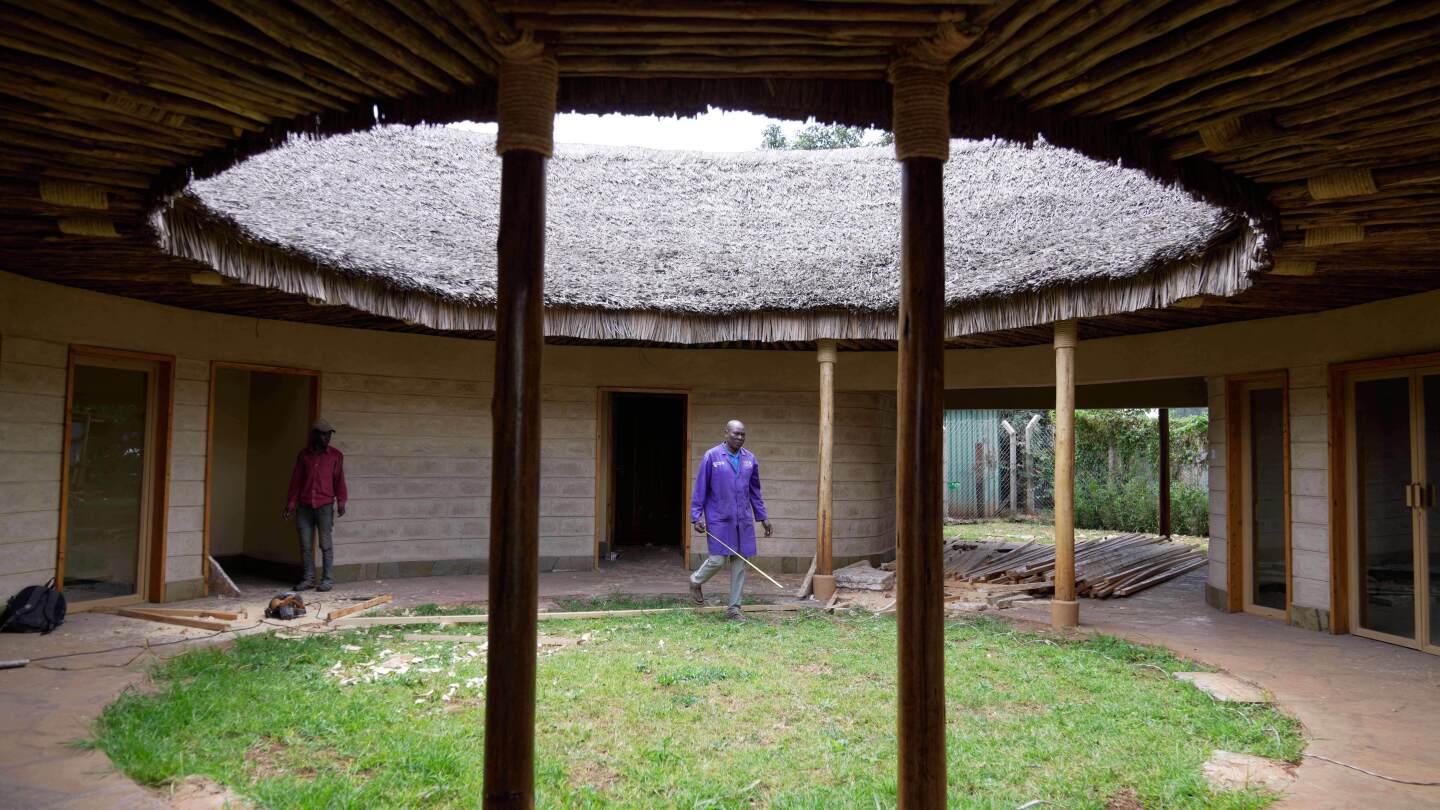
A mushroom farm in Kenya and fungi-based panels give hope for sustainable building
In a groundbreaking initiative near Nairobi, Kenya, a mushroom farm is revolutionizing the construction industry by producing mycelium-based building materials. MycoTile, a local company, transforms the root structure of mushrooms into durable panels that are both cost-effective and environmentally friendly. These panels, used for insulation, roofing, and interior decor, are significantly cheaper than traditional bricks and mortar, offering a sustainable solution to the city’s housing crisis.
-
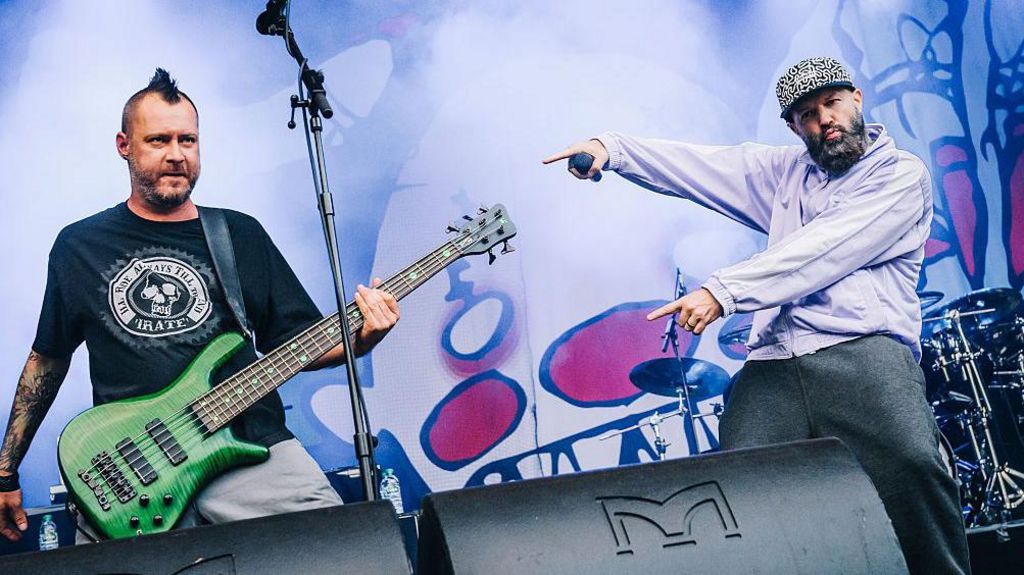
Limp Bizkit bassist Sam Rivers dies aged 48
Sam Rivers, the iconic bassist and founding member of the renowned nu metal band Limp Bizkit, has tragically passed away at the age of 48. The band announced his death through a heartfelt social media post, celebrating Rivers not only as a musician but as the very essence of their sound. ‘From the first note we ever played together, Sam brought a light and a rhythm that could never be replaced. His talent was effortless, his presence unforgettable, his heart enormous,’ the band members wrote. The cause of his death remains undisclosed. Limp Bizkit, formed in 1994, became a cultural phenomenon in the late 90s and early 2000s, blending hip-hop rock with raw, expletive-laden lyrics. Their groundbreaking albums, such as ‘Significant Other’ and ‘Chocolate Starfish and the Hot Dog Flavored Water,’ along with chart-topping singles like ‘Rollin’ (Air Raid Vehicle),’ solidified their place in music history. Rivers’ bandmates reflected on their shared journey, stating, ‘We shared so many moments – wild ones, quiet ones, beautiful ones – and every one of them meant more because Sam was there.’ DJ Lethal, whose real name is Leor Dimant, expressed his shock and urged fans to respect the privacy of Rivers’ family. Beyond his musical prowess, Rivers was celebrated for his charitable endeavors, which the band highlighted in their tribute. ‘You will live on through your music and the lives you helped save with your music, charity work, and friendships,’ DJ Lethal wrote. Rivers had previously battled liver disease, stemming from excessive drinking, and underwent a successful liver transplant after quitting alcohol. His resilience and dedication to recovery were widely admired. Limp Bizkit recently released a new single, ‘Making Love to Morgan Wallen,’ in September and performed at the Reading Festival in August. Rivers’ death marks a profound loss for the music world, leaving behind a legacy that will continue to inspire fans and fellow musicians alike.
-

S&P lowers France credit rating to A+, citing risks of rising deficit
In a significant move, credit rating agency Standard & Poor’s (S&P) has downgraded France’s credit rating from AA to A+, citing heightened risks of the government failing to substantially reduce its deficit in the coming year. The decision, announced on Friday, underscores growing concerns over France’s fiscal stability and its ability to meet budgetary targets. S&P highlighted that despite the recent submission of the 2026 draft budget to parliament, uncertainty surrounding the nation’s public finances remains alarmingly high. The agency expressed skepticism about the government’s ability to achieve significant deficit reduction without additional measures, projecting a slower-than-expected fiscal consolidation over the forecast horizon. French Finance Minister Roland Lescure responded to the downgrade by reaffirming the government’s commitment to meeting the 2025 deficit target of 5.4% of GDP. He emphasized the collective responsibility of both the government and parliament to adopt a budget aligned with this framework. Separately, the finance ministry revealed that the 2026 draft budget aims to accelerate the reduction of the public deficit to 4.7% of GDP while safeguarding economic growth. This initiative is seen as a critical step toward fulfilling France’s pledge to bring the deficit below 3% of GDP by 2029. The downgrade comes amid political challenges for President Emmanuel Macron, who faces a divided parliament as he seeks to implement deep spending cuts. His new Prime Minister, Sebastien Lecornu, recently backtracked on a contentious pension reform to avoid a no-confidence vote, further complicating fiscal reforms.
-
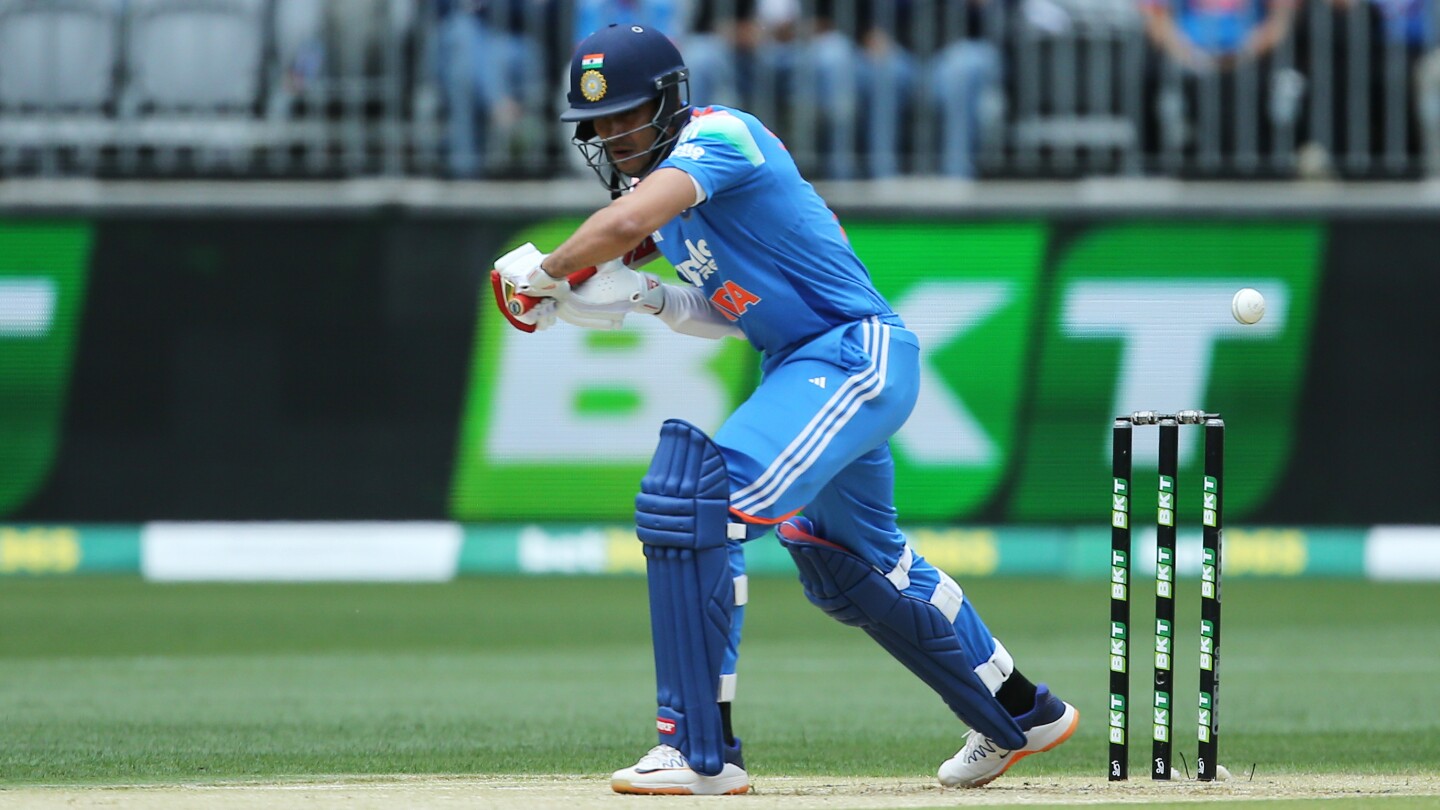
Australia bowls first in ODI against India led by new captain Shubman Gill
In a strategic move, Australia won the toss and elected to bowl in the opening One-Day International (ODI) cricket match against India at Perth on Sunday. This marks the beginning of a highly anticipated series between the two cricketing giants. India, under the leadership of their newly appointed ODI captain Shubman Gill, is looking to build momentum ahead of the 2027 Cricket World Cup in South Africa, Zimbabwe, and Namibia. Gill, who also captains India’s Test team, has taken over the reins from Rohit Sharma, who returns to the squad as a batter alongside Virat Kohli. The duo, who had retired from Test cricket before India’s tour of England, are back in action for the first time since India’s Champions Trophy victory in March. On the Australian side, Mitchell Starc makes a comeback after being rested for recent series, as the hosts gear up for a packed summer schedule. This includes three ODIs and five Twenty20 Internationals against India, followed by the Ashes Test series against England. Mitch Marsh, leading the Australian team, will open the batting with Travis Head on his home pitch. The hosts have also introduced fresh faces to their middle order, including Matt Renshaw, Josh Philippe, Mitch Owen, and Cooper Connolly. India’s eight-game tour of Australia will see them play ODIs in Perth, Adelaide (October 23), and Sydney (October 25), followed by five Twenty20 matches across Canberra, Melbourne, Hobart, Gold Coast, and Brisbane. Both teams are set to showcase their depth and talent as they prepare for future challenges on the global stage.
-
GCC eyes slice of $2 trillion sports tourism market by 2030
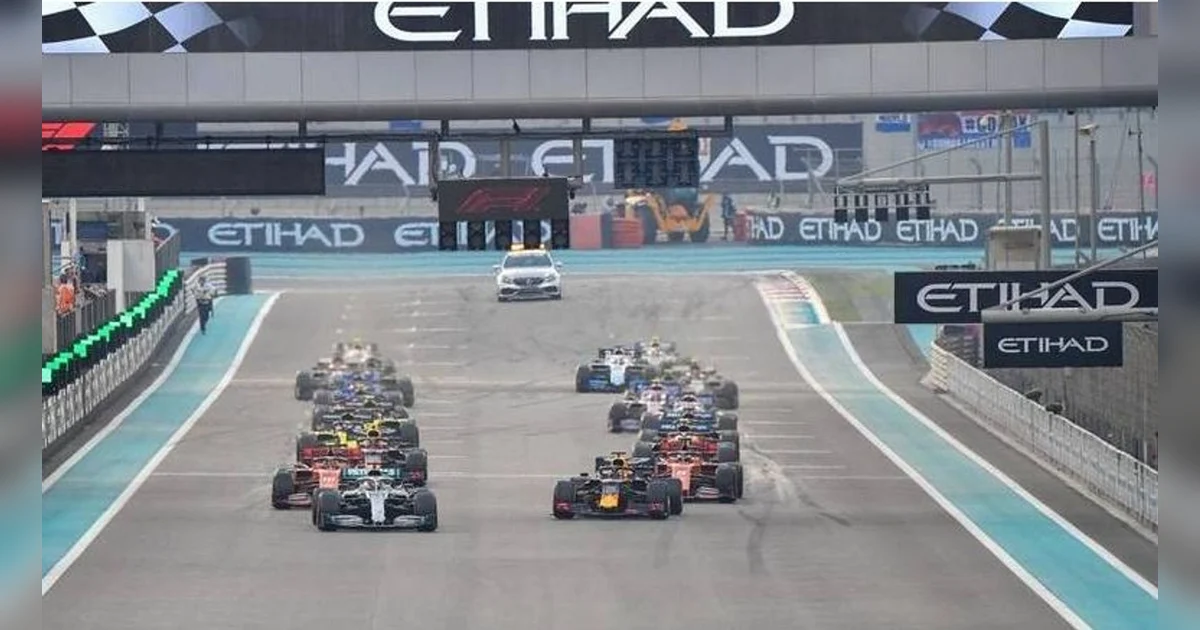
The Gulf Cooperation Council (GCC) is positioning itself as a key contender in the rapidly expanding global sports tourism industry, which is forecasted to exceed $2 trillion by 2030. A recent report by PwC Middle East, titled ‘Game on for the GCC – Turning Sporting Ambition into Lasting Tourism Impact,’ highlights the region’s potential to capitalize on its increasing prominence as a host of world-class sporting events to foster a sustainable tourism economy. Currently, sports tourism represents 10% of global tourism expenditure, growing at a compound annual rate of 17.5%. The GCC’s strategic investments in sports infrastructure and events are setting the stage for substantial economic gains. Over recent years, the Middle East has successfully hosted major events such as the 2022 FIFA World Cup in Qatar and numerous Formula 1 Grand Prix weekends, significantly boosting the region’s global profile and contributing to a sports sector valued at $600 billion, with an annual growth rate of nearly 9%. Saudi Arabia is at the forefront of this initiative, with its sports market expected to triple to $22.4 billion by 2030, generating 39,000 jobs and adding $13.3 billion to the national GDP. Despite these advancements, the GCC currently captures only 5–7% of global sports tourism spending, indicating substantial growth potential. The report emphasizes the need for the GCC to transition from being a host of events to becoming a year-round destination for immersive sports experiences. Peter Daire, Senior Executive Advisor at PwC Middle East, stressed the importance of evolving beyond event hosting to create destinations that attract fans throughout the year through enriched experiences, enhanced digital engagement, and stronger regional connections. The report outlines three critical priorities for the region: developing experience-led destinations that integrate sport, retail, leisure, and culture to encourage longer stays and higher spending; fostering immersive fan engagement through digital platforms, storytelling, and multi-day festivals to turn spectators into repeat visitors; and building a connected regional ecosystem that links events and destinations across borders through streamlined travel and unified marketing. Jonathan Worsley, Chairman and CEO of The Bench, which organizes the Future Hospitality Summit, highlighted that sports tourism is now central to destination strategy and hospitality investment, driving infrastructure development, elevating brand visibility, and unlocking year-round demand. The report also advocates for increased investment in women’s sports, leisure activities, and workforce development, as well as better utilization of existing venues to extend the impact of flagship events. With over 60% of the region’s population under the age of 35, digital innovation and youth engagement are deemed crucial for shaping the future of sports tourism. As the GCC shifts its focus from hosting to experience creation, PwC suggests the region could emerge as one of the world’s most dynamic and resilient sports tourism hubs, attracting fans, athletes, and travelers who not only visit but return.
-

UAE’s digital payments boom gets a boost with Network International–Magnati merger
The United Arab Emirates (UAE) is rapidly advancing toward a cashless economy, with the recent merger between Network International and Magnati marking a significant milestone in the region’s digital payments evolution. This strategic consolidation aligns with the UAE’s ambition to become a global leader in digital finance, leveraging a tech-savvy population, high smartphone penetration, and robust regulatory support. Murat Cagri Suzer, Group CEO of Network International, emphasized that the merger transforms the company into a fintech platform capable of redefining digital commerce across the Middle East and Africa (MEA). The combined entity now serves over 250 financial institutions, 240,000 merchants, and 25 million cardholders across 50+ markets, positioning itself at the forefront of a region where digital payments are growing at twice the global average. The UAE’s card payments market is projected to grow by 10.6% in 2025, reaching Dh565.5 billion, while the Buy Now, Pay Later (BNPL) market is expected to double by 2030. Government initiatives, such as Dubai’s Cashless Strategy and national platforms like Aani and Jaywan, are driving this transformation. The merger enables Network International to offer a broader suite of services, including data analytics, small business lending, and advanced fraud prevention. The company is also investing in cutting-edge technologies like AI, biometrics, and tokenization to enhance security and customer experiences. As digital payments become increasingly embedded in daily life, Network International is prioritizing a ‘security-first’ culture, employing advanced encryption and AI-driven fraud detection to safeguard transactions. With the Middle East poised to lead the global shift toward digital finance, this merger represents a strategic step in shaping a future where smart, secure, and seamless payments are the norm.
-
Same budget, less gold: How record prices affect Dubai residents this Diwali
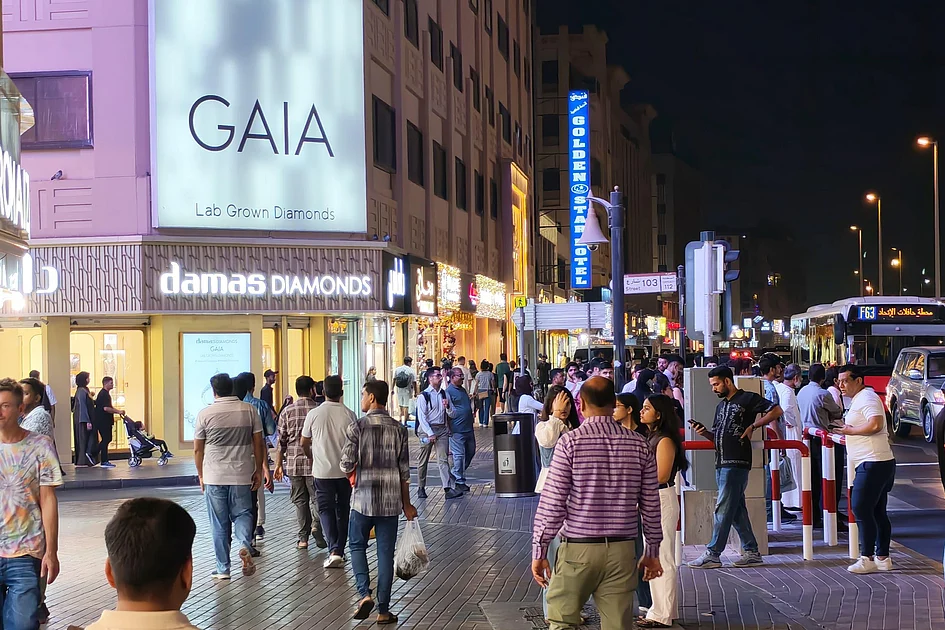
As Diwali celebrations commence, Dubai residents are navigating the challenges of soaring gold prices, which have significantly impacted their festive shopping traditions. The Gold Souk in Deira witnessed bustling activity on Dhanteras, a day considered auspicious for purchasing gold and silver. Despite the high prices, long queues formed outside jewelry stores as residents sought to uphold their annual ritual of buying gold during the festival of lights. However, this year, many found themselves purchasing lighter pieces or opting for designs that incorporate other metals or stones to stay within their budgets. Gold prices recently crossed Dh500 per gram, a record high that has forced shoppers to rethink their purchases. Priya Nair, a resident of Al Qusais, shared her experience of buying a small bangle for her daughter, noting that the weight of the gold she could afford was significantly less than in previous years. Similarly, Shalini Kumar from Mankhool emphasized the importance of balancing investment and aesthetics, choosing designs that offer both value and visual appeal. For many families, buying gold during Diwali is not just a tradition but also a form of investment. Jewelry stores have adapted to these changing trends by showcasing lightweight and budget-friendly designs. Priya Jayesh Gupta, a businesswoman from JLT, revealed that she had reduced the number of gold gifts this year due to the price surge. Despite the financial constraints, the cultural significance of buying gold during Diwali remains strong, with many residents viewing it as a way to usher in prosperity and good fortune for the new year.
-
AI becomes the cornerstone of digital transformation in the Middle East
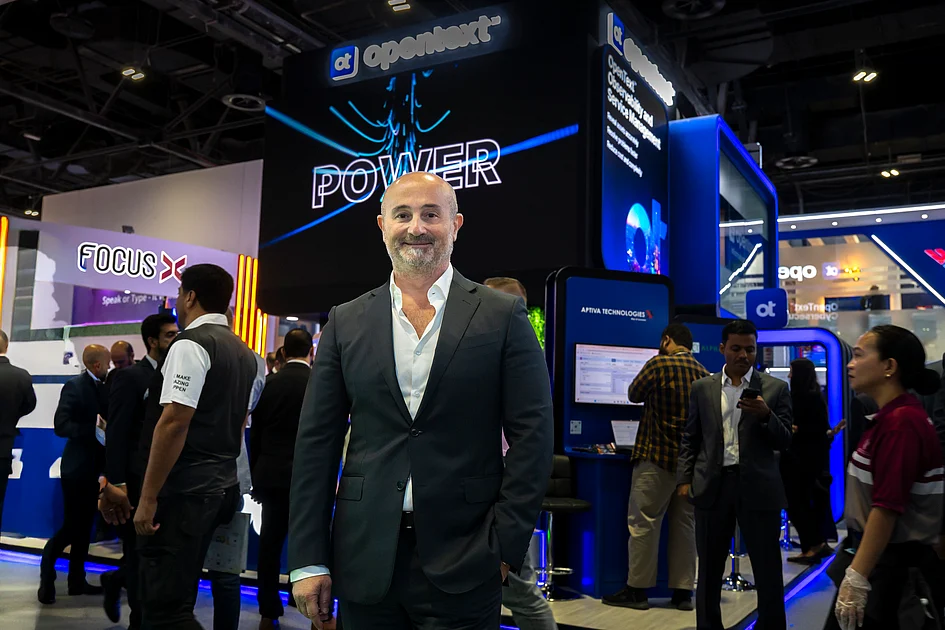
Artificial intelligence (AI) has emerged as the driving force behind digital transformation in the Middle East, reshaping how organizations operate and compete in the digital economy. At Gitex Global 2025, OpenText underscored the pivotal role of AI, particularly the rise of Agentic AI, in accelerating the region’s digital agendas. George Schembri, Vice President and General Manager for the Middle East at OpenText, emphasized that AI is no longer just a productivity tool but a catalyst for intelligence at scale, turning data into actionable insights and fostering long-term competitiveness. A significant trend is the shift from traditional AI to Agentic AI, which operates autonomously, collaborates across systems, and learns from outcomes, enabling businesses to transition from reactive decision-making to proactive strategy execution. OpenText is also addressing the convergence of AI, cloud, and cybersecurity, ensuring that AI-driven insights are scalable and secure. This integrated approach is critical for organizations aiming to reduce complexity, accelerate innovation, and build trust in a digital-first world. Additionally, the evolving workforce, particularly Gen Z, is driving demand for intuitive, mobile-first tools that support flexibility and purpose-driven work. OpenText is meeting these needs through conversational AI, secure cloud platforms, and automation that streamline enterprise workflows. As the Middle East continues its digital evolution, OpenText’s message is clear: AI is the foundation of a smarter, more resilient, and human-centered future of work.