作者: admin

  • Passengers of diverted flight transferred to hotels in China’s Lanzhou

    Passengers of diverted flight transferred to hotels in China’s Lanzhou

    A transnational flight operated by Azur Air was compelled to execute an emergency landing at Lanzhou Zhongchuan International Airport on Friday afternoon, January 23, 2026, following a technical failure. The aircraft, a Boeing 757-200 identified as flight ZF2998, was en route from the popular resort destination of Phuket, Thailand, to its final destination of Barnaul, Russia.

    Airport authorities confirmed the incident was triggered by a malfunction in the aircraft’s right engine, prompting the flight crew to declare an in-flight emergency. Despite the critical situation, the pilots successfully navigated the aircraft to a safe landing at 4:51 PM local time. All 246 individuals on board, comprising 239 passengers and 7 crew members, were reported to be safe and unharmed.

    Following standard safety protocols and assessment procedures, all passengers and crew have been temporarily relocated to local hotels in Lanzhou, the capital of Gansu province. Airport officials have arranged for their accommodation and necessities while maintenance crews inspect the aircraft and arrange for onward travel. The incident underscores the critical importance of rigorous safety protocols and pilot training in managing unforeseen technical failures during flight operations.

  • Residents in Victoria’s Otways urged to take shelter as bushfire jumps containment lines

    Residents in Victoria’s Otways urged to take shelter as bushfire jumps containment lines

    Residents across Victoria’s Otways region are confronting a severe bushfire crisis as a major blaze that ignited on January 10th has breached containment lines near Gellibrand. Emergency services escalated warnings to critical levels on Saturday afternoon as the fire advanced toward populated areas.

    The Carlisle River fire, which has already consumed over 5,000 hectares of land, prompted immediate shelter-in-place orders for communities south of the fire front including Beech Forest, Ferguson, Gellibrand and Wyelangta. Official emergency alerts stated unequivocally: ‘This fire is threatening homes and lives. You are in danger and need to act immediately to survive.’

    Emergency coordinators warned of an impending wind shift expected around 5:30 PM that would drive the fire northeast toward Barongarook, creating potentially lethal and unpredictable conditions. Residents in northern and eastern sectors received urgent evacuation directives while those in the direct path were advised that evacuation was no longer safe.

    The crisis unfolds amid an intense heatwave gripping Victoria from January 24-30, prompting total fire bans across the state. More than 30 emergency vehicles are actively combating the blaze, with an Emergency Relief Center established at Colac Showgrounds for displaced residents.

    This emergency represents one of the most significant fire events of the season, testing Victoria’s emergency response systems during extreme weather conditions that continue to challenge containment efforts.

  • Beijing West Railway Station marks 30th anniversary

    Beijing West Railway Station marks 30th anniversary

    Beijing West Railway Station commemorated its 30th anniversary on Wednesday, standing as a testament to China’s remarkable infrastructure development and railway modernization. Since its inauguration in 1996, this monumental transportation hub has facilitated an extraordinary 1.96 billion passenger journeys, establishing itself as one of the nation’s most critical rail terminals.

    The station’s three-decade operation mirrors China’s rapid economic growth and urban transformation, serving as both a functional transport facility and a symbolic landmark of national progress. Throughout its operational history, Beijing West has consistently adapted to evolving travel demands, incorporating technological advancements and expanding services to accommodate increasing passenger volumes.

    As a pivotal junction in China’s extensive railway network, the station has witnessed the country’s transition from conventional rail systems to high-speed bullet trains, reflecting broader technological achievements in transportation infrastructure. The facility has played an essential role in connecting China’s capital with numerous domestic destinations while maintaining operational efficiency during peak travel periods, particularly during annual migration events like the Spring Festival travel rush.

    The station’s architectural significance and operational scale have made it an iconic representation of China’s modernization ambitions, blending functional design with cultural elements that showcase national heritage. Its continuous operation and upgrades demonstrate China’s commitment to developing world-class transportation systems that serve both economic needs and public convenience.

    Looking forward, Beijing West Railway Station remains positioned to maintain its critical role in China’s transportation ecosystem, with planned improvements aimed at enhancing passenger experience and integrating with emerging transportation technologies.

  • New Zealand calls off rescue efforts for six missing after landslide

    New Zealand calls off rescue efforts for six missing after landslide

    New Zealand authorities have officially terminated search and rescue operations for six individuals buried beneath a devastating landslide that struck a popular campground in Mount Maunganui on Thursday. Police Superintendent Tim Anderson confirmed the transition to recovery efforts, stating that locating survivors is no longer feasible.

    Human remains were discovered Friday evening beneath layers of dirt and debris at the sacred Māori site, which ranks among the nation’s most frequented camping destinations. The victims include two 15-year-olds from Auckland—Sharon Maccanico and Max Furse-Kee—alongside four adults: Lisa Anne Maclennan (50, Morrinsville), Måns Loke Bernhardsson (20, Sweden), Jacqualine Suzanne Wheeler (71, Rotorua), and Susan Doreen Knowles (71, Ngongotaha).

    In a separate but related incident, Radio New Zealand reported a grandmother and her grandchild perished in another landslide at nearby Welcome Bay. The region has endured days of torrential rainfall on North Island, with meteorological services forecasting additional precipitation through the weekend.

    Emergency crews labored through treacherous conditions described as “incredibly challenging” before formally transferring operations to police on Saturday. Chief Coroner Judge Anna Tutton acknowledged the identification process would be “complex” and “painstaking” while pledging to expedite familial reunification.

    Prime Minister Christopher Luxon visited the disaster zone Friday, noting the “inspiring” community response as locals assisted with debris clearance in flood-affected areas. The tragedy highlights growing concerns about repeated landslides at Mount Maunganui, which has experienced similar geotechnical events in recent years.

  • Taiwan businessman: Taiwan compatriots will see more opportunities in next five-year plan

    Taiwan businessman: Taiwan compatriots will see more opportunities in next five-year plan

    Taiwanese entrepreneurs operating on the Chinese mainland are anticipating substantial growth opportunities emerging from the nation’s forthcoming 15th Five-Year Plan (2026-2030). Wu Chia-ying, Vice-President of the Association of Taiwan Investment Enterprises on the Mainland and a deputy of the Xiamen People’s Congress, has become a pivotal voice in representing Taiwanese interests.

    In his unique role as a legislative representative, Wu has prioritized direct community engagement, emphasizing the importance of understanding and addressing the specific needs of Taiwanese compatriots residing on the mainland. “We can really go into the community to hear and understand the needs of Taiwan compatriots,” Wu stated, describing his grassroots approach to representation.

    The upcoming five-year development blueprint, set to guide China’s economic strategy through 2030, is expected to create expansive pathways for Taiwanese enterprises and individuals alike. Wu specifically highlighted cutting-edge technological sectors including 5G infrastructure and artificial intelligence as areas with particularly promising potential for Taiwanese participation and growth.

    This institutional framework represents more than economic planning—it signifies deepening cross-strait integration through shared development objectives. Taiwanese businesses are positioned to benefit from mainland market access and policy support during this next phase of national development, creating what industry observers characterize as a win-win scenario for cross-strait economic cooperation.

    The five-year plan mechanism, a cornerstone of China’s governance model, continues to evolve in its sophistication, now explicitly incorporating considerations for Taiwanese participants in the mainland’s economic ecosystem. This approach demonstrates the practical implementation of policies designed to foster mutual prosperity across the Taiwan Strait.

  • Indonesia landslide kills 7, dozens more missing

    Indonesia landslide kills 7, dozens more missing

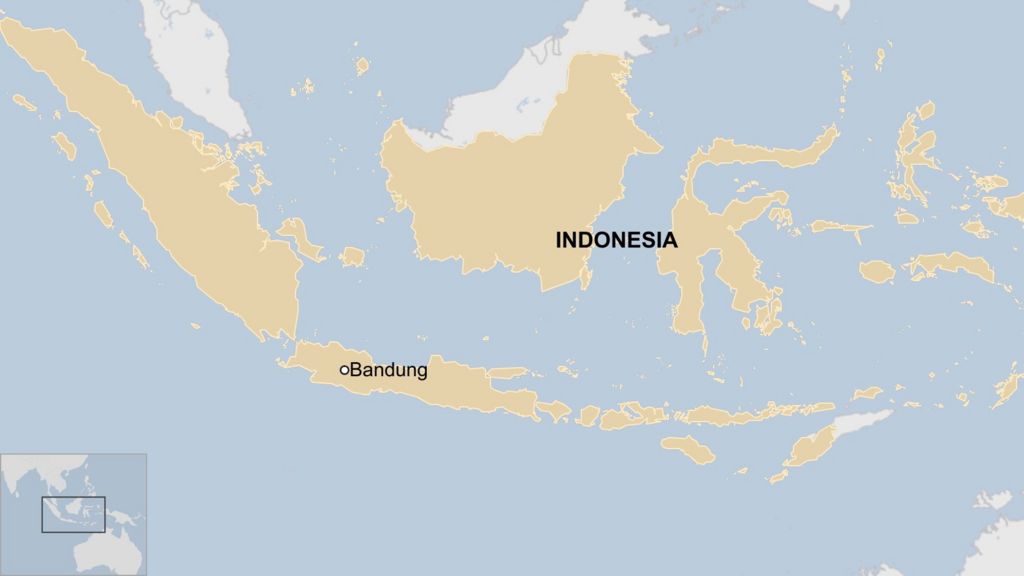
    A devastating landslide has struck Indonesia’s West Java province, resulting in at least seven confirmed fatalities and leaving more than 80 individuals unaccounted for, according to official reports from disaster management authorities.

    The catastrophic event occurred in the Pasirlangu village of West Bandung region, approximately southeast of Jakarta, during the early hours of Saturday at 02:30 local time (19:30 GMT). The disaster unfolded following an extended period of torrential rainfall that saturated the mountainous terrain.

    Indonesia’s National Disaster Mitigation Agency (BNPB) confirmed in an official statement that the massive landslide completely buried residential areas under tons of earth and debris, destroying more than thirty homes in the process. The sudden nature of the landslide caught many residents unaware during nighttime hours, significantly hampering evacuation efforts.

    Abdul Muhari, communications director of the National Search and Rescue Agency, reported that emergency teams have successfully evacuated two dozen survivors from the affected zone. Rescue operations continue amid challenging conditions as responders race against time to locate potential survivors trapped beneath the mud and rubble.

    Visual documentation from local media outlets reveals the sheer scale of destruction, with photographs showing entire structures completely submerged under layers of mud and debris. The catastrophic event has prompted authorities to issue widespread alerts for additional flooding, landslides, and extreme weather conditions throughout the broader region, warning residents of potential further dangers.

    The geographical location of Indonesia, situated within the Pacific Ring of Fire, makes the archipelago nation particularly vulnerable to natural disasters including earthquakes, volcanic eruptions, and climate-related events such as landslides during the rainy season. This latest tragedy highlights the ongoing challenges faced by communities living in geographically vulnerable areas and the critical importance of early warning systems and disaster preparedness measures.

  • Freezing and in the dark, Kyiv residents are stranded in tower blocks as Russia targets power system

    Freezing and in the dark, Kyiv residents are stranded in tower blocks as Russia targets power system

    In the frozen heart of Ukraine’s capital, a profound humanitarian crisis unfolds within the concrete walls of Soviet-era high-rises. Olena Janchuk, a 53-year-old former kindergarten teacher afflicted with severe rheumatoid arthritis, remains imprisoned on the 19th floor of her Kyiv apartment block—650 steps from the ground. This constitutes her fourth winter of war, a season defined by perpetual cold and darkness resulting from Russia’s systematic bombardment of Ukraine’s energy infrastructure.

    With daily blackouts lasting up to seventeen hours, elevators have transformed into inaccessible luxuries. January temperatures plunging to -10°C (14°F) leave permanent frost patterns creeping across interior windows. Residents like Janchuk employ desperate ingenuity for survival: makeshift fireplaces constructed from candles beneath heat-absorbing bricks, USB-powered lamps illuminating darkened rooms, and meticulous rationing of precious power bank reserves for electric blankets during the coldest nights.

    Kyiv’s three million residents now organize their existence around electricity schedules, planning cooking, charging, and washing routines within narrow windows of availability. The urban landscape has adapted—diesel generators rumble along commercial streets, shoppers navigate aisles by phone flashlight, and bars glow with candlelight. Mobile applications deliver critical notifications about narrowing electricity windows, while Telegram chats facilitate neighborly check-ins and blackout updates.

    The architecture itself has become an instrument of isolation. Staircases present insurmountable barriers for elderly residents, people with disabilities, and wounded veterans, effectively trapping them within their homes. While affluent neighborhoods pool resources for building generators, most residential blocks housing pensioners and vulnerable populations cannot afford such solutions. Disability advocates urgently petition city officials for generator funding, arguing that staircases have created an invisible social barrier.

    The scale of destruction is catastrophic. Energy sector damage exceeds $20 billion according to World Bank, European Commission, and UN estimates. Shift supervisor Yuriy (name withheld for security) surveys the wreckage of a repeatedly struck coal-fired power plant—charred machinery, collapsed roofs, and control panels melted into uselessness. Repairs proceed by torchlight behind giant sandbag barriers, with photographs of deceased colleagues hanging near entrances.

    Despite Kyiv’s implementation of austere power-saving measures—dimming streetlights and investing in decentralized generation—restoration feels distant for those enduring winter in darkness. As 72-year-old Lyudmila Bachurina summarizes while managing household chores during brief power intervals: ‘I’m tired, really tired. When you can’t go outside, when you don’t see the sun… it wears you down. But we will endure anything until the war ends.’ Across the snow-covered city, the nighttime horizon continues to flash with explosions as Russia persists in its campaign against Ukraine’s energy resilience.


  • Boy, 12, dies from injuries after Sydney shark attack

    Boy, 12, dies from injuries after Sydney shark attack

    Sydney’s community is grappling with tragedy following the death of twelve-year-old Nico Antic, who passed away in hospital days after sustaining critical injuries in a shark attack. The incident occurred on January 18th when the Argentine-born boy was jumping from rock ledges with friends in Sydney Harbour.

    Authorities suspect a bull shark was responsible for the attack that left Nico with severe leg injuries. Despite immediate rescue efforts by his courageous friends and emergency medical response, the young victim could not be saved. Nico underwent emergency surgery at Sydney Children’s Hospital and was placed in an induced coma before his condition deteriorated.

    In an emotional statement, grieving parents Lorena and Juan Antic remembered their son as “a happy, friendly, and sporty young boy with the most kind and generous spirit.” They added: “He was always full of life and that’s how we’ll remember him.”

    The tragedy forms part of a concerning pattern along Australia’s east coast, with four separate shark incidents reported within a 48-hour period. On Monday, a surfer on Sydney’s northern beaches narrowly escaped injury from a lurking shark, while hours later a 27-year-old man suffered life-changing injuries in another attack. The following day, a 39-year-old man sustained chest wounds from a shark bite on the Mid North Coast.

    Marine experts attribute the spike in shark activity to recent heavy rainfall, which created ideal conditions for bull sharks that prefer murky waters. The precipitation flushed nutrients into coastal areas, drawing sharks closer to shore in search of food.

    As a precautionary measure, beaches across Sydney were temporarily closed, though many have since reopened for the Australia Day long weekend. The community has responded with an outpouring of support, with an online fundraiser for Nico’s family generating approximately $240,000 in donations.

  • Combining exercise with volunteering works out for members of a UK alternative to gyms

    Combining exercise with volunteering works out for members of a UK alternative to gyms

    LONDON — While shoveling compost and clearing weeds on a chilly, damp evening might seem unappealing to many, participants of GoodGym’s innovative program approach these tasks with enthusiasm and energy. This organization has transformed conventional fitness routines by merging physical exercise with meaningful community service, creating a unique social fitness movement across Britain.

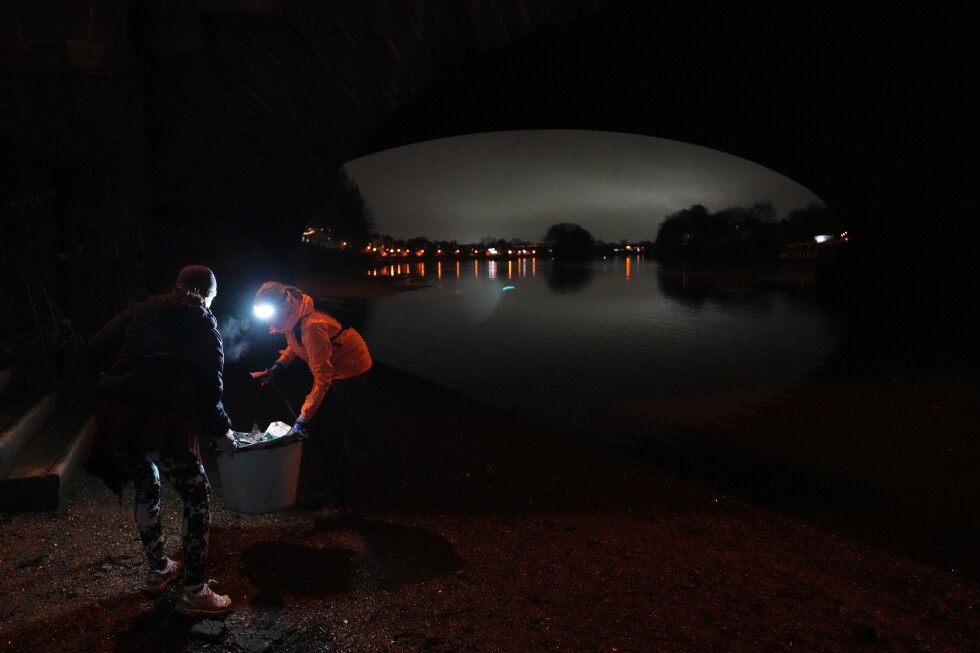
    On a recent evening in London, volunteers clad in running gear equipped with headlamps transformed a derelict parking lot rooftop into a vibrant community garden. These participants had jogged approximately one mile to reach the site, incorporating digging, squatting, and lifting into their weekly workout regimen. GoodGym’s mission centers on enabling UK residents to improve their physical fitness while contributing to their communities, eliminating the need for expensive gym memberships or equipment.

    Founded in 2007 by Ivo Gormley, the organization originated from a simple act of delivering newspapers to elderly residents through running. Dissatisfied with traditional gym environments, Gormley envisioned exercise that served practical purposes. What began with removing outdated posters in East London has expanded significantly, with GoodGym now boasting over 26,600 members across 67 locations in England and Wales, with plans to expand into Northern Ireland and Scotland.

    The COVID-19 pandemic prompted a strategic shift, with volunteers focusing on assisting isolated seniors through prescription deliveries and food distribution. Current activities range from clearing discarded Christmas trees and collecting plastic waste along the River Thames to planting fruit trees and assembling beds for homeless individuals.

    Research conducted by the London School of Economics suggests the combined approach yields enhanced mental health benefits. A two-year study led by Assistant Professor Christian Krekel examined 3,600 current and prospective members, documenting improvements across six dimensions of mental wellbeing. Participants reported reduced loneliness, increased life satisfaction, and stronger feelings of social connection compared to those engaged solely in either volunteering or physical exercise.

    The organization maintains accessibility as a core principle, with voluntary monthly donations and no attendance requirements. Regular participants emphasize the dual benefits of physical activity and social contribution, with many noting the particular advantage for women seeking safe evening exercise options during London’s dark winter months.

  • UAE pulls back from plan to manage Pakistan’s Islamabad airport: Report

    UAE pulls back from plan to manage Pakistan’s Islamabad airport: Report

    The United Arab Emirates has abruptly terminated negotiations to assume management operations at Islamabad’s primary airport, marking a significant setback for Pakistan’s aviation sector privatization efforts. According to a Friday report by The Express Tribune, the collapse follows months of stalled discussions after both parties had initially agreed upon a privatization framework in August 2025.

    The breakdown occurred primarily due to the UAE’s declining interest in the project and its failure to designate a local partner for operational outsourcing. While the report did not attribute political motivations to the withdrawal, it coincides with increasingly divergent Gulf foreign policies across South Asia. The development emerges against a backdrop of deepening defense cooperation between Pakistan and Saudi Arabia, contrasted by the UAE’s strengthening strategic partnership with India, Pakistan’s regional rival.

    Pakistan’s aviation sector presents considerable challenges for potential investors, plagued by a history of fatal accidents, licensing scandals, and outdated infrastructure. This abandonment deals another blow to a nation that once played pivotal roles in Middle Eastern aviation, including foundational support for Emirates Airlines during the 1980s. Meanwhile, Pakistan International Airlines, once an enviable carrier, has deteriorated into a perennial loss-maker recently acquired by a consortium led by Pakistani business magnate Arif Habib.

    The geopolitical dimensions extend beyond aviation, reflecting broader regional realignments. Saudi Arabia has reinforced its longstanding security relationship with Islamabad through a mutual defense pact signed in September 2025, with Turkey considering accession. Concurrently, the UAE has pursued enhanced defense and trade cooperation with India, including a substantial $3 billion liquefied natural gas agreement signed this week.

    Both Gulf nations have historically utilized financial assistance to advance strategic interests, though their approaches differ markedly. While the UAE moved swiftly to execute a $35 billion coastal development investment in Egypt in 2024, negotiations with Pakistan progressed slowly before ultimately collapsing. This divergence underscores how Gulf powers are increasingly pursuing distinct foreign policy objectives across South Asia and the Middle East.