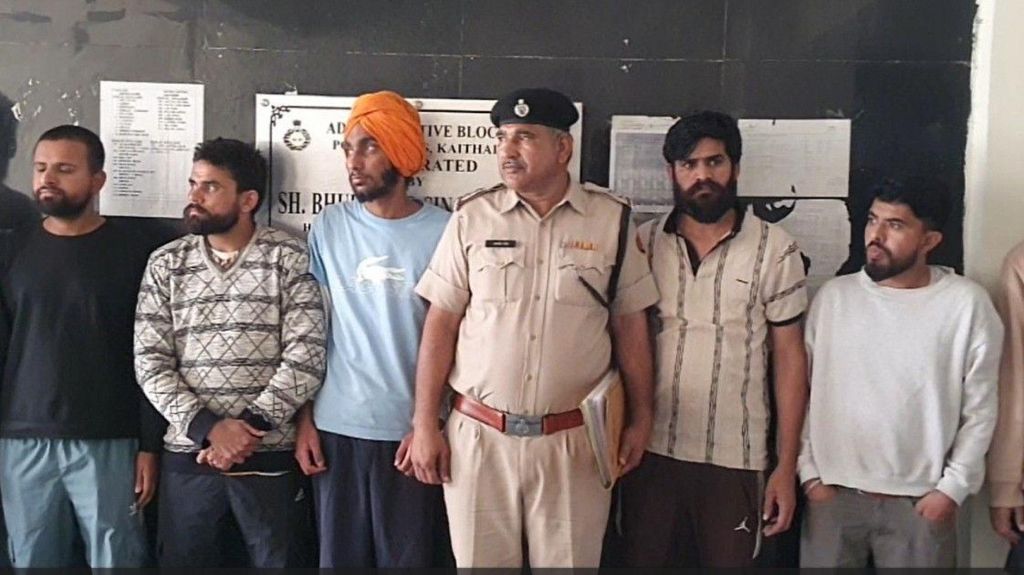
In a recent wave of deportations under the Trump administration’s intensified crackdown on illegal immigration, several Indian migrant workers have returned home with tales of hardship, humiliation, and broken aspirations. At least 54 men, aged between 25 and 40, arrived in Delhi on Sunday after being deported from the United States. Hailing from the northern state of Haryana, these individuals had entered the US via the notorious ‘donkey route,’ a perilous pathway often exploited by human traffickers to facilitate illegal border crossings. The Indian government has yet to comment on the deportations, which are part of a broader effort by the US to curb illegal immigration, with over 2,400 Indians deported this year alone. Many of these migrants, driven by the hope of a better life, sold land or took loans to fund their journeys, only to face arrest, detention, and eventual deportation. Among them is Harjinder Singh, a farmer who spent 3.5 million rupees to reach the US four years ago, working as a cook to support his family. ‘My hopes have been dashed,’ Singh lamented, recounting the humiliation he endured during the deportation process. Another deportee, Naresh Kumar, sold his land and paid 5.7 million rupees to agents, only to spend 14 months in US custody before being sent back. The ‘donkey route,’ also known as the ‘dunki route,’ involves treacherous journeys across multiple borders, often requiring migrants to endure dangerous treks through jungles and rely on various modes of transport. Despite the hardships, none of the deportees have filed formal complaints against the agents who arranged their journeys, though authorities have pledged to take action if complaints are received. The Indian government has emphasized its efforts to raise awareness about safe and legal migration, with Prime Minister Narendra Modi highlighting the vulnerability of young Indians lured by false promises. According to India’s foreign ministry, 2,417 Indians were deported from the US between January and September 2025. This recent wave of deportations has drawn attention to the plight of undocumented Indian immigrants, who constitute the third-largest group of undocumented immigrants in the US, after those from Mexico and El Salvador.
作者: admin
-
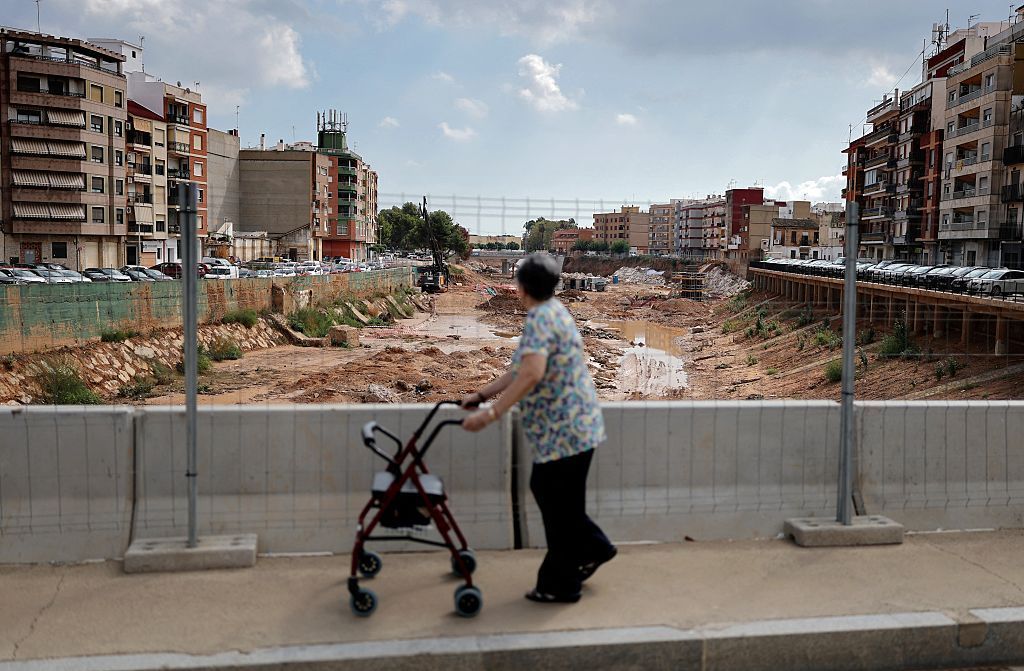
Angry Spaniards still demand answers a year after Valencia’s deadly floods
On 29 October 2024, eastern Spain was struck by catastrophic floods, known as the Dana, which claimed the lives of 237 people across the Valencia region and neighboring areas. The disaster, the worst of its kind in decades, left an indelible mark on communities such as Benetússer and Paiporta, where entire families were swept away by the torrential waters. Toñi García, a resident of Benetússer, tragically lost her husband, Miguel, and their 24-year-old daughter, Sara, when floodwaters engulfed their home’s basement. ‘They didn’t reach the garage door,’ she recalls, ‘because it was so much water, so many metres deep.’ A year later, the region continues to grieve, with a state memorial service attended by King Felipe VI and Prime Minister Pedro Sánchez. The emotional scars remain, particularly among children, with nearly a third still experiencing fear of rain and loud noises, according to Save the Children. Despite significant progress in reconstruction, questions linger about the handling of the crisis. The regional government’s delayed emergency alarm, issued after 20:00 on the day of the floods, has drawn widespread criticism. Regional President Carlos Mazón’s actions during the disaster, including a lengthy lunch with a journalist, have fueled public outrage. Tens of thousands protested in Valencia, demanding his resignation. Mazón, supported by the far-right Vox party, has defied calls to step down, blaming the central government for insufficient support. A judicial inquiry into possible negligence is ongoing, with Mazón set to face a parliamentary commission later this month. As Valencia rebuilds, the threat of future weather events looms large, prompting calls for improved preparedness and resilience.
-

Tight race in Dutch election as anti-Islam populist Wilders’ hope of power declines
The Netherlands is on the brink of a pivotal election as Geert Wilders’ anti-Islam Freedom Party (PVV) faces a fierce challenge from left-leader Frans Timmermans and liberal Rob Jetten. Despite Wilders’ victory in the 2023 elections, his prospects of forming a government appear slim this time around. Opinion polls indicate a decline in his support, with Dutch voters grappling with pressing issues such as a chronic housing shortage, rising living costs, and overcrowded asylum centers. Unlike the previous election, Wilders’ rivals are refusing to collaborate with him after he dissolved his own coalition government in June 2024. The election, which commenced at 07:30 local time on Wednesday, is marked by uncertainty, with over a third of voters undecided. Analysts suggest that the second-place finisher could play a decisive role in forming the next government, likely from the center-left or center-right. Wilders’ controversial stance on immigration and Islam, coupled with internal party issues, has alienated both radical and moderate voters. Meanwhile, Timmermans and Jetten have prioritized addressing the housing crisis, with promises of significant construction projects. Unemployment, though low by European standards, has risen to 4%, the highest in four years, fueling voter anxiety. As the Dutch electorate seeks stability, the election outcome could signal a shift away from populism towards more traditional governance.
-
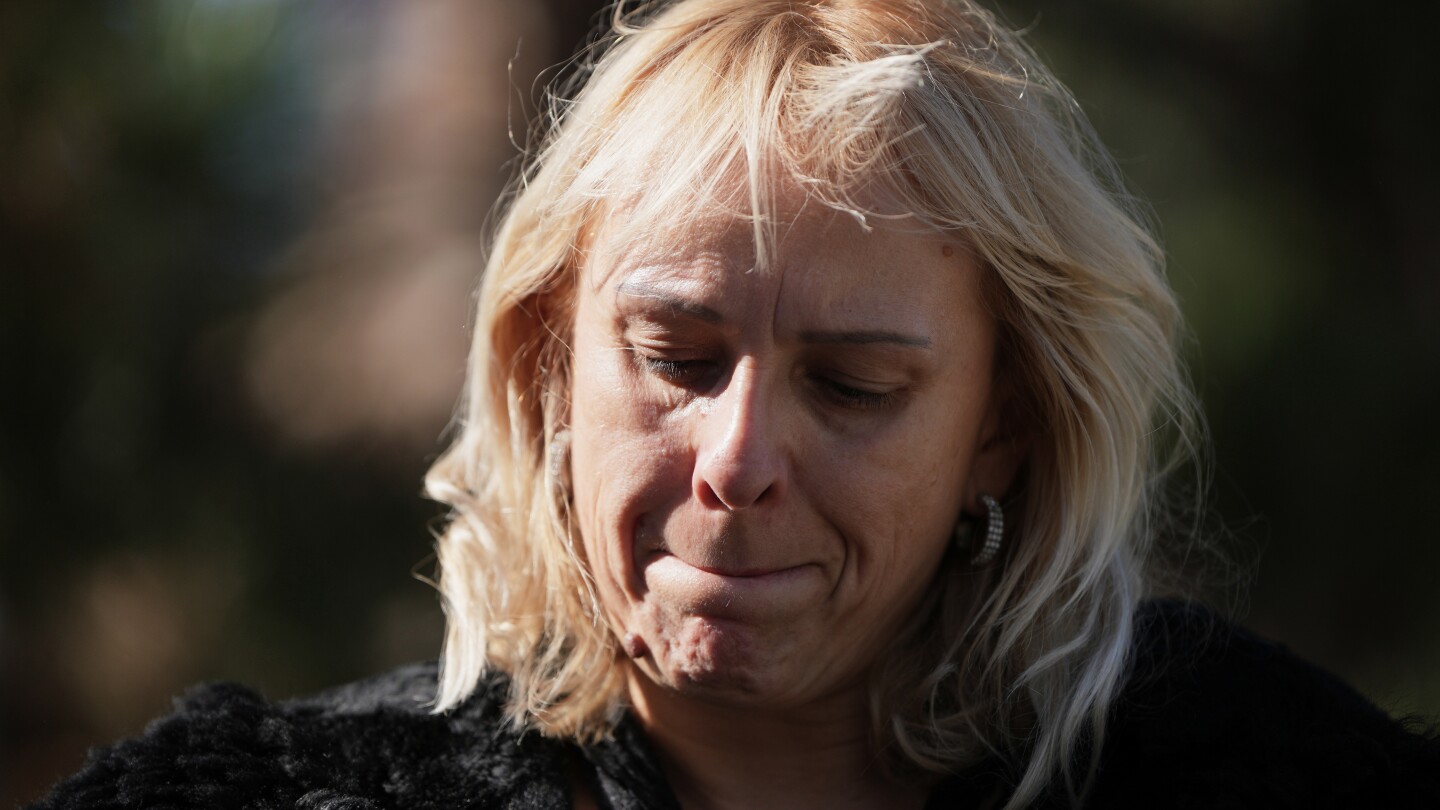
A defiant mother seeks justice for Serbian train station collapse that killed her son and 15 others
BELGRADE, Serbia — Dijana Hrka’s life was irrevocably altered on November 1 last year when a catastrophic partial building collapse at a train station in Serbia’s northern city of Novi Sad claimed the life of her 27-year-old son, Stefan, along with 15 others. The tragedy, which also left one woman severely injured, has since ignited widespread anti-government protests across the country, challenging the autocratic rule of President Aleksandar Vucic. Hrka, 47, has emerged as a vocal advocate for justice, joining tens of thousands of protesters demanding accountability for the lives lost and an end to systemic corruption in construction and governance. The protests, which have rattled Vucic’s administration, are set to intensify on the first anniversary of the disaster. Authorities have yet to address the underlying grievances, with discontent simmering over the government’s crackdown on dissent, including detentions and job losses. Hrka, who has faced threats for her activism, remains resolute, drawing strength from the youth-led movement. “Once you lose what is dearest to your heart, you lose fear,” she said. The anniversary protest aims to pressure Vucic to call for early parliamentary elections and ensure those responsible for the collapse face justice. While prosecutors have charged 13 individuals, including engineers and officials, skepticism remains about the transparency of the judicial process. The protest, though intended as a peaceful commemoration, carries the risk of violence, given previous clashes between police and demonstrators. Amid the tension, university students have embarked on a cross-country trek to Novi Sad, symbolizing unity and resilience. Hrka’s unwavering determination and the youth’s activism continue to challenge the status quo, keeping the memory of the victims alive and demanding systemic change.
-
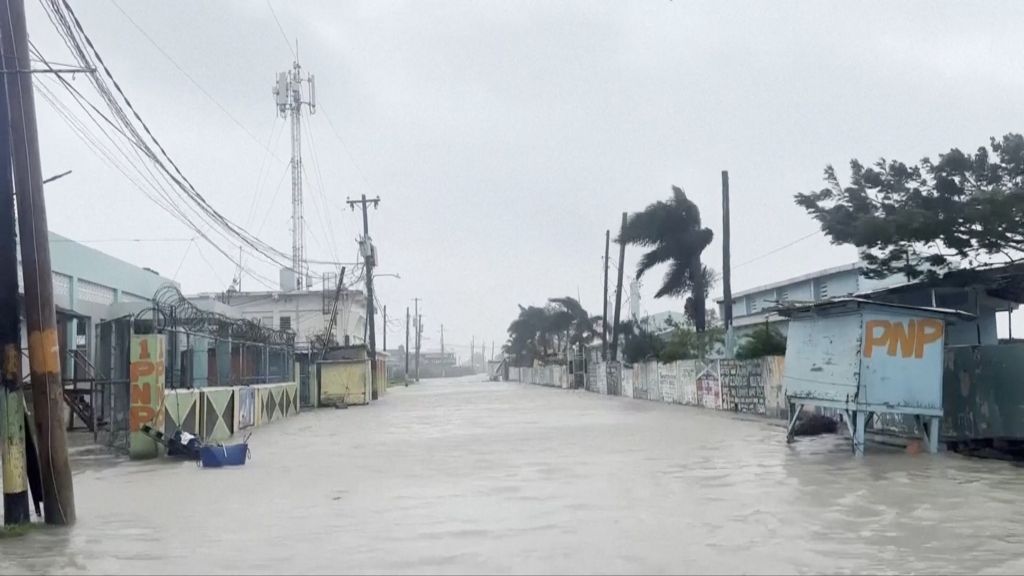
Floods hit Jamaica as Hurricane Melissa leaves trail of destruction
Jamaica is reeling from unprecedented devastation as Hurricane Melissa, the most powerful storm to strike the Caribbean nation in recorded history, has left a trail of destruction in its wake. The hurricane’s ferocious winds and torrential rains have triggered widespread flooding, submerging communities, displacing thousands, and crippling infrastructure. Emergency response teams are working tirelessly to rescue stranded residents and provide essential aid, while the government has declared a state of emergency to mobilize resources. The storm’s impact has been particularly severe in coastal regions, where rising waters have inundated homes and businesses. Meteorologists warn that the aftermath of Hurricane Melissa could have long-term repercussions for Jamaica’s economy and environment, as the nation faces the daunting task of rebuilding and recovery. This catastrophic event underscores the growing threat of extreme weather phenomena linked to climate change, prompting calls for enhanced disaster preparedness and resilience measures in vulnerable regions.
-

Germany to give more than $1 billion for Holocaust survivors’ home care in 2026
In a landmark decision, Germany has pledged an additional $1.076 billion (923.9 million euros) to fund home care for Holocaust survivors globally in the coming year. This significant allocation, negotiated with Germany’s finance ministry, marks the largest budget ever dedicated to supporting frail and vulnerable Holocaust survivors through the New York-based Conference on Jewish Material Claims Against Germany, also known as the Claims Conference. Gideon Taylor, the organization’s president, emphasized that the funding addresses the increasingly complex needs of aging survivors, many of whom are now in their late 80s and facing severe health challenges. The average age of survivors receiving care has risen from 86 in 2018 to 88.5 in 2024, with a notable increase in disabilities such as Alzheimer’s, Parkinson’s, and dementia. Additionally, the Hardship Fund Supplemental payments, which provide €1,450 annually to eligible survivors, have been extended through 2028, benefiting over 127,000 individuals globally. The Claims Conference also announced that non-Jewish rescuers who saved Jewish lives during the Holocaust will now be eligible for similar home care services, ensuring they can live their final years with dignity. Colette Avital, a Holocaust survivor and member of the Claims Conference delegation, praised Germany’s continued commitment to survivors and rescuers, stating that it reflects a profound sense of responsibility. Furthermore, Holocaust education funding has been extended through 2029, with €175 million allocated to initiatives such as teacher training, academic research, and innovative mediums like film, gaming, and virtual reality. Greg Schneider, the Claims Conference’s executive vice president, stressed the urgency of investing in Holocaust education while survivors are still alive to share their testimonies, calling it a moral obligation to both survivors and the six million who perished.
-
Cyclone Montha weakens after battering India’s eastern coast with rain and wind
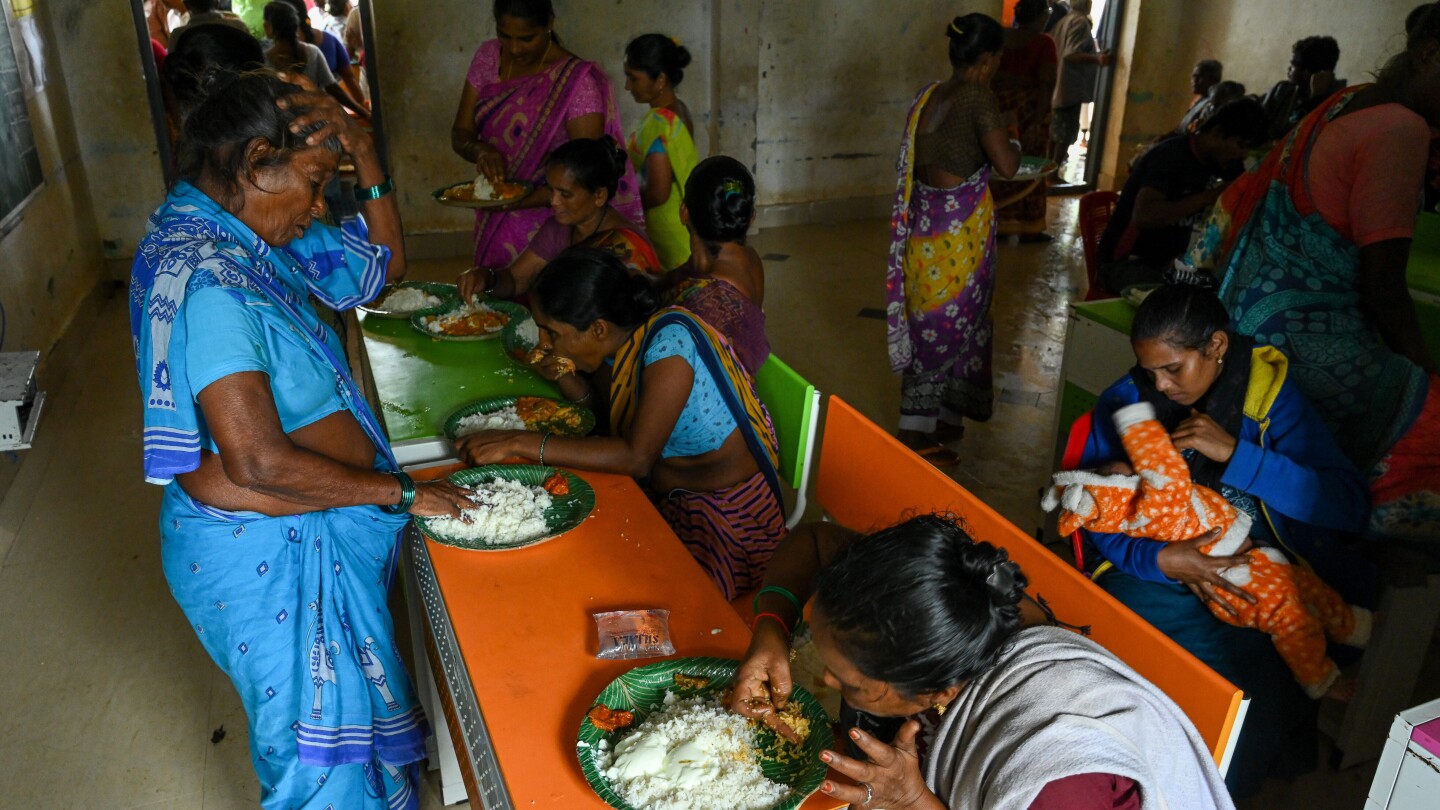
Cyclone Montha, which recently wreaked havoc along India’s eastern coastline, has begun to weaken, according to the latest updates from the Indian Meteorological Department. The storm, which made landfall near the port city of Kakinada in Andhra Pradesh late Tuesday night, brought torrential rains and gusty winds, uprooting trees, damaging infrastructure, and causing significant flooding in low-lying areas. Initial reports indicated sustained winds of up to 100 kph (62 mph), though these have since diminished to 83 kph (52 mph) as the storm moved inland. The cyclone, named by Thailand after a fragrant flower, also triggered a storm surge of up to 10 feet (3 meters) in Kakinada and surrounding regions. While authorities have yet to confirm any fatalities, local media reported one death caused by a fallen tree. Tens of thousands of residents from vulnerable areas in Andhra Pradesh and Odisha had been evacuated to relief camps prior to the storm’s arrival, showcasing India’s improved disaster preparedness in recent years. Moderate to heavy rains are expected to persist in parts of Andhra Pradesh, Odisha, Telangana, and Chhattisgarh until Thursday. India’s eastern coast has historically been prone to cyclones, but climate scientists warn that the frequency and intensity of such storms are increasing due to global warming, posing greater risks to the region.
-

Dutch voters head to polls in a knife-edge election focused on housing and Wilders
The Netherlands is witnessing a pivotal moment as voters cast their ballots in a tightly contested general election on Wednesday. The campaign has been dominated by pressing issues such as migration, a housing crisis, and the potential collaboration with Geert Wilders, the controversial anti-Islam lawmaker whose Party for Freedom (PVV) secured a surprising victory two years ago. This election unfolds against a backdrop of heightened polarization and recent violence, including clashes at anti-immigration rallies and protests against new asylum-seeker centers across the country. Polls indicate that Wilders’ PVV, advocating for a complete halt to asylum-seekers entering the Netherlands, remains a frontrunner. However, moderate parties are gaining ground, and pollsters warn that many voters may decide their choice at the last minute. Voting stations, ranging from city halls to historic landmarks like the Anne Frank House, opened at 7:30 a.m. and will close at 9 p.m., with exit polls expected shortly after. The election’s outcome will shape the formation of a coalition government, as the Dutch proportional representation system ensures no single party can govern alone. Mainstream parties have largely ruled out working with Wilders, citing his role in destabilizing the previous coalition over migration policies. Leaders like Rob Jetten of the center-left D66 and Frans Timmermans of the Labor-Green bloc have criticized Wilders’ divisive rhetoric, emphasizing the need for constructive solutions to migration challenges. Wilders, meanwhile, defends his record, blaming other parties for obstructing his agenda. The election could also mark the decline of the New Social Contract party, which faces potential obliteration after joining the outgoing coalition with Wilders and losing its popular leader, Pieter Omtzigt, earlier this year.
-
Singapore faces pressure to reveal carbon tax concessions to oil giants
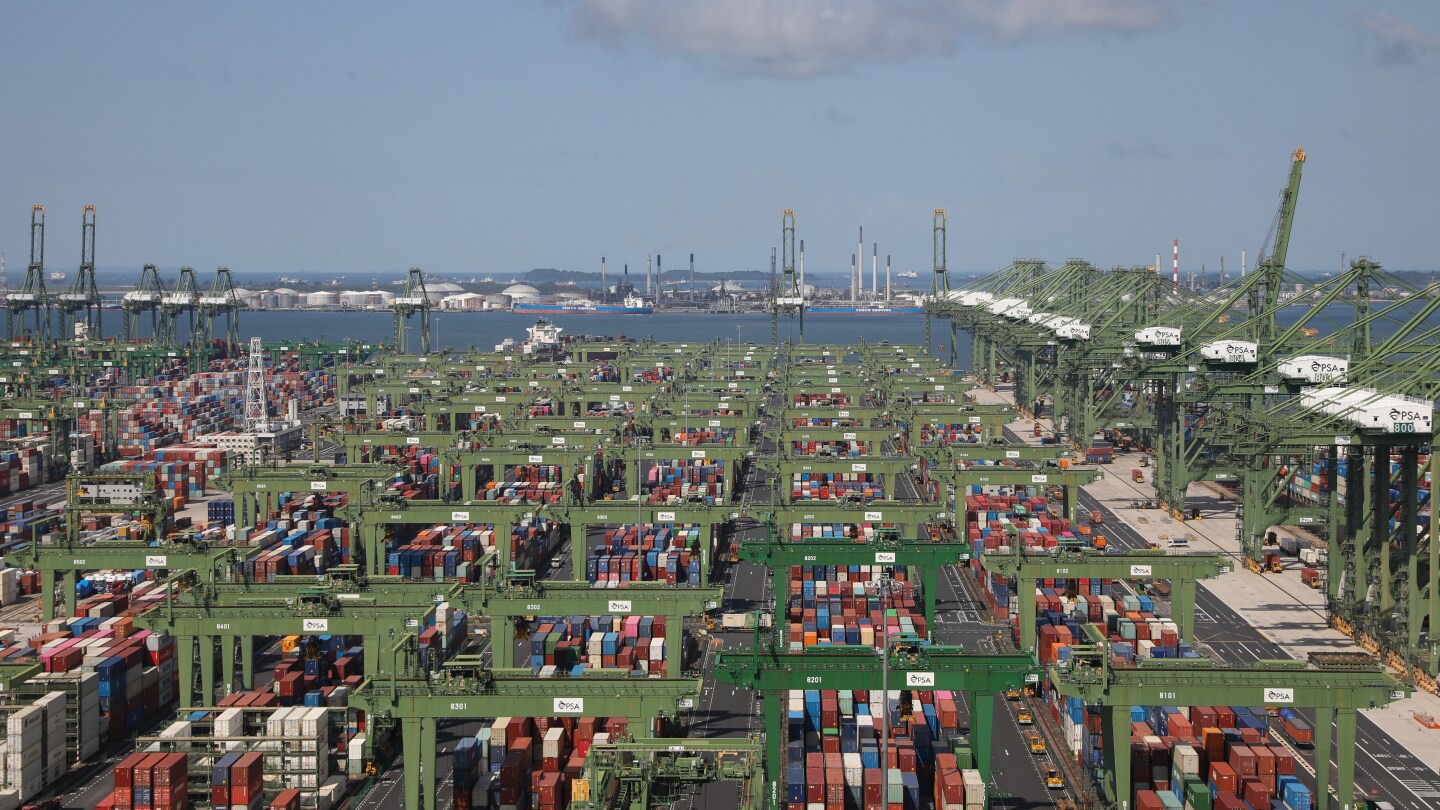
Singapore, a pioneer in Southeast Asia with its carbon tax policy, is facing growing scrutiny over concessions granted to major polluters. Environmentalists argue that these tax breaks could weaken the incentive for industries to transition to cleaner energy. Conservation groups are demanding more transparency from the government regarding the discounts awarded to corporations under the National Climate Change Secretariat (NCCS). While Singapore accounts for only 0.1% of global carbon emissions, its per capita emissions rank 27th out of 142 countries, highlighting the urgency of effective climate action. The carbon tax, introduced in 2019, is set to increase gradually, reaching 45 Singapore dollars ($34.70) per metric ton by 2026 and 50-80 Singapore dollars ($40-$60) by 2030. However, the NCCS has withheld detailed data on emissions reductions, citing concerns over corporate confidentiality. Critics argue that transparency is essential to assess the policy’s effectiveness and ensure accountability. The tax burden primarily falls on global energy giants like ExxonMobil, Shell, and Chevron, which operate significant refining facilities in Singapore. Local environmental groups warn that the costs may trickle down to households through higher utility rates, disproportionately affecting vulnerable populations. The push for greater transparency coincides with global challenges to carbon tax momentum, particularly due to the U.S. administration’s opposition to such measures. Singapore’s leadership in climate policy is seen as a critical example for the region, but its success hinges on balancing corporate interests with public accountability.
-
Polls open in Tanzania as ruling party seeks to extend decades in power
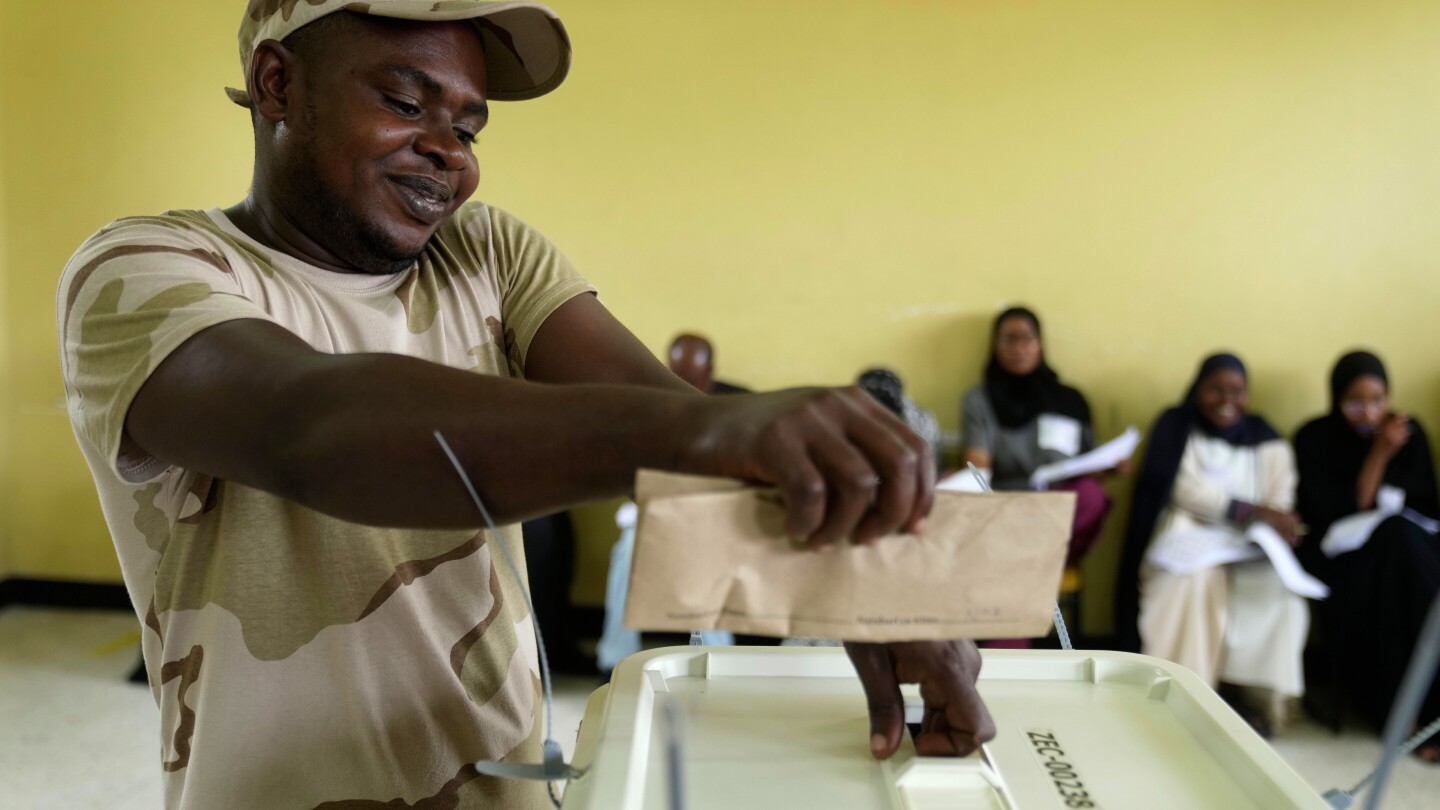
Polling stations across Tanzania opened on Wednesday for a highly contentious election, marked by widespread concerns from human rights organizations and the detention of key opposition figures. President Samia Suluhu Hassan, representing the long-ruling Chama Cha Mapinduzi (CCM) party, is vying for her second term. The CCM has dominated Tanzanian politics since the country’s independence in 1961. Voting commenced at 7:00 a.m. local time and is set to conclude at 4:00 p.m., with preliminary results anticipated within 24 hours. However, the electoral commission retains up to seven days to declare the final outcome. The election has been overshadowed by the imprisonment of Tundu Lissu, leader of the main opposition party CHADEMA, who faces treason charges for advocating electoral reforms. Additionally, the candidate from the second-largest opposition party was disqualified from running. Amnesty International has raised alarms about the pre-election environment, citing verified instances of enforced disappearances, arbitrary arrests, and extrajudicial killings. The rights group contends that these alleged abuses by security forces have severely undermined the election’s legitimacy. Despite a 26% increase in registered voters since 2020, analysts predict low voter turnout due to widespread apathy and the perception that Hassan’s victory is inevitable. CHADEMA has called for protests on election day, further heightening tensions.