
As Hong Kong singer Pakho Chau celebrates his 40th birthday, he is not only expanding his career within the Guangdong-Hong Kong-Macao Greater Bay Area but also embarking on a transformative life journey. In a recent interview, Chau shared his personal story and reflected on the evolution of Cantopop, a genre that has shaped his musical identity. Chau’s career, which began in the early 2000s, has seen him rise to prominence in the Cantopop scene, known for his emotive ballads and dynamic performances. Now, as he steps into a new decade, Chau is exploring opportunities beyond music, including ventures in the Greater Bay Area, a region rapidly becoming a cultural and economic hub. His reflections on Cantopop highlight the genre’s resilience and adaptability, evolving with the times while maintaining its unique identity. Chau’s journey serves as an inspiration to many, demonstrating the power of reinvention and the enduring appeal of Cantopop.
作者: admin
-

Vivian Kong on National Games: ‘showcasing our city to the world’
At the Greater Bay Area Conference 2025, Hong Kong’s renowned fencing champion, Vivian Kong Man-wai, expressed her aspirations for the upcoming National Games. Kong emphasized her hope that the event would not only bring joy and health to participants but also serve as a platform to highlight the unique charm of Hong Kong to a global audience. She encouraged everyone to embrace the spirit of sportsmanship, find happiness in their passion for sports, and take pride in representing their city on an international stage. Kong’s remarks underscored the significance of the National Games as both a celebration of athletic excellence and an opportunity to promote cultural and urban pride.
-

Sharjah schools urged to involve parents early for better child development
Educational experts and officials in Sharjah have underscored the importance of early parental involvement in addressing students’ behavioral and academic challenges. Speaking at a panel titled “Family and Education… A Partnership to Shape the Future” during the Sharjah International Book Fair (SIBF 2025), they highlighted the critical role of collaboration between schools and families in fostering children’s wellbeing and success. The session, organized by the Sharjah Emirate Advisory Council, featured insights from members of the Sharjah Consultative Council (SCC), sociologists, and education specialists. Dr. Alaa Al Taie, Associate Professor of Sociology at the University of Sharjah, emphasized that a child’s emotional expression and resilience are rooted in their home environment, but schools must proactively identify and address early signs of difficulties. “Schools should engage families at the first indication of a problem, not when it’s too late. Parental involvement is essential for resolving issues effectively,” she stated. Dr. Ahmed Saleh Al Naqbi, a member of the Sharjah Consultative Council, stressed the need for transparency between schools and parents, warning that withholding information out of hesitation or fear can exacerbate risks. “Early dialogue helps us prevent rather than react,” he said. Saeed Matar Al Tuniji, Chairman of the Family Affairs Committee at the SCC, added that such collaboration lays the foundation for future generations. “We are shaping individuals who can face life’s challenges. Families, educators, and the media must work together,” he noted. Al Tuniji also addressed the impact of technology and artificial intelligence on children, urging schools and parents to guide students in safe and balanced usage. The 44th edition of the Sharjah International Book Fair, themed “Tales of Letters,” continues to promote reading, education, and cross-disciplinary dialogue, featuring over 2,000 publishers and numerous sessions with global experts. To enhance accessibility, the Sharjah Book Authority (SBA) has expanded transport services in coordination with the Dubai Roads and Transport Authority (RTA), introducing new bus and marine routes connecting Dubai, Sharjah, and Ajman to the Expo Centre Sharjah.
-

Ancient boats, blue Qurans: How UAE’s National Museum is building future for its past
The Zayed National Museum, set to open on December 3, 2025, on Saadiyat Island, promises to redefine the museum experience by integrating sight, sound, and scent into its permanent exhibits. Designed as one of the first national museums globally to offer such a multi-sensory journey, it aims to immerse visitors in the UAE’s rich history and cultural heritage, rooted in the values of the late Sheikh Zayed bin Sultan Al Nahyan. The museum’s director, Dr. Peter Magee, emphasizes that it is not just a repository of artefacts but a living space for learning, reflection, and a sense of belonging. Visitors will traverse Al Masar Garden, a 600-meter outdoor gallery that connects desert, oasis, and urban landscapes, before exploring six permanent galleries housing over 1,500 objects. Interactive features like “smart glass” technology, large-scale projections, and cinematic soundscapes enhance the experience. The Through Our Nature gallery, for instance, uses a seven-screen immersive environment to envelop visitors in the UAE’s natural landscapes, from desert winds to sea rhythms. Children can engage with transparent interactive screens to explore native flora and fauna. The museum also pioneers conservation efforts, including the reconstruction of a 4,000-year-old Magan Boat using traditional techniques and modern science. Other highlights include the preservation of the ninth-century Blue Qur’an and the 8,000-year-old Abu Dhabi Pearl. Through the Zayed National Museum Research Fund, the institution supports archaeological and historical research, fostering local expertise and reshaping understanding of the UAE’s past. The museum will also host temporary exhibitions, performances, workshops, and youth programs, extending its reach to schools and communities nationwide. Dr. Magee describes the opening as a defining moment for Abu Dhabi and the UAE, a realization of a national vision to connect generations with the nation’s history and enduring values.
-
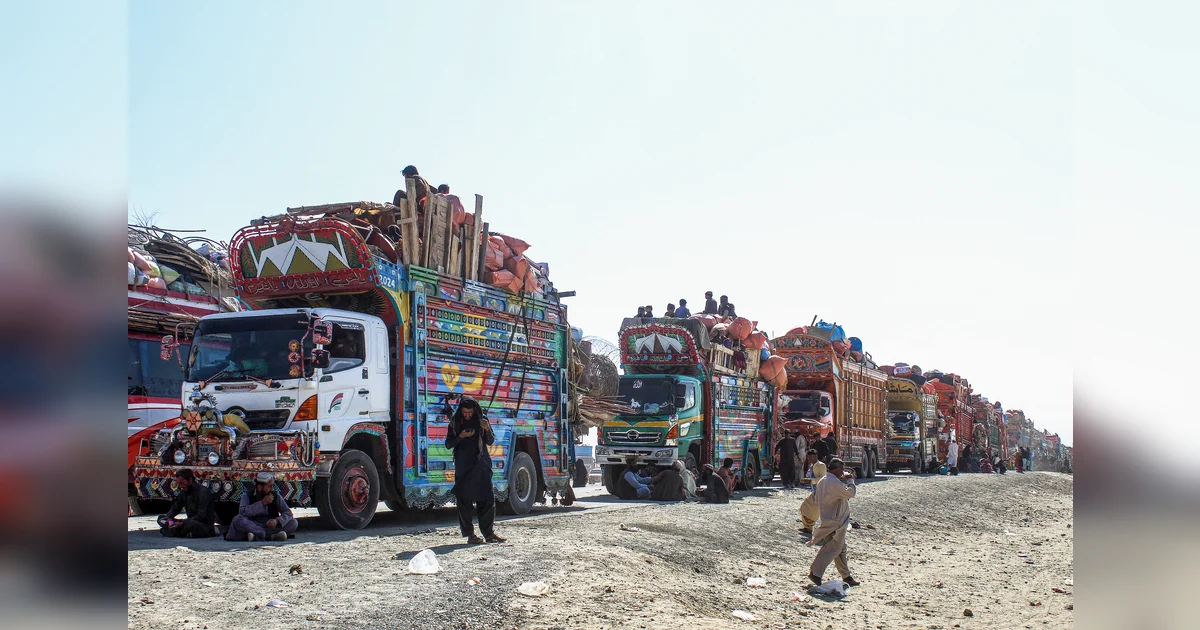
The frontier at the heart of Pakistan-Afghanistan tensions
The longstanding border dispute between Pakistan and Afghanistan, centered on the Durand Line, has reignited tensions between the two nations. The Taliban-led Afghan administration refuses to recognize the 2,600-kilometer border, labeling it as ‘imaginary,’ while Pakistan asserts its international legitimacy. The Durand Line, established in the late 19th century by British diplomat Sir Mortimer Durand, divides Pashtun communities and separates Afghanistan from the sea. Despite Islamabad’s efforts to fortify the border with trenches and fencing, Kabul has consistently condemned these measures. The porous border facilitates both informal crossings and vital trade, with Pakistan being Afghanistan’s largest trading partner. However, recent closures have resulted in significant economic losses, estimated at $50 million since October 12, 2025. Security concerns have escalated since the Taliban’s return to power in 2021, with Pakistan accusing Afghanistan of harboring armed groups, including the Pakistani Taliban (TTP). In December 2024, Pakistani airstrikes in Afghanistan’s Paktika province, targeting alleged terrorist hideouts, reportedly killed nearly 50 people. The Taliban denies these accusations and rejects the border as a colonial relic. Recent clashes in October 2025, which began with explosions in Kabul, led to over 70 deaths and hundreds of injuries. A fragile ceasefire brokered by Turkey and Qatar has temporarily halted violence, but negotiations in Istanbul have yet to yield a lasting agreement. Talks are set to resume, with both sides warning that failure to reach a deal could reignite conflict.
-

Trump unveils deals to lower US weight-loss drug prices
In a significant move to address the rising costs of pharmaceuticals, US President Donald Trump has announced agreements with major drug manufacturers Eli Lilly and Novo Nordisk to reduce the prices of popular weight-loss medications. The deals, unveiled at the White House, aim to make obesity treatments more affordable for Americans, particularly those enrolled in Medicare and Medicaid. Under the new arrangements, consumers will pay between $245 and $350 per month for drugs like Wegovy and Zepbound, which are part of the GLP-1 class of medications used to treat diabetes and obesity. Without insurance, these drugs often cost over $1,000 monthly. The agreements will expand access to these medications for Medicare beneficiaries, with an estimated 10% eligible to pay just $50 per month. Medicaid enrollees will see phased access based on state participation. Additionally, Eli Lilly will benefit from a three-year tariff exemption as part of the deal. The Trump administration has also launched TrumpRx, a government-run website set to debut by January, where these drugs will be sold at discounted prices. Wegovy and Zepbound will initially cost $350 per month on average, dropping to $250 within two years. Eli Lilly’s orforglipron will be priced at $149 for the lowest dose, while Zepbound will start at $299, pending FDA approval. Health Secretary Robert F. Kennedy Jr. emphasized the importance of these agreements in combating obesity, which he termed the leading driver of chronic disease in the US. However, he stressed that medication alone is not a cure-all, advocating for lifestyle changes like diet and exercise. This initiative follows months of negotiations and pressure from the Trump administration, which has already secured similar deals with Pfizer, AstraZeneca, and EMD Serono.
-
Musk’s Starlink to start Internet services in India
Elon Musk’s Starlink is set to revolutionize internet connectivity in India, with Maharashtra becoming the first state to roll out the service. The announcement, made by Chief Minister Devendra Fadnavis on X, marks a significant step in India’s digital transformation. Starlink, which utilizes low-orbit satellites to deliver high-speed internet to remote areas, has already sparked intense discussions around predatory pricing and spectrum allocation. India, projected to surpass 900 million internet users by the end of the year, granted Starlink a license in June. Major telecom providers Jio Platforms and Bharti Airtel have also partnered with SpaceX to integrate Starlink into their offerings. Lauren Dreyer, Starlink’s VP of Business Operations, expressed enthusiasm for advancing India’s digital vision, particularly in connecting schools and medical facilities in underserved regions. This move aligns with a broader trend of global tech giants expanding their footprint in India, including Google’s $15 billion investment in AI infrastructure and Anthropic and OpenAI’s plans to establish offices in the country.
-
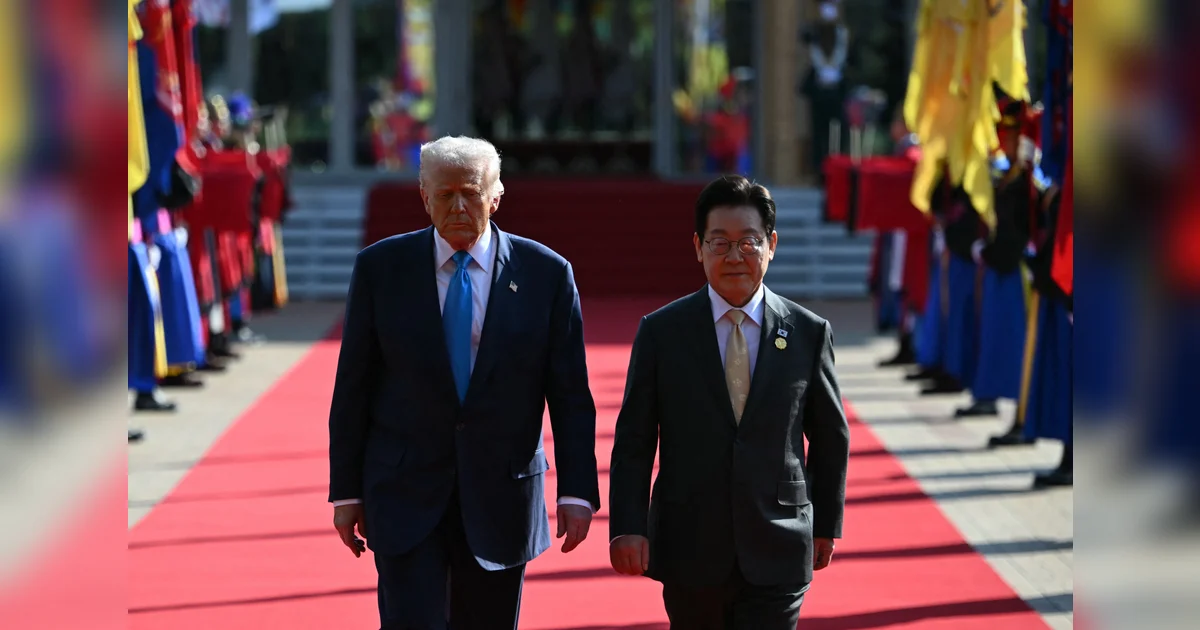
South Korean officials question feasibility of building nuclear submarine in US shipyard
South Korean officials have raised doubts about the feasibility of constructing a nuclear-powered submarine in a US shipyard, following US President Donald Trump’s recent social media announcement. Trump stated last week that he had approved South Korea’s request to build such a submarine, specifying it would be constructed at the Philadelphia shipyard. However, Prime Minister Kim Min-seok clarified during a parliamentary hearing on Thursday that the South Korean-owned Philly Shipyard currently lacks the capability to undertake such a project. This statement comes after Trump’s post on Truth Social, where he responded to South Korean President Lee Jae Myung’s request for nuclear fuel to power submarines equipped with conventional weapons. Defence Minister Ahn Gyu-back further emphasized that it would be more logical to build the submarines in South Korea, given the nation’s advanced shipbuilding expertise. South Korea is home to leading shipbuilders like Hanwha Ocean, which owns the Philly Shipyard but has declined to comment on the matter. US Defence Secretary Pete Hegseth assured that the Trump administration would collaborate with relevant departments to fulfill the commitment, emphasizing the president’s desire for strong alliances.
-
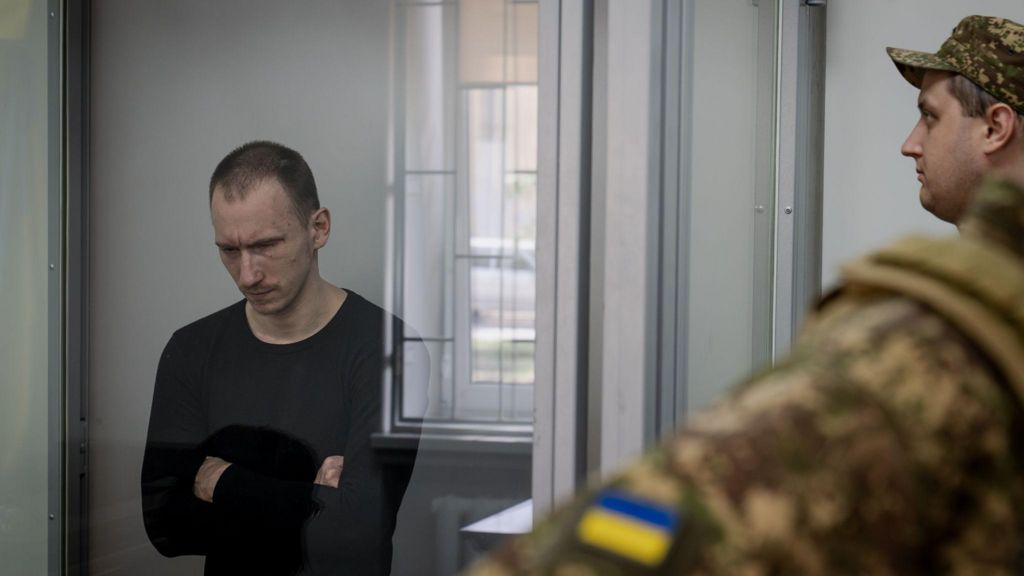
Russian soldier sentenced to life in jail in unprecedented Ukrainian trial
In a landmark ruling, a Ukrainian court has sentenced 27-year-old Russian soldier Dmitry Kurashov to life imprisonment for the execution of a Ukrainian prisoner of war, marking the first such sentence handed down since the conflict began. Kurashov was found guilty of fatally shooting 41-year-old Ukrainian veteran Vitalii Hodniuk, who had surrendered after being captured in the Zaporizhzhia region on January 6, 2024. The court determined that Kurashov acted on orders from his commanders, who had instructed troops not to take Ukrainian soldiers captive. Evidence, including expert reports, witness testimonies, and video footage, confirmed the deliberate nature of the killing. During the trial, it was revealed that Hodniuk had emerged unarmed from a dugout with his hands raised, only to be shot point-blank by Kurashov. Kurashov initially pleaded guilty but later retracted his confession, claiming he had done so to expedite a potential prisoner swap. He alleged that a Russian medic, who later died, was responsible for the shooting. However, testimonies from other members of his unit contradicted his account, stating that Kurashov was the only person present when the gunshots were heard. Kurashov’s lawyer argued that he was following orders, while the prosecutor emphasized his lack of remorse. The case highlights the broader issue of Russian prisoners being recruited to fight in Ukraine, often in poorly trained penal units like Storm V, which are deployed in high-casualty assaults. Ukrainian intelligence has documented over 150 cases of battlefield executions of POWs by Russian forces since the invasion began in 2022, with Ukrainian officials describing these acts as part of a systematic policy. While Ukrainian forces have also faced accusations of executing Russian POWs, such reports are significantly fewer in number.
-
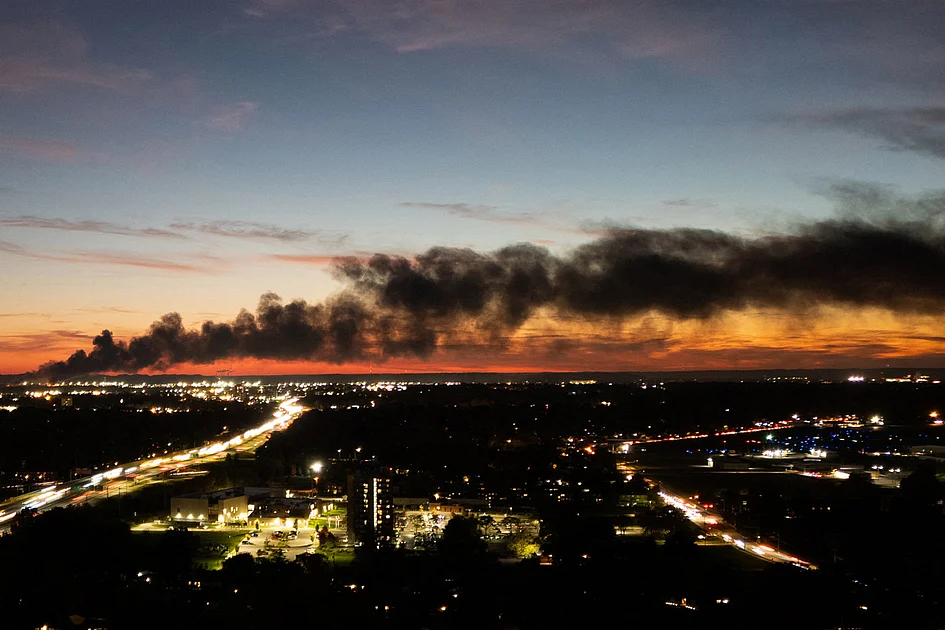
Engine fell off US cargo plane before deadly crash; death toll rises to 12
A catastrophic cargo plane crash in Kentucky has claimed the lives of 12 individuals, with investigators attributing the disaster to an engine fire and detachment during takeoff. The McDonnell Douglas MD-11, operated by UPS and en route to Hawaii, crashed shortly after departing from Louisville Muhammad Ali International Airport on Tuesday evening. The aircraft exploded into flames upon impact, devastating nearby businesses and leaving a fiery debris field nearly half a mile long. Louisville Mayor Craig Greenberg expressed profound sorrow over the rising death toll, while Kentucky Governor Andy Beshear described the incident as ‘heartbreaking’ and ‘unimaginable.’
The National Transportation Safety Board (NTSB) has launched a comprehensive investigation, with preliminary findings from airport footage revealing the left engine detaching during the takeoff roll. The flight data recorder and cockpit voice recorder, commonly known as black boxes, have been identified and will be sent to Washington for detailed analysis. The crash, reportedly the deadliest in UPS’s history, has prompted the company to suspend package sorting operations at its Louisville facility, which serves as its primary hub.
The aircraft, carrying approximately 38,000 gallons of fuel, narrowly avoided a major Ford assembly plant, averting an even greater catastrophe. Aerial footage of the crash site depicted a trail of debris and firefighters battling intense flames. The NTSB confirmed the plane was built in 1991 and later converted into a cargo aircraft. Boeing, which merged with McDonnell Douglas in 1996, has offered technical assistance to the NTSB. The incident has reignited concerns about the US air traffic control system, already strained by staffing shortages and aging equipment, following a series of fatal aviation accidents in recent years.