
North Korea’s women’s U-17 football team has once again proven its dominance on the global stage, securing their third World Cup title with a resounding 3-0 victory over the Netherlands in Morocco. This triumph marks their second consecutive win in the U-17 Women’s World Cup and their fourth overall, following their success in the same tournament just a year ago. The team’s performance was nothing short of spectacular, scoring a record-breaking 25 goals while conceding only three throughout the competition. Their flawless run included victories in all seven matches, showcasing their unparalleled skill and teamwork. The victory has been celebrated extensively by North Korea’s state media, with the Rodong Sinmun newspaper highlighting the players’ pride in representing their nation. The win is seen as a significant morale booster for the country, which often faces international scrutiny for its political actions. Analysts suggest that North Korea’s investment in youth sports, particularly football, is a strategic move to project a positive image globally. The country’s rigorous training programs for young athletes have been credited with producing world-class talent, as evidenced by their consistent success in international competitions. While the men’s team struggles to make an impact, the women’s team continues to shine, currently ranked 10th globally and poised as strong contenders for the upcoming Women’s Asian Cup in Australia. The Netherlands’ coach, Olivier Amelink, acknowledged the North Korean team’s superiority, stating that the skill gap was too vast to overcome. North Korea’s Yu Jong Hyang emerged as the tournament’s standout player, earning both the Golden Boot and Golden Ball awards for her exceptional performance. This victory not only cements North Korea’s status as a powerhouse in women’s youth football but also serves as a source of national pride and inspiration.
作者: admin
-

Why you’re your own best crisis manager in the world of Crypto
In the ever-turbulent realm of cryptocurrency, self-reliance emerges as the ultimate crisis management tool. Drawing inspiration from Reese Witherspoon’s advocacy for female agency in cinema, this narrative explores the parallels between personal empowerment and navigating the unpredictable crypto markets. Last week’s market downturn, which rattled even the most seasoned investors, served as a pivotal moment for one crypto enthusiast. Initially seeking reassurance from a male-dominated Telegram group, she found only silence and pessimism. This prompted her to take decisive action, selling a portion of her holdings not out of fear, but to strategically capitalize on the dip. Although the market stabilized sooner than expected, the experience underscored a profound lesson: the importance of trusting one’s instincts and taking ownership of financial decisions. The author reflects on her past tendency to seek external validation, a habit she now recognizes as counterproductive. Instead, she advocates for self-education, resilience, and the courage to make independent choices. This philosophy aligns with the ethos of the crypto community, which champions decentralization and personal sovereignty. A subsequent emergency call with a women’s crypto group reinforced this mindset, as participants collectively affirmed their commitment to their investments and beliefs. The author concludes with a forward-looking perspective, embracing the challenges and opportunities of a nascent financial system while vowing to rely solely on her own judgment moving forward.
-
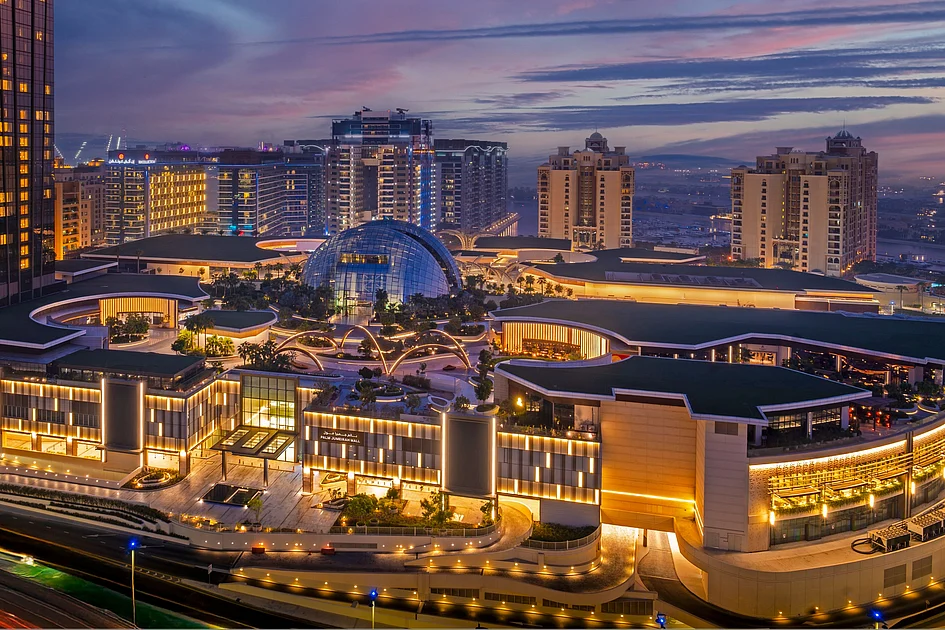
Inside Dubai’s skyrocketing ‘Mall Economy’ and what’s fuelling it
Dubai’s mall economy is experiencing an unprecedented boom, defying global trends where traditional malls struggle against e-commerce. The UAE’s retail landscape is undergoing a transformative phase, with new developments and ambitious refurbishments reshaping the city’s iconic shopping destinations. Unlike many global counterparts, Dubai’s malls are thriving, evolving into immersive, multi-sensory hubs that blend shopping, dining, entertainment, and culture. This growth is not just a retail phenomenon but a cornerstone of the city’s tourism and economic strategy. In 2024, Dubai Mall alone attracted 111 million visitors, solidifying its status as the world’s most visited place. The mall economy’s ripple effects extend beyond retail, anchoring real estate, boosting hospitality, and creating jobs. Developers are investing billions in expansions, such as Emaar’s Dh1.5 billion District project and Majid Al Futtaim’s Dh5 billion transformation of Mall of the Emirates. Community malls like Nad Al Sheba are also gaining traction, enhancing local living standards and real estate values. Dubai’s malls have successfully integrated digital innovations, creating a hybrid shopping experience that complements rather than competes with e-commerce. However, sustaining this growth poses challenges, including managing environmental impacts and ensuring continuous innovation. The future of Dubai’s malls lies in leveraging AI, AR, and IoT to create immersive, personalized experiences, cementing their role as lifestyle destinations rather than mere shopping venues.
-
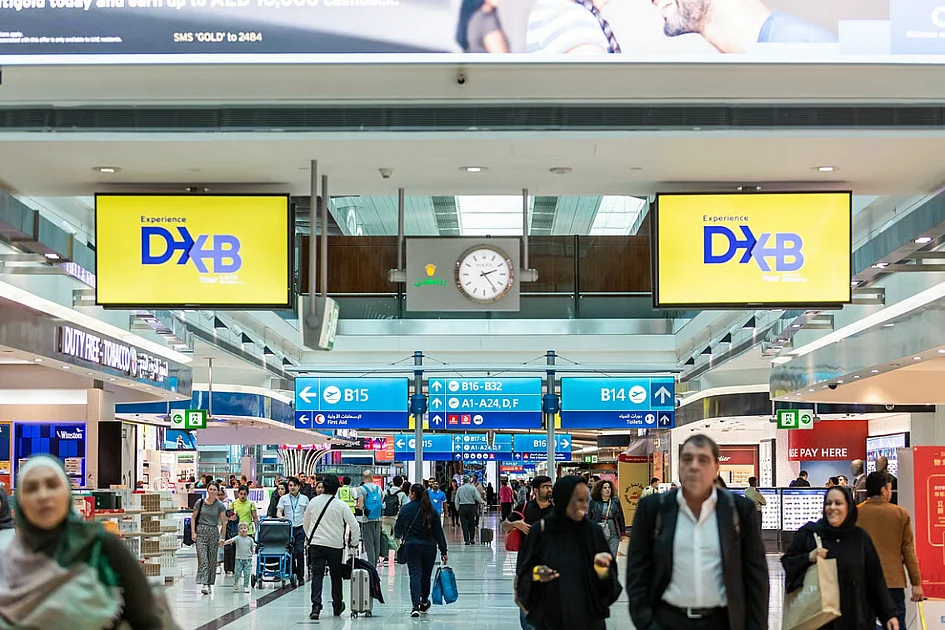
Nearly 5 million passengers expected at DXB in peak season; Emirates issues travel advisory
As Dubai International Airport (DXB) braces for its busiest period of the year, Emirates has issued a comprehensive travel advisory to help passengers navigate the anticipated surge in travelers. With the peak tourist season coinciding with school holidays and numerous local events, the airline forecasts over 2.3 million departures and 2.5 million arrivals throughout December, totaling nearly 5 million passengers. To ensure a seamless travel experience, Emirates is urging travelers to plan ahead and utilize its array of services. Passengers are advised to arrive at the airport at least three hours before departure, clear immigration 90 minutes prior, and reach their boarding gate one hour in advance. The airline also emphasizes the importance of adhering to updated luggage regulations, including restrictions on power banks, smart bags, and e-cigarettes. Power banks under 100Wh must be carried in hand luggage, while smart bags require removable batteries and must remain powered off. To streamline the check-in process, Emirates encourages passengers to use its app or website 48 hours before departure. The app offers features such as digital boarding passes, biometric airport paths, meal selection, and in-flight entertainment planning. Additionally, travelers can bypass long queues by using Emirates City Check-In in DIFC or the 24-hour Ajman location, available from 24 hours up to 4 hours before departure. Passengers checking in at DIFC between December 15 and January 15 will earn 2,500 Emirates Skywards Miles each, with free parking and extended venue hours until midnight. For added convenience, passengers departing from Dubai can drop off luggage at the airport the night before their flight at no charge. Emirates also offers a ‘home check-in service’ in Dubai and Sharjah, where agents handle check-in and luggage collection directly from the traveler’s home, hotel, or office. This service, complimentary for First Class passengers and Platinum Skywards members, allows travelers to arrive at the airport later with only hand luggage. By leveraging these services, Emirates aims to mitigate the challenges of peak travel season and provide a smoother journey for its passengers.
-
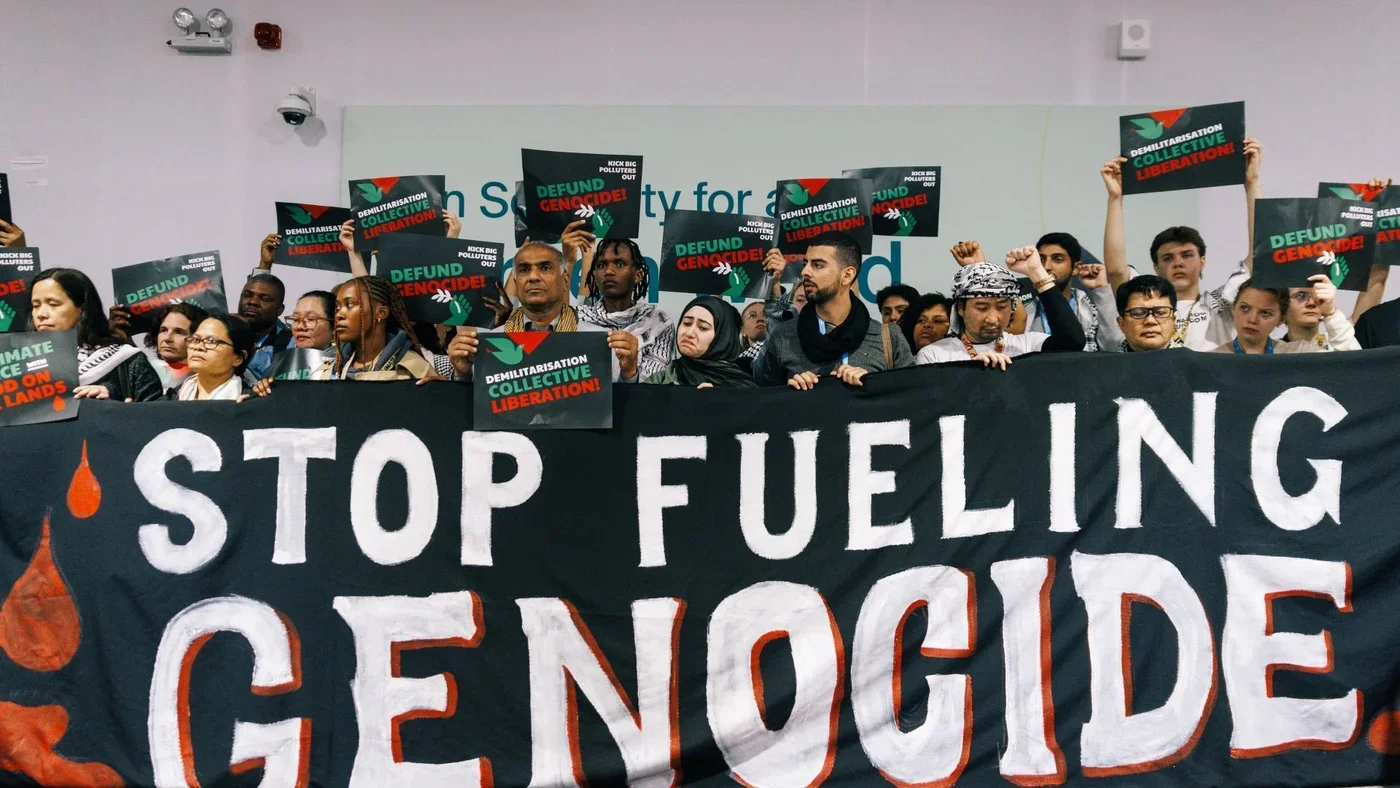
Twenty-five states funnelled oil to Israel during genocide: Report
A recent report by Oil Change International has unveiled that 25 countries supplied Israel with crude oil and refined petroleum products during its two-year military operations in Gaza. Between November 1, 2023, and October 1, 2025, a total of 323 shipments, carrying nearly 21.2 million tonnes of fuel, were tracked. Among these, 171 shipments transported 17.9 million tonnes of crude oil, with 70% originating from Azerbaijan and Kazakhstan. Azeri crude is routed through the Baku-Tbilisi-Ceyhan (BTC) pipeline to Turkey, while Kazakh crude is exported via the Caspian Pipeline Consortium (CPC) to Russia’s Black Sea coast. Despite being listed under Turkey and Russia as countries of origin, the crude is identified as Azeri BTC and Kazakh CPC, respectively. Shipments from Africa and Brazil were also recorded, though Brazilian exports to Israel reportedly ceased in 2025, possibly redirected to refineries in Italy. Additionally, 17 countries supplied 152 shipments of refined petroleum products, with 45% coming from Russia. Notably, the U.S. contributed nine shipments of JP-8 jet fuel and two diesel shipments. The report raises legal and ethical questions, particularly in light of the International Court of Justice’s (ICJ) interim order on preventing genocide. Dr. Irene Pietropaoli, in a legal opinion, emphasized that states risk complicity in genocide under the Genocide Convention by continuing fuel exports to Israel. In September 2025, the UN’s Independent International Commission urged member states to halt arms and fuel transfers to Israel, citing potential use in military operations involving genocide.
-
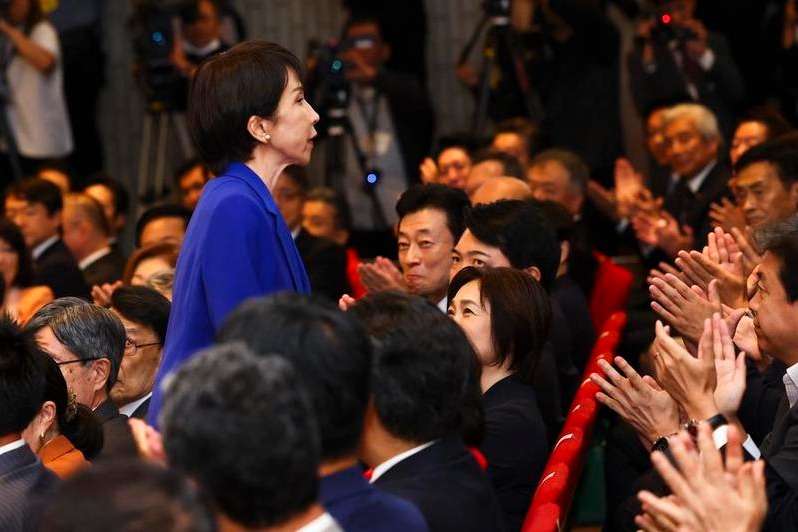
China slams Japanese leader for refusing to withdraw her remarks
China has issued a stern rebuke to Japanese Prime Minister Sanae Takaichi for her refusal to withdraw controversial remarks suggesting potential Japanese military intervention in the Taiwan Strait. Foreign Ministry spokesman Lin Jian condemned the comments as ‘extremely erroneous, dangerous, and provocative,’ emphasizing that they constitute blatant interference in China’s internal affairs and threaten the post-war international order. Lin’s statement followed a meeting between Chinese Vice-Foreign Minister Sun Weidong and Japanese Ambassador Kenji Kanasugi in Beijing. Lin reiterated China’s unwavering commitment to its sovereignty and territorial integrity, warning that any attempts to challenge these principles would be met with a resolute response. He stressed that forces seeking to obstruct China’s reunification are destined to fail, underscoring the gravity of the situation. The remarks have further strained China-Japan relations, which are already navigating a complex political landscape. China, a nation dedicated to peace, remains steadfast in defending its core interests against external provocations.
-
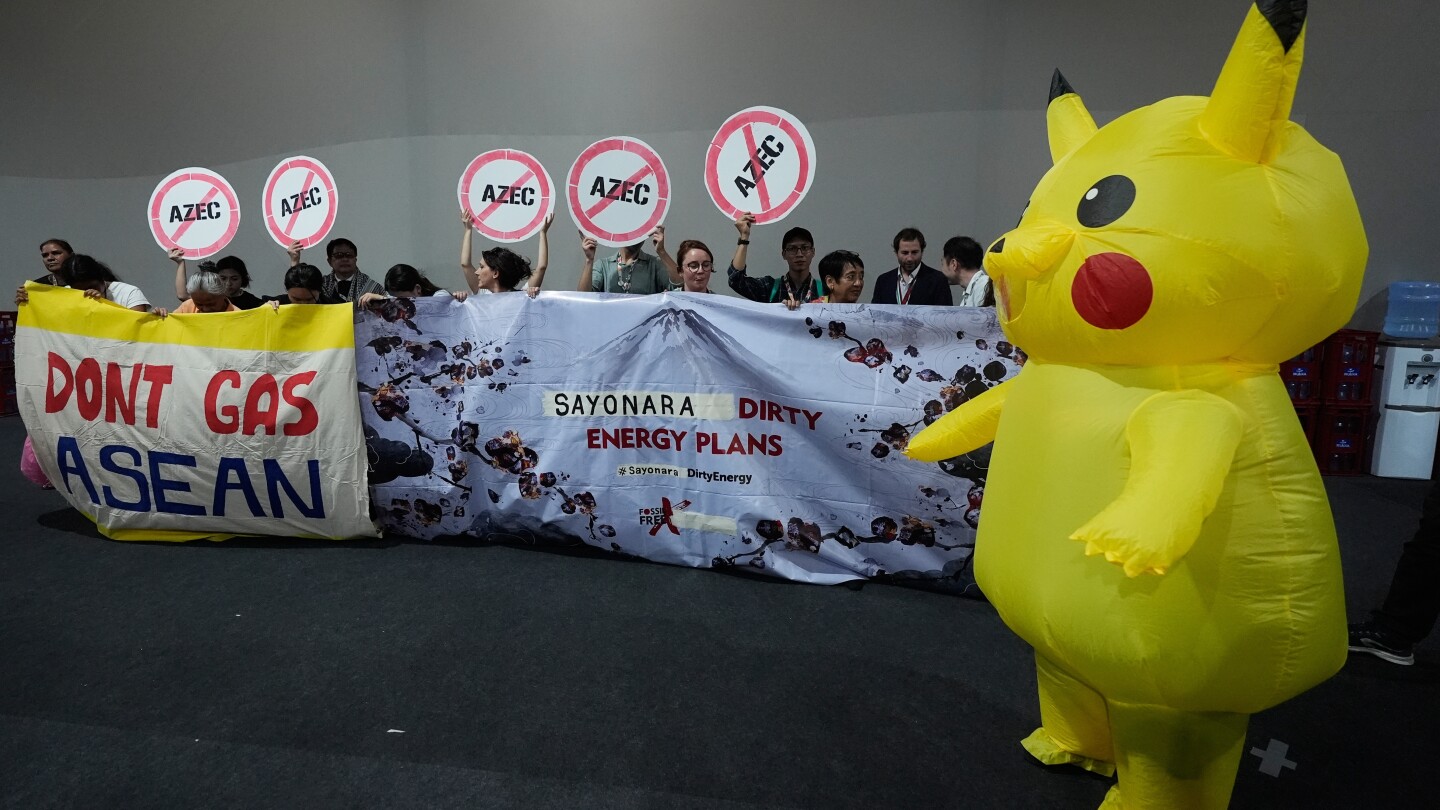
Protesters in Pikachu costumes demand Japan end fossil fuel financing at UN climate conference
In a striking demonstration at the United Nations climate conference (COP30) in Belem, Brazil, activists donned Pokemon costumes to protest Japan’s continued financing of coal and natural gas projects in Southeast Asia and other Global South regions. The protest, organized by environmental groups including Friends of the Earth Japan, coincided with the conference’s energy-focused thematic day. Activists accused Japan of undermining Asia’s transition to renewable energy by funding fossil fuel developments in countries like Thailand, Malaysia, Indonesia, and the Philippines. Hiroki Osada, a representative of Friends of the Earth Japan, emphasized the importance of Global South voices in pressuring Japan to halt such investments. The Japan Bank for International Cooperation, a key player in Japan’s overseas aid, has reportedly financed $6.4 billion in coal projects and $874 million in gas projects from 2016 to 2024, according to a study by the Center for Energy, Ecology and Development. The protest featured life-sized inflatable Pikachu costumes, with activists chanting slogans like “Only Pokemon, no fossil fuels” and “Sayonara fossil fuels.” The event highlighted the growing frustration with Japan’s fossil fuel agenda, which activists argue is incompatible with global climate goals. The demonstration was part of a series of anti-fossil fuel actions at COP30, including a “Kick Out the Suits” event targeting fossil fuel lobbyists and a planned “funeral for fossil fuels” march. Brazilian President Luiz Inácio Lula da Silva has called for a clear roadmap to phase out fossil fuels, a sentiment echoed by several countries. However, environmental groups like Greenpeace International stress the need for actionable outcomes rather than symbolic pledges.
-
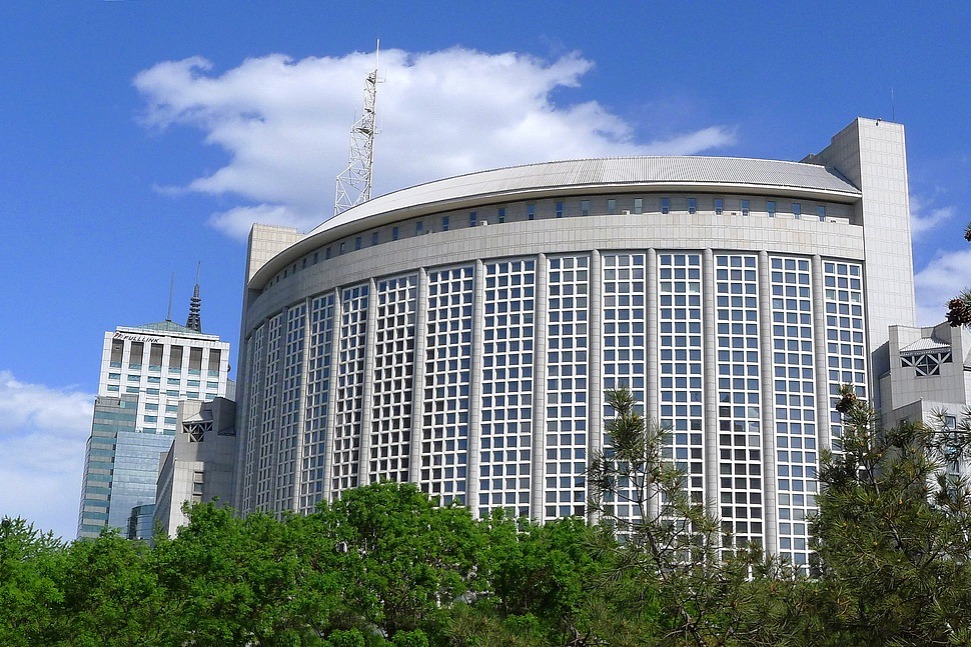
China expresses worry over Japan’s military and security moves
China has expressed deep concern over Japan’s recent military and security developments, emphasizing the need for Japan to adhere to peaceful development. Foreign Ministry spokesperson Lin Jian highlighted these concerns during a press conference on Friday, pointing to Japan’s ambiguous stance on its Three Non-Nuclear Principles and its consideration of acquiring nuclear-powered submarines. These actions, Lin argued, represent a significant and alarming shift in Japan’s defense policy, raising fears of a return to militarism. Lin also referenced Japanese Prime Minister Sanae Takaichi’s recent comments, which suggested potential military intervention in the Taiwan Strait, further escalating regional tensions. He urged Japan to reflect on its history of aggression, particularly as this year marks the 80th anniversary of the end of World War II and the Chinese People’s War of Resistance Against Japanese Aggression. Lin called on Japan to cease its military buildup and take concrete steps to rebuild trust with its neighbors and the international community.
-

UAE: Blanking out on deadlines? How to combat ‘task paralysis’ in demanding workplaces
In today’s fast-paced and hyper-competitive work environments, a growing number of professionals in the UAE and beyond are grappling with a phenomenon known as ‘task paralysis.’ This condition, characterized by an inability to initiate or complete tasks due to fear of failure or overwhelming pressure, is increasingly prevalent among high-achieving individuals. Experts suggest that this issue is not merely a personal struggle but a systemic one, rooted in workplace culture, unrealistic expectations, and the constant demands of modern life.
Scott Armstrong, founder of mentl, a UAE-based mental health platform, emphasizes the role of employers in addressing task paralysis. ‘Leaders must set clear priorities, manage workloads effectively, and model healthy boundaries,’ he says. According to a 2024 Cigna International Health Study, 82% of UAE employees report stress, one of the highest rates globally. This stress is often exacerbated by unclear expectations and an ‘always-on’ work culture, creating a breeding ground for paralysis.
Denise Andrzejewski, an assistant professor of psychology at Heriot-Watt University Dubai, explains that task paralysis is linked to cognitive overload and executive functioning challenges. ‘Breaking tasks into smaller, manageable steps and employing strategies like time-blocking can help individuals regain control,’ she advises. Persistent difficulties, however, may indicate underlying issues such as anxiety, depression, or ADHD, warranting professional intervention.
Carolyn Yaffe, a Dubai-based psychotherapist, highlights the impact of societal and technological pressures on younger generations. ‘Gen-Z and millennial entrepreneurs, in particular, face intense competition and social media stress, which can lead to procrastination and indecision,’ she notes. Yaffe recommends breaking tasks into smaller parts and seeking support from colleagues to overcome paralysis.
Raj Sagar, founder of Red Dot Marketing, shares his personal experience with task paralysis in the creative industry. ‘The sheer volume of information and constant innovation can be overwhelming,’ he says. Sagar advocates for the use of prioritization frameworks like the Eisenhower Matrix and fostering open communication within teams to mitigate the effects of paralysis.
Natasha D’Souza, a communications advisor and executive coach, underscores the importance of self-awareness and incremental progress. ‘Taking small steps builds momentum and helps overcome inertia,’ she explains. D’Souza also emphasizes the need for personal accountability, especially for self-employed professionals.
As task paralysis continues to affect individuals across industries, experts agree that addressing this issue requires a combination of personal strategies, supportive workplace environments, and professional guidance. By fostering clarity, reducing mental load, and promoting healthy work habits, organizations and individuals can combat this modern-day challenge effectively.
-

The Bear House debuts in Dubai with its first store at Al Ghurair Centre with Omnis Group
The Bear House, a contemporary fashion brand originating from India, has made its international debut with the opening of its first store at Al Ghurair Centre in Dubai. This milestone marks the brand’s entry into the UAE market, introducing its signature minimalist style and modern essentials to fashion-forward consumers in the region. The grand opening event, hosted by Omnis Group, was a star-studded affair attended by influencers, media personalities, and fashion enthusiasts. The celebration featured live music, exclusive launch-day promotions, and a curated selection of food and beverages, creating a vibrant and stylish atmosphere. The Bear House’s latest collection, showcased at the event, offers elevated everyday pieces designed for the modern, style-conscious individual. Akarsh Gautam, CEO of Omnis Group, expressed his enthusiasm, stating, ‘We are thrilled to bring The Bear House to the UAE, offering high-quality, accessible fashion that resonates with today’s urban customer.’ Co-founders Harsh Somaiya and Tanvi Somaiya emphasized Dubai’s significance as a fashion hub, calling it the ideal location for their first international store. They described The Bear House as more than a clothing brand—it’s a lifestyle that embodies design, comfort, and community. The store’s minimalist and contemporary design reflects the brand’s aesthetic, offering versatile pieces that seamlessly transition across occasions. This launch sets the stage for The Bear House’s regional expansion, aligning with Omnis Group’s vision of shaping the future of accessible, modern fashion in the GCC. The collection is now available in-store at Al Ghurair Centre and online at www.thebearhouse.ae.