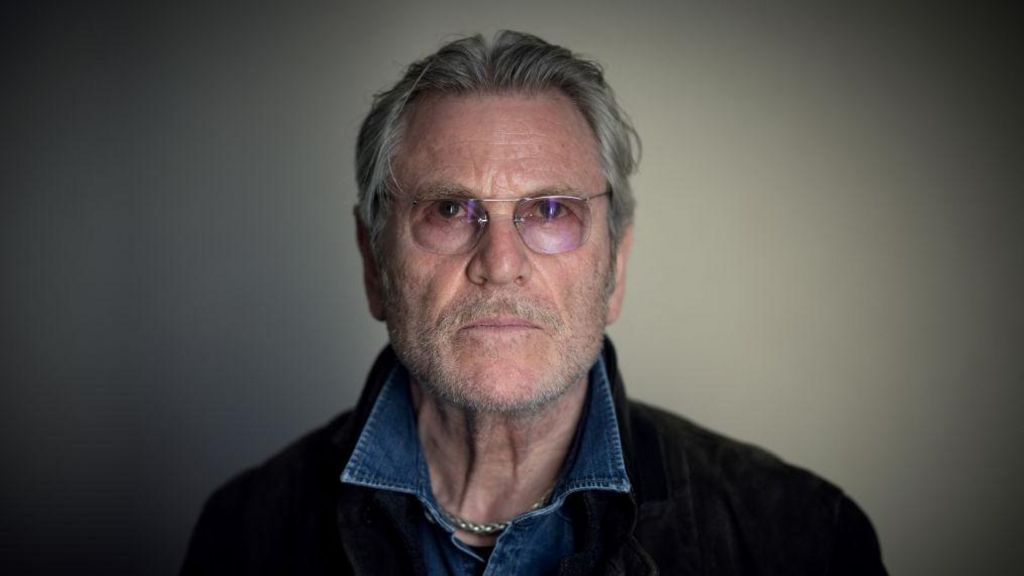
Tchéky Karyo, the celebrated French actor known for his roles in the film *Nikita* and the TV series *The Missing*, has died at the age of 72. His agent confirmed to AFP that Karyo succumbed to cancer on Friday. Born in Istanbul, Turkey, on October 4, 1953, Karyo grew up in Paris and carved out a prolific career spanning nearly four decades in film and television. He first gained recognition for his role in the 1982 crime thriller *La Balance*, which earned him a César Award nomination for Best Male Revelation. Karyo’s versatility allowed him to transition seamlessly between genres, from playing the handler Bob in Luc Besson’s *Nikita* (1990) to portraying the medieval prophet Nostradamus in the 1994 film of the same name. He also appeared in international productions such as Ridley Scott’s *1492: Conquest of Paradise* (1992) and the James Bond film *GoldenEye* (1995). In his later years, Karyo found renewed fame as Detective Julien Baptiste in *The Missing* (2009), a role that led to a spin-off series, *Baptiste*. His final appearance was in the BBC comedy thriller *Boat Story* in 2021. Karyo is survived by his wife, actress Valérie Keruzoré, and their children. His legacy as a versatile and compelling actor continues to resonate with audiences worldwide.
作者: admin
-
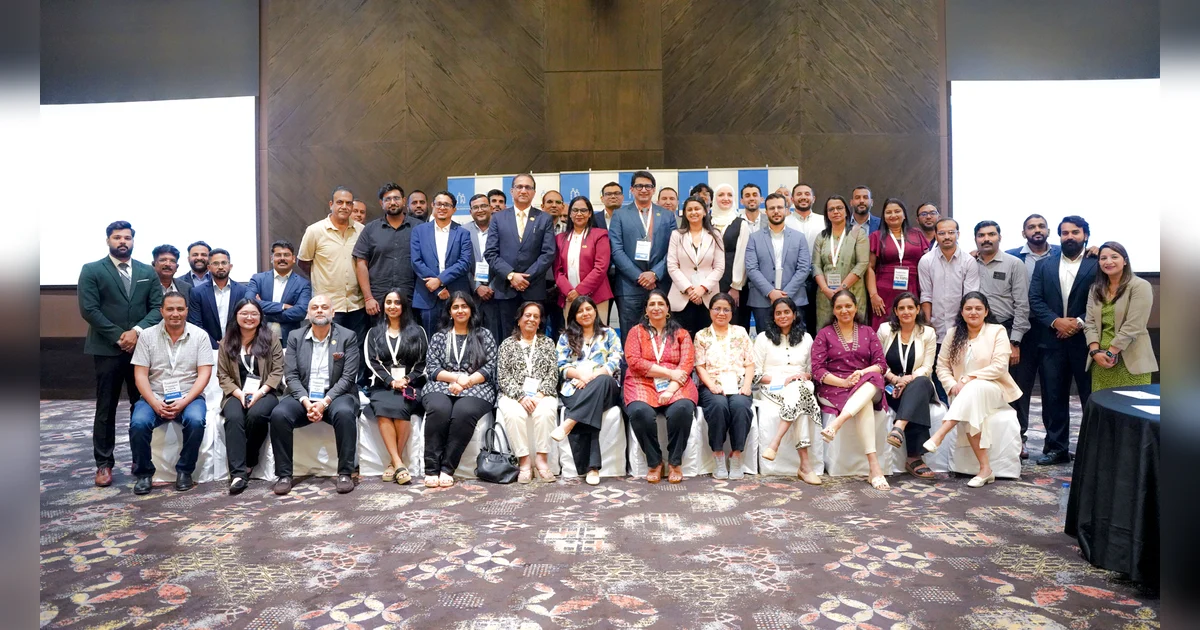
International Modern Hospital hosts first conference on mechanical ventilation
The International Modern Hospital (IMH) marked a significant milestone by hosting its inaugural Clinical Conference on Mechanical Ventilation in 2025. Titled ‘Mechanical Ventilation: A Comprehensive Clinical Approach,’ the event united UAE’s foremost critical-care specialists, including physicians, anesthesiologists, intensivists, pulmonologists, emergency experts, nephrologists, and nurses. The one-day conference, accredited with 6 Continuing Medical Education (CME) hours, featured immersive workshops, interactive discussions, and cutting-edge evidence-based updates on mechanical ventilation practices. Dr. Kishan Pakkal, CEO of IMH, underscored the hospital’s dedication to advancing clinical excellence and patient safety, stating, ‘Knowledge sharing is the foundation of exceptional healthcare. This conference exemplifies our commitment to empowering healthcare professionals with the skills to deliver precise and compassionate care to patients reliant on mechanical ventilation.’ Dr. Rohit Kumar, IMH’s Medical Director, emphasized the importance of interdisciplinary collaboration, noting, ‘Modern medicine thrives on teamwork. By uniting experts across specialties, we can exchange insights and elevate critical care standards nationwide.’ The event, masterfully orchestrated by Dr. Remya Venugopalan, IMH’s Director of Operations, highlighted IMH’s vision for continuous learning and professional development. The conference was structured into four sessions, covering airway assessment, ventilation in special conditions, ARDS and traumatic brain injury management, and cardiogenic shock post-cardiac arrest. The day concluded with a panel discussion, certificate distribution, and networking lunch, fostering meaningful connections among participants. Co-hosted by Dr. Venugopalan and Jessy Sebastian, the event reinforced IMH’s role in fostering cross-institution collaboration within the UAE’s healthcare ecosystem.
-
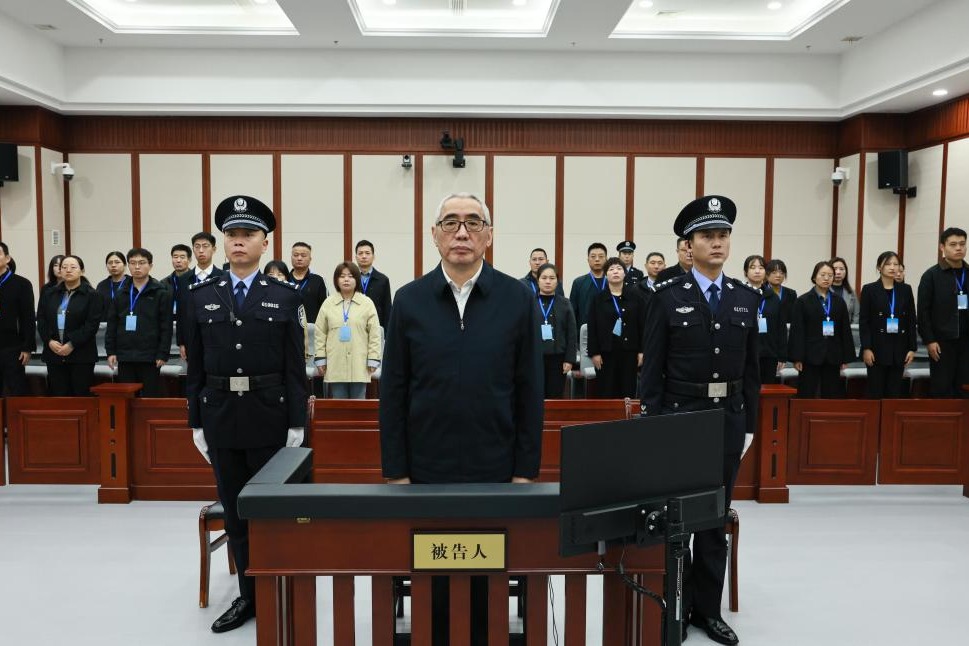
Former Gansu vice-governor sentenced to 14 years in major bribery case
Yang Zixing, the former vice-governor of Gansu province, has been sentenced to 14 years in prison and fined 5 million yuan ($700,000) for bribery and abuse of power. The verdict was announced by the Intermediate People’s Court of Weinan in Shaanxi province, following a statement released on the official website of the Supreme People’s Procuratorate. The court found that Yang, during his tenure in various senior positions including mayor and Party secretary of Dingxi, accepted bribes totaling over 50.4 million yuan ($6.9 million) between 2006 and 2024. Even after retirement, Yang continued to exploit his influence to secure contracts and investments for others, amassing an additional 8.57 million yuan. The court imposed a 13-year sentence and a 4-million-yuan fine for bribery, and a seven-year sentence with a one-million-yuan fine for leveraging his influence. The combined sentence totals 14 years, with all illicit gains confiscated and turned over to the state. Mitigating factors, such as Yang’s confession, return of illegal proceeds, and voluntary disclosure of unknown offenses, were considered by the court. The trial, which began on August 7, 2025, was attended by over 30 representatives from the National People’s Congress, the Chinese People’s Political Consultative Conference, the media, and the public.
-

Google to offer free Gemini AI access to India’s 505 million Reliance Jio users
In a strategic move to bolster its presence in India’s rapidly growing tech market, Google has announced a partnership with Reliance Jio to provide free access to its advanced Gemini AI service for all 505 million Jio users. This initiative, spanning 18 months, will grant users access to the premium Gemini AI model, two terabytes of cloud storage, and advanced image and video generation tools—a package typically priced at 35,100 rupees ($399). The rollout will initially target 18-to-25-year-olds on specific telecom plans before expanding nationwide. This collaboration follows Google’s recent commitment to invest $15 billion in AI infrastructure in India, marking its largest investment in the region. The move aligns with similar efforts by competitors like OpenAI and Perplexity, which have also introduced free AI offerings in India to accelerate adoption. India, with nearly 1 billion internet users, has become a focal point for global tech firms seeking to expand their subscriber base and enhance data-driven services. The surge in AI app popularity has prompted Indian authorities to propose regulations requiring clear labeling of AI-generated content to combat deepfakes and misinformation. This strategy mirrors the early tactics of streaming giants like Netflix and Amazon Prime, which partnered with telecom providers to bundle services with data plans, driving widespread adoption.
-
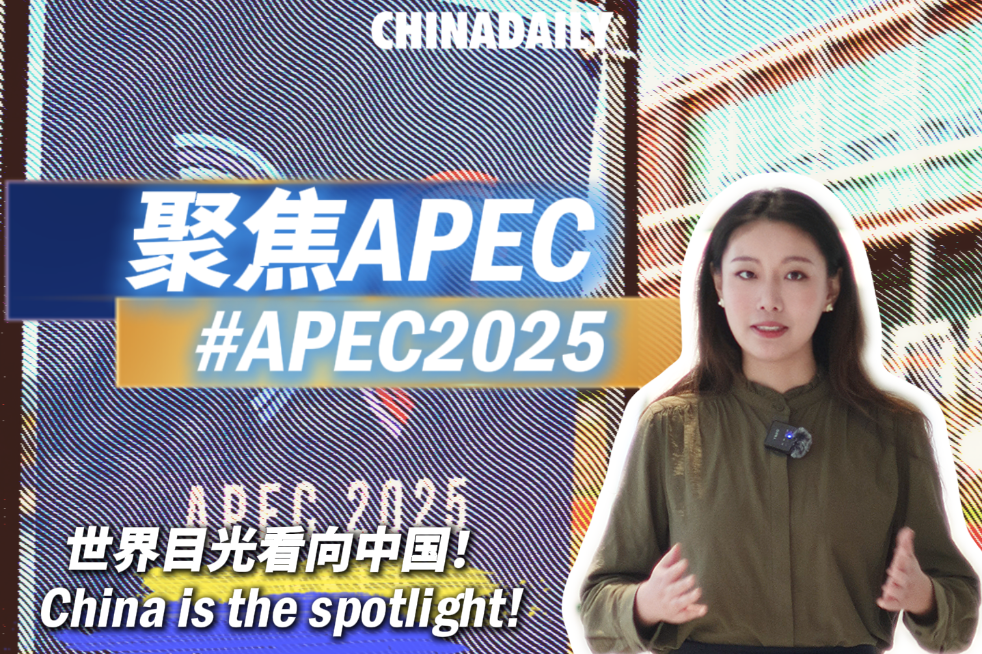
Why China the spotlight at APEC
As the APEC Economic Leaders’ Meeting convenes in Gyeongju, Republic of Korea, China has emerged as a focal point of discussions. Amid significant economic challenges in the Asia-Pacific region, China’s role is increasingly pivotal. Experts highlight how China’s strategies and collaborations could drive regional recovery and sustainable growth. Herman Tiu Laurel, president of the Asian Century Philippines Strategic Studies Institute, emphasized China’s potential to revitalize APEC through free trade agreements, regional value chains, and investments in digital and green economies. He pointed to China’s zero-tariff policy for African exports and infrastructure projects in APEC nations as key initiatives enhancing economic resilience. Sourabh Gupta, a senior fellow at the Institute for China-America Studies, underscored the importance of China and APEC in defending trade multilateralism and regional development. He noted that the next three decades of Asia-Pacific cooperation will be more challenging, requiring a united effort to maintain the region’s economic dynamism. As APEC leaders strive to innovate and prosper, China’s active participation and collaboration with other members are seen as essential to addressing current challenges and fostering a sustainable future. The spirit of cooperation is crucial for building a resilient global economy and ensuring collective prosperity.
-
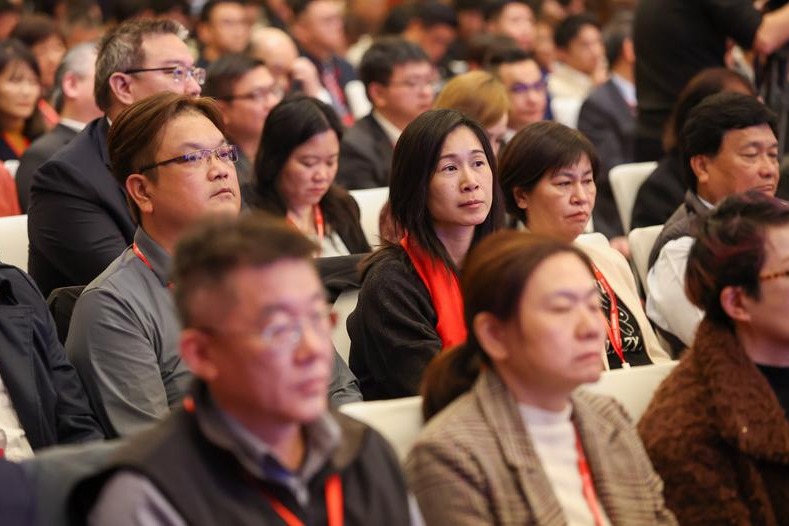
Officials from mainland and Taiwan pledge economic and trade cooperation
Officials from the Chinese mainland and representatives from Taiwan have reaffirmed their commitment to enhancing cross-Strait economic, cultural, and people-to-people exchanges, as well as deepening integrated development. This pledge was made during the closing ceremony of the four-day Tianjin-Taiwan Investment and Trade Fair, held in Tianjin. Since its inception in 2008, the fair has successfully facilitated over 350 projects, attracting intended investments totaling approximately 123.8 billion yuan ($17.2 billion). This year, 32 new projects with Taiwanese investment were established in Tianjin, with a total contractual investment of $31.78 million (230 million yuan), underscoring the robust vitality and vast potential of Tianjin-Taiwan economic and trade cooperation. Themed ‘Integrating for New Development, Creating a Shared Future,’ this year’s event focused on exploring cooperation in sectors such as medical and health care, the yacht economy, and catering and processing. Song Tao, head of both the Taiwan Work Office of the Communist Party of China Central Committee and the Taiwan Affairs Office of the State Council, emphasized the principle that the two sides of the Strait are one family, actively promoting cross-Strait economic and cultural exchanges and cooperation. Zhang Gong, deputy secretary of the Communist Party of China Tianjin Municipal Committee and mayor of Tianjin, extended a warm welcome to young people from Taiwan to pursue their dreams in the city. Before the opening ceremony, Song met with Hsiao Hsu-tsen, vice-chairman-designate of the Chinese Kuomintang party, and his delegation in Tianjin. Hsiao praised Tianjin for its unique charm, profound historical and cultural heritage, and spirit of inclusiveness, openness, and innovation. He encouraged young people from Taiwan to visit the Chinese mainland more often, emphasizing that the future of the Chinese nation depends on the cooperation and shared prosperity of the youth on both sides of the Strait.
-
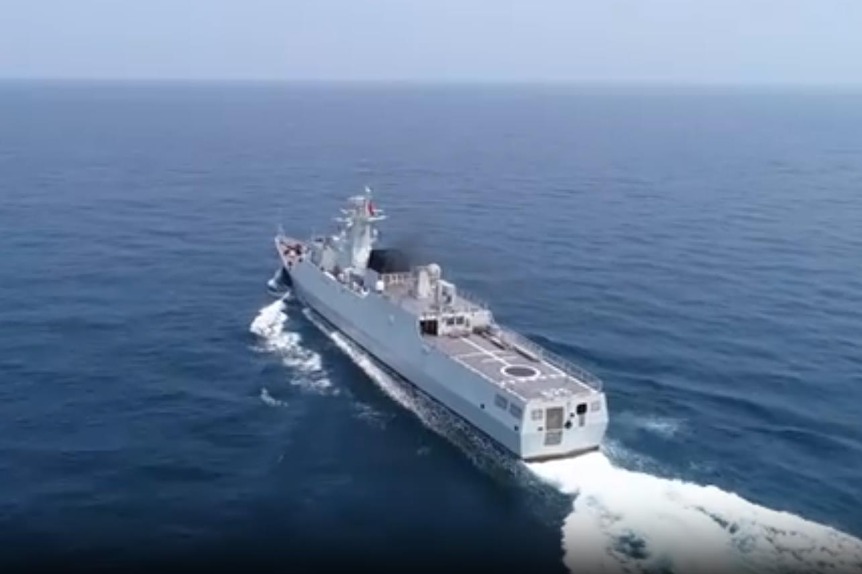
PLA operations counter infringements and provocations
The People’s Liberation Army (PLA) Southern Theater Command announced on Friday, October 31, 2025, that it has conducted extensive combat-readiness patrols in the territorial waters and airspace surrounding Huangyan Island and adjacent areas in the South China Sea. According to an official statement, these operations, which began in October, involved the deployment of naval and air forces to enhance surveillance and control over the region. The PLA emphasized that these measures were taken to effectively counter infringements and provocations, ensuring the protection of national sovereignty and security. The statement further highlighted that these actions contribute to maintaining peace and stability in the South China Sea. The intensified patrols underscore China’s commitment to safeguarding its territorial integrity amidst ongoing regional tensions.
-

Thousands witness climax of Europe’s biggest Halloween carnival
The city of Londonderry, Northern Ireland, witnessed the grand finale of Europe’s largest Halloween festival, drawing thousands of spectators from across the globe. The four-day carnival, now in its 39th year, culminated in a breathtaking fireworks display that illuminated the night sky, leaving the massive crowd in awe. The event, which cost £550,000 to organize, is projected to inject £7.4 million into the local economy, with hotels, bars, and restaurants experiencing a surge in business throughout the week. Visitors from Spain, Italy, Germany, the United States, Australia, and Iran flocked to Derry for the festivities, which included a vibrant parade, the Awakening the Walled City Trail, and a host of mythical and magical performances. Despite weather-related cancellations, the festival’s spirit remained undiminished, with highlights such as a six-foot-tall she-wolf puppet and a 160-ft-long fire-breathing snake captivating audiences. Festival manager Jacqueline Whoriskey emphasized the event’s unique blend of folklore, fire, and festivity, making it a must-see for families and thrill-seekers alike. The parade, a celebration of community creativity, showcased the imaginative talents of local groups, reinforcing Derry’s reputation as a hub for unforgettable Halloween experiences. Rooted in the ancient Celtic festival of Samhain, the event continues to honor the tradition of spirits roaming the earth, with mythical characters bringing the streets of Derry to life.
-
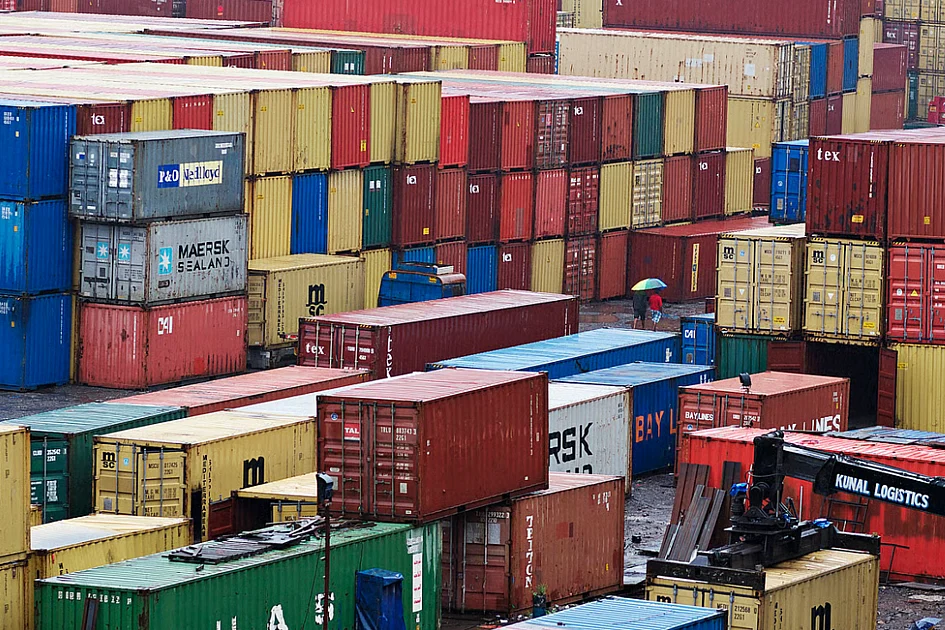
Dubai’s DP World to invest $5 billion in India’s logistics, port infrastructure
In a landmark announcement at India Maritime Week 2025 in Mumbai, Dubai-based global logistics giant DP World unveiled plans to invest $5 billion in India’s logistics and port infrastructure. This significant commitment builds on the company’s three-decade-long partnership with India, during which it has already invested $3 billion. The new funding aims to enhance supply chain efficiency, strengthen multimodal connectivity, and bolster both export and domestic trade capabilities. The announcement was made in the presence of Sarbananda Sonowal, India’s Minister of Ports, Shipping and Waterways, alongside the signing of five strategic Memorandums of Understanding (MoUs).
Sultan Ahmed bin Sulayem, Group Chairman and CEO of DP World, emphasized the company’s enduring commitment to India’s growth. ‘DP World has been a part of India’s growth story for nearly three decades,’ he stated. ‘This investment and our new partnerships reaffirm our dedication to advancing India’s maritime and logistics industry, solidifying its position as a global trade leader.’ Bin Sulayem highlighted the alignment of DP World’s initiatives with India’s national programs, including PM Gati Shakti, Sagarmala, and the Maritime Amrit Kaal Vision 2047, which aim to create a connected, self-reliant India.
The five MoUs cover diverse areas such as green coastal shipping, shipbuilding and repair, skill development, and advanced freight mobility. Key collaborations include Unifeeder’s partnership with Sagarmala Finance Corporation Limited to promote eco-friendly coastal shipping, Cochin Shipyard Limited’s agreement with Drydocks World to expand ship repair facilities, and a tripartite MoU to enhance skill development in shipbuilding. Additionally, DP World will collaborate with Cochin Port Authority to upgrade the International Container Transshipment Terminal (ICTT) in Kochi and work with Deendayal Port Authority and Nevomo to install a 750-meter MagRail Booster pilot track, a step toward automated, low-emission port operations.
With a network spanning over 200 locations in India and supporting more than 24,000 direct and indirect jobs, DP World’s latest investment is poised to significantly boost India’s maritime capabilities and create thousands of new employment opportunities.
-
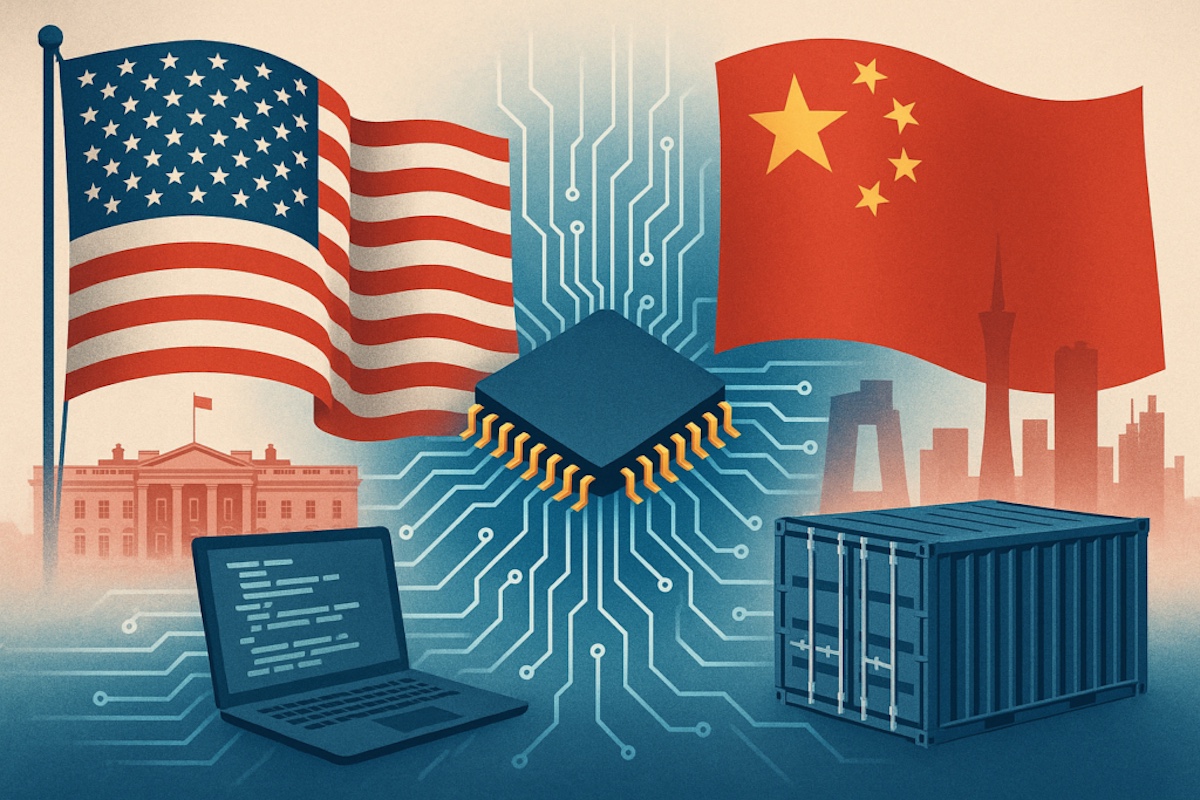
From concessions to conditions: Asia’s power is now programmable
In 1925, power in Asia was visibly exerted through gunboats on rivers, foreign police patrolling Chinese streets, and tram boycotts that could be photographed. Fast forward to 2025, and power has become programmable—manifested through licenses that renew automatically, standards embedded in software, and compliance tracked via dashboards. This transformation marks the most significant shift over the past century. The battleground, once drawn on maps, is now fought through systems—supply chains, export lists, and audit trails. The Trump-Xi Busan meeting exemplified this change. It wasn’t about physical barricades but about levers that could be adjusted: export controls, time-bound licenses, refinery disclosures, precursor chemicals, and chip supplies. The meeting wasn’t a morality play of capitulation or defiance but a calculated reciprocity—each side offering reversible cooperation in exchange for time and predictability. Key chokepoints illustrate this logic. China refines the majority of rare earths essential for magnets, motors, and missiles, allowing it to control throughput as a form of escrow. South Korea, now a manufacturing democracy, hosts negotiations and holds practical leverage, a stark contrast to its role in 1925. The Netherlands’ licensing grip on advanced lithography tools creates predictable pulses of capability. Regional customs and port enforcement on fentanyl precursors can be targeted quietly to elicit movement elsewhere without grand declarations. This new paradigm requires calendars, counters, and credible follow-through rather than slogans. License renewals, minerals throughput, targeted port seizures, and customs dwell times serve as behavioral meters. If these indicators move in the right direction, the truce holds. If they stall, officials can reverse the levers without disrupting supply chains. Two practical implications emerge: first, treat interdependence as a tool, not a trap, by structuring market access, licensing, and standards as reversible and measurable sequences. Second, publish a minimal dashboard to anchor expectations. A one-page, monthly scoreboard on license renewals, minerals throughput, targeted seizures, and median dwell times would be more effective than numerous press conferences. The continuity with 1925 lies in the fact that mobilization still shapes outcomes—but today, it’s the mobilization of firms, insurers, and investors. Local nodes, such as a packaging line in Icheon or a refinery in Shandong, can alter the cost of escalation, much like a strike in Guangzhou once forced London and Tokyo to recalculate. Busan’s significance lies not in its language but in its quiet recoding of power in Asia as a sequence of programmable conditions. China can escrow minerals instead of weaponizing them outright. The United States can license chips in short cycles instead of banning them indefinitely. South Korea can pace advanced packaging and materials flows to maintain honesty. Regional authorities can apply surgical enforcement to signal seriousness without inviting spectacle. A century ago, power was made legible through street and port shutdowns by students and stevedores. Today, engineers, auditors, and logistics managers wield power by moving—or pausing—ones and zeros, parts, and permits. The stakes remain unchanged: who sets the terms of Asia’s future. Busan’s quiet dials—not its adjectives—will determine whether Asia becomes a supplicant, a spectator, or, finally, a system architect.