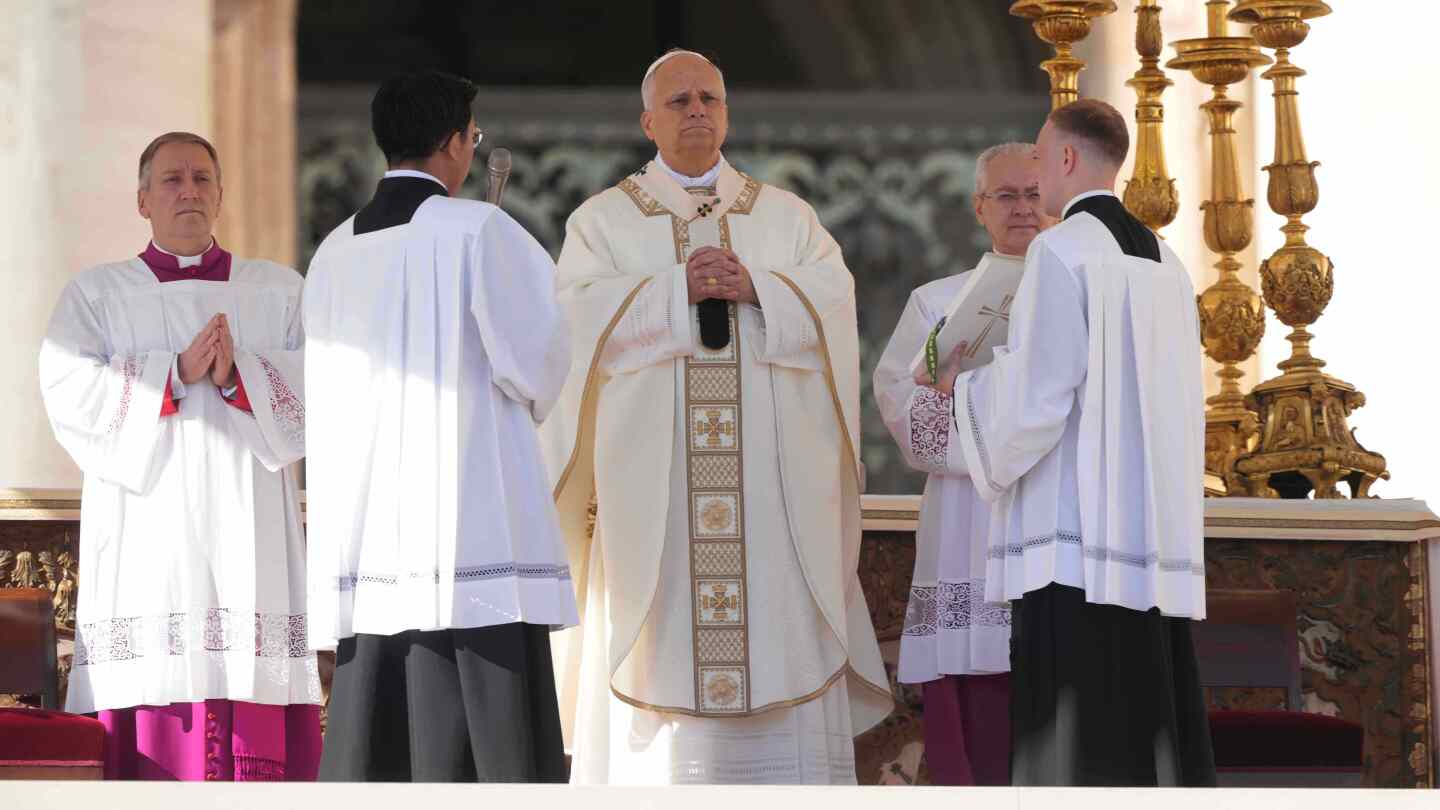
In a historic ceremony at the Vatican, Pope Leo XIV elevated St. John Henry Newman, the renowned 19th-century British theologian and convert, to the esteemed rank of Doctor of the Church. This title, one of the highest honors in Catholicism, places Newman among the ranks of luminaries such as St. Augustine and St. Therese of Lisieux. The declaration was made during a special Holy Year Mass for Catholic educators and students, where Newman was also named a co-patron of Catholic education alongside St. Thomas Aquinas. Newman, a pivotal figure in both Anglican and Catholic traditions, is celebrated for his profound contributions to Christian theology and his unwavering commitment to conscience and truth. Born in 1801, Newman’s journey from Anglicanism to Catholicism in 1845 marked a significant personal and theological transformation. His writings on doctrine, education, and the nature of universities continue to resonate, particularly in the context of modern challenges like the ethical use of artificial intelligence. Pope Leo XIV’s emphasis on Newman as a model for educators underscores the Church’s commitment to fostering spiritual growth and human dignity in education. Newman’s legacy, characterized by his holistic approach to learning and his ecumenical appeal, remains a beacon for both conservative and progressive Catholics. His hymns, such as ‘Lead, Kindly Light,’ continue to inspire worshipers across denominations, reflecting his enduring influence. The recognition of Newman as a Doctor of the Church highlights his universal relevance and the timeless value of his teachings.
作者: admin
-
Timeless wisdom: Chinese classic novel delights South Koreans
The enduring allure of the Chinese classic novel, *Romance of the Three Kingdoms* (RTK), continues to captivate South Korean audiences, transcending centuries and cultural boundaries. Written by Luo Guanzhong in the 14th century, the novel delves into the power struggles of the late Han Dynasty and the Three Kingdoms period, weaving together themes of loyalty, strategy, and political intrigue. Its timeless relevance has made it a cultural cornerstone in South Korea, where the saying goes, ‘Don’t associate with someone who hasn’t read RTK three times.’
Professor Her Woo-bum, a South Korean scholar, has dedicated decades to studying and popularizing RTK. His work, *The Three Kingdoms Made Easy*, published in 2021, condenses the original 10-volume novel into two accessible volumes, enriched with commentary from Qing Dynasty critic Mao Zonggang and comparative analyses of South Korean translations. Her attributes RTK’s enduring popularity in South Korea to its alignment with traditional values like ‘righteousness’ and ‘loyalty,’ its compelling characters, and its adaptability to modern media such as games, films, and webtoons.
RTK’s influence extends beyond literature, permeating South Korean culture through over 2,000 related publications spanning history, economics, psychology, and leadership. The novel has also inspired a thriving market of derivative content, including webcomics, animations, and video games. Notably, the *Romance of the Three Kingdoms* game series by Japanese company Koei and mobile games like *The Blade of the Three Kingdoms* have garnered millions of downloads in South Korea.
Her’s journey with RTK began in childhood, evolving from comic books to in-depth academic exploration. Over two decades of research and field investigations have deepened his understanding of the novel, shifting his focus from heroic figures like Guan Yu and Zhuge Liang to the broader themes of ‘era’ and ‘human nature.’ His recent publication, *An Abridged Translation of the Records of the Three Kingdoms*, aims to guide middle-aged readers in navigating life’s challenges through the wisdom of RTK.
RTK’s introduction to South Korea dates back to the late Goryeo period, with its popularity peaking during the Joseon Dynasty. Today, it remains a cultural symbol, inspiring new translations and interpretations. As Her aptly puts it, ‘RTK is not just a historical novel; it is a literary work that embodies human nature, wisdom, and strategy.’
-
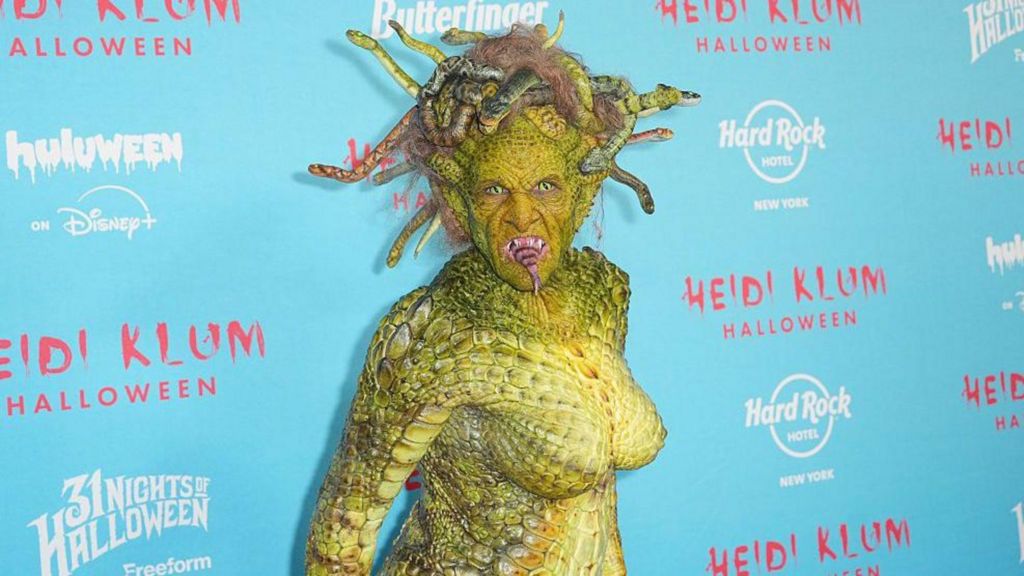
Watch: Heidi Klum slithers into Halloween as Medusa
Heidi Klum once again proved her status as the queen of Halloween with her jaw-dropping transformation into Medusa at her annual star-studded party. The supermodel, known for her elaborate and meticulously crafted costumes, stunned attendees with her serpentine ensemble, complete with lifelike snakes adorning her hair and a dramatic, ethereal makeup look. Klum’s Medusa costume was a masterclass in creativity and attention to detail, setting the bar high for celebrity Halloween celebrations. The event, a highlight of the social calendar, saw other A-listers showcasing their own imaginative outfits, but it was Klum’s mythical portrayal that dominated the spotlight. Her commitment to the Halloween spirit continues to inspire fans and fellow celebrities alike, cementing her party as a must-attend event in the entertainment world.
-
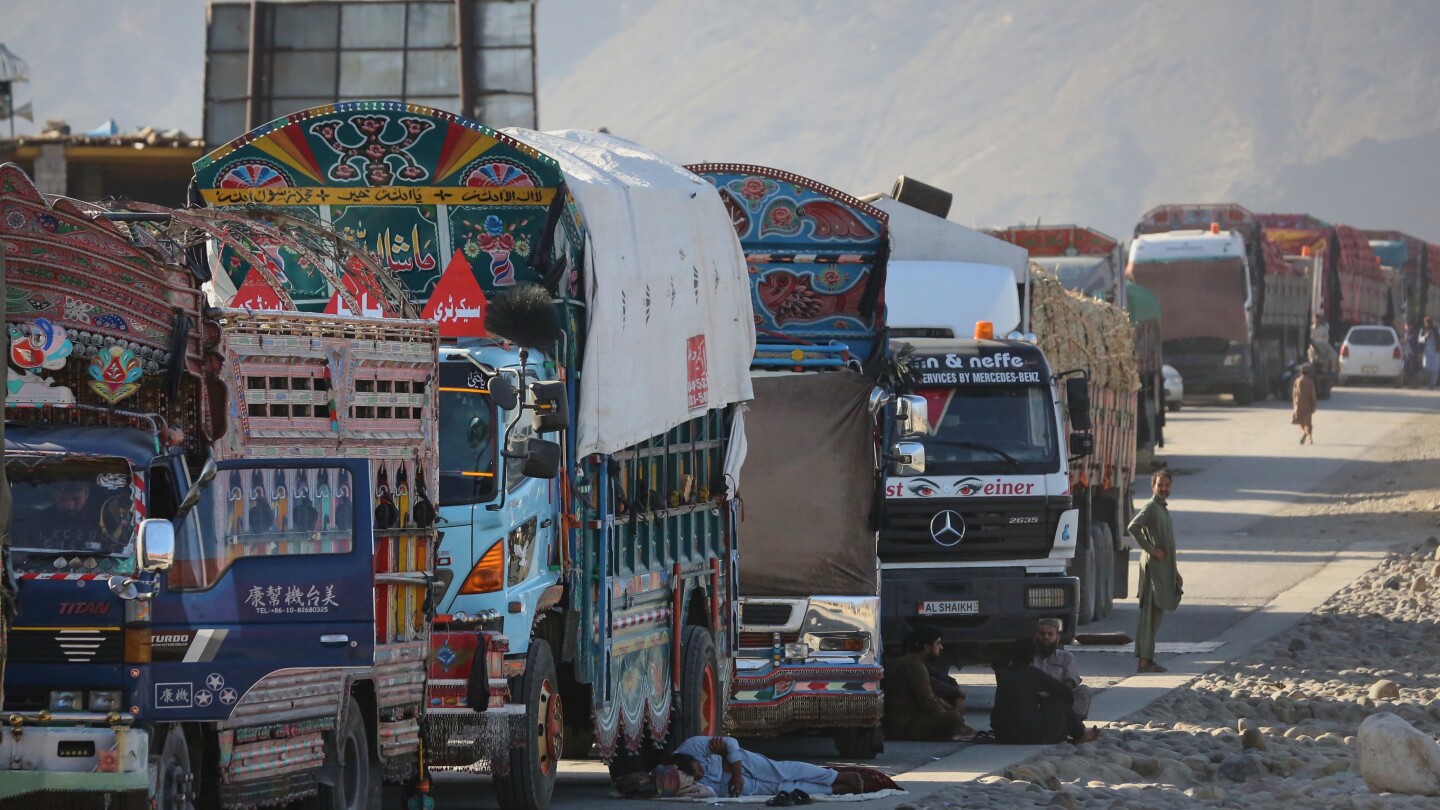
Pakistan partially reopens Torkham border crossing to allow Afghan refugees to leave
Pakistan has partially reopened the Torkham border crossing with Afghanistan, allowing thousands of stranded Afghan refugees to return home, officials confirmed on Saturday. However, restrictions on all other cross-border movements, including trade, remain in place. The border was closed on October 12 following deadly clashes between the two nations, which claimed dozens of lives on both sides. The nearly three-week closure left thousands of refugees and hundreds of trucks carrying goods stranded, disrupting vital trade routes. The reopening follows a ceasefire agreement reached after negotiations facilitated by Turkey and Qatar, aimed at preventing further escalation in the region. Since the ceasefire along the 2,611-kilometer Durand Line—a border Afghanistan has never formally recognized—no new exchange of fire has been reported. Thousands of refugees had been relocated to a temporary camp near the border, with many more waiting along the roadside. Despite the partial reopening, trade remains suspended. Local Afghan officials confirmed the gate was opened exclusively for refugees, with thousands expected to cross back into Afghanistan. The reopening comes amid heightened tensions, including Pakistan’s recent airstrikes on Pakistani Taliban hideouts in Afghanistan, which Afghan officials claim killed civilians. The ceasefire agreement, finalized in Istanbul on Thursday, follows a sharp rise in militant attacks in Pakistan, many claimed by the Pakistani Taliban, a group emboldened by the Afghan Taliban’s 2021 takeover of Kabul.
-
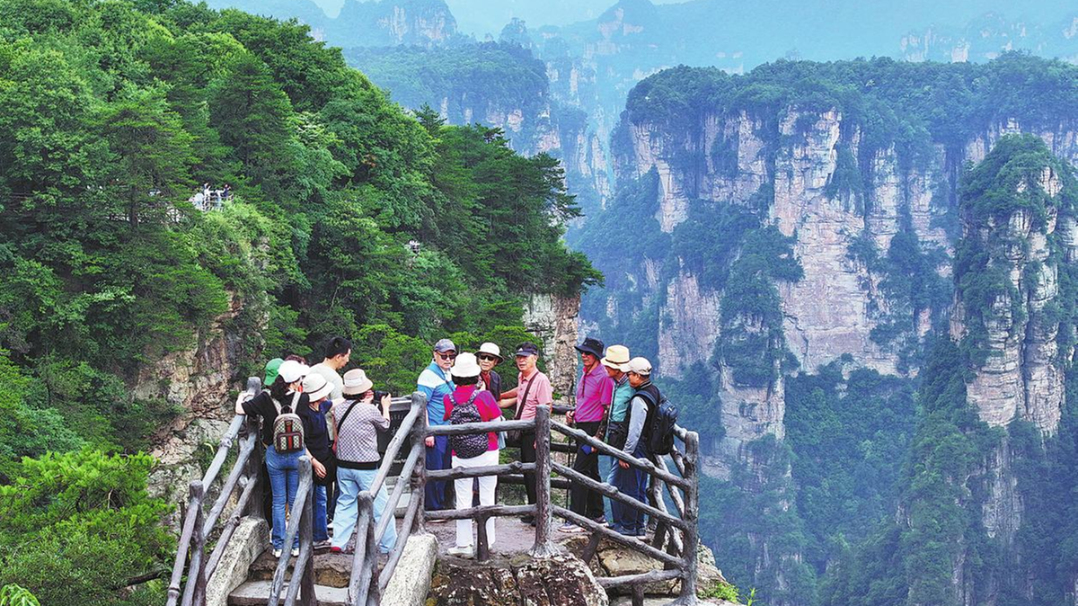
Supreme beauty that creates connections, bridges culture
Zhangjiajie, a UNESCO World Heritage Site in Hunan Province, China, has become a symbol of cultural connection between China and South Korea. Known for its stunning sandstone pillars and peaks, the Wulingyuan Scenic Area has captivated South Korean tourists, with over 340,000 visitors from South Korea in 2024 alone—a 21% increase from the previous year. The city’s unique appeal was further amplified by a popular South Korean drama, ‘When Life Gives You Tangerines,’ which featured a heartfelt promise to visit Zhangjiajie, sparking widespread interest on social media. To cater to this growing demographic, Zhangjiajie has introduced tailored services, including Korean restaurants and language training for local staff. The city’s efforts to attract young travelers include collaborations with influencers and enhanced online marketing. Beyond tourism, Zhangjiajie and Hadong County in South Korea have maintained a sister-city relationship since 2006, fostering cultural exchanges and mutual understanding. A recent exchange program saw a South Korean civil servant, Choi Sin-young, spend six months in Zhangjiajie, deepening her appreciation for Chinese culture and strengthening bilateral ties. The city’s commitment to fostering international friendships was highlighted by Chinese Foreign Minister Wang Yi, who praised a local bus driver’s heroic act in saving South Korean tourists as a testament to the enduring bond between the two nations.
-
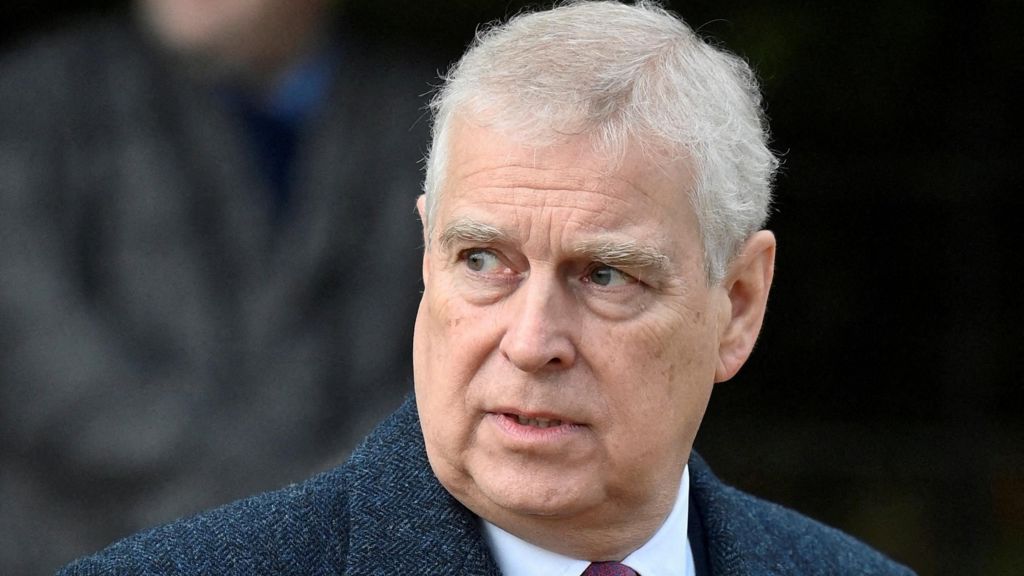
Andrew should answer Epstein questions in US, Democrats say
In a significant move, King Charles III has officially revoked Prince Andrew’s title as a member of the British royal family. This decision, announced on Thursday, comes amidst mounting pressure over Andrew’s controversial ties to the late financier and convicted sex offender Jeffrey Epstein. Andrew has consistently denied any wrongdoing, but the scandal has cast a long shadow over the monarchy. The U.S. House Oversight Committee, currently investigating the Epstein case, has intensified its calls for Andrew to testify. Despite the committee being Republican-led, several Democratic members have urged Andrew to come forward voluntarily. Congressman Suhas Subramanyam emphasized the importance of Andrew’s testimony, stating, ‘If he wants to clear his name and do right by the victims, he will come forward.’ Fellow committee member Raja Krishnamoorthi suggested that a subpoena could be issued, though enforcement would be challenging given Andrew’s residence outside the U.S. Meanwhile, Liz Stein, one of Epstein’s accusers, criticized Andrew’s reluctance to cooperate, questioning why he remains unwilling to speak if he has ‘nothing to hide.’ Newly surfaced court documents reveal a 2010 email exchange between Andrew and Epstein, where Andrew expressed a desire to ‘catch up in person,’ contradicting his earlier claims of having severed ties. The Palace’s statement on the matter underscored the seriousness of the situation, expressing sympathy for the victims while acknowledging ‘serious lapses of judgment’ in Andrew’s conduct. The decision to strip Andrew of his title reflects the monarchy’s efforts to address the ongoing controversy and restore public trust.
-
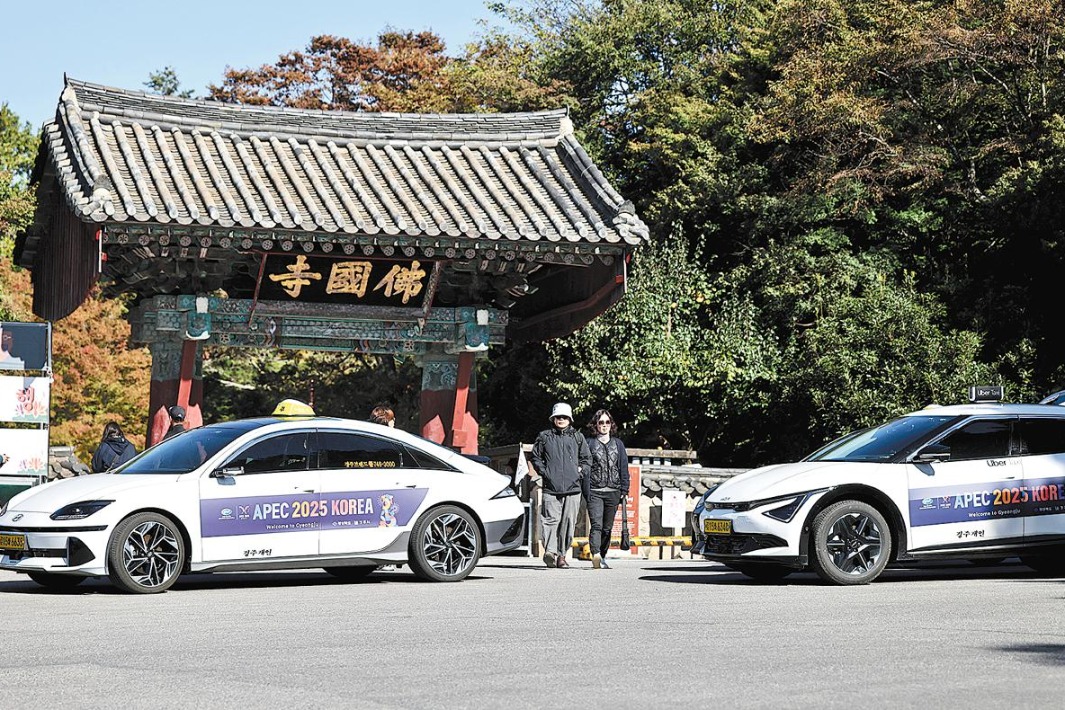
Genuine human connections foster friendship between China, South Korea
Amid the bustling backdrop of the Asia-Pacific Economic Cooperation (APEC) meetings in Gyeongju, South Korea, the enduring friendship between China and South Korea is being nurtured through genuine human connections. Beyond the often divisive online narratives, the warmth of personal interactions tells a more profound story of bilateral ties. This sentiment was palpable during the APEC Economic Leaders’ Meeting, hosted by South Korea for the first time in 20 years, where discussions ranged from economic cooperation to cultural exchanges. Chinese President Xi Jinping’s state visit, his first in 11 years, further underscored the significance of this relationship. Local residents, like Park Jun-young and Kim Chang-soo, expressed hope that increased media coverage during APEC would help dispel misconceptions about China and foster regional peace. The cultural ties between the two nations were evident in everyday life, from Mandarin-speaking staff at Incheon Airport to the popularity of Chinese cuisine and TV dramas in Seoul. Economic collaboration also took center stage, with South Korean business leaders closely monitoring China’s advancements in AI and green technology. As South Korea prepares to pass the APEC chairmanship to China in 2026, the event symbolizes not just a diplomatic handover but a deepening of mutual understanding and shared aspirations for a united Asia-Pacific community.
-
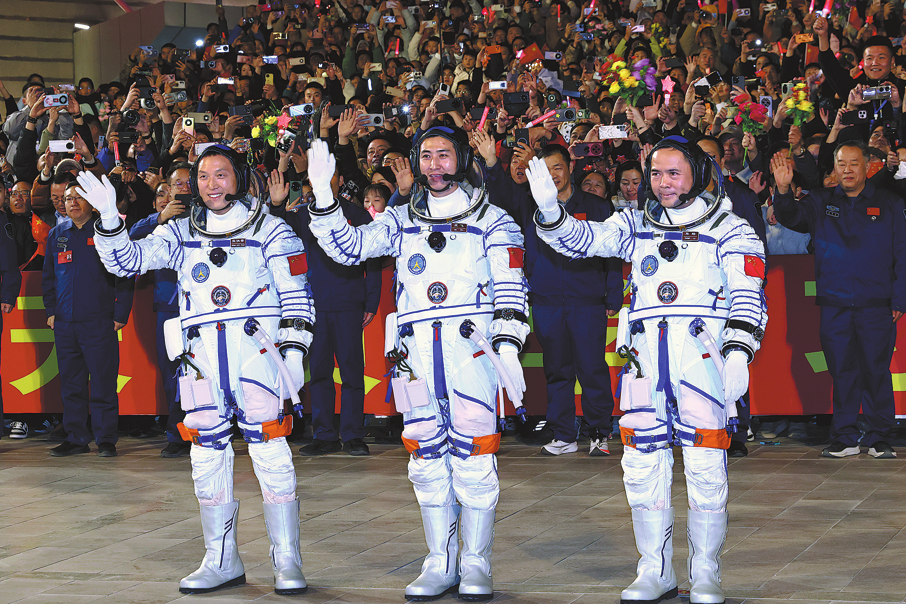
Shenzhou XXI crew begins space mission
The Shenzhou XXI mission has officially commenced, marking a significant milestone in China’s space exploration endeavors. The three-member crew, consisting of Senior Colonel Zhang Lu, Major Wu Fei, and payload specialist Zhang Hongzhang, launched from the Jiuquan Satellite Launch Center in the Gobi Desert at 11:44 PM on Friday. Their journey began aboard a Long March 2F rocket, which propelled them into orbit, setting the stage for a six-month stay at the Tiangong space station. The spacecraft successfully docked with the Tianhe core module early Saturday morning, following a rapid autonomous rendezvous process. Upon arrival, the crew will transition from their pressure suits to intravehicular workwear, preparing to join the outgoing Shenzhou XX team for a brief overlap period. During their mission, the Shenzhou XXI astronauts will undertake 27 scientific projects, spanning fields such as space life sciences, biotechnology, space medicine, and microgravity physics. Additionally, they will conduct spacewalks to install equipment and retrieve external devices, further enhancing the station’s capabilities. This mission represents China’s 16th manned spaceflight and underscores the nation’s growing expertise in independent space station operations.
-
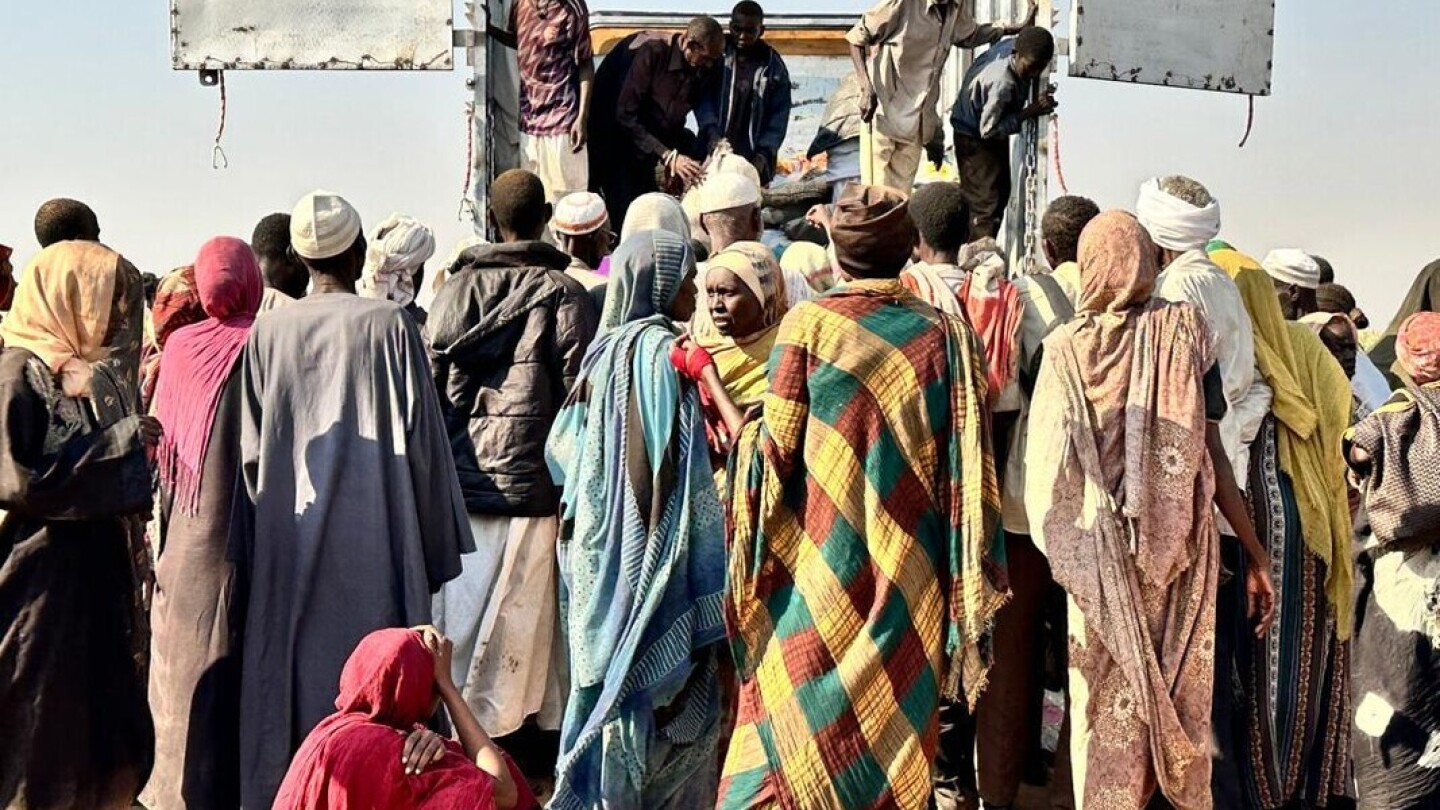
Top diplomats from Germany, Jordan and the UK call for an immediate ceasefire in Sudan war
In a unified and urgent appeal, the foreign ministers of Germany, Jordan, and the United Kingdom have called for an immediate ceasefire in Sudan, highlighting the catastrophic humanitarian crisis unfolding in the East African nation. The plea comes as the paramilitary Rapid Support Forces (RSF) seized control of el-Fasher, the last major city in Darfur, amid reports of widespread violence, ethnic killings, and sexual assaults. United Nations officials have confirmed that over 450 people were killed in a hospital attack, though the RSF denies involvement. Satellite imagery and social media footage, however, depict scenes of mass slaughter and devastation. Speaking at the Manama Dialogue security summit in Bahrain, British Foreign Secretary Yvette Cooper described the situation as a ‘truly horrifying’ humanitarian crisis, emphasizing the use of mass executions, starvation, and rape as weapons of war. German Foreign Minister Johann Wadephul echoed these concerns, labeling the crisis as ‘apocalyptic,’ while Jordan’s Foreign Minister Ayman Safadi criticized the international community for neglecting Sudan’s plight. The ministers stressed that no amount of aid can alleviate the suffering until the violence ceases. Meanwhile, Bahrain’s government revoked The Associated Press’s accreditation to cover the summit following a story on detained activist Abdulhadi al-Khawaja, who ended his hunger strike after receiving letters from the European Union and Denmark.
-
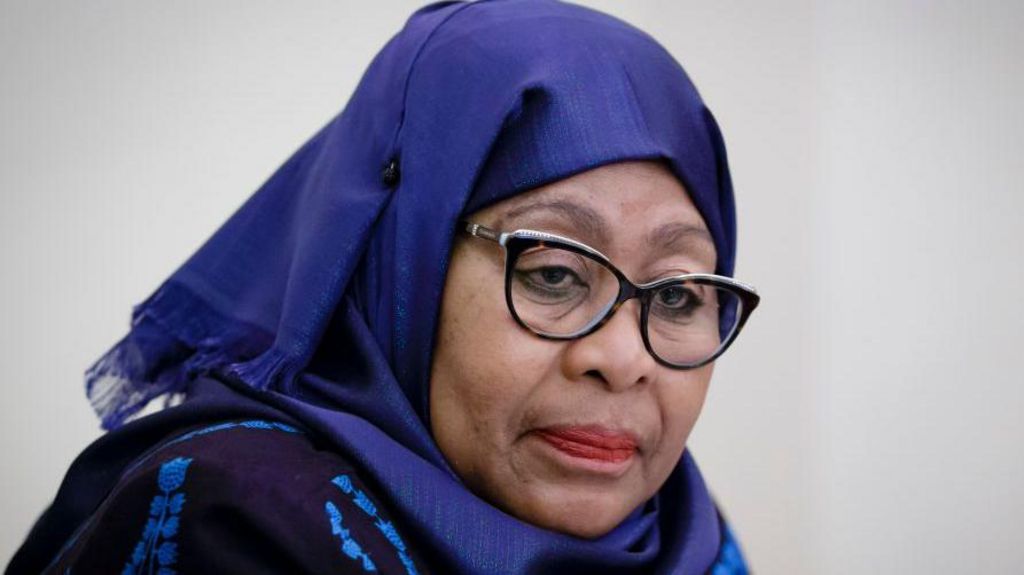
Samia wins Tanzania election with 98% of votes amid unrest
Tanzania’s President Samia Suluhu Hassan has been re-elected for another term, securing a landslide victory with 98% of the votes, according to the electoral commission. The announcement came after days of widespread unrest, with reports of hundreds of casualties and a nationwide internet shutdown complicating efforts to verify the death toll. International observers have raised concerns over the lack of transparency and the violent clashes that have marred the election process. The government has downplayed the scale of the violence, extending a curfew to restore order. In Zanzibar, the semi-autonomous archipelago, incumbent President Hussein Mwinyi also won re-election with nearly 80% of the vote, though the opposition has alleged ‘massive fraud.’ Protests erupted in major cities, with demonstrators tearing down campaign posters and clashing with security forces. Opposition leaders have accused the government of undermining democracy by suppressing their candidates, one of whom is jailed and another disqualified on technical grounds. Rights groups, including Amnesty International, have condemned the government’s alleged repression, citing enforced disappearances and extrajudicial killings. Samia, Tanzania’s first female president, assumed office in 2021 following the death of her predecessor, John Magufuli. Her ruling party, Chama Cha Mapinduzi (CCM), has dominated Tanzanian politics since independence.