
In a landmark ruling, a Chinese court has sentenced five top members of the notorious Bai family mafia to death, marking a significant step in Beijing’s ongoing campaign to dismantle scam operations in Southeast Asia. Among those sentenced were Bai Suocheng, the family patriarch, and his son Bai Yingcang. The Shenzhen Intermediate People’s Court also handed down severe penalties to Yang Liqiang, Hu Xiaojiang, and Chen Guangyi. In total, 21 members and associates of the Bai family were convicted of crimes including fraud, homicide, and injury. The Bai family, once a dominant force in the impoverished town of Laukkaing, Myanmar, transformed the region into a hub for casinos and cyberscam operations, amassing over 29 billion Chinese yuan ($4.1 billion) in illicit gains. Their criminal activities reportedly led to the deaths of six Chinese citizens, one suicide, and multiple injuries. The court’s decision is part of China’s broader effort to eradicate scam networks in Southeast Asia and serves as a stern warning to other criminal syndicates. The Bai family’s downfall began in 2023 when political shifts in Myanmar led to their arrest and extradition to China. Their rise to power in the 2000s was facilitated by Min Aung Hlaing, Myanmar’s current military leader, who sought to strengthen his allies in Laukkaing. The Bai family’s operations included 41 compounds housing cyberscam activities and casinos, where trafficked workers, many of them Chinese, were subjected to abuse and forced to participate in fraudulent schemes. The harsh sentences underscore China’s determination to protect its citizens and combat transnational crime.
作者: admin
-
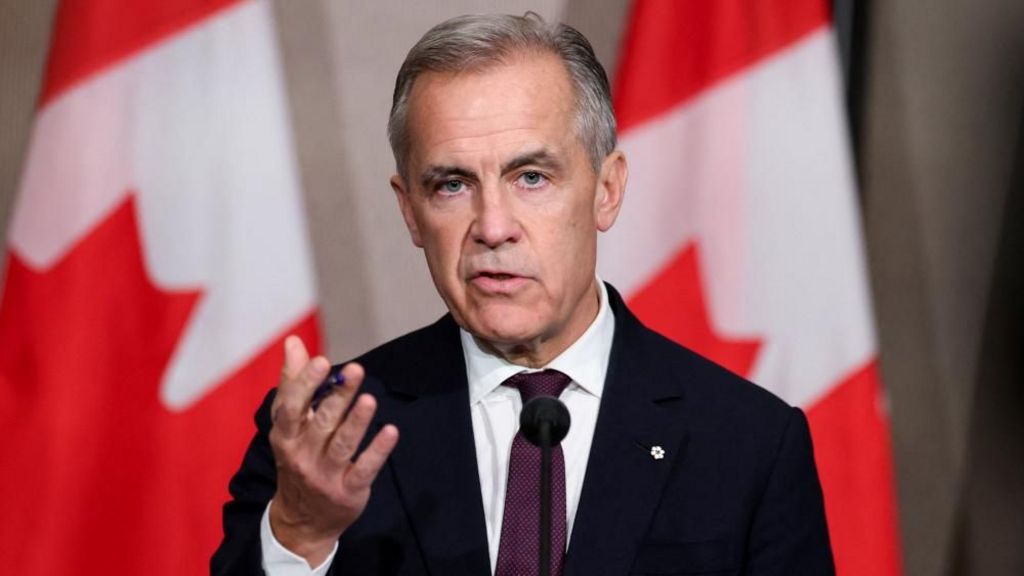
Canada’s Mark Carney promises ‘bold’ first federal budget
Prime Minister Mark Carney is poised to unveil his government’s inaugural federal budget on Tuesday, signaling a pivotal moment for Canada’s economic future. Amid the lingering impact of US President Donald Trump’s tariffs, Carney has cautioned Canadians to brace for ‘sacrifices’ as his administration seeks to overhaul the nation’s economic framework. The budget will feature a dual approach: significant spending cuts alongside ‘generational investments’ aimed at fortifying the economy and reducing reliance on US trade. Additionally, the plan outlines how Canada will finance billions in defense spending to meet NATO’s 2035 target of allocating 5% of GDP to defense. Analysts predict the federal deficit could surpass C$70 billion, a sharp increase from last year’s $51.7 billion. Carney, a former central banker for Canada and the UK, has vowed to position Canada as the strongest economy within the G7. ‘We used to take big, bold risks in this country. It is time to swing for the fences again,’ he declared in a recent pre-budget speech. The budget also emphasizes diversifying Canada’s export markets, with Carney setting an ambitious goal to double non-US exports within a decade. However, the transition will require substantial government support, as highlighted by Joy Nott, a KPMG Canada partner specializing in trade and customs. ‘Canadian companies need assistance in overcoming historic hurdles when entering new markets,’ she noted. Finance Minister Francois-Philippe Champagne reinforced the ‘made-at-home’ ethos by purchasing shoes from a Quebec-based manufacturer, symbolizing the shift from reliance to resilience. While the budget prioritizes investments, Carney has pledged to balance the federal operating budget within three years. The government has already tasked federal ministries with identifying up to 15% in program cuts to fund initiatives like trade infrastructure and housing. However, the Liberal Party’s ability to pass the budget remains uncertain, as they lack a majority in the House of Commons. Potential support from the left-wing NDP could be pivotal, though some MPs may abstain to avoid triggering a snap election. Carney’s budget also faces potential backlash against austerity measures, particularly as trade uncertainty and rising unemployment weigh on the economy. The Bank of Canada projects modest GDP growth of 1.2% in 2025, 1.1% in 2026, and 1.6% in 2027, underscoring the challenges ahead.
-
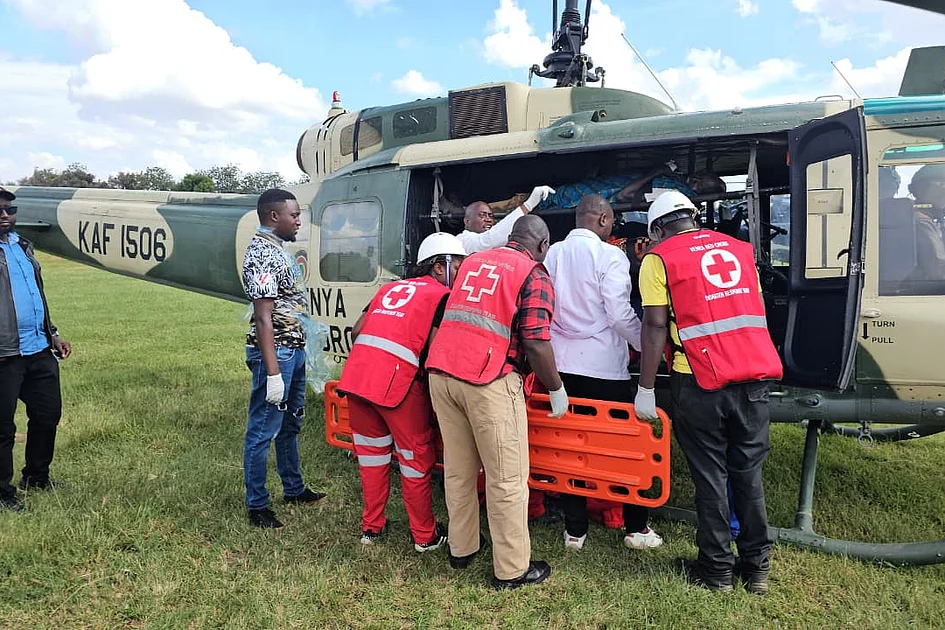
UAE offers condolences to Kenya as heavy rains, landslides kill many
The United Arab Emirates (UAE) has expressed profound sorrow and solidarity with Kenya following catastrophic landslides triggered by relentless heavy rains in the western region of the country. The UAE Ministry of Foreign Affairs issued an official statement conveying heartfelt condolences to the bereaved families, the Kenyan government, and its citizens, mourning the tragic loss of life. The disaster, which unfolded during Kenya’s rainy season, has claimed at least 21 lives, with over 30 individuals still missing, according to Interior Minister Kipchumba Murkomen. The landslide occurred overnight in Marakwet East, leaving a trail of destruction marked by massive mudslides and flash floods. Aerial images shared by the Kenyan Red Cross depict the extensive devastation, underscoring the severity of the natural calamity. The UAE’s gesture of sympathy highlights the strong diplomatic ties and humanitarian spirit between the two nations during this time of crisis.
-
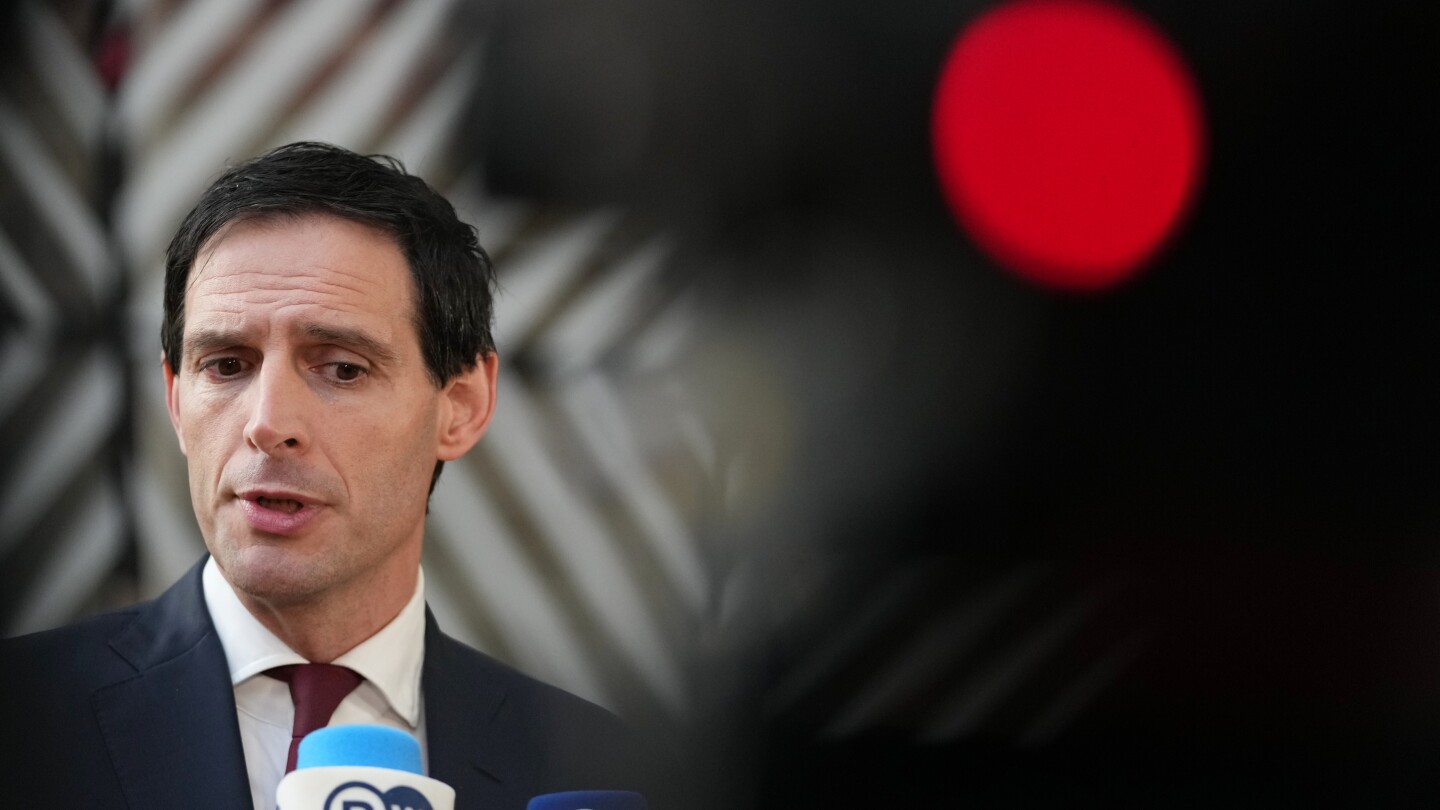
European Union tries to forge new climate targets before the COP30 summit in Brazil starts next week
As the United Nations climate talks in Brazil approach, the European Union is intensifying efforts to establish cohesive climate objectives. On Tuesday, ministers from the 27-nation bloc convened in Brussels to align their nationally-determined emissions targets, aiming to present a unified front at the COP30 summit in Belém. Spanish climate minister Sara Aagesen emphasized the urgency, stating, ‘We need to show the world that we are leaders in climate change. Today’s the day.’
The EU’s longstanding leadership in climate action faces challenges from both domestic and international pressures. Recent extreme weather events, including wildfires, heat waves, and floods across Europe, have amplified calls for more robust climate measures. However, geopolitical tensions, such as Russia’s war in Ukraine and strained relations with the United States, have complicated efforts to maintain ambitious environmental policies.
Environmentalists have expressed concern over the European Commission’s recent weakening of a deforestation law, interpreting it as a potential shift away from green priorities. Despite this, European Commission President Ursula von der Leyen reaffirmed the EU’s commitment to climate leadership in September, pledging to achieve climate neutrality and reduce carbon emissions by 90% by 2040. She also linked climate investment to sovereignty and defense, arguing that a self-reliant Europe is better equipped to handle global threats.
Since the Paris Agreement in 2015, many EU governments have shifted to the right, with some viewing climate regulations as economic constraints. Others argue that Europe must lead in renewable energy production to avoid dependency on countries like China. EU climate commissioner Wopke Hoekstra stressed the need to balance climate action with industrial competitiveness and independence, noting, ‘It takes 27 to tango.’
The U.S. withdrawal from the Paris Agreement has further unsettled Europe, which had previously collaborated closely with the U.S. on climate initiatives. The Paris Agreement aims to limit global temperature rise to 1.5°C above pre-industrial levels, requiring significant reductions in greenhouse gas emissions. The EU’s commitments have spurred investments in renewable energy and electric vehicles, often in competition with Chinese firms.
Europe, the world’s fastest-warming continent, has experienced accelerated warming since the 1980s, leading to more extreme weather events. Swedish climate minister Romina Pourmokhtari underscored the importance of maintaining ambition, stating, ‘Today is about standing ground and not only talking the talk when it is easy, but also walking the walk when it becomes difficult.’ The COP30 summit is scheduled for November 10-21 in Brazil.
-
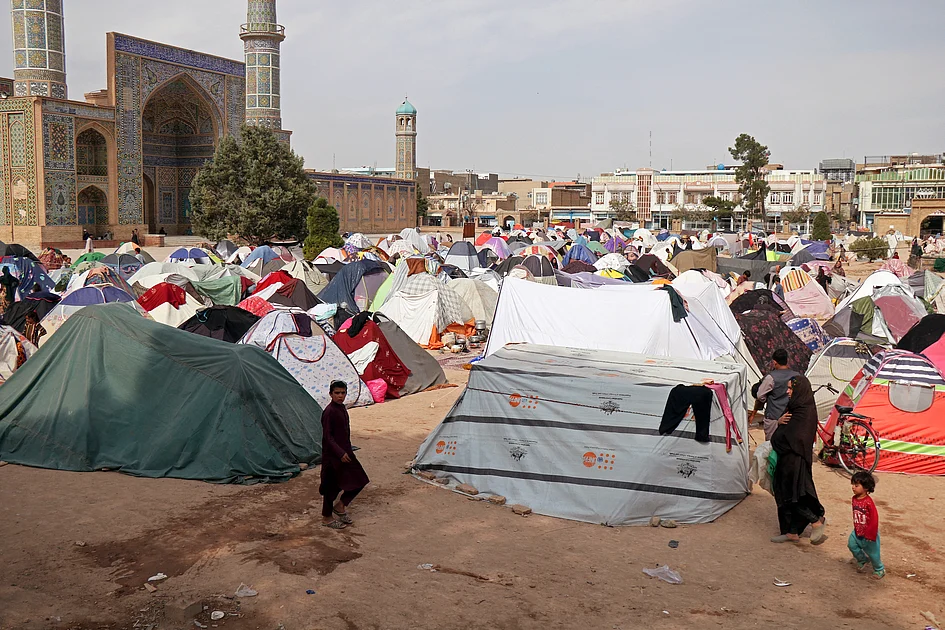
UAE expresses solidarity with Afghanistan after deadly Mazar-e Sharif quake
The United Arab Emirates (UAE) has extended its heartfelt solidarity to Afghanistan in the wake of a catastrophic 6.3-magnitude earthquake that struck near the northern city of Mazar-e Sharif on Monday. The tremor, which occurred at a depth of 28 kilometers (17.4 miles), has claimed at least 20 lives and left approximately 320 injured, with officials cautioning that the death toll may rise as rescue operations continue in the affected regions of Balkh and Samangan provinces. The UAE’s Ministry of Foreign Affairs (Mofa) issued a statement expressing profound condolences to the families of the victims and the Afghan people, while also wishing a swift recovery for those injured. The earthquake caused significant damage to the historic Blue Mosque, a revered site believed to be the burial place of the Prophet Mohammad’s cousin and son-in-law. Social media platforms circulated harrowing footage of emergency responders sifting through debris in search of survivors, though the authenticity of these videos remains unverified. The tragedy has underscored the urgent need for international support and disaster response efforts in Afghanistan.
-
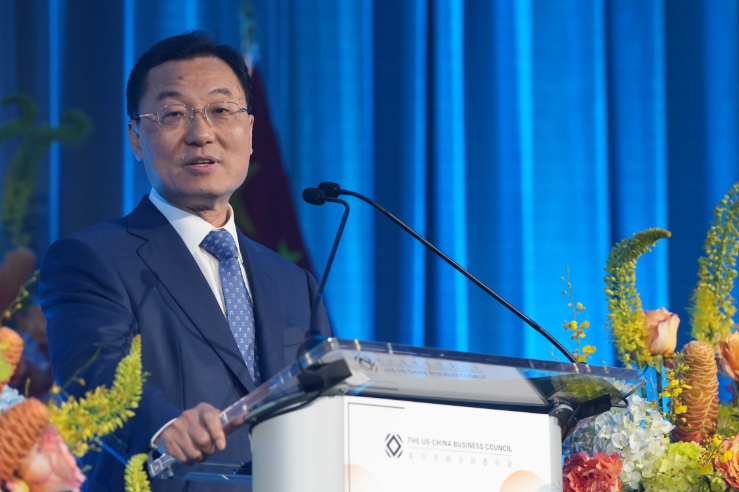
Envoy: China, US can build on momentum
In a significant development for Sino-American relations, China’s top envoy in Washington, Ambassador Xie Feng, emphasized the importance of building on the positive momentum generated by the recent meeting between the presidents of China and the United States in Busan, South Korea. Speaking at the US-China Business Council 2025 China Operations Conference and Dinner in Shanghai via video link, Xie described the meeting as a pivotal moment that has ‘recalibrated bilateral relations at a crucial time.’
Ambassador Xie highlighted the global relief and optimism following the meeting, which has set a steady course for the ‘giant ship’ of China-US relations. He acknowledged the persistent challenges but stressed the necessity of maintaining hope and collaborative efforts to advance the relationship. ‘When we see each other as a partner, there is no problem we cannot solve; but if we treat one another as a rival, problems will arise even when there are none at first,’ he remarked.
The envoy also detailed the tangible outcomes of the meeting and subsequent trade talks in Malaysia, including the US decision to lower fentanyl tariffs on China from 20 percent to 10 percent and suspend 24 percent reciprocal tariffs for one year on Chinese goods. China, in turn, has agreed to adjust its countermeasures accordingly. Both nations have also committed to anti-drug cooperation, expanded agricultural trade, and the resolution of individual enterprise cases.
Xie underscored the importance of following through on the consensus reached during the presidential meeting and trade negotiations, stating that concrete actions would ‘reassure both our countries and the world economy.’ He cautioned against actions that could disrupt the progress, such as zero-sum calculations or attempts to profit at others’ expense.
Looking ahead, Xie pointed to China’s 15th Five-Year Plan (2026-2030) as a catalyst for broader Sino-American cooperation. With China’s GDP projected to reach approximately 140 trillion yuan ($19.7 trillion) this year and its per capita GDP expected to match that of a mid-level developed country by 2035, China remains a reliable engine of global growth. Innovation, particularly in emerging fields like new energy and new materials, will further open opportunities for bilateral collaboration in research, investment, and sustainable industrial upgrading.
Xie also highlighted China’s commitment to high-level opening-up, which will facilitate deeper economic engagement between the two nations. He urged US companies to seize new growth opportunities and act as a stabilizing force in bilateral relations, describing them as both ‘passengers and sailors’ on the voyage of China-US cooperation.
The 8th China International Import Expo, scheduled in Shanghai from November 5 to 10, was noted as a key venue for partnership, with US companies consistently being among the largest exhibitors and beneficiaries. The US-China Business Council echoed this sentiment, expressing optimism for ‘long-term predictability’ in bilateral trade ties following the recent trade announcements.
In conclusion, Ambassador Xie emphasized that China’s focus on managing its own affairs well and sharing development opportunities with the world is the cornerstone of its success, bringing stability and certainty to China, US-China relations, and the global economy.
-
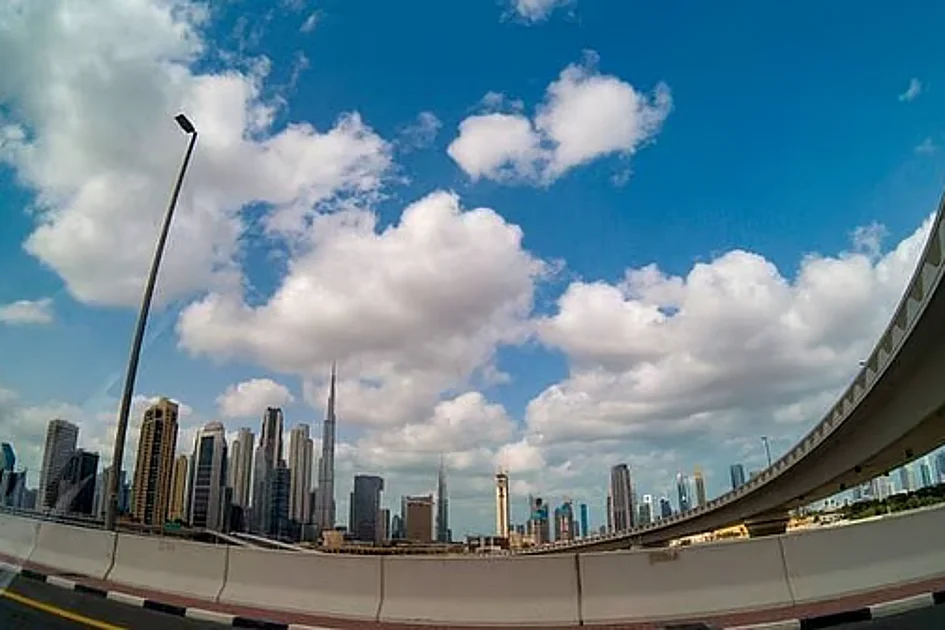
UAE weather: Dubai temperatures to dip to 24ºC; humidity by night
The National Centre of Meteorology (NCM) has forecasted a shift in weather conditions across the UAE, with temperatures in Dubai expected to drop to 24ºC on Tuesday, November 4. Sharjah and Abu Dhabi will experience slightly cooler lows of 23ºC. The day will be characterized by partly cloudy to cloudy skies, particularly in western and coastal regions, with occasional dust in northern and eastern areas. Humidity levels are predicted to rise by night and into Wednesday morning, affecting both coastal and internal regions. Winds will be light to moderate, shifting from southeasterly to northwesterly, with speeds ranging from 10-25 km/hr, occasionally reaching 40 km/hr. Sea conditions in the Arabian Gulf and Oman Sea will remain slight to moderate. Residents are advised to stay updated on weather developments as these changes could impact daily activities.
-

Former deputy chief of China’s State Tobacco Monopoly Administration indicted for graft
Zhang Tianfeng, the former deputy chief of China’s State Tobacco Monopoly Administration, has been formally indicted on corruption charges, as announced by the Supreme People’s Procuratorate on Tuesday. The charges allege that Zhang exploited his influential positions within the tobacco industry to illicitly secure benefits for others, accepting substantial bribes and gifts in return. The case has been escalated to the Intermediate People’s Court of Ganzhou City in Jiangxi Province, marking a significant step in China’s ongoing anti-corruption campaign. This indictment underscores the government’s commitment to rooting out graft within its administrative ranks, particularly in sectors with substantial economic influence like the tobacco industry.
-

Streamers will be made to produce Australian content
The Australian government has announced new legislation requiring major streaming platforms to allocate a minimum portion of their revenue or expenditure to locally produced content. Platforms such as Netflix, Disney+, Amazon Prime, and others with over one million subscribers will need to invest at least 10% of their local expenditure or 7.5% of their revenue in Australian drama, documentaries, arts, and educational programs. The legislation, set to be introduced to Parliament this week, aims to safeguard jobs in the acting and creative industries while ensuring Australian stories continue to thrive on global streaming services. Arts Minister Tony Burke emphasized the importance of this move, noting that while free-to-air and pay television already have local content requirements, streaming services have operated without such guarantees. The decision follows delays caused by concerns over potential conflicts with a free trade agreement with the U.S. during the Trump administration. With those concerns now resolved, the legislation has regained momentum. Industry groups like the Australian Writers Guild and Screen Producers Australia have welcomed the initiative, though streaming platforms have yet to comment. This development comes as Australia’s creative sector faces challenges, including a 30% decline in investment in feature films and television dramas during the 2023-24 financial year, exacerbated by the COVID-19 pandemic. Recent Australian productions on Netflix, such as ‘Heartbreak High,’ ‘Territory,’ and ‘Apple Cider Vinegar,’ highlight the potential of local storytelling on global platforms.
-
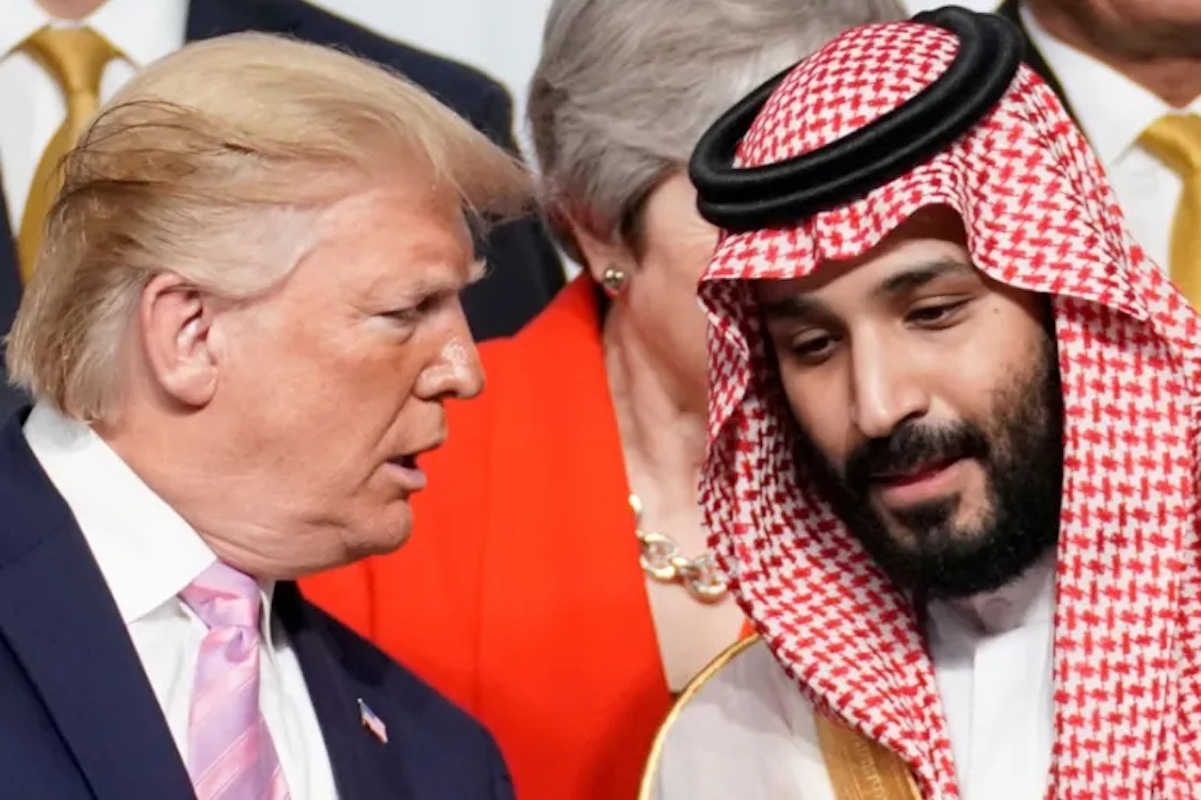
Time for US to ditch its Saudi alliance
For decades, the US-Saudi relationship has been hailed as an unshakable cornerstone of American foreign policy in the Middle East. However, this alliance, once deemed sacrosanct, has now outlived its strategic purpose. Like a marriage sustained solely for appearances, both nations have drifted apart, pursuing divergent interests while maintaining the facade of partnership. It is time to confront the undeniable truth: the rationale for this alliance has dissolved, and its continuation undermines both American interests and regional stability. The traditional pillars of the relationship—oil security, counterterrorism, and containing Iran—have either become obsolete or counterproductive. The US, now a net energy exporter due to the shale revolution, no longer relies on Saudi oil, freeing itself from dependence on a regime whose values increasingly clash with its own. Meanwhile, Saudi Arabia has signaled its independence through actions such as coordinating with Russia via OPEC+ to manipulate oil prices, often against US preferences. This shift was starkly evident when Riyadh cut oil production to boost prices, directly opposing the Biden administration’s efforts to ease economic pressures on American consumers. Further evidence of the growing rift is Saudi Arabia’s deepening ties with China, which now accounts for a quarter of its oil exports and has brokered diplomatic breakthroughs like the Saudi-Iran detente—a feat Washington failed to achieve. Riyadh is also exploring alternatives to the petrodollar system, conducting transactions in yuan, signaling a move away from American financial hegemony. Despite these changes, Washington clings to the illusion of an unchanged alliance, continuing to supply advanced weaponry to Saudi Arabia, overlooking human rights abuses in Yemen, and downplaying the murder of journalist Jamal Khashoggi. This relationship, once strategic, has become transactional, driven more by institutional inertia and the interests of defense contractors than by genuine national priorities. A recalibration of this alliance is overdue. The US should engage with Saudi Arabia on commercial terms, cooperate on specific mutual interests like counterterrorism, and cease allowing this relationship to distort its broader Middle East policy. Stepping back from this dysfunctional alliance could encourage Riyadh to pursue more pragmatic regional policies, such as diplomatic engagement with Iran and a focus on economic diversification under Vision 2030. The US-Saudi alliance served its purpose in an era defined by American oil dependence and Cold War geopolitics. That era has ended, and so too should this outdated partnership. A truly conservative foreign policy would recognize that not all relationships are worth preserving at any cost. Sometimes, the most strategic move is to let go.