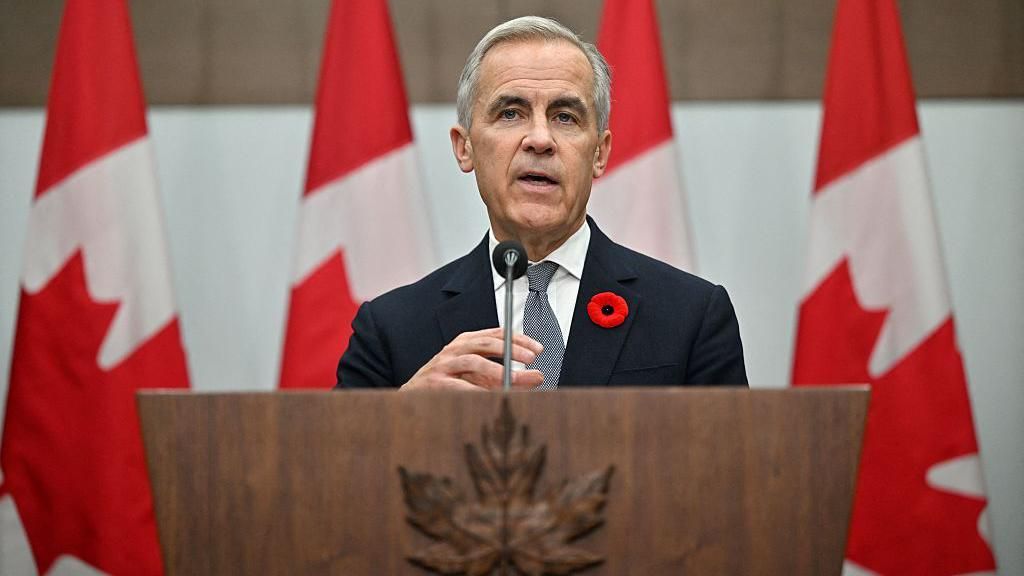
Prime Minister Mark Carney’s government has introduced its first federal budget, outlining a bold economic transformation plan to address the pressures of US tariffs and foster long-term growth. Dubbed an ‘investment budget,’ the fiscal blueprint increases Canada’s deficit to C$78 billion, up from C$51.7 billion, while aiming to attract C$1 trillion in investments over the next five years. Finance Minister François-Philippe Champagne presented the budget in the House of Commons, emphasizing the need for ‘bold and swift action’ during a period of profound change. The budget includes significant spending on infrastructure, defense, and artificial intelligence (AI), alongside cuts to the federal workforce and international aid. To counter US tariffs, which have already impacted sectors like steel, aluminum, and automobiles, the government plans to invest C$280 billion to enhance productivity, competitiveness, and resilience. This includes modernizing trade infrastructure and doubling exports to non-US markets. The budget also proposes C$30 billion in defense spending, aligning with NATO commitments, and nearly C$1 billion to advance AI integration. However, the plan faces political hurdles, as Carney’s Liberal government lacks a majority and requires support from other parties to pass the budget. Opposition leaders have expressed concerns over the deficit and austerity measures, raising the possibility of a federal election if the budget fails to gain approval.
作者: admin
-
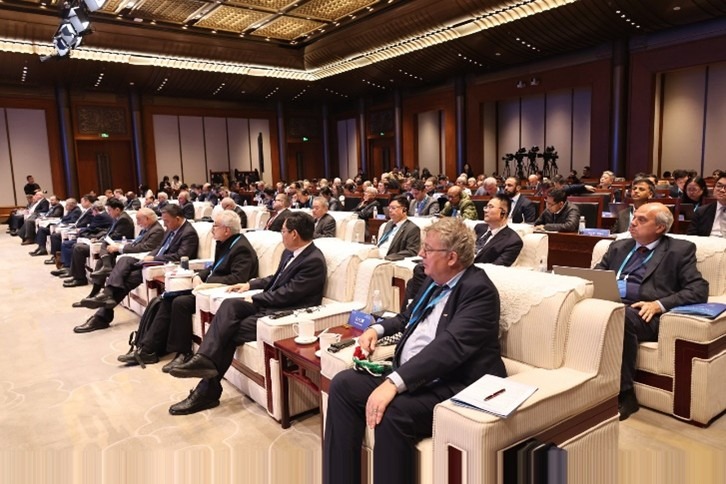
15th World Socialism Forum kicks off in Beijing
The 15th World Socialism Forum commenced in Beijing on November 3, 2025, gathering nearly 90 communist leaders, Marxist scholars, social activists, and diplomatic representatives from 35 countries. Under the theme ‘At the Crossroads of World History: The Choices of All Nations,’ the forum delved into critical topics such as Chinese-style modernization, the rise of the Global South, and reforms in global governance to promote fairness and justice. Gao Xiang, president and Party secretary of the Chinese Academy of Social Sciences (CASS), inaugurated the event by emphasizing the shifting global power dynamics and China’s role in addressing global challenges through its Global Development, Security, Civilization, and Governance Initiatives. He underscored China’s commitment to fostering solidarity among socialist forces worldwide and advancing a non-Western path to modernization. International participants echoed these sentiments, with Alberto Moreno, general secretary of the Communist Party of Peru – Red Fatherland, praising China’s multilateral approach as a beacon for a fair and democratic international order. José Luis Centella, president of the Communist Party of Spain, highlighted China’s leadership in global governance as a counter to hegemonic strategies, urging progressive forces to reform international institutions. Maurizio Acerbo, secretary of the Communist Refoundation Party, acknowledged China’s role in challenging neoliberalism, while Jorge Kreneyss, general secretary of the Communist Party of Argentina, lauded BRICS as a platform for Global South autonomy. Chinese scholars emphasized the unique contributions of Chinese-style modernization, rooted in historical and cultural contexts, as a transformative model for global socialism. The forum concluded with a consensus on the importance of adapting Marxist principles to contemporary realities and leveraging international cooperation to achieve equitable global development.
-
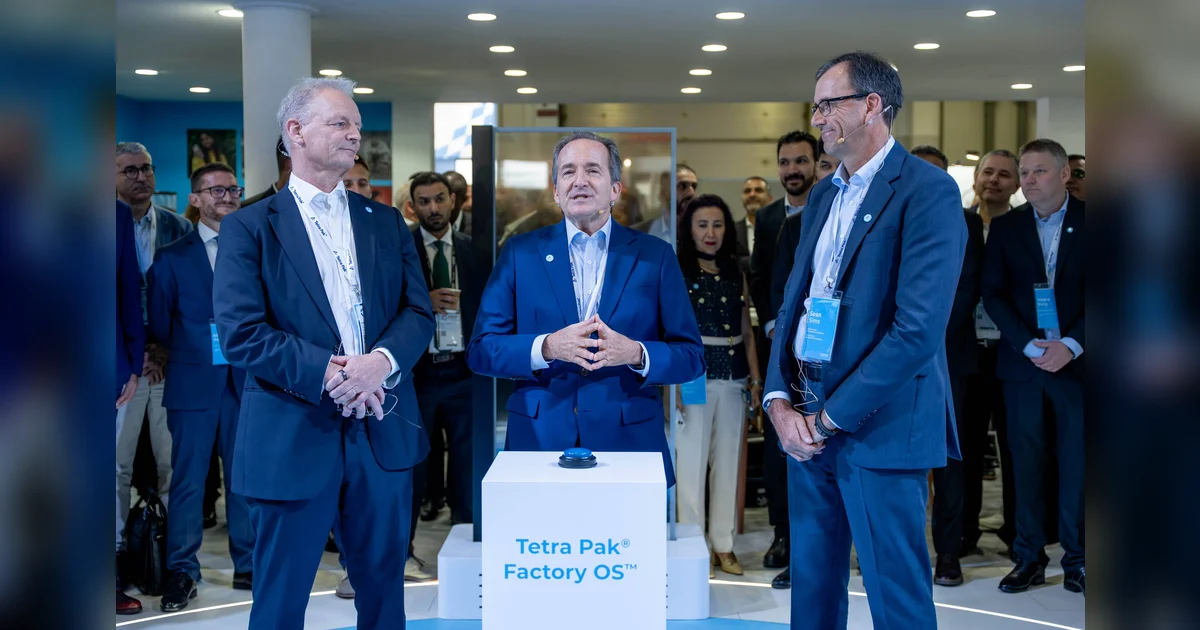
Tetra Pak Arabia unveils advanced automation and digital suite to accelerate AI-ready food factories
Tetra Pak Arabia has unveiled its cutting-edge automation and digital solutions portfolio, Tetra Pak® Factory OS™, at Gulfood Manufacturing 2025 in Dubai. This innovative ecosystem aims to transform traditional food and beverage (F&B) production facilities into intelligent, energy-efficient, and AI-ready factories across the Middle East. The launch comes as the region’s F&B sector is projected to grow at a 6.5% compound annual growth rate (CAGR) from 2025 to 2031. Middle Eastern producers face significant challenges, including rising energy costs, water scarcity, cyber threats, talent shortages, and supply chain disruptions. Tetra Pak® Factory OS™ addresses these issues by integrating equipment and systems, converting fragmented data into real-time insights, and enhancing operational efficiency. The modular platform supports scalable growth, enabling producers to start small and expand as needed. Powered by advanced technologies such as edge computing, cloud connectivity, and robust cybersecurity, the system offers real-time performance visibility, predictive intelligence, and seamless AI integration. Konstantin Kolesnik, Managing Director of Tetra Pak Arabia Area, emphasized the platform’s role in reducing import dependency, strengthening food security, and unlocking economic value. Leading regional producers, including Al Rabie, National Food Products Company (NFPC), and National Dairy (Hayatna), are already leveraging Tetra Pak’s solutions to modernize operations. Tetra Pak® Factory OS™ is now globally available and showcased at Gulfood Manufacturing 2025, Booth A2-42, Hall 2.
-
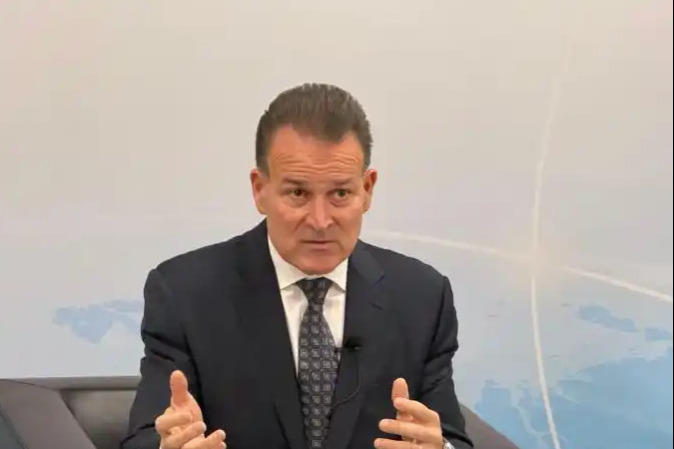
Netherlands’ firm Louis Dreyfus to introduce new products at CIIE
In a strategic move to deepen its presence in China’s burgeoning consumer market and bolster its global supply chain, Louis Dreyfus Co, a leading multinational agricultural trader and processor, is set to unveil its instant coffee and a range of innovative feed products at the 8th China International Import Expo (CIIE) in Shanghai. The event, scheduled from November 5 to 10, marks the company’s debut at the prestigious trade fair. Michael Gelchie, CEO of the Netherlands-based firm, revealed these plans during an interview on Tuesday, expressing confidence in the exponential growth of China’s consumer market over the next decade. Gelchie emphasized that Louis Dreyfus Co aims to not only serve as a key supplier of commodities to China but also to expand its role in the food and feed sectors. The company’s strategy aligns with China’s ongoing efforts to open its seed industry, diversify agricultural imports, and cater to the growing middle-income demographic. Gelchie highlighted the importance of the consumer goods sector in diversifying the company’s revenue streams, supported by China’s push for high-quality consumer products. Recent developments include the launch of a specialty feed protein production line in Tianjin, the company’s first commercial-scale facility of its kind, and the construction of a food technology park in Qingdao, set to open in 2027. Louis Dreyfus Co has also established its regional headquarters in Shanghai in 2021, followed by a global R&D center in 2023. Leveraging the free trade account mechanism in the Shanghai Pilot Free Trade Zone, the company plans to enhance its financing and risk management capabilities. Gelchie, who has attended the CIIE three times, noted the exhibition’s role in showcasing China’s technological advancements, particularly in electric vehicles, and how these innovations can be applied globally. With over 50 years of operations in China, Gelchie remarked that the company feels deeply rooted in the local market.
-
AVEVA highlights the role of industrial intelligence in enabling net-zero energy at ADIPEC 2025
AVEVA, a global leader in industrial software, is set to make a significant impact at ADIPEC 2025, scheduled to take place in Abu Dhabi from November 3-6, 2025. The company will highlight its CONNECT platform, an advanced industrial intelligence solution powered by AI, designed to revolutionize the energy sector. CONNECT aims to unify data, provide actionable insights, and enhance operational agility, aligning with the UAE’s ambitious Net Zero 2050 strategy.
At the event, AVEVA will utilize augmented and virtual reality to demonstrate how CONNECT supports every phase of the industrial lifecycle—from design and construction to operation, maintenance, and optimization. The platform empowers organizations to innovate, improve performance, and achieve sustainability goals in an increasingly digital and competitive landscape.
The UAE’s commitment to transitioning to a low-carbon economy and diversifying its energy mix is underscored by initiatives like the UAE Net Zero 2050 Strategy. AVEVA’s solutions are tailored to help energy companies integrate engineering, operations, and performance seamlessly, enabling them to execute projects more efficiently, enhance asset reliability, and make measurable progress toward net-zero objectives.
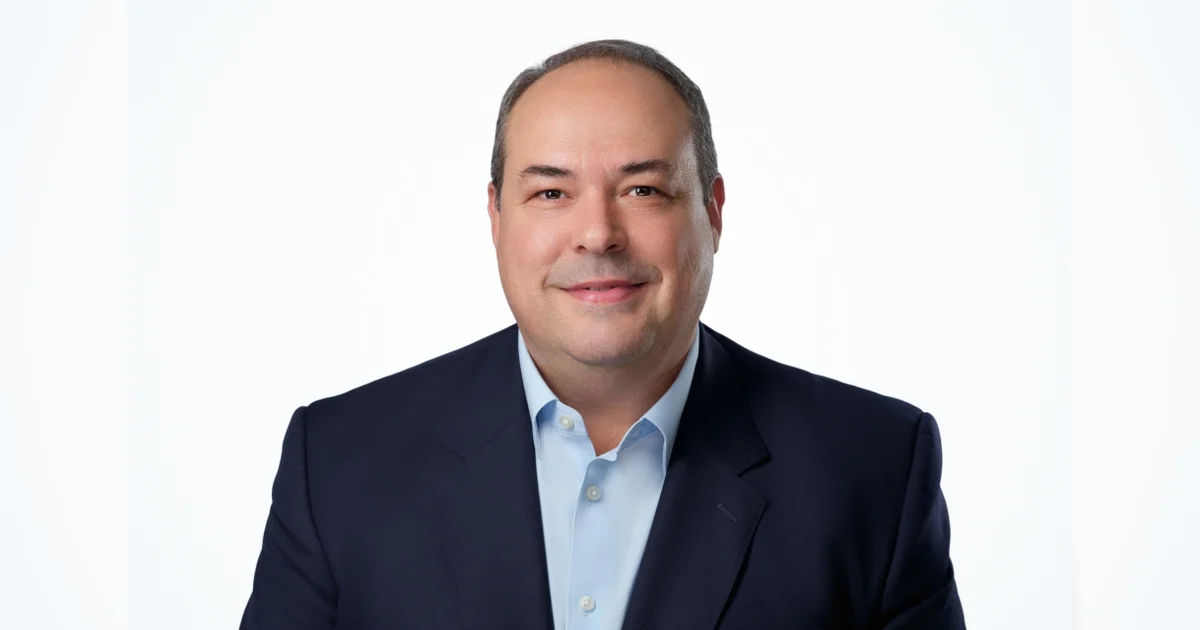
Jesus Hernandez, Senior Vice President of EMEA at AVEVA, emphasized the role of technology in this transition: ‘Our tools, from digital twins to AI-driven analytics, are helping companies optimize operations, improve asset reliability, and advance toward net-zero goals. We’re excited to engage with regional customers and partners at ADIPEC to showcase how our solutions can navigate this complex transformation while boosting performance and agility.’
Nayef Bou Chaaya, Vice President for the Middle East, Africa, and Turkey at AVEVA, highlighted the challenges facing the energy sector: ‘Organizations are grappling with project execution, CAPEX efficiency, unplanned downtime, and operational inefficiencies. There’s also growing pressure to meet sustainability targets, particularly in emissions tracking and reporting. At ADIPEC, we’ll demonstrate how Industrial Intelligence-as-a-Service can unlock efficiency, sustainability, and growth by combining AI, data, and human expertise.’
Visitors to Hall 4, Stand 4410 will have the opportunity to experience CONNECT firsthand. The platform, featuring the world’s largest industrial software ecosystem and an intelligent digital twin, integrates insights across the industrial landscape. Live demonstrations will illustrate how organizations can enhance performance, advance sustainability, and maximize return on investment.
-

UAE weather tomorrow: Rains expected in some areas; temperatures to rise
Residents across the United Arab Emirates (UAE) should prepare for varied weather conditions on Wednesday, November 5, 2025, as the National Centre of Meteorology (NCM) predicts rainfall in certain regions. The Al Dhafrah area is expected to experience dusty to partly cloudy skies, with occasional cloud cover.
-
This trillionaire economy thrived in a global order Trump is ditching
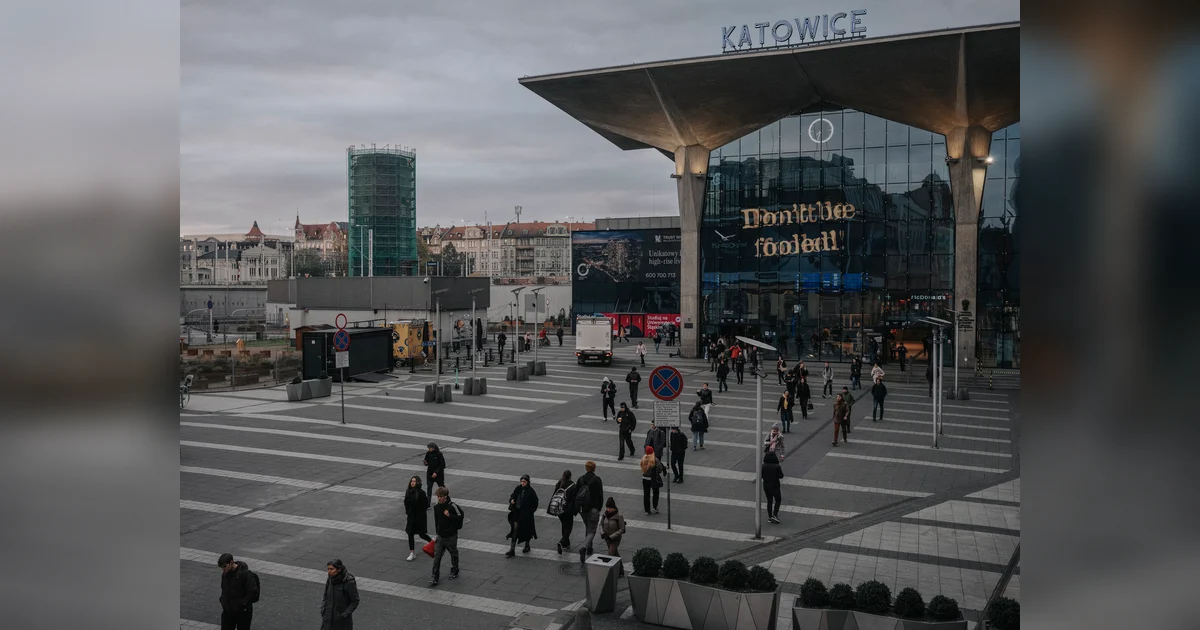
Poland, once a struggling lower-middle-income nation with 900% inflation in 1989, has emerged as a trillion-dollar economy, joining the elite club of nations with economic outputs exceeding $1 trillion. This remarkable transformation, often referred to as the ‘Polish miracle,’ was fueled by a global economic system that prioritized international collaboration, trade, and investment. However, the foundations of this system are now crumbling under the weight of geopolitical shifts, protectionist policies, and regional conflicts. The question looms: Can Poland—and other European nations that thrived in this era—sustain their momentum in the new global order? Poland’s journey began with brutal shock therapy reforms in the 1990s, masterminded by former finance minister Leszek Balcerowicz, which transitioned the country to a capitalist economy. Its 2004 admission to the European Union (EU) marked a turning point, supercharging growth through access to the single market, foreign investment, and EU funding for infrastructure projects. Over the years, Poland developed a diversified economy, leveraging its central European location, well-educated workforce, and large consumer market. However, the outlook has darkened since Russia’s invasion of Ukraine in 2022. The war disrupted energy supplies, increased costs, and heightened regional instability. Poland, like its European neighbors, has faced rising energy prices, EU regulatory burdens, and competition from the U.S. and China. The unraveling of the international order accelerated under former U.S. President Donald Trump, whose tariffs and weakened security guarantees unsettled global trade. Poland’s automotive sector, closely tied to Germany, faces uncertainty, while a pending EU trade agreement with Latin America threatens its agricultural producers. The war has also prompted Poland to bolster its military, with defense spending set to reach 5% of GDP by next year—the highest in NATO. While this strengthens national security, it diverts funds from social and economic programs, raising national debt. Despite these challenges, Poland has seized opportunities amid the crisis. Over 1 million Ukrainian refugees have settled in the country, providing a boost to the workforce and GDP. Companies like Iteo, a software and AI consulting firm, have integrated Ukrainian talent, enhancing productivity. Additionally, shifts in EU rules have opened doors for defense-related ventures, replacing foreign investors who withdrew due to the war. The global push for secure supply chains has also created opportunities for Poland to focus on domestic production and nearshoring. As the world retreats from hyper-globalization, Poland’s history of adaptability may prove its greatest asset. ‘History makes us flexible,’ said Marta Kepa, CEO of the Software Development Association. The challenge now is navigating a global system that is increasingly unpredictable and threatening, while leveraging its strengths to sustain economic resilience.
-
OpenAI clarifies ChatGPT’s limits after viral claims about legal, medical advice
OpenAI has recently clarified the boundaries of its AI chatbot, ChatGPT, following widespread claims on social media and in various media outlets that the platform had ceased offering legal, medical, and financial advice. The company emphasized that while ChatGPT can provide explanations and general information, it is not designed to offer personalized advice or recommendations in these critical fields. This clarification aligns with OpenAI’s ongoing efforts to refine its policies, balancing user freedom with safety and accountability. The discussion gained traction after media outlet Nexta shared a post on X, stating that ChatGPT had been officially labeled an ‘educational tool’ and would no longer provide specific guidance on treatment, legal issues, or financial matters. OpenAI’s Usage Policies page, last updated on October 29, explicitly prohibits the provision of tailored advice in licensed fields without the involvement of a licensed professional. Karan Singhal, OpenAI’s head of health AI, addressed the confusion on X, stating that this was not a new change and that ChatGPT has always been a resource for understanding legal and health information, not a substitute for professional advice. OpenAI’s policies also restrict the automation of high-stakes decisions in sensitive areas without human review, including legal, medical, financial, housing, employment, and insurance matters. While no major lawsuits have emerged over ChatGPT’s advice, experts believe this clarification underscores the risks of AI in regulated fields. OpenAI’s stance also reflects a broader industry shift toward regulated and accountable AI use, as legal scrutiny on AI deepens. The company is already facing lawsuits from authors, publishers, and media organizations alleging unauthorized use of copyrighted material to train AI models. Experts continue to call for stronger AI regulation, arguing that clear frameworks are essential to prevent misuse in sensitive areas like healthcare, law, and finance. For users, the update reinforces that ChatGPT should be treated as an information aid, not a professional adviser. For regulators and businesses, it marks another step in the industry’s move toward clearer boundaries, as global conversations around AI safety, liability, and governance continue to evolve.
-
CIIE to be fully powered by renewable energy
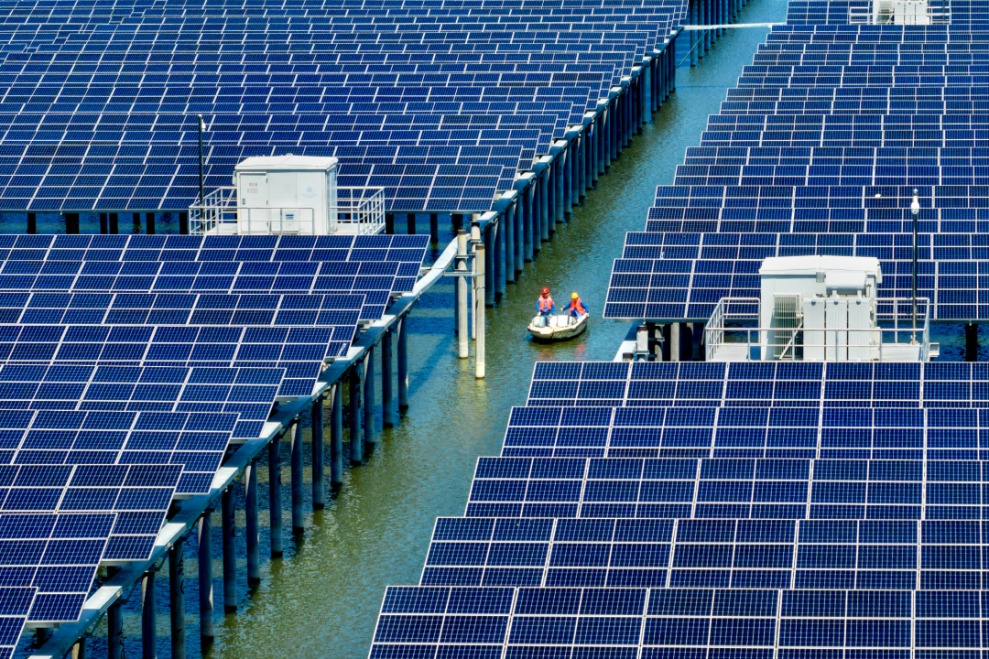
The 8th China International Import Expo (CIIE), set to take place from November 5 to 10 at the National Exhibition and Convention Center in Shanghai, will be fully powered by renewable energy for the third consecutive year. This milestone was achieved through an inter-provincial green power transaction totaling approximately 130 million kilowatt-hours for November, orchestrated by the State Grid Shanghai Municipal Electric Power Co. About 8 million kilowatt-hours of this green power will directly cover the expo’s electricity needs. The State Grid Shanghai has also utilized the CIIE’s influence to promote green electricity consumption among exhibitors and broader users across the city, resulting in a record-breaking green power trading volume of over 1 billion kilowatt-hours in November. This initiative is expected to reduce carbon dioxide emissions by approximately 798,000 tons. The State Grid Shanghai has developed a three-tier green power supply model, encompassing cross-regional, regional, and local levels, and conducted multiple green electricity transactions. During the CIIE, green power will be supplied from the northwest, northeast, east China, and local Shanghai regions. The expo’s commitment to 100% green power has established it as a benchmark for low-carbon transformation in large-scale events. The State Grid Shanghai will continue to assist more enterprises in adopting green electricity, promoting low-carbon energy transition, and contributing to China’s dual-carbon goals. Additionally, the company has enhanced its power supply assurance system to version 8.0, leveraging digital transformation and AI-based decision models to ensure safe and reliable power supply during the expo. Over 3,100 emergency repair personnel and 891 power supply vehicles will be on standby to provide comprehensive power security for the event.
-
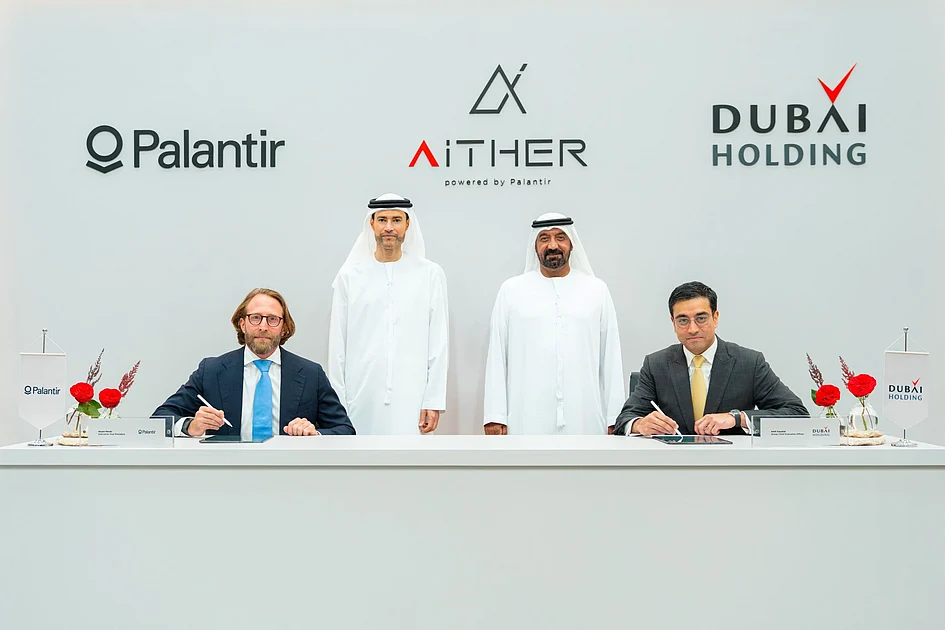
Dubai Holding and Palantir launch Aither to drive AI transformation Across UAE
In a groundbreaking initiative to propel artificial intelligence (AI) adoption across the United Arab Emirates (UAE), Dubai Holding and Palantir Technologies have jointly launched Aither, a transformative venture designed to revolutionize both public and private sectors through advanced AI solutions. The announcement was made during a high-profile signing ceremony in Dubai, attended by Sheikh Ahmed bin Saeed Al Maktoum, Chairman of Dubai Holding, and Mohamed bin Hadi Al Hussaini, Minister of State for Financial Affairs. The agreement was formalized by Amit Kaushal, Group CEO of Dubai Holding, and Noam Perski, Executive Vice President at Palantir.
Aither represents Palantir’s first joint venture in the UAE and solidifies an 18-month collaboration between the two entities. Since early 2024, Dubai Holding has been integrating Palantir’s AI and data platforms across its diverse portfolio, which includes real estate, hospitality, finance, and infrastructure. This partnership has already yielded significant improvements in operational efficiency, decision-making speed, and data visibility.
Amit Kaushal emphasized that Aither is more than a technological initiative; it is a national platform aimed at institutionalizing AI excellence. “We are extending proven capabilities to the wider market, supporting Dubai’s digital ambitions and the UAE’s goal to accelerate economic diversification,” he stated. The venture aligns with the Dubai Economic Agenda D33, which seeks to generate Dh100 billion annually through digital transformation. Aither will act as a catalyst for this vision by providing scalable AI solutions to strategic sectors, enabling organizations to unlock new value streams and enhance competitiveness.
Palantir CEO Alex Karp expressed pride in the partnership, highlighting the potential to empower UAE institutions with Palantir’s world-leading AI capabilities. Beyond technology deployment, Aither will focus on localizing the economic value of Palantir’s platforms. This includes knowledge transfer, talent development, and the establishment of governance frameworks to ensure responsible AI implementation across industries.
Dubai Holding’s extensive portfolio, which includes real estate, hospitality, entertainment, media, and investments, provides a strong foundation for Aither’s operations. Brands such as Nakheel, Meraas, and Jumeirah have already benefited from AI-driven enhancements, setting a precedent for broader adoption. The joint venture underscores Dubai’s leadership in deploying secure, sovereign, and high-impact AI applications. By combining Palantir’s cutting-edge software with Dubai Holding’s market insight, Aither is poised to become a cornerstone of the UAE’s digital transformation strategy.