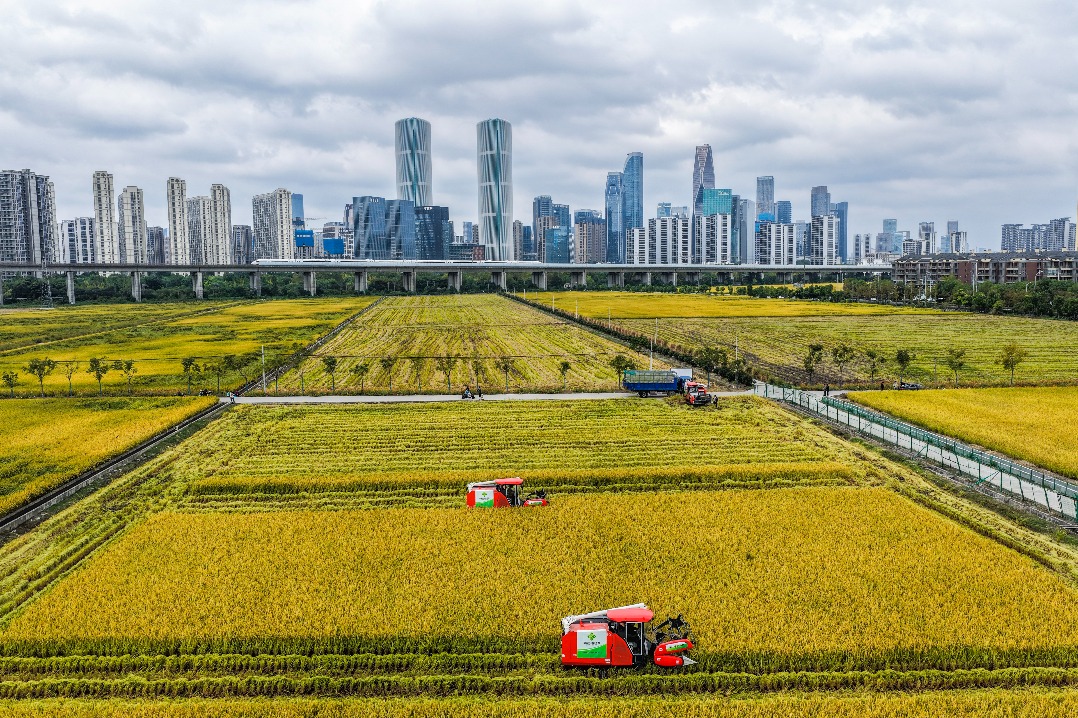
As China outlines its development priorities for the next five years, a key objective has emerged: achieving a per capita GDP comparable to that of a ‘mid-level developed country’ by 2035. This target, highlighted in the Party leadership’s recommendations for the 15th Five-Year Plan (2026-30), is central to China’s broader modernization strategy. The goal also includes strengthening the economy, advancing science and technology, and enhancing national defense and global influence.
作者: admin
-
Tianjin’s Hangu Salt Field marks 1,100th anniversary
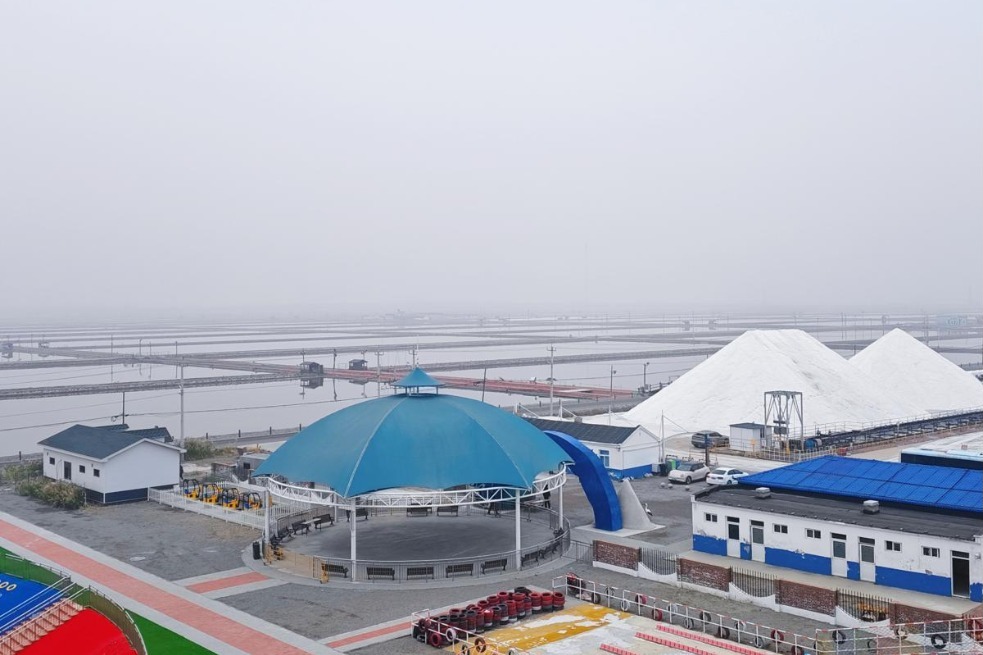
Tianjin’s Changlu Hangu Salt Field commemorated its 1,100th anniversary on Thursday, showcasing its remarkable journey from an ancient salt production site to a beacon of green and high-quality development. Established in 925, the Hangu Salt Field has long been a cornerstone of salt production along China’s Bohai coast, with an annual output of approximately one million tons. Over the centuries, the field has transitioned from traditional methods like ‘boiling seawater for salt’ to advanced, intelligent production systems that seamlessly blend industrial efficiency with cultural tourism. Yan Haibin, head of the publicity department at the Hangu Salt Field, emphasized the dual significance of the site: ‘We are not only preserving a millennium-old salt field but also safeguarding a cultural heritage that has been passed down through generations.’ The anniversary celebration highlights the field’s enduring legacy and its role as a model for sustainable development in the modern era.
-
Louvre vows to restore the imperial crown dropped by thieves during museum robbery
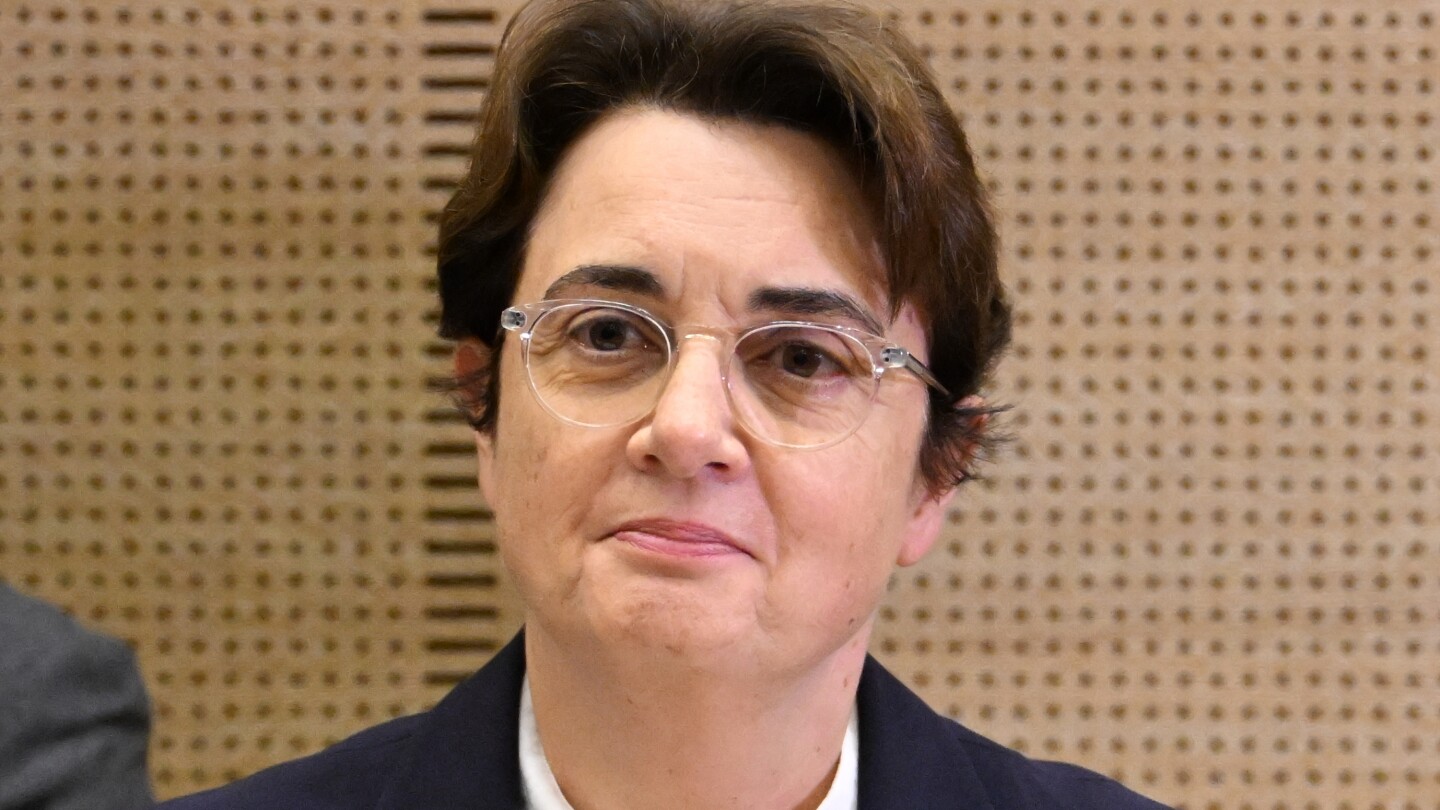
The Louvre Museum in Paris has announced plans to restore the damaged crown of Empress Eugénie, which was recovered outside the museum following a daring robbery on October 19. The crown, adorned with over 1,300 diamonds and emeralds, was one of eight precious objects stolen from the Apollo Gallery. Thieves used disc cutters to break into display cases, making off with items including a sapphire diadem, a necklace, and a single earring linked to 19th-century Queens Marie-Amélie and Hortense. The crown was found outside the museum, likely damaged during the theft rather than when it fell to the ground. Laurence des Cars, the Louvre’s director, confirmed that most of the crown’s jewels remain intact, though a few small diamonds and one of its eight gold eagles are missing. The restoration will be funded by patrons and supervised by a scientific committee, symbolizing the museum’s ongoing ‘New Renaissance’ initiative. Des Cars, who offered to resign after the robbery, emphasized the need for modernization, citing issues such as outdated facilities, overcrowding, and inadequate security. The ‘Louvre New Renaissance’ plan, launched earlier this year, aims to address these challenges with an estimated budget of 800 million euros ($933 million) by 2031.
-

EU tightens visa restrictions on Russians over the Ukraine war and acts of sabotage
In a significant policy shift, the European Union (EU) has imposed stricter visa regulations for Russian citizens entering the Schengen area, citing ongoing security risks linked to Russia’s war in Ukraine, increased acts of sabotage attributed to Moscow, and concerns over visa misuse. Effective immediately, Russian nationals will no longer be eligible for multiple-entry visas, requiring them to apply for a new visa for each trip to Europe. This measure aims to enhance scrutiny of applicants and mitigate potential security threats, according to the European Commission, the EU’s executive body. Exceptions will be granted to individuals deemed trustworthy, such as dissidents, independent journalists, human rights defenders, and close family members of Russians residing in the EU or EU citizens living in Russia. EU foreign policy chief Kaja Kallas emphasized that travel within the EU is a privilege, not a right, amid unprecedented security challenges. The decision has drawn criticism from Russia, with Foreign Ministry spokeswoman Maria Zakharova accusing the EU of prioritizing illegal migrants over Russian tourists. The EU had previously suspended its visa facilitation agreement with Russia following the 2022 invasion of Ukraine, leading to a sharp decline in visas issued to Russians—from over 4 million in 2019 to approximately 500,000 in 2023. While the new rules make visa applications more cumbersome, they stop short of an outright ban. Additionally, the EU has urged Serbia to cease granting citizenship to Russians, citing potential security risks for the bloc.
-
Why the Amazon rainforest is so important
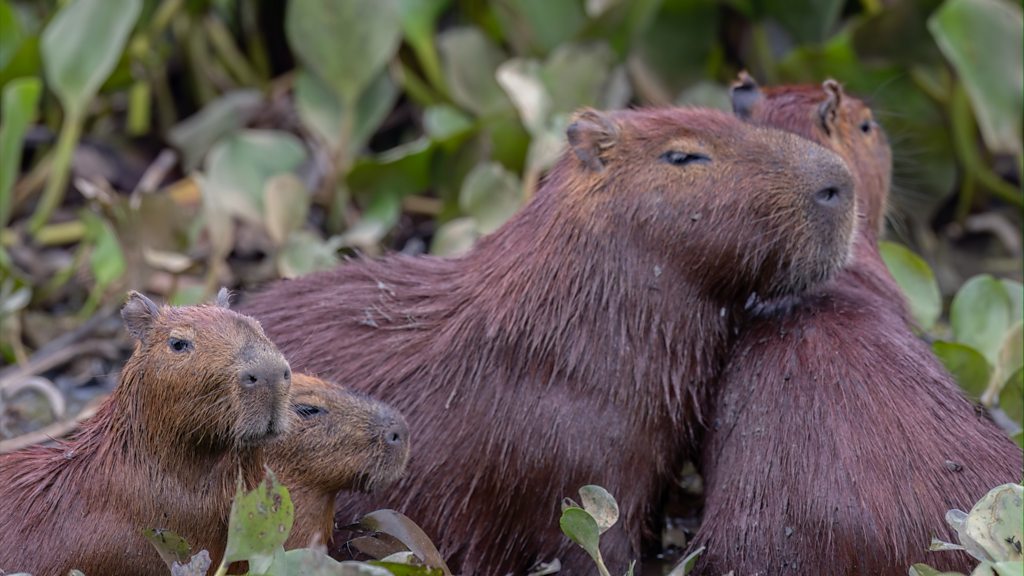
In a compelling discussion on the significance of the Amazon rainforest, Hannah Gelbart, host of *What in the World*, engages with Graihagh Jackson, presenter of *The Climate Question*, to explore the profound impact of this ecological marvel on Earth. The Amazon, often referred to as the ‘lungs of the planet,’ plays a critical role in regulating global climate patterns. Spanning over 5.5 million square kilometers across nine countries, it is the largest tropical rainforest in the world. Its dense vegetation absorbs vast amounts of carbon dioxide, acting as a natural carbon sink and mitigating the effects of climate change. Beyond its environmental contributions, the Amazon is a biodiversity hotspot, home to millions of species, many of which are yet to be discovered. Indigenous communities also rely on the forest for their livelihoods and cultural heritage. However, deforestation, driven by agriculture, logging, and mining, poses a severe threat to this ecosystem. The conversation underscores the urgent need for global cooperation to protect the Amazon, emphasizing its irreplaceable role in sustaining life on Earth.
-
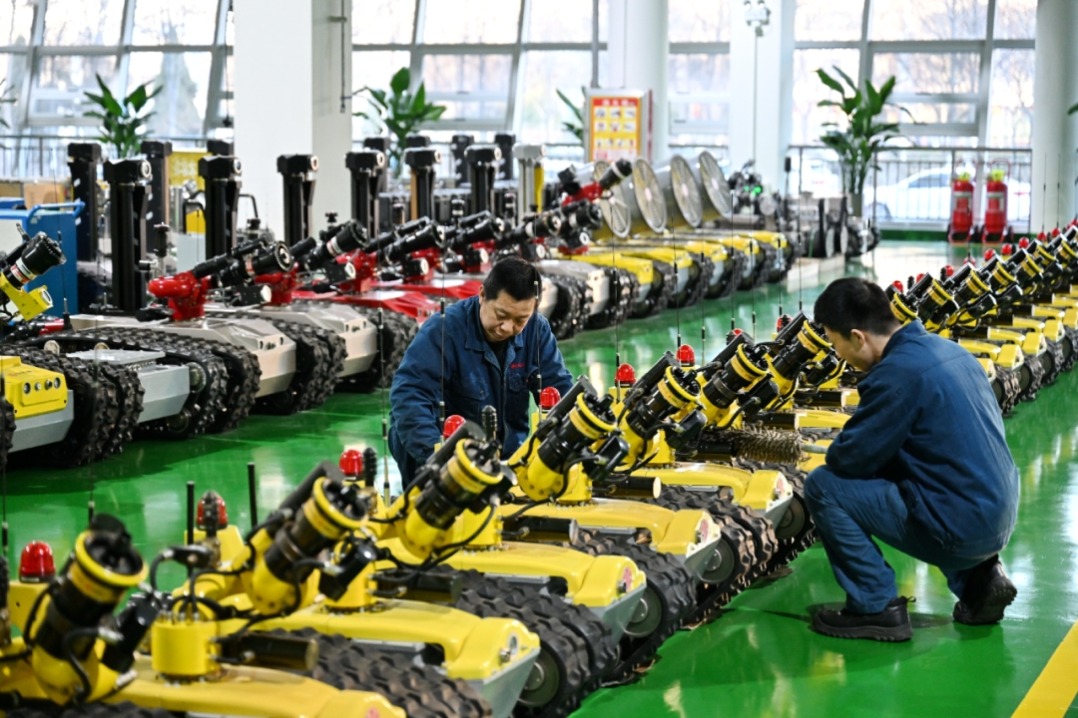
Hebei emerges as global sci-tech hub during 14th Five-Year Plan period
Hebei Province has solidified its position as a global hub for scientific and technological innovation during the 14th Five-Year Plan period (2021–2025), according to senior officials. The province’s advancements have not only fueled regional development but also strengthened international cooperation. A recent press conference by the Information Office of the Hebei Provincial People’s Government revealed that Hebei’s R&D expenditure soared to 96.78 billion yuan ($13.59 billion) in 2024, ranking 13th nationally and reflecting a 52.5% increase from the 13th Five-Year Plan period (2016–2020). The value of technology contracts surged to 197.14 billion yuan, 3.53 times higher than the previous period. Hebei is now home to over 15,000 national high-tech enterprises and more than 127,000 provincial-level sci-tech SMEs, with five local firms achieving global unicorn status this year. The province’s integration with Beijing and Tianjin has deepened, with Hebei absorbing 75.53 billion yuan in technology contracts from Beijing in 2024, the highest nationwide. The Xiong’an New Area has emerged as a key innovation hub, hosting over 200 enterprises in its Zhongguancun Science Park and attracting foreign talent through streamlined services. Notable breakthroughs include the world’s first RISC-V kernel super SIM chip by Xiong’an XinSheng Technology and HBIS Group’s leading hydrogen metallurgy projects. Hebei has also expanded its international collaboration, establishing joint laboratories with Serbia and Brazil. These achievements underscore Hebei’s growing role in global sci-tech cooperation and its commitment to driving high-quality development through innovation.
-
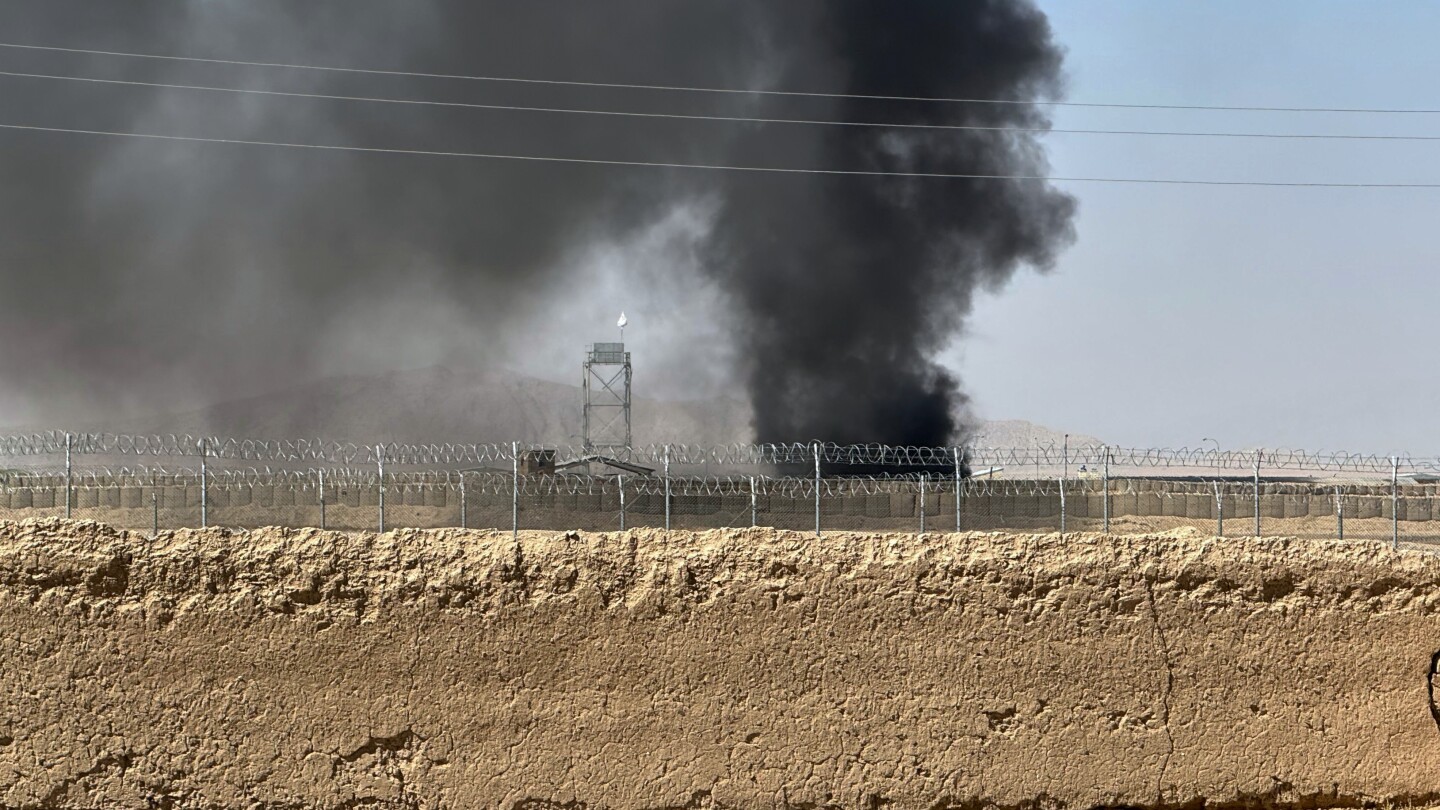
Afghanistan and Pakistan are holding peace talks. Here’s what to know
In a bid to de-escalate mounting tensions, Pakistan and Afghanistan have initiated peace talks following a fragile ceasefire that came into effect after deadly cross-border clashes. The recent violence, which erupted in early October, has been the most severe in years, resulting in significant civilian and military casualties on both sides. The conflict was triggered by explosions in Kabul and Paktika on October 9, which the Taliban-led Afghan government attributed to Pakistan. While Pakistani officials neither confirmed nor denied involvement, the incident sparked a series of shelling and shooting exchanges along the border, leading to dozens of deaths and hundreds of injuries. Discrepancies in casualty figures have further complicated the situation, with both nations accusing each other of inflating numbers. Pakistan claims to have targeted militant hideouts in Afghanistan, while Kabul denies these assertions and highlights civilian casualties. Amid the hostilities, Qatar and Turkey have stepped in as mediators, facilitating negotiations in Doha and Istanbul. Despite the ceasefire holding since October 19, sporadic clashes continue, underscoring the fragility of the peace process. The border region, known as the Durand Line, remains a contentious issue, with Afghanistan refusing to recognize it as an official boundary. Both countries accuse each other of harboring militant groups, with Pakistan pointing fingers at the Tehrik-e-Taliban Pakistan (TTP) operating from Afghan soil. The TTP, designated as a terrorist organization by the UN and the US, seeks stricter Islamic laws and reduced Pakistani military presence in border areas. The group’s alliance with the Afghan Taliban has further strained relations between the two nations. As peace talks progress, the international community remains watchful, given the region’s history of militant activity and the potential for further escalation.
-

UAE recalls Hong Thai inhaler due to microbial contamination
The Emirates Drug Establishment (EDE) has announced an immediate recall of Hong Thai Herbal Inhaler (Yadom) from UAE markets due to confirmed microbial contamination in several batches. The decision follows laboratory tests that revealed contamination levels exceeding international safety standards for inhalation products. The affected batch, identified as 000332, was manufactured on December 9, 2024, and is set to expire on December 8, 2027. Approximately 200,000 units from this batch have been recalled in the UAE. The EDE has urged the public to cease using the product and safely dispose of any units they possess. Consumers experiencing symptoms such as shortness of breath, nasal irritation, or persistent dizziness after use are advised to seek medical attention. The recall is being coordinated with municipalities and regulatory authorities to ensure the product is removed from all points of sale, including online platforms. This action follows a similar recall in Thailand, where the product failed microbial contamination tests. Hong Thai, the manufacturer, has emphasized that customer safety remains their top priority.
-
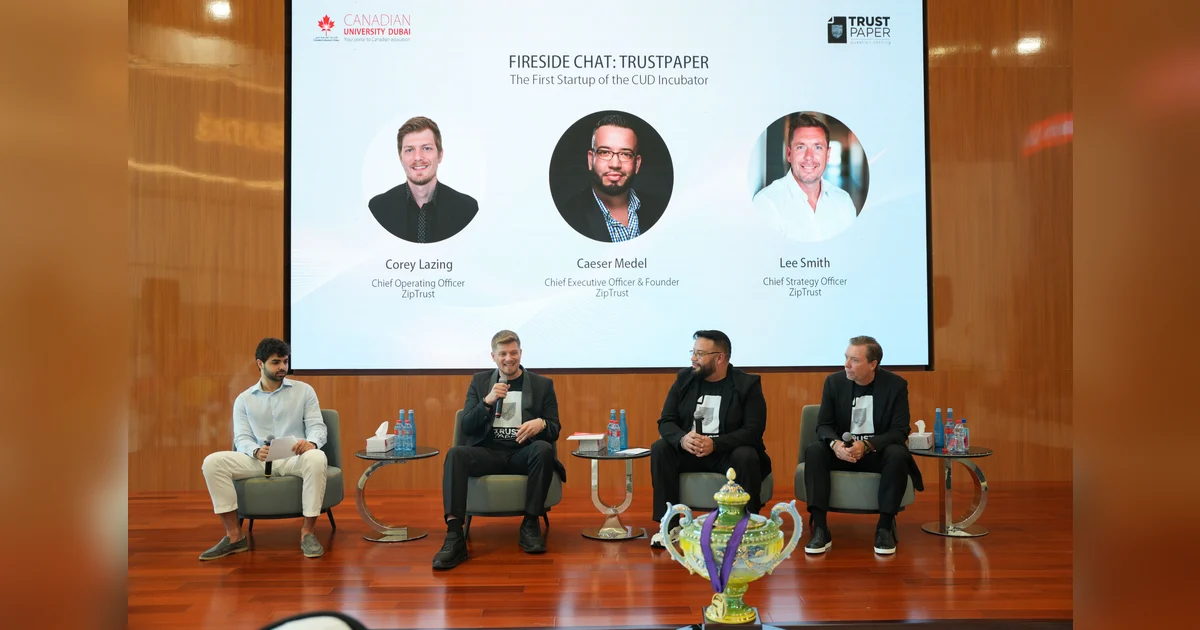
Canadian University Dubai Incubator launches first innovation start-up
Canadian University Dubai (CUD) has unveiled TrustPaper, the first patented start-up to emerge from its business Incubator, marking a significant milestone in document security and authenticity. Powered by ZipTrust, a blockchain-enabled technology, TrustPaper introduces a revolutionary solution that allows for the secure and automatic verification of documents within seconds. This innovation integrates Near Field Communication (NFC) and copyright protection technology directly into academic credentials, enabling instant verification via QR codes or NFC chips using mobile devices. This eliminates the risk of forgery or tampering while ensuring seamless validation. Additionally, TrustPaper stores a digital twin of documents on the blockchain, ensuring lifelong access and security. As part of CUD’s commitment to sustainability and social impact, 25% of the venture’s royalty proceeds will be allocated to an endowment fund supporting equality in education. TrustPaper was officially launched under the brand promise ‘Authenticity You Can Hold’ at the CUD Hub in Dubai City Walk. The event featured a panel discussion with Prof. Karim Chelli, CUD’s president and vice chancellor, and a fireside chat with TrustPaper’s founders. Prof. Chelli emphasized the university’s role as a catalyst for innovation, fostering collaboration to address real-world challenges. Caeser Medel, CEO and founder of ZipTrust, highlighted the project’s alignment with Dubai’s vision for progress and innovation, underscoring the role of technology in building trust and empowerment. TrustPaper also aligns with the United Nations Sustainable Development Goals, particularly in advancing Quality Education, Industry, Innovation and Infrastructure, and Peace, Justice, and Strong Institutions. By bridging traditional paper-based documentation with cutting-edge technology, CUD aims to promote equitable access to secure academic credentials worldwide.
-
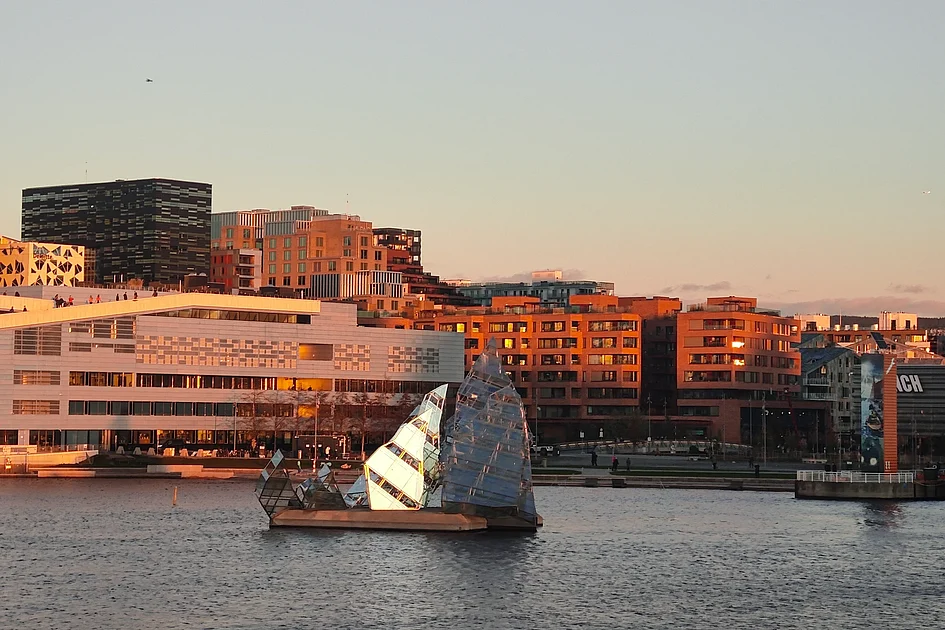
Discover Norway: Why Oslo should be your next Nordic getaway
Oslo, the capital of Norway, stands as a quintessential Scandinavian destination, offering a harmonious blend of natural beauty, cultural richness, and sustainable living. Renowned for its majestic fjords, cutting-edge museums, and eco-friendly initiatives, Oslo is a city that caters to every traveler’s desires. Whether you’re drawn to its Viking heritage, avant-garde architecture, or vibrant nightlife, Oslo promises an unforgettable experience. Here’s a comprehensive guide to exploring this Nordic gem.\n\n**Nature’s Splendor**\nFor nature enthusiasts, the Oslofjord is a must-visit. A scenic cruise along its shoreline offers breathtaking views of iconic landmarks, including the Oslo Opera House and picturesque lighthouses. The city’s commitment to green living is evident in its numerous parks, with Vigelandsparken being a standout. This sprawling garden features over 200 sculptures by Gustav Vigeland, each representing different stages of human life, alongside stunning water bodies and landscapes.\n\n**Cultural and Historical Highlights**\nOslo’s rich history is showcased at the Akershus Fortress, a medieval castle turned museum, and the Royal Palace, a neoclassical marvel. The city’s main thoroughfare, Karl Johans gate, is lined with boutiques, cafes, and historic buildings, offering a vibrant mix of old and new. For winter sports enthusiasts, the Holmenkollen Ski Museum and Tower provides a deep dive into Norwegian skiing culture, complete with a state-of-the-art ski jump and panoramic views of the city.\n\n**Museum Haven**\nArt and history buffs will find Oslo a treasure trove. The National Museum houses over 400,000 works, while the Munch Museum celebrates the legacy of Edvard Munch. Maritime enthusiasts can explore the Kon Tiki and Fram museums, which chronicle Norway’s adventurous seafaring history. The Norsk Folkemuseum offers a glimpse into Norway’s cultural past, with buildings dating back to the 1500s.\n\n**Culinary and Wellness Delights**\nOslo’s gastronomic scene is a delight, featuring local specialties like reindeer, lutefisk, and Brunost. The city’s sauna culture, often followed by a dip in an icy fjord, provides a unique wellness experience that rejuvenates both body and mind.\n\nOslo’s seamless blend of tradition and modernity, coupled with its commitment to sustainability, makes it a must-visit destination for travelers seeking a unique Nordic experience.