作者: admin

  • China-funded infrastructure projects completed in West Bank

    China-funded infrastructure projects completed in West Bank

    In a significant demonstration of international cooperation, Chinese and Palestinian officials convened in Ramallah on November 26, 2025, to inaugurate two major infrastructure initiatives funded by China. The completion ceremony for the China-Palestine Friendship Square and the extended Beijing Road marked a new chapter in bilateral relations between the two nations.

    The ceremonial unveiling was conducted jointly by Zeng Jixin, head of the Chinese Office in Palestine, and Palestinian Prime Minister Mohammad Mustafa. The projects represent substantial Chinese investment in Palestinian infrastructure development, with the expanded Beijing Road now stretching over 11 kilometers through the West Bank city.

    Zeng emphasized during his address that these developments implement the strategic consensus reached by both countries’ leadership. “Beijing Road has transformed into a vital artery serving local communities—a roadway of convenience for daily life, a bridge connecting hearts through friendship, and a pathway toward future progress,” he stated. The Chinese diplomat highlighted how these projects exemplify China’s approach to supporting development initiatives through its modernization expertise.

    Prime Minister Mustafa expressed profound appreciation for China’s ongoing support, noting the decades-long relationship between the two nations. “China has consistently stood with the Palestinian people throughout our struggle for independence and development across multiple sectors,” he remarked to Xinhua after the ceremony. He specifically acknowledged China’s timely assistance in enhancing Palestinian living standards.

    Local residents already experience tangible benefits from the infrastructure upgrades. Bilal Mansour, a driver utilizing the new roadway, described the dramatic transformation: “This area was previously a barren hillside surrounded by rubble and dust. China’s assistance has fundamentally changed our daily reality—travel time between Birzeit and Ramallah’s city center has been reduced from thirty minutes to just over ten minutes.”

    The Beijing Road project commenced with its initial section opening in September 2020, while extension construction began in September 2024. The newly expanded route now integrates a network of 14 roads, significantly improving connectivity between central Ramallah and the Al-Jadwal area.
  • Ukraine’s naval drones strike Russian oil tankers in the Black Sea off the Turkish coast

    Ukraine’s naval drones strike Russian oil tankers in the Black Sea off the Turkish coast

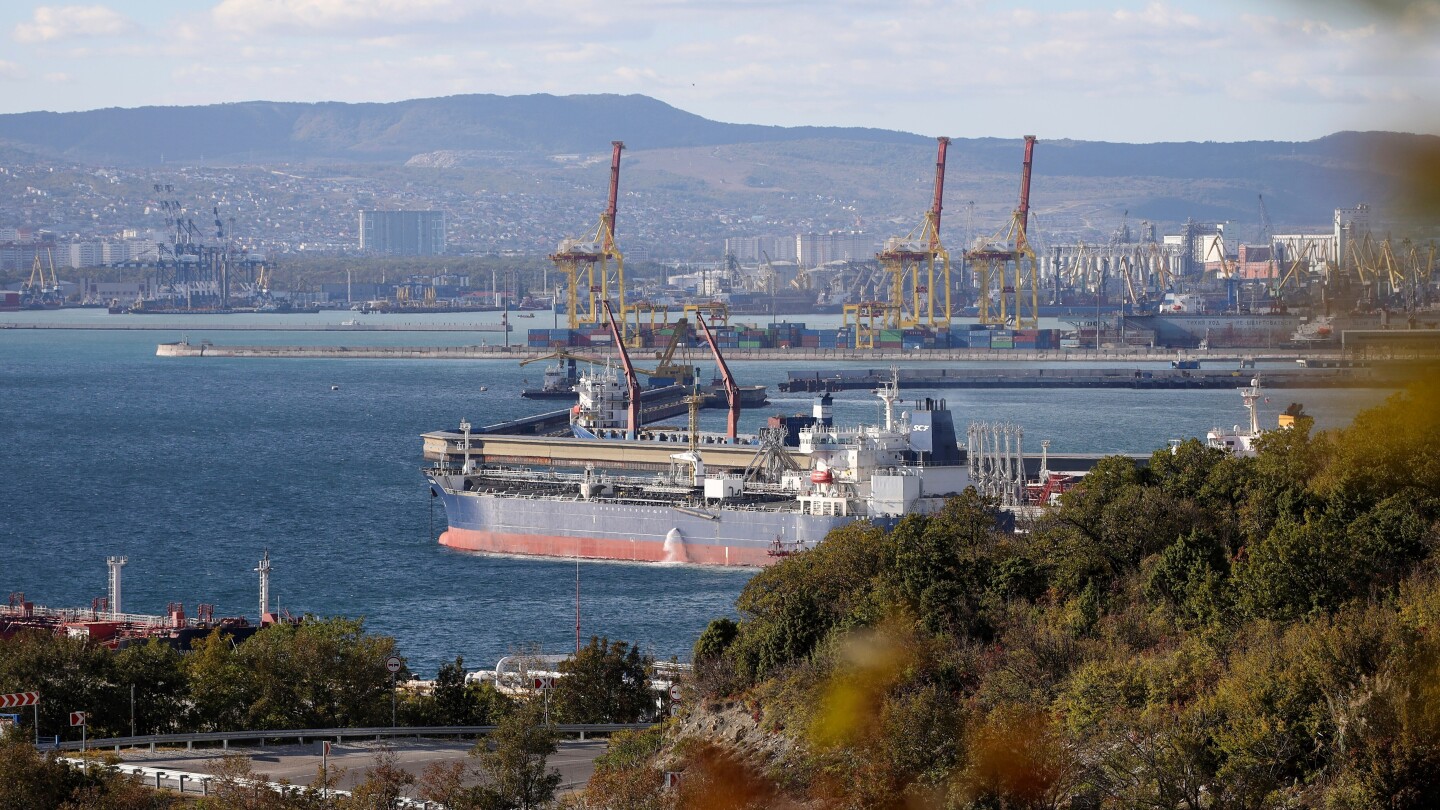
    Ukrainian security forces have executed a precision naval operation against Russian oil transport capabilities in the Black Sea. According to an anonymous SBU official speaking to The Associated Press, domestically manufactured Sea Baby naval drones targeted two sanctioned Russian oil tankers—Kairos and Virat—in rapid succession on Friday afternoon. The operation occurred within Turkey’s exclusive economic zone near the Kocaeli province coastline.

    The Gambian-flagged Kairos sustained significant fire damage in its enclosed areas, prompting the safe evacuation of all 25 crew members by Turkish rescue teams. The Virat, while reportedly struck in its engine room, did not require evacuation. Turkish Transport Minister Abdulkadir Uraloglu confirmed authorities received a distress call describing the incident as a ‘drone attack,’ though initial assessments considered multiple potential causes including mines or missiles.

    Both vessels form part of Russia’s elaborate ‘shadow fleet’—a network of ships specifically designed to circumvent international sanctions imposed after the 2022 invasion of Ukraine. OpenSanctions database records indicate the Virat received sanctions from the United States in January 2023, followed by the EU, Switzerland, UK, and Canada. The Kairos was similarly sanctioned by the EU in July 2023, with subsequent restrictions from the UK and Switzerland.

    Ukrainian intelligence officials emphasized this operation represents continued efforts to disrupt Russia’s financial capacity to wage war. The Sea Baby drones, which Ukraine recently unveiled as upgraded capabilities with extended Black Sea reach, reportedly disabled vessels capable of transporting approximately $70 million worth of oil. This strategic strike demonstrates Ukraine’s growing naval drone warfare sophistication while highlighting ongoing challenges in enforcing international sanctions against Russian energy exports.

  • UN says Israel’s killing of two Palestinians in occupied West Bank looks like ‘summary execution’

    UN says Israel’s killing of two Palestinians in occupied West Bank looks like ‘summary execution’

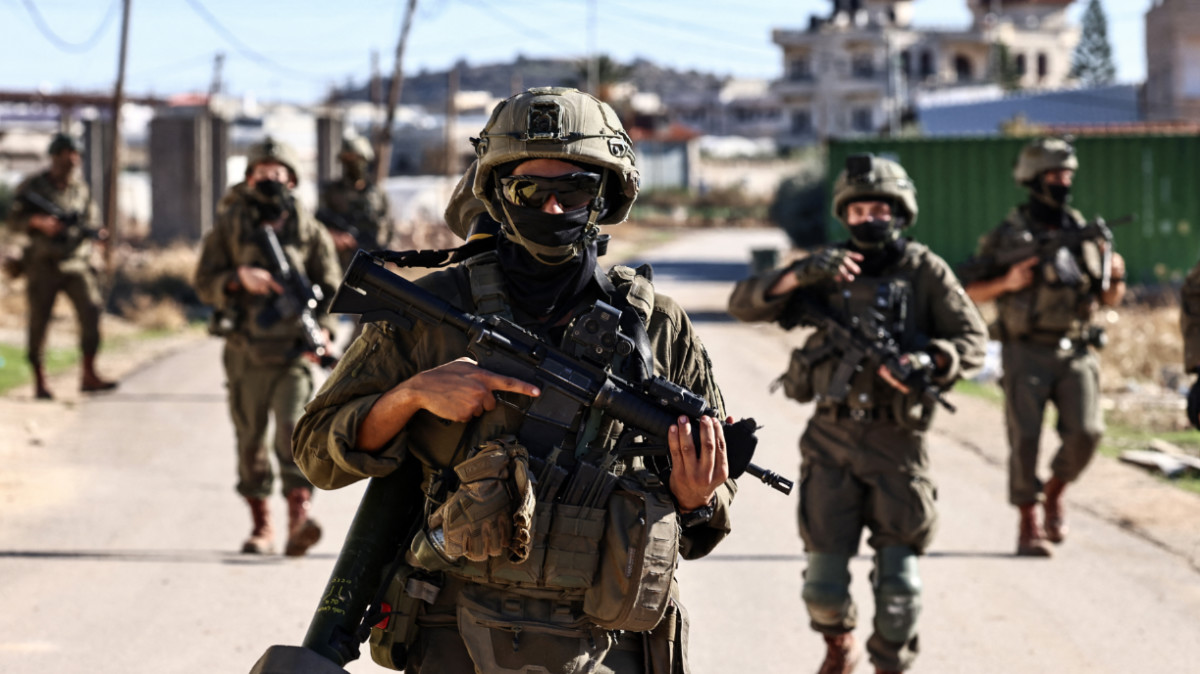
    The United Nations has expressed profound alarm over an incident in the occupied West Bank, describing the fatal shooting of two Palestinian men by Israeli border police as an ‘apparent summary execution.’ The event, which occurred on Thursday in Jenin’s Abu Dhahir neighborhood, was captured in a widely circulated social media video. The footage depicts the two individuals emerging from a building with raised arms and lifted shirts, visibly unarmed and demonstrating no threat, before being shot dead by Israeli troops.

    The victims were identified by the Palestinian health ministry as 26-year-old Al-Muntasir Billah Mahmoud Qassem Abdullah and 37-year-old Yousef Ali Yousef Asa’sa. Following the killings, Israeli forces withheld their bodies. Officers involved, reportedly from a Border Police unit, asserted they fired after the men failed to follow instructions. While the Israeli army and police, who were conducting a joint operation, acknowledged the shootings and promised an investigation, National Security Minister Itamar Ben Gvir publicly endorsed the officers’ actions. On social media platform X, Ben Gvir declared the officers ‘acted exactly as expected’ and stated ‘terrorists must die.’

    UN Human Rights Office spokesman Jeremy Laurence, addressing reporters in Geneva, emphasized that such summary executions constitute a war crime under the Geneva Convention and international law. He revealed that UN rights chief Volker Turk is demanding ‘independent, prompt and effective investigations’ to ensure full accountability for those responsible. Laurence further highlighted a disturbing trend of surging killings of Palestinians by Israeli security forces and settlers in the West Bank, which consistently occur without accountability. He raised serious concerns about the credibility of any government-led investigation, particularly following statements from a senior official that sought to absolve security forces of responsibility.

    The Palestinian Authority condemned the killings as a ‘brutal’ war crime, while Hamas labeled them part of a ‘systematic campaign of extermination.’ This incident is situated within a broader context of intensified Israeli military operations in the West Bank since October 7, 2023. Over the past two years, more than 1,000 Palestinians have been killed and thousands arrested across the occupied territory. The current event occurred during a wide-scale Israeli assault focused on the northern West Bank city of Tubas and its environs, echoing earlier large-scale operations in Jenin and Tulkarm that resulted in significant displacement and destruction.

  • Russian drone strikes hit Kyiv residential areas despite peace moves

    Russian drone strikes hit Kyiv residential areas despite peace moves

    A renewed aerial offensive struck Ukraine’s capital early Saturday, resulting in casualties and significant damage to residential areas as peace negotiations between Ukrainian and U.S. officials gained momentum.

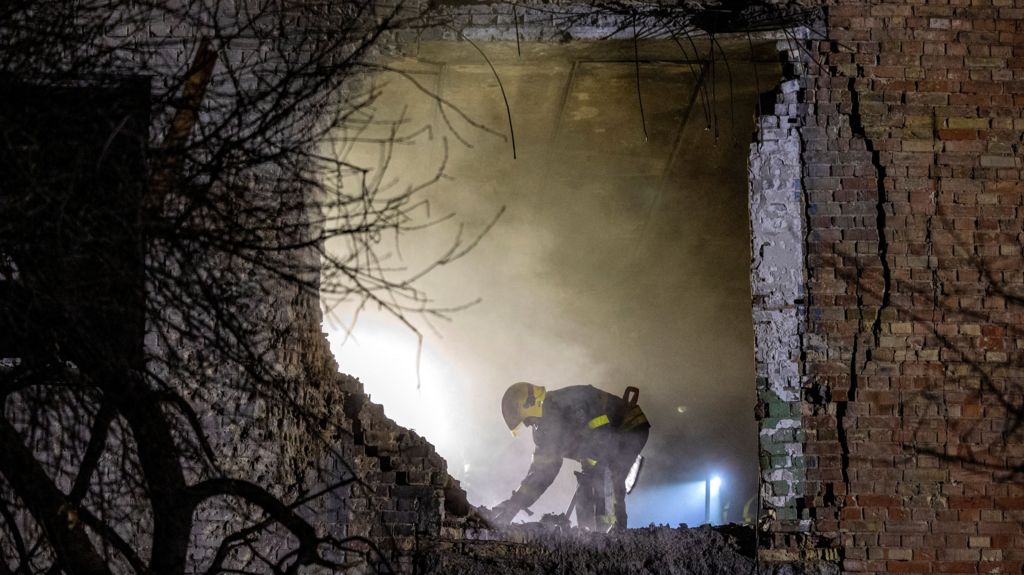
    According to Kyiv municipal authorities, Russian forces launched coordinated drone and missile attacks targeting multiple districts across the city. The assault claimed at least one life and left seven civilians wounded, including a 13-year-old adolescent. Emergency responders recovered the body of a male victim from the devastated Sviatoshynskyi sector in western Kyiv.

    Mayor Vitaly Klitschko confirmed extensive structural damage, with strikes igniting substantial blazes in high-rise residential complexes. Firefighting teams successfully contained a major conflagration in the central metropolitan zone while combating flames engulfing lower levels of an apartment tower west of the urban core.

    Tymur Tkachenko, head of Kyiv’s military administration, reported through Telegram that defensive systems engaged hostile drones over the capital while ground forces responded to impacts on peripheral targets. The eastern municipality of Brovary similarly sustained attacks targeting civilian infrastructure, leaving two women among the injured.

    This escalation follows Thursday’s diplomatic developments where President Vladimir Putin reiterated Moscow’s non-negotiable terms for ceasing hostilities, demanding complete Ukrainian withdrawal from disputed territories. Concurrently, a revised U.S. peace proposal—initially favoring Russian positions—underwent substantial modifications during bilateral talks in Geneva.

    President Volodymyr Zelensky characterized the upcoming negotiations as critical for transforming diplomatic progress into concrete security guarantees. A U.S. delegation including Special Envoy Steve Witkoff is anticipated in Moscow next week to advance discussions on the draft settlement framework.

  • Authorities probe corruption and negligence in Hong Kong’s deadliest fire in decades

    Authorities probe corruption and negligence in Hong Kong’s deadliest fire in decades

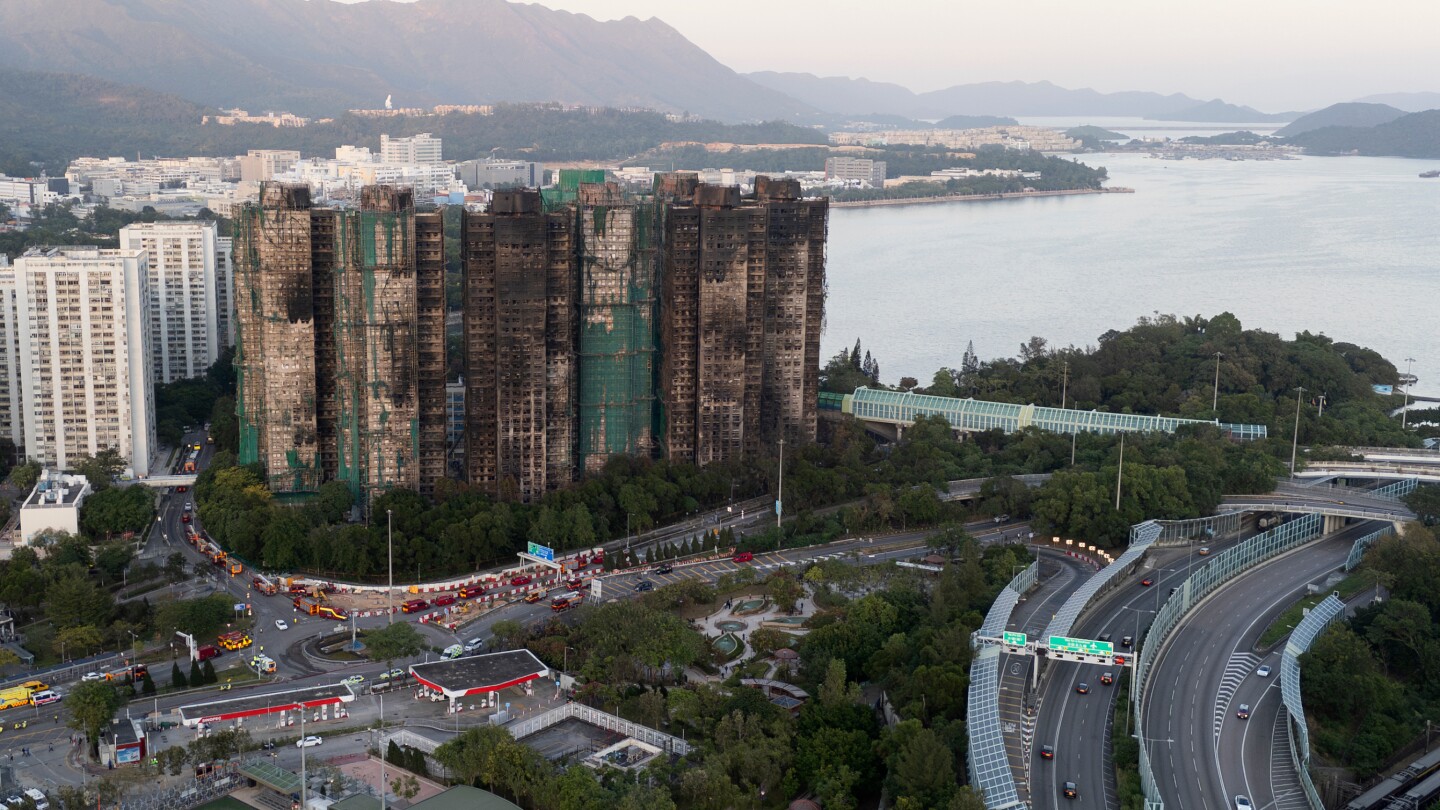
    A catastrophic fire that engulfed Hong Kong’s Wang Fuk Court residential complex has become the city’s deadliest blaze in decades, claiming at least 128 lives and triggering a sweeping corruption investigation into construction safety practices. The inferno, which began Wednesday afternoon in the northern suburbs, rapidly consumed seven of the complex’s eight towers despite residents having raised safety concerns about renovation work more than a year earlier.

    Authorities have launched a multi-pronged investigation focusing on construction materials and regulatory compliance. Security Secretary Chris Tang revealed preliminary findings indicate the fire originated on lower-level scaffolding netting before spreading violently through highly flammable foam panels. “The blaze ignited the foam panels, causing the glass to shatter and leading to a swift intensification of the fire,” Tang stated.

    The tragedy has exposed alarming safety oversights, including malfunctioning fire alarms in a complex housing numerous elderly residents. Fire Services Director Andy Yeung confirmed some alarms failed to activate during the emergency, though specific numbers remain undisclosed.

    Law enforcement actions have been swift, with three construction company employees initially arrested on suspicion of manslaughter and gross negligence. Subsequently, eight additional individuals—including scaffolding subcontractors, engineering consultants, and project managers—were detained in a corruption probe. Documents from the homeowners association identify Prestige Construction & Engineering Company as the primary renovation contractor, whose offices were raided by police seizing boxes of evidence.

    The labor department acknowledged receiving safety complaints and conducting 16 inspections since July 2024, issuing multiple written warnings to contractors about fire safety requirements. Despite these interventions, the department maintained that netting quality certificates met established standards.

    Firefighting operations proved extraordinarily challenging, requiring 40 hours to fully extinguish the blaze that injured 79 people, including twelve firefighters, with one firefighter casualty. Deputy Fire Services Director Derek Armstrong Chan described crews prioritizing apartments where emergency calls originated but being unable to reach residents during the fire’s most intense phases.

    The human toll continues to emerge, with authorities working to identify 89 bodies among the 200 initially unaccounted for. The victims include two Indonesian migrant workers, with eleven others remaining missing according to consular officials.

    Hong Kong has declared official mourning, with flags lowered to half-staff and Chief Executive John Lee leading a three-minute silence ceremony. The tragedy represents the most devastating fire since 1996’s 41-fatality commercial blaze and 1948’s warehouse fire that killed 176 people, raising profound questions about urban safety enforcement in densely populated environments.

  • Death toll from floods and landslides on Indonesia’s Sumatra island rises to 248, authorities say

    Death toll from floods and landslides on Indonesia’s Sumatra island rises to 248, authorities say

    Indonesian emergency response teams confronted severe logistical challenges on Saturday as they attempted to reach isolated communities devastated by a dual earthquake and tsunami disaster. The catastrophe has claimed at least 248 confirmed lives with approximately 100 individuals still unaccounted for, according to the National Disaster Management Agency.

    The hardest-hit regions, including Central Tapanuli in North Sumatra province and Agam district in West Sumatra, remain largely inaccessible due to extensively damaged transportation networks. Critical infrastructure including bridges and roadways sustained substantial damage, while communication systems failures have further complicated relief operations. The absence of heavy machinery has significantly impeded rescue efforts in the most affected zones.

    Aerial support missions have been deployed to deliver essential supplies and aid to cut-off communities. The disaster agency confirmed that recent monsoon conditions exacerbated the situation, with overflowing rivers triggering flash floods that swept through mountainous villages. These secondary natural events submerged numerous residential structures and government buildings beneath floodwaters.

    Official reports indicate nearly 3,000 families have been displaced from their homes, with many seeking refuge in government-established emergency shelters. The combination of seismic activity, tsunami impact, and subsequent flooding has created a complex humanitarian crisis across multiple districts of Sumatra.

  • This African nation built its development on diamonds. Now it’s crashing down

    This African nation built its development on diamonds. Now it’s crashing down

    GABORONE, Botswana — Botswana’s diamond-dependent economy, once celebrated as Africa’s remarkable success story, now confronts an existential threat from the rapid ascent of laboratory-grown diamonds. This seismic shift in the global gem market has triggered widespread job losses, economic contraction, and urgent calls for diversification in a nation where diamonds fundamentally shaped national development.

    For Keorapetse Koko, a 17-year veteran diamond polisher recently laid off from her position, the crisis manifests as personal financial devastation. “I have debts and I don’t know how I am going to pay them,” lamented the mother of two, who previously earned approximately $300 monthly with medical benefits—a respectable income in a country where the average monthly salary hovers around $500. Her specialized skills, honed over nearly two decades, now render her unemployable in a contracting industry.

    Botswana’s diamond narrative began with a transformative 1967 discovery, just one year post-independence, catapulting the nation from profound poverty to becoming the world’s foremost diamond producer by value. The gems financed critical national infrastructure, healthcare systems, and educational institutions, deftly avoiding the ‘resource curse’ that plagued many mineral-rich African counterparts.

    However, the industry now faces compounded challenges. Lab-grown diamonds, primarily mass-produced in China and India, now command nearly 20% of global market share—a dramatic surge from merely 1% in 2015. These synthetics, marketed as ethical, eco-friendly alternatives priced up to 80% lower than natural stones, have particularly captured younger consumers through sophisticated social media campaigns and celebrity endorsements from figures like Billie Eilish and Pamela Anderson.

    The economic repercussions are severe: Diamond exports, constituting approximately 80% of Botswana’s foreign earnings and one-third of government revenue, have plummeted. Debswana, the dominant local producer jointly owned by the government and De Beers, witnessed revenues halve in the past year. Second-quarter diamond production crashed by 43%—the steepest decline in Botswana’s modern mining history—with the World Bank projecting a 3% economic contraction for 2024.

    Southern African nations are mounting a coordinated response. Botswana, Angola, Namibia, South Africa, and Congo have agreed to allocate 1% of annual diamond revenues toward a global marketing initiative led by the Natural Diamond Council. This effort promotes natural diamonds as “Real. Rare. Responsible” through campaigns featuring actress Lily James, attempting to reestablish their unique value proposition.

    Botswana’s government has initiated a sovereign wealth fund to pursue economic diversification beyond mining, though details remain vague. The nation’s substantial tourism sector—featuring elephant-based attractions—and other mineral resources including gold, silver, and uranium now assume heightened importance.

    Yet for displaced workers like Koko, these strategic shifts arrive too late. “I was the breadwinner in a big family,” she reflected. “Now I don’t even know how to feed my own.” Her poignant reality underscores the human dimension of an industry in transformation: despite dedicating her career to diamonds, she never owned one herself, as even the smallest stone remained an unaffordable luxury.

  • Nexperia control battle rages as China’s Wingtech files appeal

    Nexperia control battle rages as China’s Wingtech files appeal

    A critical management stalemate between Dutch semiconductor firm Nexperia and its Chinese parent company Wingtech Technology continues to disrupt global chip supplies, despite diplomatic interventions from both Dutch and Chinese authorities.

    The crisis erupted in late September when the Dutch government invoked the Goods Availability Act to temporarily seize control of Nexperia, citing supply chain security concerns. This triggered immediate retaliation from Beijing, which halted all chip exports from Nexperia’s mainland Chinese factories.

    Tensions temporarily eased in November when Dutch Economic Affairs Minister Vincent Karremans announced the suspension of government intervention as a “constructive step” toward dialogue with China. Beijing responded by granting limited exemptions for qualified civilian chip exports, providing minimal relief to strained supply chains.

    However, the core management dispute remains unresolved. Nexperia’s Dutch leadership, under interim CEO Stefan Tilger, has prevented original chief executive Zhang Xuezheng from resuming control. This deadlock has kept Nexperia’s Chinese factories from restarting full production, extending uncertainty for global customers.

    In a dramatic development, Nexperia issued an open letter on Thursday urging its China-based entities to “immediately resume constructive dialogue” and respond to outstanding communications. The company revealed numerous unanswered emails, rejected meeting requests, and stalled decision-making processes that have hindered stabilization efforts.

    The letter warned that continued communication breakdown is “unsustainable and detrimental to all stakeholders,” putting customers and suppliers at significant risk. Nexperia proposed employing a neutral external mediator to break the deadlock.

    Wingtech Technology responded forcefully on Friday, accusing Nexperia’s letter of containing “misleading allegations and false information.” The Chinese company asserted it has repeatedly expressed willingness to negotiate the restoration of its “lawful control rights” through multiple channels, contrary to Nexperia’s claims of silence.

    The parent company presented three formal demands: cessation of factual distortions, constructive proposals on restoring lawful control rights, and immediate dedicated consultations on the control-rights issue. Wingtech has also appealed to the Netherlands’ Supreme Court regarding decisions that stripped it of control.

    Analysts note the Dutch government’s seemingly contradictory position—suspending ministerial intervention while maintaining court rulings that prevent Chinese shareholders from regaining control. Chinese commentators have accused the Dutch side of “saying one thing and doing another.”

    The dispute has escalated to the highest levels of EU-China relations. Chinese Commerce Minister Wang Wentao discussed the matter with EU Trade Commissioner Maros Sefcovic, maintaining that the disruption “originated with the Dutch side” while urging concrete solutions. Both sides agreed to encourage renewed negotiations between the parties.

    Industry observers present two potential scenarios: continued supply suspension if Wingtech cannot regain control, or management restructuring and legal challenges if Chinese control is restored. The outcome will significantly impact global semiconductor availability and EU-China trade relations.

  • 3 reasons China wants green leadership – and 2 reasons it doesn’t

    3 reasons China wants green leadership – and 2 reasons it doesn’t

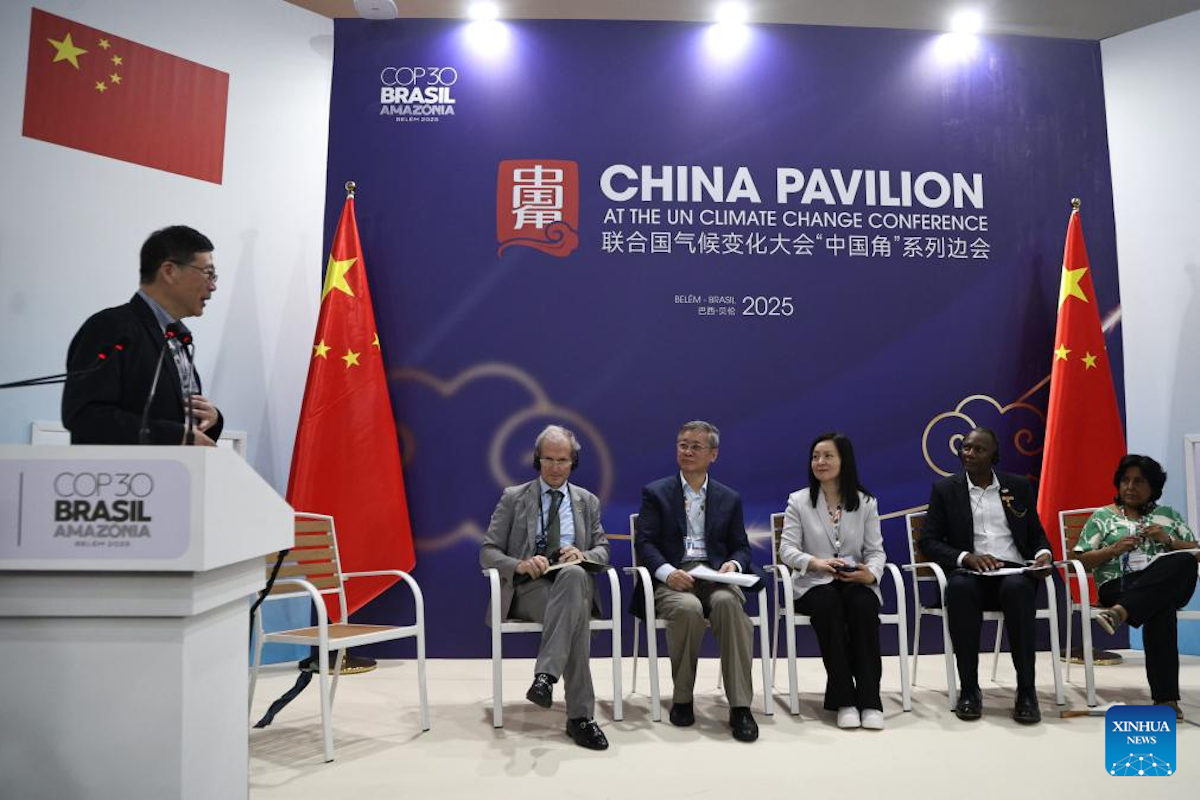
    As global delegates convened for the UN’s COP30 climate summit, China positioned itself to assume a revitalized leadership role in international climate governance—a strategic vacuum created by diminished U.S. engagement following the Trump administration. Beijing’s climate diplomacy, however, reveals a complex interplay of ambitions and deliberate limitations.

    China presented itself as a clean-technology superpower, reframing climate discussions around technological innovation and trade dynamics. The nation’s renewable energy capacity has tripled over the past decade, reaching 1,876,646 megawatts by 2024, with solar generation growing twentyfold since 2015. With $290 billion invested in renewable energy during 2024—$80 billion more than the combined total of the EU, UK, and US—China demonstrated substantial commitment to low-carbon transition.

    Economic priorities significantly influence China’s climate strategy. The export of green technologies—including batteries, solar components, electric vehicles, and wind-power systems approaching $1 trillion since 2018—represents a crucial growth vector. Facing industrial overcapacity and new trade barriers in Western markets, China aggressively pursued emerging markets in Southeast Asia, particularly Indonesia and India, using climate forums to oppose trade restrictions and advocate for free movement of clean technologies.

    Geopolitical considerations further shape China’s approach. Through initiatives like the Belt and Road Initiative and the China-Pacific Island Countries Climate Change Cooperation Center established in 2022, Beijing leverages climate cooperation to strengthen strategic partnerships and security alliances, particularly in the Pacific region where it competes with traditional Western powers.

    Despite this apparent leadership push, China maintains significant constraints. The nation struggles to meet existing emission reduction pledges, with analyses indicating insufficient commitments and slow progress amid economic challenges including weak industrial output, high youth unemployment, and substantial local government debt. China explicitly rejects historical responsibility for climate change, noting that while its cumulative emissions since 1850 have surpassed EU nations, they remain below US levels.

    Beijing declined to commit to the $1.3 trillion annual climate finance goal from developed economies, opposed fossil fuel phase-out roadmaps, and abstained from supporting Brazil’s tropical forest preservation fund. China maintains its developing nation status while selectively advancing climate agendas that align with its economic and geopolitical interests, indicating a leadership model based on technological and trade advantages rather than comprehensive emission reduction commitments.

  • Which French Alps resort is perfect for Dubai’s luxury traveller?

    Which French Alps resort is perfect for Dubai’s luxury traveller?

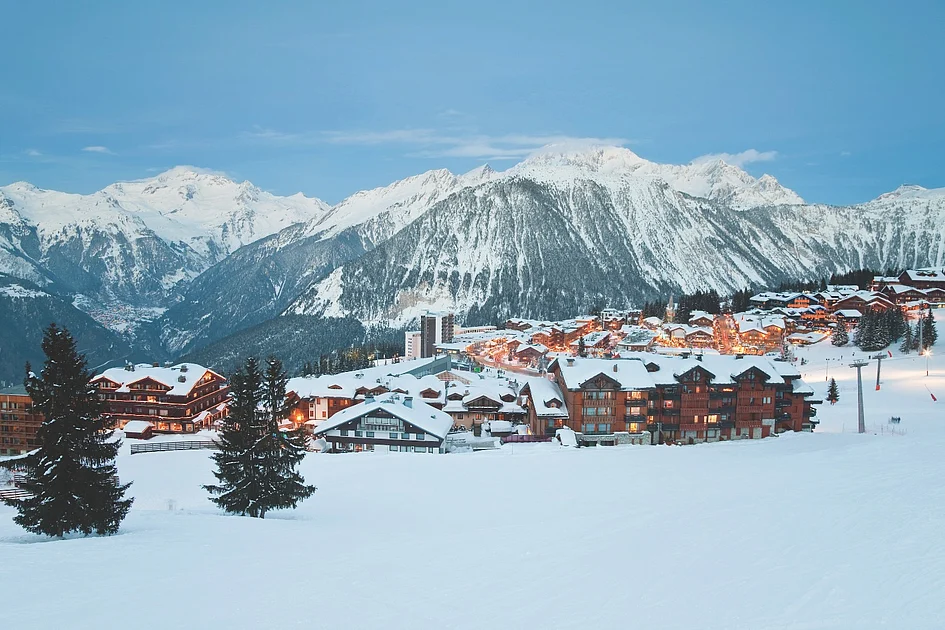
    For Dubai’s sophisticated winter travelers seeking premium alpine experiences, two French resorts emerge as standout destinations: Courchevel and Val d’Isère. These iconic locations present contrasting yet equally compelling visions of luxury mountain hospitality, each catering to distinct preferences while maintaining exceptional standards of service and amenities.

    Courchevel establishes itself as the epitome of refined elegance, characterized by architecturally magnificent chalets and five-star hotels featuring convenient ski-in/ski-out accessibility. This resort attracts international celebrities and elite travelers through its atmosphere of exclusive sophistication, where Michelin-starred dining establishments like Le 1947 à Cheval Blanc and designer shopping boutiques complement world-class skiing terrain. The resort’s carefully groomed slopes provide ideal conditions for intermediate enthusiasts while offering access to more challenging runs for advanced skiers.

    Val d’Isère presents a contrasting appeal with its authentic alpine village ambiance that seamlessly blends rustic charm with contemporary luxury. The compact, intimate scale of this resort creates a genuinely welcoming environment, from its cozy mountain cafés to its expertly maintained slopes. Renowned for challenging pistes and exceptional off-piste opportunities, Val d’Isère particularly captivates adventure-seeking skiers while maintaining superb facilities for all ability levels.

    Both destinations offer serene alternatives for travelers seeking tranquility. Courchevel 1650 Moriond provides peaceful slopes and intimate accommodations slightly removed from the main resort buzz, while Val d’Isère’s Le Fornet village serves as a secluded haven with exclusive chalets and access to quieter skiing areas.

    Accessibility remains comparable between both resorts, with Courchevel offering a slight advantage at approximately 2 hours 15 minutes transfer time from Geneva or Lyon airports compared to Val d’Isère’s 2 hours 45 minutes average transfer duration.

    The après-ski experiences reflect each resort’s distinctive character. Courchevel’s nightlife exemplifies sophistication at venues like Le Cap Horn and Le Tremplin, where glamorous socializing prevails. Val d’Isère embraces energetic celebration through legendary establishments like Folie Douce and Cocorico, featuring live music and vibrant crowds extending festivities well into the evening.

    Non-skiing activities further distinguish these destinations. Courchevel transforms into a luxury shopping paradise with high-end boutiques and designer showrooms, while Val d’Isère emphasizes authentic alpine culture through local markets and traditional mountain activities.

    The selection between these exceptional resorts ultimately depends on personal preference: Courchevel for those prioritizing exclusive luxury and privacy, Val d’Isère for travelers seeking authentic atmosphere and adventurous spirit. Both destinations guarantee unforgettable winter experiences worthy of Dubai’s most discerning travelers.