
A year after his election victory, US President Donald Trump’s economic policies are fulfilling campaign promises but are simultaneously weaponizing uncertainty, exacerbating global economic divisions and risks, according to Adam Posen, president of the Peterson Institute for International Economics. Posen described Trump’s approach as consistent yet incoherent, leading to patchwork outcomes that are not economically beneficial. He highlighted Trump’s core agenda, which includes a 15% across-the-board tariff, targeted duties on key industries like semiconductors and autos, and trade barriers that are ‘anti-China, but less anti-China than the hawks in either the Joe Biden administration or the Republicans wanted.’ Posen emphasized that Trump’s policies are characterized by hostility to foreigners, extreme skepticism toward trade and migration, fiscal excess, and the exercise of executive power. He noted that the negative impacts of tariffs and deportations take about a year to fully emerge, as shown by models created by senior fellows at the Peterson Institute. Businesses have faced prolonged uncertainty since the April 1 tariff announcement, with companies like Toyota and Caterpillar considering separate production in China. Despite the administration’s goal of deporting one million people yearly, the economy has not cratered due to ‘underground’ adaptation, with sectors like food processing and construction showing flat output and employment. Posen warned of a ‘stagflationary combination’ ahead, including shortages, inflation, and contraction, unless deportations stop. He also highlighted the role of artificial intelligence investments as an ‘exogenous salvation,’ with tech giants self-financing rapid AI spending from retained earnings, achieving early productivity gains. However, AI alone cannot mask structural issues, as tariff-hit industries will see rising domestic prices and falling output, employment, and growth. Posen’s article in Foreign Affairs noted that firms and governments are abandoning reliance on US ‘insurance’ and are self-insuring through non-dollar assets and localized investment. He also pointed out that US allies like the UK, Japan, South Korea, and Canada are suffering the most, while China has been able to stand up against the US and face Trump down.
作者: admin
-

Australian schools shut over asbestos risk in children’s sand
Approximately 30 schools in Australia have been fully or partially shut down following the discovery of tremolite asbestos in children’s colored sand products. The Australian Competition & Consumer Commission (ACCC) issued a recall notice on Wednesday after laboratory tests confirmed the presence of this naturally occurring asbestos. While the ACCC emphasized that the risk of asbestos becoming airborne or inhalable is ‘low,’ it cautioned that the substance ‘may still pose a risk.’ By Friday, at least 15 schools and seven preschools in the Australian Capital Territory (ACT) had closed entirely, with six others partially shutting down as a precaution. Reports also emerged of a school closure in Queensland. The affected sand products, imported from China and sold nationwide between 2020 and 2025, include Kadink Sand (1.3kg), Educational Colours – Rainbow Sand (1.3kg), and Creatistics – Coloured Sand (1kg). These items were distributed by major stationery retailers, including Officeworks. New Zealand’s Ministry of Business, Innovation and Employment also issued a voluntary recall for EC Rainbow Sand (1.3kg) and Creatistics – Coloured Sand (1kg) as a precautionary measure. Yvette Berry, ACT’s education minister, acknowledged the potential distress for families, stating that school closures would expedite testing and remediation efforts. Meanwhile, Victoria and New South Wales have opted against closing schools, citing the low health risk. Authorities in these states are working to identify and remove the recalled products from educational settings. Asbestos, a banned substance in Australia, poses severe health risks when inhaled, potentially causing lung damage and cancer.
-
Authorities clarify claims of zhongkao abolishment
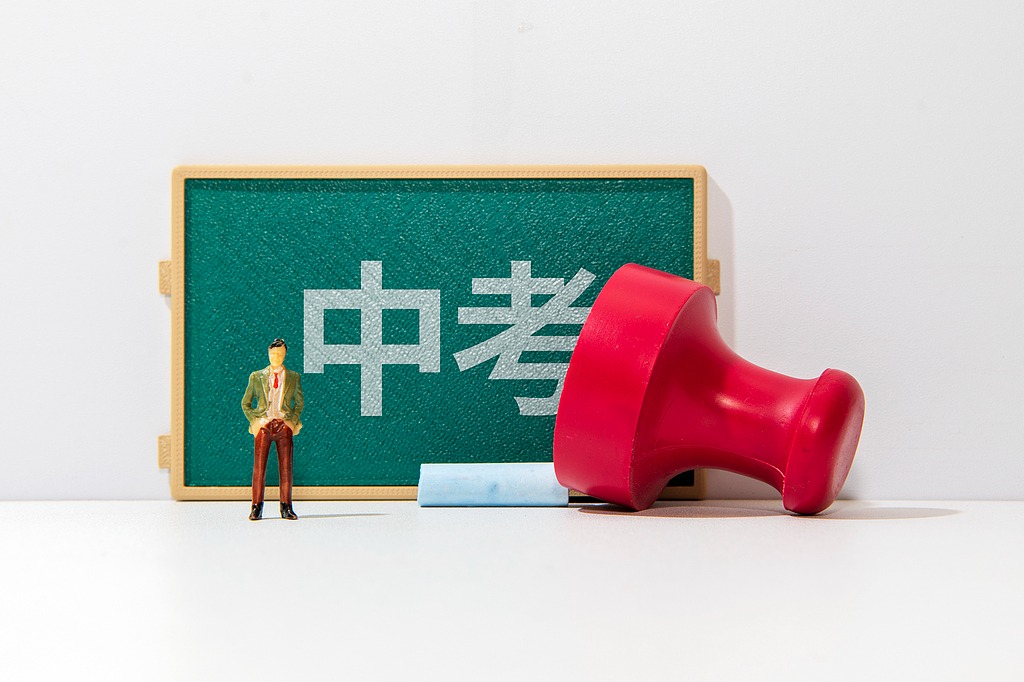
Education authorities in Shanghai and Chengdu have addressed recent online speculation about the potential abolishment of the high school entrance exam, known as the zhongkao. They clarified that ongoing educational reforms aim to integrate middle and high school education rather than eliminate the exam. In Chengdu, a 12-year coherent training program will be piloted in eight schools starting in 2025, allowing students in specific continuous education classes to bypass the zhongkao if they choose. However, students retain the option to take the exam if they wish to exit the program. The Chengdu Education Bureau emphasized that this pilot is limited in scope and does not signify a citywide cancellation of the zhongkao. The reform seeks to create a seamless educational pathway from primary to high school, shifting focus from exam scores to holistic student development. Similarly, the Shanghai Municipal Education Commission explained that its new plan for improving high school education quality includes piloting a longer-term coherent training model. This approach aims to unify curriculum design and optimize resource sharing across school stages but does not imply the abolishment of the zhongkao. The commission highlighted that this flexible model helps manage enrollment fluctuations and enhances resource efficiency by promoting cross-campus sharing of facilities like labs and libraries. While some parents have long advocated for the zhongkao’s abolishment, fearing it forces students into vocational schools, authorities have reiterated that the exam remains a crucial academic assessment. Vocational education continues to be an integral part of the education system, offering diverse pathways for students with varying strengths. The 2022 revision of the Vocational Education Law further emphasized the importance of vocational education as a parallel pathway to regular education, calling for greater integration between the two systems.
-
Expert calls for widening ties beyond the runway
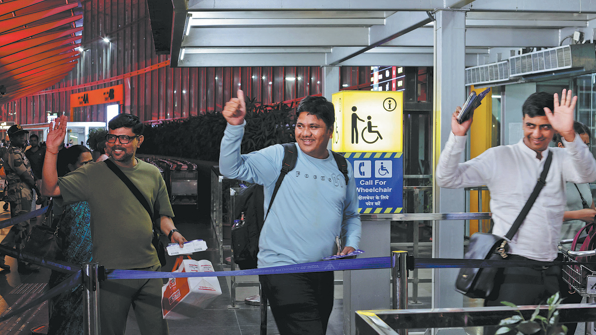
The resumption of direct flights between India and China, after a five-year hiatus due to the pandemic, is a significant but limited step toward rebuilding trust between the two Asian giants, according to Sudheendra Kulkarni, a former aide to Indian Prime Minister Atal Bihari Vajpayee. Kulkarni emphasized that this development should be expanded into broader economic, cultural, and educational exchanges to foster deeper bilateral relations. He suggested increasing the number of direct flights to 100 across 20 cities in both countries to normalize people-to-people interactions, which have lagged behind trade and diplomatic ties. This year marks the 75th anniversary of diplomatic relations between China and India, with civilizational ties spanning over two millennia. Kulkarni stressed that renewed people-to-people relations are not just symbolic but strategic, as trust is the foundation of enduring bilateral relationships. However, opportunities for engagement have been limited in recent years, with India banning 59 Chinese mobile apps, including WeChat, and restricting channels for Indians to learn about China. Kulkarni urged India to ease visa rules for Chinese scholars, entrepreneurs, and tourists, highlighting the importance of cross-border learning in rebuilding trust. Despite the absence of direct flights and the suspension of tourist visas for Chinese nationals, bilateral trade has remained resilient, reaching $138.5 billion last year, a 1.7% increase year-on-year. Kulkarni, a veteran advocate of India-China friendship and founder of the Forum for a New South Asia, has visited China over two dozen times and is currently writing a book on China’s success in eradicating extreme poverty. He also praised China’s Global Governance Initiative, along with its global initiatives on development, security, and civilization, as frameworks for a more democratic and inclusive multipolar world order. Kulkarni called for closer cooperation between India and China, emphasizing their shared responsibility as leading voices of the Global South to promote peace, stability, progress, and prosperity globally. Reflecting on China’s 15th Five-Year Plan (2026-30), he noted its focus on self-reliance and international engagement, particularly in advanced manufacturing, artificial intelligence, semiconductors, quantum computing, and aerospace.
-
Thailand-Cambodia border tensions escalate
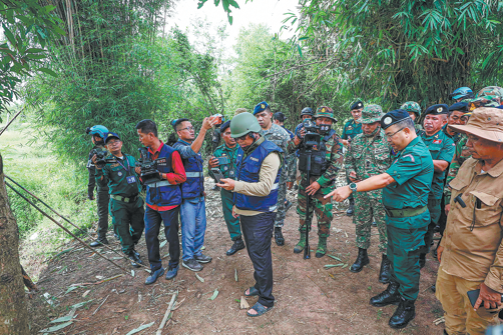
Tensions along the Thailand-Cambodia border have intensified following a recent skirmish that resulted in the death of one civilian and injuries to three others. An ASEAN Observer Team visited the conflict zone in Banteay Meanchey Province on Thursday to assess the situation, facilitated by the Cambodian Ministry of National Defence. The team also paid respects to the deceased civilian, as reported by the Cambodian state news agency, Agence Kampuchea Presse (AKP).
Both Thailand and Cambodia have accused each other of instigating the clash, though both nations have expressed a commitment to upholding previous border control agreements. China, a close neighbor and ally to both countries, has urged restraint and peaceful resolution. During a press conference in Beijing, Chinese Foreign Ministry spokesman Lin Jian emphasized the importance of leveraging existing bilateral mechanisms to prevent further escalation.
The incident occurred late Wednesday afternoon in Thailand’s Ban Nong Ya Kaew, Sa Kaeo Province, and Prey Chan Village, Banteay Meanchey Province, Cambodia. Reports from Thai media indicated the exchange of gunfire lasted approximately 10 minutes, while Cambodian sources claimed it extended to half an hour. The Cambodian defense ministry accused Thai forces of provocative actions aimed at inciting conflict, while Thailand maintained its actions were defensive and in line with international law.
Both nations have called for transparent investigations, with Cambodia advocating for international involvement to ensure accountability. Despite the tensions, both sides reaffirmed their commitment to peaceful dispute resolution in accordance with international treaties and agreements.
-
More than 150 Palestinians were held on a plane for around 12 hours in South Africa
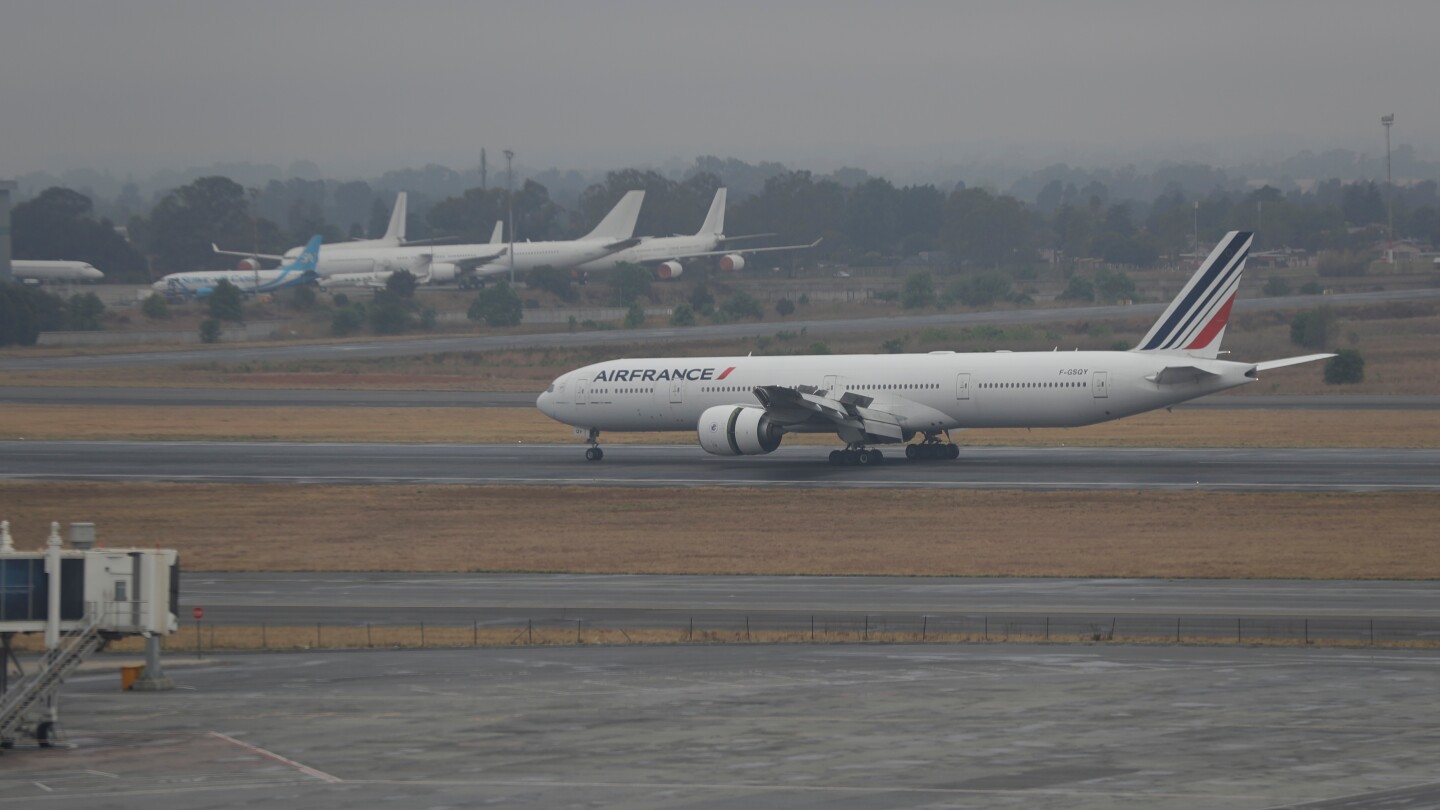
South African authorities have come under intense scrutiny following the detention of over 150 Palestinian travelers, including a woman in her ninth month of pregnancy, on a plane for approximately 12 hours due to issues with their travel documentation. The incident occurred at Johannesburg’s O.R. Tambo International Airport on Thursday morning after the charter flight made a stopover in Nairobi, Kenya. According to the Border Management Authority, the passengers lacked exit stamps from Israeli authorities, failed to specify their intended length of stay in South Africa, and did not provide local addresses, prompting immigration officials to deny them entry. A pastor who visited the stranded passengers described the conditions as unbearable, with extreme heat causing children to scream and cry. The situation was resolved late Thursday night after the Ministry of Home Affairs intervened, and the NGO Gift of the Givers offered to accommodate the travelers. Of the 153 passengers, 23 have since departed for other countries, leaving 130 in South Africa. This marks the second such incident in two weeks, with both flights reportedly carrying individuals from war-torn Gaza. The treatment of the travelers has sparked outrage, particularly given South Africa’s longstanding support for the Palestinian cause. Many of the passengers now intend to seek asylum in South Africa, a right guaranteed under the country’s constitution.
-
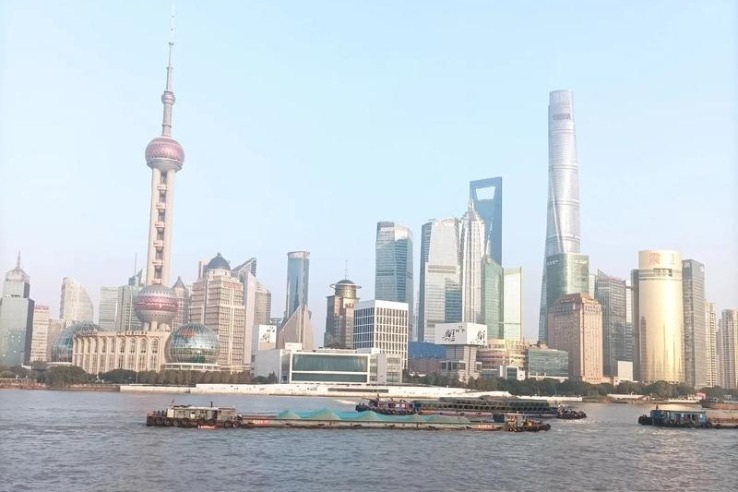
Shanghai a hot hub for addressing intl commercial disputes
Shanghai has solidified its position as a leading global hub for resolving international commercial disputes, according to senior officials from the city’s courts. This development comes as Chinese courts, with Shanghai at the forefront, have been recognized for their fairness and efficiency in handling such cases. The World Bank’s recent business ranking placed Chinese courts second in public recognition and third in perceived fairness among 103 global economies, highlighting Shanghai’s pivotal role in this achievement. Lu Weimin, deputy secretary of the Party leadership group and vice-president of the Shanghai High People’s Court, emphasized the city’s commitment to enhancing the quality and efficiency of foreign-related commercial trials, ensuring equal protection for both domestic and foreign investors. The establishment of the Shanghai International Commercial Court in December 2024 has been a cornerstone of this progress. In the first three quarters of 2025, the court handled 1,600 cases involving foreign commercial disputes and arbitration judicial reviews, with a total disputed amount exceeding 21.5 billion yuan ($3.02 billion). Parties involved in these cases hailed from 39 countries and regions. One notable case involved the efficient resolution of a Mongolian arbitration award application within 39 days, which was recognized as a typical example involving the Belt and Road Initiative by China’s Supreme People’s Court. To bolster its professional adjudication capabilities, the court established an international commercial expert committee, initially appointing 20 high-level experts, including eight from overseas. The Shanghai Maritime Court also reported an increase in cases, with 544 first-instance maritime cases accepted in the first three quarters of 2025, marking a nearly 20 percent increase. In terms of rulemaking, seven cases from Shanghai courts have been included in the official case database of the United Nations Commission on International Trade Law, providing a Chinese model for the accurate application of international conventions. The Shanghai International Commercial Court concluded the country’s first case referencing a document of the UN Convention on Contracts for the International Sale of Goods in February, contributing a Chinese example for the global uniform application of the convention. Additionally, Shanghai courts have excelled in the digitalization of cross-border litigation services, achieving a 100 percent electronic service rate for newly filed cases, with online hearings used in nearly 80 percent of them. The Shanghai Maritime Court explored a mechanism of comprehensive authorization for overseas litigation entities, which has been applied in 400 cases and reduced average processing time by about 30 days and litigation costs by nearly 10,000 yuan per case. Werner Schuppisser, a Swiss national and cofounder of a company bringing Swiss ice cream to Shanghai, shared his positive experience with the Shanghai Jing’an district court, which helped resolve a dispute and saved his company. Schuppisser praised the professionalism, efficiency, and impartiality of the Shanghai judges, which he believes provides a business environment that allows his firm to continue to grow.
-

Illustrating the rich tapestry of Chinese life
China Daily’s Times’ Palette Studio has unveiled a remarkable project that encapsulates the essence of ‘Min Sheng’—the people’s livelihood—through a series of 24 illustrations. This initiative, launched during the 14th Five-Year Plan (2021-25), underscores the nation’s commitment to equitable development and the shared prosperity of Chinese-style modernization. The project employs ‘time’ as the warp and ‘Min Sheng’ as the weft, weaving a rich tapestry of life across 24 hours, each hour depicted in a standalone watercolor illustration. These scenes, though distinct, are interconnected, showcasing various aspects of China’s progress in economic development, education, healthcare, elder care, employment, technology, culture, agriculture, and national defense. Each illustration serves as a unique ‘Chinese expression,’ collectively forming a warm and expansive scroll of the people’s livelihood. From the vibrant neon lights of urban centers to the serene moon over borderlands, and from the precision of high-tech laboratories to the comforting aromas of street food vendors, these images vividly capture the warmth and resilience of Chinese life in the new era. The story unfolds through these 24 snapshots, each offering a window into a specific moment and facet of life in contemporary China.
-

Turkey holds funeral for 20 military personnel killed in Georgia plane crash
Turkey conducted a solemn funeral ceremony on Friday to honor 20 military personnel who tragically lost their lives in a plane crash in Georgia. The incident occurred on Tuesday when a C-130 military cargo aircraft, en route from Ganja, Azerbaijan, to Turkey, crashed in Georgia’s Sighnaghi municipality near the Azerbaijani border. The cause of the crash remains under investigation. The victims included crew members and military personnel who were responsible for the maintenance and repair of Turkish F-16 jets. These jets had been deployed to Azerbaijan to participate in the country’s Victory Day celebrations, commemorating Azerbaijan’s 2020 military triumph over Armenia in the Nagorno-Karabakh conflict, a decades-long territorial dispute. The funeral ceremony took place at an airbase in Ankara, where families, officials, and fellow soldiers paid their respects to the 20 flag-draped coffins. The deceased were subsequently transported to their hometowns for burial. In response to the tragedy, Turkey has temporarily grounded its remaining 18 C-130 military cargo planes as a precautionary measure pending technical inspections. These aircraft are integral to Turkey’s armed forces, primarily used for personnel transport and logistical operations. An accident investigation team has been dispatched to the crash site, and the flight data recorder and cockpit voice recorder are currently being examined in Ankara. The National Defense Ministry confirmed that there was no ammunition on board the aircraft at the time of the crash.
-
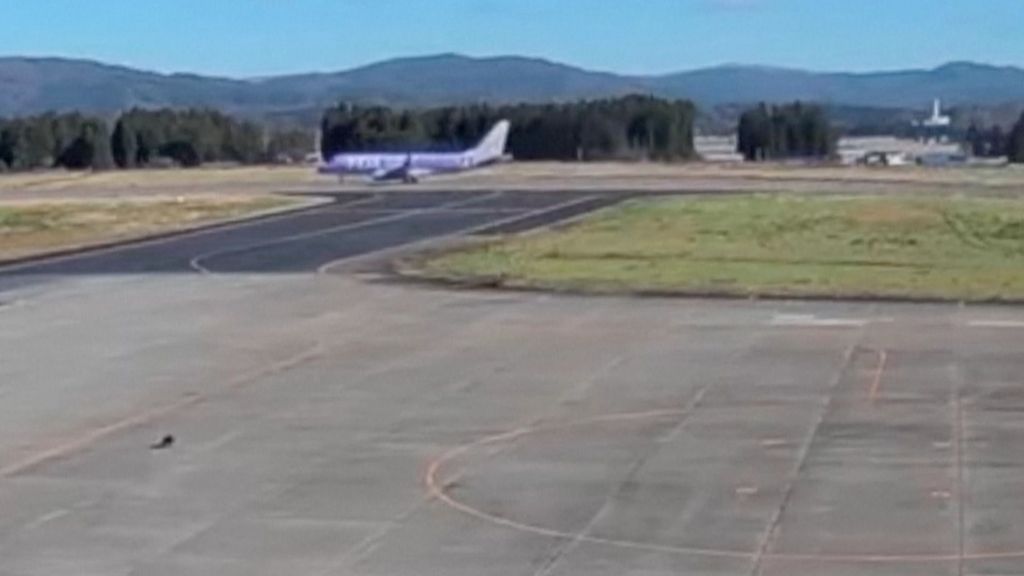
Watch: Bear runs onto airport tarmac, halting flights
A surprising incident unfolded at a Japanese airport on Wednesday when a bear unexpectedly wandered onto the tarmac, causing a temporary suspension of flights. The unusual occurrence disrupted airport operations as authorities swiftly responded to ensure the safety of passengers and staff. Wildlife experts were called in to safely capture and relocate the bear, which had strayed from its natural habitat. The incident highlights the challenges of human-wildlife coexistence in urbanized areas and the need for effective wildlife management strategies. Airport officials later confirmed that normal operations resumed after the situation was resolved, with no injuries reported.