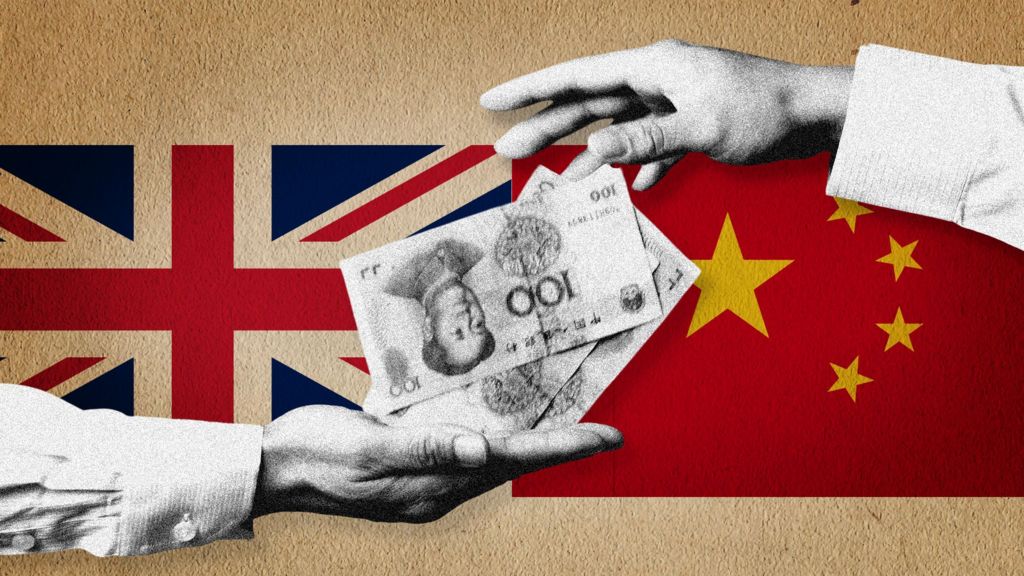
China has invested over £45 billion ($59 billion) in UK businesses and projects since the turn of the century, with a significant portion of these investments aimed at acquiring cutting-edge technology, including military-grade capabilities. This investment surge, peaking after a 2015 Chinese state directive, has positioned the UK as the top destination among G7 nations for Chinese capital, relative to its population and economic size, according to US-based research group AidData.
作者: admin
-
Timbuktu’s famed manuscripts escaped al-Qaida but the threat remains
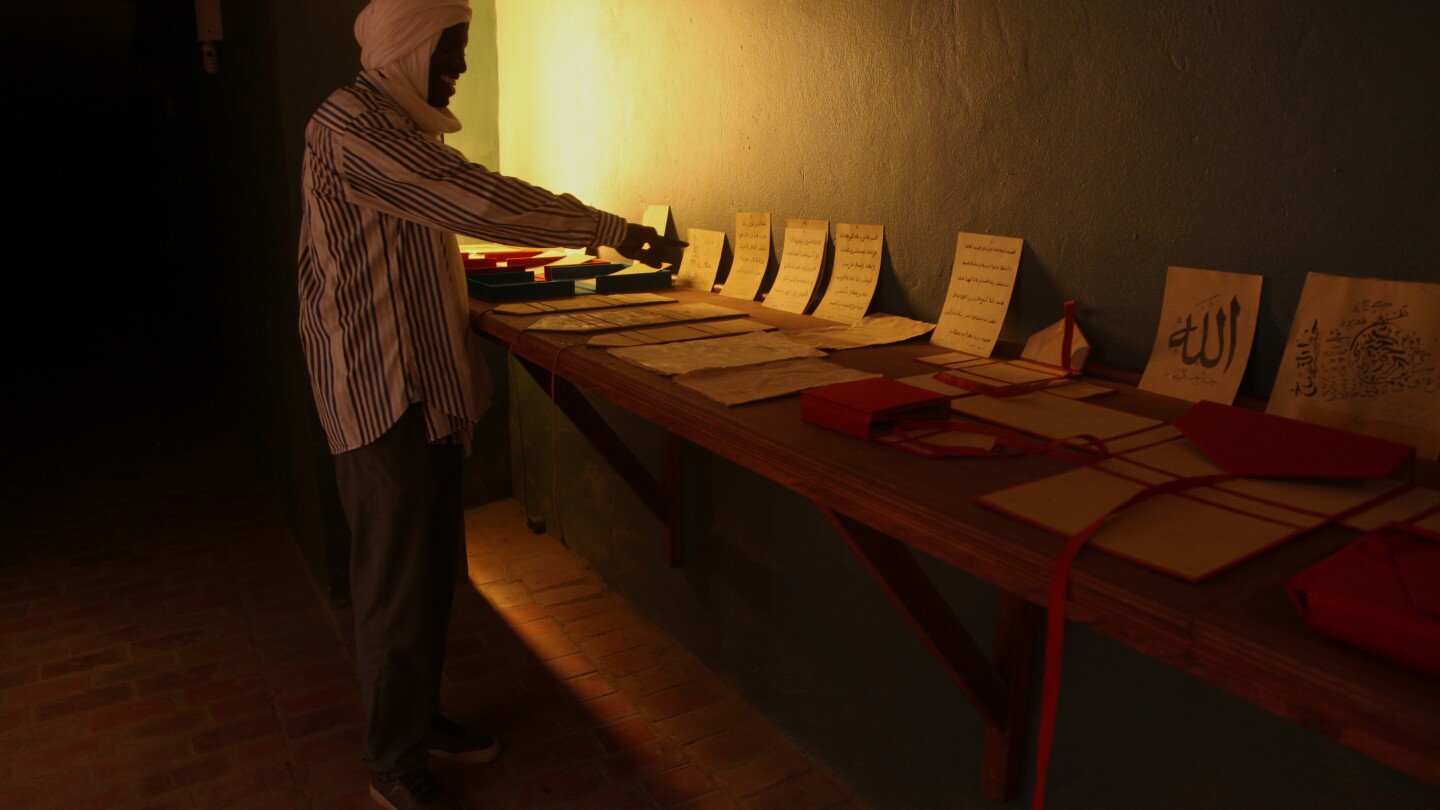
In a daring act of cultural preservation, Abdoulaye Cissé, the general secretary of the Ahmed Baba Institute of Higher Islamic Studies and Research, risked his life to smuggle 28,000 fragile manuscripts out of Timbuktu thirteen years ago. This heroic effort unfolded as al-Qaida-linked extremists overran the historic desert town. Under the cover of darkness, Cissé and his team transported the manuscripts via donkey carts, wooden boats, and buses on a perilous 1,200-kilometer journey to Mali’s capital, Bamako. The operation, which took a month, was fraught with danger but ultimately successful in safeguarding these irreplaceable artifacts of West African history. In August, the manuscripts were returned to Timbuktu, a move celebrated by local leaders and the Malian government as a triumph of cultural pride and preservation. However, the threat of al-Qaida persists, with recent attacks and a fuel blockade imposed by the JNIM group underscoring the ongoing instability in the region. Timbuktu, once a global center of Islamic learning, houses an estimated 377,000 manuscripts in both public and private collections. These documents, many of which were also smuggled to Bamako, challenge the misconception that African history was primarily oral. They provide a rich archive of West African empires, scholarly debates, and historical events dating back centuries. The manuscripts reveal a tolerant and respectful Islamic tradition, with one decree in a private library explicitly protecting women’s rights. The destruction of over 4,000 manuscripts and UNESCO World Heritage Sites by al-Qaida in 2012 was a devastating blow, prompting renewed efforts to digitize and protect these treasures. Today, nearly all of the institute’s manuscripts are digitized, with backups stored on remote servers. Despite these advancements, challenges remain, including the need for modern storage facilities and surveillance systems. Timbuktu’s residents, deeply committed to their cultural heritage, strive to balance preservation with accessibility, ensuring that these manuscripts continue to inspire and educate future generations.
-

UN climate talks shift into higher gear with government ministers and presidency’s new document
BELEM, Brazil — As the United Nations climate talks, COP30, enter their second and final week, the focus shifts from professional negotiators to high-ranking government ministers who are now tasked with making critical political decisions. The conference, held on the edge of the Brazilian Amazon, resumed after a rest day with foreign and other ministers arriving to address key issues. These officials will wield significantly more authority and flexibility than the negotiators who have been handling the discussions thus far.
David Waskow, director of the international climate initiative at the World Resources Institute, emphasized the shift, stating, ‘It brings a whole different dimension to the table.’ The pressure intensified late Sunday when the Brazilian presidency of the talks released a five-page summary outlining strategies to address contentious issues. These include urging nations to enhance their emissions-cutting plans, resolving trade disputes related to climate, and securing financial aid for poorer nations.
The summary presented a range of options for negotiators to consider or modify, even on topics not originally part of the agenda. Among the proposals is the creation of detailed ‘road maps’ to translate ambitious goals into actionable steps. This approach has already been employed to solidify last year’s $300 billion annual target for wealthy nations to provide climate financial aid to developing countries.
Small island nations, particularly vulnerable to rising sea levels, have called for the talks to address the inadequacy of current emissions-cutting plans. So far, 116 nations have submitted plans that collectively fall short of the reductions needed to limit global warming to 1.5 degrees Celsius, as outlined in the 2015 Paris Agreement. This issue may be combined with calls for a fossil fuel phase-out plan, a contentious topic that gained momentum after Brazilian President Luiz Inácio Lula da Silva recently advocated for a new road map.
Andreas Sieber, associate policy director at the advocacy group 350.org, remarked, ‘The fight is on. The presidency text outlines of a high-ambition COP30 outcome are finally visible: a pathway to close the decarbonization gap, anchored in a fossil-fuel phase-out road map and a credible climate-finance package.’
The Associated Press’ climate and environmental coverage is supported by multiple private foundations, though the AP retains full editorial control. This story was produced as part of the 2025 Climate Change Media Partnership, a journalism fellowship organized by Internews’ Earth Journalism Network and the Stanley Center for Peace and Security.
-
Landslide strikes bus on mountain pass in Vietnam, killing 6, as heavy rain persists
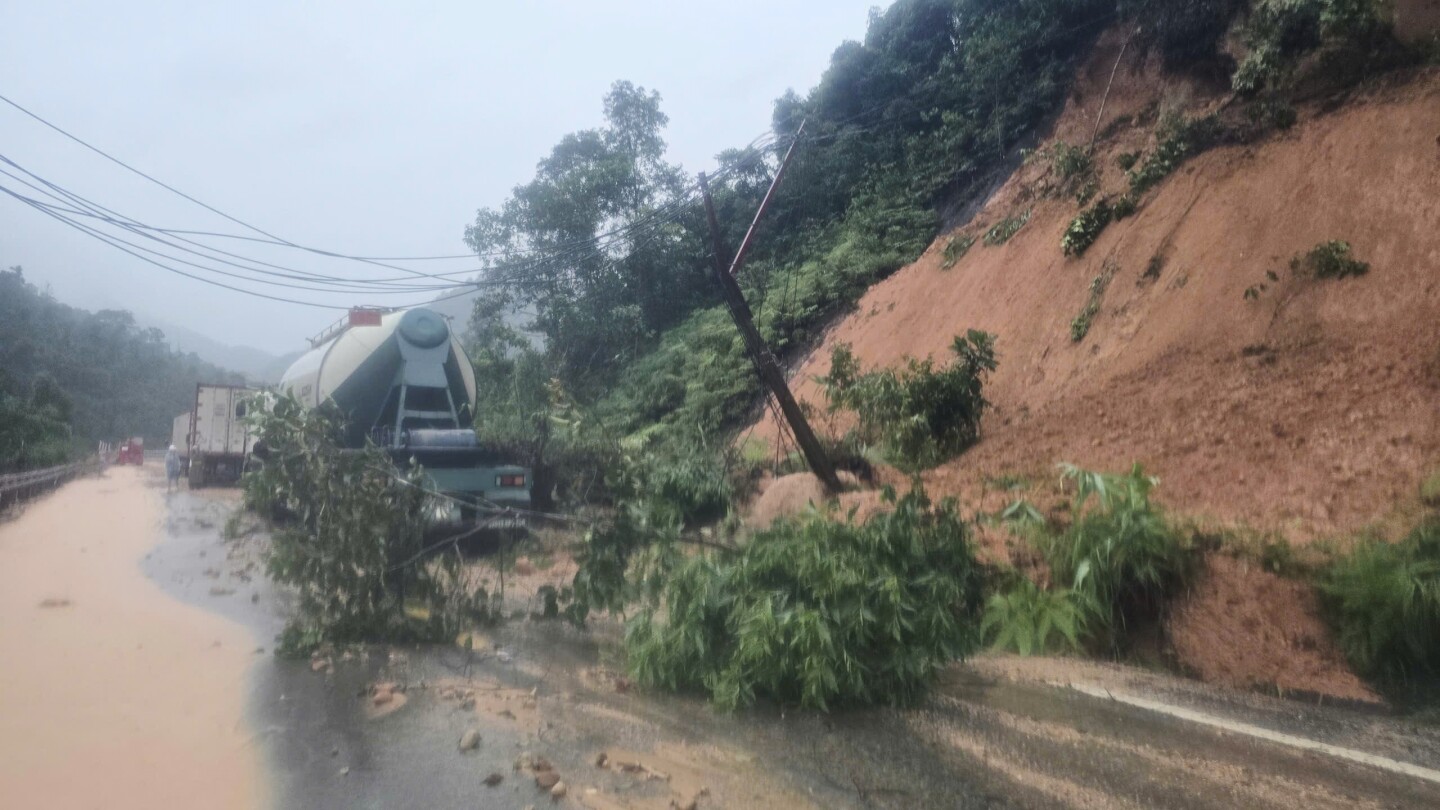
A devastating landslide struck a passenger bus on the perilous Khanh Le pass in Vietnam’s central highlands, resulting in six fatalities and injuring 19 others. The incident occurred late Sunday as the bus, carrying 32 passengers from Ho Chi Minh City, was en route from Da Lat to the coastal city of Nha Trang. The landslide, triggered by heavy rainfall, buried the front of the bus, trapping numerous passengers and complicating rescue efforts. Rescuers faced significant challenges due to additional landslides that blocked access to the area, delaying their arrival until after midnight. Two bodies remain trapped under debris as the treacherous terrain continues to hinder recovery operations. The Khanh Le pass, a 33-kilometer stretch known for its scenic beauty and popularity among tourists, is particularly vulnerable to landslides during the rainy season. Meanwhile, central Vietnam braces for more heavy rain, with forecasts predicting up to 85 centimeters in some areas. This region, already battered by Typhoon Kalmaegi, has seen historic floods this year, exacerbating the country’s vulnerability to natural disasters. Vietnam, one of the world’s most flood-prone nations, faces increasing threats from climate change, which scientists warn is intensifying storms and rainfall across Southeast Asia, leading to more frequent and destructive floods and landslides.
-
Asian shares are mostly lower after US stocks stumble
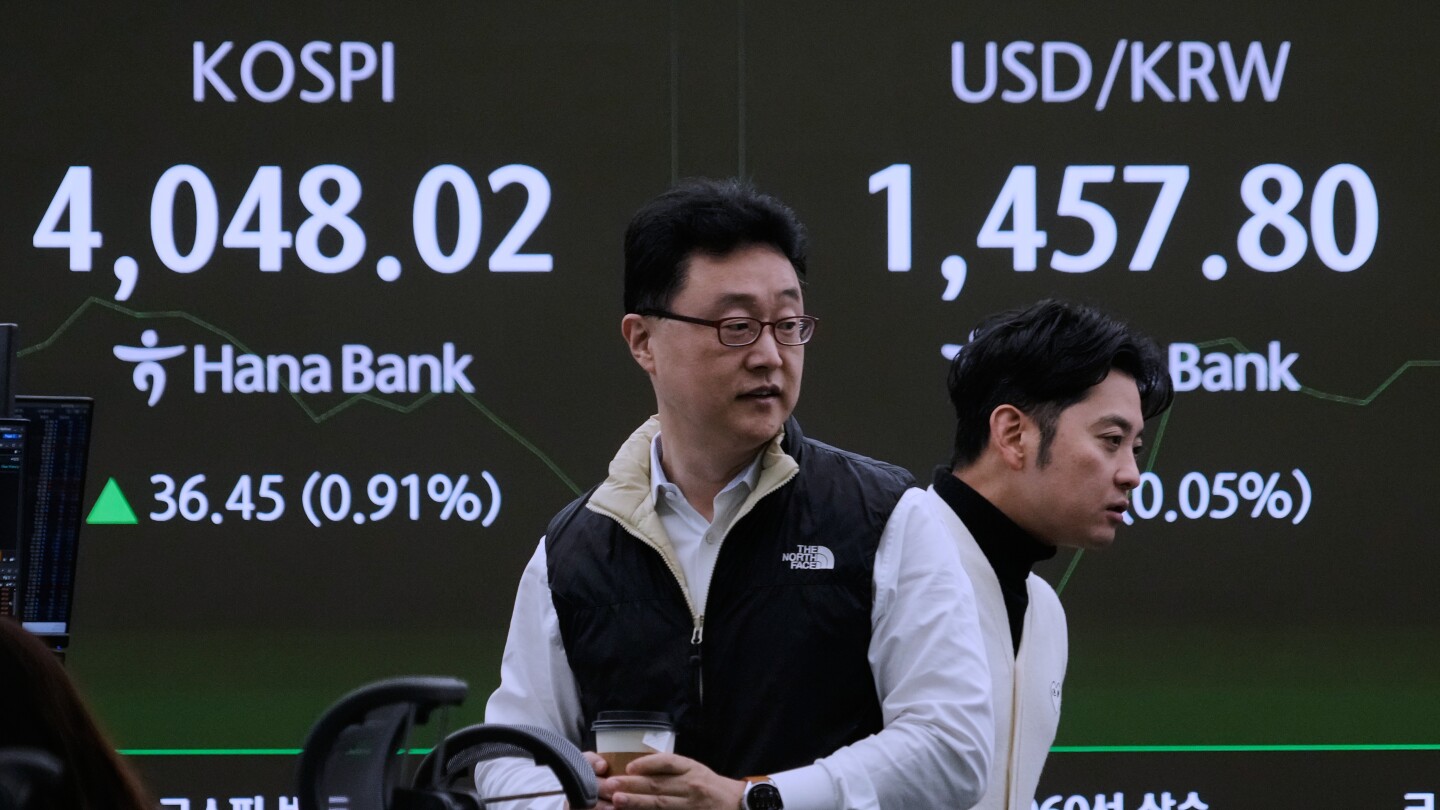
Asian markets experienced a mostly downward trend on Monday, with U.S. futures showing modest gains following a lackluster performance on Wall Street last week. Tokyo’s Nikkei 225 index dropped 0.3% to 50,226.67, reflecting concerns over Japan’s economic contraction, which saw a 1.8% annual decline in the July-September quarter. The dollar strengthened against the yen, rising to 154.65 yen from 154.58 yen. Chinese markets also saw declines, with Hong Kong’s Hang Seng index falling 0.8% to 26,359.22 and the Shanghai Composite index slipping 0.4% to 3,973.31. Geopolitical tensions between China and Japan further dampened market sentiment, particularly following Japanese Prime Minister Sanae Takaichi’s remarks suggesting a potential military response to Chinese actions against Taiwan. China, which views Taiwan as part of its territory, has warned its citizens against traveling to or studying in Japan. In South Korea, the Kospi index rose 1.7% to 4,078.39, driven by gains in tech-related shares, particularly computer chip makers collaborating with Nvidia on artificial intelligence projects. Australia’s S&P/ASX 200 edged down less than 0.1% to 8,628.60, while Taiwan’s Taiex and India’s Sensex posted modest gains. U.S. futures indicated a positive outlook, with the S&P 500 up 0.5% and the Dow Jones Industrial Average slightly higher. Despite recent volatility, the S&P 500 remains close to its record high, with investors closely watching Nvidia’s upcoming earnings report for signs of sustained growth. Meanwhile, questions linger over the Federal Reserve’s potential interest rate cuts, as inflation remains above the 2% target. Bitcoin saw a slight increase, while oil prices dipped in early trading.
-
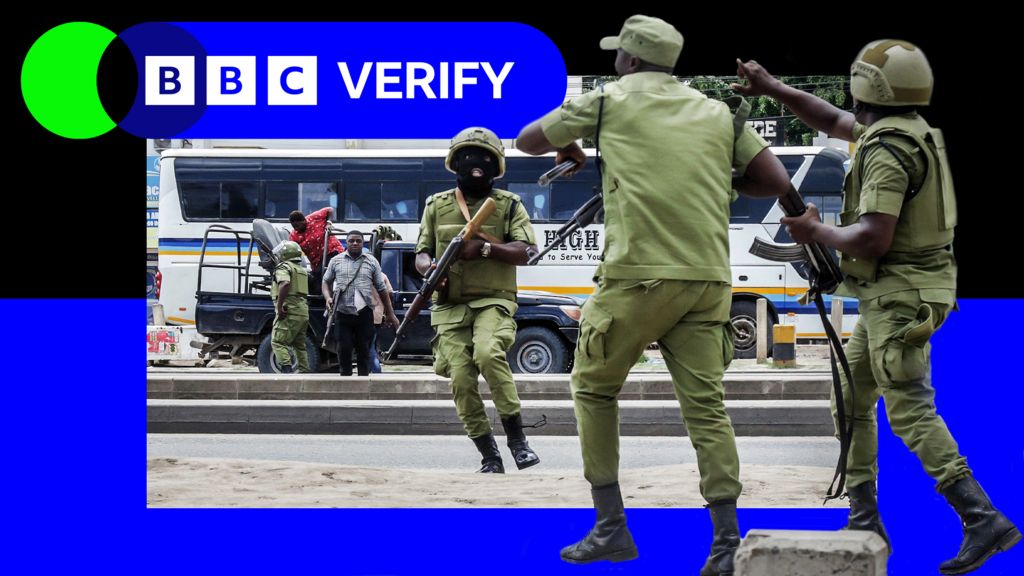
How Tanzania police crushed election protests with lethal force
Tanzania’s recent presidential and parliamentary elections were overshadowed by violent clashes between police and protesters, resulting in significant casualties and widespread condemnation. The unrest began on October 29 in Dar es Salaam, the nation’s largest city, and quickly spread to other urban centers, including Mwanza and Arusha. The protests, largely organized by young people, were fueled by frustration over a political system perceived as dominated by a single party since Tanzania’s independence in the 1960s.
-

Jurors in high-profile Australian trial visit beach where murder victim found
In a significant development in the high-profile murder trial of Toyah Cordingley, jurors were taken to the remote Wangetti Beach in northern Queensland, where the 24-year-old’s body was discovered in 2018. The visit aimed to familiarize the jury with key locations in the case, though no official evidence was presented during the trip. The jury, consisting of ten men and two women, along with three backup jurors, accompanied the judge and barristers to the site, marking the second week of the trial. The tropical conditions prompted an unusual courtroom attire, with Justice Lincoln Crowley opting for a T-shirt, sports shorts, and trainers instead of traditional robes. The prosecution alleges that Rajwinder Singh, a 41-year-old former nurse, repeatedly stabbed Ms. Cordingley with a sharp object and buried her in a shallow grave, leaving her with ‘little or no hope of surviving.’ Singh, who fled to India shortly after the murder, denies the charges. The prosecution has presented circumstantial evidence, including DNA from a stick at the scene, which is 3.8 billion times more likely to belong to Singh than a random individual. Additionally, the movements of Ms. Cordingley’s phone after the killing reportedly matched those of Singh’s blue Alfa Romeo. The defense has yet to present its case but has described Singh as a ‘placid’ and ‘caring’ man who was in the ‘wrong place at the wrong time.’ The trial is set to resume in the conventional courtroom setting on Tuesday.
-
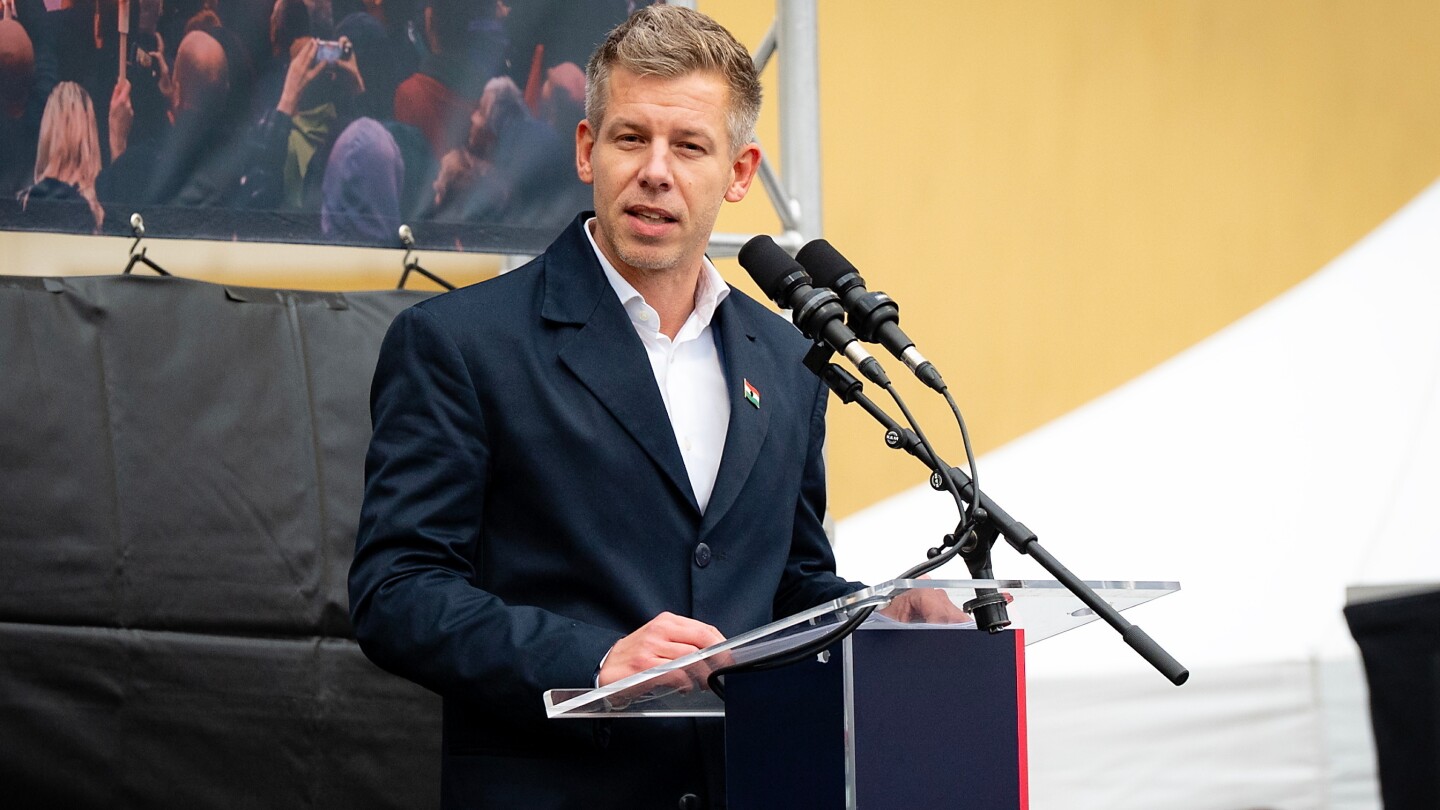
Election campaign in Hungary heats up as Orbán challenger Péter Magyar gains rural support
As Hungary gears up for its parliamentary elections in five months, the political landscape is ablaze with a fierce contest between Prime Minister Viktor Orbán and his rising challenger, Péter Magyar. Orbán, who has dominated Hungarian politics for over two decades, is now confronting what many consider the most significant challenge of his career. Despite his enduring popularity among supporters, Orbán’s government has been marred by allegations of corruption and authoritarianism, with critics accusing his far-right Fidesz party of consolidating unchecked power. However, declining economic performance, chronic inflation, and widespread dissatisfaction have eroded his once-unassailable position. Magyar, a former Fidesz insider, has emerged as a formidable opponent, promising to dismantle Orbán’s system and steer Hungary toward a more prosperous and democratic future. Magyar’s grassroots campaign, focusing on pressing issues like the cost of living and poor public services, has resonated deeply in rural areas traditionally loyal to Orbán. Recent polls show Magyar’s Tisza party leading Fidesz, a rare feat in Hungary’s political history. Orbán, meanwhile, has sought to portray Magyar as an existential threat, accusing him of aligning with foreign interests and endangering Hungary’s sovereignty. The prime minister has also criticized the European Union, comparing it to the Soviet Union, and warned that supporting Magyar equates to supporting war. Despite Orbán’s efforts, Magyar’s momentum continues to grow, fueled by public discontent and a desire for systemic change. With the election approaching, Hungary stands at a crossroads, with the outcome poised to reshape its political trajectory.
-
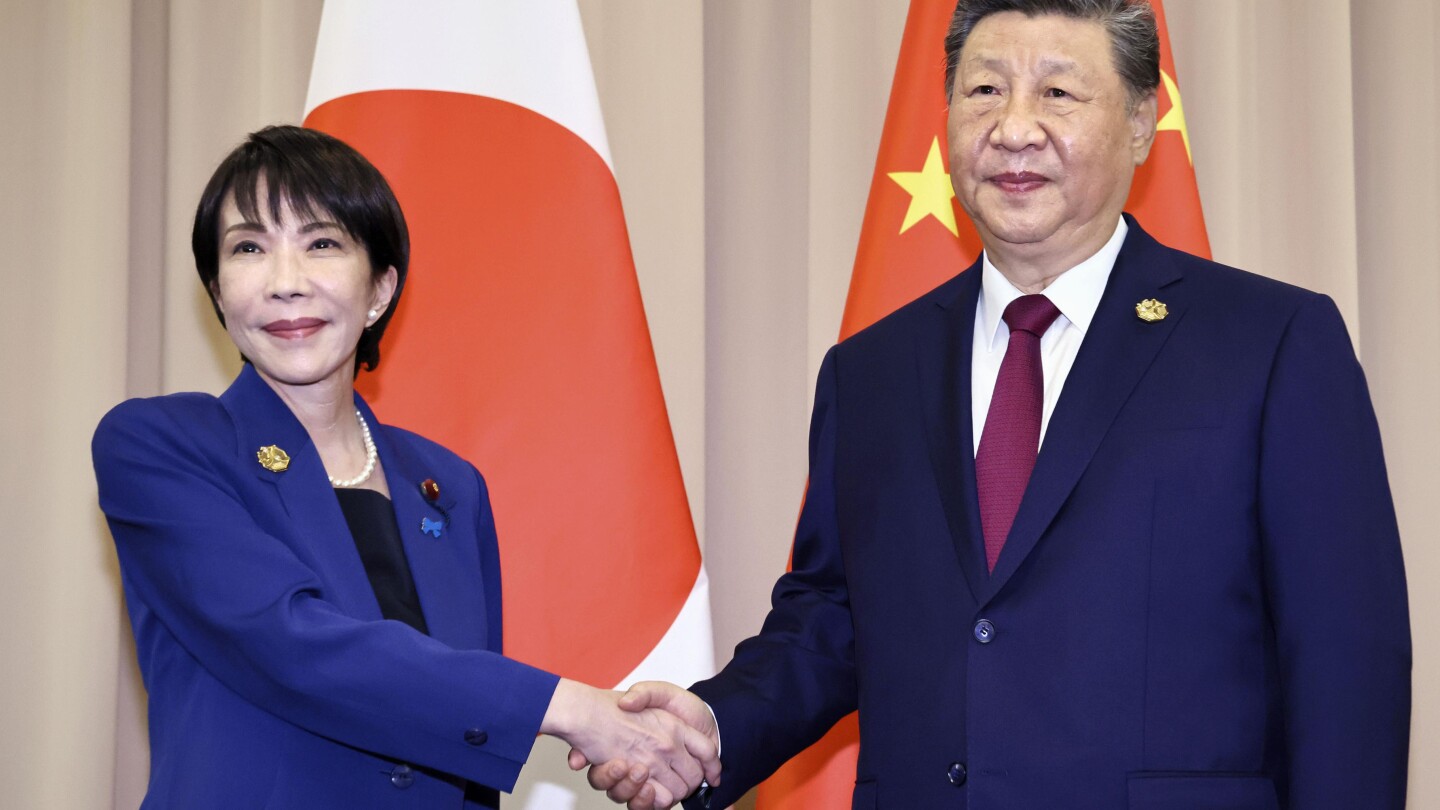
A spat over Taiwan is threatening China-Japan ties
In a bold move that has escalated regional tensions, Japan’s newly appointed Prime Minister Sanae Takaichi has suggested that a Chinese military action against Taiwan could warrant a Japanese military response. This statement, made during a parliamentary committee session on November 7, marks a significant departure from the more cautious rhetoric of her predecessors. While previous Japanese leaders have expressed concerns over China’s aggressive posture toward Taiwan, they have refrained from explicitly outlining potential military responses. Takaichi’s remarks have drawn sharp criticism from Beijing, which views Taiwan as an inalienable part of its territory and considers any foreign intervention a violation of its sovereignty. Despite the backlash, Takaichi has refused to retract her comments, though she has indicated a willingness to avoid discussing specific scenarios in the future. The incident has further strained Japan-China relations, with both countries summoning each other’s ambassadors and issuing stern warnings. China has also taken economic measures, advising against travel to Japan and highlighting safety concerns for Chinese nationals. The situation is further complicated by Japan’s post-World War II constitution, which limits its military actions to self-defense, and its alliance with the United States, which could play a pivotal role in any regional conflict. Analysts warn that Takaichi’s stance could have long-term implications for Japan’s foreign policy and its delicate balancing act in the Indo-Pacific region.
-
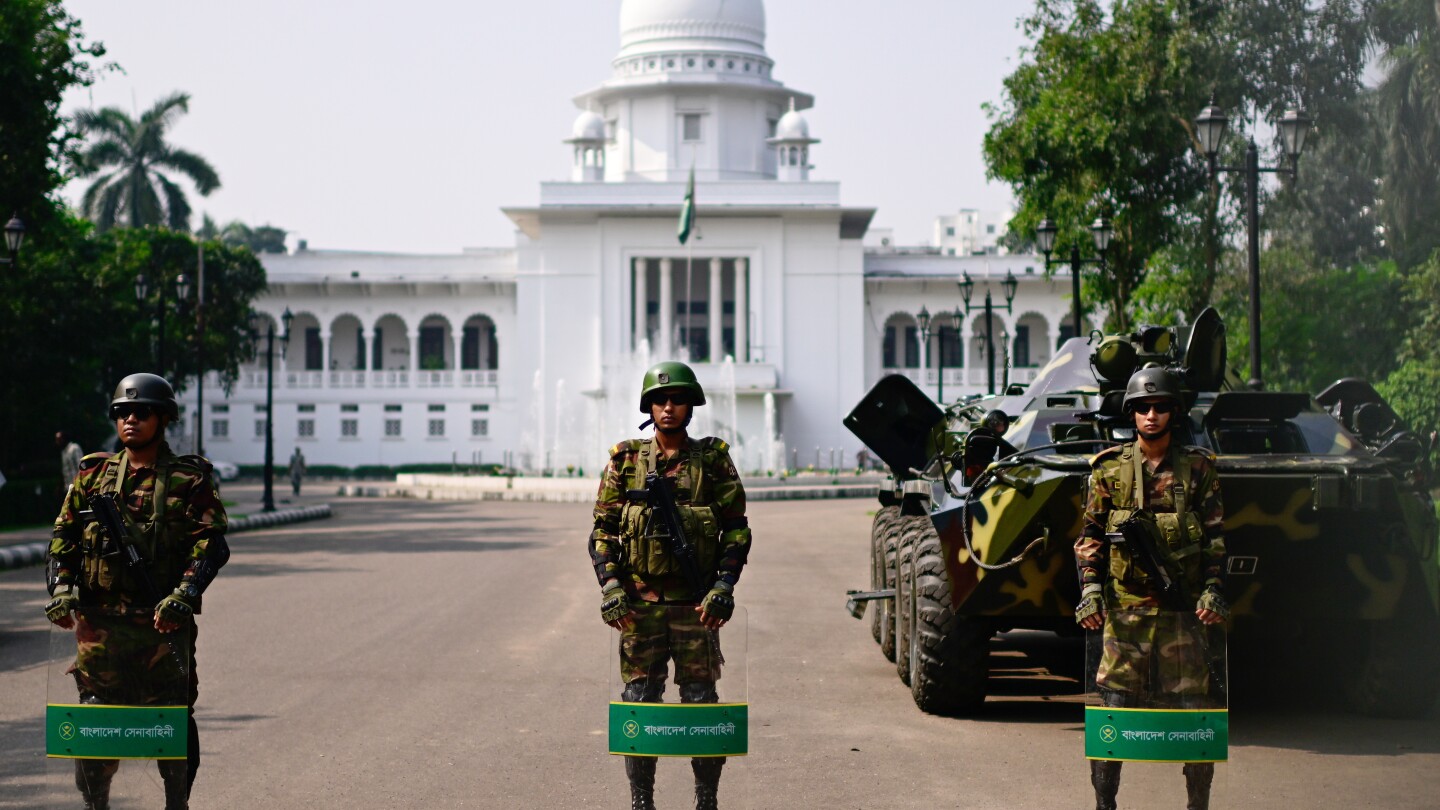
Bangladesh beefs up security ahead of verdict against ousted PM Sheikh Hasina
Bangladesh’s interim government has intensified security measures across the nation, particularly in Dhaka, as the country braces for a highly anticipated verdict against ousted Prime Minister Sheikh Hasina. Hasina, who has been in exile in India, faces charges of crimes against humanity linked to last year’s violent uprising that claimed hundreds of lives and ended her 15-year rule. The Awami League, her political party, has called for a nationwide shutdown to protest the verdict, labeling the tribunal a “kangaroo court.”
The prosecution in the special tribunal has sought the death penalty for Hasina and former Home Minister Asaduzzaman Khan, both of whom are being tried in absentia. A third suspect, a former police chief who turned state witness, is expected to receive no penalty. The tribunal’s verdict, set to be delivered Monday, has already sparked unrest, with reports of crude bomb explosions and arson attacks disrupting daily life.
Paramilitary border guards and police have been deployed nationwide to maintain order. Dhaka’s police chief has issued a “shoot-on-sight” order for anyone attempting arson or bomb attacks, following nearly 50 arson incidents and dozens of explosions in the past week. Authorities have also requested military deployment around the tribunal premises to ensure security.
The violence stems from a student-led uprising in July and August 2024, during which the United Nations estimated up to 1,400 deaths, while Bangladesh’s health adviser reported over 800 fatalities and 14,000 injuries. Hasina, who has survived 19 assassination attempts, urged her supporters in an audio message to remain calm ahead of the verdict.
Meanwhile, Nobel Peace Prize laureate Muhammad Yunus, who heads the interim government, has vowed to hold elections in February, excluding the Awami League from participation. The political climate remains tense, with limited signs of stability as Bangladesh navigates this critical juncture.