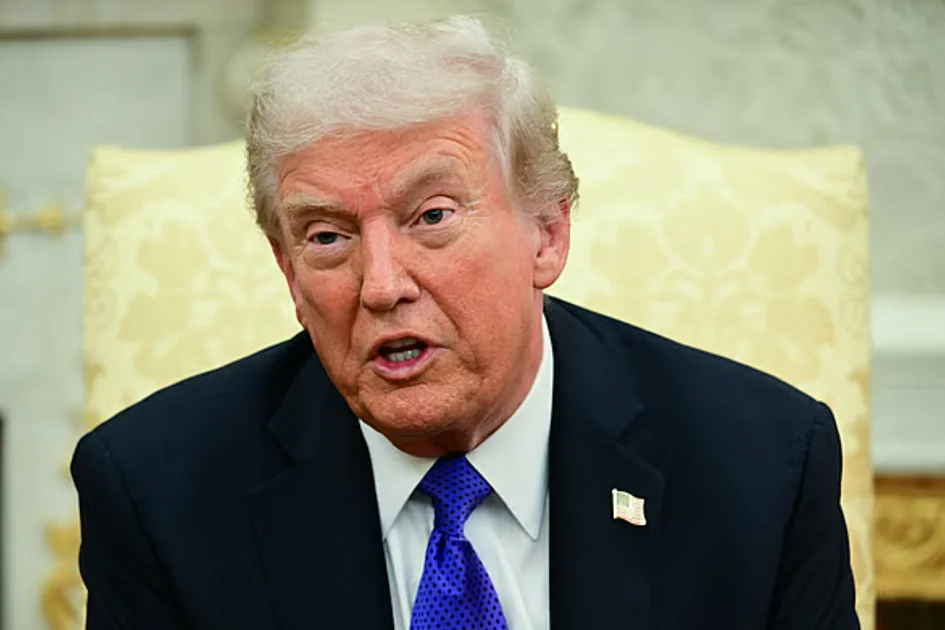
In a surprising shift, former US President Donald Trump has called on House Republicans to vote for the release of documents related to the late convicted sex offender Jeffrey Epstein. This move marks a reversal from his previous stance, as Trump had initially resisted such actions. The announcement came via a post on his Truth Social platform, where he emphasized the need for transparency, stating, ‘House Republicans should vote to release the Epstein files, because we have nothing to hide.’ Trump framed the issue as a Democratic ‘hoax’ aimed at undermining Republican successes, including their recent victory in averting a government shutdown.
作者: admin
-
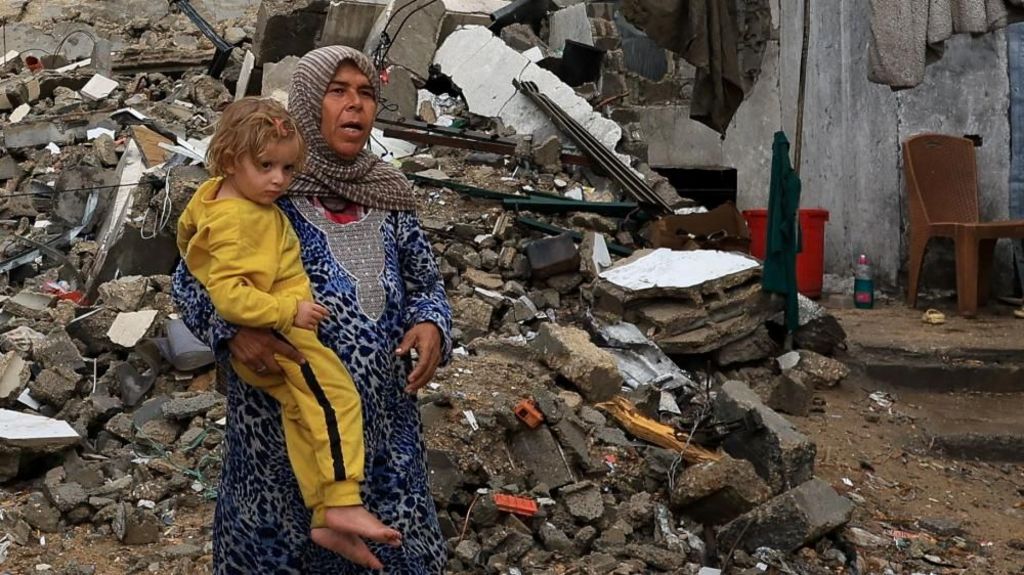
UN Security Council to vote on Trump peace plan for Gaza
The United Nations Security Council is poised to vote on a draft resolution supporting former U.S. President Donald Trump’s comprehensive peace plan for Gaza. The proposal, submitted by the United States, outlines the deployment of an International Stabilization Force (ISF) and the establishment of a transitional administration in the region. While the U.S. claims several unnamed nations have pledged contributions to the ISF, its precise mandate—whether to enforce Hamas’s disarmament or serve as a peacekeeping entity—remains ambiguous. This initiative is a cornerstone of Trump’s 20-point strategy, which recently facilitated a ceasefire in the two-year conflict between Israel and Hamas. The draft resolution also cautiously introduces the concept of a Palestinian state, a notion vehemently opposed by Israel. Intense negotiations have surrounded the text, with Washington cautioning that rejection could reignite hostilities. Beyond authorizing the ISF, which would collaborate with Israel and Egypt, the draft advocates for the creation of a newly trained Palestinian police force in Gaza, replacing the current Hamas-controlled authority. Reports suggest the ISF would focus on disarming non-state armed groups, including Hamas, while safeguarding civilians and humanitarian corridors. Hamas, however, has denounced the resolution as ‘dangerous,’ rejecting any foreign military presence and disarmament clauses, which it views as an infringement on Palestinian sovereignty. The draft also proposes a Board of Peace, likely led by Trump, to oversee a temporary technocratic administration tasked with Gaza’s reconstruction. Amid pressure from key Arab states, the text hints at a potential future Palestinian state, though it stops short of explicitly endorsing one. This inclusion has drawn sharp criticism from Israeli Prime Minister Benjamin Netanyahu, who reiterated Israel’s unwavering opposition to a Palestinian state west of the Jordan River. Trump’s plan has temporarily halted the Israel-Gaza conflict, which erupted after Hamas’s October 7, 2023, attack on Israel, resulting in significant casualties and hostages. The Hamas-run health ministry reports over 69,483 Palestinian deaths since the conflict began.
-
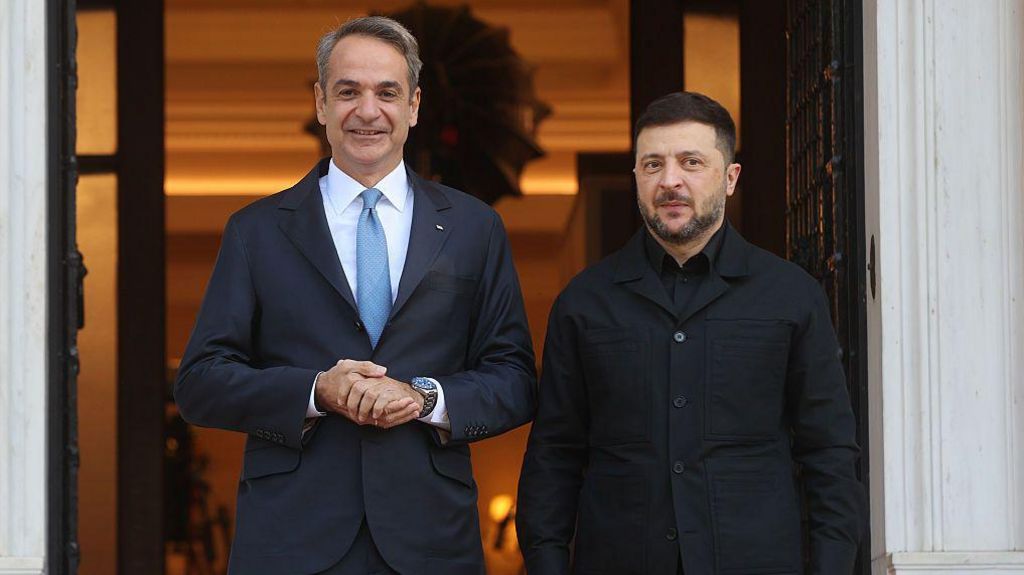
Ukraine to import US liquefied natural gas via Greece
In a significant move to enhance Ukraine’s energy resilience during the ongoing conflict, vital supplies of US liquefied natural gas (LNG) are set to flow into the war-torn nation this winter via a pipeline traversing the Balkans. This development follows a high-profile meeting between Ukrainian President Volodymyr Zelensky and Greek Prime Minister Kyriakos Mitsotakis in Athens on Sunday. Mitsotakis emphasized Greece’s role in increasing the influx of American LNG to its terminals, aiming to ‘replace Russian gas in the region.’
The European Commission has outlined plans to completely halt Russian gas imports to EU member states by the end of 2027, citing concerns that such revenues fund Russia’s military operations in Ukraine. Meanwhile, Zelensky has shifted his focus to France, engaging in discussions with President Emmanuel Macron regarding a major air defense hardware deal.
Amid these diplomatic efforts, the conflict on the ground remains intense. Overnight, Russian attacks in the Kharkiv, Kherson, and Donetsk regions reportedly claimed six lives, while Russia’s military announced the capture of three additional Ukrainian villages. These reports, however, remain unverified.
Speaking in Athens, Zelensky revealed that American LNG deliveries are scheduled to commence in January. ‘We rebuild each time the Russians destroy, but this requires significant time, effort, and resources,’ he stated. Mitsotakis affirmed Greece’s commitment, declaring, ‘Greece is becoming an energy security provider for your homeland.’
According to Reuters, Ukraine has allocated nearly €2 billion to cover gas imports through March, leveraging funds from European partners, banks under European Commission guarantees, and Ukrainian financial institutions. Since 2015, Ukraine has relied on EU states for gas supplies, bypassing direct purchases from Russia. The Soviet-era Trans-Balkan pipeline, linking Ukraine to Greek LNG terminals via Moldova, Romania, and Bulgaria, plays a pivotal role in this arrangement.
On Monday, Zelensky’s visit to France included an inspection of Rafale fighter jets, the SAMP-T air defense system, and several drone systems at Villacoublay airbase near Paris. He also reviewed the nascent headquarters of a planned multinational force, which may eventually oversee a Ukraine-Russia ceasefire.
The conflict, which began with Russia’s full-scale invasion in February 2022, has resulted in tens of thousands of casualties, predominantly soldiers, and displaced millions of civilians. As Ukraine continues to navigate the dual challenges of war and energy security, international support remains crucial.
-
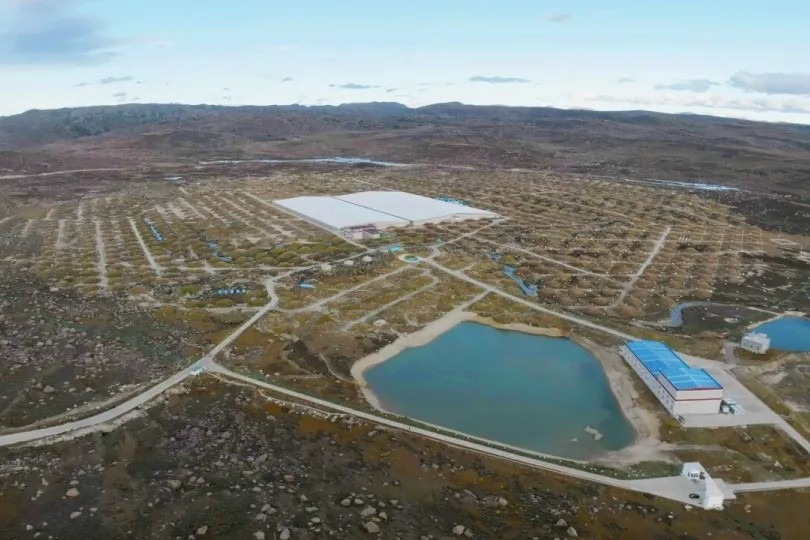
China’s observatory unravels key mystery of cosmic ray formation
In a groundbreaking discovery, China’s Large High Altitude Air Shower Observatory (LHAASO) has unveiled a pivotal mechanism behind the formation of high-energy cosmic rays. The research, led by an international team of scientists, reveals that black holes, particularly those in binary systems, act as powerful particle accelerators, contributing significantly to the production of cosmic rays in the Milky Way. This finding not only addresses a long-standing mystery in astrophysics but also deepens our understanding of extreme physical processes in black hole systems. Cosmic rays, primarily composed of protons, are charged particles originating from outer space. Their origin has been a central question in modern astrophysics for decades. The LHAASO team focused on the ‘knee’ region of the cosmic ray energy spectrum, a critical turning point around 3 PeV (peta-electron volt), which has puzzled researchers for nearly 70 years. The study identified microquasars—black hole systems that accrete material from companion stars—as the likely sources of this phenomenon. These microquasars generate relativistic jets, which accelerate particles to ultra-high energies. For instance, the microquasar SS 433 was found to produce proton energies exceeding 1 PeV, equivalent to the energy released by 400 trillion hydrogen bombs per second. Similarly, gamma rays from the microquasar V4641 Sgr reached 0.8 PeV, suggesting parent particle energies surpassing 10 PeV. The findings, published in *National Science Review* and *Science Bulletin*, highlight the role of black holes as cosmic particle accelerators. Located in Sichuan Province at an elevation of 4,410 meters, LHAASO’s advanced equipment enabled precise measurements of cosmic ray energy spectra, revealing unexpected structures. This discovery not only resolves the ‘knee’ mystery but also provides crucial evidence for understanding the origins of cosmic rays. LHAASO, designed and operated by Chinese scientists, has positioned China at the forefront of high-energy cosmic ray research, contributing to global advancements in astrophysics.
-
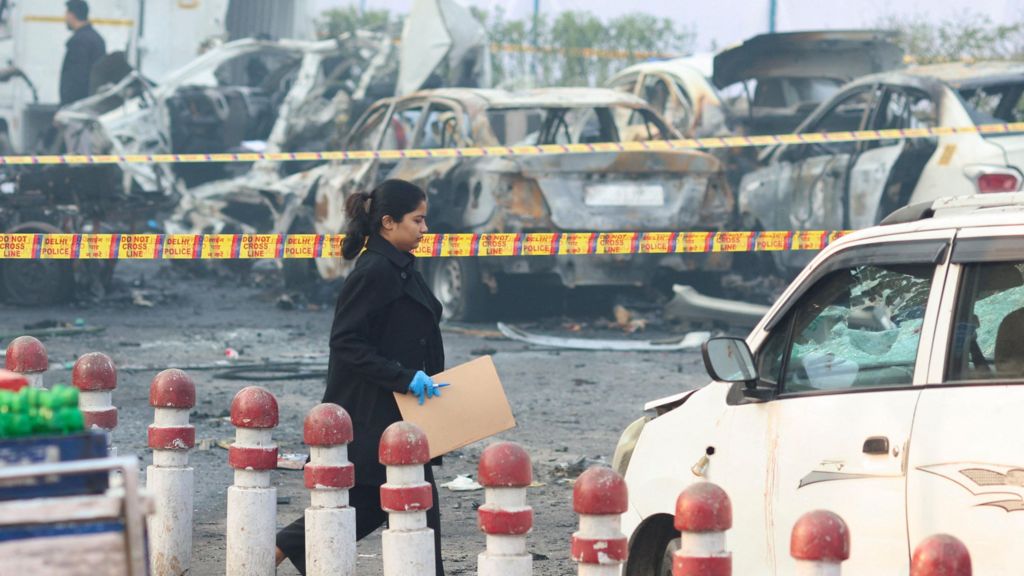
Delhi’s alleged car bomb attacker named by investigators
In a tragic incident last Monday, a car explosion near Delhi’s iconic Red Fort monument claimed 10 lives and left 32 others injured. Indian counter-terrorism agency, the National Investigation Agency (NIA), has identified Umar Un Nabi, an assistant professor at Al-Falah University in Faridabad, as the alleged suicide bomber. Umar, a doctor from Indian-administered Kashmir, was reportedly driving the vehicle involved in the blast. The NIA confirmed his identity through forensic analysis, though his family denies any knowledge of his involvement. Umar’s father and sister-in-law expressed shock, stating they were unaware of the car used in the attack. The explosion occurred shortly after Kashmir police announced the arrest of seven individuals and the seizure of 2,900kg of explosives in Faridabad, where Umar resided. The NIA is investigating potential links between the blast and these arrests. Umar’s family has faced severe repercussions, including the demolition of their home in Pulwama district by security forces. Four family members were detained, and their house was razed late Thursday night, leaving them homeless as winter approaches. The family, including Umar’s parents and a pregnant sister-in-law, is now sheltering with relatives. The Kashmir police and Special Investigating Agency (SIA) have declined to comment, citing the ongoing investigation. Umar’s relatives and neighbors remain in shock, grappling with the devastating impact of the incident.
-
China’s people are on a grueling treadmill
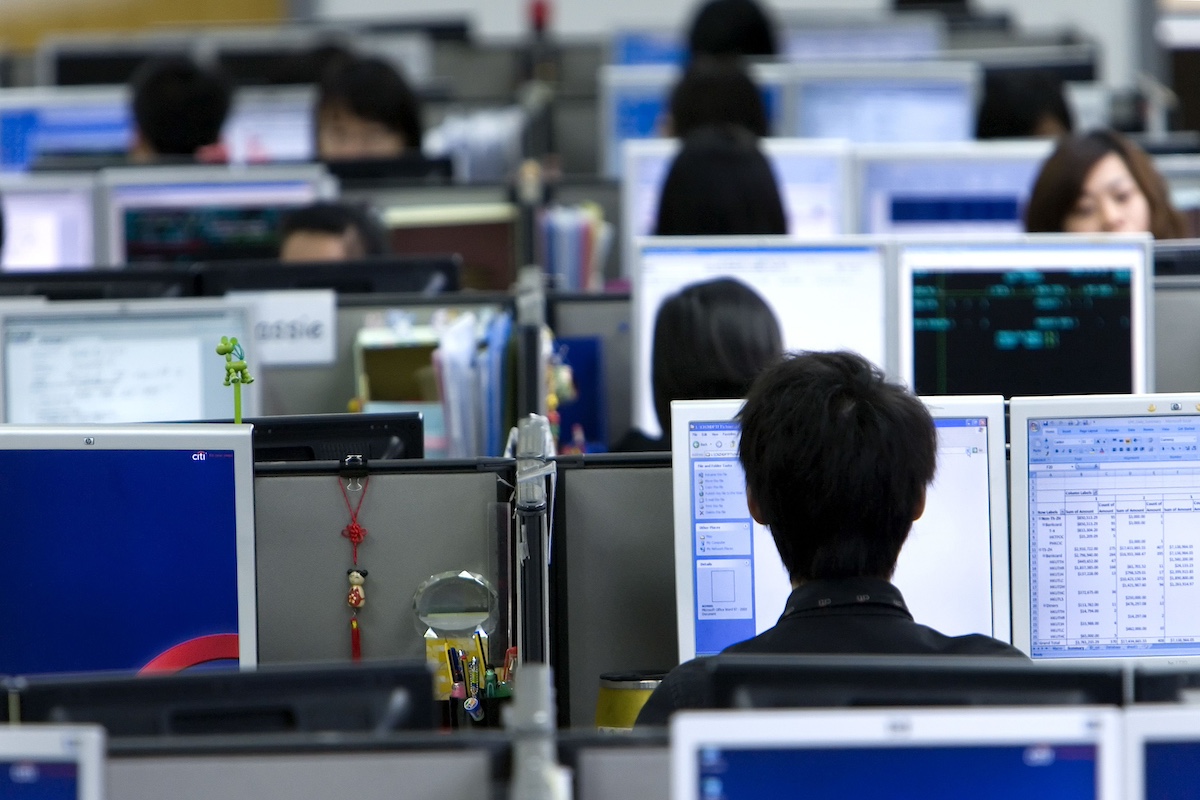
China’s economic and social landscape is undergoing a profound transformation, marked by a growing sense of disillusionment among its youth. While the country projects an image of strength and technological prowess on the global stage, the domestic reality paints a starkly different picture. Influencers like Hasan Piker have lauded China’s blend of consumer abundance and state-controlled economy, but for ordinary citizens, the narrative is one of quiet desperation. Concerns over unemployment, stagnant wages, and rising living costs dominate conversations, both online and offline. The phrase ‘wai qiang, zhong gan’—outwardly strong, inwardly brittle—has emerged as a poignant descriptor of the nation’s current state. Young people, in particular, bear the brunt of these challenges. Despite their relentless pursuit of education and grueling work hours, many find themselves trapped in a stagnant job market, unable to secure white-collar positions or achieve financial stability. The real estate market, once a cornerstone of household wealth, has been in freefall since 2021, eroding savings and exacerbating economic anxiety. Meanwhile, government policies aimed at bolstering global influence and industrial dominance have led to ‘involution’—a phenomenon of excessive competition that drives down profits and productivity. This has further strained the mental health of young people, with rising rates of anxiety and depression. The government’s crackdown on ‘excessively pessimistic’ social media content underscores its awareness of public discontent. As China grapples with these internal challenges, the once-promising ‘Chinese Dream’ has morphed into a Sisyphean struggle for survival.
-

Beijing hit by freezing wind
China Daily Information Co (CDIC) holds exclusive rights to all content published on its platform, encompassing text, photos, and multimedia materials. Unauthorized reproduction or utilization of this content in any form is strictly prohibited unless explicit written consent is obtained from CDIC. The site recommends using browsers with a resolution of 1024*768 or higher for optimal viewing. Additionally, the platform provides essential information about China Daily, advertising opportunities, contact details, job offers, and expatriate employment resources. Users are encouraged to follow China Daily for updates and insights.
-
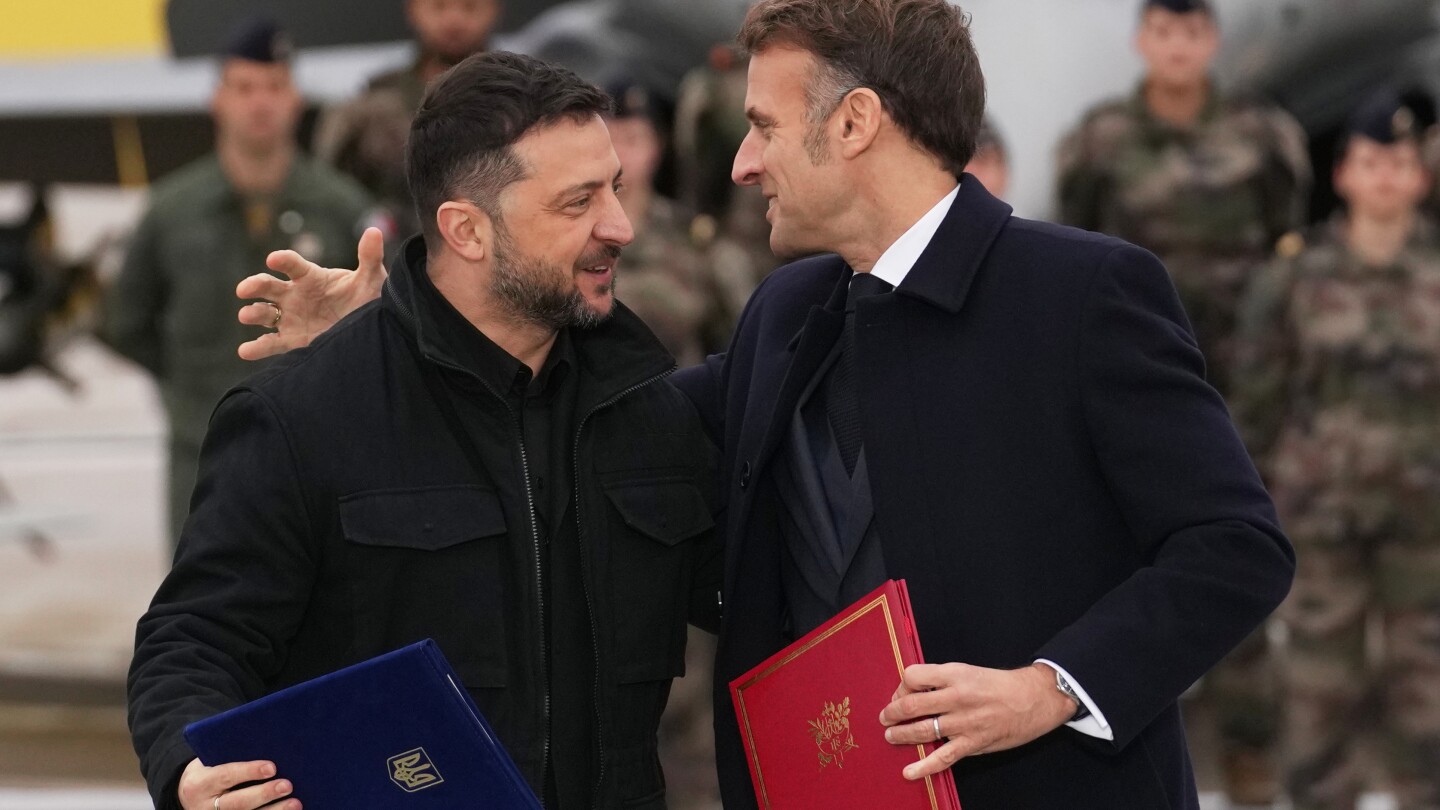
Ukraine signs a letter of intent to buy up to 100 Rafale warplanes from France
In a significant move to bolster Ukraine’s military capabilities, Ukrainian President Volodymyr Zelenskyy and French President Emmanuel Macron signed a letter of intent on Monday, paving the way for Ukraine to purchase up to 100 Rafale fighter jets from France. The agreement, announced by both the Ukrainian Embassy and the French president’s office, underscores Ukraine’s ongoing efforts to strengthen its defense systems amid relentless Russian aggression. While specific details of the deal remain undisclosed, the document highlights Ukraine’s consideration of acquiring French defense equipment, including the advanced Rafale jets. This marks Zelenskyy’s ninth visit to Paris since Russia’s full-scale invasion in February 2022, as Ukraine braces for another winter under Russian bombardment of its energy infrastructure and other critical targets. Earlier in the day, Macron and Zelenskyy toured an air base on the outskirts of Paris before meeting with representatives of a multinational force, referred to as the ‘coalition of the willing,’ which France and Britain are spearheading with over 30 nations to enforce a potential ceasefire in Ukraine. Zelenskyy expressed optimism about the deal, calling it a ‘historic agreement’ to enhance Ukraine’s combat aviation and air defense capabilities. This development follows Ukraine’s recent defense agreements, including a pact with Sweden to explore the purchase of up to 150 Gripen fighter jets and the acquisition of American-made F-16s and French Mirages.
-
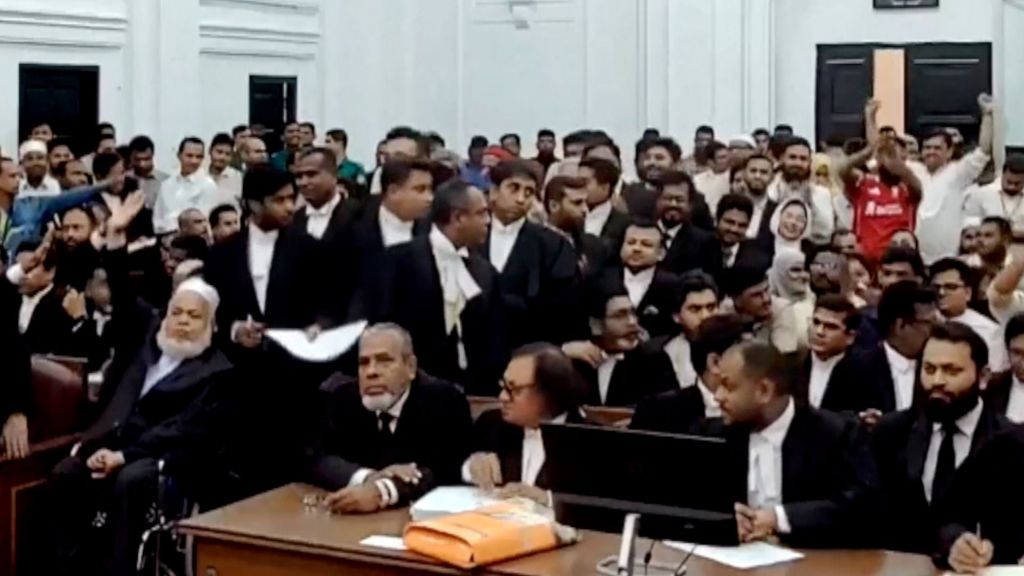
Moment Ex-Bangladesh leader Sheikh Hasina’s sentence is announced
In a dramatic turn of events, former Bangladeshi leader Sheikh Hasina has vehemently criticized a recent court ruling against her, labeling it as ‘biased and politically motivated.’ The verdict, which has sparked widespread debate, was announced amidst a charged political atmosphere in Bangladesh. Hasina, who has been a prominent figure in the country’s political landscape, issued a strong statement following the decision, asserting that the ruling was influenced by external political forces rather than legal merit. This development has further intensified the already polarized political environment in Bangladesh, with supporters and critics of Hasina clashing over the legitimacy of the court’s decision. The case has drawn significant attention both domestically and internationally, raising questions about the independence of the judiciary and the state of democracy in the region.
-

South African man seen at neo-Nazi rally has Australian visa revoked
Matthew Gruter, a South African national who relocated to Australia in 2022, has had his visa revoked after being identified at a neo-Nazi rally outside the New South Wales parliament. The protest, organized by the National Socialist Network on November 8, featured approximately 60 men dressed in black, with Gruter prominently positioned in the front row. The group displayed a banner reading ‘Abolish the Jewish lobby’ and chanted slogans associated with the Hitler Youth, such as ‘blood and honour.’ The event, which lasted less than 20 minutes, was legally authorized but has sparked widespread condemnation. Australia’s Home Affairs Minister Tony Burke emphasized that visa holders are guests in the country and must adhere to its values. Gruter, a civil engineer and senior member of the National Socialist Network in New South Wales, now faces deportation. This incident highlights the growing concern over right-wing extremism in Australia, which recently criminalized the Nazi salute with mandatory prison terms.