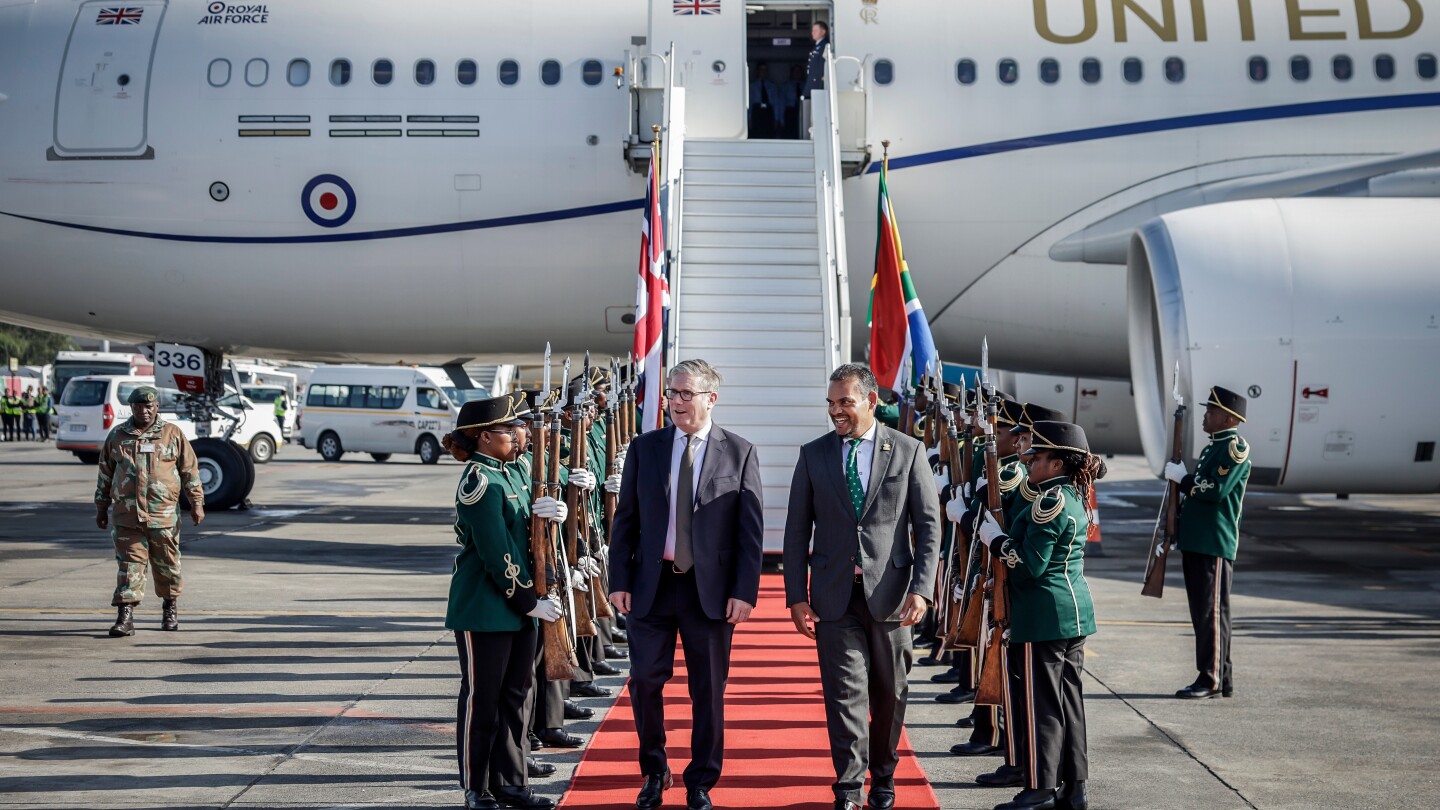
In a historic first, the Group of 20 (G20) summit is being held in Africa, with world leaders gathering in Johannesburg to address pressing global issues. However, the event has been overshadowed by a significant rift between host South Africa and the United States, following President Donald Trump’s decision to boycott the summit. Trump’s administration labeled South Africa’s hosting as a ‘disgrace,’ citing unfounded claims of persecution against the white Afrikaner minority in the majority-Black nation. This boycott by the world’s largest economy threatens to undermine the summit’s agenda, which focuses on critical issues such as climate change, debt burdens in poor countries, and global inequality. South African President Cyril Ramaphosa has vowed not to be bullied, emphasizing the importance of the summit for developing nations. Despite the absence of the U.S., other global leaders, including representatives from the European Union, China, and Russia, are actively participating, seeking to forge new partnerships and address shared challenges. The summit also highlights China’s growing influence in Africa, as Chinese Premier Li Qiang signed a $1.4 billion railway refurbishment deal in Zambia, further cementing China’s economic presence on the continent. Analysts suggest that the U.S. boycott may push developing countries to strengthen ties with other global powers, potentially reshaping international governance.
作者: admin
-
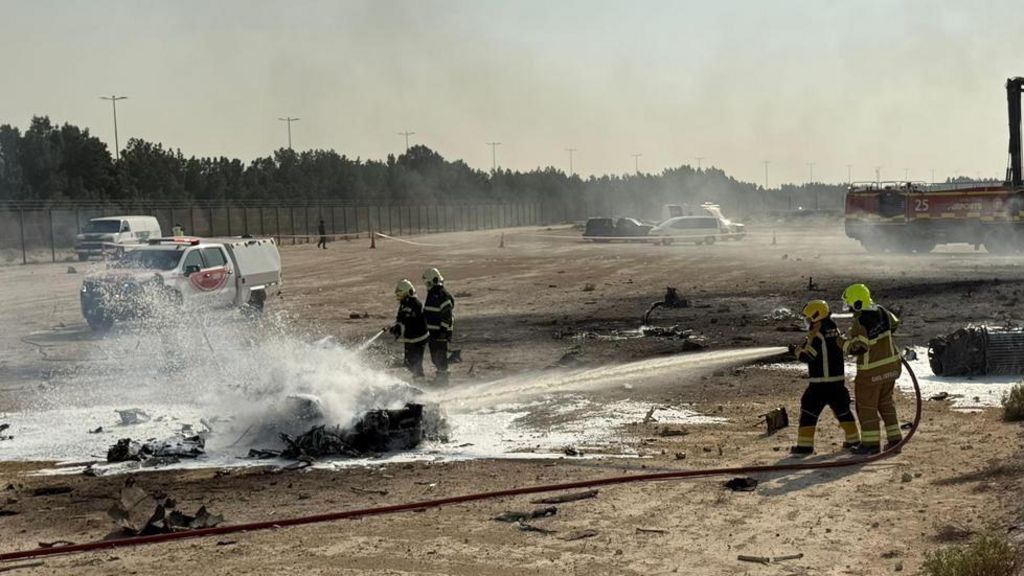
Indian fighter jet pilot killed in crash at Dubai airshow
A tragic incident unfolded at the Dubai Airshow 2025 when an Indian fighter jet, the Hindustan Aeronautics Ltd’s Tejas, crashed during a display, resulting in the death of the pilot. The crash occurred at approximately 14:10 local time (10:10 GMT) on the final day of the event, which had drawn over 148,000 attendees and exhibitors from 1,500 companies. The Indian Air Force (IAF) expressed deep regret over the loss of life and extended their support to the bereaved family. A court of inquiry has been initiated to determine the cause of the accident. Dubai’s Media Office and the UAE Ministry of Defence reported that emergency services responded swiftly to manage the situation on-site. The Dubai Airshow, which began on Monday, concluded on a somber note with this unfortunate event.
-
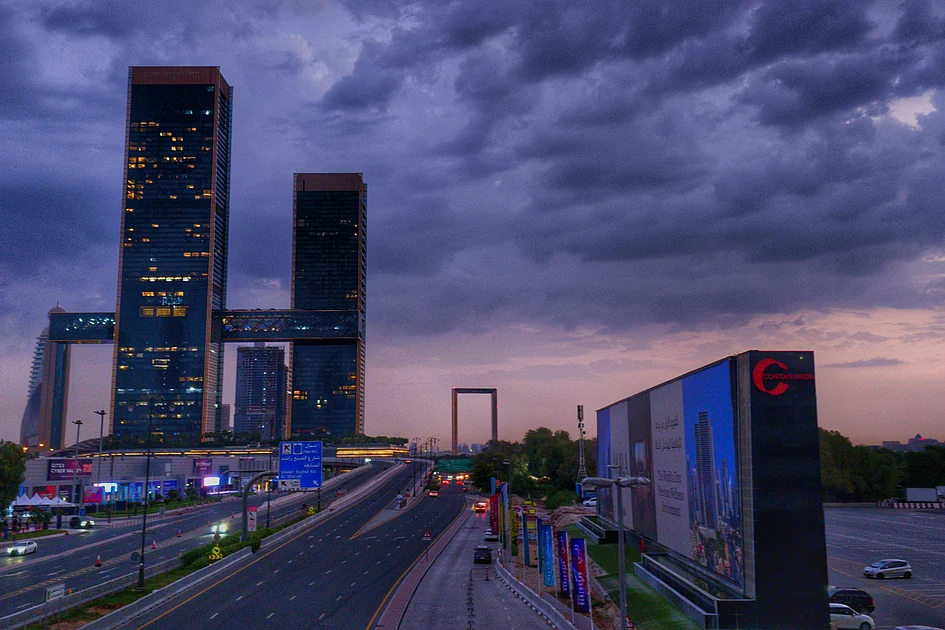
UAE weather: Temperatures to drop slightly; fog expected
The United Arab Emirates (UAE) is experiencing a significant drop in temperatures, with the mercury plunging to a chilly 7.8°C on Thursday, November 20, marking the coldest day of the winter season so far. According to the National Centre of Meteorology (NCM), Friday, November 21, will bring partly cloudy and dusty conditions, with low clouds forming westward over the sea and islands. Coastal areas are expected to see a slight temperature dip, accompanied by fog that has triggered red and yellow alerts, reducing visibility until 10:30 AM. Authorities in Abu Dhabi have issued emergency alerts and implemented speed reductions on key roads to ensure safety. Humidity is likely to increase by night and into Saturday morning, with fog or mist expected in coastal and internal regions. Winds will blow lightly to moderately from the northeast to northwest, reaching speeds of 10-25 km/hr, and up to 40 km/h westward. Sea conditions will be moderate to rough in the Arabian Gulf and slight in the Oman Sea. Temperatures are forecasted to drop to 15ºC in Sharjah, 19ºC in Dubai, and 21ºC in Abu Dhabi. The recent dense fog has already caused significant disruptions, with landmarks like Burj Khalifa and Burj Al Arab obscured and severe traffic delays reported. Air travel has also been impacted, with Dubai diverting 19 flights and Sharjah experiencing multiple delays and cancellations.
-
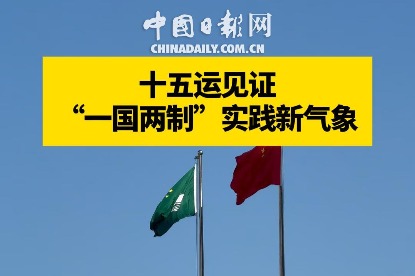
Co-hosting Games enriches ‘one country, two systems’
The 15th National Games concluded on November 21, marking a historic milestone in Chinese sports history. For the first time, Guangdong, Hong Kong, and Macao jointly hosted this prestigious multi-sport event, showcasing an innovative application of the ‘one country, two systems’ policy. The collaboration spanned infrastructure development, rule harmonization, and the creation of shared mechanisms, fostering a unified sense of belonging among the three regions. This groundbreaking initiative not only highlighted the enduring vitality of the policy but also demonstrated its practical benefits in fostering regional cooperation and unity. The event’s success underscores the potential for further integration and mutual development under this framework, setting a precedent for future collaborations.
-

Fukushima owner edges towards restarting first reactor since meltdown
Japan is on the verge of restarting one of the reactors at the Kashiwazaki-Kariwa nuclear power plant, operated by Tokyo Electric Power Company (Tepco), for the first time since the 2011 Fukushima disaster. The Niigata prefecture, where the plant is located, has signaled its consent for the restart, pending final approval from Japan’s nuclear regulator. This marks a significant step in Tepco’s efforts to rebuild its business after the catastrophic meltdown at Fukushima, which led to widespread radiation leaks, forced evacuations, and substantial financial liabilities. The restart plan focuses on the plant’s No. 6 and No. 7 reactors. However, public opinion in Niigata remains divided, with 50% supporting the restart and 47% opposing it, while nearly 70% express concerns about Tepco’s management of the facility. Since the Fukushima disaster, 14 nuclear reactors in Japan have resumed operations, reflecting the country’s broader strategy to increase reliance on atomic energy to achieve its net-zero carbon emissions goal and reduce dependence on fossil fuels. The final decision will be discussed at the prefectural government assembly in December.
-

Nigeria separatists say they are committed to peaceful self-determination after leaders sentenced
ABUJA, Nigeria — The Indigenous People of Biafra (IPOB), a separatist movement in southeastern Nigeria, has reaffirmed its commitment to peaceful self-determination following the life imprisonment sentence handed to its leader, Nnamdi Kanu, on terrorism charges. Kanu, the founder of IPOB, was convicted on Thursday by a Nigerian court, which accused him of orchestrating acts of terrorism, enforcing violent stay-at-home orders, and inciting violence in the region. IPOB, which seeks the creation of an independent state in Nigeria’s southeast, has vehemently denied the allegations, asserting that no weapons or attack plans were ever linked to Kanu. The group maintains that its leader has not violated any Nigerian or international laws. In a statement, IPOB spokesperson Emma Powerful emphasized the group’s dedication to peaceful advocacy and its pursuit of a United Nations–supervised referendum. The court’s decision has sparked controversy, with Judge James Omotosho stating that while the right to self-determination is a political right, any such efforts must align with Nigeria’s constitution to be considered legal. Meanwhile, violence in the southeast has been attributed to political motives, with IPOB claiming it is unrelated to Kanu, who remains in detention. The case has drawn parallels to the conviction of another Nigerian separatist leader, Simon Ekpa, who was sentenced to six years in prison in Finland in September for terrorism-related charges.
-

China’s top court highlights domestic violence cases to raise awareness
In a decisive move to combat domestic violence, China’s Supreme People’s Court has publicized eight significant cases, underscoring a ‘zero-tolerance’ policy toward such offenses. This initiative, announced on Friday, aligns with the International Day for the Elimination of Violence Against Women on November 25, reinforcing the court’s stance that domestic violence transcends mere family disputes. The court emphasized that psychological harm, including continuous humiliation and character degradation, is a critical component of domestic violence. The Supreme People’s Court articulated that domestic violence is an illegal act infringing on personal rights, whether it occurs within or outside the home, and should not evade legal consequences. The court also highlighted the importance of expert testimony in understanding the psychology and behavior of both defendants and victims, particularly in cases involving minors. Furthermore, Chinese courts have been urged to strengthen mechanisms against violence, decisively combat all forms of violence against women, and ensure public perception of fairness and justice in every judicial proceeding.
-
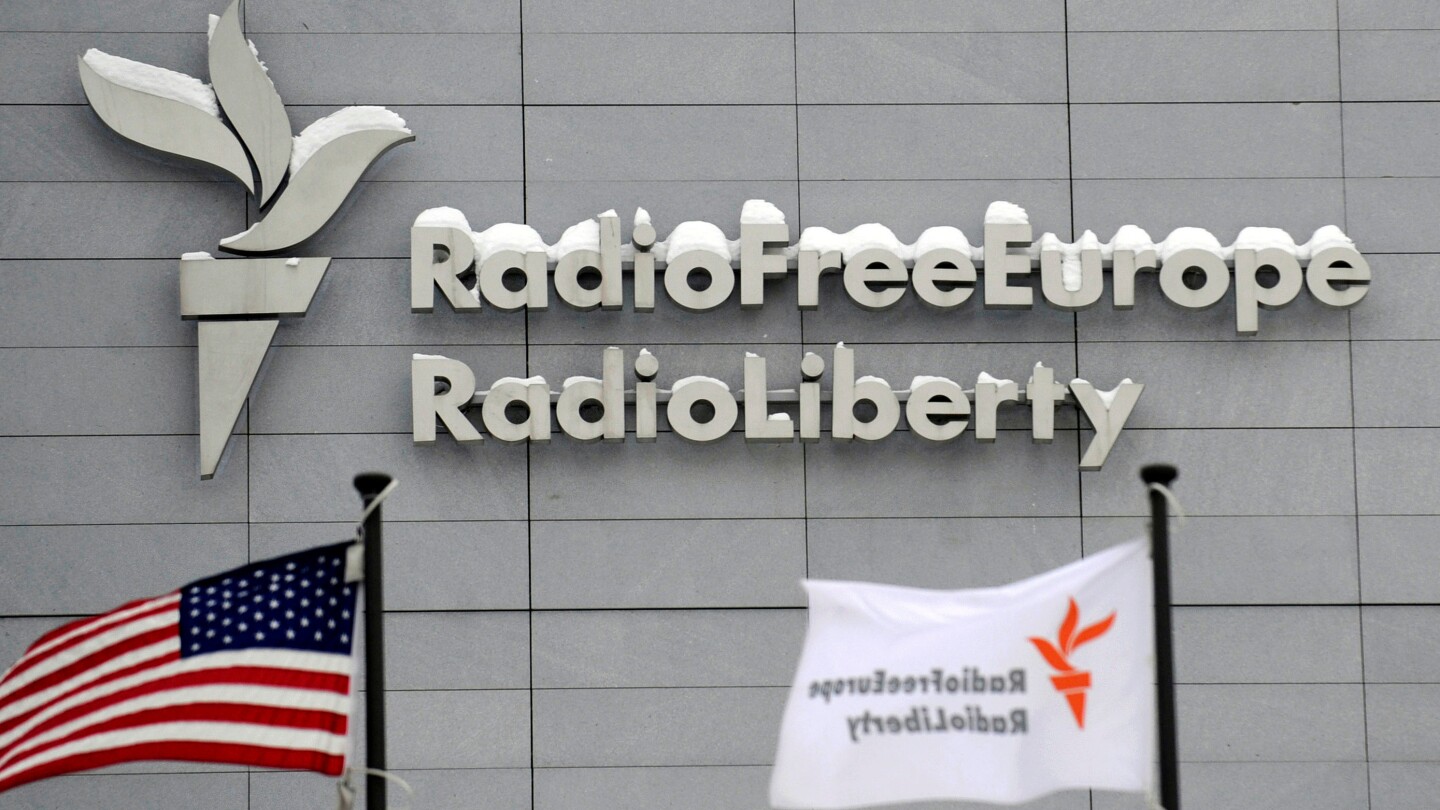
Radio Free Europe’s Hungarian service shuts down after Trump funding cuts
The Hungarian service of Radio Free Europe, Szabad Európa, officially ceased operations on Friday following the Trump administration’s decision to withdraw funding. This move marks the end of a pro-democracy news outlet that had been a vital source of independent journalism in Hungary. Radio Free Europe/Radio Liberty (RFE/RL), a U.S. government-funded organization established during the Cold War, has long provided news to regions under authoritarian regimes, broadcasting in 27 languages across 23 countries. The Hungarian service was initially terminated in 1993 but was revived in 2020 in response to Hungary’s declining media freedom under Prime Minister Viktor Orbán. In a farewell statement, Szabad Európa expressed gratitude to its audience for their trust and support, noting that its articles would remain accessible online. The shutdown aligns with broader cuts to international broadcasters like RFE/RL and Voice of America, as well as domestic public broadcasters PBS and NPR, under the Trump administration. Kari Lake, a senior adviser to the U.S. Agency for Global Media, justified the decision, stating that Szabad Európa’s operations in Hungary were ‘not aligned with U.S. national interests’ and undermined Trump’s foreign policy. Orbán, a close ally of Trump, has been accused of consolidating control over Hungary’s media landscape, with Reporters Without Borders estimating that his party controls 80% of the country’s media resources. In 2021, Orbán was labeled a media ‘predator’ by the watchdog, the first EU leader to receive such a designation. Earlier this year, his government introduced legislation targeting foreign-funded critical media outlets, further tightening its grip on press freedom.
-

Russian glide bomb hits an apartment block and kills 5 in southern Ukraine
A devastating Russian glide bomb attack targeted a residential district in Zaporizhzhia, southern Ukraine, resulting in the deaths of five individuals and injuring ten others, including a teenage girl. The assault, which occurred overnight, damaged high-rise apartment buildings and a local market, marking the third such incident in the city since the war began. The glide bomb, a modified Soviet-era weapon launched from high-altitude Russian jets, has proven devastating for Ukraine’s frontline cities, with no effective countermeasures currently available. This attack follows a recent barrage of Russian drones and missiles on Ternopil, which claimed 31 lives, including six children, and left 94 injured. Meanwhile, Ukrainian officials are evaluating a U.S. proposal to end the conflict, as President Volodymyr Zelenskyy anticipates discussions with U.S. President Donald Trump. The relentless targeting of civilian areas underscores the ongoing humanitarian crisis in Ukraine, nearly four years after Russia’s full-scale invasion.
-

Colombian coffee brews up a buzz in China’s market
Colombian coffee is making significant inroads into China’s burgeoning specialty coffee market, driven by increasing demand and a growing appreciation for high-quality Arabica beans. Sebastian Ortiz, a renowned Colombian barista and roaster known as ‘Bozo,’ has observed a notable shift in the industry, with China emerging as a key destination for Colombia’s premium coffee exports. This trend is supported by one of the best coffee crops in recent years, which has boosted production and export volumes. China, which ranked as Colombia’s 18th export destination in 2019, surged to become the sixth-largest by 2023, importing approximately 540,000 60-kilogram bags. In the first quarter of 2024, China climbed to the second-largest importer of Colombian coffee, reflecting its rapidly expanding market. According to a report by iiMedia, China’s coffee imports grew by 130,800 tons between 2020 and 2024, a 6.5-fold increase, with the market projected to reach 1 trillion yuan ($141 billion) this year. Domestic coffee chains like Luckin Coffee and Cotti have played a pivotal role in this growth, competing with global giants like Starbucks. Ortiz attributes this success to China’s vast population and its openness to new coffee customs, particularly the preference for softer, nuanced flavors found in Colombian Arabica beans. Chinese consumers favor medium or light roasts, which highlight delicate floral notes rather than intense flavors. Juan Esteban Cardona Yepes, commercial director of Mantagro, a coffee producer and exporter, noted that China’s demand is primarily for green coffee beans, which are locally roasted by coffee chains. Additionally, the trade relationship between Colombia and China has expanded beyond coffee, with affordable brewing equipment from China gaining popularity among both professionals and home brewers. Colombia, the world’s third-largest coffee producer, is experiencing a strong production year, with output rising 17% to 14.87 million 60-kg bags between October 2024 and September 2025, driven by favorable weather and crop renovation. Export values have also surged, fueled by high international prices and robust demand from China. Ortiz emphasized the growing importance of China’s specialty coffee market, attracting increasing interest from Asian buyers.