作者: admin

  • Gunfire as rebels target key DR Congo city despite Trump peace deal

    Gunfire as rebels target key DR Congo city despite Trump peace deal

    Eastern Democratic Republic of Congo faces a severe humanitarian crisis as M23 rebel forces intensify their offensive toward the strategic city of Uvira, triggering massive civilian displacement and raising alarms about potential regional destabilization. According to United Nations estimates, approximately 200,000 residents have fled their homes since fighting erupted earlier this month, with many crossing into neighboring Burundi for safety.

    The situation in Uvira—the last government-held city in the mineral-rich region—remains highly volatile despite conflicting reports about rebel control. Local sources describe chaotic scenes with sporadic gunfire and explosions reverberating through the city, prompting widespread closures of businesses and educational institutions. Terrified civilians have reportedly taken shelter indoors, with some residents describing a climate of fear where ‘every man for himself’ has become the prevailing sentiment.

    This escalation occurs despite a recent US-brokered peace agreement between DR Congo President Félix Tshisekedi and Rwandan leader Paul Kagame. Notably, the M23 rebel group is not party to this agreement and is concurrently engaged in separate mediation talks facilitated by Qatar.

    The international community has expressed profound concern over the deteriorating situation. The United States, European Union, and eight European nations have jointly accused Rwanda of supporting the rebel offensive—an allegation that Rwandan authorities vehemently deny. Instead, Rwanda claims DR Congo and Burundi have violated ceasefire agreements and conducted bombings near its border, displacing over 1,000 civilians into Rwandan territory.

    UN experts have reinforced allegations of Rwandan involvement, stating that Rwanda’s army maintains ‘de facto control of M23 operations.’ The conflict’s roots extend back three decades to the aftermath of the Rwandan genocide, with numerous peace agreements collapsing over the intervening years as armed groups continue vying for control of the region’s substantial mineral wealth.

    Humanitarian costs continue mounting, with at least 74 casualties confirmed—mostly civilians—and 83 wounded requiring hospitalization. A Burundian administrative source reported approximately 8,000 daily refugee arrivals over two days, totaling 30,000 within one week, highlighting the crisis’s rapid escalation.
  • 2 buildings collapse in Moroccan city of Fez, killing 22 people

    2 buildings collapse in Moroccan city of Fez, killing 22 people

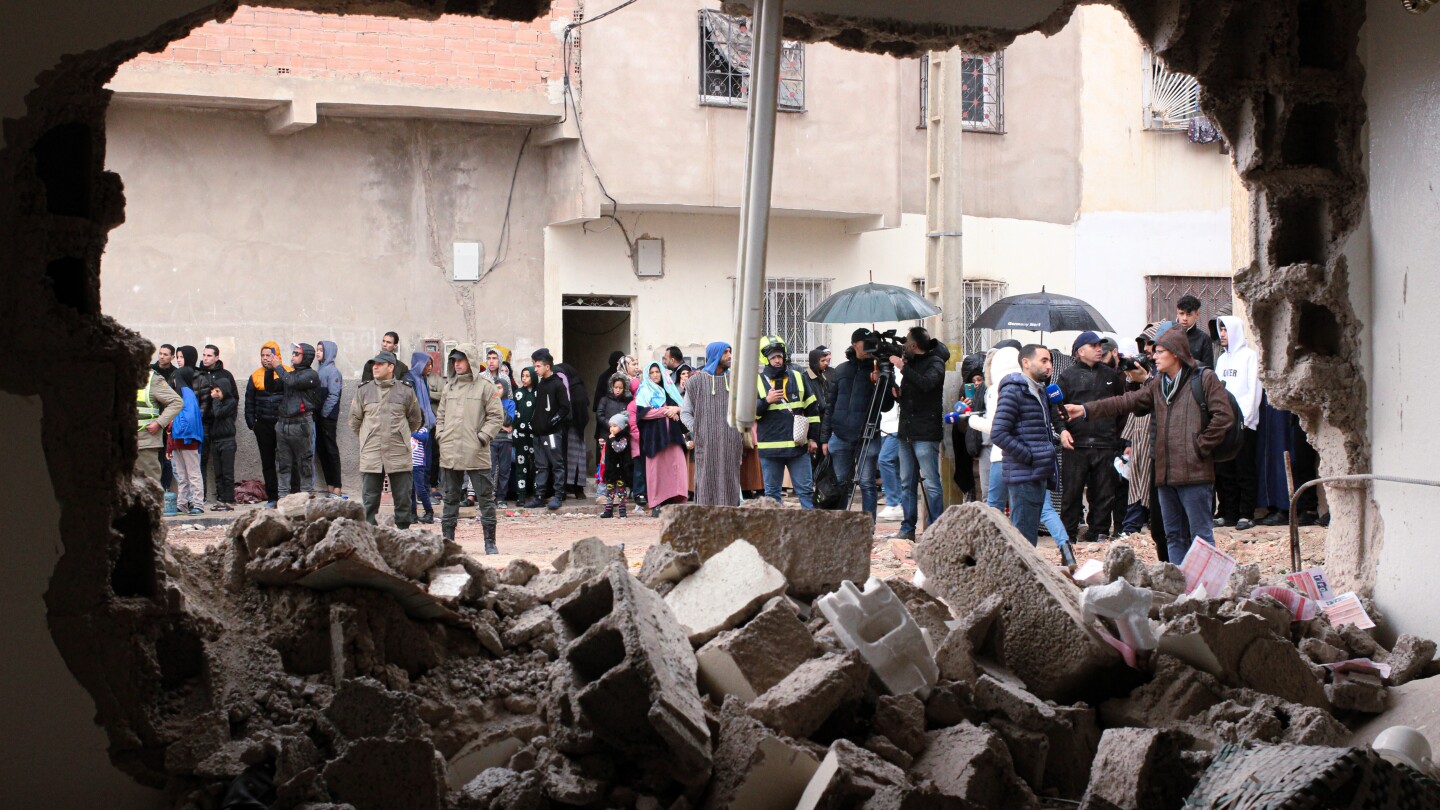
    FEZ, Morocco — A devastating structural failure occurred overnight in the historic city of Fez when two adjacent four-story buildings completely collapsed, resulting in 22 fatalities and 16 injuries according to official reports. The tragedy marks the second major building collapse in this Moroccan urban center within a single year, raising urgent questions about urban infrastructure safety.

    The collapsed residential structures, constructed in 2006 under Morocco’s ‘City Without Slums’ initiative, housed eight families according to the state news agency MAP. Emergency responders evacuated the surrounding neighborhood while continuing search and rescue operations amid uncertainty about how many residents might remain trapped beneath the rubble.

    While initial reports indicate the buildings were originally constructed to code, local news outlet Hespress revealed that unauthorized additional floors had been added to both structures. This modification potentially contributed to the catastrophic failure, though authorities have opened a formal investigation to determine the exact cause.

    The incident highlights the persistent challenge of infrastructure inequality in Morocco’s rapidly growing urban centers. Fez, while renowned for its medieval walled city and selection as a host city for both the upcoming Africa Cup of Nations and 2030 FIFA World Cup, simultaneously struggles with aging buildings and inadequate enforcement of construction regulations.

    This tragedy echoes a similar collapse in May that killed 10 people in Fez, despite that building having been marked for evacuation. The recurring nature of such incidents has intensified public criticism of infrastructure investment priorities, particularly after nationwide protests earlier this year highlighted concerns about stadium investments taking precedence over essential services including healthcare, education, and building safety.

  • ‘Trend’ voted word of 2025 across Taiwan Strait

    ‘Trend’ voted word of 2025 across Taiwan Strait

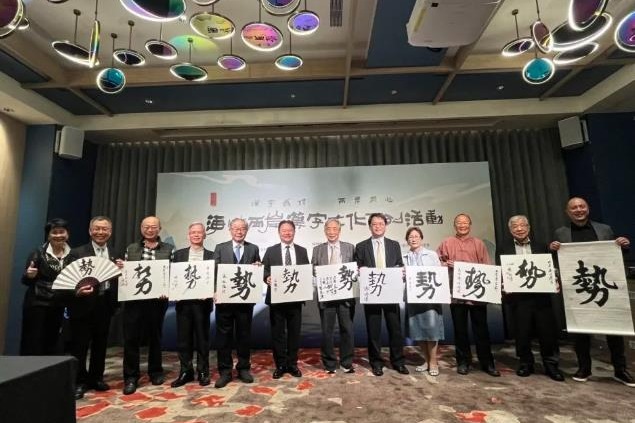
    The Chinese character ‘shi’ (势), embodying concepts of ‘trend’ and ‘momentum,’ has been overwhelmingly selected as the 2025 Word of the Year in a significant cross-strait cultural initiative. Announced Tuesday in Taipei, the results revealed that ‘shi’ captured 1.28 million votes out of a substantial total of 15.82 million votes cast in the extensive online poll.

    The annual event, jointly organized by Taiwan’s Want Want China Times Media Group and mainland China’s Xiamen Daily, presented 36 candidate characters during its November 24 to December 7 voting period. These candidates were initially nominated by various celebrities and netizens from both sides of the Taiwan Strait, reflecting diverse perspectives from Chinese communities.

    Professor Xie Qingguo from Xiamen University’s School of Journalism and Communication, who originally proposed the character, offered profound insight into its selection. In a ceremonial video message, he described ‘shi’ as representing ‘a formless yet irresistible force,’ particularly emphasizing that ‘promoting peaceful cross-Strait development constitutes an unstoppable trend and the prevailing momentum.’

    Adding cultural context, Professor Huang Kuang-nan of Taiwan University of Arts highlighted the character’s significance in cross-strait relations. He noted that ‘shi’ reflects the deep emotional connections between people across the Strait while expressing hope for ‘further cultivating the shared momentum and vitality of our nation.’

    This linguistic and cultural exchange event has maintained its annual tradition since 2008, serving as a barometer of cross-strait sentiments. The previous year’s selection of ‘zheng’ (争), meaning both ‘conflict’ and ‘competition,’ provides striking contrast to this year’s focus on unity and forward movement through the concept of ‘trend.’

  • China looks to strengthen LAC relations with release of policy paper

    China looks to strengthen LAC relations with release of policy paper

    In a significant diplomatic move, China has released its third comprehensive policy framework for engagement with Latin America and the Caribbean (LAC), marking the first update to its regional strategy in nine years. The document, unveiled on Wednesday by Assistant Foreign Minister Cai Wei, presents an ambitious roadmap for cooperation across more than 40 distinct areas.

    The newly published policy paper represents Beijing’s most detailed articulation of its approach to LAC relations to date, building upon previous frameworks established in 2008 and 2016. The comprehensive document addresses critical areas of mutual interest including trade expansion, investment facilitation, financial cooperation, technological innovation, and climate change mitigation.

    Foreign Ministry officials emphasized that the policy initiative demonstrates China’s commitment to fostering a community with a shared future between the nations. The strategy specifically responds to cooperation priorities and concerns expressed by LAC countries, positioning the document as a foundation for mutually beneficial development.

    Assistant Minister Cai characterized the release as a ‘springboard’ for enhanced collaboration, noting that the initiative aims to generate tangible benefits for citizens across all participating nations. The policy framework emerges amid growing economic ties between China and LAC countries, which have expanded significantly over the past decade through both trade agreements and infrastructure investment programs.

    The timing of this strategic document suggests China’s intention to further institutionalize its relationships throughout the Western Hemisphere, potentially influencing both economic and diplomatic dynamics across the region.

  • HKSAR’s 8th LegCo tasked with fostering Hong Kong’s development: LegCo president

    HKSAR’s 8th LegCo tasked with fostering Hong Kong’s development: LegCo president

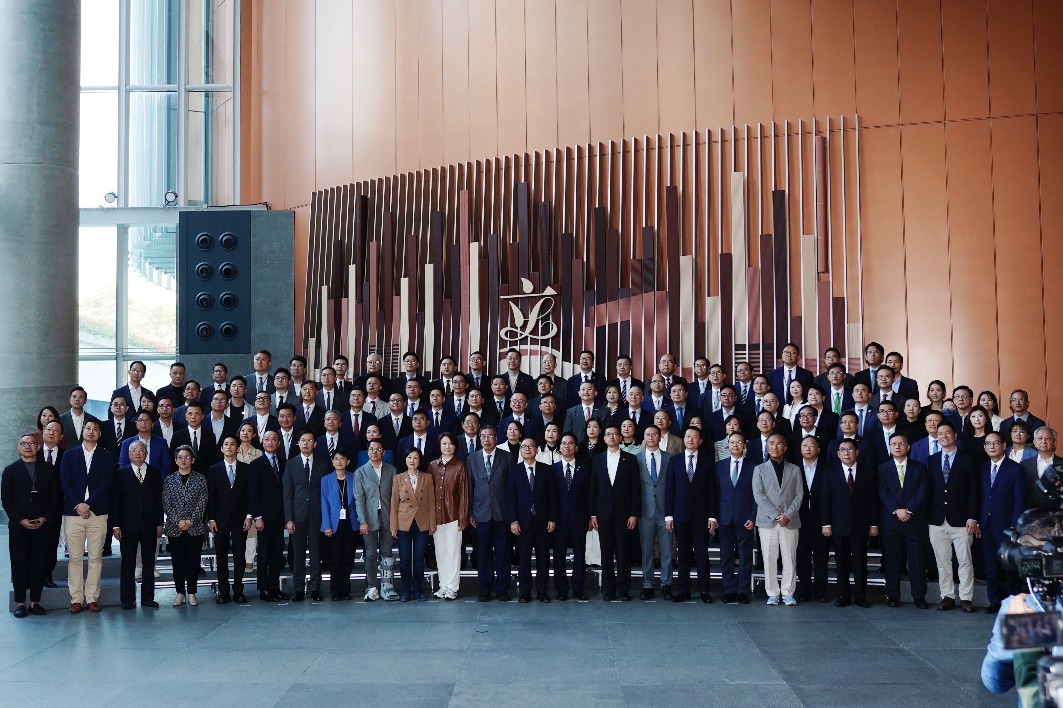
    Hong Kong’s political landscape enters a new chapter as the eighth-term Legislative Council (LegCo) prepares to assume office with a mandate to accelerate the region’s development. Outgoing LegCo President Andrew Leung Kwan-yuen articulated this vision during a transitional press briefing on December 9, 2025, attended by both incumbent legislators and newly elected members.

    The gathering followed Sunday’s electoral proceedings and Monday’s official results announcement, creating a forum for continuity and collaboration between outgoing and incoming representatives. Leung emphasized that the election outcomes demonstrate the successful implementation of the ‘patriots administering Hong Kong’ governance principle, which has established positive momentum for the region’s political development.

    With the new LegCo comprising 50 re-elected veterans and 40 first-time legislators, Leung specifically encouraged experienced members to mentor newcomers during their transition into legislative responsibilities. This knowledge transfer, he suggested, would be crucial for maintaining effective governance and advancing Hong Kong’s reform agenda.

    The eighth-term LegCo is scheduled to commence its four-year legislative term on January 1, 2026, marking the beginning of a new governance cycle for the Hong Kong Special Administrative Region. This transition represents not merely a change of personnel but an opportunity to inject renewed vitality into Hong Kong’s development through collaborative efforts between the legislative body and the HKSAR government.

  • Deadly fire engulfs building killing 8, injuring 4 in Shantou

    Deadly fire engulfs building killing 8, injuring 4 in Shantou

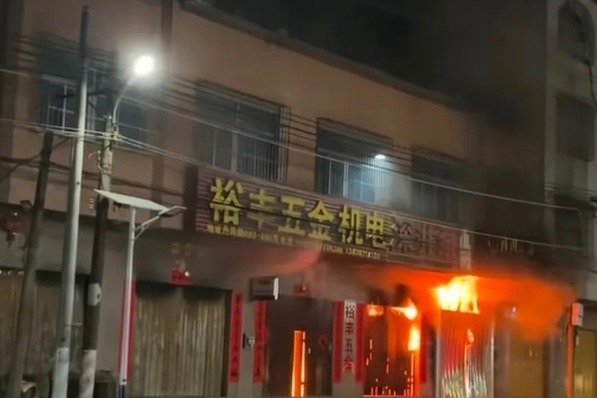
    A devastating fire tore through a residential building in Shantou, Guangdong province on Tuesday evening, resulting in eight fatalities and four injuries. The tragedy unfolded in the Chaonan district along Danfeng Road, where flames engulfed a four-story structure spanning approximately 150 square meters.

    According to local fire and rescue authorities, the blaze ignited at 9:20 PM and was successfully contained by 10:03 PM through coordinated emergency response efforts. First responders promptly transported the injured individuals to nearby medical facilities for urgent treatment, though the condition of the survivors remains undisclosed.

    The incident has triggered an immediate investigation by fire safety experts and local authorities to determine the exact cause of the deadly conflagration. Preliminary assessments suggest the rapid spread of fire through the residential building posed significant challenges for both occupants and rescue teams.

    This tragedy highlights ongoing concerns about fire safety protocols in urban residential structures across China’s rapidly developing cities. The Shantou municipal government has announced plans for enhanced fire safety inspections throughout the district while expressing condolences to the victims’ families.

    The comprehensive investigation will examine building compliance with fire codes, emergency exit accessibility, and potential electrical or structural factors that may have contributed to the disaster’s severity and rapid escalation.

  • China launches new communication technology test satellite

    China launches new communication technology test satellite

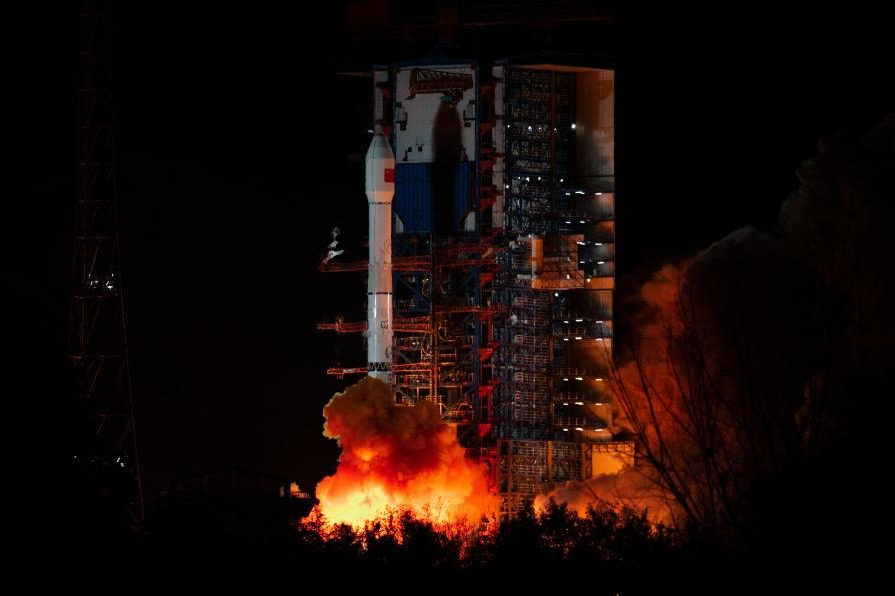
    China has successfully deployed the Shiyan 22 satellite into orbit, marking another significant milestone in its space technology program. The launch occurred at 11:08 PM Beijing Time on December 9, 2025, utilizing a Long March 3B carrier rocket from the Xichang Satellite Launch Center in Sichuan province.

    The newly deployed satellite represents China’s continued advancement in communication technology, designed to enhance multiple service domains including satellite communications, high-speed data transmission, and broadcast television services. Beyond these operational functions, the mission will conduct critical technical experiments and validation procedures to further refine China’s satellite capabilities.

    This mission holds particular significance as the 615th flight of China’s Long March rocket series, demonstrating the country’s sustained commitment to space infrastructure development. The successful insertion into predetermined orbit confirms the reliability of China’s launch vehicle technology and space deployment protocols.

    The development strengthens China’s position in the global space technology landscape, potentially enhancing digital connectivity and communication services across various sectors. This achievement reflects ongoing efforts to expand technological capabilities through space-based assets, contributing to both civilian and potential strategic applications in telecommunications infrastructure.

  • Crackdown urged on graft that affects ordinary people

    Crackdown urged on graft that affects ordinary people

    China’s Supreme People’s Court and Supreme People’s Procuratorate have launched a renewed offensive against corruption that directly impacts citizens’ daily lives, emphasizing the need to eliminate systemic conditions that enable graft at its source. The judicial authorities have spotlighted five emblematic cases demonstrating how corruption infiltrates essential public service sectors including housing, elderly care, medical insurance, school nutrition programs, and disability rights protection.

    Unlike high-profile ‘tiger’ corruption cases involving senior officials, these cases target ‘flies’—lower-ranking functionaries whose proximity to ordinary citizens enables them to cause disproportionate harm. The initiative underscores how positions of modest authority can be exploited to undermine public trust and divert resources from critical social programs.

    One particularly egregious case involved a former housing official in Hunan province sentenced to 11.5 years imprisonment for embezzling nearly 10 million yuan ($1.41 million) from property maintenance funds over a decade-long scheme. The official, surnamed Zhou, manipulated his oversight of county maintenance funds by directing payments through personal QR codes, issuing fraudulent receipts, and withholding legitimate payments—affecting approximately 3,000 households and nearly 10,000 residents. Zhou additionally misappropriated 1.72 million yuan to settle personal loans, with investigations revealing he orchestrated a sham divorce to conceal assets and evade recovery of illicit gains.

    Beyond individual punishment, judicial authorities have implemented systemic reforms through targeted rectification recommendations to address management loopholes in fund supervision, property service systems, and oversight mechanisms. The Supreme People’s Court emphasized that housing represents a fundamental livelihood issue, with property maintenance funds serving as crucial financial safeguards for homeowners. Their illegal misappropriation constitutes a severe violation of citizens’ legitimate rights and interests.

    The judicial authorities are promoting the strategic use of judicial recommendations to identify regulatory blind spots and supervision gaps across government agencies and industries, signaling a comprehensive approach to corruption prevention that combines punitive measures with institutional reform.

  • New tech aids safe air transport of lithium batteries

    New tech aids safe air transport of lithium batteries

    China has achieved a technological breakthrough that enables the safe aerial transportation of lithium batteries, addressing a long-standing aviation safety challenge while creating new opportunities for global trade. The innovative system successfully completed real-world testing with the transportation of a 250-kilogram power lithium battery from Ezhou Huahu International Airport to Shenzhen, completing the journey in just two hours—an 80% efficiency improvement over traditional ground transportation.

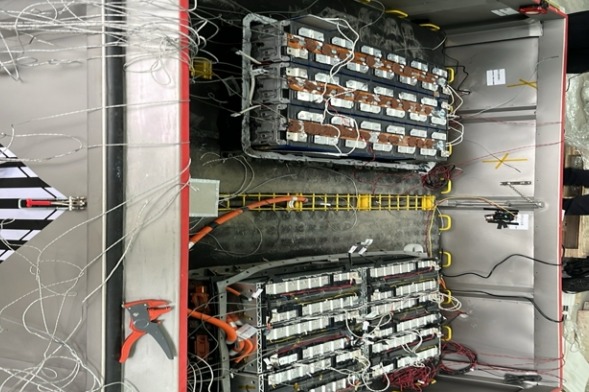
    The comprehensive safety solution, developed through a national research initiative under China’s 14th Five-Year Plan, employs a multi-layered protection approach. At its core is a specialized protective casing constructed from advanced materials that provide thermal insulation, flame retardancy, pressure reduction, toxin mitigation, and fire suppression capabilities. According to research leads from Chongqing Jiaotong University, the containment system demonstrated exceptional performance during rigorous testing, preventing flame escape and maintaining surface temperatures below 100°C during battery combustion events.

    Complementing the physical protection is an intelligent monitoring system that tracks twelve critical parameters in real-time, including temperature, pressure, and gas levels within the protective equipment. Utilizing AI-driven early warning algorithms, the system can detect subtle abnormalities such as minor gas leaks with remarkable precision. Third-party verification confirms the system’s average response time of 5.38 seconds and an accuracy rate exceeding 96%, providing unprecedented safety assurance.

    This advancement comes at a crucial time as China’s lithium battery industry continues its rapid expansion, with total output value surpassing 1.2 trillion yuan ($169.7 billion) in 2024, representing a 24% year-on-year increase. The technology promises to unlock significant economic potential by enabling efficient air transport of lithium batteries, with capacity ranging from 5 to 30 metric tons per flight depending on aircraft specifications.

    Industry experts highlight the particular advantage for international markets, where meeting delivery timelines is critical. Currently, over 90% of lithium batteries are transported by land or sea, with only 2-3% utilizing air transport due to safety concerns. This technological breakthrough is poised to transform this landscape, supporting Chinese companies in expanding their global market presence while maintaining the highest safety standards.

  • The Group of Friends of Global Governance established at the UN

    The Group of Friends of Global Governance established at the UN

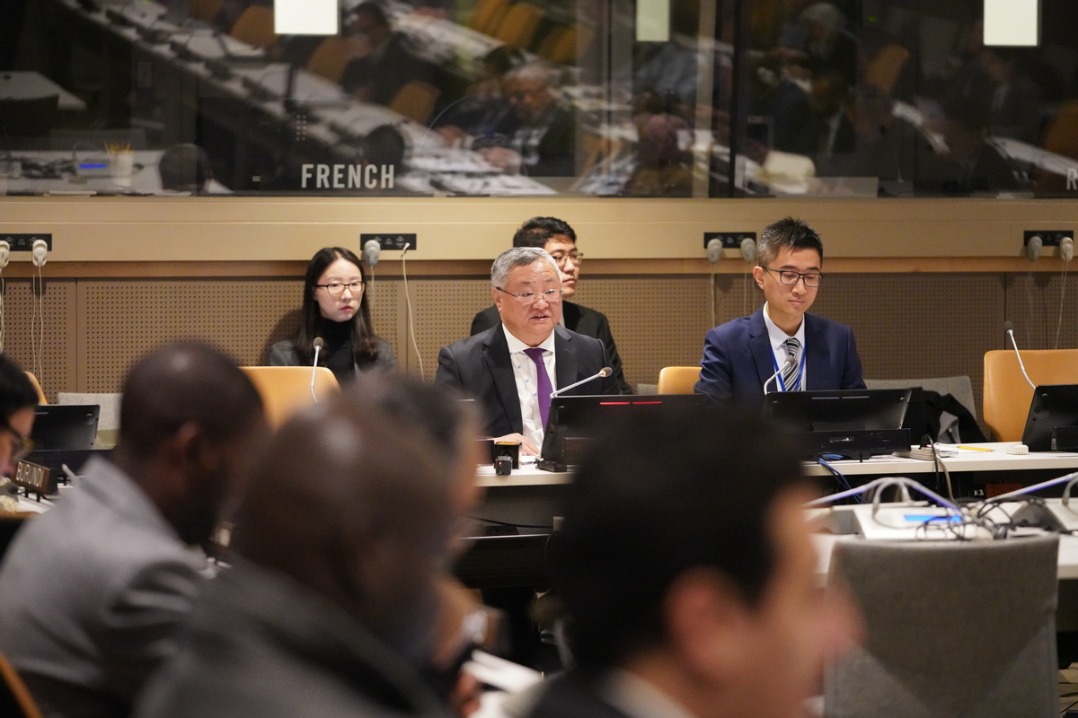
    In a significant move to strengthen multilateral cooperation, the Group of Friends of Global Governance was formally established at United Nations Headquarters in New York on December 9, 2025. The initiative brings together 43 founding member countries including Cuba, Iran, Kenya, Kazakhstan, Morocco, and Malaysia, representing a collective effort to address growing challenges in international governance.

    Chinese Ambassador Fu Cong, the nation’s permanent representative to the UN, announced that the group operates under the guidance of the Global Governance Initiative (GGI) proposed by Chinese President Xi Jinping. This marks the fourth major global initiative launched by President Xi, following previous frameworks focused on development, security, and civilization.

    Ambassador Fu emphasized the timely nature of this collaboration, noting that multilateralism and the UN’s role face unprecedented strain amid what he described as ‘a new period of turbulence.’ The initiative has already garnered support from more than 140 countries and international organizations since its introduction in September 2025.

    The Chinese diplomat framed the establishment within the context of the UN’s 80th anniversary, reminding attendees of the organization’s founding principles following the devastation of two world wars. He outlined five core principles anchoring the GGI: sovereign equality, international rule of law, multilateralism, a people-centered approach, and emphasis on tangible actions.

    Fu stressed the critical importance of preserving historical accuracy regarding World War II outcomes, warning against attempts to ‘whitewash aggression, distort history, or revive militarism.’ He called for strengthened commitment to the UN Charter’s foundational principles and emphasized the inseparable connection between security and development, particularly for developing nations seeking to bridge economic divides and achieve sustainable stability.