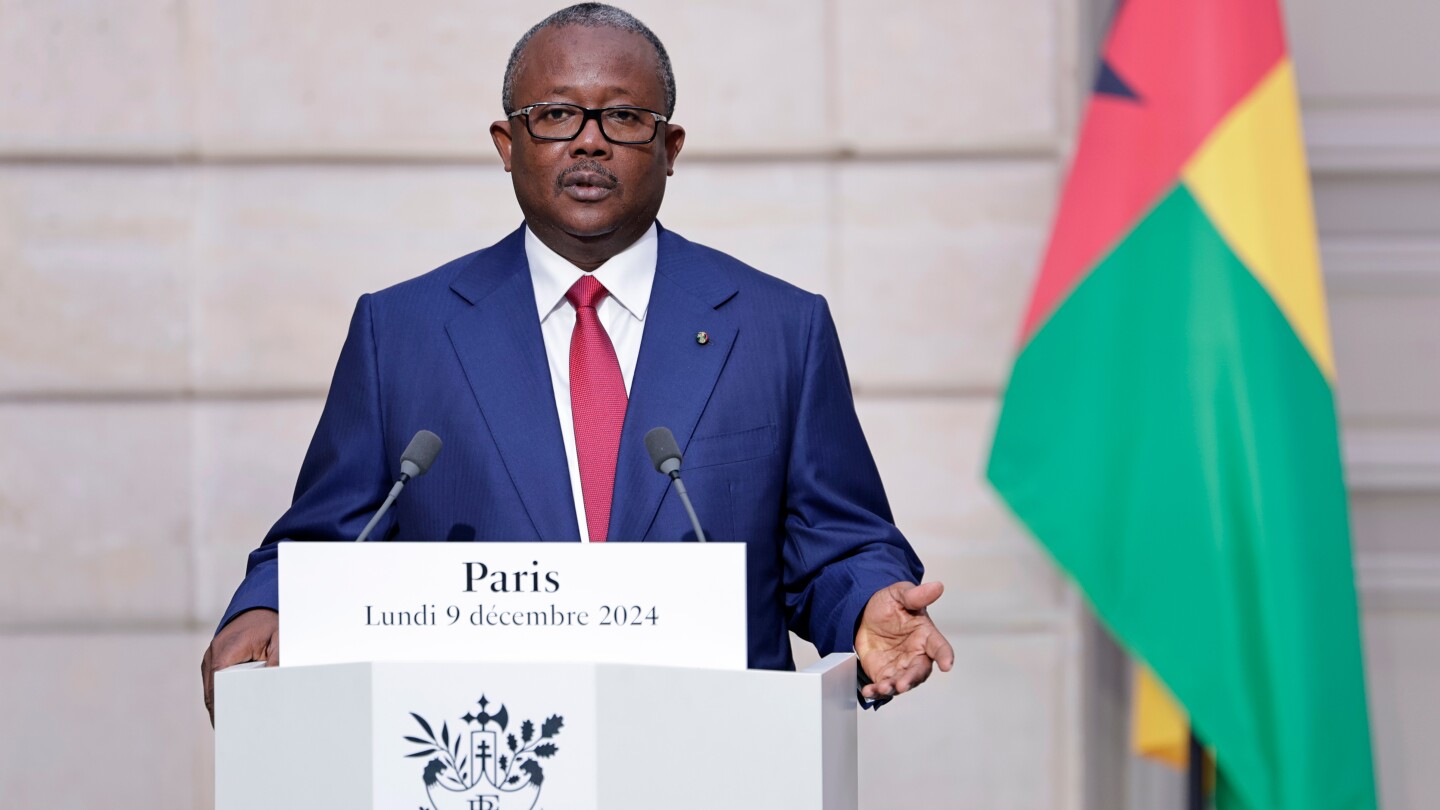
Guinea-Bissau is set to hold a pivotal presidential election on Sunday, with incumbent President Umaro Sissoco Embalo vying for a second term. If successful, Embalo would become the first leader in the nation’s history to secure consecutive terms. The election unfolds against a backdrop of heightened political and ethnic tensions, compounded by the exclusion of the main opposition party, the African Party for the Independence of Guinea and Cape Verde (PAIGC), led by former Prime Minister Domingos Simoes Pereira. Pereira was barred from the race after authorities claimed his party failed to submit its application on time. The election is widely regarded as one of the most contentious in recent history, with analysts warning of potential instability. Nearly half of the country’s 2.2 million population is registered to vote, and a runoff will be held if no candidate secures more than 50% of the votes. Embalo, a 53-year-old former army general backed by a coalition of over 20 political groups, faces stiff competition from 11 other candidates, including Fernando Dias da Costa, a 47-year-old relatively unknown figure supported by Pereira. The election comes at a critical juncture for Guinea-Bissau, one of the world’s poorest nations, which has struggled with coups, drug trafficking, and economic hardship since gaining independence from Portugal over five decades ago. Embalo’s campaign has focused on infrastructure development, while Dias has pledged to prioritize stability, freedoms, and security. The opposition has accused Embalo of authoritarianism and human rights violations, further fueling the political divide. The vote also follows a recent coup attempt in October and a prolonged legitimacy crisis surrounding Embalo’s tenure. Political analyst Augusto Nansambe lamented the erosion of democratic norms, stating, ‘The democracy we knew … is no longer the model we are experiencing; we are experiencing a model defined by a single person.’ Despite the challenges, some residents remain hopeful that the election will bring peace and prosperity to the nation. ‘I hope that these elections will bring peace and tranquility so that there is no more hunger,’ said Marinho Insoldé, a resident of the capital, Bissau.
作者: admin
-
US insists it authored Ukraine peace plan ahead of talks on ending war
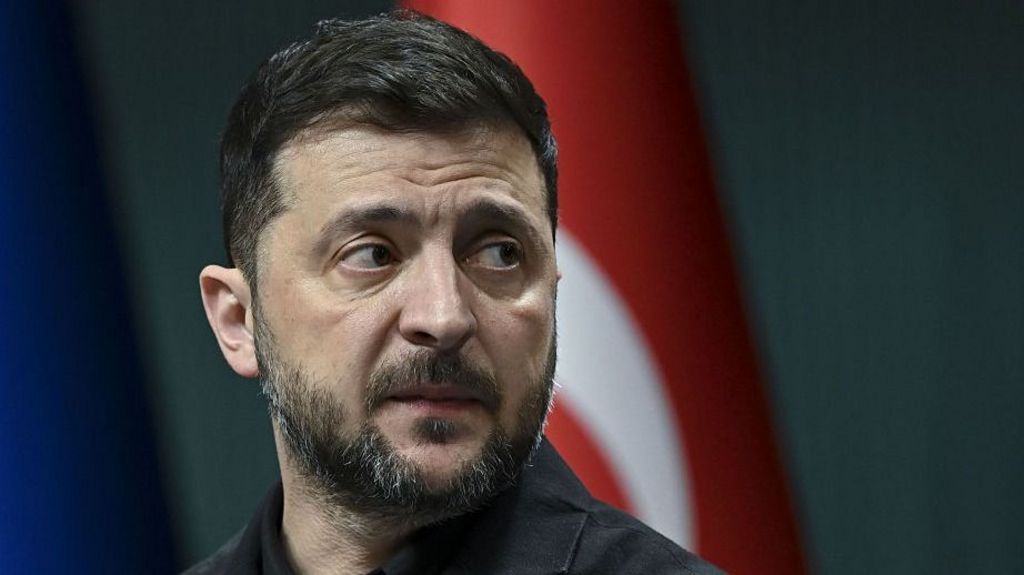
A proposed peace plan to end the Ukraine war, allegedly authored by the United States, has ignited significant debate and resistance from Ukraine’s allies. US Secretary of State Marco Rubio emphasized that the draft, which includes provisions favorable to Russia, was developed with input from both Russia and Ukraine. However, Republican Senator Mike Rounds contradicted this, stating that Rubio had informed lawmakers the plan was not US policy but rather a Russian proposal. The State Department swiftly denied Rounds’ claims, asserting that the proposal was indeed crafted by the US. The plan, which remains undisclosed but has been widely leaked, includes controversial measures such as Ukraine withdrawing troops from eastern regions and limiting its armed forces. Ukrainian President Volodymyr Zelensky has warned of the plan’s potential to leave Ukraine vulnerable, while Russian President Vladimir Putin suggested it could form the basis of an agreement. The proposal has faced strong opposition from European leaders, including France and Germany, who argue it undermines Ukraine’s security. US President Donald Trump, who has prioritized ending the conflict, clarified that the plan is not a final offer and extended the deadline for Ukraine’s approval. As negotiations continue in Geneva, the international community remains divided over the plan’s feasibility and implications for lasting peace.
-

Northern Warriors beat Gladiators in Abu Dhabi T10
The Northern Warriors secured a commanding 6-wicket victory against the Deccan Gladiators in the 2025 Abu Dhabi T10 tournament, chasing down a target of 88 runs with 10 balls to spare. This win marked a significant turnaround for the Warriors, who had managed only one victory in their first three matches. Their top-order batsmen rose to the occasion, delivering a much-needed boost to their campaign. In other matches of the day, Vista Riders edged out Aspin Stallions by six runs, while Quetta Qavalary dominated the UAE Bulls with a 9-wicket win. The Gladiators, batting first, faced early setbacks as Trent Boult dismissed Nicholas Pooran and David Wiese in quick succession. Tom Kohler-Cadmore’s resilient 58 off 31 balls provided some stability, but frequent wickets at the other end limited their total to 87/7. The Warriors’ chase was spearheaded by Johnson Charles, who smashed 41 off 17 balls, setting the tone for the innings. Despite a mid-innings slowdown, Thisara Perera and Azmatullah Omarzai ensured a comfortable finish, sealing the victory in 8.2 overs and handing the reigning champions a decisive defeat.
-
Farhan dazzles as Pakistan outplay Sri Lanka in tri-series
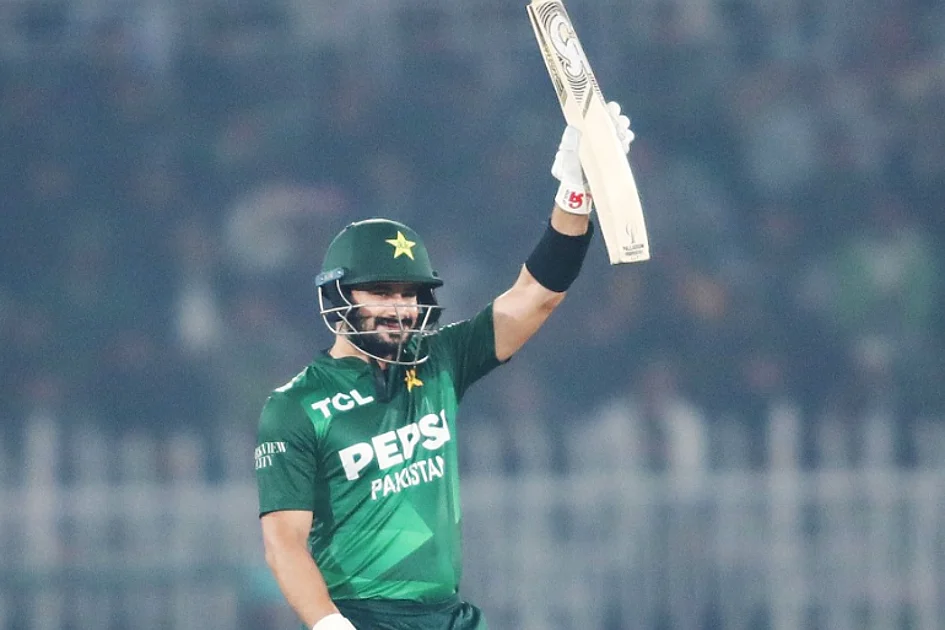
In a thrilling display of cricketing prowess, Sahibzada Farhan delivered a match-winning performance as Pakistan secured a commanding seven-wicket victory over Sri Lanka in the T20 tri-series on Saturday. Farhan’s unbeaten 80 off just 45 balls, embellished with five sixes and six fours, was the cornerstone of Pakistan’s successful chase. The hosts reached the target of 129 with ease, finishing at 131-3 in a mere 15.3 overs. This victory marked Pakistan’s second consecutive win in the series, further solidifying their dominance. Sri Lanka, on the other hand, continued to struggle with their batting lineup. After being bowled out for a paltry 95 in their opening match against Zimbabwe, they managed only 128-7 in this encounter. Captain Dasun Shanaka’s decision to bat first backfired as Pakistan’s bowlers, led by Mohammad Nawaz (3-16), kept the Sri Lankan batsmen in check. The visitors’ dismal form in white-ball cricket persists, having already suffered a 3-0 defeat in the ODI series prior to the tri-series. Farhan’s explosive innings not only sealed the win but also highlighted his growing reputation as a formidable T20 batsman. Pakistan’s clinical performance underscores their readiness for upcoming challenges, while Sri Lanka faces an uphill battle to regain their footing in the tournament.
-
Indigenous people reflect on the meaning of their participation in COP30 climate talks
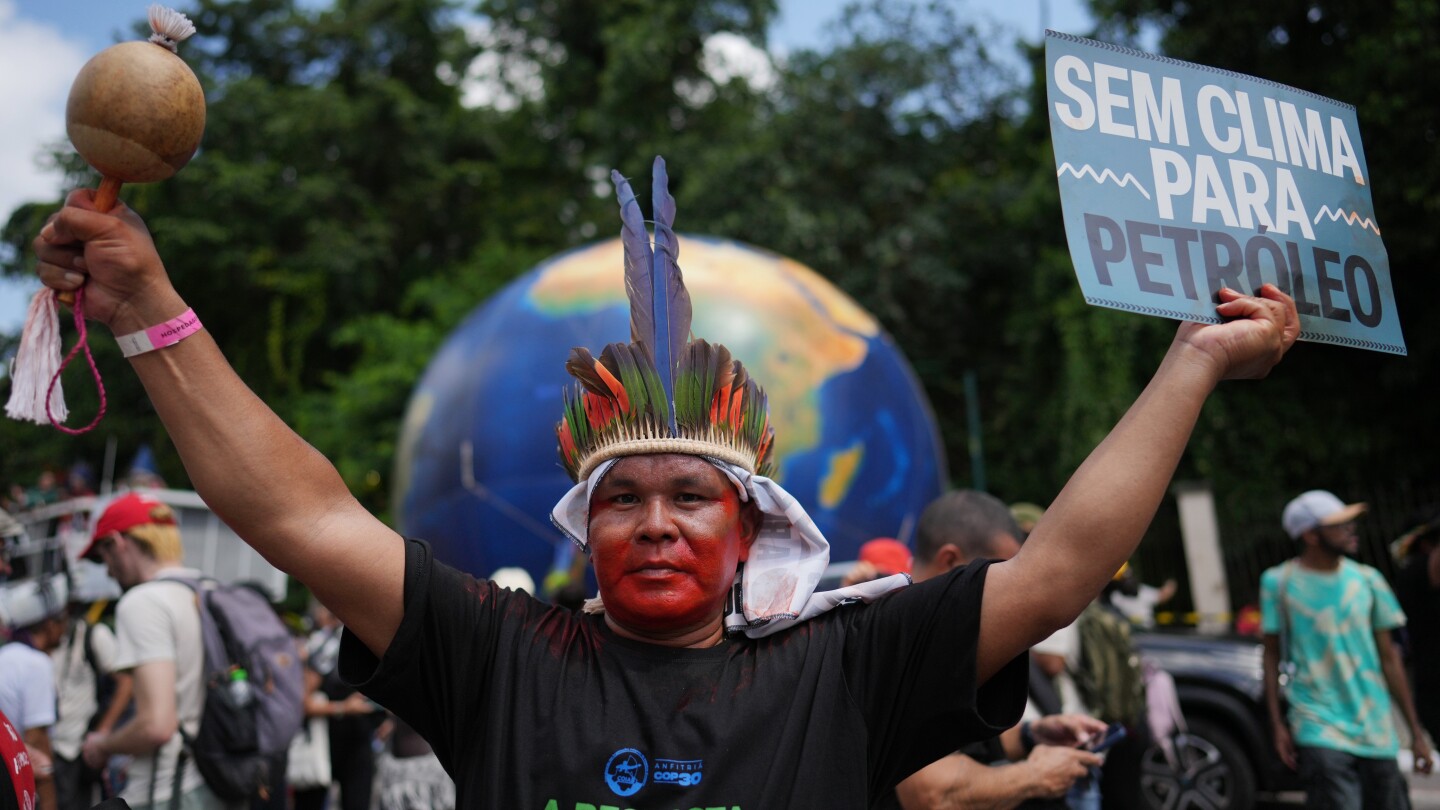
The streets of Belem, Brazil, echoed with the voices of Indigenous communities during the United Nations COP30 climate talks, held in the heart of the Amazon. While the conference aimed to amplify Indigenous representation like never before, many attendees left feeling that their voices were heard but not truly empowered. The summit, which concluded on Saturday, was hosted in a region critical to global biodiversity and climate regulation, yet Indigenous leaders expressed frustration over the lack of meaningful action and representation. Brazilian officials had hoped the event would empower local communities and protect the Amazon rainforest, a vital carbon sink. However, despite small victories, such as the explicit acknowledgment of Indigenous rights in the final text, the conference fell short on addressing critical issues like fossil fuel phase-outs and equitable participation. Indigenous leaders criticized the focus on symbolic gestures rather than substantive policy changes. Protests outside the venue highlighted the solidarity among Indigenous groups, with demonstrations breaking barriers—both literal and metaphorical—to ensure their voices reached the negotiation tables. While the conference marked a step forward in visibility, it underscored the need for genuine empowerment and action to address the climate crisis affecting Indigenous communities worldwide.
-
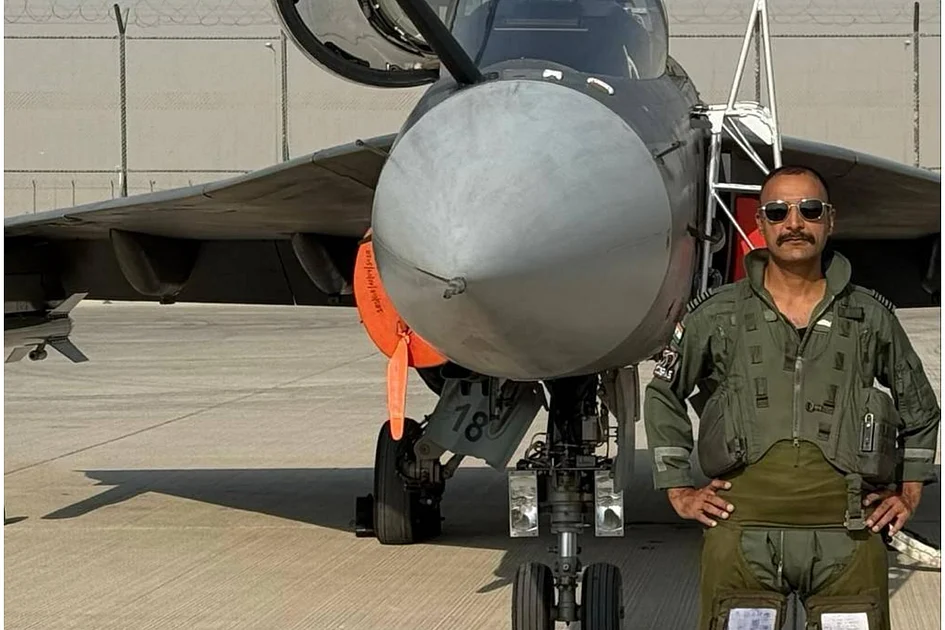
‘Tragic loss’: Indian Air Force pays tribute to fighter pilot killed in Dubai Airshow crash
The Indian Air Force (IAF) has paid heartfelt tribute to Wing Commander Namansh Syal, who tragically lost his life during a devastating crash at the Dubai Airshow on Friday. Syal, a highly skilled and dedicated fighter pilot, was flying the India-produced Light Combat Aircraft (LCA) Tejas when the accident occurred. His mortal remains were repatriated to India on Saturday, marking a somber moment for the nation. The IAF described Syal as a ‘thorough professional’ who served with unwavering commitment, exceptional skill, and an unyielding sense of duty. In a statement posted on X, the IAF expressed deep sorrow over the loss, highlighting Syal’s dignified persona and the immense respect he earned throughout his life of service. The crash, which took place around 2:10 pm during an eight-minute aerial display, has left the aviation community in shock. Syal, hailing from Himachal Pradesh, was honored by UAE officials, colleagues, friends, and Indian Embassy representatives during a solemn send-off. The IAF has pledged to stand in solidarity with Syal’s family during this time of profound grief, vowing to honor his legacy of courage, devotion, and honor.
-
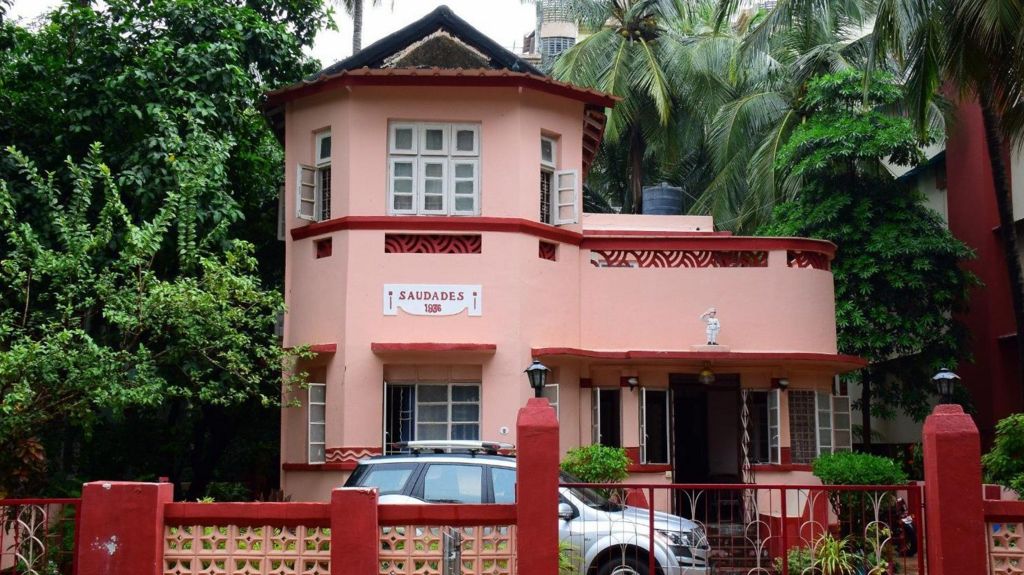
Hidden in plain sight – Mumbai’s glorious Art Deco legacy at 100
The Art Deco movement, which first captivated the world at the 1925 Paris Exposition, has left an indelible mark on Mumbai’s architectural landscape. Celebrating its centenary, this iconic style—characterized by geometric patterns, sweeping curves, and nautical motifs—symbolized a bold departure from traditional designs, embodying the optimism and modernity of the post-war era. Mumbai, often dubbed the ‘Art Deco capital of the world,’ boasts one of the largest collections of such buildings, rivaling even Miami. From the iconic Marine Drive seafront to the grandeur of Liberty and Eros cinemas, the city’s embrace of Art Deco reflects its unique blend of global influences and local sensibilities. The style was introduced during colonial rule by India’s first generation of home-grown architects, who adapted it by incorporating native elements like Mughal lattice screens and maritime inspirations. Despite its cultural significance, Mumbai’s Art Deco heritage faces threats from rapid urbanization and real estate pressures. Organizations like the Art Deco Mumbai Trust are working tirelessly to preserve these architectural gems, offering restoration consultancies and raising awareness about their historical value. Meanwhile, designers like Nidhi Tekwani are reimagining Art Deco for contemporary living, ensuring its relevance in a city that continues to evolve at breakneck speed.
-
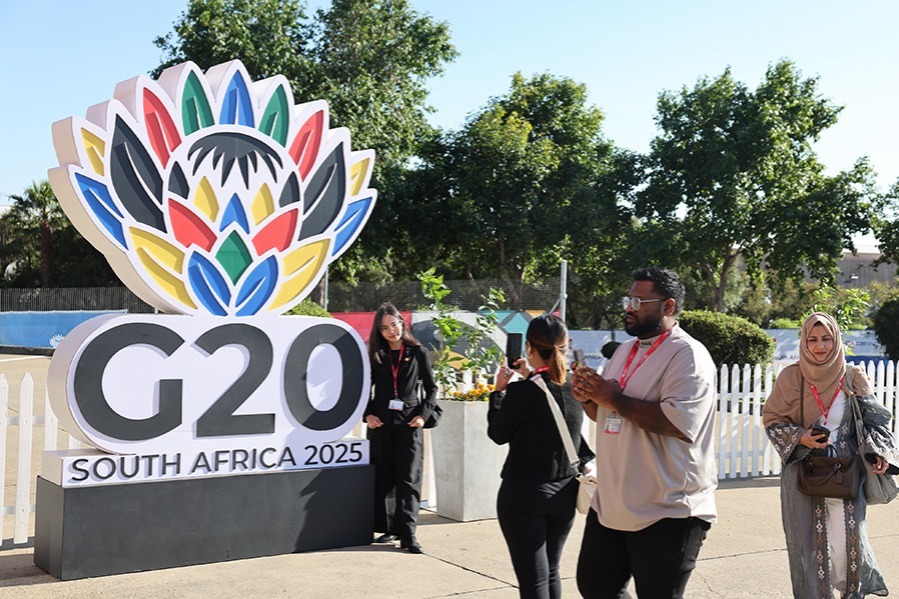
G20 Johannesburg summit calls for improving global governance
The 20th Group of 20 (G20) Summit commenced in Johannesburg on Saturday, marking a historic moment as the first G20 summit held on African soil. Under the theme ‘Solidarity, Equality, and Sustainability,’ the two-day event underscored Africa’s growing influence in global governance and its alignment with the development priorities of the Global South. The summit concluded with the adoption of the ‘G20 South Africa Summit: Leaders’ Declaration,’ which emphasized the need for more equitable global governance and reinforced the commitment to multilateralism, with the United Nations at its core. The declaration highlighted peace as a cornerstone for sustainable economic development and stressed the importance of international cooperation in addressing pressing global challenges, including economic inequality and instability. G20 leaders also acknowledged the urgent need to ramp up global investments to meet the climate goals outlined in the Paris Agreement, calling for a significant increase in climate finance from billions to trillions of dollars. The declaration further emphasized the alignment of financial flows with climate objectives, alongside scaling up finance, capacity building, and technology transfer, particularly for developing countries. Additionally, the leaders reaffirmed their commitment to the swift implementation of the Kunming-Montreal Global Biodiversity Framework and celebrated the 30th anniversary of the Beijing Declaration and Platform for Action, pledging to accelerate its full implementation. South Africa, which assumed the G20 presidency on December 1, 2024, became the first African nation to hold this prestigious role, with the United States set to take over on December 1, 2025.
-
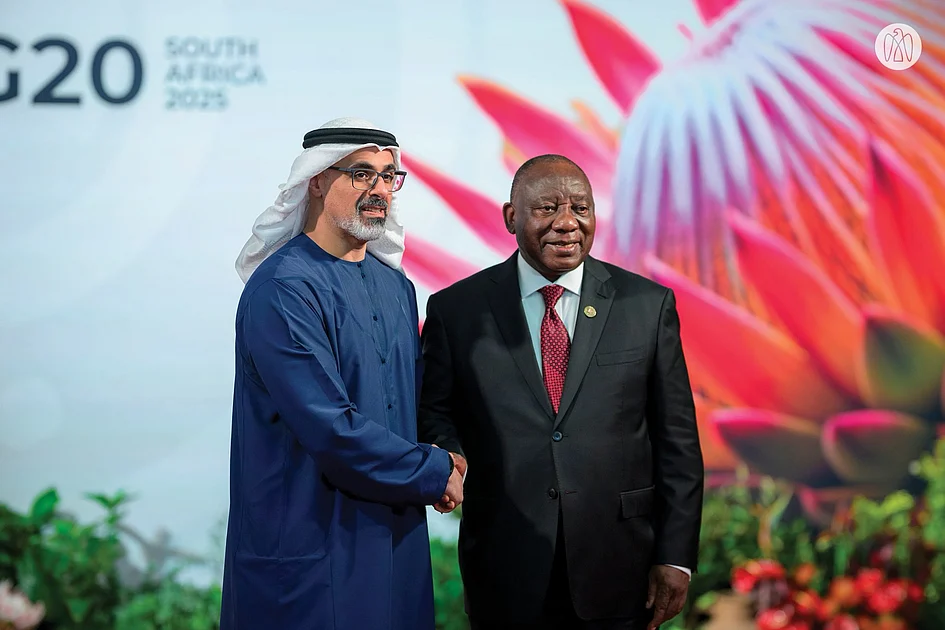
UAE launches $1 billion AI for Development initiative in Africa
The United Arab Emirates (UAE) has unveiled a groundbreaking $1 billion initiative, titled ‘AI for Development,’ aimed at fostering artificial intelligence (AI) projects across African nations. Announced by Sheikh Khaled bin Mohamed bin Zayed, Crown Prince of Abu Dhabi, during the G20 summit in South Africa, this initiative underscores the UAE’s commitment to leveraging advanced technologies to drive economic and social progress in developing regions. The program will focus on enhancing digital infrastructure, improving government services, and boosting productivity levels across the continent. The initiative will be spearheaded by the Abu Dhabi Exports Office (ADEX), a division of the Abu Dhabi Fund for Development, in collaboration with the Emirates Agency for International Aid. This institutional partnership reflects the UAE’s strategic vision to empower developing countries by integrating AI into their development frameworks. Sheikh Khaled emphasized the UAE’s dedication to fostering sustainable growth through innovative financing solutions and international cooperation. The initiative is expected to play a pivotal role in enabling African nations to harness the transformative potential of AI, thereby contributing to comprehensive and inclusive development.
-
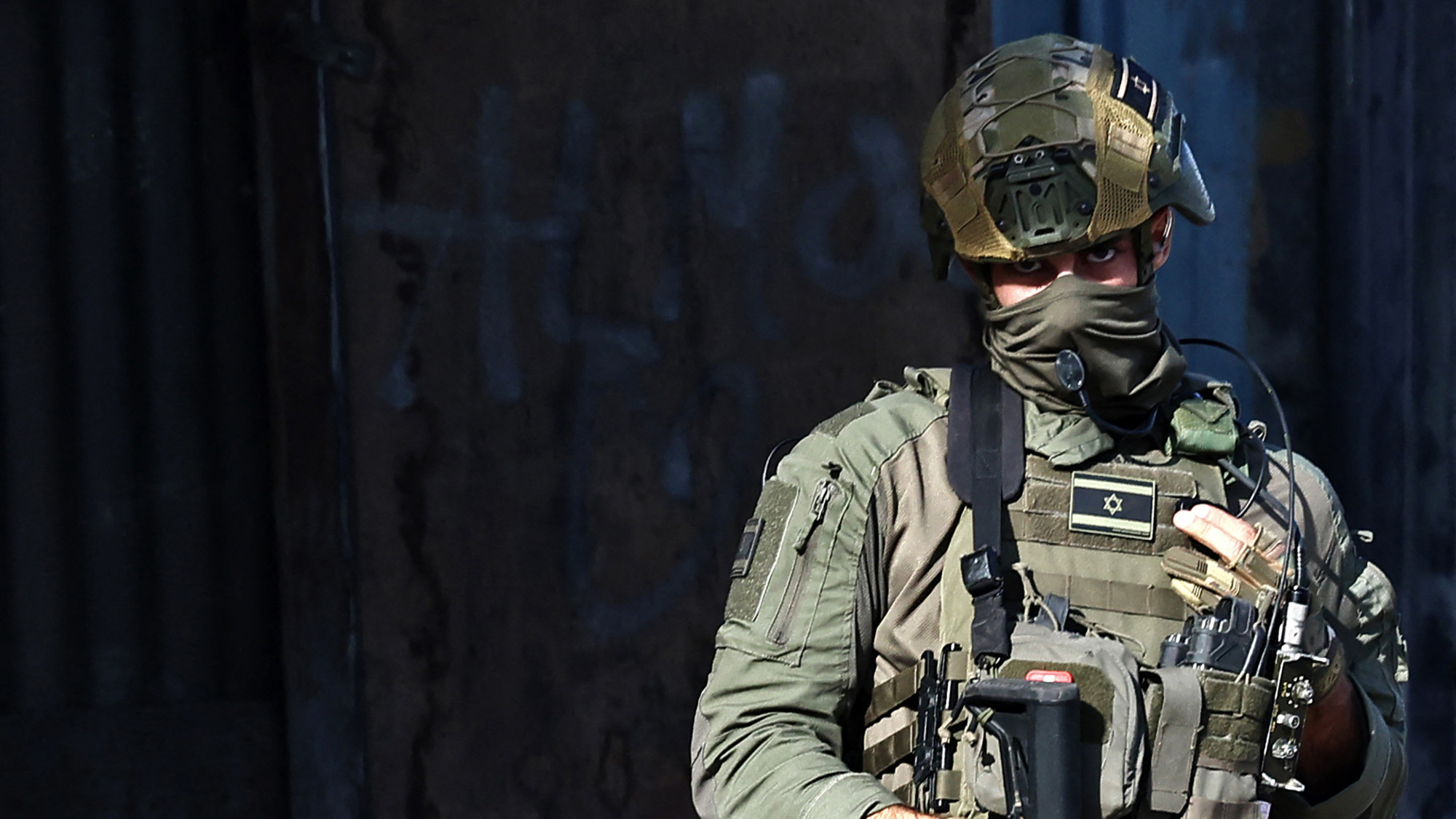
Israel faces ‘mental health tsunami’ after two years of war, report finds
Israel is grappling with a severe mental health crisis, described as a “mental health tsunami” by Yedioth Ahronoth. Since the events of 7 October 2023, the nation has witnessed a sharp increase in mental health issues, with two million people requiring support. A coalition of eight major mental health organizations has issued an urgent warning to the government, labeling the situation as an “outbreak of mental illness unprecedented in its depth and scope.” The crisis has been exacerbated by a severe shortage of therapists and support services, leading to widespread psychological distress across Israeli society. The prolonged conflict and trauma have left many struggling with depression, anxiety, intrusive thoughts, and exhaustion. Families and communities are being severely affected, with experts warning that the crisis has not yet peaked. Data from Yedioth Ahronoth reveals alarming statistics: diagnoses of depression and anxiety in 2024 doubled compared to 2013, while PTSD diagnoses rose by 70 percent monthly from October 2023 to the end of 2024. Nearly half of Israelis report symptoms of persistent grief, and calls to mental health helplines have increased sixfold. A study by Clalit Health Services and the Myers-JDC-Brookdale Institute found that 50 percent of those affected by the 7 October attacks are still struggling, with one in five people in the general population suffering severe functional impairment due to mental health issues. The Israeli Ministry of Health has announced a national rescue plan, estimated to cost 1.7 billion shekels ($517 million), which includes doubling the number of psychologists, improving salaries, upgrading psychiatric wards, and expanding home-based and community services. However, senior clinicians stress that extensive reforms are needed to address the crisis effectively.